Baguio
🇵🇭 Philippines
The Mountain Escape
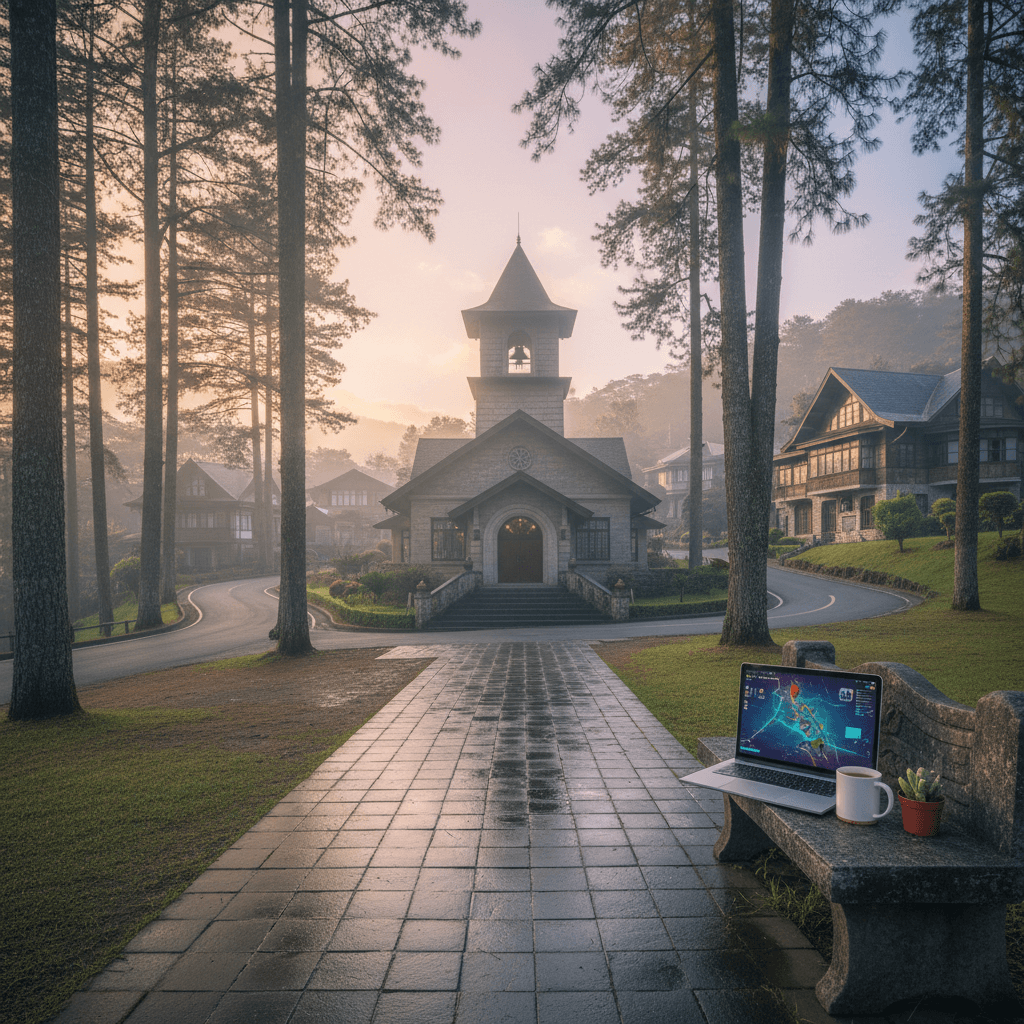
Baguio is a bit of an anomaly in the Philippines. While most nomads flock to the white sands of Siargao or the high-rises of Makati, those who head five thousand feet up into the Cordillera mountains find a different world entirely. It is a city of pine trees, cool morning mists, and a creative energy that feels miles away from the humid chaos of the lowlands. People call it the Summer Capital for a reason; when Manila starts to bake, Baguio stays a comfortable 15 to 25°C year round.
The vibe here is laid back and deeply artistic. You will spend your mornings drinking local Benguet coffee in cafes that overlook limestone cliffs and your evenings wandering through the Ili Likha Artist Village, a multi level structure built around trees that feels like a fever dream of folk art and recycled materials. It is quiet enough for deep work but has just enough grit and movement on Session Road to keep you from feeling isolated.
Nomads usually fall in love with the cost of living first. It is one of the few places left where you can snag a brand new house or a modern studio with sweeping mountain views for about $500 a month. The trade off is the weekend traffic. When the tourists arrive from the south, the narrow mountain roads turn into a parking lot. Most long term residents learn to stock up on groceries by Thursday and stay put until Monday morning.
The Cost of Living
You can live well here on a fraction of a Western budget. Whether you are living lean or going for a more upscale lifestyle, your money stretches further than in the coastal hubs.
- Budget ($500 to $800/month): This covers a room in a shared house or a modest local apartment, plenty of street food from the night market, and getting around via the iconic colorful jeepneys.
- Mid-range ($800 to $1,500/month): At this level, you are looking at a private one bedroom apartment, eating at trendy cafes on Session Road daily, and taking Grab cars instead of public transport.
- Comfortable ($1,500+/month): This gets you a premium rental in a quiet neighborhood, frequent fine dining, and full time access to coworking spaces or high speed Starlink setups.
Where to Set Up Base
Baguio is compact, but each pocket has a distinct personality. Most nomads choose based on how much they value peace versus proximity to a good latte.
Session Road
This is the city's commercial heartbeat. It is perfect if you want to be within walking distance of everything. You will find the best concentration of coworking spots and cafes here, and on Sundays, the road closes to cars, turning into a massive street festival of chalk art and buskers. The downside is the constant noise and crowds.
Burnham Park
Just a stone's throw from the center, this area is great for those who need a bit of green. You can take a boat out on the lagoon or rent a bike for a quick break between Zoom calls. It is family friendly and very walkable, though you should keep an eye on your pockets in the thick of the crowds.
Mines View
Expats often head here for the scenery. The views of the Amburayan Valley are world class, and the air feels a bit thinner and fresher. It is quieter than downtown, but you will rely more on jeepneys or Grab to get into the city for supplies.
La Trinidad
Technically a separate town just over the border, this is where the famous strawberry farms are. It is much more affordable and offers a slower, more rural pace of life. It is ideal for long termers who don't mind a 20 to 30 minute commute into Baguio proper.
Connectivity and Productivity
Internet reliability has improved significantly. While the city average sits around 8 Mbps, most modern rentals now offer fiber connections that are plenty fast for video calls. If your home WiFi flickers, the cafe culture on Session Road is robust. Spots like Hot Cat Specialty Coffee or the various nooks in the Baguio Central Market offer reliable speeds and plenty of caffeine.
For a dedicated desk, expect to pay between $3.50 and $9 for a day pass at local coworking spots. If you are staying for a month, memberships usually hover around $35 to $90. Most nomads use Globe or Smart SIM cards for backup data; you can easily manage these through the GCash app, which is also the unofficial currency of the city for everything from market stalls to taxi rides.
Safety and Health
Baguio is widely considered one of the safest cities in the Philippines. You can walk most places at night without worry, though common sense applies in crowded markets where pickpockets occasionally operate. If you get sick, Baguio General Hospital provides high quality care with English speaking staff. Pharmacies like Mercury Drug are everywhere, usually staying open late or 24/7 along the main strips.
Baguio is one of those rare spots where you can actually live a high quality life on a modest budget without sacrificing the modern comforts of a major city. While Manila and Cebu might drain your wallet with high end condos and expensive nightlife, Baguio remains grounded. It is a mountain retreat where $500 to $800 a month can cover a comfortable, albeit modest, lifestyle for a solo nomad.
Monthly Budget Tiers
- Budget ($500 to $800): You can make this work by snagging a room in a shared house, sticking to the legendary street food at the Night Market, and mastered the art of the jeepney routes.
- Mid-Range ($800 to $1,500): This is the sweet spot. You will likely have a private one bedroom apartment, eat at cafes on Session Road daily, and use Grab for transport when the hills get too steep.
- Comfortable ($1,500+): At this level, you are looking at upscale rentals with sweeping mountain views, regular dining at high end spots, and a dedicated desk at a coworking space.
Housing and Utilities
Rent is your biggest variable. If you look toward the outskirts like La Trinidad or quieter residential pockets, you can find brand new houses or studios with mountain views for around $500 a month. In the heart of the action near Session Road, expect to pay between ₱15,000 and ₱25,000 ($260 to $430) for a central apartment.
One of the best perks of the 5,000 foot elevation is the climate. You will almost never need air conditioning, which keeps your electricity bill remarkably low, usually between $20 and $50 a month. Most nomads find their rentals through Facebook Marketplace or by connecting with local landlords who specialize in long term stays for expats.
Food and Dining
You can eat like royalty here for very little. A cup of the famous Strawberry Taho or a plate of Puto Bumbong at the Baguio Night Market will only cost you ₱50 to ₱100 ($0.90 to $1.80). It is one of the most affordable ways to sample local flavors.
For a sit down meal at a mid range cafe or restaurant, you are looking at ₱200 to ₱400 ($3.50 to $7). If you want something more upscale, perhaps a nice dinner with a view, prices start around ₱500 ($9). Because Baguio is a hub for fresh produce, grocery shopping at the Central Market for local vegetables and fruit is significantly cheaper than in the lowlands.
Transport and Connectivity
Getting around is cheap but can be time consuming due to the city's notorious weekend traffic. Jeepneys are the backbone of local transit, costing just ₱15 to ₱30 ($0.25 to $0.50) per ride. For more comfort, the Grab app is reliable here, with most city trips ranging from ₱100 to ₱300 ($1.80 to $5.30).
Internet reliability has improved significantly. Fiber and Starlink are becoming the norm in central rentals. For mobile data, grab a Globe or Smart SIM card. You can get plans with 10GB to 50GB of data for ₱40 to ₱300, and you can easily top up your "load" using the GCash app at any convenience store.
Coworking and Work Culture
While Baguio does not have the massive coworking hubs found in Siargao, the cafe culture is strong. Places like Ili Likha Artist Village or the various coffee shops along Session Road are nomad favorites. If you need a dedicated workspace, day passes generally run between ₱200 and ₱500 ($3.50 to $9), while a monthly membership usually lands between ₱2,000 and ₱5,000 ($35 to $90). Most nomads find the "unlimited coffee" spots near Burnham Park perfectly adequate for a day of productivity.
Choosing a neighborhood in Baguio isn't just about finding a roof; it's about managing the city's unique geography and traffic. While the city is compact, the steep hills and weekend gridlock mean your choice of base will define your daily rhythm. Most nomads and expats stick to the central spine of the city for convenience, while those staying long term often migrate toward the cooler, quieter outskirts.
For Digital Nomads: Session Road and the Commercial Core
If you need to be within walking distance of a strong caffeine fix and reliable fiber internet, stay as close to Session Road as possible. This is the city's heartbeat, where the creative energy is highest. On weekends, the road often turns into a pedestrian zone filled with street performers and chalk artists, making it the best place to soak up the local vibe without needing a taxi.
- The Vibe: High energy, walkable, and social. You'll find the highest concentration of "work-friendly" cafes here.
- Connectivity: This is where you'll find the most stable fiber connections and the best 5G coverage for Globe or Smart backups.
- Rent: Expect to pay between $260 and $430 (₱15,000 to ₱25,000) for a decent studio or one bedroom apartment in this area.
- Coworking: While dedicated spaces are still catching up to Manila, nomads frequent the cafes here. You can grab a day pass at local spots for ₱200 to ₱500.
For Expats and Long-Termers: Mines View and Outlook Drive
Expats who want the "mountain" part of the mountain city experience usually head toward Mines View or the Outlook Drive area. It's further from the noise of the city center and offers the dramatic pine forest views Baguio is famous for. It's a bit of a trade-off; you get the serenity and the cool morning mist, but you'll rely more on the Grab app or local jeepneys to get downtown.
- The Vibe: Quiet, scenic, and residential. It feels more like a retreat than a city.
- Pros: Stunning sunrise views and easy access to local markets for fresh produce.
- Cons: It gets very busy with tourists on Saturday and Sunday mornings.
- Rent: You can find brand-new houses or modern condos here for around $500 a month, often with utilities staying low at $20 to $50 because you never need air conditioning.
For Families: Burnham Park and South Drive
Families usually cluster around Burnham Park or the greener pockets near South Drive. Having the park nearby is a lifesaver for kids, offering boat rides on the lagoon, bike rentals, and plenty of open space to run. It's central enough that you aren't isolated, but residential enough to feel like a community.
- The Vibe: Active and wholesome. You're close to the Baguio City Market for affordable groceries and the main transport hubs.
- Safety: Generally very safe, though locals remind newcomers to keep an eye on bags in the crowded market areas.
- Healthcare: This area provides the quickest access to Baguio General Hospital, which is the top choice for English-speaking medical care in the region.
For Budget Travelers and Slow Travelers: La Trinidad
Technically its own municipality just over the border, La Trinidad is where many long-term nomads go to stretch their dollars. It’s famous for its strawberry farms and the colorful Valley of Colors houses. It’s significantly more affordable than central Baguio but requires a bit more patience with the daily commute.
- The Vibe: Local, authentic, and agricultural. Life moves slower here.
- Transport: You'll become an expert on the local jeepney routes, which cost about ₱15 to ₱30 per ride.
- Food: This is the place for cheap eats. You can grab a bowl of strawberry taho or a full meal at a local eatery for under $2.00.
- Rent: This is the best spot to find those $300 to $400 monthly deals for larger spaces that would cost double in the city center.
Baguio is a bit of an anomaly in the Philippines. While nomads in Siargao or Boracay are fighting the humidity, you'll be reaching for a hoodie here. That cool mountain air doesn't just make for better sleep; it keeps your laptop from overheating while you work from a balcony overlooking the pines. The city is becoming a major hub for digital nomads who want the low cost of living found in Southeast Asia without the oppressive tropical heat.
The Internet Situation
Internet reliability in the mountains used to be a gamble, but things have changed. Most modern apartments and houses now come with fiber connections as standard. You can expect speeds around 8 Mbps on average, though many dedicated rentals for expats now offer much higher bandwidth. If you're staying further out in areas like La Trinidad, speeds can fluctuate, so it's smart to check if your host has a backup system.
For your mobile setup, grab a Globe or Smart SIM card as soon as you arrive. You can pick these up at the SM Mall or any convenience store for under $1. Data plans are incredibly cheap; expect to pay between ₱40 and ₱300 ($0.70 to $5.30) for generous data allowances ranging from 10GB to 50GB. Most locals use the GCash app to load their phones and pay for everything from coffee to groceries, so set that up early.
Coworking and Cafe Culture
Baguio doesn't have the massive, industrial-style coworking hubs you'll find in Manila or Cebu yet. Instead, the city relies on a thriving cafe culture where "work from anywhere" is the norm. Session Road and the area around Burnham Park are the primary spots for this. You'll find plenty of students and remote workers tucked into corners with unlimited coffee refills.
- Session Road Cafes: This is the heart of the action. Many spots here offer reliable WiFi and plenty of power outlets. It's the best place to feel the energy of the city while clearing your inbox.
- Dedicated Workspaces: While limited, keep an eye out for local study hubs and small coworking offices. Day passes typically run between ₱200 and ₱500 ($3.50 to $9). If you're staying long term, monthly memberships usually land between ₱2,000 and ₱5,000 ($35 to $90).
- Starlink: Because of the clear mountain views and lack of skyscrapers in residential areas, a growing number of long term nomads are installing Starlink. If you find a rental with a dish, you've hit the jackpot for video calls and heavy uploads.
Practical Workflow Tips
The biggest hurdle to your productivity in Baguio isn't the internet; it's the weekend traffic. The city gets packed with tourists from Manila from Friday night through Sunday. If you have errands to run or want to move between cafes, do it on a Tuesday or Wednesday. Use the Grab app for reliable rides when you don't feel like navigating the jeepney routes, but be prepared for longer wait times when it rains.
Power outages (locally called brownouts) can happen during the peak of the rainy season from June to October. Most nomads keep a high capacity power bank for their devices and a mobile hotspot ready just in case. If you're looking for a permanent base, ask landlords specifically about "back-up power" or "fiber-ready" status. You can often find brand new 1BR houses with mountain views for about $500 a month, which usually includes your utility and web costs.
For social connections, the community is quite welcoming but spread out. Most people connect through Facebook groups like Digital Nomads Philippines. You'll also meet a lot of expats and English learners from Japan and South Korea in the cafes around the city center, which gives the workspace scene a uniquely international feel compared to other Philippine mountain towns.
Staying Safe in the Summer Capital
Baguio is widely considered one of the safest cities in the Philippines. Most nomads feel comfortable walking around downtown even after the sun sets, thanks in part to the heavy presence of students and a generally respectful local culture. You won't find the same aggressive hustle here that you might encounter in Manila or Cebu.
That said, keep your wits about you in high traffic areas. Pickpockets occasionally target distracted tourists at the Baguio Night Market or along Session Road when it gets shoulder to shoulder on weekends. Use a crossbody bag and don't keep your phone in your back pocket while you're hunting for strawberry snacks. If you're staying in the outskirts or near La Trinidad, stick to well lit main roads if you're out late, as some side streets lack consistent lighting.
The biggest "danger" in Baguio is actually the traffic. Pedestrian crossings are generally respected, but the narrow, winding mountain roads get incredibly congested on weekends. If you're exploring on foot near Burnham Park, watch for bikes and scooters that might zip through crowds unexpectedly.
Healthcare and Medical Services
If you get sick or need a routine checkup, you're in good hands. Baguio is a regional healthcare hub, so you don't need to trek back to Manila for quality treatment. Most doctors speak excellent English and are used to seeing expats and international students.
- Baguio General Hospital and Medical Center: This is the primary facility for most emergencies. It's a tertiary government hospital with a solid reputation for specialized care.
- Notre Dame de Chartres Hospital: Located right near the city center, this is a popular private option for nomads who want faster service and have international insurance.
- Pines City Doctors' Hospital: Another reliable private facility located along Magsaysay Avenue.
For minor ailments or prescriptions, Mercury Drug and Watsons are the go to pharmacies. You'll find branches every few blocks downtown, especially around Session Road. Most are open late, and some are 24/7. If you need an ambulance or police assistance, the national emergency number is 911.
Practical Wellness Tips
The mountain air is a massive draw, but the elevation is roughly 5,000 feet. If you've just arrived from sea level, give yourself a day or two to adjust before attempting a hike up Mount Pulag. You might find yourself getting winded a bit faster than usual during your first few walks up Baguio's steep hills.
While the tap water is generally treated, most long term nomads stick to filtered or bottled water for drinking to avoid "Baguio belly." Most apartment rentals include a 5 gallon blue jug delivery service for about ₱35 to ₱50 per refill. It's cheap, convenient, and much safer for your system.
Lastly, keep an eye on the forecast during the rainy season from June to October. Heavy downpours can cause localized landslides on the mountain access roads. If a typhoon is passing through, it's best to stay put in your rental and enjoy the foggy views until the weather clears.
The Walking City
Baguio is one of the few places in the Philippines where you can actually enjoy walking. Because the city sits 5,000 feet above sea level, the crisp mountain air keeps you from sweating through your clothes like you would in Manila or Cebu. If you're staying around Session Road or Burnham Park, your own two feet are usually the most efficient way to get around. Most nomads find that the central business district is compact enough to handle on foot, provided you don't mind a few steep inclines.
The city's layout is a bit of a maze, with winding roads that hug the mountainside. While it's charming, it also means traffic can get brutal, especially on weekends when tourists from the lowlands flood the city. During these peaks, walking is often faster than sitting in a car for forty minutes just to move three blocks.
Mastering the Jeepney
For longer hauls to places like Mines View or the strawberry farms in La Trinidad, the jeepney is the local lifeline. These iconic, colorful vehicles follow specific routes and are incredibly cheap, usually costing between ₱15 and ₱30 ($0.25 to $0.50).
- How to ride: Look for the destination painted on the side or a sign in the windshield. To get off, rap a coin on the metal ceiling handrail or shout "Para po!"
- Payment: Pass your fare to the passenger next to you, who will pass it forward to the driver. It's a communal system built on trust.
- Routes: Most routes originate from the plazas near the Baguio City Public Market or the side streets off Session Road.
Ride-Hailing and Taxis
If you aren't feeling the jeepney vibe, the Grab app is your best friend. It's reliable and prevents any haggling over prices. A typical trip across town usually runs between ₱100 and ₱300 ($1.80 to $5.30). Local white taxis are also everywhere and have a reputation for being some of the most honest in the country; drivers will almost always use the meter and even give you back your exact change down to the last peso.
If you're flying in, you'll likely arrive at Loakan Airport. A taxi from there to the city center takes about 15 minutes and costs around ₱200 to ₱300. Most nomads coming from Manila take the "Victory Liner" or "JoyBus" deluxe coaches, which take about 5 to 6 hours and drop you off at terminals within walking distance of the main hubs.
Two-Wheeled Travel
While you can rent bicycles by the hour at Burnham Park, they are mostly for recreation within the park's designated lanes. You won't see many people commuting by bike or scooter because the hills are punishing and the roads are narrow. If you do decide to rent a scooter for a day trip to the outskirts, be prepared for sharp switchbacks and heavy diesel exhaust from the older buses.
Practical Transport Tips
- Avoid the Weekend Rush: Friday nights and Saturdays are the worst for traffic. If you need to get to a coworking spot or a meeting, leave 30 minutes earlier than you think you should.
- Session Road Sundays: On Sundays, the main artery of the city often becomes pedestrian only. It's great for photos and street food, but it means your Grab or taxi will have to take a long detour.
- Night Market Logistics: If you're heading to the Baguio Night Market near Harrison Road, don't bother trying to park or get dropped off right at the entrance. Get out a few blocks away and walk.
- Cash is King: While Grab takes cards, jeepneys and most local taxis are strictly cash only. Always keep small bills and ₱5 or ₱10 coins handy.
The Linguistic Landscape
You won't have any trouble getting your point across in Baguio. English is one of the official languages of the Philippines, and in a city that doubles as a university hub and a magnet for international ESL students, the proficiency levels are remarkably high. Whether you're haggling for a hand-woven blanket at the Public Market or discussing lease terms with a landlord, English is the default for business and education.
While English gets you through the day, the local soul of the city speaks Ilocano and Tagalog. You'll also hear various Igorot dialects from the surrounding Cordillera mountains. Locals are famously polite and soft-spoken compared to the high-energy crowds in Manila. Starting a conversation with a smile and a quiet "Salamat" (thank you) goes a long way in mirroring the gentle mountain etiquette.
Key Phrases for Your Kit
- Salamat: Thank you.
- Magkano?: How much? (Vital for the Night Market).
- Para po: "Stop here, please" (The magic words to get off a jeepney).
- Direksyon sa...?: Directions to...?
- Mabalos: Thank you in Ilocano (A local touch that always earns a smile).
Staying Connected
Baguio is surprisingly well-equipped for the remote grind. Most nomads find that the mountain air doesn't interfere with the fiber connections found in central rentals and modern condos. You can expect average speeds around 8 Mbps on mobile data, though fiber lines in the city center are significantly faster and more stable.
For your mobile setup, grab a SIM card from Globe or Smart as soon as you arrive. You can pick these up at the airport or any 7-Eleven on Session Road for about ₱40 to ₱300 depending on the data package. Most expats recommend the GCash app to "load" your phone and pay for everything from Grab rides to street food; it's the unofficial currency of the digital Philippines.
Coworking and Cafe Culture
While Baguio doesn't have the massive coworking hubs you'll find in Makati or Cebu, the "work from cafe" culture is thriving. Session Road is lined with spots that offer unlimited coffee and decent WiFi. If you need a dedicated desk, look for local study centers or smaller coworking spots where day passes usually run between ₱200 and ₱500. Many nomads prefer the quiet productivity of their own apartments, especially since many brand-new 1BR rentals for $500 a month now come with reliable internet pre-installed.
Digital Essentials
- Grab: The essential app for ride-hailing and food delivery when you don't feel like walking the steep hills.
- Google Translate: Download the Tagalog offline pack, though you'll rarely need it for basic communication.
- Facebook Marketplace: This is the primary way to find long-term rentals and join local nomad groups.
- Maya or GCash: Digital wallets that allow you to pay via QR code at almost every stall in the Baguio Night Market.
Communication here is less about overcoming a barrier and more about navigating the local nuances. People are generally patient and helpful. If you’re ever lost or confused about a jeepney route, just ask the person next to you. In the "City of Pines," a little politeness is the most important language you can speak.
The Coolest Spot in the Philippines
Baguio is a breath of fresh air, literally. Sitting at approximately 1,500 meters above sea level, it trades the sweltering tropical humidity of Manila for a crisp, mountain climate that stays cool year round. Most nomads find they don't even need air conditioning here; a light sweater is usually enough to get through the evening. The average daily temperature hovers around 23°C (73°F), making it one of the few places in the country where you can actually enjoy a hot coffee outdoors without breaking a sweat.
When to Visit
If you want the best conditions for hiking and exploring the city on foot, aim for the dry season between December and March. During these months, temperatures often dip to a refreshing 15°C to 18°C (59°F to 64°F), and the skies stay clear. It's the peak of the social calendar, but it’s also when the city is most pleasant for morning runs around Burnham Park or walking the length of Session Road.
The shoulder season from March to May is also popular, especially since it coincides with strawberry season in nearby La Trinidad. While the rest of the Philippines is baking in the summer heat, Baguio remains comfortable, though you'll notice the crowds start to swell as locals flee the lowlands for the mountain breeze.
Navigating the Rainy Season
The period from June to October brings the heavy rains. Baguio is known for getting some of the highest rainfall in the country, and when it pours, it really pours. July and August are typically the wettest months. If you're planning a stay during this window, expect afternoon downpours that can last for hours.
Expats living here long term suggest using the rainy months for deep work. Since the city slows down and the mist rolls over the pine trees, it's a great time to buckle down in a cafe on Session Road. Just make sure your rental has solid waterproofing and you've got a sturdy umbrella; the mountain wind can be tough on cheap ones.
Seasonal Considerations for Nomads
- December to February: The coolest and driest weather. Perfect for working from balconies and outdoor cafes. Prices for short term rentals may spike around the holidays.
- March to May: Warmest months but still cool by tropical standards. Great for visiting the strawberry farms, though traffic becomes a major headache on weekends.
- June to October: Peak rainy season. Expect lower tourist numbers and potentially cheaper long term rent, but be prepared for occasional power flickers or WiFi instability during major storms.
- November: A sweet spot. The rains start to taper off, the landscape is incredibly green, and the holiday crowds haven't arrived yet.
Practical Weather Tips
The mountain weather is unpredictable, so layering is your best friend. A typical day might start out sunny and warm enough for a t-shirt, only to drop ten degrees once the sun goes down. Most locals and long term nomads carry a light jacket at all times.
If you're planning on doing the famous Mount Pulag hike or visiting Sagada while you're based in Baguio, keep in mind that those higher elevations are significantly colder. Temperatures at the Pulag summit can drop near freezing, so you'll need actual winter gear if you're heading up there between December and February.
Making the Move: Costs and Budgets
Baguio is arguably the most affordable mountain retreat in Southeast Asia for those who want to escape the tropical heat without breaking the bank. You can live quite comfortably here for $800 to $1,500 a month, though some minimalist nomads manage on as little as $500 if they snag a local house rental away from the city center.
Rent is your biggest variable. A brand new one bedroom house or studio with mountain views typically runs around $500 a month, often including electricity. If you prefer being right in the action near Session Road, expect to pay between ₱15,000 and ₱25,000 ($260 to $430) for a central apartment. Food is a bargain; a bowl of strawberry taho or grilled balut at the night market costs about $1.00, while a solid meal at a mid range cafe sits around $4.00 to $7.00.
Choosing Your Neighborhood
- Session Road: This is the heartbeat of the city. It is perfect if you want to be within walking distance of coworking spots, bars, and the weekend pedestrian street. It gets crowded and noisy, but the convenience is hard to beat.
- Burnham Park: Ideal for those who want a bit of greenery. It is more family oriented with bike rentals and lagoon boat rides, though you should keep an eye on your pockets in the heavy crowds.
- Mines View: Best for the views. It is further out and gets busy with tourists during the day, but the sunrise vibes and easy jeepney access make it a favorite for long term stays.
- La Trinidad: Technically a separate town just outside the city, this is where you go for cheaper housing and fresh produce. It is quieter but requires a commute to reach the main digital nomad hubs.
Connectivity and Workspace
Internet speeds in Baguio average around 8 Mbps, but don't let that number scare you. Most modern rentals now feature fiber or Starlink, which nomads find very reliable for video calls. The cafe culture here is massive; you'll find plenty of spots on Session Road offering unlimited coffee and decent WiFi for a few dollars.
Dedicated coworking spaces are still growing. You can find day passes for ₱200 to ₱500 ($3.50 to $9). For your phone, grab a Globe or Smart SIM card at the airport or any mall. Use the GCash app to load data plans, as it is also the primary way locals pay for everything from street food to taxi rides.
Getting Around the Highlands
The city center is surprisingly walkable, but the hilly terrain will give your calves a workout. For longer distances, the Grab app is your best friend. It is reliable and cheap, with most cross town trips costing between $2.00 and $5.00.
For a more local experience, hop on a color coded jeepney for about ₱15 to ₱30. If you are coming from Manila, the bus takes about 5 to 6 hours and costs roughly ₱800. While there is a small domestic airport in Loakan, most travelers still prefer the bus for its frequency and reliability.
Safety and Health
Baguio is generally safer than Manila or Cebu. Violent crime is rare, but pickpockets operate in the crowded Night Market, so keep your bag in front of you. The biggest "danger" here is the traffic, which becomes a standstill on weekends. If you need medical care, Baguio General Hospital provides quality service with English speaking staff. For emergencies, dial 911.
Local Etiquette and Culture
The vibe here is creative and respectful. When visiting nearby villages or the Ili Likha Artist Village, keep your volume down and respect the indigenous Igorot culture. Tipping isn't mandatory but 10% is appreciated in cafes. The Philippines launched its Digital Nomad Visa in June 2025, which allows for stays up to two years (12 months renewable once). For the best weather, aim to be here between December and March when it is dry and crisp.
Need visa and immigration info for Philippines?
🇵🇭 View Philippines Country GuideHidden Gem
Worth the effort