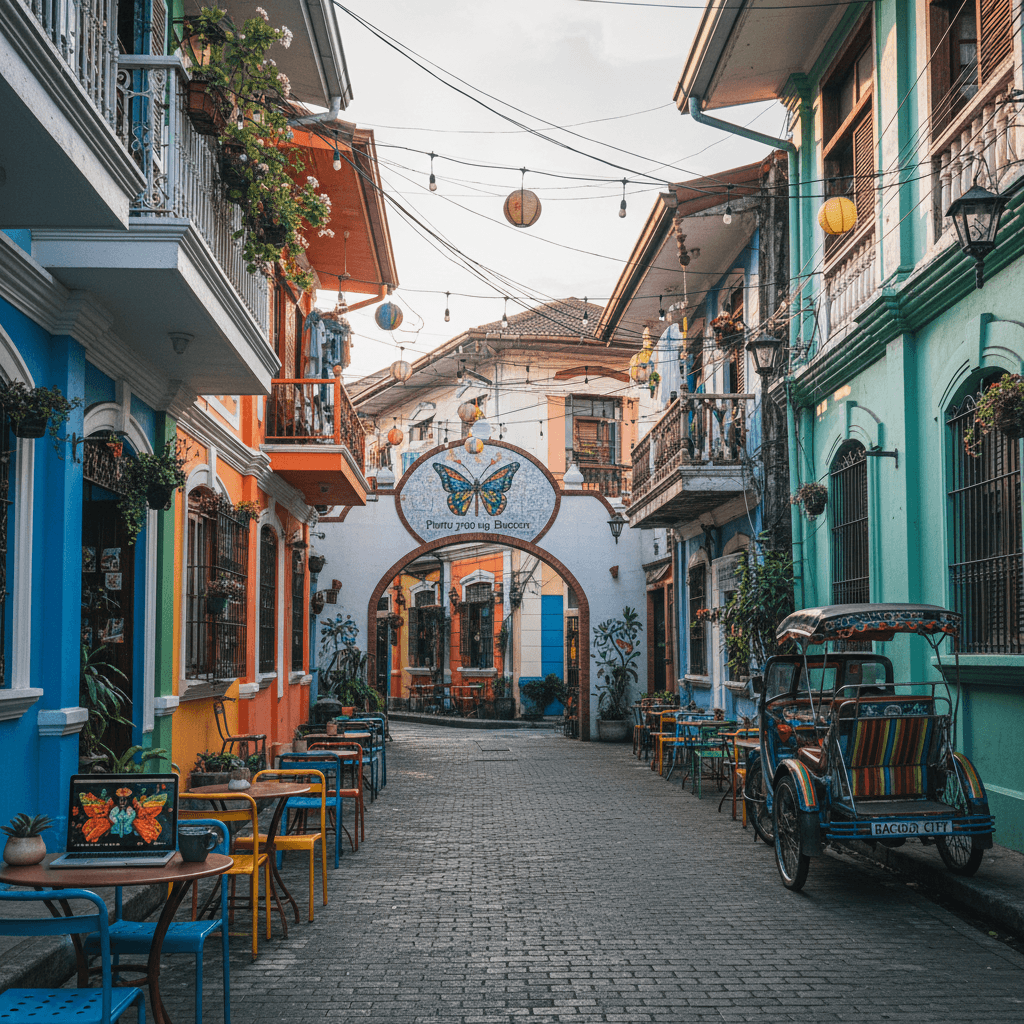
Bacoor
🇵🇭 Philippines
The Gateway to the South
Bacoor is often overlooked in favor of the high rises of Makati or the beaches of Siargao, but for a specific type of nomad, it represents a strategic sweet spot. It serves as the primary gateway between the chaotic energy of Metro Manila and the more relaxed, provincial vibe of Cavite. You aren't quite in the capital, but you're close enough to commute for a weekend blowout, all while paying significantly less for a modern condo.
The vibe here is transitional. It is a city of commuters and growing middle-class subdivisions. You will find a mix of traditional Filipino wet markets sitting just a few blocks away from massive, air-conditioned shopping malls like SM City Bacoor or NOMO. It feels more "real" than the polished bubbles of BGC; you will hear the roar of jeepneys and see the hustle of local life every time you step outside your gate.
A Practical Base for Deep Work
Nomads usually choose Bacoor because they want to get things done without the distractions of a party scene. It is a place where you can hunker down and focus. The emotional experience of living here is one of steady productivity punctuated by weekend escapes. Because it is a residential hub, the pace slows down once you get inside the gated communities, or "villages," which offer a level of quiet that is hard to find in the heart of Manila.
The city is becoming a favorite for those who find the $24,000 USD annual income requirement for the new digital nomad visa manageable but want their money to go twice as far. You are trading the convenience of walking everywhere for a lifestyle where you can afford a spacious two-bedroom house for the price of a cramped studio in the city center.
The Connectivity Reality
While the Philippines is notorious for internet hiccups, Bacoor has benefited from rapid infrastructure development. Most modern subdivisions are wired for fiber, but the seasoned nomad crowd knows better than to rely on a single source. Expats here typically run a dual-setup using both Globe and Smart mobile hotspots as backups. If the power goes out during a tropical storm, having a charged power station and a 5G router is the standard move for staying online.
For a change of scenery, you won't find a massive selection of dedicated coworking spaces like you would in Cebu. Instead, the local nomad culture revolves around "work-friendly" cafes. You will see people with laptops tucked away in the corners of Coffee Project or Dear Joe, which are known for their reliable Wi-Fi and aesthetic interiors that feel more like a living room than an office.
Living Costs & Local Spots
Your budget here stays lean without much effort. A meal at a local carinderia might cost you less than $3 USD, while a dinner at a trendy spot in Molino will still be under $15 USD. It is a city that rewards those who are willing to explore the suburban sprawl.
- Bacoor Government Center: The surrounding area is seeing a lot of new development and is generally considered safe and modern for foreigners.
- Molino Boulevard: This is the commercial heartbeat of the city where you will find the best gyms, grocery stores, and coffee shops.
- Habay: A more traditional neighborhood that offers a glimpse into local life and proximity to the older transport hubs.
Most travelers find that Grab is the most reliable way to get around, as the local jeepney routes can be confusing for newcomers. It is a city that requires a bit of patience, especially with the traffic on Aguinaldo Highway, but for the nomad who wants a comfortable, affordable home base near the capital, it hits the mark.
The Price of Proximity
Bacoor is often treated as the gateway to Cavite, but for nomads, it functions more like a budget-friendly suburb of Metro Manila. You get the benefit of being close to the capital without the eye-watering prices of Makati or BGC. Most digital nomads find they can live a comfortable, middle-class lifestyle here for about $800 to $1,200 per month, depending on how often they head into the city for weekend fun.
The local economy runs on the Philippine Peso, and while inflation has bumped up prices lately, your dollars or euros still go a long way. It is a place where you can afford a condo with a pool for the price of a cramped studio back home. Just keep in mind that since this is a residential hub, you will be spending more on Grab rides or gas than you might in a more walkable island town like Siargao.
Breaking Down the Monthly Rent
Housing is your biggest variable. If you want to be near the action, look at developments along Aguinaldo Highway or near the Molino area. These spots put you close to the big malls like SM City Bacoor and NOMO, which are basically the community centers of the city.
- Bacoor Government Center / Molino: This is the modern heart of the city. A decent one-bedroom condo in a secure complex like those by Vista Land or SMDC will run you $300 to $450 a month. These usually come with decent security and shared amenities.
- Bacoor Proper / Habay: These are more established, local neighborhoods. You can find older apartments or small houses for $200 to $300, but you might sacrifice some of the modern perks like backup generators or dedicated gym access.
- High-End Gated Communities: If you are looking for a house in a subdivision like those in the Daang Hari area, expect to pay $600 to $900. Expats recommend these if you have a family or need a dedicated home office setup with more square footage.
Daily Sustenance and Socializing
Eating out is a national pastime here. If you stick to local carinderias (small family-run eateries), a solid lunch of rice and two dishes will cost you about $2 to $3. For something more familiar, the malls are packed with chains and boutique cafes. A meal at a mid-range restaurant like Mary Grace or a local steakhouse usually lands around $10 to $15 per person.
Groceries are affordable if you buy local produce at the wet markets. However, if you crave imported cheeses or specific Western snacks from S&R or Landers, your bill will double quickly. Most nomads budget about $250 a month for a mix of home cooking and frequent takeout via the GrabFood or FoodPanda apps.
Connectivity and Utilities
Internet is the one area where you should not cheap out. While the national average for a fiber line is around $30 to $50 a month for 100Mbps, you should always have a backup. Most travelers recommend carrying both a Globe and a Smart SIM card. A 5G data promo with 20GB of data usually costs around $10.
Electricity is notoriously expensive in the Philippines. If you run your air conditioning 24/7 to beat the Cavite heat, expect a monthly bill between $80 and $150. Water and trash services are negligible, usually under $15 total.
Getting Around
Bacoor is a car-centric city. While jeepneys and trikes are everywhere and cost less than $0.50 per ride, they are not ideal for long work commutes or midday heat. Most nomads rely on Grab. A ride from Bacoor to the Alabang business district usually costs $5 to $8, while a trip into Manila can range from $12 to $20 depending on the notorious traffic and toll fees on the CAVITEX or MCX.
The Nomad Visa Hurdle
If you are planning to stay long term under the new Digital Nomad Visa, the financial barrier is clear. You will need to show an annual income of at least $24,000. For anyone meeting that threshold, living in Bacoor feels incredibly affordable, allowing you to save a significant portion of your paycheck while enjoying a high standard of living.
The Professional Nomad: Molino IV
If you need to be within striking distance of Metro Manila without paying Makati rents, Molino IV is your best bet. It sits right along the Daang Hari Road, which connects you to Alabang and the high end amenities of Evia Lifestyle Center. This area feels less like a traditional suburb and more like a strategic base for remote work. You'll find plenty of modern subdivisions here where houses are newer and the power grid feels slightly more stable than in the older parts of the city.
Most nomads here set up shop at Coffee Project in Evia for the aesthetic, but for serious work, you will want to head toward Alabang for dedicated coworking spaces like Launchpad. Internet is the biggest hurdle; you should always have both a Globe and Smart SIM card ready for tethering. Expect to pay around $350 to $500 for a decent two bedroom house in a gated community. It is quiet, paved, and close to the upscale grocery stores that stock the international brands you probably miss from home.
The Long-Term Expat: Bacoor Boulevard Area
Expats who have been in Cavite for years tend to congregate around the Bacoor Boulevard corridor, specifically near the Bayanan and Mambog districts. It is the heart of the city's commercial expansion. You are close to SM City Bacoor and Main Square Mall, which means easy access to banks, hardware stores, and immigration assistance services. This area is less about "resort living" and more about practical, everyday convenience.
The dining scene here is surprisingly varied. You can grab a solid steak at Stoked Roast and Grill or stick to local favorites like Digman Halo-Halo when the humidity gets to be too much. The traffic on the boulevard can be legendary, so most expats here rely on Grab or own a scooter to zip through the side streets.
- Rent for a modern townhouse: $300 to $450
- Monthly groceries for two: $250 to $350
- Local gym membership: $20 to $35
Families: Meadowood and Niog
For families, the priority is usually security and space. Meadowood Village is one of the most established neighborhoods in the city. It is a gated community with its own security force and wide streets where kids actually ride bikes. It is located right across from SM Bacoor, so you don't have to navigate heavy traffic just to get to a pharmacy or a playground.
The proximity to reputable schools like St. Dominic College of Asia is a huge draw for parents. Life here revolves around the community clubhouse and weekend trips to the nearby Aguinaldo Highway for family dinners. You will find that neighbors are a mix of local professionals and balikbayans. A large, three bedroom home in these managed communities typically goes for $400 to $600 a month, which is a steal compared to the $1,500 you would pay for something similar in Manila.
Solo Travelers and Budget Seekers: Habay
If you are traveling solo and want to keep your overhead low while staying near the action, Habay is the spot. It is walkable, which is a rarity in this part of the Philippines. You are within walking distance of the major transport terminals that can take you into Pasay or Tagaytay for a weekend getaway. It is a bit more crowded and "local" than the gated estates in Molino, but that is part of the charm if you want an authentic experience.
The cost of living here is significantly lower. You can find small studio apartments or "bedspaces" for as little as $150. You will likely be eating at local carinderias where a full meal costs $2 to $3. It is loud, the trikes are constant, and the energy is high. Travelers often say this area feels the most "alive" because everything you need, from the wet market to the 24 hour convenience store, is right outside your door.
Quick Area Comparison
- Molino IV: Best for high speed access to Alabang and modern malls. High price point.
- Bacoor Boulevard: Best for central location and commercial proximity. Mid price point.
- Meadowood: Best for safety, quiet nights, and family life. Mid to high price point.
- Habay: Best for transport links and budget living. Lowest price point.
Connectivity in the Gateway to the South
Bacoor isn't your typical digital nomad hub like Siargao or Makati. It's a dense, residential city that serves as the gateway between Metro Manila and the provinces of Cavite. Because it's largely a commuter base, the internet infrastructure is surprisingly robust in residential pockets, but you'll have to be more intentional about where you set up shop than you would in a more developed business district.
Most expats and remote workers in the area rely on fiber connections from PLDT or Globe. If you're renting an Airbnb in a developed area like Molino or Bacoor Boulevard, you can usually expect speeds between 50 Mbps and 200 Mbps. However, the Philippines is notorious for sporadic outages. You absolutely need a backup plan. Local nomads swear by keeping both a Smart and a Globe SIM card on hand. If one tower goes down during a tropical storm, the other usually stays upright.
For those looking to use the new Digital Nomad Visa, remember you'll need to show an annual income of at least $24,000 USD. While Bacoor is much cheaper than Manila, having that steady stream of income allows you to afford the higher tier residential internet packages that make video calls seamless.
Coworking and Coffee Shops
While the local coworking scene is still developing to accommodate the "reverse commute" crowd, many remote workers find that the city's modern business hubs and shared office spaces provide a professional environment without trekking into Alabang or Taguig. These spots often offer stable backup power, which is a lifesaver during the occasional Cavite "brownout." Expect to pay around 500 to 700 pesos for a day pass.
If you prefer the hum of a cafe, NOMO (A Vista Mall) on Molino Boulevard is the local go-to. It's less cramped than the coffee shops in the older parts of the city and has plenty of power outlets. Coffee Project is another aesthetic favorite, though it's better for light admin work rather than heavy Zoom calls due to the loud background music. For a more serious work session, The Solace offers a quieter vibe and reliable Wi-Fi that handles large file uploads well.
Data Costs and Mobile Gear
Staying connected on the move is cheap. You can pick up a 5G ready SIM card for less than 100 pesos at any 7-Eleven or local sari-sari store. Data promos are the way to go; look for "PowerAll" or "Go5G" packages on the GCash app or the GlobeOne app. You can get a massive 24GB data allowance for around 300 pesos, which lasts for a week or two depending on your usage.
- Daily Coworking Rate: 400 to 800 pesos
- Monthly Fiber Internet: 1,500 to 2,500 pesos
- Prepaid Mobile Data (Monthly): 500 to 1,000 pesos
- Cup of Coffee: 140 to 220 pesos
A pro tip for working in Bacoor: get a portable TP-Link or ZTE mobile Wi-Fi device. The concrete walls in many Philippine homes are thick and often kill the signal in back rooms. Having a dedicated hotspot you can place near a window will save you countless headaches during important meetings.
The Best Neighborhoods for Remote Work
If your priority is high speed internet and proximity to cafes, stick to these areas:
Molino IV
- Vibe: Newer developments, closer to malls and modern amenities.
- Internet: High availability of Converge ICT and PLDT Fiber.
- Noise Level: Moderate, mostly residential traffic.
Bacoor Government Center Area
- Vibe: Centralized, easy access to transport and 24/7 convenience stores.
- Internet: Very stable due to the proximity of commercial infrastructure.
- Noise Level: High, expect some street noise during the day.
Most nomads find that while the city lacks the "laptop on the beach" aesthetic, its proximity to Manila combined with a lower cost of living makes it a practical base. Just make sure your rental has a dedicated workspace and check the mobile signal strength before signing a long term lease.
Safety in the Gateway to the South
Bacoor acts as the primary bridge between Metro Manila and Cavite, which means it feels more like a residential extension of the capital than a quiet province. While it doesn't have the high-gloss security of Bonifacio Global City, most expats find it manageable if they stick to the right pockets. Neighborhoods like Molino III and the gated communities along Daang Hari are the go-to spots for a quieter, more secure lifestyle. These areas are generally safer for walking around than the older, more congested parts of the city near the coast.
Street crime like pickpocketing can happen in crowded transit hubs, especially around SM City Bacoor or the St. Dominic area. It's smart to keep your phone tucked away when you're waiting for a jeepney or a tricycle. Most locals use the Grab app for rides late at night rather than flagging down random vehicles, as it provides a digital trail and upfront pricing. If you're staying in a subdivision, or "village" as locals call them, you'll likely have 24/7 security guards at the gates, which adds a significant layer of peace of mind.
Traffic is probably your biggest safety concern here. The roads get incredibly cramped, and pedestrian infrastructure is often an afterthought. When you're crossing major arteries like Aguinaldo Highway, use the pedestrian overpasses whenever possible. Drivers can be aggressive, so don't expect cars to stop just because you're in a crosswalk.
Healthcare and Medical Facilities
One of the best perks of living in Bacoor is the proximity to quality medical care. You aren't forced to trek into Manila for a specialist. The St. Dominic Medical Center is the most prominent landmark for healthcare in the city, located right at the junction of several main roads. It's a full-service tertiary hospital that handles everything from routine checkups to emergency surgeries. Another reliable option is the Metro South Medical Center on Molino Road, which many expats prefer for its slightly less chaotic environment.
For minor issues or lab work, you'll find Hi-Precision Diagnostics branches scattered throughout the city. These are great for quick blood tests or x-rays without the hospital wait times. Pharmacies are everywhere, with Mercury Drug and Watsons being the most trusted chains. Most are open until 10:00 PM, and several near the major malls operate 24 hours a day.
- St. Dominic Medical Center: Best for emergencies and specialized consultations.
- Metro South Medical Center: Modern facilities located in the Molino area.
- Mercury Drug: The primary spot for picking up prescriptions and over-the-counter meds.
- Healthway: Located in nearby malls for quick, outpatient consultations.
Insurance and the Nomad Visa
If you're planning to apply for the new Digital Nomad Visa, you need to have your paperwork in order. The government requires proof of health insurance that covers you within the Philippines. While local plans like PhilHealth are available, most nomads opt for international providers like SafetyWing or Genki because they meet the visa requirements and offer better coverage for private hospitals. Keep in mind that the visa also requires you to show an annual income of at least $24,000 USD.
Most private hospitals in Bacoor expect immediate payment or a guarantee of payment from your insurer. It's common practice to pay out of pocket for small visits, which usually cost between $15 and $30 USD for a consultation, and then claim it back later. Always keep your official receipts, known as ORs, as these are mandatory for any insurance reimbursement or tax purposes.
Staying Healthy and Hydrated
The heat in Cavite can be punishing, especially during the dry season from March to May. Dehydration and heat exhaustion are common for newcomers. Stick to bottled or purified water, which you can have delivered to your apartment in 5-gallon jugs for about $0.80 to $1.20 USD per refill. Don't drink the tap water, even in the nicer subdivisions. Most expats also recommend a high-quality surge protector for your electronics, as power fluctuations during summer months can occasionally happen, though the grid is generally more stable here than in the remote islands.
The Gateway Reality
Bacoor is the gateway to Cavite, which means it sits in a unique spot between the urban sprawl of Metro Manila and the more relaxed southern provinces. For a nomad, this translates to a lot of time spent in transit if you aren't strategic. The city is notorious for its traffic, particularly along Aguinaldo Highway and Molino Boulevard. You'll quickly learn that the time of day dictates your entire schedule here.
Most locals and long term visitors rely on a mix of traditional and modern transport. If you're headed to Manila for a meeting or a change of scenery, the PITX (Parañaque Integrated Terminal Exchange) is your primary hub. You can catch modern buses or UV Express vans from SM City Bacoor or Molino that take you directly to this terminal. From there, the rest of the capital is accessible via the EDSA Carousel or the LRT.
Jeepneys and Trikes
For shorter hops within the city limits, jeepneys remain the backbone of the system. They follow set routes, and you'll pay a base fare of around 13 PHP for the first four kilometers. It's cheap, but it can get incredibly hot and dusty during the dry season. If you're moving between residential areas like Habay or Bayanan, you'll likely use tricycles. These are sidecar motorcycles that can navigate the narrower side streets. Expect to pay between 30 PHP and 60 PHP for a private ride, depending on the distance and your negotiation skills.
Ride-Hailing and Apps
While you won't find a massive fleet of roaming taxis like you do in Makati, ride-hailing is your best friend here. Grab is the dominant player and is highly recommended for safety and air-conditioned comfort. It’s significantly more expensive than a jeepney, but when the humidity hits 90 percent, the 200 to 400 PHP fare for a cross-city trip feels like a bargain. JoyRide and Move It are excellent alternatives if you're comfortable hopping on the back of a motorcycle taxi to weave through the gridlock on Tirona Highway.
Expats often suggest avoiding the roads entirely during the peak rush hours of 7:00 AM to 9:00 AM and 5:00 PM to 8:00 PM. If you have to move during these times, double your estimated travel time. Many nomads living in areas like Meadowood or Niog prefer to walk to nearby cafes or workspaces rather than deal with the local bottlenecks.
Connectivity on the Move
Since internet reliability is the biggest hurdle in the Philippines, don't rely on public transport WiFi, which is virtually non-existent or unusable. Most nomads carry a Smart or Globe pocket WiFi device as a backup. While you're in a Grab or a van, you'll generally get decent 4G or 5G coverage along the main arteries of Bacoor, allowing you to clear your inbox or Slack messages while sitting in traffic.
- Grab Car: Best for comfort and safety; prices vary by demand.
- UV Express: Fixed-rate vans to Manila; usually 60 to 100 PHP.
- Tricycles: Essential for "last mile" travel into subdivisions.
- Jeepneys: The most affordable way to see the city like a local.
Driving or Renting
Renting a car or a scooter is an option, but it isn't recommended for newcomers. The driving culture is aggressive, and parking in commercial areas like NOMO (North of Molino) or Main Square can be a headache. If you do decide to drive, ensure your international permit is valid and be prepared for frequent checkpoints. Most digital nomads find that a combination of Grab for long hauls and JoyRide for quick errands offers the best balance of cost and sanity.
The Local Dialect and Everyday Talk
In Bacoor, you are going to hear Tagalog more than anything else. Since it is the gateway to Cavite and sits right on the edge of Metro Manila, the local speech is fast, informal, and heavily peppered with English loanwords. This hybrid, often called Taglish, is the standard for daily life. You will have no trouble getting by with English in shops, banks, or government offices, but learning a few Tagalog basics goes a long way with the tricycle drivers in Molino or the vendors at the Zapote Market.
Most locals are incredibly patient with foreigners. If you are staying in residential areas like Meadowood or Addas, you will find that neighbors are quick to switch to English the moment they realize you are an expat. It is a very accommodating environment where you won't feel isolated by a language barrier, though the accent can be thick and the pace of conversation is often rapid.
Digital Communication and Connectivity
Reliable internet is the biggest hurdle for any nomad setting up shop in Bacoor. While fiber connections from providers like PLDT and Globe are becoming more common in newer developments like those around the NOMO District or SM City Bacoor, outages still happen. Most nomads here follow a strict rule of redundancy. You should have at least two different backups ready at all times.
- Primary Connection: Home fiber (PLDT or Converge), usually costing around $30 to $50 per month for decent speeds.
- Secondary Backup: A Globe SIM card with a 5G capable phone or pocket Wi-Fi.
- Tertiary Backup: A Smart SIM card, as signal strength varies wildly between neighborhoods.
Mobile data is relatively cheap. You can get large data packages for under $20 a month using apps like GigaLife or GlobeOne. If you are working out of a cafe in the Molino Boulevard area, always ask for the Wi-Fi password before ordering, but expect to rely on your own hotspot for anything mission critical like a client presentation or a video call.
Essential Apps for Your Phone
To live like a local and keep things running smoothly, your phone needs a specific set of tools. Communication and commerce in the Philippines happen almost entirely through these platforms.
- Messenger and Viber: These are the kings of communication. Almost all local businesses, from your water delivery guy to your landlord, prefer Messenger over email or SMS.
- GCash: This is non negotiable. It is the primary way to pay for everything from street food to utility bills. You can link it to your bank or cash in at 7-Eleven.
- Grab: Essential for transport and food delivery. While Bacoor has plenty of trikes and jeepneys, Grab is your best bet for getting into Alabang or Makati without the headache.
- Lalamove: If you need something moved or delivered quickly across the city, this app is the local standard.
The Nomad Visa and Long Term Stays
If you are planning to make Bacoor your base for more than a few months, the new Digital Nomad Visa is a game changer for 2025. This visa allows you to stay and work legally as long as your income comes from outside the Philippines. You need to be at least 18 years old and show that you earn at least $24,000 per year. You will also need valid health insurance that covers you locally.
For those not ready for the full nomad visa, the standard tourist visa extension is still a popular route. You can visit the Bureau of Immigration satellite offices, often located in nearby malls, to extend your stay for 30 or 60 days at a time. It is a bit of a bureaucratic dance, but it is manageable as long as you keep your paperwork in order and show up early.
The Seasonal Rhythm
Bacoor follows the standard tropical cycle of the Philippines, but its location on the edge of Manila Bay adds a specific layer of humidity you should prepare for. The best window to visit is between December and February. During these months, the northeast monsoon brings cooler, drier air that makes walking around neighborhoods like Molino or Bayanan much more bearable. You'll find temperatures hovering around 26°C to 28°C, which is the sweet spot for exploring without melting.
By the time March rolls around, the heat cranks up significantly. April and May are the peak of the dry season, with temperatures often hitting 34°C or higher. If you're staying in a condo at Meridian or Princeton Heights, you'll want to ensure your unit has a high quality air conditioning unit, as electricity costs in Cavite can spike when those machines are running 24/7 to combat the midday sun.
Navigating the Wet Season
The rains usually arrive in June and stay through October. While the rain provides a welcome break from the heat, it brings the risk of typhoons. Bacoor is notoriously low-lying, and certain areas near the Aguinaldo Highway can experience localized flooding during heavy downpours. Most nomads prefer to hunker down in local alternatives like Coffee Project or other cafes with reliable Wi-Fi during these months to avoid the traffic chaos that rain inevitably causes on the road to Manila.
- Dry Season (November to May): Expect clear skies and high heat. This is the busiest time for local festivals and outdoor dining along the Bacoor Boulevard.
- Wet Season (June to October): Frequent afternoon showers and occasional storms. It is the cheapest time for short term rentals, but travel can be unpredictable.
- Shoulder Months (November and June): These are transition periods where you might get a mix of both worlds, often offering a good balance of lower prices and decent weather.
The Nomad Sweet Spot
If you are planning your arrival around the new Digital Nomad Visa requirements, aiming for a January start is your best bet. Not only is the weather at its peak, but the administrative offices are back in full swing after the long Christmas break. Most expats find that the holiday season in Bacoor starts as early as September, which is great for local culture but can make getting focused work done a bit harder due to the constant celebrations and loud karaoke sessions in residential areas.
For those sensitive to air quality, the early months of the year also offer the clearest air before the agricultural burning season or the heavy stagnant heat of May sets in. If you're an early riser, the 5:00 AM to 8:00 AM window is the golden time for a run or a walk near the Eco-Park before the humidity becomes an obstacle. Keep in mind that while the weather is predictable, the humidity is a constant companion, rarely dropping below 70% regardless of the month.
Key Planning Dates
- Bakood Festival (September): A massive local celebration. Expect road closures and a lot of noise, but it is a fantastic look at the city's history.
- Christmas Season (September to December): The Philippines has the world's longest Christmas. Malls like SM City Bacoor will be packed, and traffic will be at its absolute worst.
- Holy Week (March or April): The city goes quiet as residents head to the provinces. Many shops and cafes close, so plan your grocery runs in advance.
Connectivity and Power
Internet in Bacoor can be a bit of a rollercoaster. While the city is a major suburban hub, the local infrastructure still feels the strain of the Philippines' general connectivity issues. Most expats here rely on a dual-SIM strategy. You should carry both a Globe and a Smart SIM card, as signal strength varies wildly between neighborhoods like Molino and Habay.
For serious work, don't rely solely on your Airbnb or condo Wi-Fi. Power outages, or brownouts, happen occasionally, especially during the rainy season. Local nomads often head to Coffee Project or other local cafes with reliable WiFi to ensure they stay online during client calls. If you are working from home, investing in a rechargeable power station or a UPS for your router is a smart move to keep your connection alive when the lights flicker.
The New Visa Rules
The Philippines recently stepped up its game with a dedicated Digital Nomad Visa launched in 2025. This is a game changer if you want to stay longer than a standard tourist entry. To qualify, you need to show you earn at least $24,000 USD annually from a company based outside the Philippines. You will also need valid health insurance and a clean criminal record. If you aren't ready for the long term commitment, the standard 954 visa extension process at the Bureau of Immigration office in nearby SM Southmall is relatively straightforward.
Getting Around and Staying Safe
Bacoor is famous for its traffic, particularly along Aguinaldo Highway. To get around like a local, download the Grab app immediately. It is the safest and most reliable way to book cars and food deliveries. For shorter trips within residential areas, tricycles are the standard, but always agree on the fare before you hop in. Most short rides should cost between 30 to 60 pesos.
Safety in Bacoor is generally good, but it is a dense city. Keep your phone tucked away when walking near busy intersections or public markets. Stick to well lit areas in Bayanan or Mambog at night. Most travelers find that the biggest "danger" is simply getting stuck in a two hour traffic jam during a tropical downpour.
Cost of Living Breakdown
Living in Bacoor is significantly cheaper than staying in Makati or BGC, which is why many remote workers choose it. You get more space for your money, though you trade off some of the walkable convenience of the capital.
Monthly Budget Estimates
- Studio Apartment in a Modern Condo: $300 to $500
- Utilities and High Speed Fiber: $80 to $120
- Coworking Desk (Monthly): $150 to $200
- Local Meals and Groceries: $250 to $400
Digital Nomad Essentials
- Gcash: This is the lifeblood of the local economy. You can use it for everything from paying for street food to settling your electric bill.
- Foodpanda: While Grab is great, Foodpanda often has better coverage for local restaurants in the Bacoor suburbs.
- External Battery: Carry a high capacity power bank. Between the heat draining your phone battery and the occasional power cut, you will use it daily.
Most nomads find that the best way to integrate is to join local Facebook groups like Bacoor Residents or Expats in Cavite. These communities are much faster at reporting road closures or internet outages than any official news source. People here are incredibly friendly and usually happy to point you toward the best laundry shop or the quietest cafe with decent upload speeds.
Need visa and immigration info for Philippines?
🇵🇭 View Philippines Country GuideHidden Gem
Worth the effort