Arequipa
🇵🇪 Peru
The White City Vibe
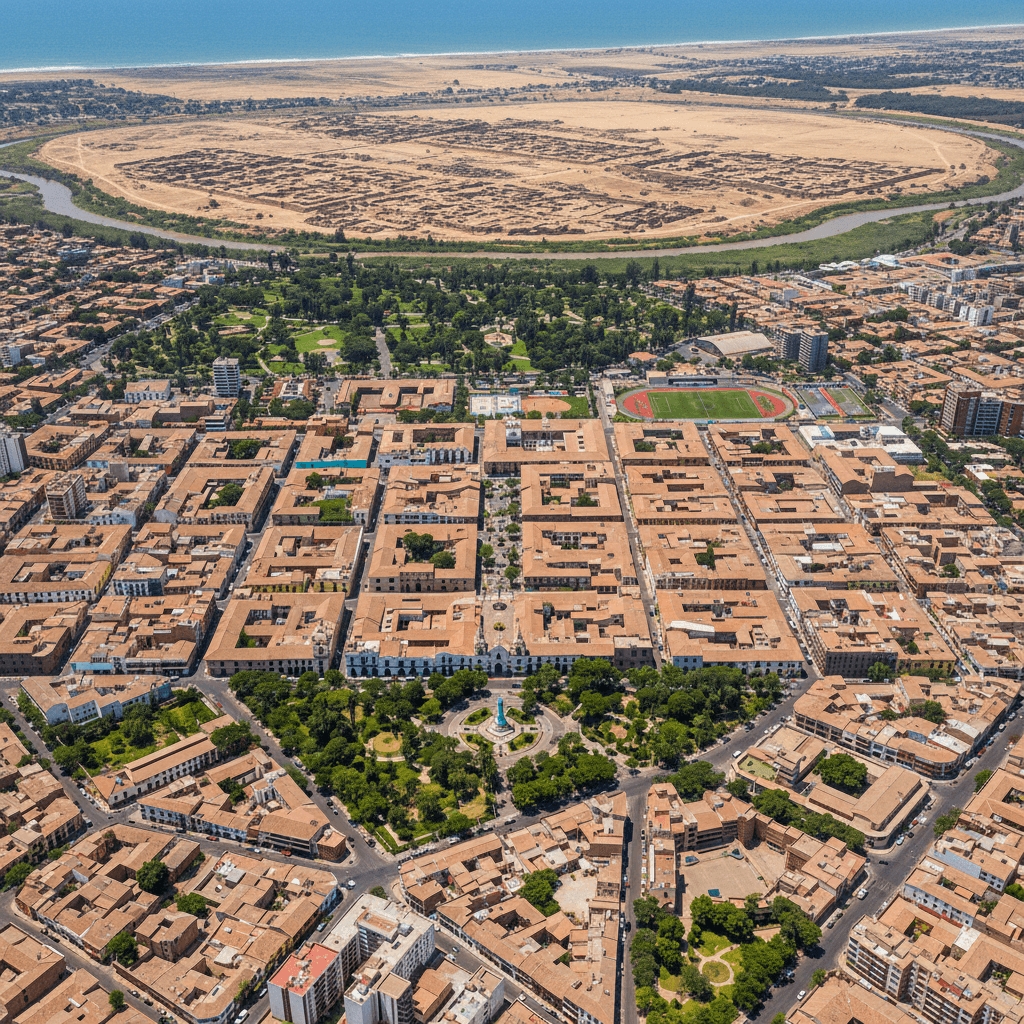
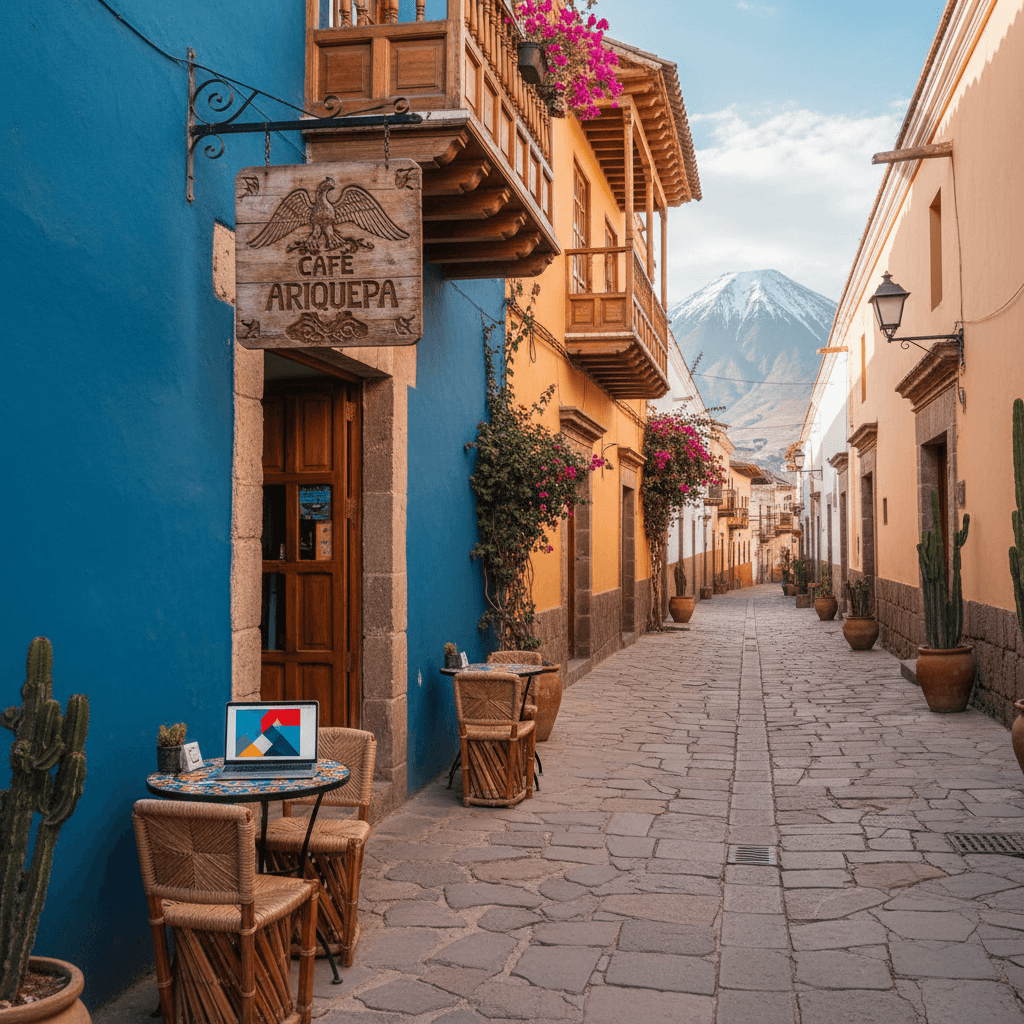
Arequipa feels like a secret that the rest of the world hasn't quite stumbled upon yet. While travelers usually rush through on their way to Cusco, nomads are increasingly sticking around for the sillar. This white volcanic stone makes up almost the entire historic center, giving the streets a pearlescent glow that turns a deep, dusty pink during the city's legendary sunsets. It is physically stunning, but more importantly, it feels lived in. Unlike the "museum" vibe of Cusco, Arequipa is a functional, proud city where you'll see more locals heading to the market than tourists following selfie sticks.
The pace here is noticeably slower than Lima. You're sitting at 2,335 meters, so the air is crisp and the sun is intense. Most nomads find themselves falling into a rhythm of productive mornings in sun-drenched cafes followed by long, spicy lunches. There is a deep-seated local pride here; Arequipeños often joke about needing a separate passport for the city, and that independent spirit translates into a community that is incredibly welcoming but stays true to its roots.
What Sets It Apart
- The Gastronomic Capital: While Lima gets the Michelin stars, Arequipa is arguably where the heart of Peruvian food beats. The city is famous for its picanterías, traditional lunch houses where you'll eat massive portions of Rocoto Relleno or Chupe de Camarones for a few dollars.
- Affordability: You can live a high-quality life here for $525 to $1,040 USD a month. It is significantly cheaper than Lima or Cusco, especially when it comes to rent and dining out.
- The Backdrop: It is not every day you get to work with Misti, a massive symmetrical volcano, framed in your office window. The proximity to Colca Canyon and nearby volcanic trekking means your weekends are sorted.
The Nomad Reality
Living here isn't without its quirks. The altitude is manageable for most, but the nights get surprisingly cold. Since central heating is almost non-existent in older buildings, you'll likely find yourself buying a space heater or layering up in alpaca wool once the sun goes down. Utility costs can creep up because of this, often landing between $60 and $100 USD if you're running heaters frequently.
The social scene is intimate. You won't find the massive, pounding nightclubs of Miraflores here. Instead, the nightlife revolves around cozy craft beer bars and live music venues tucked into colonial courtyards. It's a city for people who prefer a good conversation over a gin and tonic to a 4:00 AM rave. English proficiency is also lower than in the more tourist-heavy hubs, so having a functional grasp of Spanish isn't just helpful; it's the key to moving past the surface level of the city.
Cost of Living Breakdown
Arequipa offers one of the best value-for-money ratios in South America. Here is what you can expect to spend monthly based on your lifestyle:
- Budget Lifestyle ($525 - $800): Renting a local room or basic studio for $200 to $300, eating at markets, and using public transport.
- Mid-Range Nomad ($890 - $1,400): A nice 1BR apartment in a safe area for $400 to $550, regular coworking memberships, and dining out at mid-range spots.
- Comfortable/Expat ($1,500+): A modern apartment with views for $600+, frequent weekend trips, and high-end dining.
Internet is surprisingly reliable for a mountain city. Most central apartments and cafes easily hit 50+ Mbps, and the infrastructure for remote work is improving every month. While it might feel "further away" from the typical Peru tourist circuit, that distance is exactly why it remains so authentic and affordable.
The Bottom Line
Arequipa is the ultimate budget hack for nomads in Peru. You get the colonial charm of Cusco and the culinary depth of Lima, but your bank account will barely feel the dent. While Lima is increasingly pricey and Cusco feels like a tourist theme park, Arequipa remains a functional, affordable city where $1,000 a month buys a very comfortable lifestyle.
Most nomads find they can live well here for $850 to $1,400 USD. If you are on a strict budget and stick to local markets, you can even squeeze by on $550, though you will be sacrificing those volcano-view terrace dinners. The biggest surprise for most arrivals is the utility bill; because of the high altitude, nights get chilly, and heating costs can push your monthly bills to $120 or $200 if you aren't careful.
Monthly Budget Breakdown
- Budget Tier: $525 to $1,040. This covers a basic apartment, plenty of street food, and using cafes as your office.
- Mid-Range Tier: $890 to $1,400. This is the sweet spot. It includes a nice one bedroom in a good area, a dedicated coworking desk, and eating out at mid-range spots several times a week.
- Comfortable Tier: $1,500+. At this level, you are living in a high end flat, dining at the city's top gastronomic spots, and taking weekend trips to Colca Canyon without checking your balance.
Housing and Neighborhoods
Rent is the biggest variable. A standard one bedroom apartment in a decent area usually runs between $350 and $550. If you want to stay in the heart of the UNESCO Historic Center, you will pay a premium for the convenience of being walking distance to everything. Many expats recommend looking just outside the immediate tourist core to find modern apartments with better insulation against those cold Andean nights.
- Historic Center: Expect to pay $500+ for a decent setup. It is walkable, beautiful, and close to the best coworking hubs.
- Residential Areas: Further out, prices for a studio can drop as low as $200 to $400, though you will rely more on taxis or local transport.
Food and Dining
Arequipa is arguably the food capital of the country, and the prices make it easy to indulge. You can find a "menu del dia" (a three course lunch) at local spots for $3 to $5. If you prefer cooking at home, shopping at local markets for fresh produce will keep your grocery bill around $200 to $300 a month.
- Mid-range dinner: A nice meal with a drink typically costs $5 to $12.
- Fine dining: Even at the upscale "picanterias" or modern fusion restaurants, you will rarely spend more than $30 per person.
- Coffee: A solid latte at a nomad friendly cafe goes for about $2 to $3.
Workspace and Connectivity
The infrastructure for remote work is surprisingly robust. High speed fiber is becoming the standard in the city center, with 50+ Mbps being common. Coworking spaces are affordable compared to North American or European prices, usually ranging from $70 to $150 a month depending on whether you want a hot desk or a dedicated setup. If you prefer the cafe hopping route, the city is packed with "sillar" stone coffee shops that offer reliable WiFi for the price of a pastry.
Transport and Extras
The city center is incredibly walkable, so your transport costs might stay as low as $15 a month if you mostly stay local. Taxis and rideshares are cheap, usually costing just a few dollars to cross town. For entertainment, budget about $150 to $250. This covers your weekend trips, museum entries, and the occasional night out at the bars near the Plaza de Armas. Most travelers also suggest picking up a local SIM card; the urban coverage is excellent, and data packages are inexpensive.
The Historic Center (Centro Histórico)
Most nomads start here, and many never leave. Living in the UNESCO World Heritage heart of the city means you are surrounded by sillar architecture, the white volcanic stone that gives Arequipa its glow. It is the most walkable part of the city, packed with cafes and the majority of the coworking infrastructure.
- Best for: Digital nomads and short term travelers who want to be steps away from the action.
- Rent: Expect to pay $350 to $500 for a decent one bedroom apartment, with newer/better-located units reaching $500-$600.
- The Vibe: Lively during the day, slightly touristy near the Plaza de Armas, but remarkably quiet on the side streets after dark.
Yanahuara
If you ask a long term expat where to live, they will almost certainly point you toward Yanahuara. It is just across the Chili River from the center. It feels like a boutique village within a city, famous for its arches and some of the best views of the Misti Volcano. It is safer, quieter, and arguably more beautiful than the center, while still being a 15 to 20 minute walk to the main plazas.
- Best for: Expats and slow travelers looking for a residential feel with high end amenities.
- Rent: Prices range from $400 to $650 for modern apartments.
- The Vibe: Sophisticated and peaceful. You will find upscale grocery stores and "picanterías" (traditional Arequipeño restaurants) tucked into cobblestone alleys.
Cayma
Cayma is often called the "Financial District," but do not let that fool you into thinking it is all glass towers. While the lower part of Cayma houses the big malls and modern office buildings, the upper parts remain traditional. It is the most "modern" neighborhood in Arequipa, offering the most reliable high speed internet and luxury apartment complexes.
- Best for: Families and professionals who need proximity to modern shopping and private schools.
- Rent: Can vary widely, but $500 to $700 is common for larger, comfortable units.
- The Vibe: A mix of suburban comfort and commercial convenience. It is where you go when you need a high end gym or a specific import from the supermarket.
Selva Alegre
Located just north of the historic center, Selva Alegre is one of the greenest parts of the city. It is home to a massive park and feels much more spread out than the dense colonial core. It is a fantastic middle ground for those who want to stay close to the nightlife of the center but want a backyard or more fresh air.
- Best for: Solo travelers and nomads who want a "local" feel without the noise of the main tourist drag.
- Rent: Very affordable, often ranging from $350 to $500 for a well located flat.
- The Vibe: Relaxed and authentic. You will see more locals walking their dogs than tourists with cameras here.
Neighborhood Comparison at a Glance
- Centro Histórico: High walkability, $430 average rent, best for networking and cafes.
- Yanahuara: High safety, $500 average rent, best for aesthetics and quiet nights.
- Cayma: Best infrastructure, $600 average rent, best for families and modern comforts.
- Selva Alegre: Most green space, $400 average rent, best for budget conscious long termers.
Arequipa is generally safer than Lima, but nomads recommend staying within these four districts to ensure you have access to 50+ Mbps internet and easy transportation. While the outskirts offer lower prices, the convenience of being near the center usually outweighs the $50 to $100 you might save in monthly rent.
Reliability and Speed
Living in the White City doesn't mean you're sacrificing your Zoom connection for colonial charm. Most nomads find that Arequipa offers a surprisingly stable digital infrastructure that rivals Lima, but with much better views. You can generally expect fiber optic speeds averaging around 100-150+ Mbps in the historic center and modern residential pockets, with some providers offering speeds well above 200 Mbps.
While the city center is a powerhouse for connectivity, things get a bit spotty once you head into the more rural outskirts or deep into the surrounding valley. If you're planning to stay in an older sillar building, keep in mind that those thick volcanic stone walls are excellent for earthquake protection but can be absolute killers for internal WiFi signals. It's always smart to ask your host for a speed test screenshot before booking a long term stay.
Coworking Spaces and Costs
The coworking scene here is growing fast, catering to a mix of local entrepreneurs and international remote workers. You won't find the massive global chains here yet, which actually helps maintain a more intimate, community focused vibe. Most dedicated spaces offer flexible plans that fit a nomad's schedule.
- Monthly Hot Desk: Expect to pay between $80 and $150 depending on the level of amenities and air conditioning.
- Weekly Passes: Usually run around $30 to $45, perfect for those testing the waters.
- Day Passes: Typically cost between $10 and $15.
Spaces in the historic district are the most popular because you can step out for a world class lunch for under five dollars. These hubs usually provide ergonomic chairs, call booths, and the all important backup power generators, which are helpful during the occasional Andean maintenance outage.
The Cafe Culture
If you prefer the hum of a milk steamer over a quiet office, Arequipa is a dream. The city is packed with "work friendly" cafes that don't mind if you linger for a few hours. The local etiquette is simple: buy a coffee or a snack every couple of hours and you're golden. Many of these spots are tucked into stunning colonial courtyards, offering a peaceful environment away from the street noise.
Most nomads gravitate toward the cafes near Santa Catalina or the Plaza de Armas. The WiFi in these spots is usually reliable enough for emails and light tasks, though you might want to save the heavy video uploads for a dedicated coworking space. Just remember that Arequipa sits at high altitude; that second espresso might hit your heart rate a little harder than it does at sea level.
Mobile Data and Backup
Never rely solely on cafe WiFi. Local SIM cards are cheap and the 4G/LTE coverage across the urban area is excellent. Major providers like Claro and Movistar are the go to choices for nomads. You can pick up a SIM card for a couple of dollars and load it with enough data to last a month for less than $15.
Having a local hotspot is a lifesaver when the city's power takes a quick nap or when you want to work from a rooftop terrace that's just out of reach of the router. Most expats recommend setting up your SIM at an official store in one of the malls like Mall Plaza to ensure your passport registration is handled correctly.
Practical Tips for Remote Workers
- Power Adapters: Peru uses Type A and Type C plugs. Most modern buildings have hybrid sockets that take both, but it's worth carrying a small adapter just in case.
- Heating: Most cafes and coworking spaces don't have central heating. Since Andean nights get chilly, bring a layers or a good alpaca sweater to your evening work sessions.
- Peak Hours: Internet speeds can take a slight dip in residential areas around 7:00 PM when everyone starts streaming, so try to schedule your heavy data migrations for the morning.
The General Safety Landscape
If you're coming from the frantic energy of Lima, Arequipa feels like a breath of fresh air. It is widely considered one of the safer major cities in Peru, largely because it maintains a smaller, more community focused atmosphere. While Lima often keeps nomads on high alert, Arequipa allows for a bit more relaxation. That said, you shouldn't let your guard down completely. Petty theft, like phone snatching or pickpocketing, happens in crowded markets and busy plazas, particularly around the Plaza de Armas after dark.
Most expats and nomads feel perfectly comfortable walking through the historic center during the day. At night, it's smarter to stick to well lit streets where people are out dining. If you're heading back to your apartment late, it is generally recommended to use a ride hailing app to ensure you stay on well-traveled routes.
Street Smarts and Scams
The "express kidnapping" stories you hear in some South American hubs aren't a common headline here, but "taxi scams" can occur. Always use reputable taxi companies or apps rather than hailing a random car on the street, especially if you're carrying your laptop or camera gear. If you do hail a cab, ensure it has the official Settar sticker on the windshield.
- Keep your tech hidden: Don't walk with your phone out for navigation; step into a shop or cafe to check your map.
- Bag safety: In crowded markets like San Camillo, wear your backpack on your front.
- ATM strategy: Only use ATMs located inside bank branches during daylight hours.
Altitude and Health Concerns
The biggest health hurdle isn't a tropical disease; it's the altitude. Sitting at roughly 2,335 meters (7,660 feet), Arequipa can catch you off guard. Most people experience mild shortness of breath or headaches during their first 48 hours. Drink plenty of water, try the local coca tea, and avoid heavy meals or alcohol on your first night. If symptoms persist, pharmacies are everywhere and staff are usually well versed in recommending over the counter altitude meds like Sorojchi Pills.
The sun at this elevation is also incredibly intense. Even on "cool" days, the UV index is frequently extreme. Locals wear wide brimmed hats for a reason. You'll want high SPF sunscreen and polarized sunglasses if you plan on spending the afternoon working from a rooftop terrace in the Santa Catalina area.
Medical Facilities and Care
Arequipa is a regional hub, so the healthcare infrastructure is solid for most routine issues. For anything serious, nomads typically head to private clinics rather than public hospitals to ensure faster service and modern equipment. Clinica Valle Sur is often the top recommendation for expats due to its high standards and specialized departments.
Pharmacies, or "boticas," are on almost every corner. You'll recognize the big chains like Inkafarma and Mifarma. They are well stocked, and many common medications that require a prescription in the US or Europe can be bought over the counter here. However, for specialized chronic medications, it's best to bring a supply from home as specific brands can be hard to track down.
Insurance and Emergencies
Don't skip out on travel medical insurance. Most nomads in the city use SafetyWing because it's flexible and covers the basics of what you'd need for an Andean stay. If you have a true emergency, the emergency numbers are: Police: 105, Ambulance/Medical Emergency: 106, Fire Department: 116. Expect a language barrier; having a translation app or a Spanish speaking friend on speed dial is a lifesaver in these moments.
Health & Safety Quick Stats:
- Emergency Number: Police: 105, Ambulance/Medical Emergency: 106, Fire Department: 116
- Recommended Private Clinic: Clinica Valle Sur
- Altitude: 2,335 meters
- Safety Rating: High for Peru, but standard precautions apply
Arequipa is a city built for the slow traveler. Unlike the chaotic sprawl of Lima, the "White City" is compact, intuitive, and surprisingly pleasant to navigate on foot. Most of your life as a nomad will likely revolve around the historic center, where the sillar stone streets are wide enough for wandering but narrow enough to keep traffic speeds relatively low.
The Joy of Walkability
If you base yourself near the Plaza de Armas or in the surrounding colonial blocks, you'll rarely need a vehicle. Most coworking spaces, coffee shops, and picanterías are within a 10 to 15 minute walk of each other. The terrain is mostly flat in the center, though you'll definitely feel the 2,335-meter altitude if you try to power-walk up the slight inclines toward the Yanahuara district. Locals and expats alike recommend taking it slow during your first few days to let your lungs adjust.
Taxis and Ridesharing
When the sun goes down or you're carrying groceries, taxis are the default choice. While the research doesn't name specific apps, Uber and Cabify generally operate in major Peruvian hubs and are the safest bet for nomads. They allow you to bypass the "negotiation" phase and ensure your driver is tracked via GPS.
- Standard city fare: Most short trips within the central neighborhoods cost between $2 and $4 USD (approx. 8 to 15 Soles).
- Safety tip: If you hail a cab on the street, ensure it has a formal "Settar" sticker on the windshield, which indicates it's a registered municipal taxi.
- Night rates: Expect prices to jump slightly after 10:00 PM, though they remain very affordable compared to North American or European standards.
Public Transportation (Combis)
For those on a strict budget or looking for a truly local experience, the "combis" (small minibuses) are everywhere. They don't have formal maps or digital schedules; instead, they have destinations painted on the windshield or shouted out by a "cobrador" hanging out the door. It's a bit chaotic, but it's the cheapest way to get across town, usually costing less than $0.50 USD per ride. If you're heading to the outlying residential areas, just ask a local which "linea" goes toward your destination.
Getting to and from the Airport
The Rodriguez Ballón International Airport (AQP) is located about 8 kilometers northwest of the city center. Depending on traffic, the drive takes anywhere from 20 to 40 minutes.
- Airport Taxis: Official taxis inside the terminal charge a premium, usually around $10 to $15 USD.
- App Pickups: Using a ride-hailing app can drop the price to about $6 or $8 USD, though some drivers may ask you to meet them just outside the main terminal gates to avoid airport fees.
Regional Travel
Arequipa is the gateway to the Colca Canyon and the southern highlands. For these trips, you'll head to the Terminal Terrestre, the main bus station. Peru has an excellent luxury bus network (look for companies like Cruz del Sur), which offers seats that recline fully, making the long hauls to Cusco or Puno much more bearable. A comfortable bus ticket to nearby regions typically ranges from $15 to $40 USD depending on the class of service.
Monthly Transport Budget
Your transport costs in Arequipa will stay remarkably low because of the city's layout. Most nomads find that a budget of $30 to $50 USD per month easily covers occasional taxi rides and the odd trip to the outskirts, leaving plenty of room in the budget for those famous Arequipeño meals.
The Spanish Standard
In Arequipa, Spanish isn't just the official language; it's the heartbeat of daily life. While Lima has a more international flair and Cusco is built almost entirely around the English speaking tourist trade, the White City remains authentically Peruvian. You'll find that English proficiency is generally low once you step away from the front desks of high end hotels or specialized tour agencies in the Plaza de Armas.
Most nomads find that while they can get by with "Spanglish" and aggressive gesturing for a week, staying long term requires a basic grasp of Spanish. Locals, known as Arequipeños, are incredibly patient and proud of their culture, so they'll usually appreciate any effort you make to speak their tongue, even if you're just mangling your order of Rocoto Relleno.
The Arequipeño Accent and Slang
The local dialect has a distinct flavor. Arequipeños are known for a slightly more melodic, rhythmic way of speaking compared to the rapid fire Spanish of Lima. You might notice locals using the "voseo" (using "vos" instead of "tú"), which is a linguistic quirk more common in Argentina or Uruguay but still lingering here in the mountains.
You'll also hear the word "¡Ya!" used constantly. It's the Swiss Army knife of Peruvian slang, meaning "okay," "I understand," "now," or "stop," depending entirely on the tone. Another local favorite is "bacán," used to describe something cool or awesome. If you want to sound like a local, refer to yourself or your friends as "patas" (pals).
Communication for Remote Work
If you're planning to work from one of the many cafes in the historic center, don't expect the baristas to be fluent in English. Being able to ask for the Wi-Fi password ("¿Cuál es la clave de Wi-Fi?") and ordering your coffee is standard. However, the growing digital nomad community means that many coworking spaces have staff who speak at least intermediate English to help with technical issues.
For administrative tasks, like setting up a local SIM card or negotiating a long term apartment rental, you'll almost certainly need a translation app or a Spanish speaking friend. Most expats recommend downloading the Spanish pack on Google Translate for offline use, as cell signals can be spotty when you're inside the thick sillar walls of older colonial buildings.
Language Schools and Learning
Because the cost of living is so low, Arequipa is one of the best places in South America to hunker down and take intensive Spanish lessons. Private tutors often charge between $10 and $15 per hour, which is a steal compared to rates in the States or Europe. Many nomads find that a month of daily classes here does more for their fluency than a year of apps.
- Language Apps: Essential for day to day translations and learning basics.
- WhatsApp: This is the primary way everyone communicates in Peru. From booking a hair appointment to texting your landlord, you'll need a local number and a WhatsApp account.
- Language Exchanges: Look for "Intercambio" events at local hostels or popular nomad cafes. These are usually free and involve 30 minutes of English followed by 30 minutes of Spanish.
Practical Tips for Newcomers
If you're worried about the language barrier, stick to the neighborhoods surrounding the Plaza de Armas or the more modern districts. In these areas, menus are often bilingual, and staff are more accustomed to international visitors. However, if you venture into the local picanterías (traditional lunch spots), be prepared for a Spanish only experience. It's helpful to keep a few screenshots of common food items on your phone so you know exactly what you're ordering when the menu is handwritten on a chalkboard.
Eternal Spring and High Altitude Realities
Arequipa is famously nicknamed the City of the Eternal Spring, and for good reason. You can expect sunshine about 300 days a year, paired with a remarkably dry climate that makes the heat feel far more manageable than the humidity of Lima. If you're someone who thrives under clear blue skies and crisp mountain air, this city is going to feel like home very quickly.
The weather here is defined by two distinct seasons: the dry season and the rainy season. Because Arequipa sits at an elevation of roughly 2,335 meters (7,660 feet), the sun is incredibly strong during the day, but temperatures plumment the moment it dips behind the volcanoes. Most nomads find that "layering" isn't just a fashion choice here; it's a survival strategy for a single afternoon.
The Dry Season: May to October
This is widely considered the best time to visit, especially if you're planning to use Arequipa as a base for trekking Colca Canyon or climbing Misti. The sky is a deep, consistent blue, and rainfall is almost non-existent. It's the peak of the "eternal spring" vibe during the day, with temperatures hovering around 22°C to 25°C (72°F to 77°F).
However, winter nights (June through August) are no joke. Temperatures can drop to 5°C or 7°C (41°F to 45°F). Since most traditional sillar buildings lack central heating, you'll want to ensure your Airbnb or apartment rental includes a space heater or plenty of heavy alpaca blankets. Expats often joke that you'll be in a t-shirt at 2:00 PM and a heavy parka by 7:00 PM.
The Rainy Season: December to March
While the rest of the world thinks of "summer" during these months, in the Peruvian Andes, it means rain. You won't usually see week-long washouts, but you should expect heavy afternoon downpours. The landscape turns a brilliant green, which is a beautiful contrast to the white sillar stone of the city, but outdoor adventures can get messy. Clouds often obscure the views of the volcanoes during this time, which can be a letdown if you've specifically moved here for the scenery.
When to Time Your Arrival
If you want the perfect balance of great weather and local culture, aim for August. This is the month of the Anniversary of Arequipa, and the city goes all out with parades, fireworks, and food festivals. It's the liveliest time to be in town, though you'll want to book your accommodation well in advance as prices can spike and availability thins out.
- Best for hiking: May to September (Dry, clear, and predictable).
- Best for budget: November or April (Shoulder months with lower demand).
- Best for festivals: August (The city's birthday month).
- Worst for sun-seekers: February (The peak of the rains).
A Note on the Altitude
While Arequipa isn't as high as Cusco, the altitude still catches people off guard. Most travelers recommend taking it easy for the first 48 hours. Drink plenty of water, try the local coca tea, and avoid heavy meals or intense gym sessions immediately after landing. The air is also incredibly dry, so nomads often recommend packing a high-quality moisturizer and saline nasal spray to combat the "high desert" effect on your skin and sinuses.
Survival Basics
Living in Arequipa is a lesson in adaptation, mostly because of the geography. Sitting at 2,335 meters (7,660 feet), the altitude isn't as punishing as Cusco, but you'll still feel it during your first few days. Drink plenty of water and take it easy on the pisco sours until you've acclimated. The air is incredibly dry, so pack a heavy duty moisturizer and lip balm.
The weather follows a strict routine: bright, intense sun during the day and a sharp drop in temperature as soon as the sun goes down. Most apartments in the historic center don't have central heating. You'll want to buy a small space heater or ensure your Airbnb host provides plenty of alpaca wool blankets. Expect to pay between $120 and $200 for a full suite of utilities if you're running heaters frequently at night.
Staying Connected
For remote work, the infrastructure is surprisingly solid. You can find fiber optic connections in most modern apartments and coworking spaces, often hitting 50+ Mbps. If you're heading out to more rural areas or the Colca Canyon, don't expect much more than a weak 3G signal.
Pick up a local SIM card immediately. Claro and Movistar have the best coverage in the city. You can usually get a prepaid plan with a decent data bucket for under $15 a month. If you prefer working from cafes, the historic center is packed with spots that have reliable WiFi, though it's polite to move on after a few hours if the place gets crowded.
Money and Budgeting
Your dollar goes much further here than in Lima or Cusco. A comfortable monthly budget usually sits between $890 and $1,400. If you're living like a local, you can easily get by on $525 to $1,040. Cash is still king for smaller transactions, street food, and local markets, so keep a stash of Soles on you.
- Rent for a 1BR: $400 to $700 depending on the neighborhood.
- Coworking Membership: $70 to $150 per month.
- Mid-range Meal: $5 to $12.
- Monthly Transport: $30 to $50.
Navigation and Safety
Arequipa is one of the more walkable cities in Peru, especially within the UNESCO historic center. The white sillar stone streets are easy to navigate on foot, though they can get slippery when it rains. For longer distances, taxis are everywhere. Always agree on the price before you get in, as they don't use meters. Most short hops across town should cost between 5 and 10 Soles.
Safety wise, it's generally much more relaxed than Lima. Use common sense: don't flash expensive laptops or cameras in crowded markets, and stick to registered taxis at night. Most nomads feel perfectly safe walking around the central districts after dark, but like any city, it pays to stay aware of your surroundings.
Language and Socializing
While people in the tourism industry speak English, you'll find that daily life requires at least basic Spanish. Locals are incredibly patient and usually thrilled when you try to speak the language. If you're looking to meet people, the coworking spaces and the growing number of specialty coffee shops in the center are your best bet. The nomad scene is smaller than Medellin or Mexico City, but it's tight knit and very welcoming to newcomers.
Need visa and immigration info for Peru?
🇵🇪 View Peru Country GuideEasy Landing
Settle in, no stress
Monthly Budget Estimates
More cities in Peru
Pisac
🇵🇪 Peru
Lima
🇵🇪 Peru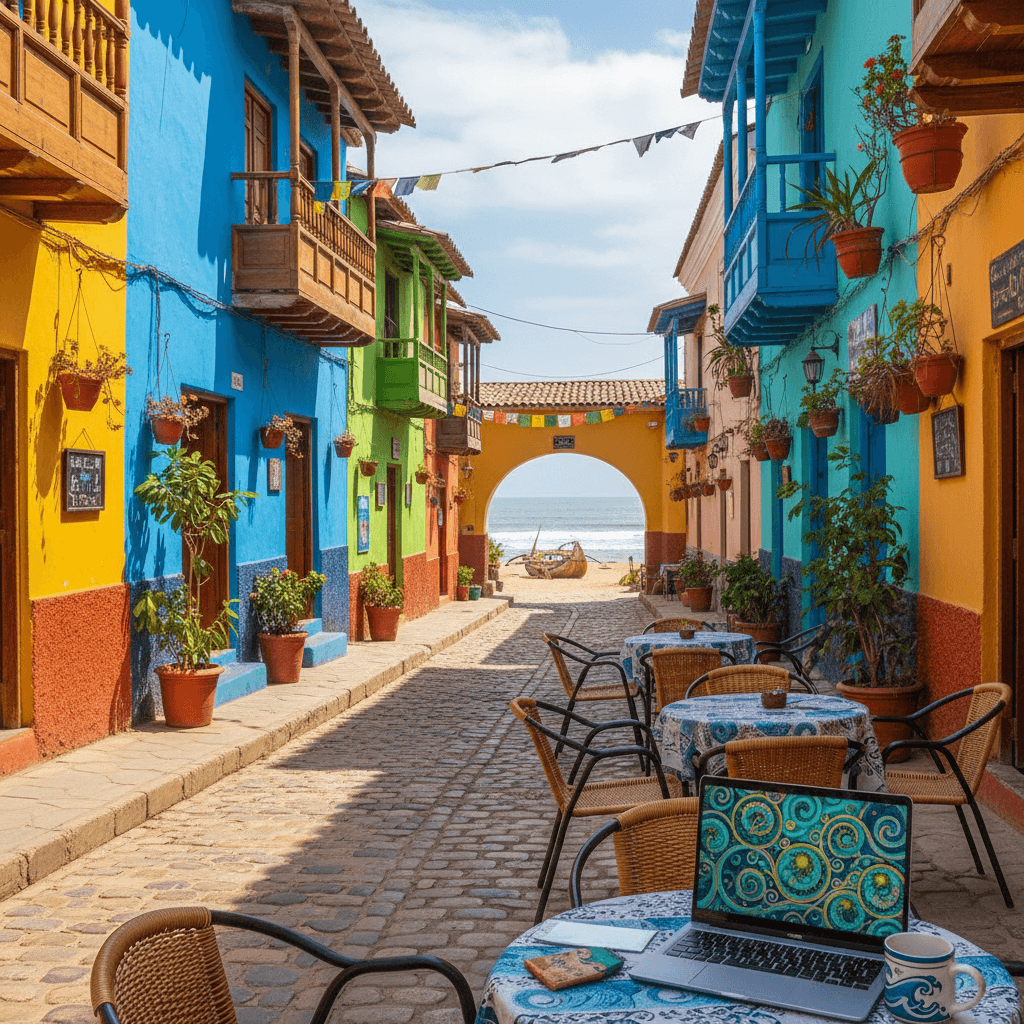
Huanchaco
🇵🇪 Peru