Alor Setar
🇲🇾 Malaysia
The Vibe: Kedah’s Quiet Capital
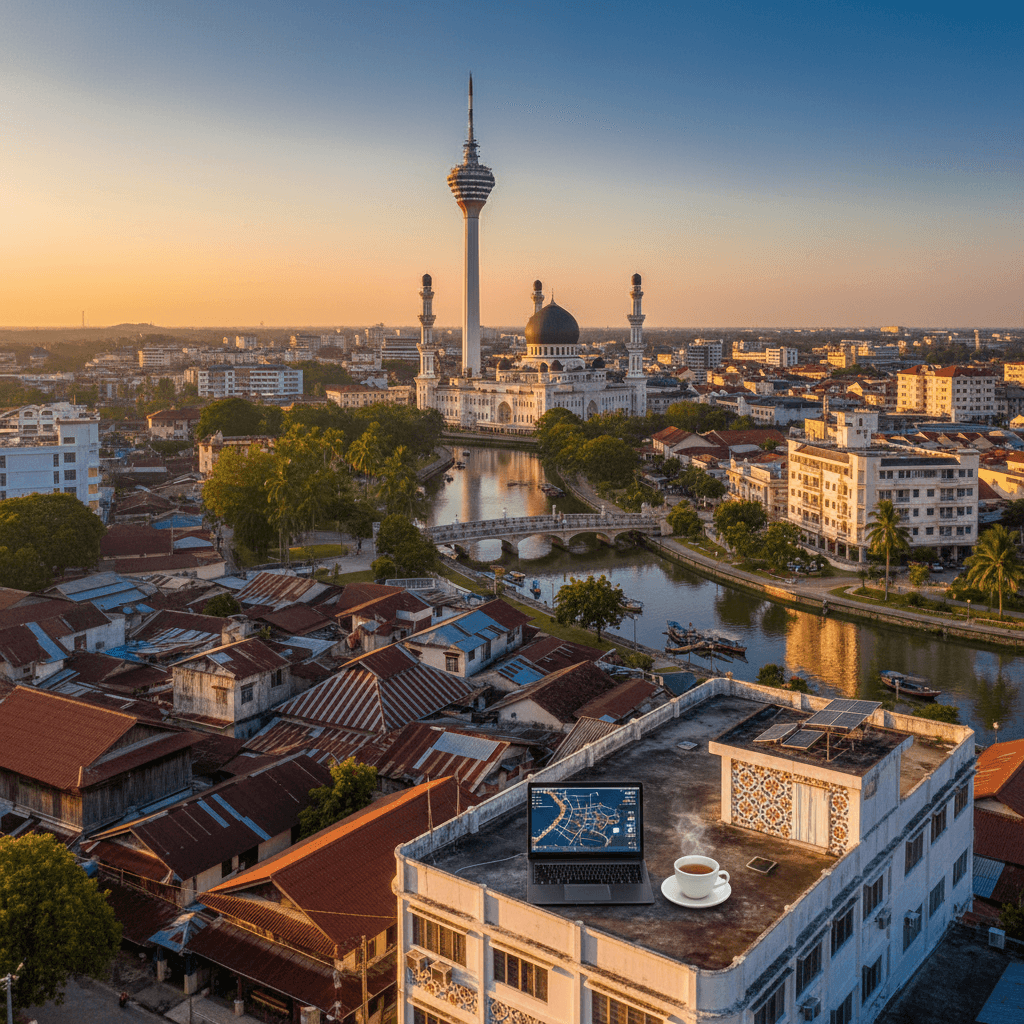
If you're looking for the neon lights of Kuala Lumpur or the hipster street art of Penang, you won't find them here. Alor Setar is a different beast entirely. It's a city that moves at the speed of a bicycle, where the skyline is dominated by the slender Alor Setar Tower and the golden domes of the Zahir Mosque rather than glass skyscrapers. It feels like a place where time decided to take a permanent lunch break.
The atmosphere is deeply Malay, conservative yet incredibly welcoming. You'll spend your mornings watching the mist rise over emerald paddy fields on the city's edge and your evenings wandering through night markets that smell of grilled satay and durian. It's the kind of place where the "uncle" at the coffee shop remembers your order by the second day. For nomads, the appeal isn't in a high-octane social scene; it's the chance to live a slow, intentional life for a fraction of what you'd spend elsewhere.
What Makes It Unique
Alor Setar serves as the gateway to the north, sitting just a short hop from the Thai border. This creates a fascinating cultural blend. You'll find spicy southern Thai influences creeping into the local laksa, and the architecture tells a story of royalty and colonial history. Unlike the hyper-commercialized parts of Malaysia, Alor Setar remains a working city. It’s authentic because it doesn't try to be anything else. You aren't a "tourist" here; you're just a neighbor who happens to be from somewhere else.
The Nomad Experience: Pros and Cons
- The Upside: Your bank account will love it. With a total monthly cost of living hovering around $500 to $600, it’s one of the most affordable urban centers in Southeast Asia. The city center is surprisingly walkable, and the locals are genuinely curious and friendly toward foreigners.
- The Downside: The expat bubble is almost non-existent. If you need a community of 50 other digital nomads to grab brunch with every Sunday, you'll feel lonely here. Networking happens in small pockets, and you’ll need to be proactive about meeting people.
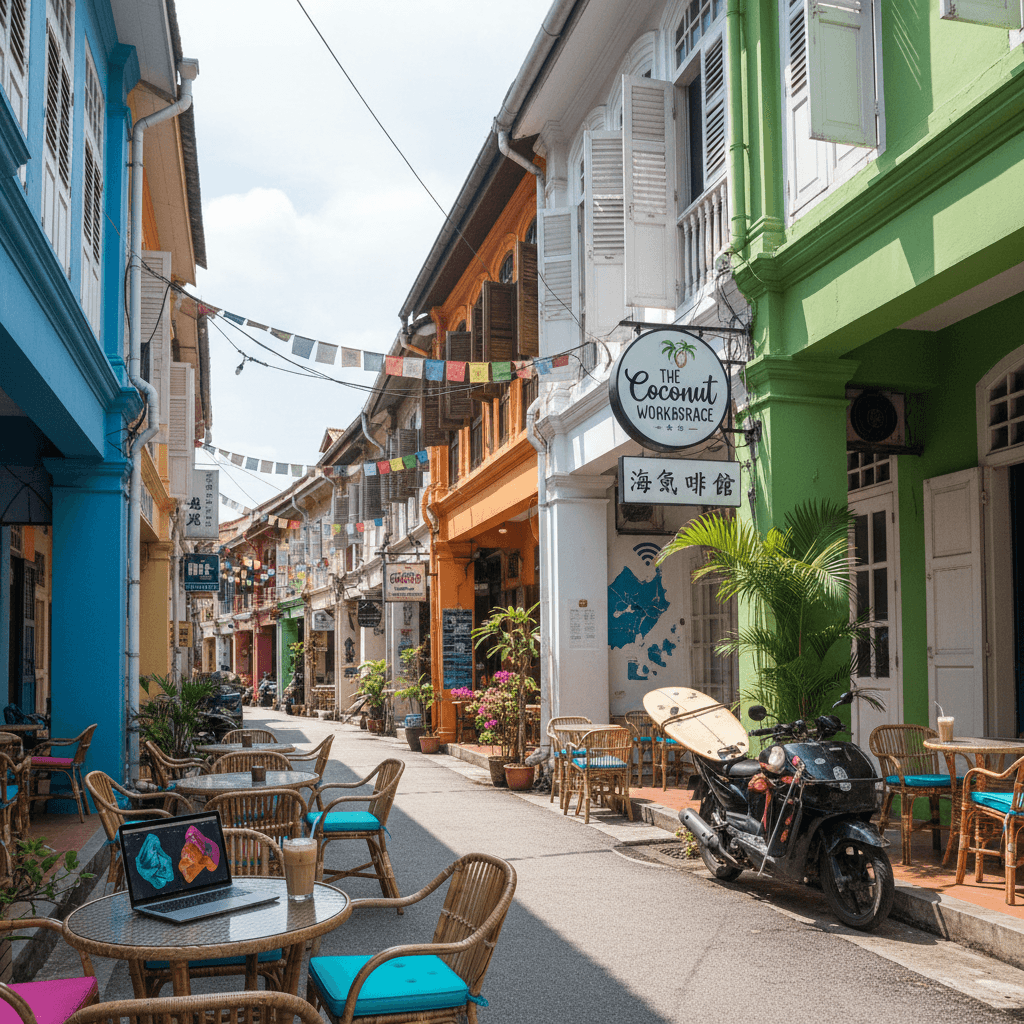
- Connectivity: While you won't find a WeWork on every corner, the cafe culture is robust. Most nomads settle into spots like Caffe Diem or Art Nature Gallery Cafe to get their work done.
The Financial Reality
Living here feels like a life hack. You can secure a comfortable 1-bedroom apartment in the city center for roughly $268 (RM1,100). If you're willing to live slightly further out in the suburbs, that price can drop to a staggering $157 (RM645). Food is where the savings really hit home. A solid local lunch of nasi lemak or laksa will set you back about $2 (RM8), and even a "splurge" dinner for two at a mid-range spot rarely crosses the $12 (RM50) mark.
Who Is This City For?
Alor Setar is for the "deep traveler." It’s for the writer finishing a book, the developer who needs zero distractions, or the expat who wants to see the real Malaysia without the filters. It’s peaceful, it’s predictable, and it’s incredibly kind to your wallet. You don't come here to check items off a bucket list; you come here to find a rhythm that the rest of the world has mostly forgotten.
If you are looking for a place where your dollar, euro, or pound stretches until it snaps, Alor Setar is the spot. It is easily one of the most affordable cities in Malaysia, offering a lifestyle that feels like a massive upgrade without the price tag of Kuala Lumpur or even neighboring Penang. You can live comfortably here on a budget that would barely cover a parking spot in London or New York.
Most digital nomads and expats find that a total monthly budget of $510 to $600 covers a very decent life, including a private apartment and eating out daily. If you are pushing into the $1,200 to $1,500 range, you are essentially living a luxury lifestyle by local standards.
Monthly Housing Costs
Rent is the biggest win here. Unlike the inflated prices in tourist hotspots, Alor Setar remains grounded. You won't find many high rise glass towers, but you will find spacious, modern units for a fraction of what you'd expect.
- Studio or 1BR in the City Center: Around $400 to $600 (RM1700 to RM2600). This puts you within walking distance of the best cafes and the Alor Setar Tower.
- 1BR in the Suburbs: Approximately $170 to $300 (RM700 to RM1300). Areas like Taman Setia offer quiet, residential vibes for people who don't mind a short Grab ride.
- 3BR Family Home (City Center): Roughly $446 (RM1,830). Perfect for slow travelers or families needing extra office space.
- 3BR Family Home (Suburbs): About $282 (RM1,160).
Eating and Drinking
Food is a religion in Kedah, and luckily, it's a very cheap one to practice. Street food is the backbone of the local diet. You can grab a plate of Nasi Lemak or a bowl of Laksa for $1.20 to $2.00 (RM5-8). Even a standard lunch at a local sit down restaurant usually clocks in under $2.00.
For those days when you need a "western" fix or a nice date night, mid range spots like Caffe Diem or Terrace Forty Eight are the go to choices. A dinner for two at these types of establishments usually runs about $12.00 (RM50). If you want to go all out at an upscale spot like Art Nature Gallery Cafe, expect to pay around $15 to $25 per person for a full meal and drinks.
Daily Expenses and Utilities
The "boring" costs of life are also refreshingly low. Utilities for a single person in a standard apartment usually hover around $20 (RM83) a month. High speed fiber internet will set you back about $25 (RM100), and it is generally reliable enough for Zoom calls and heavy uploads.
Getting around is simple. While there is a local bus system, most expats rely on Grab. A short trip across town rarely costs more than $2 or $3. If you are staying long term and want to use public transit, a monthly pass is a steal at less than $9 (RM35).
Budget Tiers for Nomads
- The Bootstrapper ($600 - $800): You'll stay in a suburban 1BR or a basic city studio, eat mostly at hawker centers, and use the local gyms which cost about $21 a month. It's a simple but very comfortable life.
- The Professional ($1,000 - $1,500): This is the sweet spot. You can afford a premium city center apartment, eat at nice cafes every other day, take Grabs everywhere, and have plenty left over for weekend trips to Langkawi or over the border to Thailand.
- The High Life ($1,800+): At this level, you are living in the best housing available, dining at the top rated restaurants every night, and likely keeping a private car or taking long distance private transfers whenever you feel like exploring the state.
One small trade off for these low prices is that you won't find a massive selection of international schools or specialized private hospitals like you would in KL. However, for a healthy nomad or a couple looking to slash their burn rate while enjoying incredible food, Alor Setar is a mathematical dream.
Digital Nomads and Solo Travelers: The City Center (Bandar Alor Setar)
If you're coming to Alor Setar to work and want to be where the action is, the City Center is your best bet. It's the most walkable part of town, which is a huge plus since Malaysia's heat can make long treks a chore. You'll find yourself within a ten minute walk of the city's best caffeine stops like Caffe Diem or Parrot Espresso Cafe, both of which are reliable spots to post up with a laptop for a few hours.
Living here puts you right next to the Pekan Rabu market and the iconic Alor Setar Tower. Most nomads opt for high rise apartments or small studios in this area. You can expect to pay around $268 to $350 USD per month for a decent one bedroom place. While it's the liveliest part of the city, keep in mind that "lively" in Alor Setar is still pretty quiet compared to the chaos of Kuala Lumpur. You'll have the best access to Grab drivers here, making it easy to zip around without needing your own wheels.
- Rent: $268 to $350 USD per month.
- Vibe: Social, convenient, and relatively fast paced.
- Top Pick: Look for units near Aman Central mall for maximum convenience.
Expats and Long-Term Residents: Taman Setia and Surrounding Suburbs
Expats who are planning to stay for six months or more often gravitate toward Taman Setia and the established residential pockets just outside the immediate core. These neighborhoods offer a much more "local" feel with plenty of landed houses and quiet streets. It's the kind of place where you'll get to know your neighbors and the uncle running the corner grocery store.
The trade off for the peace and quiet is that you'll likely want a scooter or a car. While Grab is cheap, having your own transport makes hitting the morning wet markets or local surau much easier. Rents are significantly lower here, often dropping to between $150 and $250 USD for a comfortable space. It's a great choice if you want to save money and don't mind a five to ten minute commute to the cafes downtown.
- Rent: $150 to $250 USD per month.
- Vibe: Peaceful, residential, and authentic.
- Top Pick: Residential streets near Jalan Sultanah for a balance of quiet and accessibility.
Families: Mergong and Newer Developments
Families usually find Mergong or the newer housing estates on the periphery to be the best fit. These areas are designed with more space in mind, featuring larger three bedroom homes that are perfect if you have kids or just need a dedicated home office. You'll be close to larger supermarkets and hardware stores, which makes setting up a household much smoother.
A spacious three bedroom house in these suburbs typically costs around $282 USD, which is an absolute steal for the amount of square footage you get. There's less noise and more green space than the city center, though you'll definitely be living a car dependent lifestyle. Most families appreciate the proximity to local schools and the sense of security in these gated or semi gated communities.
- Rent: $280 to $450 USD for a 3BR house.
- Vibe: Safe, spacious, and suburban.
- Top Pick: The newer developments near Tesco Mergong.
Slow Travelers and Sea Lovers: Kuala Kedah
If you're the type of traveler who prefers the smell of salt air over city exhaust, Kuala Kedah is a unique alternative. Located about 15 to 20 minutes from the city center, this is a fishing village and the main gateway for the ferry to Langkawi. It's much more rugged and less developed than the city, but it offers a slower pace of life that some travelers find addictive.
It's not the most practical spot if you need to be in a cafe every day, but for writers or artists, the views of the water and the proximity to the historic Kota Kuala Kedah fort are inspiring. Housing is very affordable, usually ranging from $150 to $220 USD. Just be prepared for a more limited selection of international food and a heavier reliance on local seafood stalls.
- Rent: $150 to $220 USD per month.
- Vibe: Coastal, rustic, and laid back.
- Top Pick: Homestays or small rentals near the Kuala Kedah Fort.
Working remotely in Alor Setar requires a bit of a mindset shift if you are used to the high-speed hubs of Kuala Lumpur or nearby Penang. The infrastructure is reliable enough to get the job done, but you won't find a massive community of tech nomads here yet. It is the kind of place where you trade high-octane networking for a peaceful, low-cost environment where your dollar stretches incredibly far.
Internet Speeds and Connectivity
Most apartments and hotels offer fiber broadband with speeds ranging between 50 Mbps and 100 Mbps. While it is not the fastest in Malaysia, it is stable enough for Zoom calls and uploading large files. A standard unlimited home plan will set you back about $24.50 (RM100) per month.
For mobile data, coverage is excellent throughout the city center. You should pick up a local SIM card immediately upon arrival. Expats generally recommend Maxis (Hotlink) or Celcom for the best coverage in the northern region. You can expect to pay around $9 to $12 (RM40 to RM55) for 20GB to 30GB+ of data.
The Coworking Scene
Dedicated coworking spaces are currently hard to find in Alor Setar. Unlike the boutique spaces in George Town, the local market here has not quite caught up to the "hot desk" trend. Most nomads who stay here long-term prefer to set up a dedicated home office in their apartment or utilize the city's growing cafe culture.
Best Cafes for Remote Work
Since dedicated offices are scarce, the local cafes have become the de facto workspaces for the city's digital crowd. Most of these spots offer free WiFi and are surprisingly tolerant of people staying for a few hours with a laptop, provided you keep the coffee flowing.
- Caffe Diem: This is arguably the most popular spot for a work session. It is a beautifully restored heritage building with a great atmosphere, reliable WiFi, and plenty of power outlets. A meal and a coffee here will cost you about $5.00 (RM22).
- Art Nature Gallery Cafe: If you prefer a quieter, more creative environment, this spot is highly rated by locals. It is spacious and serves excellent handmade noodles if you need a mid-day break.
- Parrot Espresso Cafe: A solid choice for those who need a serious caffeine fix. It is usually a bit more modern and streamlined, making it a good place to hunker down for a few hours of deep focus.
- Cup Cafe Alor Setar: A mid-range option with a relaxed vibe. It is rarely overcrowded during weekday mornings, which is perfect if you have a lot of calls scheduled.
Practical Tips for Working Remotely
Since you won't be surrounded by other nomads, you have to be a bit more intentional about your setup. Most travelers recommend staying in the City Center (Bandar Alor Setar) if you plan on working from cafes, as this area is the most walkable and has the highest concentration of reliable WiFi spots.
- Power up: Always carry a universal adapter and a small power strip. Older cafes might only have one or two accessible outlets.
- Grab is your friend: If your favorite cafe is full, a Grab ride across town usually costs less than $2.00, making it easy to hop between locations.
- Timing: Avoid the lunch rush between 1:00 PM and 2:00 PM. Cafes get loud and tables are in high demand. Morning sessions or late afternoons are your best bet for a quiet workspace.
Safety Overview
You'll find Alor Setar much quieter than the chaotic streets of Kuala Lumpur. It's a city where the pace is slow and the locals are generally respectful and reserved. Most travelers feel perfectly comfortable walking around the city center during the day. Street crime exists but isn't a major talking point here; the biggest risks are usually petty theft like bag snatching, which is rare but possible in crowded night markets or near the bus terminals.
Solo female travelers usually report feeling safe, though Alor Setar is more conservative than Penang. Dressing modestly is a good way to blend in and show respect for the local culture. At night, the streets can get quite dark because street lighting isn't always consistent. Stick to well lit areas like the Alor Setar Tower vicinity or use Grab to get back to your accommodation rather than walking long distances on empty residential roads.
Road safety is actually your biggest concern. While traffic is lighter than in big cities, motorcyclists can be unpredictable. If you're renting a scooter to explore the nearby paddy fields, wear a helmet and stay alert. The roads are well maintained, but local driving habits can be aggressive at intersections.
Healthcare Facilities
For minor ailments like a cold or a small infection, you can walk into any local clinic. Most doctors speak excellent English and a consultation usually costs around $20 to $30 (RM85 to RM125). Pharmacies like Watson’s and Guardian are everywhere in malls like Aman Central, and they carry most international brands of over the counter medication.
If you need more serious medical attention, the city has a mix of public and private options. Expats and nomads almost always choose private hospitals for the shorter wait times and modern amenities. The two main private facilities are:
- Kedah Medical Centre (KMC): This is the go to for most expats. It's a full service private hospital with specialists, a 24 hour emergency room, and modern diagnostic equipment.
- KPJ Alor Setar Specialist Hospital: Another reliable private option known for its professional staff and clean facilities. It's part of a large national chain, so the standards are consistent with what you'd find in larger cities.
For major surgeries or highly specialized care, some residents head two hours south to Penang, which is a global hub for medical tourism. However, for 95% of your needs, Alor Setar's private hospitals are more than capable.
Health Tips for Nomads
The tropical heat is no joke here. Humidity is high year round, so dehydration and heat exhaustion are common for newcomers. Drink bottled or filtered water; while tap water in Malaysia is technically treated, most locals and expats boil it or use a filtration system before drinking. Coway or Cuckoo filters are standard in many long term rentals.
Dengue fever is a seasonal risk in Southeast Asia. Use mosquito repellent if you're hanging out in cafes with outdoor seating or visiting the rural outskirts of the city. Most apartments have screens, but it's worth checking before you sign a lease. If you start feeling sudden high fever and joint pain, head to KMC immediately for a blood test.
Emergency Contacts
- General Emergency (Police/Ambulance): 999
- Fire Department: 994
- Tourist Police: 03 2149 6590 (Based in KL but can advise)
- Kedah Medical Centre: +60 4 733 3333
Getting Around Alor Setar
You'll find that Alor Setar is a city where life moves at a slower pace, and the transportation options reflect that. While it isn't as tech-heavy as Kuala Lumpur, it's remarkably easy to navigate once you know the local rhythm. Most nomads find the city center compact enough for short bursts of walking, though the tropical heat usually makes a motorized option more appealing by midday.
The Go-To: Grab and Ride-Hailing
Grab is the undisputed king here. It's the most reliable way to get around without haggling over prices. Since the city doesn't suffer from the soul-crushing traffic jams of Penang or KL, drivers usually arrive within five to ten minutes. A typical short hop across the city center costs between RM5 and RM9 ($1.20 to $2.15 USD). Even a longer trip out to the Kuala Kedah ferry terminal will usually stay under RM20 ($4.80 USD).
- Maxim: This is a popular alternative to Grab in Kedah. It's often slightly cheaper, though the cars might be a bit older. It's a great backup app to have on your phone during peak rain showers when Grab prices spike.
- Indriver: Some locals use this to negotiate fares directly with drivers, but for most expats, Grab remains the gold standard for safety and ease of use.
Public Buses and Hentian Bas Shahab Perdana
The local bus system is a bit of a throwback. The main hub is Shahab Perdana Terminal, located about 10 to 15 minutes from the city center. While there are local "myBas" services running through town, they don't follow a strict digital schedule that you can track on an app. A single trip usually costs around RM1 to RM3.
Most long-term travelers skip the local buses for daily errands and save the terminal for intercity travel. From Shahab Perdana, you can catch high-quality coaches to Penang for about RM15 or all the way to Kuala Lumpur for roughly RM50. It's an affordable way to explore the region if you aren't in a rush.
The Rail Connection: KTM and ETS
The Alor Setar Railway Station is a beautiful piece of infrastructure and arguably the best way to enter or leave the city. The ETS (Electric Train Service) connects you to Kuala Lumpur in about five hours. It's clean, fast, and has decent Wi-Fi. Tickets to KL cost around RM70 to RM100 depending on the class.
For shorter trips, the KTM Komuter is a lifesaver. You can jump on a train to the Thai border at Padang Besar for just a few ringgit. It's a favorite route for nomads doing a quick border run or heading up to Hat Yai for the weekend.
Walking and Cycling
In the historic core near the Zahir Mosque and the Aman Central mall, walking is perfectly doable. The sidewalks are hit or miss, but the traffic is generally respectful of pedestrians. However, Alor Setar isn't a "bike-friendly" city in the European sense. You won't find dedicated bike lanes, and the humidity means you'll be drenched after a ten-minute ride. If you do want two wheels, some local guesthouses offer bicycle rentals for about RM15 to RM20 per day.
Car and Scooter Rentals
If you're planning to stay for a month or more, renting a scooter gives you total freedom to explore the surrounding paddy fields. Expect to pay around RM300 to RM450 per month for a basic 125cc scooter. Car rentals are also available near the airport (AOR), with small cars like a Perodua Axia going for about RM100 to RM120 per day. Just remember that Malaysians drive on the left, and you'll need an International Driving Permit to stay legal.
While you can easily get by with English in Kuala Lumpur or Penang, Alor Setar requires a bit more effort. It's the kind of place where a few words of the local tongue go a long way in building rapport with vendors at the Pekan Rabu market or your favorite laksa stall.
The Language Landscape
Bahasa Malaysia is the official language, but the local flavor here is the Kedah dialect (Pelat Utara). It's fast, rhythmic, and drops certain consonants, which might confuse you even if you've studied standard Malay. You'll hear it everywhere from the coffee shops to the mosques.
English proficiency is moderate. In professional settings, banks, and higher-end hotels like the Grand Alora, you'll have no trouble. However, in smaller family-run eateries or local workshops, communication often involves a mix of basic English, hand gestures, and a lot of smiling. Most nomads find that younger locals and students are usually quite happy to practice their English with you.
Because of the local demographics, you'll also hear plenty of Hokkien and Mandarin in the business districts, and Thai influences often creep into the vocabulary due to the city's proximity to the border.
Essential Local Phrases
Locals genuinely appreciate it when you try. Using these will often get you a "local price" or at least a bigger smile:
- Terima Kasih: Thank you (Standard Malay).
- Sama-sama: You're welcome.
- Berapa?: How much? (Useful at the night markets).
- Spek sikit: Speak a little (If you want them to slow down).
- Hang: You (Kedah dialect).
- Cek: I/Me (Kedah dialect).
- Mai: Come/Come here.
Staying Connected
Don't rely on international roaming; it's expensive and often spotty. Grab a local SIM as soon as you arrive. The "Big Three" providers are Maxis (Hotlink), CelcomDigi, and U Mobile. Most expats recommend Maxis for the most consistent coverage within Kedah, especially if you plan on taking trips out to the paddy fields or toward the coast.
You can pick up a prepaid SIM at Aman Central Mall for about $2 to $5 USD (RM10 to RM20). A solid monthly data plan with 20GB to 65GB will run you roughly $9 to $12 USD (RM40 to RM55). You'll need your passport for registration, and the staff at the kiosks will usually handle the activation for you on the spot.
For those staying long-term, you might consider the DE Rantau Nomad Pass (minimum annual income of $24,000 USD).
Communication Apps to Download
If you don't have these on your phone, you'll struggle to navigate daily life in Alor Setar:
- WhatsApp: This is the primary way everyone communicates. Whether you're booking a hair appointment, talking to a landlord, or ordering delivery from a local cafe, it happens on WhatsApp.
- Grab: Essential for transport and food delivery. The app has a built-in translator for messages with drivers, which is a lifesaver.
- Google Translate: Download the Malay language pack for offline use. The camera feature is perfect for translating menus that don't have English subtitles.
- MAI (by Prasarana): Useful if you're attempting to figure out the limited local bus routes, though most nomads stick to Grab.
Social Nuances
Communication here is polite and indirect. It's rare for a local to give a flat "no" as it's considered slightly rude. If you're negotiating rent or services, keep the tone light and friendly. Raising your voice or showing frustration will usually result in the other person shutting down rather than helping you. A "thank you" in Malay goes much further than a loud complaint in English.
The Best Time to Visit
Timing your stay in Alor Setar is all about how you handle humidity and whether you want to witness the emerald green rice paddies at their peak. Most expats and long term travelers aim for the window between late December and March. This is the dry season, meaning you'll get plenty of sunshine and the lowest chance of getting caught in a tropical downpour while walking between cafes.
If you arrive during the shoulder months of January or February, you'll experience the hottest temperatures, often climbing to 34°C (93°F). It is intense, but it is also the period with the least rainfall, making it the easiest time to explore the surrounding Kedah countryside. Just plan your outdoor activities for early morning or after 5:00 PM to avoid the midday sun.
The wet season typically runs from September to November. You can expect heavy afternoon thunderstorms that can occasionally cause localized flooding. However, nomads on a budget often prefer this time because accommodation prices can dip, and the landscape is incredibly lush. If you don't mind working from a cafe like Caffe Diem while the rain lashes down outside, you'll find the city much quieter and cooler.
What to Expect Weather-Wise
Alor Setar is tropical through and through. You are looking at high humidity year round, usually hovering around 80%. Travelers often say the heat here feels heavier than in Kuala Lumpur because there are fewer high rise buildings to provide shade in the city center.
- Dry Season (December to March): Best for photography and outdoor excursions. Expect temperatures between 23°C and 34°C.
- Inter-monsoon (April to August): A mix of sun and sporadic rain. It is unpredictable but manageable for those living a flexible lifestyle.
- Wet Season (September to November): The rainiest period. Great for seeing the "Rice Bowl of Malaysia" in full glory, but keep an umbrella and the Grab app handy for quick transport.
Cultural Timing & Festivals
Beyond the thermometer, you should check the lunar calendar before booking your flight. Since Kedah is a conservative state, Ramadan significantly changes the city's rhythm. Many local eateries owned by Muslims will be closed during the day, but the Ramadan bazaars that pop up in the late afternoon are a food lover's dream, offering snacks you won't find any other time of year.
Hari Raya Aidilfitri and Chinese New Year are the two biggest celebrations. During these weeks, the city can feel empty as locals head to their home villages, or "balik kampung." While it is a beautiful time to see traditional decorations, be aware that many smaller businesses and favorite spots like Art Nature Gallery Cafe might close for several days. If you want to see the city at its most energetic, aim for the Loi Krathong festival, which reflects the city's close proximity and cultural ties to Thailand.
Packing Essentials
Most nomads find that a "less is more" approach works best here. Stick to breathable fabrics like linen or light cotton. Even though it is hot, remember that Alor Setar is more traditional than Penang. When visiting government buildings or religious sites like the Zahir Mosque, you'll need to cover your shoulders and knees. A light scarf or sarong is a versatile item that most expats keep in their day bag.
Don't forget a solid pair of walking shoes for the city center and a high quality raincoat if you're visiting during the monsoon. If you're planning to work from cafes, a light sweater is actually a good idea; Malaysian air conditioning is notoriously freezing, and places like Parrot Espresso Cafe are no exception.
Getting Around Town
You won't find a metro system here, but Alor Setar is small enough that you don't really need one. Most expats and long term travelers rely heavily on Grab. It is the go-to ride hailing app in Malaysia and it's incredibly cheap here. A quick ten minute zip across town usually costs between RM5 and RM9 ($1.20 to $2.15 USD).
If you're staying for a while, consider renting a scooter. While the city is walkable in the heritage core, the Malaysian heat and sudden afternoon downpours make walking long distances a sweaty gamble. Having your own wheels lets you explore the paddy fields on the outskirts or make quick runs to the Aman Central mall without waiting for a driver.
Visas and Staying Legal
Digital nomads have it pretty good in Malaysia right now thanks to the DE Rantau Nomad Pass (for IT/digital professionals earning over $24,000 USD a year; non-IT requires $60,000 USD). It grants you a stay of up to 12 months, and it's renewable for another year. It's a solid choice if you want to use Alor Setar as a low cost base while exploring Southeast Asia.
For shorter stays, many nationalities get a 90 day social visit pass on arrival for free. Just make sure you have a return flight booked and your passport has at least six months of validity. If you're planning to cross into Thailand via the nearby Padang Besar or Bukit Kayu Hitam borders, keep in mind that "visa runs" are scrutinized more closely than they used to be, so don't rely on them for long term residency.
Connectivity and Power
Don't expect the blistering fiber speeds of Kuala Lumpur, but the internet is reliable enough for Zoom calls and heavy uploads. Most modern apartments and cafes like Caffe Diem or Cup Cafe offer stable Wi-Fi. If you're setting up a home office, a 50 Mbps Unifi or Maxis plan will run you about RM100 ($24 USD) per month.
Malaysia uses the Type G power plug (the three pin British style). The standard voltage is 240V. If you're coming from the US or Japan, you'll definitely need a converter for your electronics. Power outages are rare in the city center but can happen during heavy monsoon storms in the more rural outskirts.
Healthcare and Wellness
For minor ailments, local clinics (Klinik Kesihatan) are everywhere and very affordable. A consultation usually costs around RM50 to RM120 ($12 to $28 USD). For anything serious, head to Kedah Medical Centre (KMC) or Putra Medical Centre. These private hospitals are where most expats go; the staff speaks excellent English and the facilities are modern.
Staying fit is easy if you're okay with local gyms. Monthly memberships at spots like The Gym Alor Setar average around RM85 ($21 USD). If you prefer outdoor exercise, join the locals at Taman Jubli Emas for a run in the early morning or late evening when the temperature drops to a manageable level.
Cultural Etiquette
Kedah is a conservative state, and Alor Setar reflects that. You don't need to overthink it, but dressing modestly goes a long way. When visiting government buildings or mosques like the stunning Masjid Zahir, keep your shoulders and knees covered. During the month of Ramadan, be mindful that many local eateries will be closed during the day, though major malls and non-Muslim Chinese restaurants stay open as usual.
Alcohol isn't as widely available as it is in Penang. You can find it in Chinese restaurants, some upscale hotels, and supermarkets, but it's taxed heavily. Most social life revolves around food and coffee rather than bars. If you're looking for a big night out, you'll probably find yourself taking the ferry from Kuala Kedah over to Langkawi, which is a duty free island just over an hour away.
Need visa and immigration info for Malaysia?
🇲🇾 View Malaysia Country GuideHidden Gem
Worth the effort
Monthly Budget Estimates
More cities in Malaysia
Miri
🇲🇾 Malaysia