Alajuela
🇨🇷 Costa Rica
The Gateway City Mindset
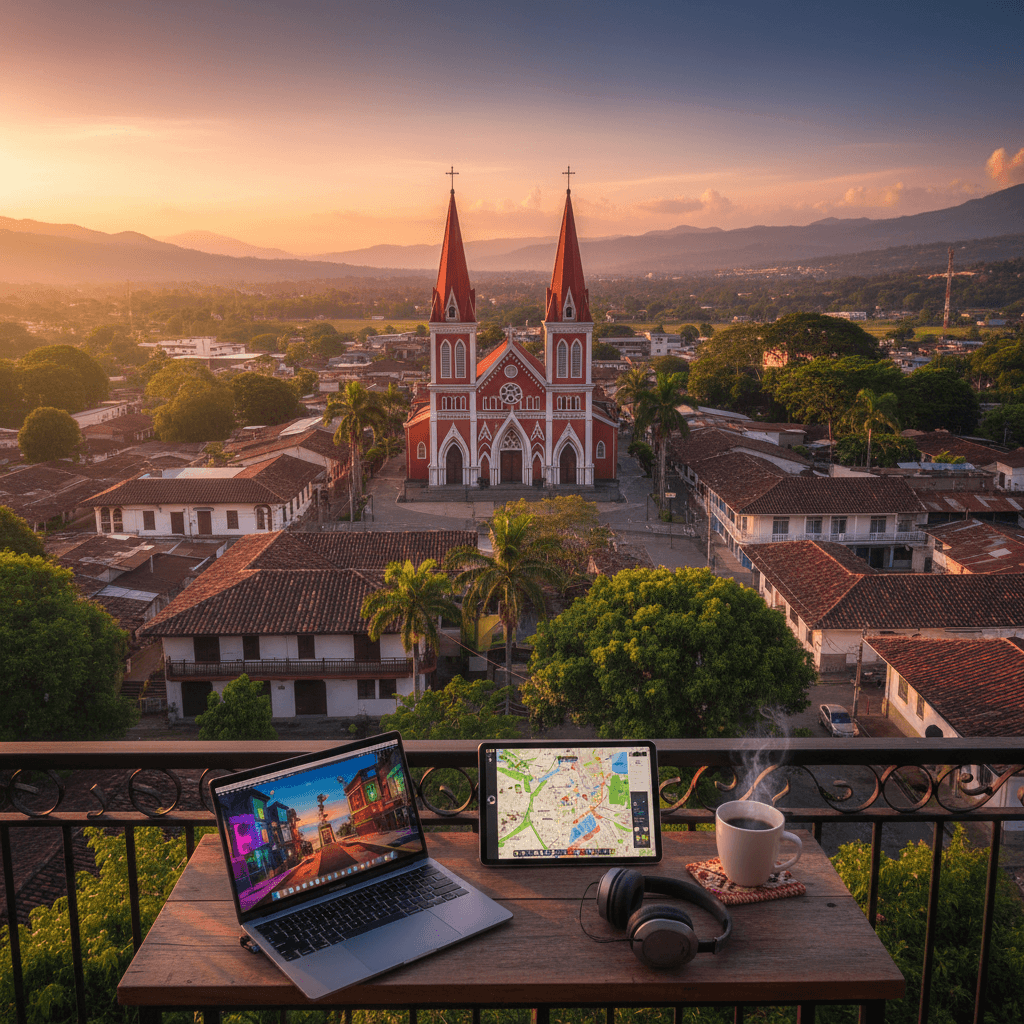
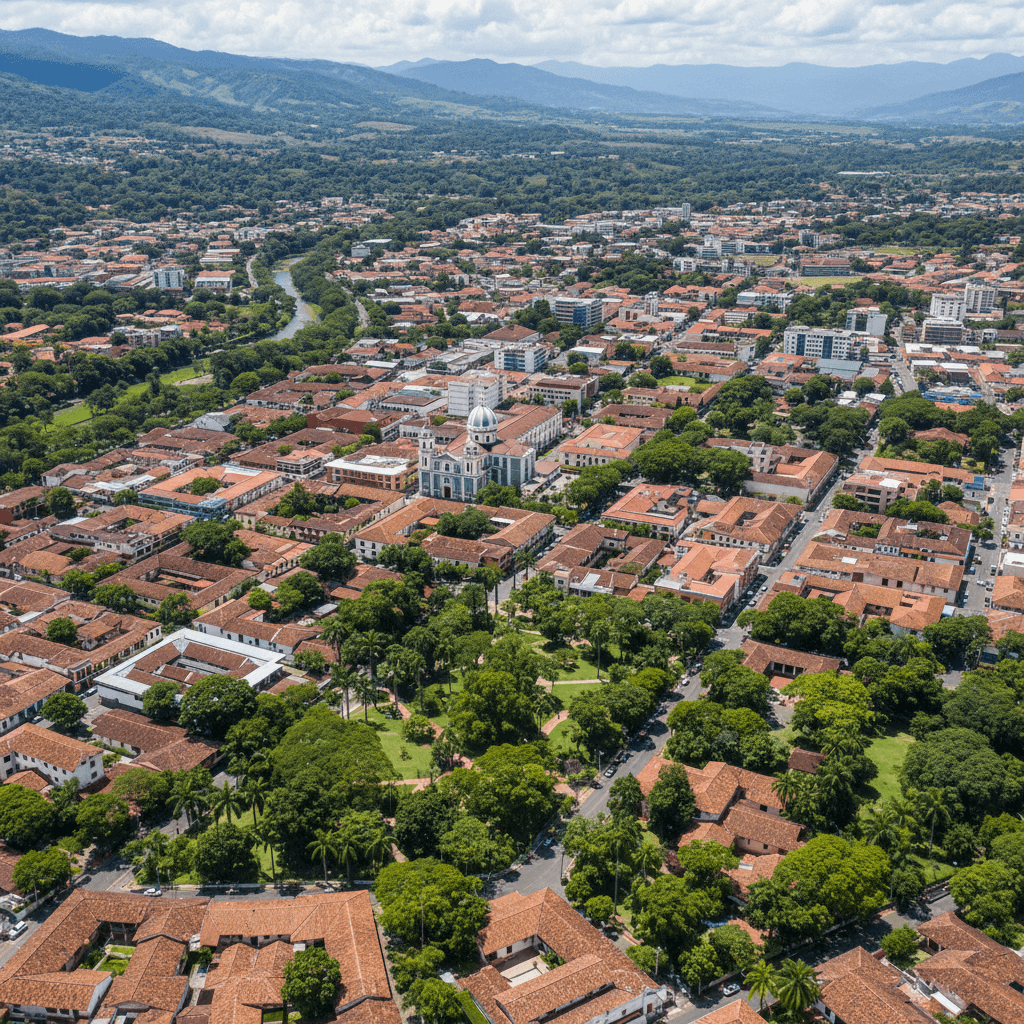
Most travelers treat Alajuela as a pitstop, a place to crash for one night before catching a flight at Juan Santamaría International (SJO). If you stay longer, you'll find a city that feels more "real" than the polished tourist hubs of the coast. It’s part of the Greater Metropolitan Area (GAM), but it lacks the frantic, smoggy intensity of San José. Instead, Alajuela offers a provincial pace where life revolves around the central plaza and the local farmers' market.
The vibe here is unpretentious. You aren't surrounded by yoga retreats or overpriced smoothie bowls; you're living alongside Ticos going to work, students meeting at the park, and families grabbing ice cream. It’s the sweet spot for nomads who want the convenience of a city, like high speed fiber optic internet and Uber, without paying the premium prices of Escazú or the beach towns.
A Practical Urban Base
Living here means trade-offs. You won't find a high concentration of dedicated coworking spaces like you would in San José, but the cafe culture is growing. Nomads often set up shop in local spots near the cathedral or head to Escazú Village to check current pricing at WeWork Escazú Village (if open) when they need a professional environment. The trade-off is worth it for many because your cost of living drops significantly. A budget nomad can get by on $1,200 to $1,800 a month, while a comfortable lifestyle sits around $3,000.
The emotional experience of Alajuela is one of groundedness. There’s a certain relief in being close to the airport and major hospitals like Hospital San Rafael while still being a short drive from the Poás Volcano. You’ll feel the Pura Vida spirit in a more literal, everyday sense. It’s about the $1.37 street food casado and the reliability of a $0.82 bus ride rather than the curated "eco-luxury" found elsewhere.
The Neighborhood Breakdown
Choosing where to plant your flag depends on how much you rely on a car. Central Alajuela is the heart of the action, but the suburbs offer a quieter, more residential feel.
Central Alajuela
- Vibe: Walkable, loud, and quintessentially Costa Rican. You’re steps away from the central market and cheap sodas.
- Monthly Rent: $500 to $700 for a studio.
- Best For: Solo nomads who want to be in the thick of it and don't mind a bit of city noise.
Alajuela Suburbs
- Vibe: Gated communities and quiet streets. You'll need Uber or a rental car to get around, but it’s much more peaceful.
- Monthly Rent: $600 to $1,000 for a one bedroom.
- Best For: Families or long term expats who want a "home" feel rather than a "traveler" feel.
Río Segundo
- Vibe: Functional and transient. It is the closest area to the airport, filled with hotels and short term rentals.
- Monthly Rent: $700+ for decent apartments.
- Best For: People who travel frequently for work and need to be at the terminal in 10 minutes.
Climate and Rhythm
The weather is one of Alajuela's best selling points. It stays around 23°C (74°F) year round. You’ll experience the classic tropical rhythm: bright, sunny mornings followed by heavy afternoon downpours from May through November. The dry season from December to April is the peak time to be here, with 257 sunny days a year making it easy to plan weekend escapes to the mountains or the coast.
Socially, the city is low key. You won't find a wild nightlife scene here. Instead, social life happens over coffee or at local bars where the music isn't too loud to have a conversation. For a bigger night out, expats usually take a $15 Uber into San José. It’s a city for the nomad who values productivity and local immersion over a constant party circuit.
The Bottom Line: What to Expect
Living in Alajuela is a strategic move for nomads who want the convenience of the Greater Metropolitan Area without the premium price tag of San Jose or the inflated "tourist tax" of the Guanacaste coast. It's a pragmatic city where your dollars stretch further, especially if you're willing to eat like a local and use the reliable public transit system.
Most digital nomads find they can live a comfortable, middle-class lifestyle here for roughly $2,000 to $2,800 per month. If you're on a tighter budget, you can get by on $1,200 to $1,800 by sticking to the city edges and frequenting the local sodas. Since Alajuela serves as the gateway to the airport, you're paying for accessibility rather than a resort experience.
Monthly Budget Breakdowns
The Budget Nomad
- Total Monthly Spend: $1,200 to $1,800
- Housing: $500 to $800 for a studio or 1BR on the city outskirts.
- Food: $1.30 to $1.40 per meal at street stalls; roughly $110 for monthly groceries.
- Transport: $0.82 per bus ride; mostly walking.
- Utilities & Web: $85 for basic power and water; $35 for home WiFi.
The Mid-Range Expat
- Total Monthly Spend: $2,000 to $2,800
- Housing: $600 to $900 for a modern 1BR in central, walkable areas.
- Food: $7 per meal at local sodas or mid-range cafes.
- Transport: $20 to $50 for a mix of buses and frequent Ubers.
- Connectivity: $100 to $200 for a dedicated desk at a coworking space or high-speed fiber.
The High-End Resident
- Total Monthly Spend: $3,000+
- Housing: $900+ for upscale condos or gated community homes.
- Food: $15 to $30 per meal at fusion restaurants or upscale spots near the malls.
- Transport: $100+ for private car rentals or constant ride-hailing services.
Neighborhood Price Points
Where you plant your flag in Alajuela changes your overhead significantly. Central Alajuela is the go-to for solo nomads who want to be near the cathedral and markets. You'll pay $500 to $700 for a studio here, and you won't need a car for daily errands.
If you prefer peace and quiet, the suburbs toward the San Jose border are popular with long-term expats. Expect to pay $600 to $1,000 for a one-bedroom house. While the rent is reasonable, you'll likely need to budget more for Ubers to get to the grocery store or the mall.
Río Segundo is the neighborhood closest to the airport. It's convenient for a short stint, but rentals often target transient travelers. Prices here usually start around $700 and can climb quickly for serviced apartments.
Food, Connectivity, and Logistics
Groceries are generally affordable if you shop at local ferias (farmers markets) for produce. If you're craving imported comforts, expect to pay a 20% to 30% premium at the larger supermarkets. A local casado, a hearty plate of rice, beans, protein, and salad, usually costs about $5 to $7 and is the gold standard for a cheap, filling lunch.
Internet is one area where you shouldn't skimp. Fiber optic connections through providers like Kolbi or Claro are reliable and cost about $35 a month. For mobile data, travelers recommend picking up a prepaid SIM at the airport for about $10, which usually nets you around 20GB of data. If you need a professional office environment, you might find yourself heading to the nearby WeWork at Escazú Village, where day passes run around $200 per month.
Getting around is one of the biggest savings. The bus system is extensive and cheap at $0.82 a ride. For late-night trips or grocery runs, Uber is the local favorite. A trip from the airport into the heart of Alajuela typically costs between $5 and $10, while an official airport taxi will charge a flat rate closer to $25.
For Solo Nomads: Central Alajuela
If you want to be in the thick of things without the crushing chaos of downtown San Jose, the city center near the Alajuela Cathedral and Juan Santamaria Park is your best bet. It feels like a real Costa Rican town where people actually live and work, not just a tourist transit point. You can walk to the central market for fresh fruit, grab a $1.37 snack from a street vendor, and find plenty of "sodas" (local diners) serving massive plates of food for under $7.
Most nomads here look for studio apartments or small lofts, which typically run between $500 and $700 per month. The internet is surprisingly snappy for an older area; expect speeds around 96 Mbps if your landlord has fiber optic set up. The trade off is the noise. Between the church bells, bus brakes, and general street chatter, it is rarely quiet. You also need to keep your wits about you at night and stick to well lit streets to avoid petty theft.
For Long-Term Expats: The Southern Suburbs
Expats who plan to stay for a year or more usually migrate toward the outskirts, particularly the neighborhoods stretching toward the San Jose border. These areas offer a much more residential, quiet feel while keeping you a short Uber ride away from the major shopping malls like City Mall Alajuela. It is the kind of place where you can get a house with a small yard rather than a cramped apartment.
Expect to pay anywhere from $600 to $1,000 for a decent one bedroom or small house. You will likely want a car or a healthy Uber budget here, as these neighborhoods aren't built for walking. Many expats prefer this area because it provides easy access to the high end amenities in nearby Escazu, like the CIMA Hospital or the WeWork at Escazu Village, without having to pay Escazu rent prices. It is the sweet spot for those who want a "normal" life with reliable $35 monthly home internet and easy grocery runs.
For Families: Gated Communities and GAM Edges
Families moving to the area often look for "residenciales" or gated communities on the edges of the Greater Metropolitan Area (GAM). These spots offer much higher security and often include small parks or playgrounds within the gates. It is a safer environment for kids to ride bikes, and the air feels a bit fresher than the downtown core. Rent for family sized homes generally starts at $900 and can climb quickly depending on the level of luxury.
Living here means you are positioned perfectly for weekend escapes. You can be at the Poas Volcano in 45 minutes or taking a day trip to the La Paz Waterfall Gardens. Most families find that having a private vehicle is a necessity here, as the public bus system, while cheap at $0.82 a ride, isn't ideal for hauling kids and groceries through suburban sprawl.
For Short-Term Travelers: Rio Segundo
If you are just passing through for a few weeks or need a home base for frequent flights, Rio Segundo is the place to be. It is essentially the airport district. You are less than 10 minutes from the SJO terminal, which saves you a lot of stress given Costa Rica's unpredictable traffic. Uber rides to the airport from here usually cost between $5 and $10.
The vibe is definitely more transient. You will find a lot of hotels and short term apartment rentals, but that means prices can be higher for what you get, often starting at $700 for basic setups. It is not the most "authentic" neighborhood, but for a nomad who lands at midnight and needs to be on a Zoom call by 8:00 AM the next morning, the convenience of the local cafes and reliable infrastructure is hard to beat.
Connectivity and Speed
Living in the Greater Metropolitan Area (GAM) has its perks, and the internet is at the top of the list. You aren't dealing with the spotty satellite connections found in the jungle or remote beach towns. Most apartments and rentals in Alajuela come equipped with fiber optic lines from providers like Kolbi or Claro. You can expect reliable speeds averaging 96 Mbps download and 56 Mbps upload, which is more than enough for back to back Zoom calls or uploading large video files. A standard home setup usually runs around $35 per month.
For mobile data, don't rely on your home roaming plan. Pick up a local SIM card immediately. You can grab a Kolbi or Claro prepaid card at Juan Santamaría International Airport (SJO) or any mall in the city center. A 2-5GB data package typically costs about $10. It's a lifesaver for using Uber or Waze, which you'll need to navigate the Alajuela traffic.
Coworking Spaces
Alajuela doesn't have a massive selection of dedicated coworking hubs within its city limits. It’s a more traditional, local city compared to the nomad heavy zones of San José. Most remote workers here tend to work from home or head to nearby Escazú for a professional office environment. If you need a serious desk and a community vibe, WeWork Escazú Village is the top recommendation. It's about a 20 to 30 minute Uber ride away, depending on traffic, and day passes hover around $200 per month if you want a consistent spot.
If you prefer to stay local, you'll have to get creative. The city center has several quiet spots, but for a guaranteed "office" feel, many nomads head to the business centers near the airport or the larger shopping plazas. These areas offer the best infrastructure and the most reliable backup power during the rainy season's occasional afternoon storms.
Laptop Friendly Cafes
The cafe culture in Alajuela is growing, and while it's not as "Instagram ready" as the spots in Manuel Antonio, it's functional and affordable. Locals and expats often congregate in the following areas:
- City Mall Alajuela: It sounds corporate, but the cafes here have some of the fastest public WiFi in the city and plenty of outlets. It's a solid backup when your home internet flickers.
- Central Alajuela Cafes: Near the cathedral and the central park, you'll find smaller, independent coffee shops. These are great for an hour or two of light work, though they can get noisy during the lunch rush.
- Starbucks: There are a few locations near the airport and main highways. They are predictable, have cold AC, and won't kick you out for sitting with a laptop for four hours.
Practical Workflow Tips
Power outages aren't a daily occurrence, but they can happen during peak rainy season in October. Most expats recommend having a backup battery or a solid data plan to tether your phone. If you're looking for a community of like minded workers, join the Digital Nomads Costa Rica groups on Facebook. Since Alajuela is a gateway city, you'll find plenty of people passing through who are happy to meet up for a coffee and a co-working session.
If your job requires absolute silence and high end amenities, your best bet is to budget for the commute to Escazú or Santa Ana. However, if you're okay with a "work from home" lifestyle supplemented by occasional cafe visits, Alajuela provides the best bang for your buck in the GAM.
Staying Safe in the City
Alajuela generally feels safer and more relaxed than the core of San José, but it still requires the street smarts you'd use in any major Latin American hub. Most nomads find the city center perfectly fine during the day, though petty theft like bag snatching or phone "fishing" can happen in crowded spots near the central market or the cathedral. Local expats usually suggest keeping your phone tucked away while walking and avoiding flashy jewelry.
Once the sun goes down, the vibe changes. Travelers often say it's best to stick to well lit areas or take an Uber if you're moving between neighborhoods. Central Alajuela can get a bit sketchy at night, so if you're staying near the park, just be mindful of your surroundings. If you're living in the quieter suburbs or gated communities on the edge of the city, you'll likely feel much more secure, though you'll be more dependent on wheels to get around.
- Emergency Services: Dial 911 for immediate help.
- Tourist Police: You can reach them at 2521-2250 if you need to report a non-emergency or theft.
- Safe Transit: Stick to Uber or official red taxis rather than hailing unmarked cars.
Healthcare and Hospitals
One of the biggest perks of living in the Greater Metropolitan Area is the access to high quality medical care. You aren't stuck in a remote jungle here; you're minutes away from some of the best facilities in Central America. For routine issues or emergencies, Hospital San Rafael is the main public facility right in Alajuela. It's reliable, though like most public hospitals, wait times can be long for non-emergencies.
If you have private insurance or don't mind paying out of pocket for faster service, most expats recommend heading toward Escazú. It's about a 20 to 30 minute drive depending on traffic, but it puts you at Hospital CIMA. This is an international standard facility where many doctors speak perfect English and the equipment is top tier. It's the go-to for anything serious or specialized.
Pharmacies and Everyday Care
You'll find a pharmacy on almost every other corner in the city center. The Farmacia Fischel chain is everywhere and very easy to navigate. Most pharmacists in Costa Rica are highly trained and can give advice on minor ailments, often saving you a trip to the doctor for things like "Turista" stomach issues or basic infections.
- Pharmacy Hours: Most are open until 8:00 PM or 9:00 PM, with some 24 hour options near the airport.
- Prescriptions: Many medications that require a script in the US or Europe are available over the counter here, but always check first.
- Health Insurance: If you're on the Digital Nomad Visa, you'll need proof of coverage, but even without it, out of pocket costs for a basic doctor's visit are usually around $60 to $100.
Tap Water and Wellness
Unlike many other parts of Latin America, you can generally drink the tap water in Alajuela. It's treated and safe, which saves you a fortune on plastic bottles and is much better for the environment. If you have a sensitive stomach, you might want to use a filter for the first week while your system adjusts, but most long term nomads drink straight from the sink without any issues.
For your mental and physical health, the city is a gateway to the outdoors. When the urban sprawl feels a bit too gray, expats suggest a quick trip up toward Poás Volcano. The air is thinner, cooler, and the change in altitude is an easy way to escape the humidity of the valley floor. It's a natural reset button that's only about 45 minutes away.
Getting Around the City
Alajuela’s layout is a classic grid, making the central district surprisingly easy to navigate on foot. Most nomads choose to base themselves near the Central Park or the Cathedral, where you can walk to local markets and sodas without ever needing a car. However, if you are heading into the suburbs or commuting toward the San Jose border, you will need to get familiar with the local transport ecosystem.
Public Buses
The bus system is the backbone of local travel and incredibly wallet-friendly. For about $1-2 per ride, you can hop on a bus that connects Alajuela to neighboring hubs like Heredia or the capital. The buses are reliable, though they can get packed during the afternoon rush hour when workers head home from the GAM sprawl. Look for the Tuasa buses if you are heading to San Jose; they run frequently and are the most efficient way to travel between cities on a budget.
Ride-Hailing and Taxis
Uber is the go-to for most expats and nomads here. It is widely available, generally safer than flagging a random car, and avoids the "gringo tax" sometimes associated with unmetered rides. A typical trip from the Juan Santamaria International Airport (SJO) to central Alajuela will set you back roughly $5 to $10.
- Uber: Best for city hops and airport runs. Reliable and transparent pricing.
- InDrive: A popular local alternative where you can negotiate the fare directly with the driver via the app.
- Official Taxis: These are the red cars with yellow triangles on the door. They are plentiful but usually cost about $25 for an airport transfer, making them significantly pricier than ride-hailing apps.
Airport Transfers
Since Alajuela is the gateway to SJO, you are never more than a 10 to 15 minute drive from the terminal. If you arrive late at night, skip the bus and grab an Uber or an official airport taxi parked right outside arrivals. Most short-term travelers prefer the Rio Segundo area for its proximity to the runway, though it is less walkable than the city center and usually requires a quick ride to get to the better restaurants.
Bikes and Scooters
While you might see the occasional bike rental shop near the airport or in the city center charging around $5 a day, Alajuela isn't exactly a cyclist's paradise. The traffic in the Greater Metropolitan Area can be aggressive, and bike lanes are almost non-existent. Most residents recommend sticking to four wheels unless you are staying strictly within the quieter residential pockets on the outskirts.
Walking and Safety
During the day, walking through Central Alajuela is a great way to soak in the local vibe. The streets are active, and the distance between the main plazas and coworking-friendly cafes is short. However, the vibe shifts after dark. Expats generally advise against walking alone late at night in the city center or near the bus terminals. If you are out past 9:00 PM, spend the few extra dollars on an Uber to get back to your apartment safely.
Driving Yourself
If you plan on exploring the Poas Volcano or the La Paz Waterfall on your own schedule, renting a car is an option, but it is rarely necessary for daily life. Traffic within the GAM can be frustratingly slow, especially during the rainy season from May to November when downpours turn commutes into crawls. If you do rent, ensure you have secure parking at your accommodation, as street parking overnight is a magnet for petty theft.
While Spanish is the heartbeat of Alajuela, you won't need to be fluent to survive your first week. Because the city serves as the primary gateway to the country via SJO Airport, the local service industry is well-versed in handling English speakers. However, Alajuela retains a much more traditional "Tico" feel than the high-end suburbs of Escazú or the tourist-heavy beach towns like Tamarindo. You'll find a linguistic middle ground here: functional English in shops and hotels, but a deep appreciation for those who try to speak the local tongue.
The Pura Vida Lexicon
You cannot live in Alajuela without mastering Pura Vida. It literally translates to "pure life," but in practice, it's the Swiss Army knife of phrases. Use it as a hello, a goodbye, a way to say everything is cool, or even as a shrug when the bus is ten minutes late. It’s the ultimate social lubricant.
Other local slang you'll hear in the central markets or at a local soda includes:
- Tuanis: Used like "cool" or "nice." If you find a great deal on a casado, it's tuanis.
- Chepe: The local nickname for San José. You'll hear this often when people talk about commuting into the capital.
- Gringo/Gringa: Generally used for any North American or European. In Costa Rica, it’s rarely an insult; it’s just a descriptor.
- Upe!: What you shout when knocking on a door or entering a small shop if no one is at the counter.
English Proficiency and Expectations
In the City Center and around major hubs like City Mall, English is common among younger professionals and those working in hospitality. Most digital nomads find that they can handle banking at Banco de Costa Rica or medical visits at Hospital San Rafael with basic English, though having a translation app handy is a smart move for technical details.
Once you step into the smaller neighborhoods or the local feria (farmers market), the English levels drop significantly. Expats recommend learning at least the basics of food and numbers. It makes a massive difference in the price you might be quoted at a fruit stand and helps build rapport with your neighbors.
Staying Connected
Communication isn't just about what you say, but how you stay online. For most nomads in Alajuela, WhatsApp is the non-negotiable tool for everything. You'll use it to book hair appointments, order delivery from local sodas, and chat with your landlord. If a business doesn't have a WhatsApp number, they practically don't exist.
For mobile data, don't rely on your home roaming plan. Grab a local SIM card as soon as you land or head to the Claro or Kolbi kiosks in the city. Here is what to expect for connectivity costs:
- Prepaid SIM Starter: Around $10, which usually includes a few gigabytes of data.
- Home Fiber Internet: If you're renting long-term, 96 Mbps lines are standard in the GAM for about $35 per month.
Practical Tools for the Ground
Travelers often say that Google Translate with the offline Spanish dictionary downloaded is a lifesaver, especially when reading menus or signs in more rural areas near Poás. For navigation, Waze is much more popular and accurate in Alajuela than Google Maps, primarily because it accounts for the chaotic GAM traffic and local shortcuts in real time. If you’re calling an Uber, the app’s internal messaging feature handles translations well, so don't stress about explaining your exact location to the driver in Spanish.
The Sweet Spot of the Central Valley
Alajuela sits in a geographic sweet spot. Because it is slightly lower in elevation than its neighbor San José, it stays a few degrees warmer, earning it the nickname "The City of Mangoes." You can expect an annual average temperature of around 23°C (74°F), but the experience changes significantly depending on which side of the calendar you land on.
The local climate is dictated by two distinct seasons: the dry season (verano) and the rainy season (invierno). Most nomads find that while the weather is predictable, your daily routine will need to shift to match the sky.
Dry Season: December to April
This is widely considered the best time to visit. The skies are a crisp, consistent blue, and the humidity drops, making the city much more walkable. January is typically the coolest month, with temperatures ranging from 17°C to 26°C (63°F to 79°F), while April brings the peak heat, often hitting 30°C (86°F).
- Pros: Perfect for day trips to Poás Volcano or La Paz Waterfall without worrying about washouts.
- Cons: This is peak tourism season. Prices for short-term Airbnbs in neighborhoods like Río Segundo can spike, and the popular weekend spots get crowded.
- Nomad Tip: If you're sensitive to wind, be aware that December and January bring "Alisios" (trade winds) that can be quite gusty in the open areas of the Central Valley.
Rainy Season: May to November
Don't let the term "rainy season" scare you off. For much of this period, mornings are bright and sunny. The rain usually arrives like clockwork in the mid-afternoon, often as a heavy downpour that lasts two hours before tapering off into a cool, misty evening. It's the perfect excuse to huddle in a cafe with your laptop and a pour-over.
- The October Peak: This is generally the wettest month. Travelers often say October is the only time the rain feels relentless. If you're planning a one-month scouting trip, this might be the month to skip.
- Greenery: The surrounding hills turn an electric green during these months. If you’re living on the outskirts of Alajuela, the views are significantly better than in the dusty dry season.
- Budget Perks: You'll have more leverage when negotiating mid-term rentals. You can often find 1BR apartments in central areas for closer to $500 during the off-peak months.
When to Plan Your Arrival
If you want the "Pura Vida" experience at its most comfortable, aim for December or early January. The transition from the rains to the sun creates a festive atmosphere in the city parks, and the air feels fresh. You'll get plenty of those 257 annual sunny days right at the start of your stay.
For those on a tighter budget, May and June are underrated. You’ll get lower prices and fewer crowds, but you’ll still have plenty of sunshine in the mornings to get your errands or outdoor exploring done before the clouds roll in. Just make sure your Uber app is ready to go by 2:00 PM so you don't get caught in a tropical deluge on your way home from a coworking session.
Connectivity and Tech Setup
Setting up your digital office in Alajuela is surprisingly straightforward. Most nomads find the internet speeds in the Greater Metropolitan Area (GAM) to be among the most reliable in Central America. You can expect download speeds around 96 Mbps via fiber providers like Kolbi or Claro. A monthly home connection usually runs about $35.
For your mobile data, don't wait until you get to your rental. Grab a prepaid SIM card at Juan Santamaria International Airport (SJO) as soon as you land. A 20GB starter pack from Kolbi or Claro costs roughly $10 and will keep you connected for your first few weeks. If you need a dedicated office environment, Alajuela is a bit light on formal coworking spaces. Most expats recommend taking a quick Uber to the WeWork in Escazu Village for a professional desk, which costs about $200 for a monthly pass.
Budgeting for the Pura Vida Life
Alajuela is significantly more affordable than the coastal tourist traps or the upscale neighborhoods of San Jose. You can live comfortably here on a mid-range budget of $2,000 to $2,800 per month, though savvy budget travelers often get by on $1,200 to $1,800 by sticking to local markets and bus transport.
- Local Meals: A typical casado (plate of rice, beans, and protein) at a local soda costs between $1.30 and $7.
- Transportation: A one way bus ride is a flat $0.82, while an Uber across town usually stays under $10.
- Utilities: Expect to pay around $85 to $100 for water and electricity in a standard apartment.
Neighborhoods for Nomads
Choosing where to drop your bags depends on how much "local" you want in your daily life. Most short term travelers prefer the convenience of Rio Segundo because it is right by the airport, but it can feel a bit transient. For a more authentic experience, look at these areas:
Central Alajuela
- Rent: $500 to $700 for a studio.
- Vibe: High walkability, close to the central market and cathedral, but can be noisy at night.
Alajuela Suburbs
- Rent: $600 to $1,000 for a one bedroom.
- Vibe: Quieter and safer for families, though you will likely need to rely on Uber or a rental car to get around.
Safety and Health
Alajuela is generally safer than the center of San Jose, but you still need to be street smart. Petty theft is the most common issue. Expats recommend keeping your phone tucked away in the central park and avoiding the city center after dark. If you do run into trouble, the emergency number is 911, and you can reach the tourist police at 2521-2250.
For medical needs, Hospital San Rafael is the main public facility in town. If you have international insurance and prefer private care, Hospital CIMA in nearby Escazu is the gold standard for English speaking staff and modern equipment. You will find Farmacia Fischel locations all over the city for quick prescriptions and basic health supplies.
The Digital Nomad Visa
If you plan to stay longer than the visa-free tourist stay (up to 180 days for many passports), look into the Digital Nomad Visa. You will need to prove a consistent monthly income of $3,000. This permit allows you to skip the "border runs" every few months and lets you open a local bank account at Banco de Costa Rica with just your passport and visa documents. Most nomads still use Wise or Revolut for daily spending to avoid high conversion fees at local ATMs.
When to Go
The weather is most predictable from December to April, which is the dry season. You will get plenty of sun and temperatures averaging 23°C (74°F). If you arrive in October, be prepared for heavy daily downpours. While the rain can put a damper on weekend trips to Poas Volcano, the lower rental prices during these months are a nice consolation prize for the budget conscious traveler.
Need visa and immigration info for Costa Rica?
🇨🇷 View Costa Rica Country GuideHidden Gem
Worth the effort
Monthly Budget Estimates
More cities in Costa Rica
Liberia
🇨🇷 Costa Rica
Heredia
🇨🇷 Costa Rica
Manuel Antonio
🇨🇷 Costa Rica