Aarhus
🇩🇰 Denmark
The Smile City Experience
If Copenhagen is the sophisticated older sibling, Aarhus is the creative, slightly more approachable cousin. It carries the nickname "The Smile City" for a reason. There is an unmistakable warmth here that cuts through the crisp Jutland air, making it feel less like a temporary stop and more like a place where you could actually build a life. It is compact, fiercely bike-friendly, and manages to feel intimate despite being a major tech and university hub.
Nomads often choose Aarhus when they want the high functional standards of Scandinavia without the overwhelming scale of a capital city. You get world-class museums like ARoS and the immersive Den Gamle By, but you also get a backyard of forests and beaches that are accessible within a ten-minute bike ride. The vibe is defined by "hygge," that specific Danish brand of coziness that translates to candlelit cafes, communal tables, and a slower, more intentional pace of work.
Cost of Living Breakdown
Denmark isn't cheap, and Aarhus reflects that. You are paying for a high quality of life, safety, and infrastructure that actually works. Most nomads find they need between $3,132 and $5,890 per month depending on how much they prioritize central living and dining out.
- Budget Tier ($2,000 to $3,000/mo): You'll likely live in the outer suburbs where rent sits between 8,000 and 10,000 DKK. Expect to cook most meals, use a Donkey Republic bike rental for transport, and work from public libraries or cafes with free WiFi.
- Mid-Range ($3,000 to $4,000/mo): This allows for a 1-bedroom in trendy Trøjborg for about 10,000 to 15,000 DKK. You can afford a monthly bus pass for 500 DKK, a dedicated desk at a coworking space for 2,500 DKK, and regular meals at the Aarhus Street Food market where dishes run 50 to 80 DKK.
- Comfortable ($4,000+/mo): You can snag a central apartment in the Latin Quarter for 15,000+ DKK. This budget covers upscale dining (400+ DKK per meal), premium coworking desks, and occasional taxis or weekend trips across Jutland.
Where to Set Up Your Base
Choosing a neighborhood in Aarhus is less about safety and more about the specific energy you want when you step out your front door. The city is incredibly walkable, so you're never truly isolated.
Latinerkvarteret (Latin Quarter)
- Best for: Social nomads and short-term visitors.
- The Vibe: The oldest part of the city, filled with cobblestones, designer boutiques, and the best coffee shops.
- Pros: You're in the heart of the action; great for networking and evening drinks.
- Cons: Noisy on weekends and the most expensive rent in the city, often exceeding 12,000 DKK.
Trøjborg
- Best for: Long-term nomads and expats.
- The Vibe: A "city within a city" with a youthful, cinematic feel thanks to its proximity to the university and the forest.
- Pros: More affordable than the center (around 10,000 DKK) with a strong local community and its own independent cinema.
- Cons: It is a uphill bike ride from the city center, which you'll feel in your legs.
Frederiksbjerg
- Best for: Those who prefer a quiet, high-end lifestyle.
- The Vibe: Known for its food markets, wide boulevards, and specialized deli shops.
- Pros: Very calm, green, and close to the central train station.
- Cons: The nightlife is much quieter here compared to the Latin Quarter.
The Logistics of Living
The digital infrastructure here is flawless. You can expect internet speeds between 45 and 227 Mbps almost everywhere. Most locals use Telenor or 3 for mobile data; a 100 DKK prepaid SIM will usually get you 20GB of data, which is plenty for tethering in a pinch. If you need a professional environment, look for coworking spaces in the city center where hot desks start around 2,000 DKK per month.
While the 90-day Schengen limit is a hurdle for non-EU citizens, the ease of daily life makes those three months highly productive. You don't need a car; the bus system is reliable, and the bike lanes are better than almost anywhere else in the world. Just remember to be punctual; the Danes take their schedules seriously, and showing up five minutes late to a meeting is a quick way to lose points with your new local contacts.
The Price of Hygge
Living in Aarhus isn't exactly a budget backpacker's dream, but for many nomads, the high price tag is a fair trade for the incredible infrastructure and safety. You'll likely spend between $3,132 and $5,890 per month depending on how much you lean into the local lifestyle. While it is cheaper than Copenhagen, Denmark's second city still demands a healthy bank balance.
Most of your budget will disappear into housing. If you want to be where the action is, the Latinerkvarteret (Latin Quarter) is the spot, though expect to pay 12,000 DKK or more for a one bedroom apartment. For a better deal, expats often head to Trøjborg. It has a younger, community feel and rents usually hover around 10,000 DKK. If you are on a tighter budget, look toward the outer suburbs where you can find studios for 8,000 DKK, but you will need to factor in the commute.
Daily Expenses and Dining
Eating out is where the costs can really sneak up on you. A mid range dinner will typically set you back 150 to 250 DKK, while a high end meal at a place near the ARoS Art Museum can easily cross 400 DKK. To keep costs down, many nomads stick to the Aarhus Street Food market or cook at home using local supermarkets like Netto or Føtex.
- Coffee: 35 to 50 DKK
- Beer at a pub: 50 to 70 DKK
- Street food meal: 50 to 80 DKK
- ARoS Museum entry: 180 DKK
Connectivity and Workspace
Internet speeds in Aarhus are phenomenal, often reaching up to 227 Mbps. You won't struggle to find a solid connection. For mobile data, grab a prepaid SIM from Telenor or 3 for about 100 DKK, which usually gets you 20GB of data. This is plenty for tethering if you decide to work from a park or a cafe.
While Aarhus has a great cafe culture for working, those who need a dedicated desk have several coworking options. A hot desk in a central space usually costs between 2,000 and 3,000 DKK per month. If you want a premium fixed desk with all the perks, be prepared to pay 4,000 DKK or more.
Getting Around the City
The city is incredibly walkable, but if you want to live like a local, you need a bike. You can rent one through the Donkey Republic app for about 50 DKK a day, though most long term residents just buy a used one or rent monthly. Public transport is reliable and clean, with a monthly bus and train pass costing between 500 and 600 DKK.
Taxis are expensive and ride hailing apps are limited, so they are best saved for late nights or emergencies. If you are arriving at Aarhus Airport, the airport express bus is your best bet at 100 to 150 DKK, as a taxi into the city center can easily top 300 DKK.
Financial Logistics
Denmark is nearly a cashless society. You can pay for almost everything, even a single piece of fruit at a market, with a card. Nomads recommend using Wise or Revolut to avoid the hefty exchange fees charged by traditional banks. Keep in mind that there is no specific digital nomad visa for Denmark; most non EU travelers operate on a 90 day Schengen tourist stay, so plan your budget and your exit strategy accordingly.
Digital Nomads and Solo Travelers
If you want to be in the thick of the action, head straight for Latinerkvarteret. Known as the Latin Quarter, this is the oldest part of the city. It is packed with narrow cobblestone streets, designer boutiques, and dozens of cafes where you can flip open a laptop. It is the best spot for meeting people, though you will pay a premium for the location. Expect a 1BR apartment here to start around 12,000 DKK per month. It can get noisy on weekends, but the proximity to the ARoS Art Museum and central coworking hubs makes it the top choice for short stays.
For a slightly more local feel that won't drain your bank account as quickly, look at Trøjborg. This neighborhood sits just north of the center and has a distinct village vibe. It is a favorite for students and remote workers who want to be near the University of Aarhus and the Riis Skov forest. Rent is more manageable here, often landing around 10,000 DKK for a 1BR. You will find plenty of cozy spots like Kaffe og... to work from, and the movie theater and local shops give it a self contained community feel.
- Latinerkvarteret Rent: 12,000+ DKK per month
- Trøjborg Rent: 10,000 DKK per month
- Atmosphere: High energy in the center; relaxed and leafy in Trøjborg
Expats and Long-Term Professionals
Frederiksbjerg is often cited as the coolest neighborhood in the city for those staying longer than a few weeks. It is located south of the central station and is famous for its food scene, particularly the Ingerslevs Boulevard food market which pops up twice a week. It feels more sophisticated and less transient than the city center. The streets are wide, the architecture is beautiful, and the atmosphere is quiet enough for deep work but close enough to the Jægergårdsgade dining strip for evening social life.
Most expats find that Frederiksbjerg offers the perfect balance of urban living and Danish hygge. You are within walking distance of the harbor and the train station, making it easy to commute or take day trips. Prices are similar to the center, but you often get more space and better light for your money.
- Top Perk: Best local food markets and bakeries
- Transit: Highly walkable and served by multiple bus lines
- Vibe: Upscale, residential, and foodie centric
Families and Nature Lovers
If you need more space or want to be near the water, Marselisborg is the go to area. It is further south and feels much more like a suburb than an urban district. Families tend to gravitate here because of the proximity to Marselisborg Deer Park and the beach. It is a peaceful area where you can actually hear the ocean, but keep in mind that nomad friendly cafes are fewer and farther between here. You will likely find yourself biking 15 to 20 minutes into the center for coworking or social meetups.
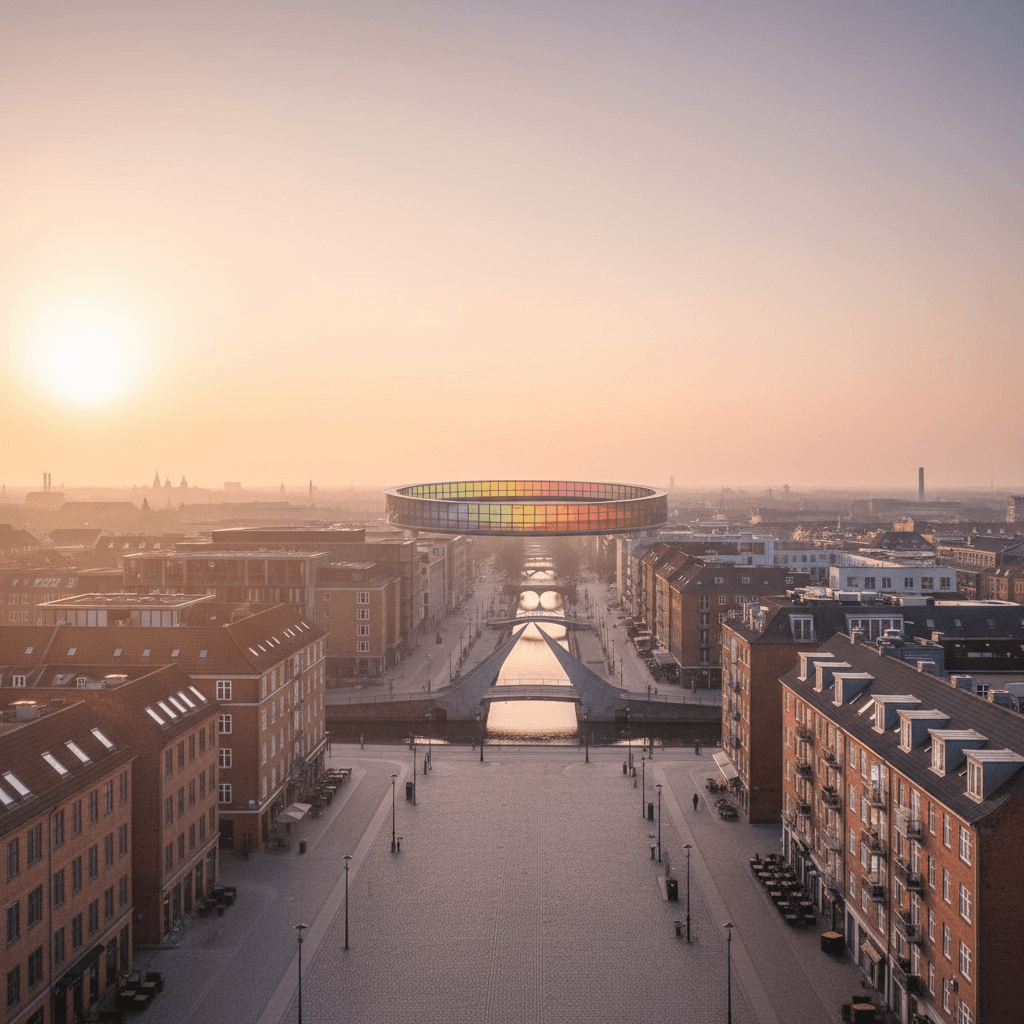
For those who prefer a modern, architectural aesthetic, Aarhus Ø is the newly developed docklands area. It is striking and experimental, featuring the iconic Isbjerget (Iceberg) building. It is great for families who want new builds with elevators and modern amenities, though some travelers find it feels a bit sterile compared to the historic charm of the older districts.
- Marselisborg: Best for beach access and quiet nights
- Aarhus Ø: Best for modern apartments and harbor views
- Transportation: A bike is essential; Donkey Republic rentals cost about 50 DKK per day
Connectivity and Speeds
Aarhus is a powerhouse when it comes to digital infrastructure. You can expect ultra fast internet speeds ranging from 45 to 227 Mbps, making it one of the most reliable hubs in Scandinavia for video calls and heavy uploads. Fiber is the standard in most apartments, and public WiFi is ubiquitous in the city center.
For mobile data, skip the international roaming and grab a local SIM. Providers like Telenor or 3 offer prepaid packages for around 100 DKK that typically include 20GB of data. Coverage is excellent even when you are taking a train through the Jutland countryside or hanging out at the beach near Marselisborg.
Top Coworking Spaces
The coworking scene in Aarhus is professional and design forward, reflecting the city's tech entrepreneur vibe. While prices are higher than in Southern Europe, the facilities are top tier.
- Lynfabrikken: Located in the Latin Quarter, this is a favorite for creatives. It has a great rooftop coffee shop if you want a casual vibe, but the dedicated office spaces are where the real work happens.
- The Startup Company: This is the go to spot for tech founders and serious freelancers. It provides a more corporate, high energy environment with networking events that help you plug into the local scene.
Cost of Desk Space
Budgeting for a workspace depends on how much privacy you need. Most nomads find the following price points standard for the city:
- Hot Desks: Expect to pay between 2,000 and 3,000 DKK per month for a flexible spot in a shared area.
- Fixed Desks: Dedicated stations in premium spaces usually start at 4,000 DKK per month.
- Day Passes: If you only need a desk occasionally, daily rates hover around 150 to 250 DKK.
Laptop Friendly Cafes
If you prefer the "coffee shop office" lifestyle, Aarhus has a deep seated cafe culture that is generally welcoming to laptops, provided you aren't camping out for six hours on a single espresso. The Latin Quarter (Latinerkvarteret) is packed with cozy spots, though they can get crowded on weekends.
Expats often recommend working from the Dokk1 library. It is a massive, modern architectural marvel right on the waterfront. It is free to enter, has great WiFi, plenty of power outlets, and a much more relaxed atmosphere than a busy cafe. Plus, the views of the harbor are a great backdrop for a deep work session.
For a more traditional cafe vibe, look for spots in Trøjborg. This neighborhood has a younger, student oriented energy, and the baristas are usually fine with you working for a few hours. Just remember that the Danish concept of "hygge" usually involves socializing, so some smaller boutique cafes might have "no laptop" policies during peak lunch hours to keep the tables open for diners.
Practical Tips for Remote Workers
Denmark does not currently offer a specific digital nomad visa. Most non EU travelers rely on the 90 day Schengen tourist stay. If you plan to stay for the full three months, try to book your accommodation in Trøjborg or the outer suburbs to save on rent, then commute into the center via the excellent bike paths or the 500 to 600 DKK monthly bus pass.
Most transactions are digital, so you rarely need cash. Using apps like Revolut or Wise will help you avoid the sting of exchange rates when paying for your coworking membership or that 50 DKK daily bike rental from Donkey Republic.
A Safe Haven in Jutland
Aarhus is consistently ranked as one of the safest cities in the world, and you'll feel that peace of mind the moment you step off the train. Whether you are walking home from a late night at a pub in the Latin Quarter or biking through Trøjborg after sunset, the risk of serious crime is remarkably low. Most nomads find they can walk around with their laptops and cameras without a second thought, though common sense still applies in crowded areas like the Aarhus Central Station.
The city's safety extends beyond just low crime rates. The air quality is excellent, the streets are clean, and the food safety standards are among the highest in Europe. You can drink the tap water anywhere, and it tastes better than most bottled brands. For digital nomads, this means one less thing to worry about while focusing on work.
World Class Healthcare
Denmark's healthcare system is famous for its efficiency and high standards. If you are visiting on a standard 90 day Schengen stay, you won't be covered by the national health insurance (the "Yellow Card"), so having a solid private policy is a must. Expats and those on longer term work assignments usually get access to the public system, but as a short term nomad, you'll be relying on travel insurance or private providers.
The medical staff in Aarhus are almost universally fluent in English, so you won't have to worry about a language barrier during a consultation. If you need a doctor, most nomads recommend calling a local GP (Læge) for a private appointment, which typically costs between 500 and 1,000 DKK depending on the complexity of the visit.
- Emergency Services: Dial 112 for life threatening emergencies. This is the EU wide number for police, fire, and ambulance.
- Non-Emergency Medical Help: Dial 1813 to speak with a nurse or doctor when your regular GP is closed. They can direct you to the nearest urgent care center.
- Hospitals: Aarhus University Hospital (Skejby) is a leading facility in Europe and provides top tier emergency care.
Pharmacies and Prescriptions
Pharmacies, known as Apotek, are easy to find throughout the city center and in residential neighborhoods like Frederiksbjerg. Most are open during standard business hours, but there are always 24 hour pharmacies (Løve Apoteket) available for middle of the night needs. Be aware that many medications that are over the counter in the US or UK require a prescription here.
Basic items like ibuprofen or paracetamol can be bought at supermarkets like Netto or Føtex, but they are often kept behind the counter and have strict quantity limits. Expect to pay around 40 to 60 DKK for a small pack of pain relievers.
Practical Safety Tips
While the city is incredibly safe, the biggest "danger" you'll likely face is a collision on a bike path. Aarhus takes its cycling seriously. If you are walking, stay off the dedicated bike lanes; locals move fast and won't be happy if you're blocking the way. Always look both ways before crossing a cycle track.
If you find yourself in a rare sticky situation, the local police (Politi) are approachable and helpful. They spend more time assisting people than chasing criminals. Most nomads report that the biggest safety concern is simply making sure your bike is locked up properly with a sturdy D-lock, as bike theft is the most common petty crime in the city.
The Pedaling Capital of Jutland
Aarhus is built on a human scale. While it's Denmark's second city, the center is compact enough that you can cross most of the primary nomad hubs like the Latin Quarter or Frederiksbjerg on foot in about twenty minutes. Most expats find that once they've settled in, a car becomes more of a liability than an asset due to limited parking and the city's aggressive commitment to carbon neutrality.
The local transit system is anchored by a reliable network of yellow buses and the Letbane light rail. If you're staying for a month or more, skip the single tickets. Grab a monthly pass for around 500 to 600 DKK. It covers your commutes and late night trips back from the pubs without having to fumble with apps every time you board. For occasional riders, the Rejsekort (travel card) is the standard across Denmark, offering significantly lower fares than cash payments.
Two Wheels are Better Than Four
You'll quickly notice that the bike lane is often busier than the car lane. Aarhus is incredibly bike friendly, though be prepared for a few more hills than you'd find in pancake flat Copenhagen. The infrastructure is top tier, with dedicated signals and wide paths that make cycling feel safe even for beginners.
- Donkey Republic: This is the go to app for orange rental bikes found all over the city. Expect to pay roughly 50 DKK for a full day of riding.
- Swapfiets: If you're staying for a few months, many nomads prefer this subscription service. For a fixed monthly fee, you get a high quality bike and they'll come fix it for free if you get a flat.
- Buying Used: Check DBA.dk or local Facebook groups. You can often snag a decent city bike for 800 to 1,200 DKK and sell it back before you fly out.
Airport Transfers and Regional Travel
Aarhus Airport (AAR) is actually located about 45 minutes outside the city in Tirstrup. Don't let a taxi driver talk you into a private ride unless you're on a corporate expense account, as it can easily cost 300 DKK or more. Instead, hop on the Aarhus Lufthavn Express bus. The Aarhus Lufthavn Express bus costs 128 DKK for adults, dropping you off right at the main train station (Aarhus H).
For those arriving via Billund Airport (BLL), which often has cheaper international connections, there's a direct 912X bus that takes about 90 minutes. If you're planning a weekend trip to Copenhagen, the DSB train is the most comfortable route, though it's pricey. Pro tip: Book "Orange" tickets on the DSB app at least a week in advance to save nearly 60 percent off the standard fare.
Taxis and Ride-Hailing
Uber and Lyft don't operate here. If you need a private ride, you'll be using traditional taxi companies like Aarhus Taxa. They have their own apps which work similarly to modern ride hailing platforms, allowing you to track the car and pay digitally. Prices are steep; a short ten minute hop across town can easily run you 150 DKK. Most travelers save taxis for rainy nights or heavy luggage days and stick to the light rail otherwise.
Getting Around by the Numbers
- Single Bus Ticket: Approximately 22 to 25 DKK within the city zones.
- Monthly Transit Pass: 500 to 600 DKK for unlimited city travel.
- Bike Rental (Daily): Around 50 DKK via Donkey Republic.
- Airport Express Bus: the airport express bus is your best bet at 128 DKK.
- Train to Copenhagen: 400+ DKK for last minute tickets; 150 DKK for early bird "Orange" fares.
One of the biggest perks of basing yourself in Aarhus is the lack of a language barrier. While Danish is the official tongue, English proficiency here is among the highest in the world. You can walk into any coffee shop in the Latin Quarter or a supermarket in Trøjborg and expect the person behind the counter to switch to near-perfect English the second they realize you aren't a local.
The Social Context
Danes are famously polite but can be reserved. Most nomads find that while everyone speaks English, the "social bridge" can take a minute to cross. People won't usually strike up a conversation with a stranger at a bus stop, but if you ask for help or directions, they are incredibly helpful and articulate. In professional settings or coworking spaces, English is often the default language for teams with international members.
Expats recommend joining interest-based groups to break the ice. Since the city has a massive student population, the vibe is academic and international. You'll find that language isn't the hurdle; it's more about finding the right "hygge" (cozy) setting where people feel comfortable opening up.
Essential Danish Phrases
Even though you don't need Danish to survive, learning a few basics goes a long way with the locals. It shows you're making an effort to integrate into the community. Here are the ones you'll use daily:
- Hej (pronounced like "hi"): Hello. You'll hear this everywhere, often doubled as "Hej hej" when saying goodbye.
- Tak: Thank you. Danes use this constantly.
- Mange tak: Many thanks.
- Undskyld: Excuse me or sorry.
- Skål: Cheers. Use this when you're grabbing a beer at the Aarhus Street Food hall.
- Ja / Nej: Yes / No.
Digital Communication and Tools
The city is almost entirely digital. You’ll rarely need cash, and most communication with services happens via apps or websites that usually have an English toggle. For physical signage, Google Translate’s camera feature is handy for menus or grocery labels, though most restaurants in the city center provide English menus anyway.
For staying connected, travelers often say that the local mobile network is flawless. You can pick up a prepaid SIM from Telenor or 3 for around 100 DKK, which usually includes about 20GB of data. This is plenty for using maps, translation apps, and staying in touch while you're out exploring the ARoS Art Museum or the Botanical Gardens.
The Nomad Community
Because Aarhus is smaller and more intimate than Copenhagen, the nomad community tends to congregate in specific hubs. Facebook groups like "Expats in Aarhus" or local Meetup events are the primary way to find English-speaking social circles. If you're looking for a work environment where English is the norm, head to the central coworking spaces or laptop-friendly cafes where the international crowd hangs out. You'll find that while the signs on the street might be in Danish, the conversation around the communal table is almost always in English.
The Seasonal Sweet Spot
If you want to experience Aarhus at its peak, aim for the window between June and August. This is when the city truly wakes up. The temperatures hover comfortably between 18°C and 22°C, which might sound mild to some, but it's the perfect weather for biking between the Latin Quarter and the harbor without breaking a sweat. The sun stays up late, often until 10:00 PM, giving you plenty of "golden hour" time to wrap up a work session at a cafe like La Cabra before heading to the beach.
Most nomads find that July is the most social month. The city feels light and airy, and you'll see locals flocking to the Infinite Bridge or the Botanical Gardens. Just keep in mind that this is high season. While Aarhus isn't as overrun as Copenhagen, you'll still pay a premium for short term rentals on platforms like Airbnb or DBA.dk during these months.
The Shoulder Seasons
May and September are the smart picks if you want to avoid the peak summer prices but still enjoy decent weather. In May, the city begins to bloom, and the outdoor seating areas at the Aarhus Street Food market start filling up again. You can expect highs around 12°C to 15°C. It's crisp, but the light is beautiful for photography at Den Gamle By.
September brings a shift toward the famous Danish "hygge." The air gets cooler, but the cultural calendar is packed. If you're into the arts, timing your stay with the Aarhus Festival (Aarhus Festuge) in late August or early September is a must. It's one of the biggest cultural events in Scandinavia, turning the entire city center into a stage for ten days.
Surviving the Jutland Winter
If you're planning to stay during January or February, prepare for a challenge. The temperature sits stubbornly between 0°C and 5°C, and the rain is frequent. Daylight is the real hurdle; the sun can set as early as 3:30 PM in December. This is the time of year when your choice of neighborhood matters most. Expats recommend staying in the Latin Quarter during winter so you're never more than a two minute walk from a warm coffee shop or a cozy pub.
The silver lining to a winter stay is the lack of crowds at major spots like the ARoS Art Museum. You can spend hours under the "Your Rainbow Panorama" walkway without fighting for a photo op. Just make sure your budget accounts for higher heating costs and perhaps a few more taxi rides through the Aarhus Taxa app when the rain gets sideways.
Quick Weather & Timing Guide
- Best for Work-Life Balance: June to August. Long days mean you can work a full shift and still have five hours of daylight for exploring.
- Best for Budgeting: November or January. While the weather is bleak, you'll have more leverage negotiating a 1 to 3 month apartment rental.
- Rainy Season: It rains year round, but October and November often feel the wettest. Always pack a high quality waterproof shell; umbrellas are often useless against the Jutland wind.
- The "Hygge" Peak: December. The Christmas markets and festive lights make the cold much more bearable.
Regardless of when you arrive, remember that Aarhus is a maritime city. The weather can change three times in a single afternoon. Most locals use apps like DMI Nedbør to track rain clouds in real time. If you see a break in the clouds, that's your cue to stop working and get outside immediately.
Making the Move
Living in Aarhus isn't exactly cheap, but the quality of life usually justifies the price tag. Most nomads find they need between $3,100 and $5,900 per month depending on their lifestyle. If you're on a tighter budget, you'll likely spend about 8,000 to 10,000 DKK for a studio in the suburbs. Mid-range living in trendier spots usually jumps to 10,000 to 15,000 DKK for rent alone.
For groceries and eating out, a street food meal will set you back 50 to 80 DKK, while a nice dinner at a mid-range spot costs around 200 DKK. It's a card-heavy society, so carry your Revolut or Wise card. You'll rarely need physical cash here.
Choosing Your Base
Where you park your laptop matters. Aarhus is compact, but each pocket has a distinct personality.
- Latinerkvarteret (Latin Quarter): This is the heart of the city. It's packed with cobblestones, history, and the best cafes for working. Rent for a one-bedroom here often exceeds 12,000 DKK. It's lively and social, though it can get noisy on weekends.
- Trøjborg: Often recommended by expats and students, this area feels like a village within the city. Rent is more manageable at around 10,000 DKK. It has a great community vibe and plenty of cinema and cafe options.
- Frederiksbjerg: If you prefer quiet mornings and green space, head here. It’s family-friendly and close to the main station, though the nightlife is much tamer than the Latin Quarter.
Internet and Coworking
The internet in Aarhus is blistering fast, with speeds often hitting 200 Mbps. You won't struggle to find a stable connection. For a dedicated desk, expect to pay between 2,000 and 4,000 DKK per month at local coworking hubs. If you're a cafe-hopper, the city's coffee culture is welcoming to laptops, provided you keep the lattes flowing.
To stay connected on the go, grab a prepaid SIM from Telenor or 3. You can get a starter pack with 20GB of data for about 100 DKK. Coverage is excellent even when you're out exploring the coastline.
Getting Around
Aarhus is built for bikes. Most locals use the Donkey Republic app for quick rentals, which costs about 50 DKK a day. If you aren't into cycling, the bus system is reliable. A monthly public transport pass costs roughly 500 to 600 DKK.
When you land at Aarhus Airport, the Aarhus Lufthavn Express bus is the smartest way into town, costing between 100 and 150 DKK. Taxis are available but will easily cost you 300 DKK or more for the same trip.
Connectivity and Social Life
While Danish is the official language, English proficiency is incredibly high. You'll have no trouble communicating in shops or bars. To meet people, check out the ARoS Art Museum or join local nomad groups on Facebook and Meetup. The "hygge" culture is real here; Danes value cozy, intimate social settings over loud, flashy parties.
Safety is rarely a concern. Aarhus is consistently ranked as one of the safest cities you'll visit. Standard common sense applies, but you can generally walk anywhere at night without a second thought. If you have an emergency, dial 112.
Timing Your Stay
Weather is the biggest variable. If you can, aim for June through August. The days are long, the weather sits at a comfortable 18 to 22°C, and the city comes alive. January and February are the toughest months, often hovering around 1 to 5°C with frequent rain and grey skies. Pack a high-quality raincoat regardless of when you visit; rain is a year-round guest in Jutland.
The Fine Print
Denmark doesn't currently offer a specific digital nomad visa. Most non-EU travelers rely on the 90-day Schengen tourist stay. If you're looking for long-term housing, check DBA.dk or local Facebook groups, but be ready to move fast, as the rental market is competitive.
Need visa and immigration info for Denmark?
🇩🇰 View Denmark Country GuideNomad Haven
Your home away from home
Monthly Budget Estimates
More cities in Denmark
Aalborg
🇩🇰 Denmark
Esbjerg
🇩🇰 Denmark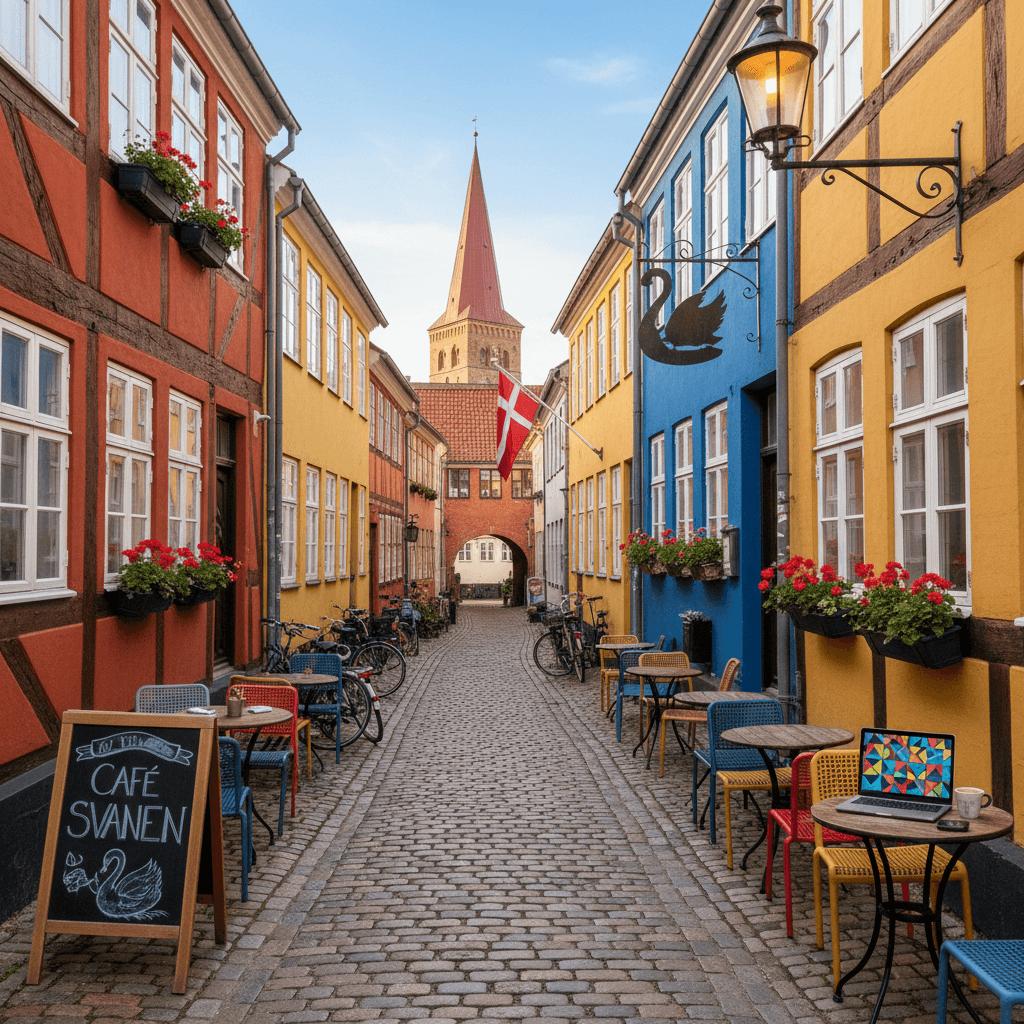
Odense
🇩🇰 Denmark