Mexico City sinks 2 cm a month as NASA satellite data confirms subsidence risk

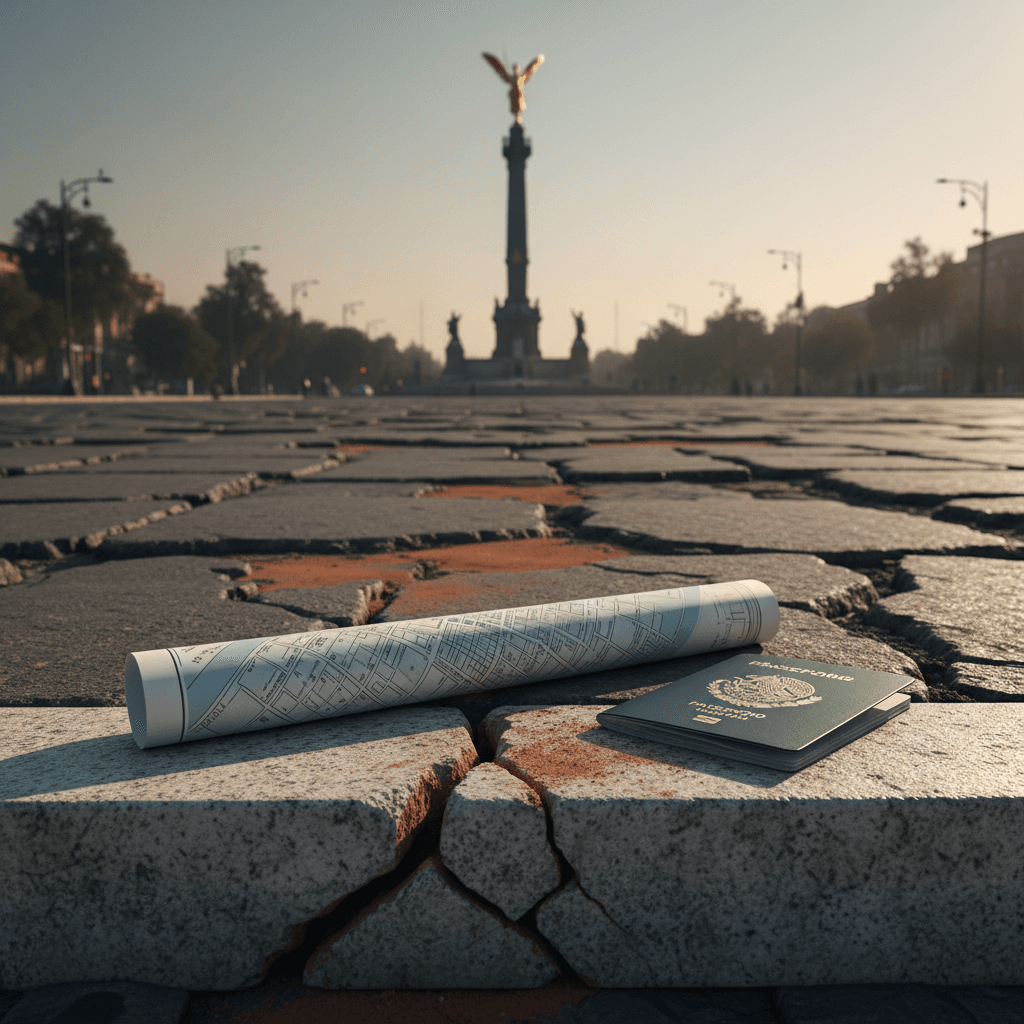
What the subsidence means for the city
Mexico City is sinking by more than 2 cm a month in some areas, according to NASA-ISRO NISAR satellite data covering Oct. 25, 2025, to Jan. 17, 2026. The fastest drop shows up around Benito Juarez International Airport and parts of the center, where the ground is compacting as groundwater is pumped from the ancient lakebed below the city.
The problem is old and documented. But the new mapping gives a clearer picture of where buildings, roads and utility lines face the most strain and it adds pressure to a city already dealing with cracked foundations, uneven streets and Metro damage.
Who feels it first
Expats, digital nomads and long-term renters in high-subsidence zones face the biggest housing risk, especially in older buildings or properties built on softer ground. Differential sinking can widen cracks, warp doors and drive up repair and maintenance costs for landlords and tenants.
Tourists feel it too, though usually in a shorter-term way. Damaged roads, rail lines and other infrastructure can disrupt daily movement across the city and the effects tend to be worse in neighborhoods where the ground is dropping faster.
What to check before signing a lease
Anyone renting or buying in Mexico City should check subsidence maps before committing to a place, especially near known hotspots. A geotechnical assessment is worth asking for if the building is in a lakebed area or shows signs of settling.
There’s no separate expat rule tied to subsidence, but the physical risk is real and it falls unevenly across neighborhoods. Read more on visa updates and our full Mexico guide for the complete picture.
Frequently asked questions
How fast is Mexico City sinking?
What is causing the subsidence in Mexico City?
Who is most affected by subsidence in Mexico City?
How can subsidence affect a rental in Mexico City?
What should I check before signing a lease in Mexico City?
Can subsidence affect getting around Mexico City?
Stay updated on Mexico
Visa changes, travel alerts, and destination news — delivered when they actually matter.