Valencia caps tourist rentals at 2% per district to limit Spain holiday lets

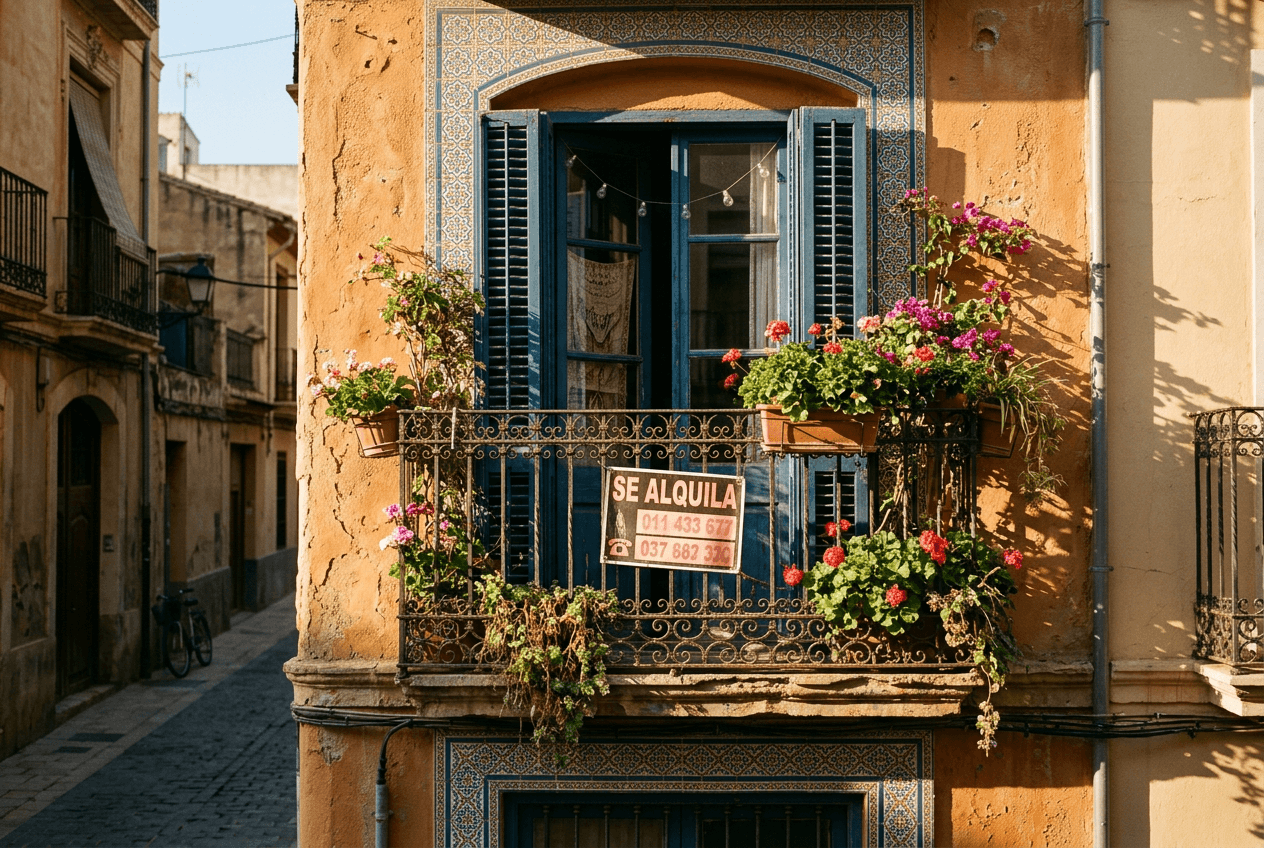
Valencia’s rental caps now set the rules
Valencia’s planning code now limits tourist apartments to 2% of housing stock per neighborhood or district, part of a wider cap on holiday lets approved in March. The city also caps total tourist beds at 8% of registered residents in each area and limits ground-floor tourist uses to 15% of each block.
The rules require tourist apartments in mixed-use buildings to sit on the ground or first floor, have separate street access and avoid sharing a landing with residents. Valencia’s one-year grace period for illegal apartments starts after enforcement, giving owners a short window to switch back to residential use or face inspections.
Who feels the squeeze
Digital nomads and tourists looking for short-term apartments in central Valencia are the most exposed, especially in neighborhoods that already sit near or above the 2% cap. Fewer legal listings should push more travelers toward hotels or longer stays of more than 10 days, which fall outside tourist-rental rules.
Expats seeking mid-term housing may see more options if owners convert units away from short stays. Still, competition for remaining legal apartments is likely to stay tight in popular districts and platforms will have fewer properties to list once the caps bite.
What owners and renters need to check
New tourist rentals now need urban compatibility certification, NRU registration and homeowners’ association approval, with a 3/5 majority required since April 2025. Platforms such as Airbnb must display registration numbers and fines for missing or false details can run from €10,000 ($10,800) to €600,000 ($648,000).
Existing licenses granted before 2024 can renew under transitional rules through 2029 or 2030. Valencia’s census of tourist accommodations and stepped-up inspections are already part of enforcement, so anyone listing a flat should confirm the property still fits the new caps.
Read our full Spain guide for the complete picture.
Frequently asked questions
How many tourist apartments can Valencia allow in each district?
What other caps does Valencia place on holiday rentals?
What do new tourist rentals in Valencia need before listing?
Where can tourist apartments be located in mixed-use buildings in Valencia?
How are illegal tourist apartments being handled in Valencia?
Can existing Valencia tourist apartment licenses still be renewed?
What happens if Airbnb listings in Valencia do not show registration details?
Stay updated on Spain
Visa changes, travel alerts, and destination news — delivered when they actually matter.