United States Travel Impacted by Longest DHS Shutdown on Record

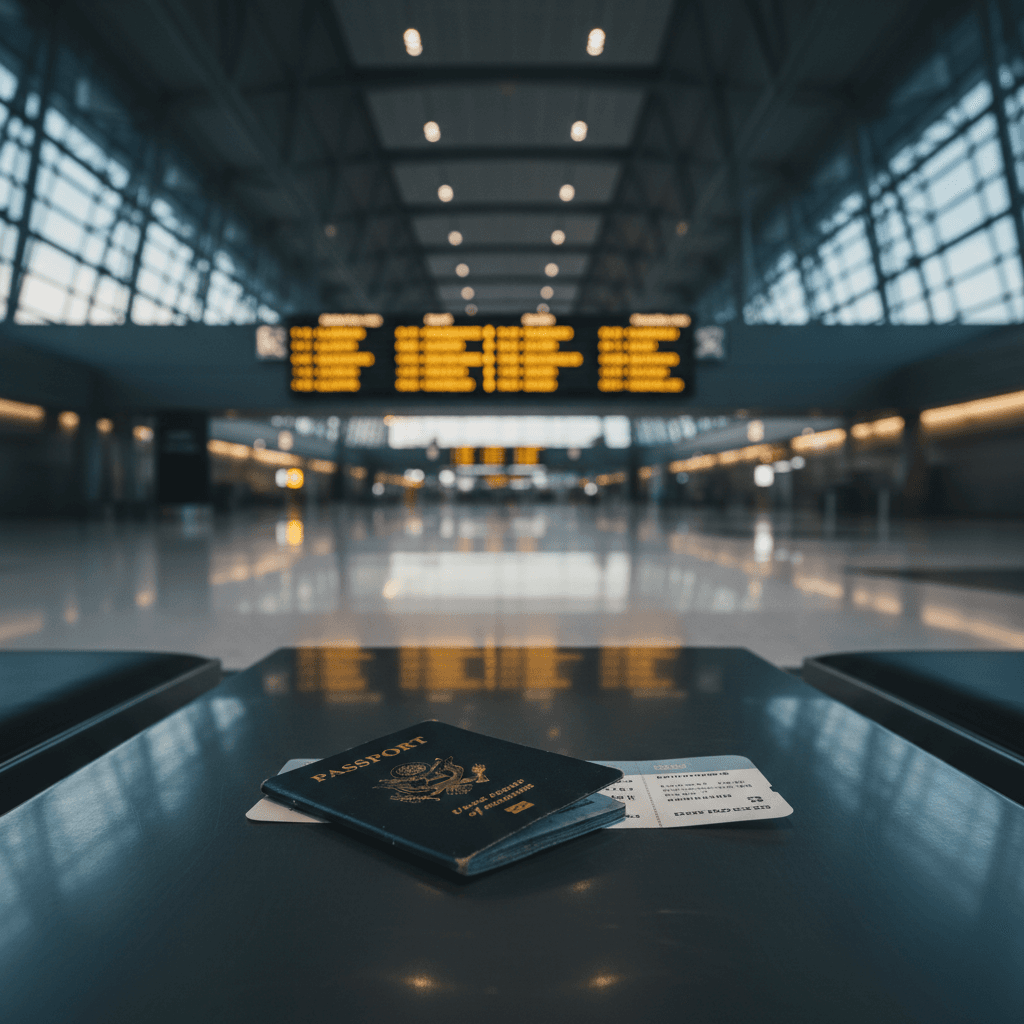
The Department of Homeland Security is currently experiencing a partial shutdown that has lasted over 40 days, creating significant operational hurdles at major American airports. This funding lapse, which began on February 14, 2026, has led to severe staffing shortages within the Transportation Security Administration.
While a presidential memorandum was signed recently to facilitate paychecks for TSA workers using available funds, the underlying budget dispute remains unresolved in Congress. As a result, travelers are encountering high call-out rates and hundreds of officer resignations. Security wait times at major hubs like JFK, LAX, Atlanta, Houston, and Newark have frequently exceeded three hours.
Who it affects
Digital nomads and expats are particularly vulnerable to these disruptions, especially those on tight schedules or those transiting through the U.S. to reach other international destinations. Remote workers relying on flexible visas for quick entry and exit may find their travel plans derailed by missed connections and sudden flight cancellations.
The instability also affects international tourists and the roughly 171 million travelers expected to move through the U.S. aviation system during this period. While Essential Customs and Border Protection (CBP) services remain active, the sheer volume of travelers caught in TSA bottlenecks is causing a ripple effect throughout global flight schedules.
What to do
If you have upcoming travel through the United States, prepare for a much slower experience than usual.
- Arrive at the airport at least 3 to 4 hours early for international departures.
- Use TSA PreCheck or Global Entry if you are already enrolled, as these programs remain operational.
- Monitor nomad news for updates on potential small airport closures.
- Check your flight status frequently, as airlines may adjust schedules to account for screening delays.
Visa and passport processing is currently continuing through fee-based funding, but travelers should still expect growing backlogs for any paperwork requiring federal oversight.
Read our full United States guide for the complete picture.
Frequently asked questions
How long has the DHS shutdown lasted in the United States?
How bad are airport security lines at major U.S. hubs right now?
How early should I arrive for an international flight through the United States?
Do TSA PreCheck and Global Entry still work during the shutdown?
Are visa and passport services still being processed in the United States?
Who is most affected by the U.S. airport delays?
Stay updated on United States
Visa changes, travel alerts, and destination news — delivered when they actually matter.