United States Suspends Global Entry Amid Travel Disruptions

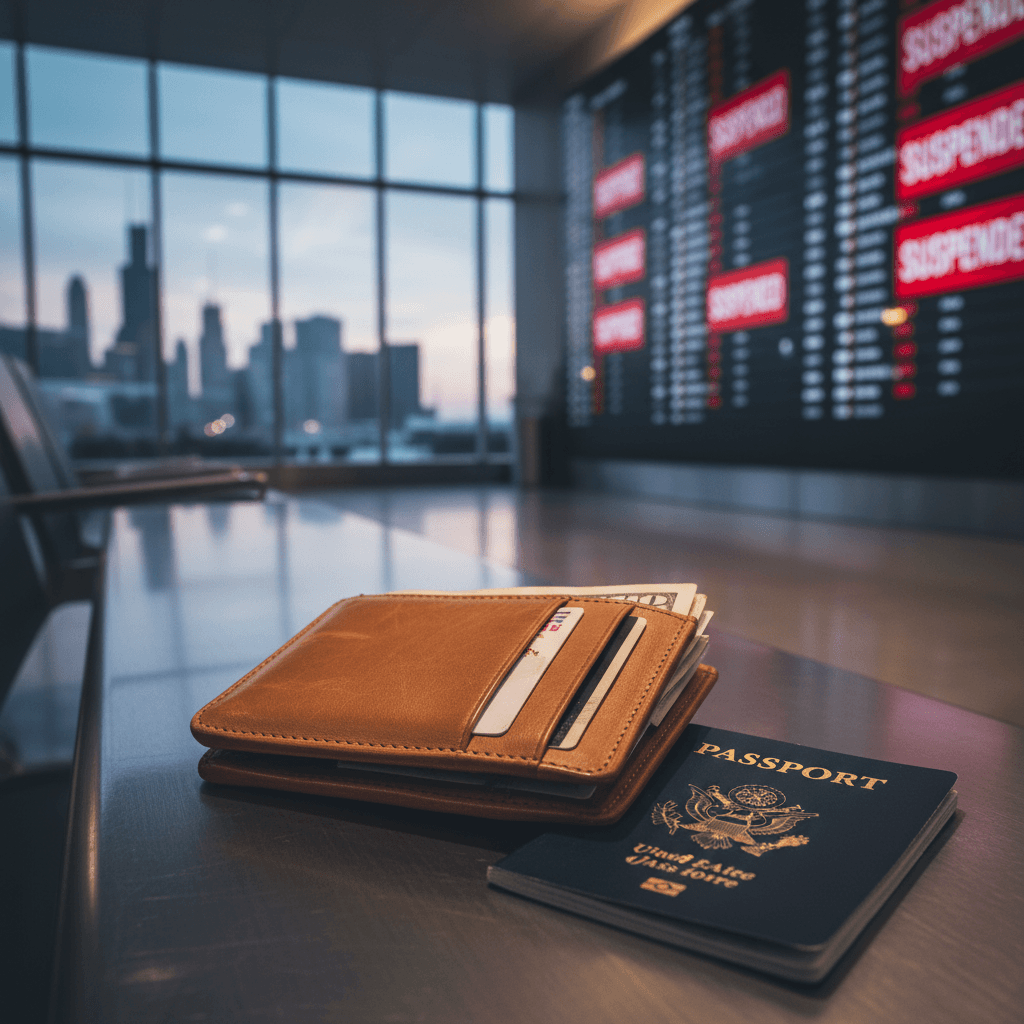
A partial federal government shutdown and a series of executive orders have significantly altered the entry process for travelers visiting the United States. As of February 22, the Department of Homeland Security suspended Global Entry processing indefinitely. While TSA PreCheck has been restored on a case-by-case basis, the loss of expedited customs processing means much longer wait times at major international hubs.
These operational changes follow a broader crackdown on entry requirements. The administration has implemented expanded travel bans affecting 19 countries and paused immigrant visas for 75 high-risk nationalities. Additionally, biometric vetting has been ramped up at all ports of entry, contributing to a 4.8% drop in international arrivals this January alone.
Who is affected
Digital nomads and frequent flyers are feeling the brunt of these changes. If you previously relied on Global Entry kiosks, you must now join the standard CBP lines.
Remote workers face particular scrutiny. Customs officers are increasingly authorized to search electronic devices for evidence of unauthorized work. If an officer determines your intent is to work for a U.S.-connected entity without the proper visa, you risk expedited removal and a five-year ban from the country.
What you should do
If you are planning a trip to the U.S., prepare for significant delays and heightened questioning. Since no new Global Entry applications or renewals are being processed, ensure your standard travel documents are in perfect order well before your flight.
- Audit your devices: Remove any sensitive business communications or apps that could be misconstrued as intent to work illegally in the U.S.
- Allow extra time: Arrive at the airport at least four hours before international departures to account for manual processing.
- Carry proof of ties: Have documentation ready that proves your residence and employment outside the U.S. to show your stay is strictly temporary.
Stay informed on the latest nomad news to track when these programs might resume. For a deeper look at entry requirements and regional advice, read our full United States guide.
Frequently asked questions
Is Global Entry currently suspended in the United States?
Can I still use TSA PreCheck when flying into the United States?
What should digital nomads expect at U.S. airports right now?
Can U.S. customs search my phone or laptop for work-related evidence?
What happens if U.S. officers think I am working illegally?
What documents should I carry when entering the United States as a remote worker?
Stay updated on United States
Visa changes, travel alerts, and destination news — delivered when they actually matter.