United States Shifts H-1B Selection to a Wage-Weighted System

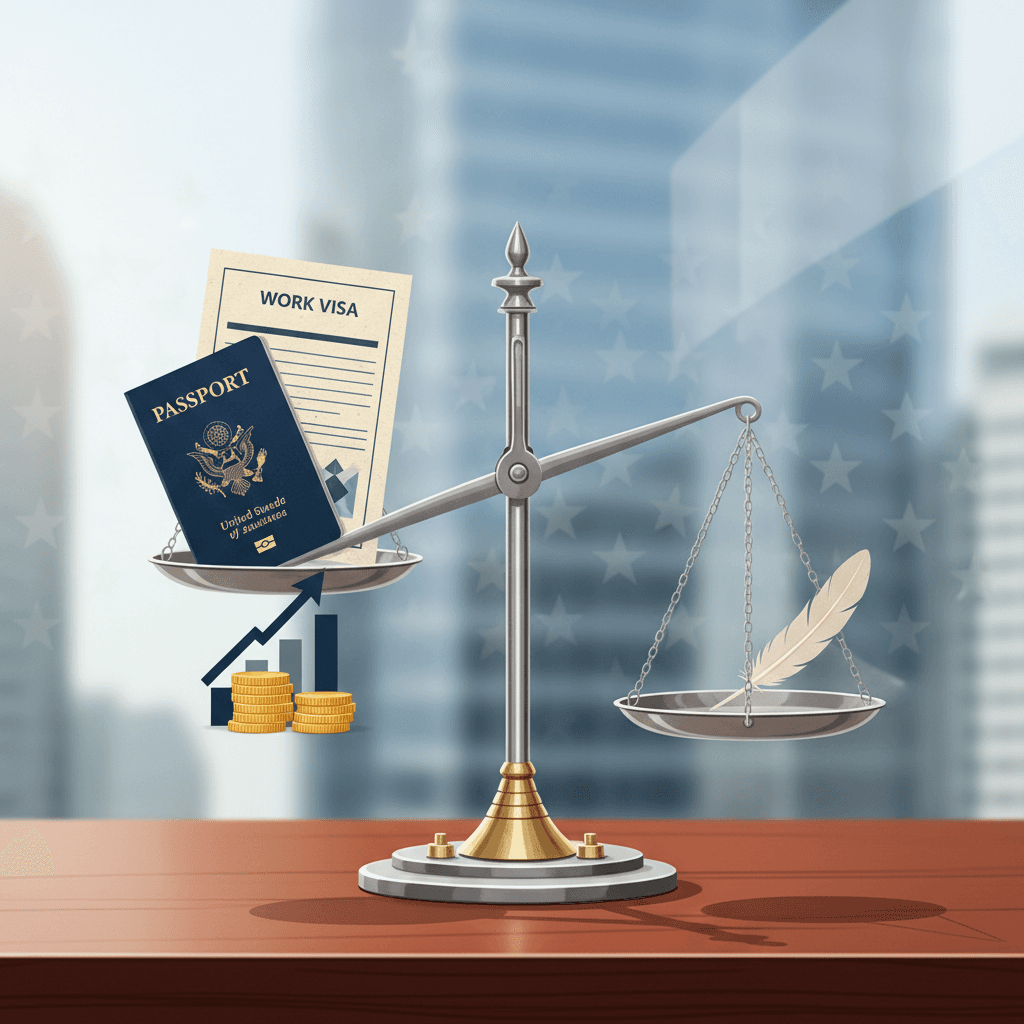
The United States has officially moved away from its traditional random lottery for H-1B visas, implementing a selection process that prioritizes higher-paid professionals. Under this system, which took effect on February 27, the government uses Department of Labor wage levels to determine how many entries a candidate receives in the selection pool. High-earning specialists at Level IV receive four entries, while entry-level workers at Level I receive only one, significantly tilting the odds in favor of senior talent.
This change applies specifically to the annual cap of 85,000 visas, which includes the 20,000 slots reserved for advanced degree holders. For the FY 2027 cycle, registration closed on March 19, and the government expects to notify selected applicants by March 31. Employers must ensure that the wage levels attested during registration match their formal petitions, as mismatches now lead to immediate denials under stricter integrity rules.
Who is affected
This shift primarily impacts foreign specialty occupation workers and the U.S. companies that sponsor them. Digital nomads and expats seeking to transition to U.S. work authorization will find it much harder to secure a visa if they are in entry-level roles or working in lower-cost-of-living areas. While the move aims to protect U.S. wages, it effectively reduces the success rate for younger professionals and those in fields with lower standard pay scales. Tourists and existing H-1B holders are not affected by these specific registration changes.
Practical steps and costs
If you are seeking sponsorship, your employer must handle the online registration and pay a $215 non-refundable fee. If selected, the formal petition filing period begins April 1 and lasts for at least 90 days. You should also account for rising costs; the premium processing fee has increased to $2,965.
Those applying from outside the U.S. should monitor ongoing litigation regarding a potential $100,000 fee for certain consular-processed petitions. For more details on staying current with visa updates, keep a close eye on official USCIS timelines.
Read our full United States guide for the complete picture.
Frequently asked questions
How does the new H-1B selection system work?
Who is most affected by the H-1B wage-weighted lottery?
Are tourists or existing H-1B holders affected by the new registration changes?
What is the H-1B registration fee?
When does the H-1B petition filing period start if selected?
What happens if the wage level on the H-1B registration does not match the petition?
Stay updated on United States
Visa changes, travel alerts, and destination news — delivered when they actually matter.