United States Expands Social Media Vetting for More Visa Categories

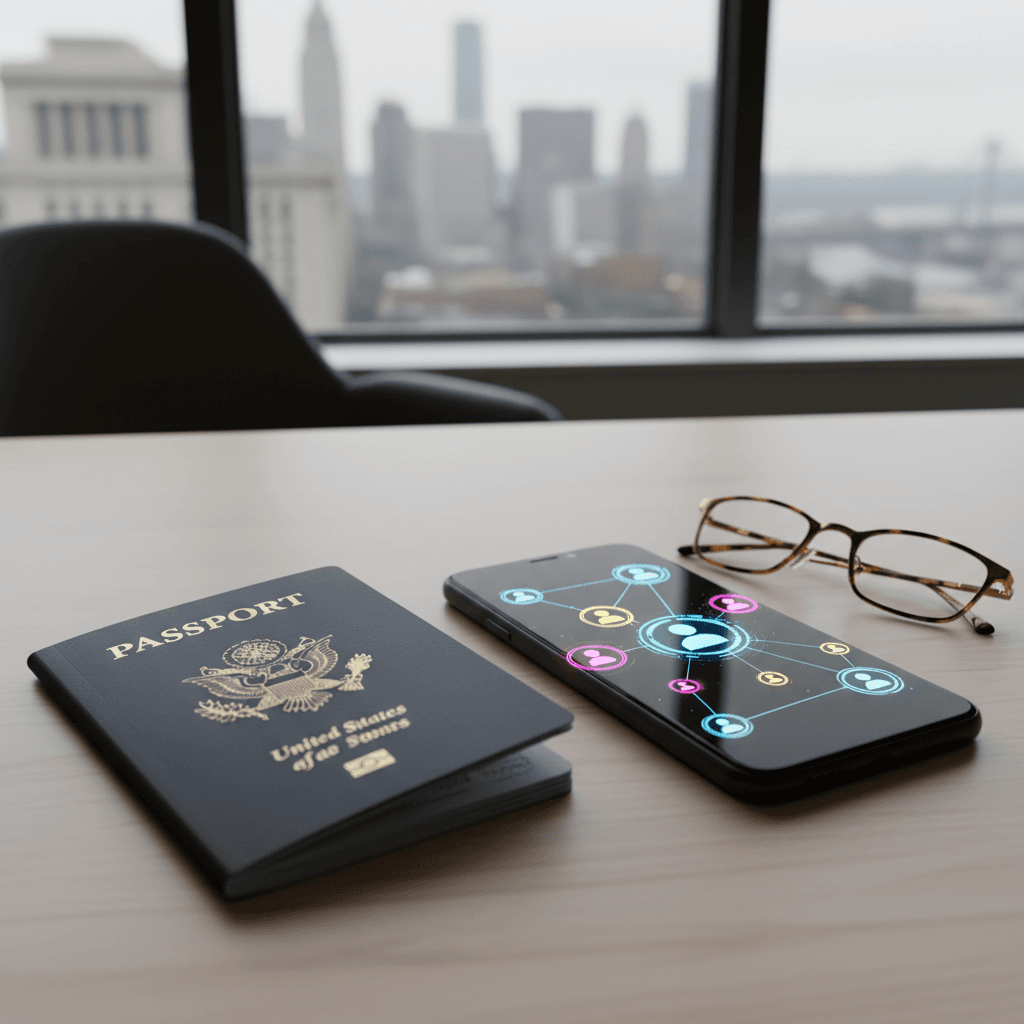
The U.S. Department of State recently expanded mandatory social media screening to a wider range of nonimmigrant visa categories. Effective March 30, 2026, applicants for several specific visas must now provide access to their online profiles as part of the standard security review. Consular officers use this data to verify identity, employment history, and personal relationships while screening for potential national security risks.
The updated policy requires applicants to set their social media profiles to "public" or "open" so officials can review past posts and activity. This vetting is integrated directly into the existing DS-160 and DS-260 application forms. While no new fees have been introduced, the manual nature of these checks may lead to longer processing times at consulates.
Who is affected
This expansion primarily impacts specialized workers, trainees, and family members. The new requirements apply to several categories, including:
- H-3 trainees and H-4 dependents.
- K-1 fiancé visas and their dependents.
- Q cultural exchange visitors and R-1 religious workers.
- Domestic employees of diplomats (A-3) and international organization reps (G-5).
Digital nomads typically entering on B-1 or B-2 visas, or via the ESTA program, are not currently subject to this specific mandatory public profile requirement. However, those transitioning to long-term work or trainee status should prepare for increased scrutiny of their digital footprint.
Practical steps for applicants
If you are applying under the affected categories, you will receive instructions to ensure your profiles are accessible during the interview process. It is wise to review your accounts for consistency with your application claims, particularly regarding employment and relationship history.
Do not delete accounts after submitting your application, as this can be flagged as suspicious. Instead, focus on ensuring your online presence accurately reflects the information provided in your visa updates paperwork. If your travel plans involve long-term residency or specialized work, stay informed on the latest requirements.
Read our full United States guide for the complete picture.
Frequently asked questions
Which U.S. visa categories now require social media vetting?
When does the expanded social media screening start?
Do B-1, B-2, or ESTA travelers need to make their social media public?
Why are U.S. consular officers reviewing social media profiles?
Will this social media vetting add new visa fees?
Should visa applicants delete old social media accounts before the interview?
Stay updated on United States
Visa changes, travel alerts, and destination news — delivered when they actually matter.