Spain grants 1 year work permits to 500,000 undocumented foreigners

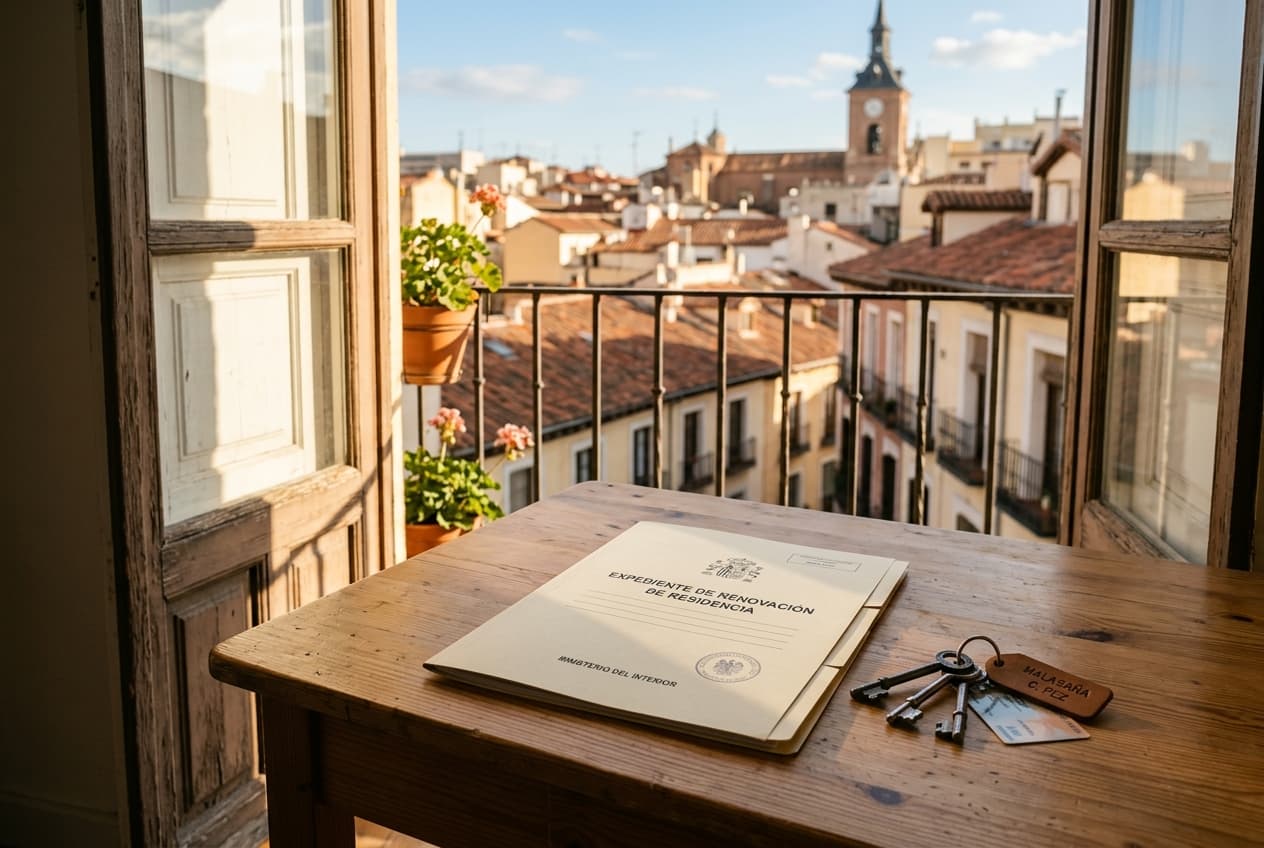
Inside Real Decreto 316/2026
Spain opened a one-off extraordinary regularisation route under Real Decreto 316/2026, letting certain non-EU foreigners already in the country before Jan. 1, 2026 apply for a one-year residence and work permit. The decree was approved April 14 and took effect April 15 after publication in the Official State Gazette.
Online filing opened April 16, with in-person submissions at designated offices starting April 20. The application window closes June 30, 2026 and the government has signalled no extension. Successful applicants gain the right to live and work legally for 12 months, then roll into standard immigration categories at renewal.
Who the decree reaches
The measure targets people already physically in Spain without valid status, not new arrivals or tourists planning a move. Officials estimate up to 500,000 people could qualify.
Eligible groups include:
- Non-EU nationals in an irregular administrative situation who entered Spain on or before Dec. 31, 2025
- Asylum applicants who filed before Jan. 1, 2026, including those whose claims were rejected or remain pending
- Anyone meeting both criteria who also shows at least five months of continuous presence at the time of filing and holds a clean criminal record
Undocumented long-stay expats are a primary audience. Digital nomads who entered visa-free and overstayed before the cut-off can also qualify, though this isn't a replacement for the existing digital nomad visa. Holders of valid residence permits are generally excluded and people currently abroad can't use this route to relocate.
Filing the application
Applicants need to document both the pre-2026 entry and the five-month continuous stay. Accepted evidence includes passport stamps, empadronamiento (local registration), rental contracts, utility bills, bank statements, medical or school records and employer or NGO attestations.
Filing runs through the Ministry of Inclusion's online portal or at designated immigration offices, with appointments bookable via Correos. Once an application is formally admitted, applicants receive provisional rights to reside and work and any expulsion or return procedure is suspended while the file is reviewed.
After the first year, holders shift to ordinary work or residence permits under the general regime.
Read our full Spain guide for the complete picture or browse more visa updates.
Frequently asked questions
Who can apply for Spain's extraordinary regularisation route?
Can digital nomads who overstayed in Spain qualify for the regularisation?
What is the deadline to file Spain's regularisation application?
How long is the residence and work permit valid under this scheme?
What evidence do applicants need to prove eligibility?
What happens after an application is formally admitted?
Stay updated on Spain
Visa changes, travel alerts, and destination news — delivered when they actually matter.