Schengen states ease EES biometric checks for non-EU tourists in Europe

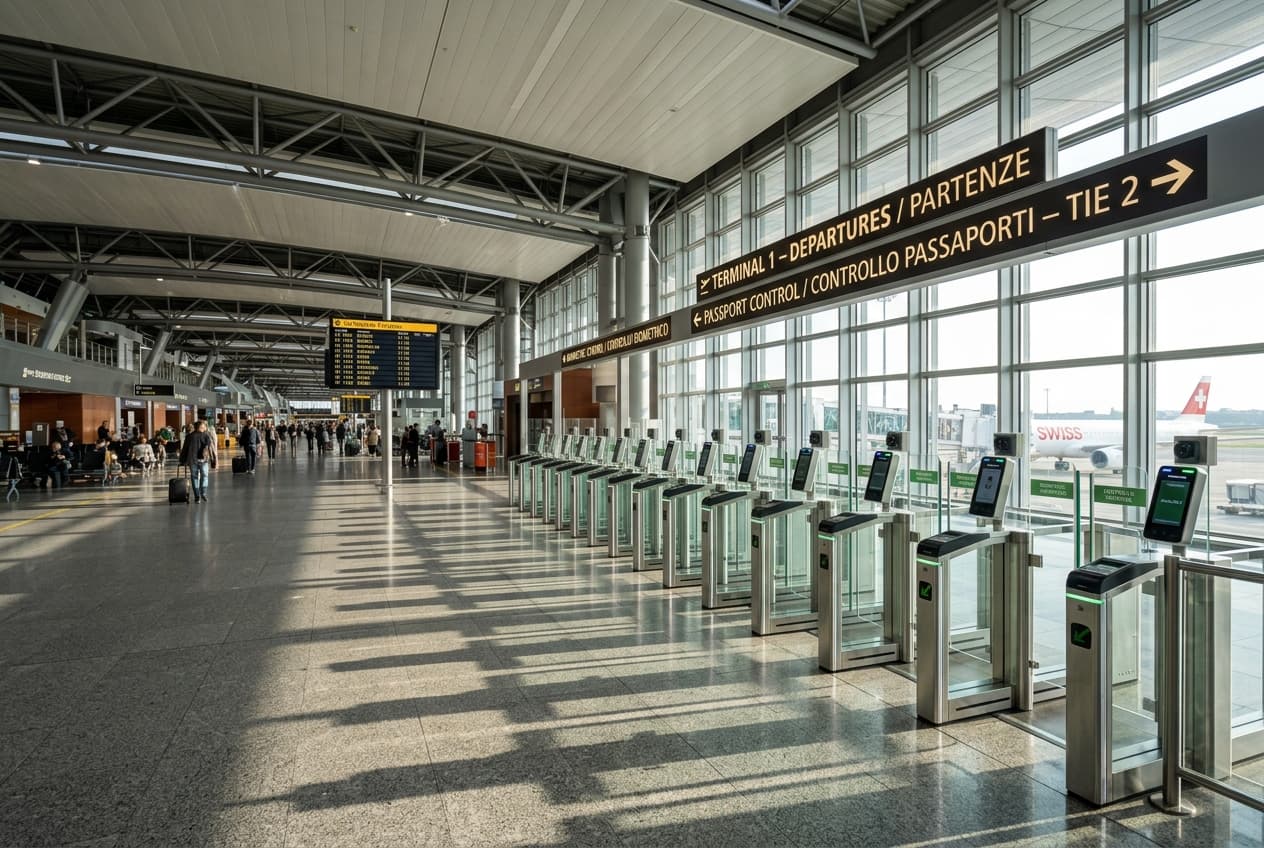
EES queues ease at some Schengen borders
Europe’s Entry/Exit System (EES) is fully in force, but some member states are loosening biometric checks at crowded borders to cut wait times. Greece, Portugal and Italy are among the countries using temporary workarounds for non-EU short-stay travelers as summer traffic builds.
The system still requires fingerprints, a facial image and travel data from most non-EU visitors entering the Schengen area for up to 90 days in any 180-day period. But in practice, some airports and crossings are shifting to manual stamping or skipping full biometric registration when lines get too long.
Who feels the change most
The flexibility mainly affects short-stay tourists, business travelers and digital nomads entering from the UK, Canada, Australia and other non-EU countries. Long-term visa holders and residents aren't covered by EES in the same way.
Greece has paused biometric registration for UK passport holders at some points. Portugal has used queue-based pauses at Lisbon, Porto and Faro, while Italy is working on a decree that would allow manual stamping during peak periods.
What travelers should do
Carry a valid passport and expect border treatment to vary by country and airport. A relaxed checkpoint in one place doesn't mean the same rules apply across Schengen and full checks can still return without notice.
The European Commission has allowed temporary flexibility at specific crossings where queues become exceptional, with room to extend that window into late summer. For the latest border shifts and travel rule changes, keep an eye on our visa updates and read our full Europe guide for the complete picture.
Frequently asked questions
Which Schengen countries are relaxing EES biometric checks?
Do non-EU tourists still need to give fingerprints and a facial image at Schengen borders?
How long can non-EU visitors stay in the Schengen area under EES?
Who is most affected by the relaxed biometric checks in Europe?
Should travelers expect the same border rules across all Schengen countries?
Has Portugal paused biometric checks at any airports?
Stay updated on Europe
Visa changes, travel alerts, and destination news — delivered when they actually matter.