Nigeria’s digital entry system, in plain terms

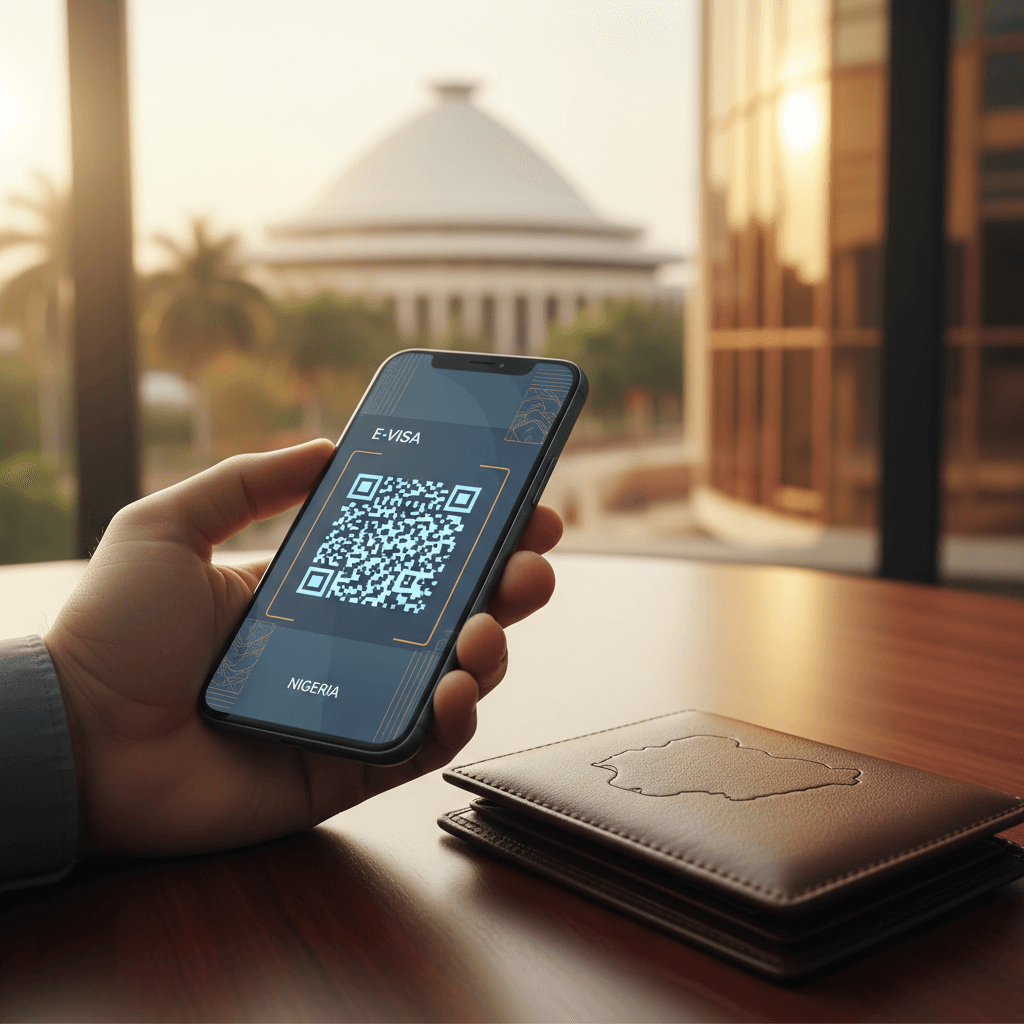
Nigeria’s e-visa is now the default for short stays and the old visa-on-arrival route has been phased out for most travelers. Approved applicants get a QR-coded visa by email, then immigration officers scan it at entry, which, honestly, is faster than the old paper-heavy process and much harder for rogue agents to game.
The same shift covers long-stay paperwork through the digital CERPAC platform, which now handles residence and work permits online, with categories for expatriate staff, free-trade-zone workers, missionaries and students. Turns out the goal isn’t just convenience, it’s tighter data tracking for the Nigeria Immigration Service.
Who feels the change most
Tourists and short-stay visitors are the clearest winners, because the system handles 30- to 90-day trips across 13 categories and, in many cases, turns approvals around in 48 hours or less. ECOWAS travelers still get visa-free entry for 90 days, but everyone else needs to plan ahead and remote workers don’t have a dedicated nomad visa, which is the annoying part.
Expats and employers feel it differently, since CERPAC is usually tied to sponsorship and quota rules, then renewed through the portal rather than at a counter. Digital nomads can still use tourist or business e-visas, weirdly, but the legal gray area around remote work hasn’t gone away.
What to do before you fly
Start online, not at the airport and gather the basics: passport scan, photo, itinerary, accommodation proof, yellow fever certificate and funds evidence, because missing one document can stall the whole thing. The tourist e-visa fee is around $330 and overstay penalties are back on the books, so sloppy timing gets expensive fast.
If you’re staying longer than 90 days or you’re being hired locally, your employer will usually need to drive the digital CERPAC process before arrival. The old forms are gone, the portals are live and this is the moment to check the rules, not wing it, so read the latest visa updates and then our full Nigeria guide for the complete picture.
Frequently asked questions
Does Nigeria still use visa on arrival for most travelers?
How does Nigeria’s digital e-visa work at the airport?
How long does Nigeria’s e-visa usually take to process?
Can digital nomads use a dedicated visa for Nigeria?
What documents do I need before flying to Nigeria?
How much does Nigeria’s tourist e-visa cost?
How long can ECOWAS travelers stay in Nigeria without a visa?
Stay updated on Nigeria
Visa changes, travel alerts, and destination news — delivered when they actually matter.