Mobile wallet fees for nomads drop to 3.92% in major remittance corridors

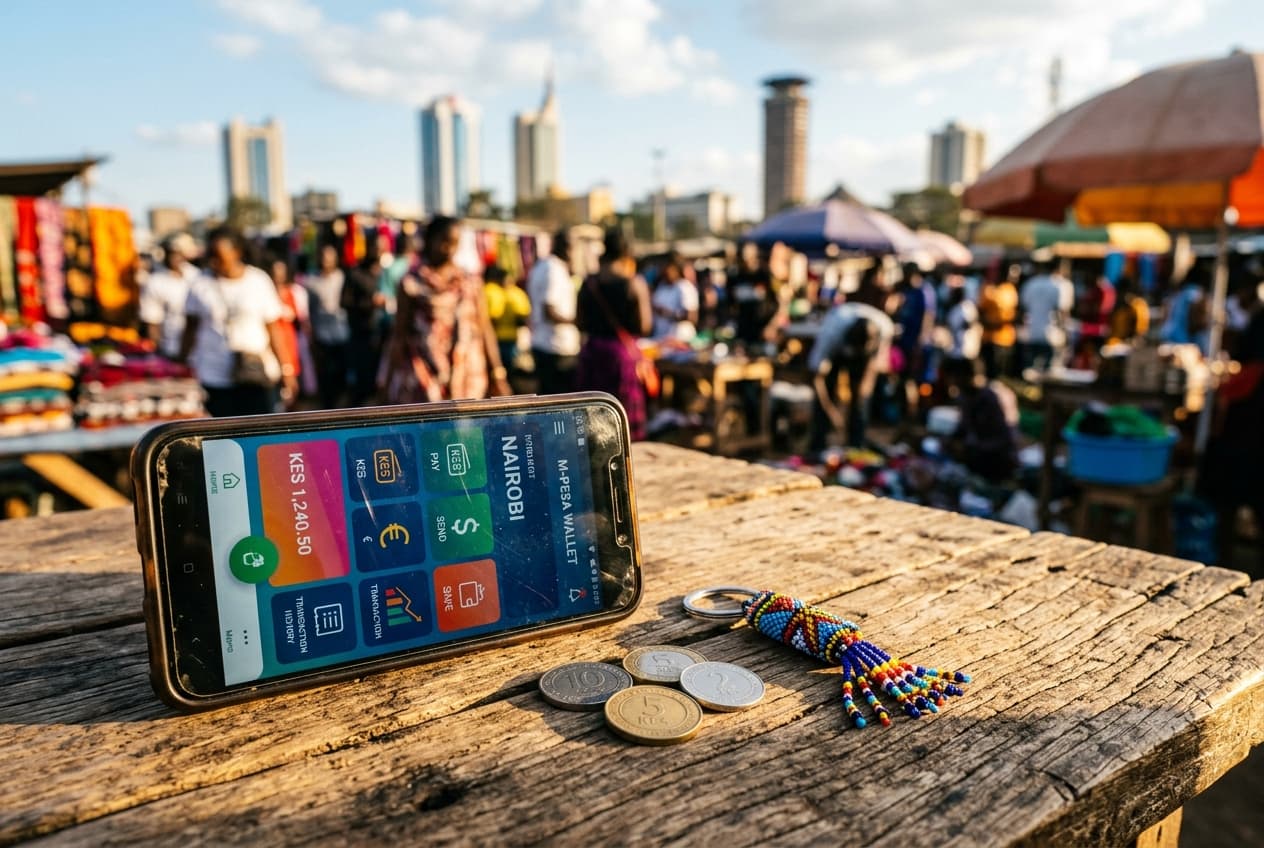
Mobile wallets now standard in major remittance corridors
Mobile-wallet payout sits alongside bank deposit and cash pickup at Remitly, Wise, Western Union, MoneyGram and Ria across most Africa, parts of Asia and some Latin America corridors. The World Bank's Remittance Prices Worldwide tracker logged an average cost of 3.92% to send $200 into a mobile wallet in Q3 2025, below several cash and bank-to-bank routes.
Mobile-money-enabled international remittances hit roughly $34 billion in 2024, nearly triple the 2020 figure and up 22% year-on-year, GSMA reported. Sub-Saharan Africa drove more than 70% of those flows, where mobile-money account ownership reached 40% of adults by 2024, edging past the 38% bank account rate.
Who benefits and who doesn't
Expats and long-term residents in countries with slow account-opening can receive funds into wallets like M-Pesa, Airtel Money or GCash without waiting on a local bank. Funds typically land within minutes and spend at QR-enabled merchants, agent cash-out points and bill payment portals.
Nomads pair multi-currency accounts like Wise with local wallets to handle freelance income and supplier payments without opening accounts in each country. Wise holds 50-plus currencies and pushes to mobile-money systems in many corridors.
Short-term tourists get less benefit. Several jurisdictions restrict mobile-money accounts to residents or require local ID, leaving travelers reliant on Visa, Mastercard or fintech-linked cards. Migrant workers and unbanked recipients see the largest gains, because the wallet often replaces a bank account entirely and removes trips to distant cash-pickup agents.
Costs, limits and ID rules
Senders must clear KYC checks with passport or government ID and sometimes proof of address, regardless of payout method. Per-transaction caps, daily limits and FX spreads vary by provider and corridor, so the headline 3.92% average masks wide swings between routes.
Practical steps for sending into a wallet through services like Remitly:
- Create an account and verify ID.
- Enter the recipient's name and phone number tied to a compatible wallet.
- Select mobile wallet as the delivery method, then fund by card or bank transfer.
The latest official benchmark is the World Bank's Remittance Prices Worldwide Issue 54, published Sept. 2025.
Check our country guides for destination-specific details or browse other nomad news.
Frequently asked questions
How much does it cost to send money into a mobile wallet?
Which money transfer providers support mobile wallet payouts?
Can I receive remittances directly into a mobile wallet without a bank account?
How fast do mobile wallet transfers arrive?
Do I need local ID to use a mobile money account?
What information do I need to send money to a mobile wallet?
Don't miss the next nomad update
Visa changes, travel alerts, and destination news — delivered when they actually matter.