Malaysia requires 31 nationalities to use single-entry visas for all leisure trips

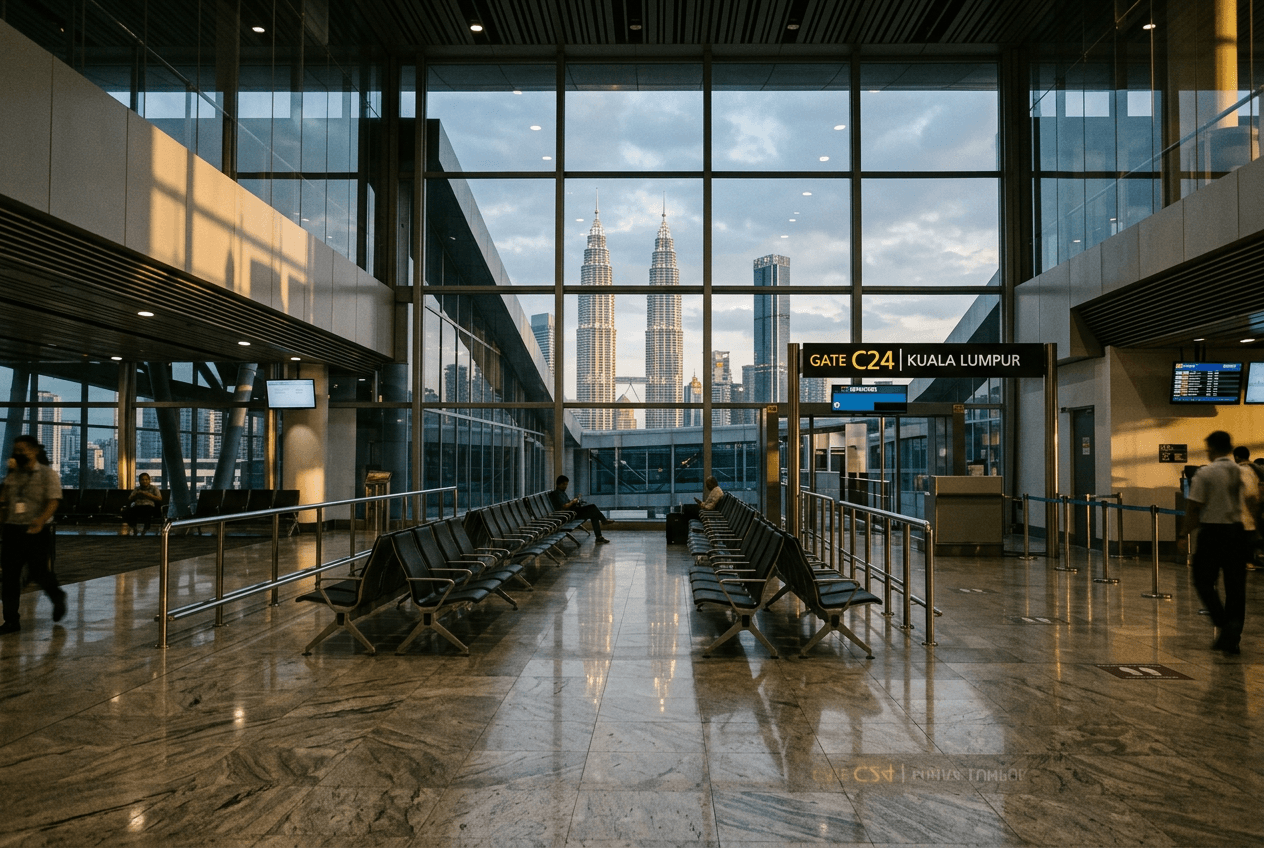
Malaysia eliminated broad multiple-entry tourist visas Sept. 1, directing leisure visitors from 31 countries into single-entry permits.
New limits on social visit visas
Under the revised framework, the Multiple Entry Visa (MEV) is no longer available for general tourism or casual social visits, the Immigration Department confirmed. Leisure travelers from the 31 designated countries must now apply for an eVISA Single Entry Visa (SEV) before every trip.
Each SEV permits one journey within six months of issuance, with stays capped at 30 days. Travelers who previously crossed borders to reset their status can't use multi-entry privileges for leisure, forcing repeat visitors to submit fresh visa requests and pay processing fees for every itinerary.
Four permitted tracks for multiple entry
Multi-entry permits remain active exclusively for non-leisure travel across the 31 listed countries. Applicants must submit supporting documentation showing their trip fits one of four authorized tracks:
Business: Corporate meetings and commercial activities
Fly and cruise: Combined air and sea itineraries departing from or stopping at Malaysian ports
Medical treatment: Healthcare visits arranged through certified providers
Wedding tourism: Travel organized specifically for wedding events
Adjustments for nomads and border crossers
The 31 affected countries include India, Pakistan, Bangladesh, Nepal, Sri Lanka, Colombia, Montenegro, Serbia, Nigeria, Ghana and Rwanda. The rule change applies strictly to visit visas and doesn't alter existing formal work passes or permanent residency frameworks, immigration officials stated.
Remote workers and frequent travelers from these nations who previously relied on MEVs to maintain a base in Southeast Asia must adjust their travel planning.
Anyone intending to base themselves in hubs like Kuala Lumpur or Penang should evaluate long-term options under Malaysia's residency rules, such as the DE Rantau digital nomad visa or professional visit passes, because bouncing in and out of the country on social visas now requires a separate SEV approval for each entry.
Frequently asked questions
Can tourists still get a multiple-entry visa for Malaysia?
How long can I stay in Malaysia on a single-entry eVISA?
What reasons still qualify for a multiple-entry visa to Malaysia?
Does this rule change affect work passes or permanent residency in Malaysia?
Which countries are affected by Malaysia's new visa rule?
Can remote workers rely on Malaysia's social visit visas to base themselves there?
Stay updated on Malaysia
Visa changes, travel alerts, and destination news — delivered when they actually matter.