Liechtenstein’s border checks are now biometric

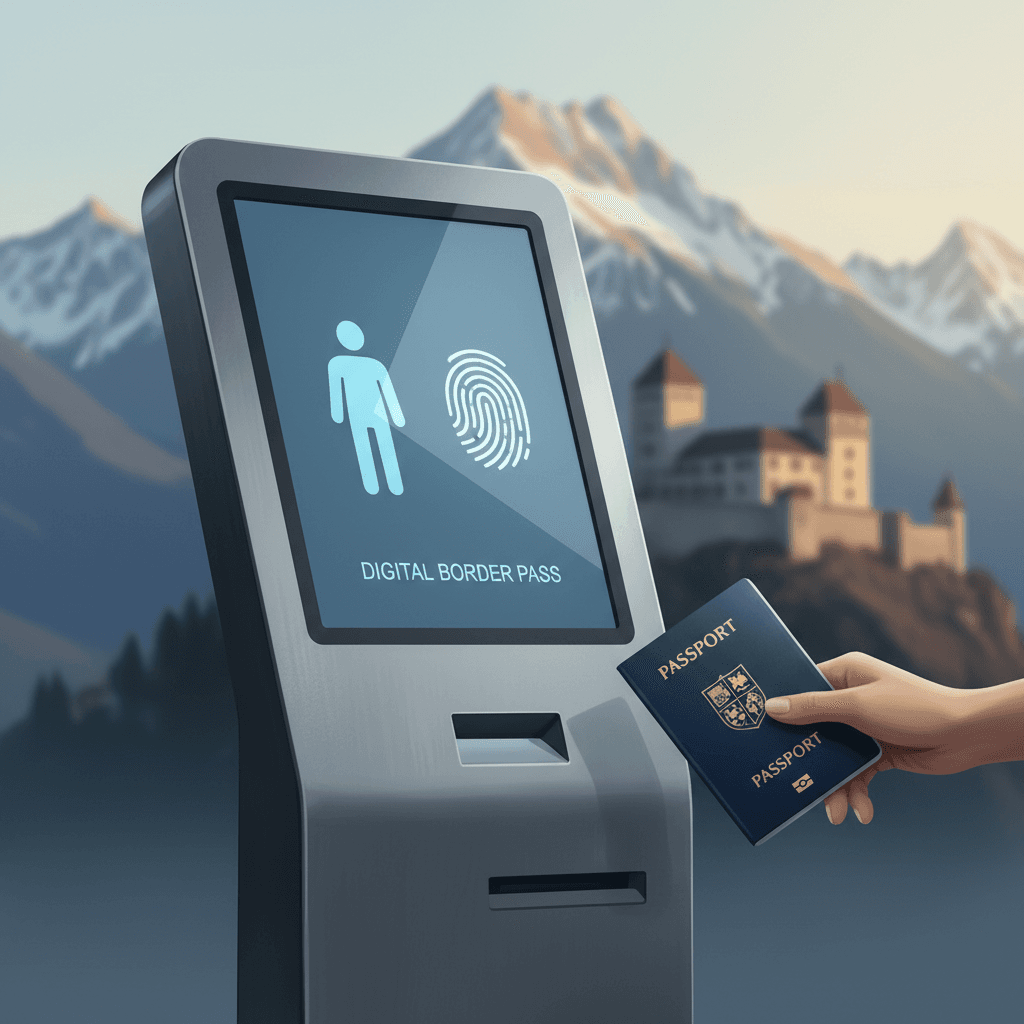
Liechtenstein fully adopted the EU’s Entry/Exit System (EES) on April 10, 2026, ending manual passport stamps for visa-exempt short-stay travelers at Schengen external borders. The system records passport details, facial images and four fingerprints for non-EU/EEA/Swiss nationals staying up to 90 days in 180, including entries at crossings such as Schaanwald with Austria.
The data is stored centrally for three years and can be checked by Liechtenstein’s Foreigners and Passports Office and National Police. First-time processing can take 30 to 60 minutes because of biometrics, while repeat entries are faster with facial scans.
Who this hits at the border
Visa-exempt travelers from the U.S., U.K., Canada and Australia are among those affected, along with tourists, expats and digital nomads on short stays. EU, EEA and Swiss citizens are exempt, as are long-term visa and residence permit holders. Children under 12 don't give fingerprints.
The old stamp workaround is gone. That means Schengen stay limits are now tracked automatically and overstays can trigger alerts across the bloc. Officials say fines of €200 to €1,000 and entry bans can apply in overstay cases.
What travelers should expect
No pre-registration is needed. Travelers present a passport, then provide a photo and fingerprints on first entry; carriers are also expected to check compliance before boarding. Queues may be longer at first, especially at busy border points.
Liechtenstein’s rules follow the Schengen-wide rollout, which began in October 2025 and finished in April. ETIAS is still set to follow later in 2026 for visa-exempt travelers. Read our full Liechtenstein guide for the complete picture and visa updates for more country changes.
Frequently asked questions
What changed at Liechtenstein’s border in 2026?
Who has to give biometrics when entering Liechtenstein?
How long does first-time biometric processing take in Liechtenstein?
How long is EES data stored for Liechtenstein border checks?
Can overstays in Liechtenstein be detected automatically now?
Do travelers need to pre-register for Liechtenstein’s biometric border checks?
Which travelers are affected by Liechtenstein’s new border system?
Stay updated on Liechtenstein
Visa changes, travel alerts, and destination news — delivered when they actually matter.