Foreigners face stricter entry as India expands Rajasthan Protected Area Permit zones

What changed in Rajasthan's border belt
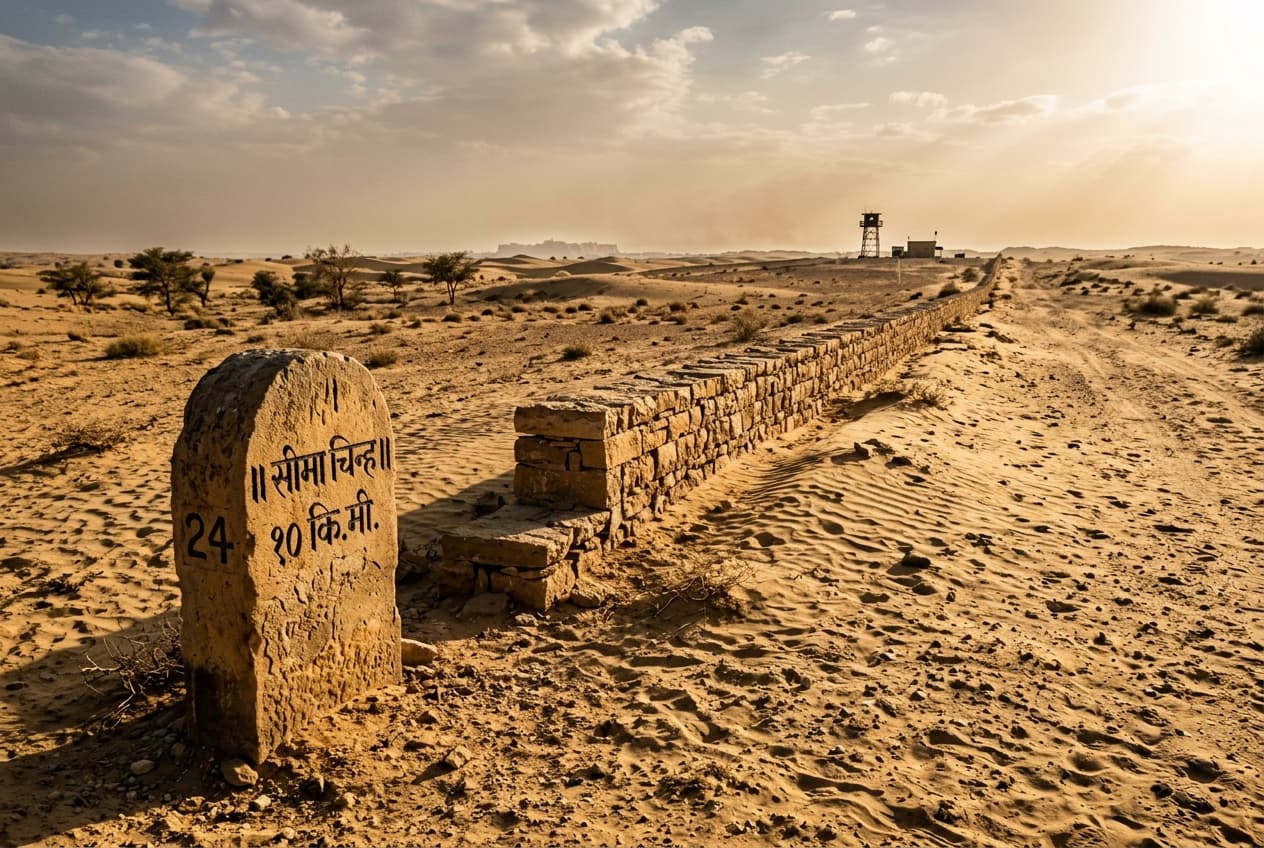
India's Ministry of Home Affairs revised the schedule of Protected Areas in Rajasthan's border districts, with the Immigration and Foreigners (Amendment) Order taking effect June 18, 2026. The notification updates which tehsils, towns and road corridors require a Protected Area Permit (PAP) for foreign visitors under the Foreigners (Protected Areas) Order, 1958.
The revised list covers parts of Pokhran town west of National Highway 11, along with Ramgarh, Sam and Fatehgarh tehsils in Jaisalmer. It also pulls in Khajuwala, Chhatargarh, Poogal and Bajju in Bikaner; Srikaranpur, Anupgarh, Gharsana, Rawla and Srivijaynagar in Sri Ganganagar; Sedwa, Dhanau, Chohtan and Ramsar in Barmer; Bap and Phalodi in Phalodi district; and Sanchore and Chitalwana in Jalore.
Tourist exemptions are written into the order. Municipal limits of Jaisalmer, Bikaner, Barmer, Phalodi, Bap, Pokhran, Sri Ganganagar, Suratgarh and Sanchore stay open, as do the safari villages of Amarsagar, Ludrava, Kuldhara, Bada Bagh, Akal, Sam, Unda and Khuhri, plus a 500-meter corridor on either side of access roads.
Who needs a permit now
The rules apply to all foreign passport holders regardless of visa category, including tourists, expats and remote workers on long-stay visas. OCI cardholders are explicitly pulled into the same special-authorisation framework and no longer get automatic free access to the protected zones.
Citizens of Pakistan, China and Afghanistan and foreigners of Pakistani origin, can't receive permits without prior MHA clearance, per the ministry's master circular. Indian citizens face no PAP requirement.
Classic Jaisalmer itineraries, including Fort visits, Sam dunes camping and Kuldhara day trips, continue without extra paperwork. Off-route overlanding, motorcycle expeditions, filming and photography work that pushes into Ramgarh, Fatehgarh, Chohtan or Ramsar now need advance clearance.
How to get cleared
Foreigners planning travel into the listed tehsils must apply for a PAP through the competent authority before entry. Non-tourism purposes such as research, journalism or fieldwork need a separate MHA endorsement on the passport in addition to the permit.
Travelers staying inside exempted city limits and the named tourist corridors don't need to file anything new. Anyone unsure whether a desert camp or safari route crosses into a protected tehsil should confirm with the tour operator before booking.
Read our full India guide for the complete picture and check our latest visa updates for ongoing changes.
Frequently asked questions
Which parts of Rajasthan now require a Protected Area Permit for foreigners?
Do popular Jaisalmer tourist spots still need special permission?
Who needs a Protected Area Permit in Rajasthan?
Can foreign nationals visit the exempted villages and city limits without a permit?
How do foreign travelers get cleared for protected areas in Rajasthan?
Do Pakistan, China and Afghanistan citizens face extra restrictions?
Stay updated on India
Visa changes, travel alerts, and destination news — delivered when they actually matter.