EU Single Digital Booking regulation grants tourists 50% refund for rail delays

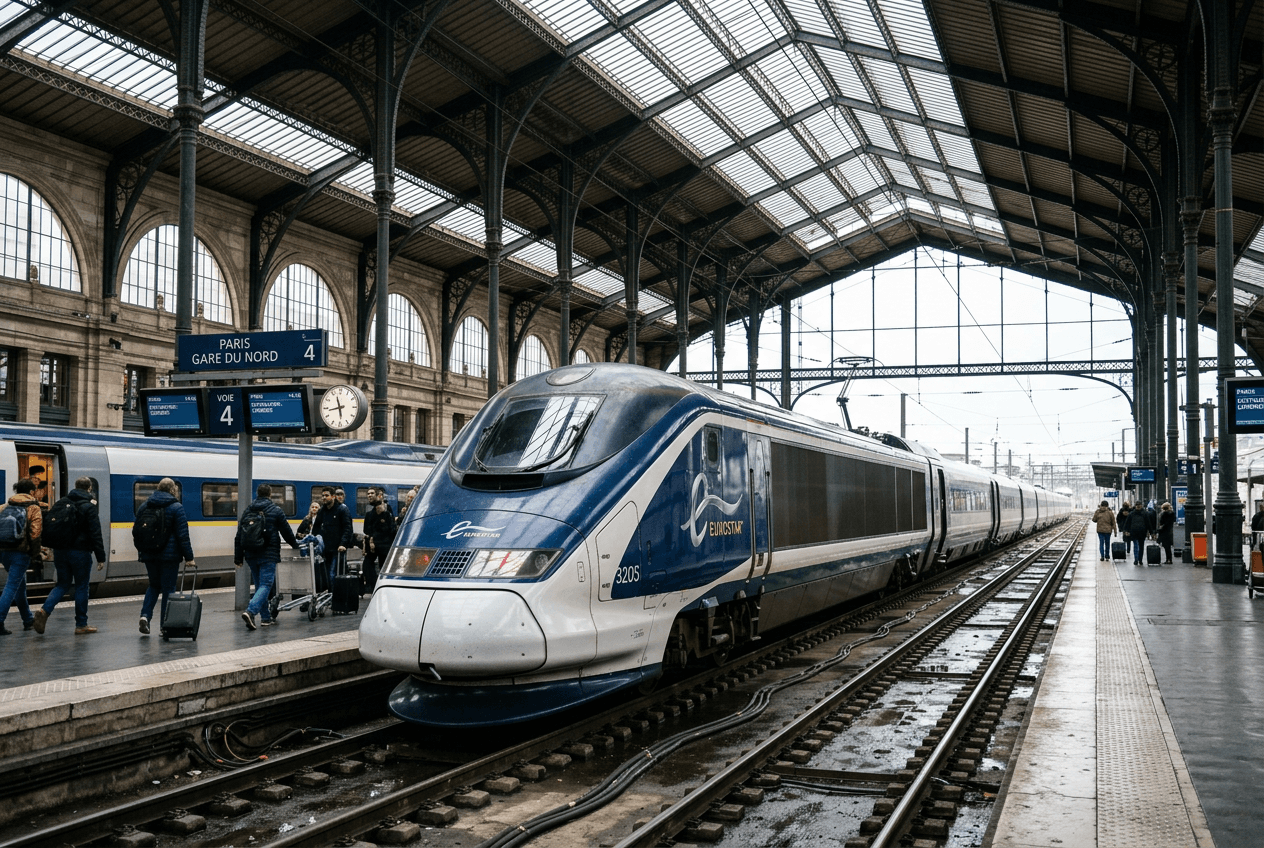
One ticket, full rights across EU rail
The European Commission proposed a Single Digital Booking and Ticketing Regulation on May 13, part of a broader "Passenger Package" pitched under the slogan "One journey, one ticket, full rights." The text would let passengers buy a multi-operator rail journey, including cross-border legs, as a single ticket in one transaction on any rail operator or independent platform.
The single ticket carries one major upgrade: if a delay on one segment causes a missed connection, the operator responsible must offer rerouting at no extra cost or a full refund, plus meals, refreshments and overnight accommodation when needed and delay compensation. Press coverage points to compensation tiers in line with current EU rules, roughly 25% for delays of 60 to 119 minutes and 50% beyond two hours, though the final figures sit with lawmakers.
Platforms would also have to display offers neutrally, with sorting options that include greenhouse-gas emissions. National incumbent operators holding at least 50% market share must list every rail service running in their country on their own sites and sell rival operators' tickets on request.
Who stands to benefit
The rules cover all passengers on eligible EU rail services regardless of nationality, so non-EU tourists, expats and long-stay nomads get the same protections as EU citizens once the regulation takes effect. Regional, long-distance and cross-border trains inside the EU all fall under the scope.
Cross-border commuters and slow travelers stitching together routes like Lisbon to Madrid to Barcelona to Marseille to Milan stand to gain the most. A single delay on one leg no longer strands passengers without recourse on the rest of the trip, provided the journey was booked as one ticket.
What rail passengers should do now
Nothing changes at the booking counter yet. The proposal still needs approval from the European Parliament and Council through the ordinary legislative procedure and operators are expected to get roughly one year after adoption to rebuild their ticketing systems.
Until then, today's fragmented booking rules and existing passenger rights apply. Track the legislative process for adoption dates, then look for itineraries explicitly sold as a "single ticket" to lock in the full protections.
Check our country guides for destination-specific nomad news.
Frequently asked questions
What does the EU Single Digital Booking and Ticketing Regulation propose?
What happens if I miss a rail connection on a single ticket?
How much compensation could rail passengers get for delays in the EU?
Who would be covered by the new EU rail rules?
Do the proposed rules apply to regional and cross-border trains?
Do the new EU rail booking rules apply right now?
Don't miss the next nomad update
Visa changes, travel alerts, and destination news — delivered when they actually matter.