Canada mandates photo checks for Express Entry and study permit files

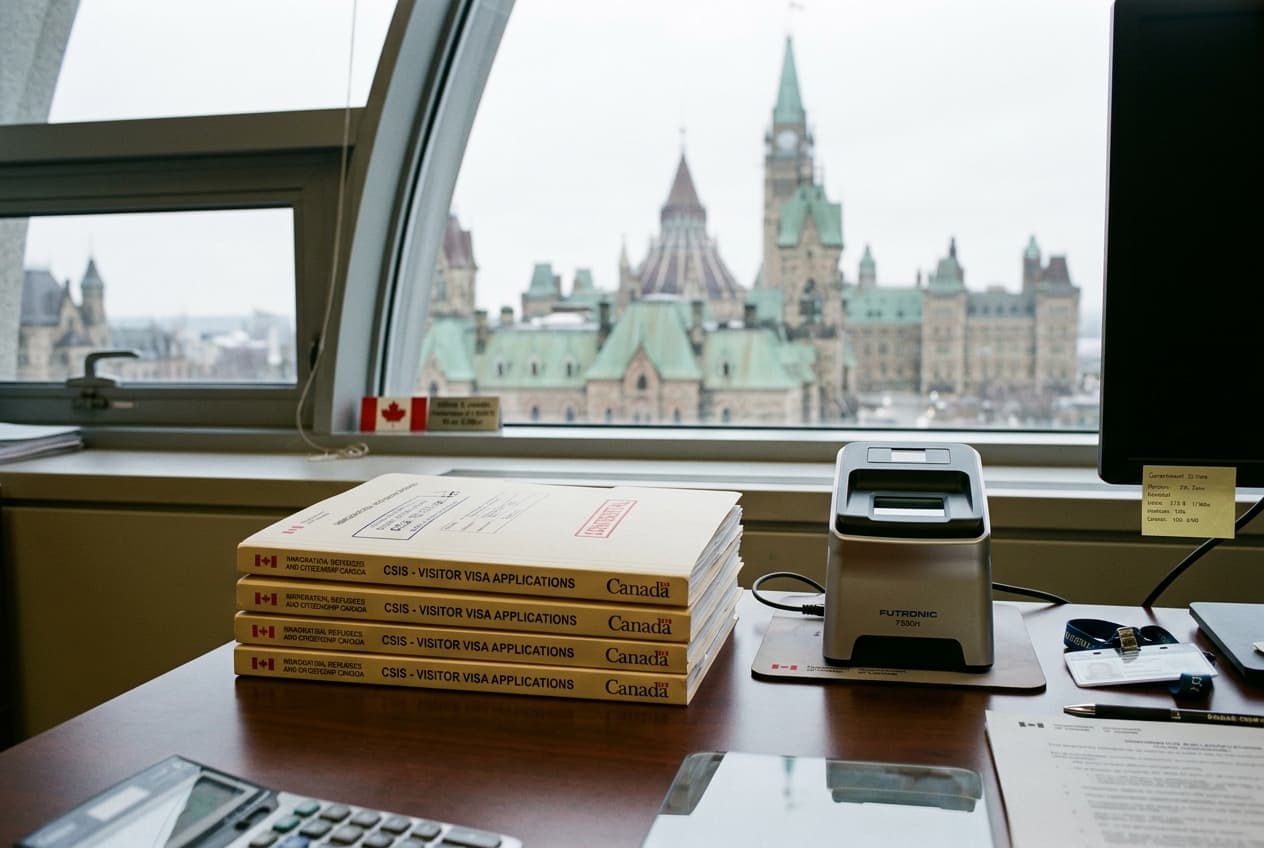
Canada's immigration officers now have to match applicant photos against language-test records before approving most economic and study files, a check that wasn't part of standard processing before.
What changed on June 23
Immigration, Refugees and Citizenship Canada (IRCC) published updated operational instructions on June 23, 2026 directing officers to cross-reference the photo on a language-test result with the photos and ID submitted in the applicant's online account. Officers must also scan case notes and "Info-Alerts" from testing providers, document concerns and refer suspected cases to the Tips and Reports Management Unit, IRCC's internal fraud-investigation desk.
Before this, photo verification against test records wasn't a systematic step. Officers could flag fraud if something looked off, but there was no standing instruction to compare images on every file. Now the check happens at every stage of processing and before any final decision, per the new guidance.
The rules cover all five tests IRCC accepts for immigration: CELPIP-General, IELTS General Training, PTE Core, TEF Canada and TCF Canada. TOEFL remains unaccepted despite earlier signals it would be added.
Who gets caught
The check applies to anyone submitting a language test to IRCC, which is a wide group:
- Express Entry candidates across Federal Skilled Worker, Federal Skilled Trades and Canadian Experience Class
- Most Provincial Nominee Program applicants
- Study permit applicants where language proof is required
- Post-graduation work permit applicants, who have needed language scores since late 2024
- Some open work permit streams, including certain spousal and International Mobility Program files
Test results must still be less than two years old both when a profile is created and when the permanent residence application is submitted. Applicants whose results sit close to that two-year line should factor in possible delays from a TMRU referral, because a fraud review can push processing past the validity window and force a retest at the applicant's cost. Anyone planning the move should price in a second sitting as a contingency when budgeting the broader cost of moving to Canada.
Consequences of a flag
If IRCC concludes a language result is fraudulent, the application can be refused for misrepresentation under the Immigration and Refugee Protection Act. That carries a multi-year bar on entering Canada in serious cases. Applicants get a procedural fairness letter before a final decision, giving them a chance to respond with evidence.
Genuine applicants who tested at official centers and whose ID photos match the test record shouldn't see a refusal on these grounds alone, though processing delays are likely while officers complete the new checks.
Frequently asked questions
What changed in Canada's language-test checks for immigration applications?
Which language tests are covered by the new IRCC photo check?
Who is affected by IRCC's new language-test verification rules?
Can a flagged language test delay my Canada visa or permit application?
How old can my language test be for Canada immigration?
What happens if IRCC decides my language test is fraudulent?
Will I get a chance to respond if IRCC suspects fraud in my language test?
Stay updated on Canada
Visa changes, travel alerts, and destination news — delivered when they actually matter.