EU's EES digital border system brings biometric checks and delays

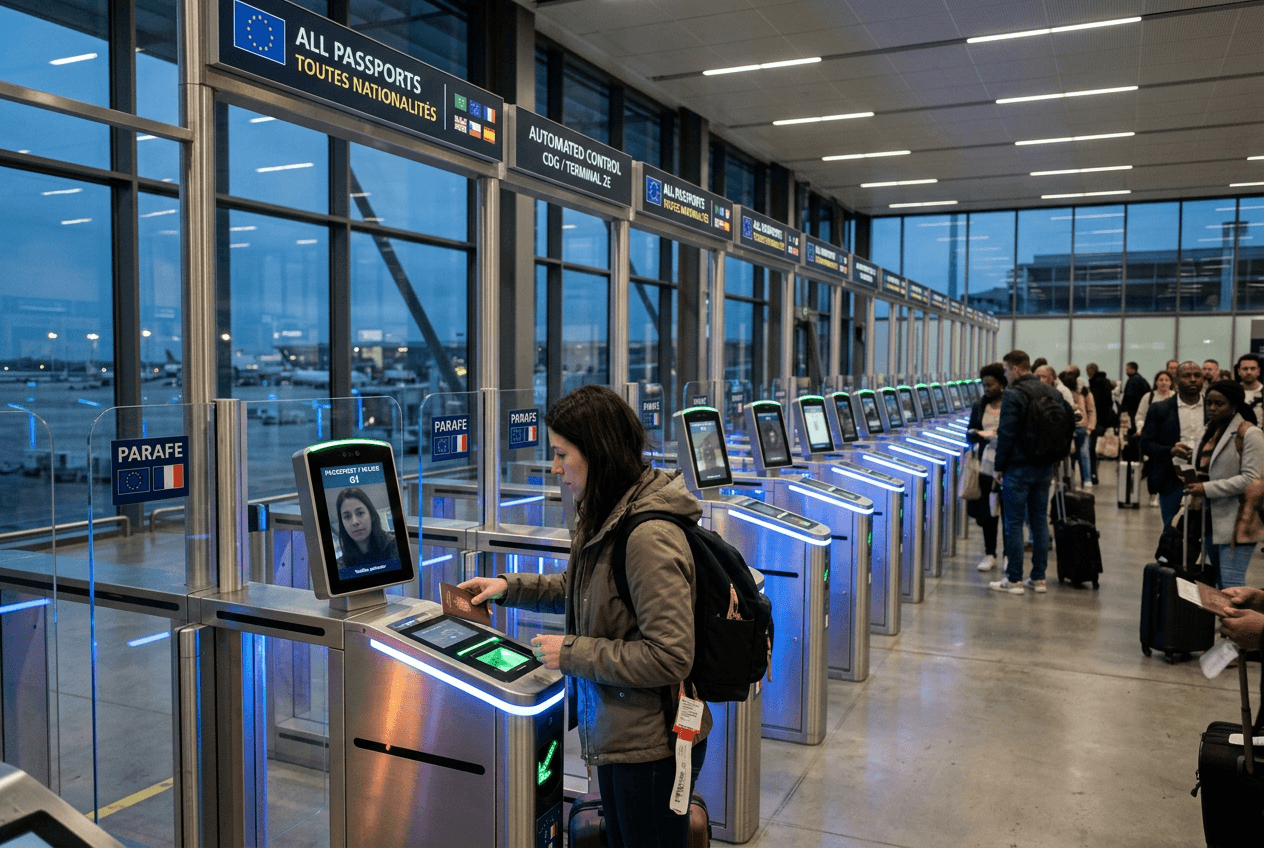
What the EES does at the border
The European Union’s Entry/Exit System (EES) is now fully in place at Schengen external borders. It replaces passport stamps with digital records for non-EU nationals making short stays and it collects a passport scan, four fingerprints and a facial image on first entry.
The system applies across 29 Schengen countries. It stores records for three years to track the 90/180-day limit and flag overstays.
Who gets checked and who doesn’t
The new process affects tourists and other short-stay visitors from the U.S., U.K., Canada, Australia and Japan, whether they enter visa-free or with a short-stay visa. EU citizens, people with long-term residence permits and travelers from Cyprus and Ireland are exempt.
Airport queues have already grown at major hubs, including Rome Fiumicino and Milan, where delays have reached three hours and some passengers have missed flights. Airlines and airport operators have blamed staffing shortages and technical problems, while self-service kiosks are only part of the system where available.
What travelers should do now
There’s no pre-registration app in wide use and there’s no fee. Travelers should arrive earlier than usual, especially on connecting routes through busy European hubs, because the first EES check takes longer than a standard passport stamp.
After the first registration, repeat entries should move faster because border staff can match faces against the database. ETIAS, the separate travel authorization for many visa-free visitors, is still due later in 2026. Read our full European Union guide for the complete picture and check our visa updates feed for more changes.
Frequently asked questions
What does the EU Entry/Exit System do at the border?
Who has to use the EU Entry/Exit System?
How long does the EU Entry/Exit System keep border records?
Is there a fee or pre-registration app for the EES?
Why are airports seeing longer queues with the EES?
Will repeat entries through the EES be faster?
When is ETIAS expected to start?
Stay updated on European Union
Visa changes, travel alerts, and destination news — delivered when they actually matter.