U.S. Customs and Border Protection phased out routine passport stamps Oct. 1

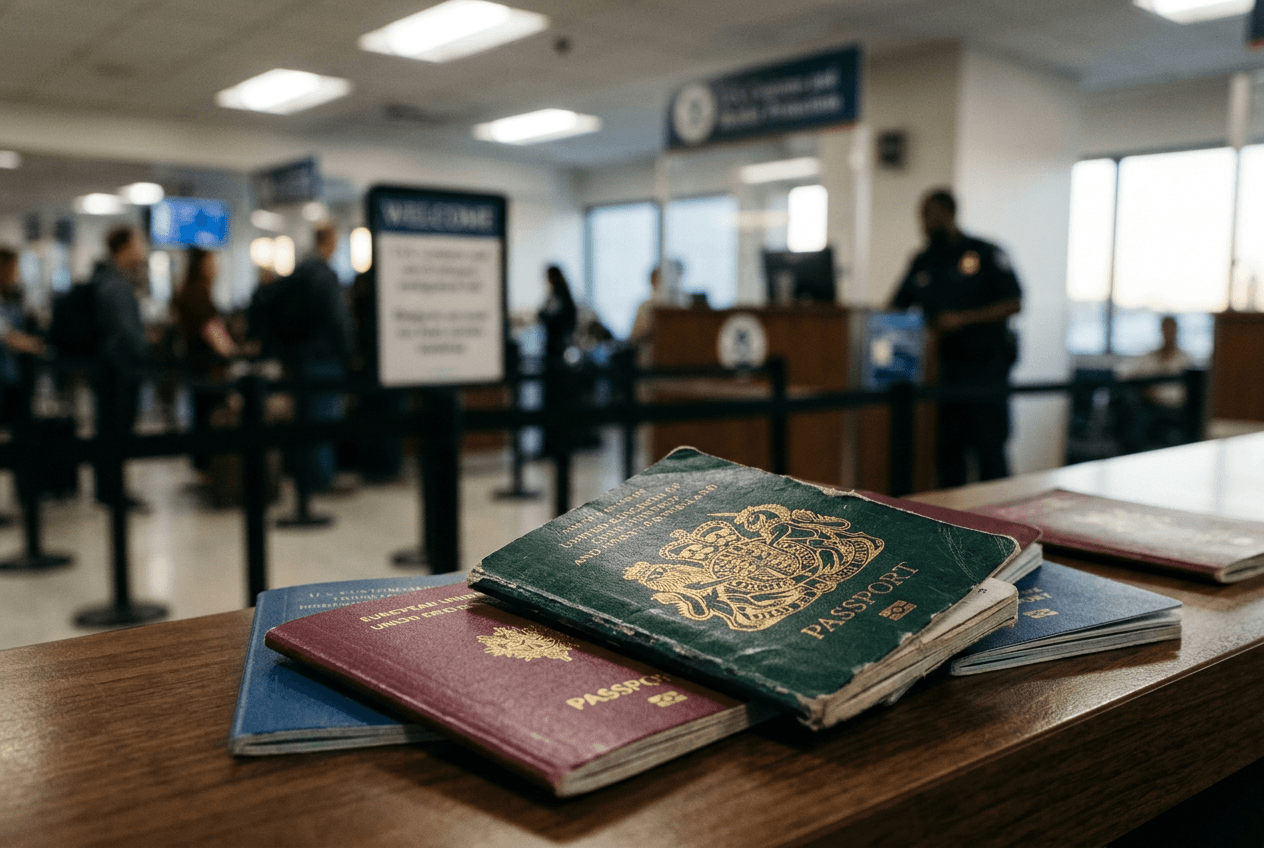
Foreign visitors entering the United States will encounter fewer ink passport stamps at border control booths, following an operational directive to phase out manual stamping at primary inspection checkpoints.
Primary processing shifts away from manual stamps
U.S. Customs and Border Protection announced it will cease routine passport admission stamping during initial primary inspections, according to an agency bulletin issued Oct. 1, 2026. The American Immigration Lawyers Association documented the notice under the title "Carrier Liaison Program Bulletin: U.S. Admission Stamp Elimination During Primary Processing."
The announcement marks a formal shift toward digital border records for arriving international travelers. However, the agency notice did not establish a single nationwide start date or an airport-by-airport rollout schedule, travel publication Live and Let's Fly reported Oct. 5, 2026. Inspection booths across international airports, seaports and land crossings may adjust their daily stamping practices at different paces rather than halting manual stamps simultaneously.
Retained exceptions and requesting physical ink
Physical stamps remain in service for specific border scenarios. Border officers will continue stamping passports during secondary inspection and during specialized primary screenings, including immigrant-visa entries, the bulletin noted.
Travelers who want physical proof in their passport can still ask an officer for an entry stamp at the inspection counter. The policy directive permits officers to grant appropriate requests, but it doesn't establish an unconditional guarantee that every traveler request will be approved. Foreign nationals who request a physical paper Form I-94 at the primary booth will be directed to secondary inspection to obtain one, per official CBP guidelines.
Electronic records determine authorized stay
Eliminating routine entry stamps shifts legal proof of admission entirely to the electronic Form I-94 system, which federal authorities established online in April 2013. Nonimmigrant travelers who receive an electronic record include tourists, business visitors, students, temporary workers and remote professionals entering under visitor classifications.
Certain groups don't receive an I-94 record upon arrival. Official policy excludes U.S. citizens, lawful permanent residents under standard conditions, foreign nationals entering on immigrant visas and most Canadian citizens visiting or transiting through the country.
For visitors planning travel when entering the United States, verifying the electronic record remains the only reliable way to confirm legal stay limits. A visa foil in a passport shows the window of time permitted to request entry, but the digital I-94's "Admit Until" date governs the exact day a visitor must depart. Employers, state motor vehicle agencies and universities also rely on the digital I-94 to verify lawful nonimmigrant status. Travelers can retrieve and print their electronic arrival record through the agency's official website or mobile application after clearing customs.
Land border departures and travel history logs
The stamping transition introduces no new fees, visa application deadlines or eligibility thresholds. The standard $6 fee for travelers applying for a provisional land border I-94 in advance remains unchanged.
Digital tracking carries specific documentation risks for multi-country itineraries. Electronic departure records can fail to record properly when a visitor arrives by air or sea and later exits across a land border into Canada or Mexico, CBP warned. Nonimmigrant travelers taking overland exit routes should keep independent evidence of departure, such as transport tickets, foreign entry stamps, lodging receipts or pay stubs, to resolve any potential discrepancies in their federal travel histories.
Frequently asked questions
How do I check my authorized stay after entering the United States?
Do travelers still get passport stamps at U.S. border control?
Can I ask for a physical passport stamp when I enter the United States?
Which travelers receive an electronic I-94 record?
Who does not receive an I-94 on arrival to the United States?
What should I use as proof of departure if I exit the U.S. overland?
Stay updated on United States
Visa changes, travel alerts, and destination news — delivered when they actually matter.