Sweden will reject non-biometric Russian passports starting Oct. 1

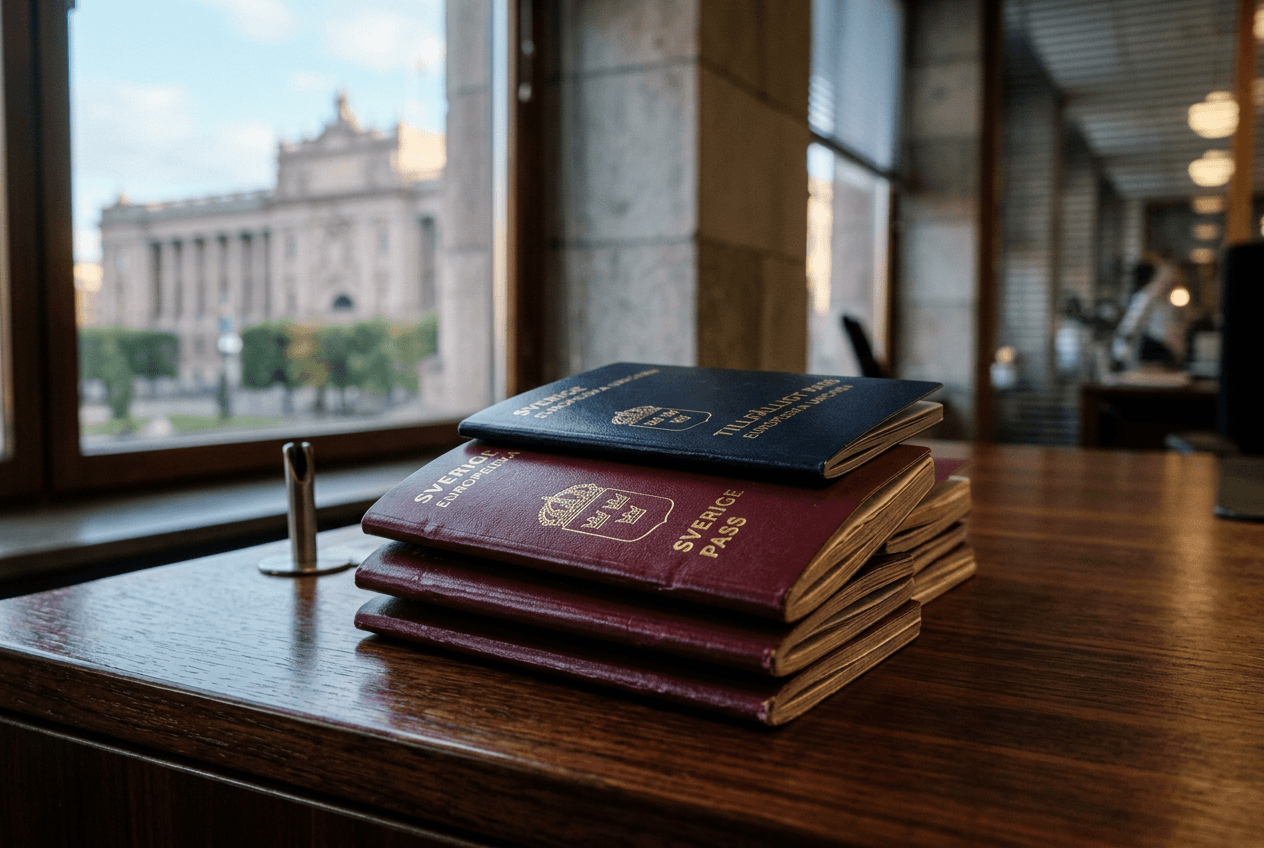
| Ordinary passports | 2026 |
|---|---|
| Diplomatic/Service passports | 2027 |
Sweden will stop recognizing ordinary non-biometric Russian passports for entry, visa processing and residency applications starting Oct. 1, ending standard travel recognition for Russian documents lacking an embedded electronic chip.
The Oct. 1 biometric mandate
The Swedish Migration Agency confirmed the policy Sept. 21, establishing that an ordinary Russian passport without biometric data can no longer be used to enter Sweden or obtain entry clearances. The restriction directly halts new residence permit approvals for employment, studies, visits and family reunification, the agency announced.
A non-biometric document is defined under the rule as any passport that doesn't store the holder's personal data, photograph and fingerprints on an electronic microchip. The measure is document-specific rather than a blanket nationality ban; Russian citizens presenting valid biometric passports remain eligible under normal immigration criteria. Ordinary passports are affected immediately on Oct. 1, while non-biometric diplomatic and service passports will lose official recognition on Jan. 1, 2027, according to Sweden's foreign mission guidelines.
Transition exceptions through Dec. 31
Swedish border and immigration authorities will maintain a temporary three-month transition window running through Dec. 31 for specific document holders. During this bridge period, an ordinary non-biometric Russian passport remains valid for border crossings and stays if it meets at least one of two conditions:
The passport contains a valid visa issued before Oct. 1 by Sweden, another European Union member state or a Schengen partner country.
The holder possesses a valid residence permit issued before Oct. 1 by Sweden, an EU member state or a Schengen country.
Merely submitting a visa or permit application before the deadline doesn't qualify an applicant for this grace period, as the rule requires the document to have been fully issued prior to Oct. 1. Documentation compiled by the European Commission confirms that all Schengen entry visas stamped into non-biometric Russian passports will cease to be valid no later than Dec. 31.
Implications for remote workers and residents
Russian remote workers and professionals planning temporary stays or relocations must review their documentation status immediately. Because Sweden doesn't issue a specific digital nomad visa, location-independent workers entering as visitors or seeking standard Swedish residence permits are subject to the same passport standards as other foreign nationals.
Unlike provisions enacted by select other Schengen countries, Sweden's published policy offers no exemptions for minors, students, dependants or humanitarian applicants. Russian nationals currently living in Sweden or other Schengen jurisdictions on existing permits must secure a biometric booklet before the Dec. 31 transition ends if they plan to travel internationally.
Required actions and open administrative issues
The Migration Agency instructs affected individuals to apply for a 10-year biometric replacement through Russian consular or domestic authorities as early as possible. Swedish authorities haven't created an expedited Swedish filing channel, special processing fee schedules or extended application deadlines for those facing consular delays.
Several procedural details remain unaddressed in the published government directives. Swedish migration officials haven't detailed how pending residence applications submitted with non-biometric passports will be finalized, how emergency travel certificates will be treated or whether standalone residence cards will guarantee Swedish re-entry after Dec. 31 without an accompanying biometric passport.
Frequently asked questions
When will Sweden stop recognizing non-biometric Russian passports?
Can I enter Sweden with a non-biometric Russian passport after Oct. 1?
Which visas or permits still work during Sweden's transition period?
Does Sweden offer exemptions for students, minors or humanitarian applicants?
Can Russian nationals still get Swedish residence permits with a non-biometric passport?
What should affected Russian travelers do now?
- migrationsverket.se
- migrationsverket.se
- swedenabroad.se
- envoyglobal.com
- migrationsverket.se
- home-affairs.ec.europa.eu
- migrationsverket.se
- migrationsverket.se
- tandslaw.com
- migrationsverket.se
- migrationsverket.se
- migrationsverket.se
- migrationsverket.se
- migrationsverket.se
- swedenabroad.se
- migrationsverket.se
- swedenabroad.se
- swedenabroad.se
- home-affairs.ec.europa.eu
- migrationsverket.se
- migrationsverket.se
Stay updated on Sweden
Visa changes, travel alerts, and destination news — delivered when they actually matter.