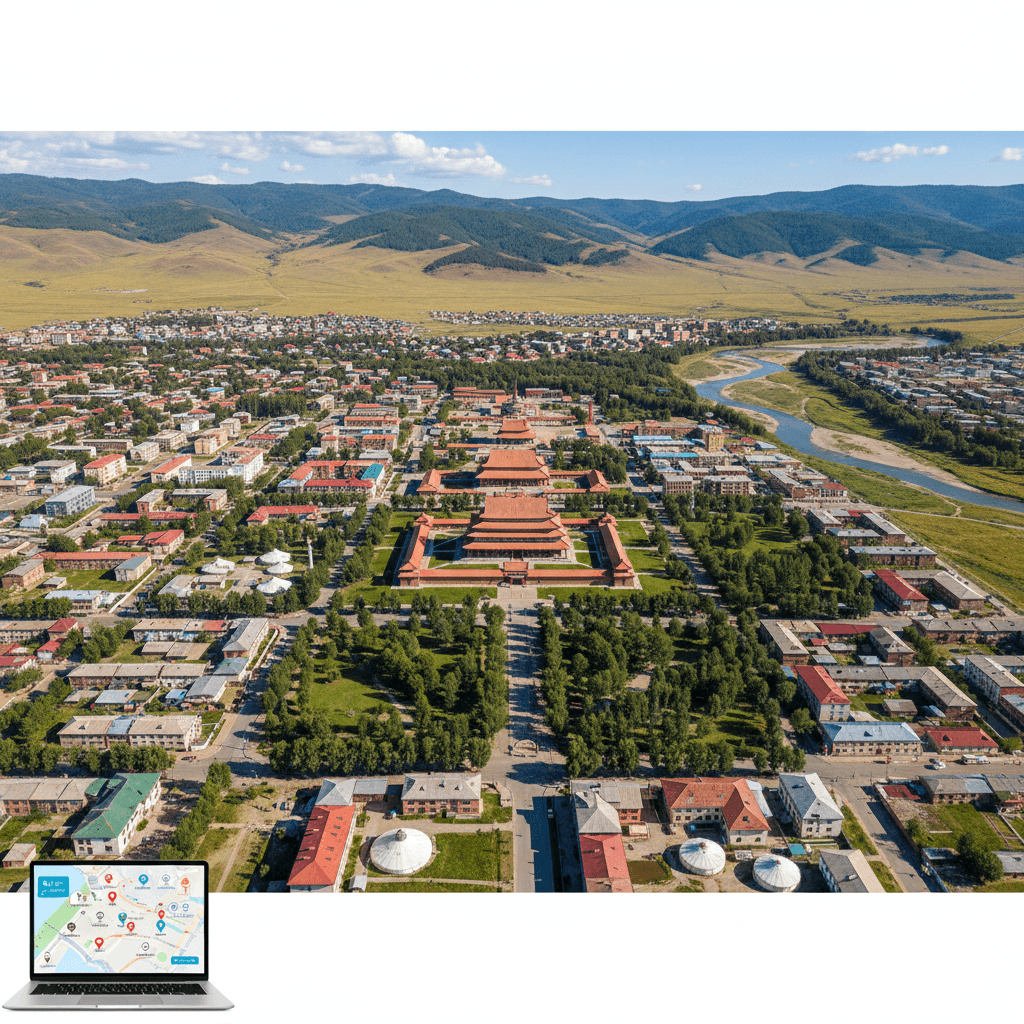
Zuunmod
🇲🇳 Mongolia
The Authentic Edge of the Steppe
If Ulaanbaatar is the frantic, neon-lit heart of modern Mongolia, Zuunmod is its deep, quiet breath. Located just 43 kilometers south of the capital, this provincial center feels worlds away from the traffic jams and smog of UB. It is a place where the pavement ends and the rolling green hills of the Töv Province begin. You won't find glass skyscrapers or artisanal avocado toast here. Instead, you get a raw, unfiltered look at Mongolian life that most travelers only see through a bus window on their way to a national park.
The vibe is decidedly slow. It is the kind of town where horses are still parked outside grocery stores and the sound of the wind is louder than the engines. For a digital nomad, Zuunmod isn't a place to "grind" or scale a startup. It is a retreat. It is where you go when you're burnt out on Southeast Asian hubs and want to experience a frontier atmosphere while staying within an hour's reach of a major international airport. You'll swap coworking spaces for quiet guesthouses and high-speed fiber for local SIM cards and 4G hotspots.
What to Expect
Living here requires a certain level of rugged independence. There are no dedicated nomad meetups or "expat bubbles." You'll be rubbing shoulders with local herders and government workers at the central square. The emotional experience is one of profound isolation mixed with intense hospitality. One day you're struggling to translate a menu, and the next, a local family is inviting you in for suutei tsai (salted milk tea).
- The Pace: Very slow. Business happens in person, and clocks feel more like suggestions.
- The Landscape: Stunning. You are at the doorstep of the Bogd Khan Uul strictly protected area, offering world-class hiking right outside your door.
- The Connectivity: Challenging. You'll need a reliable local SIM like Unitel or Mobicom, as hotel Wi-Fi is hit or miss.
- The Community: Almost entirely local. Your social life will revolve around the people you meet in the street or the few small eateries in the center.
Cost of Living & Logistics
Your budget will stretch much further here than in Ulaanbaatar. While UB prices have crept up, Zuunmod remains incredibly affordable because it doesn't cater to the "expat premium." You can expect to pay 20% to 50% less for basics than you would in the capital.
- Housing: Expect to pay $200 to $400 for a basic apartment, though most nomads opt for local guesthouses or short-term rentals arranged on the ground.
- Food: A hearty meal of buuz (dumplings) or khorkhog (barbecue) at a local canteen will cost you between $3 and $6.
- Transport: The town is small enough to walk. To get to UB, a seat in a shared mikro (van) costs about $2 to $5, though schedules are non-existent; they leave when they're full.
The Reality Check
Zuunmod is not for everyone. If you need a stable 100 Mbps connection and a community of like-minded entrepreneurs to feel productive, you'll likely find it frustrating. The winters are brutal, with temperatures regularly dropping to -30°C between December and February. Most travelers choose the window between June and August, when the steppe is lush and the weather is a perfect 20°C to 25°C.
You'll need to be comfortable with a language barrier. English is rare here, so Google Translate and a few basic Mongolian phrases like "Sain baina uu" (Hello) are your best friends. It is a destination for the nomad who wants to disappear for a month, hike the sacred mountains, and experience a culture that remains fiercely protective of its traditions. It is quiet, it is dusty, and for the right person, it is exactly the kind of reset only the Mongolian steppe can provide.
The Price of Steppe Living
If you are coming from Ulaanbaatar, your wallet is going to feel a lot heavier in Zuunmod. This is a provincial capital with a population under 20,000, so the sky high rents and trendy cocktail prices of the capital simply do not exist here. You are trading urban convenience for a dramatic drop in overhead. Most travelers find that their daily expenses shrink by 20% to 50% compared to the big city, provided they are willing to live like a local.
You won't find luxury high rises or serviced apartments here. Housing is basic, often consisting of older Soviet style blocks or private homes. Since there are no dedicated nomad rental platforms for the area, you will likely be negotiating directly with guesthouse owners or looking for long term stays via local contacts. It is a place where $800 to $1,200 a month covers a very comfortable lifestyle, including plenty of regional travel.
Monthly Budget Breakdowns
- The Budget Nomad: $800 per month. This covers a simple room or small apartment, eating primarily at local canteens (guanz), and using the shared mikro vans for transport.
- Mid Range Comfort: $1,500 per month. At this level, you are staying in the best available local housing, eating out at the few sit down restaurants daily, and hiring private drivers for excursions into the Töv countryside.
- The High Roller: $2,500+ per month. Honestly, it is difficult to spend this much in Zuunmod. This budget would essentially mean you are keeping a base here while frequently escaping to high end ger camps or luxury hotels back in Ulaanbaatar.
Daily Essentials and Dining
Food is where you will see the biggest savings. Zuunmod is surrounded by livestock, so meat and dairy are staples. A hearty meal of buuz (steamed dumplings) or khorkhog (barbecue stew) at a local eatery will usually run you between $2 and $5. If you find a slightly more "upscale" spot near the government buildings, expect to pay around $10 for a full dinner.
Groceries are affordable but limited. You will find plenty of root vegetables, flour, and meat, but imported berries or specific oat milks are rare. Most expats recommend doing a "big shop" at a State Department Store or Emart in Ulaanbaatar once every two weeks and bringing the specialty goods back with you.
- Street food snack: $1.50 to $3.00
- Mid range dinner for two: $15 to $20
- Local beer: $1.50 to $2.50
- Loaf of fresh bread: $0.60
Connectivity and Transport Costs
There are no coworking spaces in Zuunmod, so your "office" cost is essentially the price of a coffee or a good data plan. Since local WiFi can be spotty, most nomads rely on heavy duty data packages. A local SIM card with a generous data allowance costs about $10, though many travelers now prefer using a GoHub eSIM for immediate connectivity when they land at the airport. It is a small price to pay for avoiding the headache of finding a shop that speaks English.
Getting around is remarkably cheap if you aren't in a rush. The town center is entirely walkable. To get to Ulaanbaatar, you will hop into a shared "mikro" van. These cost between $2 and $5 depending on the driver and how many people are squeezed in. There are no ride hailing apps like UBCab operating locally yet, so if you need a private car, you will be negotiating a cash price with a local driver, usually around $15 to $25 for the 45 minute trip to the capital.
Health and Practicalities
Basic healthcare is available at the provincial clinic, but for anything beyond a flu or a minor scrape, you will want to head to Ulaanbaatar. Pharmacies are well stocked with essentials, but bring your specific prescriptions with you. For banking, stick to Wise or Revolut for transfers, but keep plenty of local MNT cash on hand. While the capital is going cashless, Zuunmod still very much runs on physical bills, especially at the smaller markets and for transport.
For Digital Nomads
If you're looking for a traditional nomad hub with fiber optic internet and avocado toast, Zuunmod isn't it. This is a place for the deep-focus retreat or the traveler who wants to disconnect while staying within arm's reach of the capital. Most nomads who venture here stay in the Central Area near the main administrative square. It's the only part of town where you'll find reliable electricity and the occasional cafe with a semi-stable Wi-Fi signal.
- Rent: Expect to pay $250 to $400 for a basic apartment, though you'll likely need to negotiate this locally as online listings are non-existent.
- Connectivity: There are no coworking spaces. Your best bet is tethering to a Unitel or Mobicom SIM card. Data is cheap, usually around $10 for a generous monthly package, but speeds drop significantly inside thick-walled concrete buildings.
- Vibe: Extremely quiet. You'll have the headspace to write a book, but you'll be doing it from a kitchen table, not a standing desk.
For Expats and Long-Term Residents
Expats in Zuunmod are rare, usually consisting of NGO workers or educators. They tend to cluster in the newer apartment blocks on the northern edge of the town center. These buildings offer slightly better insulation against the brutal Mongolian winters, where temperatures regularly hit -30°C. Living here means trading social variety for a very low cost of living, often 30% to 50% cheaper than Ulaanbaatar.
- Daily Life: You'll do your shopping at the local market (zakh) or small grocery stores. A mid-range meal of Buuz or Khorkhog will set you back about $5 to $7.
- Transportation: Most expats rely on the "Mikro" vans that run to Ulaanbaatar for about $3. There's no UBCab service here, so you'll be walking or catching a ride with a local neighbor.
- Health: Local clinics handle the basics, but for anything serious, you'll be making the 45-minute drive to the capital.
For Families
Families looking for a quiet life often prefer the Ger Districts on the periphery of town. While these areas lack modern plumbing, they offer a massive amount of space and a true sense of community. It's a rugged lifestyle that appeals to those wanting their children to experience the traditional Mongolian way of life. The air quality here is significantly better than the smog-choked winters of Ulaanbaatar, which is a major selling point for parents.
- Housing: Traditional Gers or small wooden houses. Costs are minimal, often under $150 a month if you're renting the land.
- Safety: Very high. It's a small town where everyone knows everyone. The biggest safety concern isn't crime; it's the unlit roads at night and the occasional stray dog.
- Activities: Your backyard is the Bogd Khan Uul protected area. Hiking and horseback riding are the primary weekend activities for families living here.
For Solo Travelers
If you're passing through alone, stick to the Guesthouse cluster near the Manzushir Monastery trailhead. This isn't a "neighborhood" in the traditional sense, but it's where you'll find the most English speakers and fellow travelers. It's the most scenic part of Zuunmod, sitting right at the base of the mountains. It feels less like a provincial capital and more like a base camp for adventure.
- Accommodation: Local guesthouses or homestays. Rates hover around $15 to $25 per night including a basic breakfast.
- Social: There is no nightlife. Socializing happens over tea in a host's kitchen or by joining a group trek into the Manzushir ruins.
- Pro Tip: Download Google Translate for Cyrillic before you arrive. English proficiency is very low, and you'll need the app to navigate menus and transport signs.
Connectivity Realities
If you are planning to set up a multi screen workstation in Zuunmod, you should probably manage your expectations. This is a provincial capital with a population under 20,000, and it feels more like a quiet administrative hub than a tech center. You won't find dedicated coworking spaces or high speed fiber optics here. Most nomads treat Zuunmod as a place to disconnect or handle light admin work between trips into the Mongolian steppe.
Internet speeds in town are unpredictable. While the local government buildings and some schools have stable connections, most guesthouses rely on basic ADSL or shared Wi-Fi that struggles with video calls. If you need to attend a high stakes Zoom meeting, your best bet is to make the 45 minute drive back to Ulaanbaatar, where hubs like Hub Innovation Center or M-Office provide the infrastructure you are used to.
The Mobile Data Lifeline
Since local Wi-Fi is hit or miss, your mobile hotspot will be your best friend. Mongolia actually has surprisingly good 4G coverage in provincial centers, and Zuunmod is no exception. Most travelers recommend picking up a local SIM card at the airport in Ulaanbaatar before heading south. Unitel and Mobicom are the two big players. You can usually snag a data heavy SIM for $5 to $10, which should last you a week of moderate use.
For those who prefer a digital approach, GoHub eSIMs are a popular choice for Mongolia. They are affordable and save you the hassle of finding a physical kiosk in a town where English is rarely spoken. Just keep in mind that once you leave the town limits for the nearby mountains, even the best signal will drop to zero.
Where to Work
Forget about finding a trendy cafe with oat milk lattes and ergonomic chairs. In Zuunmod, your "office" will likely be a small table in a local eatery or your guesthouse common area. There are a few basic cafes near the main square and administrative buildings, but they aren't designed for long stays. If you do set up shop in a restaurant, it is polite to keep ordering tea or small snacks like buuz (meat dumplings) which cost around $2 to $5.
- Local Eateries: Best for 1 to 2 hours of light work. Expect some noise and curious glances from locals.
- Guesthouses: Your most reliable bet for privacy, though speeds will vary wildly.
- Ulaanbaatar Day Trips: For heavy lifting, take a $2 to $5 shared van (mikro) into the city to use professional coworking spaces.
Practical Tech Tips
Power outages aren't a daily occurrence, but they happen more often here than in the capital. A high capacity power bank is a smart investment. You should also download Google Translate with the offline Mongolian Cyrillic pack, as you will need it to communicate with anyone helping you with tech issues or router resets. Banking is also a bit old school here. While there are a few ATMs in the center, they don't always play nice with international cards. Carry enough MNT (Mongolian Tugrik) to cover your stay, and keep a Wise or Revolut card as a backup for larger transactions in Ulaanbaatar.
Ultimately, Zuunmod is for the nomad who wants to experience the "real" Mongolia without being hours away from a hospital or a major airport. It is a place to clear your inbox, not to launch a startup. If you can live with 10 to 15 Mbps and the occasional signal drop, the peace and quiet of the Töv province is a fair trade.
Keeping Safe in the Provincial Heartland
Zuunmod is a quiet, sleepy town where the crime rate is significantly lower than the frantic streets of Ulaanbaatar. You won't find the aggressive pickpocketing or nightlife-related scuffles common in the capital's entertainment districts. Most travelers find the locals to be reserved but incredibly hospitable. That said, the primary safety concern here isn't people, it's the environment. Street lighting is sparse once you leave the main administrative square, so carrying a high quality torch or headlamp is a must if you're walking back to your guesthouse after dark.
Stray dogs and livestock are part of daily life. While most dogs are indifferent, some territorial animals near the ger settlements on the town's edge can be protective. If you're hiking toward the Bogd Khan Uul protected area, keep your distance from herd dogs. For solo female travelers, Zuunmod is generally respectful, though you might attract curious stares simply because foreigners are a rare sight here. Stick to the town center for evening walks and you'll likely have no issues beyond a few inquisitive questions.
Healthcare Realities
Healthcare in Zuunmod is basic. The town has a provincial hospital and several small pharmacies (emnelgiin gazar) stocked with Russian and Mongolian medicines. For a minor stomach bug or a headache, these will do just fine. However, for anything requiring an X-ray, specialized surgery, or serious diagnostic work, you need to head 43 km north to Ulaanbaatar. Most expats and long term nomads in the region keep a "medevac" mindset, meaning they treat Zuunmod as a place for wellness and Ulaanbaatar as the place for medicine.
If you have a medical emergency, dial 103 for an ambulance or 102 for the police. Be aware that English speakers are rarely on the other end of these lines in Töv Province. Use a translation app or ask a local to help you place the call. For high quality care, nomads recommend the Intermed Hospital or SOS Medica in Ulaanbaatar. These facilities offer international standards and English speaking staff, but they are a 45 to 60 minute drive away depending on traffic.
Environmental Health & Food Safety
The air in Zuunmod is significantly cleaner than in Ulaanbaatar, which suffers from heavy winter smog. This makes it a great refuge for nomads with respiratory issues. However, the water is a different story. Never drink tap water here; always stick to bottled water or use a high grade filtration system. Even for brushing teeth, most travelers prefer using filtered water to avoid "Mongolia belly."
- Food Safety: Street food is limited to buuz (dumplings) and khuushuur (fried meat pastries). Ensure they are served piping hot to avoid foodborne illness.
- Winter Risks: Temperatures can plummet to -30°C between December and February. Frostbite is a genuine risk if you aren't wearing professional grade thermal layers.
- Dust: Springtime brings heavy dust storms from the Gobi. If you have asthma, bring a supply of N95 masks.
Insurance and Emergency Prep
Standard travel insurance is a requirement, but make sure yours covers "emergency evacuation" by road or air. Since Zuunmod lacks a private clinic infrastructure, you'll be paying out of pocket for local visits, though prices are very low, often under $15 for a basic consultation. Keep a digital copy of your blood type and any allergies translated into Mongolian on your phone. Most nomads also carry a basic first aid kit with broad spectrum antibiotics and rehydration salts, as the local pharmacies may not carry the specific brands you recognize from home.
Emergency Contacts for your Phone
- Ambulance: 103
- Police: 102
- Fire: 101
- Ulaanbaatar SOS Medica: +976 11 464 325
The Logistics of Small-Town Life
Moving around Zuunmod is a lesson in simplicity. This isn't Ulaanbaatar with its gridlocked traffic and endless sea of Priuses. Here, the footprint is compact enough that your own two feet are usually the primary mode of transport. The town center, where you'll find the provincial administration buildings and the local museum, is entirely walkable. Most residents navigate the paved main roads and dirt side streets by foot or in private vehicles, as there is no formal internal bus system or metro within the town limits.
You won't find dedicated bike lanes or scooter rentals here. If you're staying for more than a few days, you might notice the lack of ride-hailing infrastructure. Apps like UBCab or TapaTrip, which are staples for getting around the capital, don't operate effectively in Zuunmod. If you need a lift across town, you'll likely rely on "gypsy taxis," which are just private cars that locals flag down. It's a common practice, but it requires a bit of Mongolian language skill to negotiate a price, usually around $1.00 to $2.00 for a short hop.
Connecting to Ulaanbaatar
Since Zuunmod serves as the capital of Tov Province, there's a steady pulse of traffic between here and Ulaanbaatar. The 43 km journey typically takes 45 to 60 minutes, depending on how quickly you can clear the outskirts of the capital. Most travelers and locals use shared vans, affectionately known as "mikros." These vans don't follow a rigid 2025 timetable; they generally depart when they're full. You can expect to pay between $2.00 and $5.00 for a seat.
For a more reliable or comfortable trip, hiring a private driver is the preferred move for most expats. You can often arrange this through a guesthouse or by networking in local Facebook groups. A private car to the capital will usually run you about $20.00 to $30.00. It's a worthwhile investment if you're hauling gear or need to make a specific meeting time in the city.
Airport Access
One of the biggest perks of Zuunmod's location is its proximity to Chinggis Khaan International Airport (UBN). While Ulaanbaatar residents have to trek south to catch a flight, you're already in the neighborhood. A van or private car from Zuunmod to the airport takes roughly 40 to 50 minutes and should cost under $10.00 if you're using local transport. This makes Zuunmod a strategic, albeit quiet, spot to hunker down right before or after an international flight.
Practical Transport Tips
- Cash is King: Always carry small denominations of Tugrik (MNT). Drivers rarely have change for large bills, and digital payments for transport aren't a thing here yet.
- Download Offline Maps: Street signs can be sparse or only in Cyrillic. Having a cached version of the area on your phone is a lifesaver when you're wandering the residential blocks.
- Winter Precautions: If you're visiting between November and March, walking becomes a challenge due to ice and extreme cold. Taxis become a necessity rather than a luxury during these months.
- The "Mikro" Experience: If you take a shared van, try to snag a seat near the door if you're claustrophobic. They tend to pack these vehicles to capacity before hitting the road.
Transport Costs at a Glance
- Shared Van (Zuunmod to UB): $2.00 to $5.00
- Private Driver (Full Day): $50.00 to $70.00
- Short Town Trip (Private Car): $1.00 to $2.00
- Airport Transfer: $5.00 to $10.00
Ultimately, getting around Zuunmod requires a shift in mindset. You'll trade the convenience of apps and scheduled transit for a slower, more informal way of moving. It's rarely efficient, but it's always an adventure.
The Language Landscape
In Zuunmod, Mongolian (specifically the Khalkha dialect) is the only game in town. Unlike the central districts of Ulaanbaatar where you might stumble upon English-speaking baristas or students, this is a provincial capital where life moves at a traditional pace. You won't find menus with English subtitles or many locals who can hold a conversation in anything other than the native tongue. It is a deep-end immersion experience that requires a bit of patience and a lot of smiling.
The script here is Cyrillic, which makes reading signs a challenge if you aren't familiar with the Russian alphabet. While the letters look familiar, the sounds are distinct. Most travelers find that while they can't speak the language, learning the Cyrillic alphabet takes about an afternoon and makes identifying "Pharmacy" (Эмнэлэг) or "Store" (Дэлгүүр) much easier when wandering the town center.
Communication Tools and Apps
Since English proficiency is low, your smartphone is your best friend. However, don't expect to rely on voice-to-voice translation in real time because the local accent can be tricky for basic algorithms. Expats who frequent the Töv Province area recommend downloading the Mongolian language pack on Google Translate for offline use. It is the most reliable way to communicate with shopkeepers or drivers when you're trying to negotiate a fare or ask for specific supplies.
- Google Translate: Essential for Cyrillic optical character recognition. Point your camera at a menu or a sign to get the gist of what you're looking at.
- SayHi: Some nomads use this for conversation, though it struggles with the nuances of Khalkha.
- Messenger: Surprisingly, Facebook Messenger is the primary way many locals communicate. If you manage to make a local contact or need to reach a guesthouse, they'll likely ask for your Facebook details rather than a phone number.
Staying Connected
Connectivity is the biggest hurdle for anyone trying to work from Zuunmod. You won't find the high-speed fiber optics common in Ulaanbaatar's coworking spaces. Most guesthouses offer basic Wi-Fi, but it is often sluggish and prone to dropping out during the frequent afternoon windstorms. If you need to stay online, do not rely on local Wi-Fi; bring your own data.
Pick up a local physical SIM card at the airport in Ulaanbaatar or in the city center before heading south to Zuunmod. Mobicom and Unitel are the two big players. For those who want to skip the kiosk lines, GoHub offers eSIM packages for Mongolia that are affordable and activate the moment you land. Expect to pay around $10 to $15 for a generous data package that should last a couple of weeks.
Key Phrases for Daily Life
A little bit of effort goes a long way with the locals. Even if your pronunciation is off, starting a conversation with the right greeting changes the vibe of the interaction. Here are the basics you'll use every day:
- Sain baina uu? (Sain-be-noo): Hello. This is the standard greeting.
- Bayarlalaa (Ba-yar-la-la): Thank you. You'll say this constantly.
- Zaa: This is a multipurpose word meaning "okay," "sure," or "I understand." You'll hear locals pepper it into every conversation.
- Uuchlaarai (Oo-ch-lar-ai): Sorry or excuse me.
- Bi oilgohgui baina (Bee oil-gokh-gwee ban): I don't understand.
Cultural Nuances in Communication
Communication in Mongolia isn't just about words; it is about gestures. If you're staying with a local family or visiting a home in Zuunmod, remember that pointing with your finger is considered rude. Instead, use an open palm. Also, if you accidentally step on someone's foot, it is customary to immediately shake their hand as a sign of no ill intent. It sounds quirky, but it's a social lubricant that prevents misunderstandings in tight spaces like shared vans or crowded markets.
Expect people to be direct. Mongolian communication is often blunt compared to Western standards. If a shopkeeper says "no," they aren't being rude; they're just being efficient. Once you get used to the lack of small talk, the honesty is actually quite refreshing for a long-term stay.
Survival of the Coldest
Zuunmod sits at an elevation of over 1,500 meters, which means the weather here isn't just a backdrop; it's the main character. You're looking at a classic continental climate where the swings are dramatic. If you're planning a stint here, your wardrobe needs to be as flexible as your itinerary. The air is crisp and dry, which makes the cold feel sharper and the sun feel more intense than you might expect.
Winter in Töv Province is a serious undertaking. From December through February, temperatures regularly plummet to -20°C or -30°C. During these months, the town slows to a crawl. While the snowy landscapes are starkly beautiful, the infrastructure isn't always up to the task of keeping a digital nomad comfortable. Heating in local guesthouses can be hit or miss, and the dry air can be tough on your skin and electronics. Most travelers avoid this window unless they're specifically looking for a rugged, deep-freeze experience.
The Golden Window
The sweet spot for visiting Zuunmod is a narrow window from June to August. This is when the steppe turns a brilliant green and the daytime temperatures hover between a pleasant 15°C and 25°C. It's the only time of year when you can comfortably work outside or take long treks into the nearby Bogd Khan Mountain without heavy gear.
July is particularly special because of the Naadam Festival. While Ulaanbaatar hosts the largest celebration, the local Zuunmod festivities offer a much more intimate look at Mongolian wrestling, horse racing, and archery. Just keep in mind that July and August are also the "rainy" months. Don't expect tropical downpours; it's usually brief, afternoon showers that clear the dust and leave the air smelling like wild sage.
The Shoulder Seasons
Spring and autumn in Zuunmod are unpredictable. May and September can be lovely, but they're also prone to sudden shifts. Spring is notorious for dust storms and high winds that can make outdoor activities unpleasant. However, if you're looking for lower prices and don't mind wearing a few extra layers, September is a fantastic time to see the larch trees turn gold in the surrounding hills.
What to Pack and When
Regardless of when you arrive, the "layering" rule is law here. Even in the height of summer, the temperature can drop significantly once the sun goes down. Most travelers recommend bringing:
- High-SPF Sunscreen: The high altitude and thin air mean you'll burn in minutes, even when it feels cool.
- Lip Balm and Moisturizer: The humidity is incredibly low; you'll feel the dryness almost immediately.
- A Sturdy Windbreaker: The wind across the Mongolian plateau is persistent, especially in the spring months of March and April.
- Thermal Base Layers: Essential if you're visiting anytime between October and May.
The Nomad Verdict
If you're trying to time your visit for productivity, stick to June or September. You'll get the best balance of manageable weather and fewer crowds. Avoid January at all costs unless you have a high tolerance for extreme cold and very limited social activity. Most expats in the region say that while the summer is short, the clarity of the light and the freshness of the air make the wait worth it.
Connectivity and the Digital Grind
If you're planning to get any serious deep work done, you'll need to be proactive. Zuunmod doesn't have the coworking spaces or high speed cafe culture you'll find 43 km north in Ulaanbaatar. Most nomads use Zuunmod as a quiet retreat and head into the capital for heavy uploads. For internet, don't rely on guesthouse WiFi. Grab a local SIM card at the airport or use a GoHub eSIM to stay connected. Data is surprisingly affordable, usually around $5 to $10 for a generous package, but speeds can be spotty once you leave the central administrative area.
The Cost of Staying Local
Living here is significantly cheaper than Ulaanbaatar, often by 20% to 50%. Since there isn't a formal rental market for expats, you'll likely be staying in local guesthouses or arranging short term stays through word of mouth. While you won't find luxury lofts, your daily expenses will be minimal.
- Budget Daily Spend: $25 to $40 covers basic lodging, local meals like buuz, and transport.
- Mid-range Daily Spend: $50 to $70 allows for private transport and better dining options.
- Local Meal: $2 to $5 for street food or a small eatery.
- Shared Van to UB: $2 to $5 per trip.
Getting Around and Staying Safe
Zuunmod is small enough to navigate on foot. You won't find ride hailing apps like UBCab or TapaTrip operating here; those are strictly for the Ulaanbaatar metro area. If you need to get to the capital or the airport, look for "mikros" (shared vans) near the main square. They don't run on a fixed schedule and usually wait until they're full before departing. For a more reliable trip, ask a local to help you hire a private driver.
Safety is rarely an issue in this provincial center, and violent crime is low. The biggest risks are unlit streets at night and the occasional stray dog. Healthcare is basic, so keep a first aid kit handy. For anything beyond a minor ailment, you'll want to make the 45 minute drive to a hospital in Ulaanbaatar. Make sure you have the emergency numbers 102 (police) and 103 (ambulance) saved, though English speakers are rare on these lines.
Cultural Nuances and Language
English isn't widely spoken here, so Google Translate with the offline Cyrillic pack is a lifesaver. Learning a few phrases like "Sain baina uu?" (Hello) and "Bayarlalaa" (Thank you) goes a long way with the locals. When visiting a home or a ger, remember to remove your shoes and never point your feet at people or the hearth. It's a traditional environment, so showing respect for these small customs makes your stay much smoother.
Money and Logistics
ATMs exist but can be temperamental with international cards. It's best to carry Mongolian Tögrög (MNT) withdrawn in Ulaanbaatar. While some shops might accept cards, cash is king for transport and local markets. If you're managing international finances, Wise or Revolut work well for transfers, but you'll still need a physical stash of local currency for daily life in Töv Province.
Weather Realities
The climate is unapologetically continental. If you visit between December and February, prepare for bone chilling temperatures between -20°C and -30°C. Most travelers and nomads aim for the window between June and August. This is when the steppe turns green, the rain is manageable, and the temperatures sit comfortably between 15°C and 25°C. Spring can be incredibly dusty, so if you have respiratory issues, summer is your best bet.
Need visa and immigration info for Mongolia?
🇲🇳 View Mongolia Country GuideHidden Gem
Worth the effort