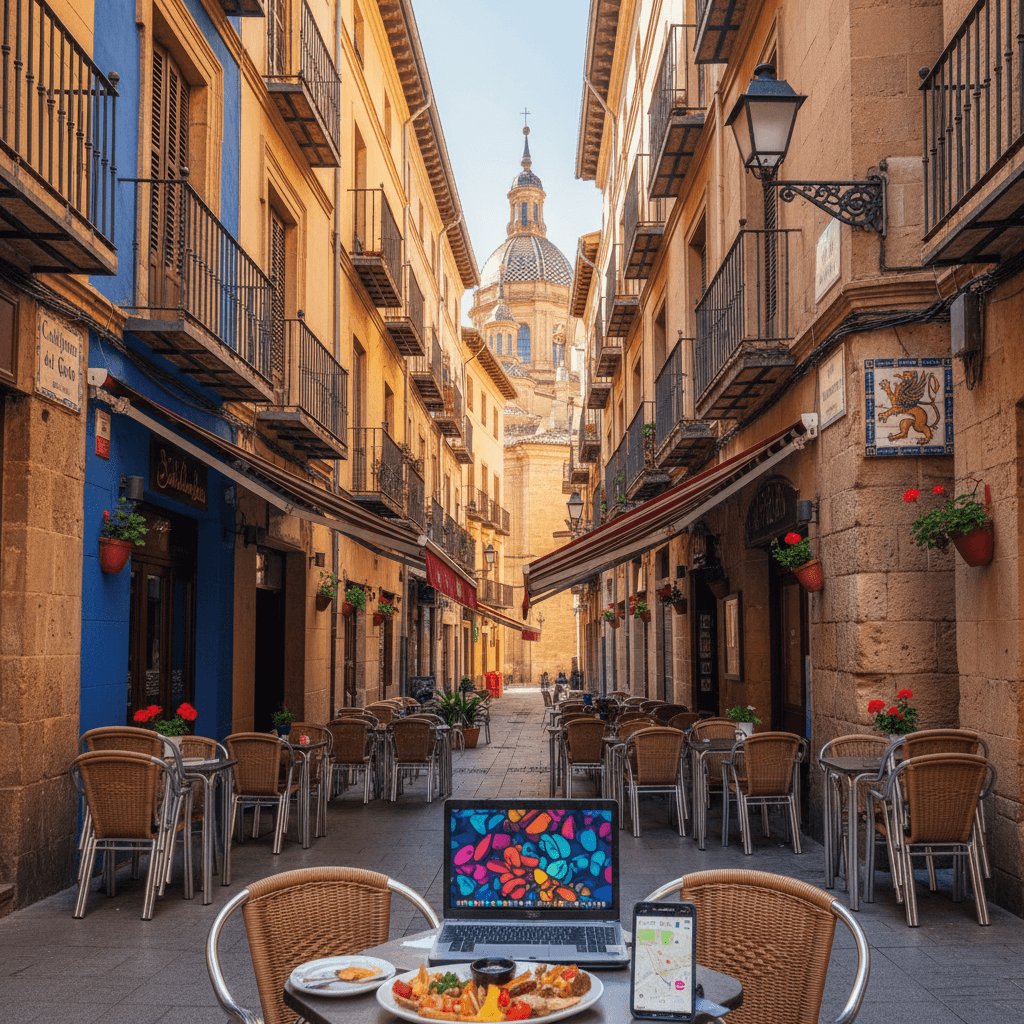
Zaragoza
🇪🇸 Spain
The Sweet Spot Between Metros
Zaragoza is the city for people who find Barcelona too chaotic and Madrid too exhausting. It sits right in the middle of the two, connected by a 90 minute high speed train, but it feels like a different world. You get the grand, limestone architecture and deep history you expect from a Spanish regional capital without the "over-tourism" fatigue that plagues the coast.
The vibe here is distinctly middle-of-the-road in the best way possible. It has a medium pace of life where people actually stop to talk to their neighbors, yet it's large enough to offer reliable fiber optic internet and a growing community of remote workers. It's a place where you can spend your morning working from a quiet cafe in La Magdalena and your afternoon cycling along the Ebro River, all while spending significantly less than you would in Valencia.
Living the Mañana Lifestyle (With Better WiFi)
The emotional core of the city is the Plaza del Pilar. Seeing the massive basilica lit up at night while locals gather for tapas is a grounding experience. Nomads here often talk about the "worry-free security" that comes with living in one of Spain's safest urban centers. You'll feel comfortable walking home late after a session in the El Tubo tapas district, which is famous for its narrow alleys and local cider bars.
However, you have to be prepared for the wind. The "Cierzo" is a local legend, a dry, cold wind that sweeps through the streets and keeps the air fresh but can be a shock if you aren't dressed for it. It's the trade-off for a city that remains incredibly walkable and bike-friendly. The city's Bizi electric bike sharing offers an annual subscription with a €30 fixed fee (first 30 min free, promotional until 2025; €60 from 2026), making it one of the cheapest places in Europe to get around without a car.
What to Expect on the Ground
While the city is welcoming, it isn't a "nomad bubble" yet. You won't find an English menu on every corner, and the vegan scene is still catching up, mostly concentrated in the artsy La Magdalena neighborhood. This is a "real" Spanish city where knowing a few phrases of the language goes a long way. The reward for that effort is a much lower cost of living and a sense of belonging that's hard to find in more transient hubs.
- The Weather Factor: Summers are hot, often hitting 35°C, while winters are crisp and windy. The sweet spots are April through May and the festival-heavy month of October.
- The Noise Trade-off: If you live in the Casco Histórico, you'll be steps away from the action, but you might be woken up by 5 AM drum processions during Semana Santa or the week-long party of Fiestas del Pilar.
- Strategic Base: It's the ultimate launchpad for hikers and skiers. The Pyrenees mountains and the stunning medieval village of Albarracín are within easy reach for weekend trips.
Budgeting for the Aragonese Life
Your money goes much further here than in Spain's "Big Two." A solo nomad can live quite well on €1,500 to €2,000 a month, though keep in mind that the Spanish Digital Nomad Visa currently looks for a minimum monthly income of €2,760 for 2025 applicants.
Estimated Monthly Costs
- Housing: Expect to pay €700 to €900 for a nice one-bedroom in a central area like La Magdalena. Outskirts are cheaper, but you'll lose that walkability.
- Dining Out: Tapas and street food runs about €5 to €8 per session. A mid-range sit-down dinner is usually around €15 to €20.
- Connectivity: Coworking desks average €150 to €250 a month, though many nomads stick to the reliable WiFi in local cafes.
- Transport: With the €30 annual e-bike pass and €1.20 bus rides, your transport budget will be negligible.
Ultimately, Zaragoza is for the traveler who wants to actually live in Spain, not just visit it. It offers a productive, high-quality lifestyle that prioritizes balance, safety, and a very healthy bank account.
The Price of the "Medium" Life
Zaragoza sits in a sweet spot for the wallet. It is significantly cheaper than the coastal magnets of Barcelona or Valencia, yet it doesn't feel like you are sacrificing urban amenities. Most nomads find they can live a high quality life here on a budget that would barely cover a studio apartment in Madrid.
For a solo nomad, a budget tier lifestyle runs between €1,200 and €1,800 a month. If you want a more mid-range experience with frequent dinners out and a dedicated desk, plan for €1,800 to €2,500. If you are applying for the Spanish Digital Nomad Visa, keep in mind you'll need to prove a minimum monthly income of €2,760 for 2025, which effectively puts you in the "luxury" bracket for local standards.
Housing and Neighborhoods
Rent is your biggest variable. The city is flat and incredibly walkable, so you don't need to be right on the Plaza del Pilar to feel connected. Expats often recommend La Magdalena for its creative energy and veggie-friendly tapas scene. If you want history, the Casco Histórico is beautiful, but travelers often warn to avoid the narrow streets of El Tubo for long term stays because the late night tapas crowds make sleep nearly impossible.
- Budget (Outskirts): Expect to pay €500 to €700 for a basic studio or one bedroom.
- Mid-Range (La Magdalena): A nice apartment in a trendy area usually costs between €700 and €900.
- Comfortable (Central Luxury): Modern, renovated flats in the city center start at €900 and go up from there.
Eating and Drinking
Zaragoza is a city that lives to eat. The culture revolves around the poteo, moving from bar to bar for small bites. In areas like La Magdalena, you can find street food and cheap tapas for €5 to €8. A standard mid-range dinner with wine usually lands between €12 and €20. If you are heading to the more upscale spots along the Ebro River, expect to pay €30 or more for a full meal.
Groceries are affordable if you shop at local markets or chains like Mercadona. Most remote workers find that a mix of cooking at home and hitting the tapas bars keeps their food budget around €300 to €450 a month without feeling restricted.
Transport and Connectivity
The city's transport is one of its best kept secrets. In 2025, the city expanded its electric bike program, which costs only €35 for an entire year. It is the most efficient way to get around the flat terrain. If you prefer the bus, a monthly pass is roughly €40. For those occasional late nights, taxis and apps like Uber are available, but you'll rarely need them if you stay central.
Coworking is also a bargain here. While you can work from a cafe for the price of a café con leche, dedicated spaces like those found in the city center offer flex desks for €200 to €300 a month. If you just need a day pass now and then, they usually run between €100 and €150 for a bundle of days. Internet is generally excellent; mobile providers like Movistar or Orange offer unlimited data SIMs for €10 to €20 a month, which you can easily pick up at El Corte Inglés.
A Quick Cost Breakdown
- Coffee: €1.50 to €2.20
- Beer (Caña): €2.00 to €3.00
- Menu del Día: €12.00 to €15.00
- Gym Membership: €35.00 to €50.00
- High-Speed Train (AVE) to Madrid: €20.00 to €60.00 depending on how far in advance you book.
The real value of Zaragoza isn't just the low prices. It is the fact that your money buys you a seat in a city that feels authentic and lived in. You aren't paying a "tourist tax" on every meal, and that makes a massive difference in your daily stress levels as a nomad.
For Digital Nomads: La Magdalena
If you want to be where the creative energy is, head straight to La Magdalena. It is the undisputed heart of the nomad scene in Zaragoza. You will find the city's best concentration of veggie friendly tapas bars, vintage clothing shops, and craft studios tucked into narrow streets. It feels lived in and authentic, far removed from the polished tourist trails.
- Rent: Expect to pay between €700 and €900 for a decent one bedroom apartment.
- Vibe: Artistic, alternative, and social. It's the kind of place where you'll meet other remote workers over a morning coffee.
- The Trade-off: It gets loud. Between the Fiestas del Pilar in October and the drums of Semana Santa, your sleep might suffer. Expats who've stayed here for years suggest investing in high quality earplugs for festival seasons.
For Short-Term Travelers: Casco Histórico
Staying in the Old Town puts you within walking distance of everything that makes Zaragoza famous. You can see the Basilica of Our Lady of the Pillar from your balcony and walk to Roman ruins in five minutes. It is perfect for those who only have a few weeks and want to soak up the history without worrying about public transport.
A word of advice from regular visitors: avoid booking a place directly on the streets of El Tubo. While it's the most famous tapas district in the city, the noise from the crowds doesn't stop until well after midnight. Look for a side street a few blocks away to get the convenience without the headache.
- Rent: Short term stays usually range from €800 to €1,100 per month for central lofts.
- Vibe: Historic grandeur meets tourist energy.
- Best for: People who want to be in the middle of the action and don't mind a bit of a crowd.
For Families and Long-Term Expats: The Outskirts
If you are planning to settle in for a year or more, look toward the western edges of the city or the newer residential zones. These areas offer much more breathing room and modern apartment complexes that often include amenities like pools or balconies that you won't find in the historic center. It is significantly quieter, and you'll get much more value for your money.
- Rent: You can find spacious apartments for €500 to €700.
- Transport: While it's further out, Zaragoza is incredibly flat and bike friendly. The city's electric bike scheme costs just €35 per year, making the commute into the center easy and cheap.
- Perks: Quick access to nature. If you enjoy hiking, being on the outskirts puts you closer to the trails of Moncayo or the foothills of the Pyrenees.
For Solo Travelers: Near the Ebro River
The area stretching along the Ebro River is fantastic for solo travelers who want a mix of relaxation and safety. The riverbanks have been developed into beautiful parks and walking paths that stay active well into the evening. It is one of the safest parts of the city, and the "worry free" security nomads often talk about is most evident here.
You'll find plenty of modern cafes with reliable WiFi where you can work for a few hours without being hassled. Solo expats often recommend this area because it's easy to meet people at the riverside bars or during outdoor fitness meetups. It strikes a great balance between the chaos of the center and the isolation of the suburbs.
- Rent: Mid range prices, usually around €750 to €950 for modern builds.
- Connectivity: Excellent. This area has some of the most consistent fiber optic speeds in the city.
- Social Life: High. The river is the city's backyard, especially during the warm summer months when everyone heads outside to escape the heat.
Connectivity and Speed
Zaragoza might not have the frantic tech-hub reputation of Barcelona, but its infrastructure is rock solid. You can expect fiber optic internet to be the standard in almost every apartment rental and Airbnb. Average speeds typically hover around 300 Mbps to 600 Mbps, which is more than enough for seamless Zoom calls or uploading large video files.
Public WiFi is also surprisingly reliable. The city provides free access in many plazas and municipal buildings, though most nomads prefer the encrypted networks found in the local cafes. For mobile data, grab a local SIM card from providers like Movistar, Vodafone, or Orange. You can find these at El Corte Inglés or small shops around the city center. Expect to pay between €10 and €20 per month for generous or even unlimited data plans.
Coworking Spaces
The coworking scene here is professional and understated, catering to a mix of local entrepreneurs and a growing number of remote workers. Prices are significantly lower than what you'll find on the coast, making it a great spot for those watching their overhead.
- Impact Hub Zaragoza: Part of the global network, this is the place to go if you're looking for community events and networking. It's located in a beautiful historic building that used to be a bank, offering a unique atmosphere for about €200 per month for a fixed spot.
Most spaces offer day passes for around €15 to €25, which is perfect if you just need a professional backdrop for a few hours. Always check if they have air conditioning if you're visiting in July or August, as the Zaragoza heat is no joke.
Laptop-Friendly Cafes
Zaragoza has a strong cafe culture where nobody will look at you sideways for staying a couple of hours with a laptop, provided you keep the coffee flowing. The neighborhood of La Magdalena is the unofficial headquarters for this lifestyle.
- Mariano Moreno: A bookstore and cafe hybrid that nomads love for its quiet corners and excellent coffee. It's one of the best spots to focus without the typical bar noise.
- Botanico Cafe: Located near the university, this spot has a greenhouse vibe with plenty of plants and natural light. The WiFi is snappy and the cake selection is dangerous.
- Doña Hipólita: Situated in a former fabric shop, this place has massive tables and a vintage aesthetic. It gets busy in the late afternoon, so try to snag a spot early if you have a deadline.
Expats often suggest avoiding the tapas bars in El Tubo for work. While they're great for a post-shift drink, they're usually too loud and crowded for anything resembling productivity. Stick to the side streets of Casco Histórico or the trendier spots in La Magdalena for the best balance of caffeine and connectivity.
Digital Nomad Community
While the nomad community is smaller than in the south of Spain, it's tight knit. Most remote workers connect through the Punta app or local Facebook groups. Because the city is so walkable and flat, it's easy to organize impromptu meetups at the Ebro River parks after work. You'll find that the local community is very welcoming, though learning a few sentences of Spanish will go a long way in making friends at the coworking office.
Peace of Mind in the Windy City
Zaragoza is one of those rare European cities where you can truly let your guard down. Most expats describe the security here as worry free, and it shows in the way locals use the city. You'll see people walking alone at all hours, and the overall crime rate remains remarkably low compared to the coastal hubs of Barcelona or Valencia.
While there aren't any specific "no-go" zones to worry about, the narrow, winding alleys of El Tubo and the Casco Histórico get incredibly crowded on weekend nights. Typical city smarts apply here. Keep your phone in your front pocket and stay aware of your surroundings in the thick of the tapas crowds. If you're staying in La Magdalena, the vibe is bohemian and friendly, though it can feel a bit deserted in the early morning hours after the bars close.
The biggest "danger" you'll likely face is the Cierzo, the city's famous wind. It's powerful enough to knock over light patio furniture and makes the winter temperatures feel much sharper than the thermometer suggests. If you're out walking near the Ebro River during a wind gust, hold onto your hat, literally.
Navigating the Healthcare System
Spain's healthcare is world class, and Zaragoza is home to some of the best facilities in the northeast. If you're here on a Digital Nomad Visa, you'll likely be using a mix of private insurance and the public system once you've settled your social security contributions.
- Public Hospitals: Hospital Miguel Servet is the major landmark for medical care. It's a massive, highly respected teaching hospital that handles everything from minor breaks to specialized surgeries.
- Private Options: Many nomads opt for Quirónsalud Zaragoza. It's often preferred by the international community because you're more likely to find English speaking staff and shorter wait times for non-emergencies.
- Emergency Services: Dial 112 for any urgent medical, fire, or police needs. The operators can usually route you to someone who speaks English if your Spanish is still a work in progress.
Pharmacies and Daily Care
You can't walk two blocks in the center without seeing a neon green cross. Pharmacies (farmacias) are the first stop for minor ailments. In Spain, pharmacists are highly trained and can often give better advice for a cold or a localized skin issue than a general practitioner.
Look for the Farmacia de Guardia sign on any pharmacy door if you need medicine in the middle of the night. It will list the nearest 24-hour location. Prices for over the counter meds are regulated and very affordable, usually just a few euros for basics like ibuprofen or antihistamines.
Practical Tips for Expats
If you're planning a long term stay, most travelers recommend getting a private policy like SafetyWing or Sanitas before you arrive. This is usually a requirement for the visa process anyway. Having your paperwork in order makes the intake process at clinics much smoother.
For routine checkups, expect to pay around €50 to €80 for a private consultation if you're paying out of pocket. It's efficient, professional, and far less stressful than trying to navigate the bureaucracy of a larger metro area.
The City Layout and Walkability
Zaragoza is a dream for anyone who prefers their own two feet over a steering wheel. The city is remarkably flat, making a stroll from the historic Casco Histórico to the trendy bars of La Magdalena feel like a breeze rather than a workout. Most nomads find they rarely need motorized transport if they stay central. You can cross the major hubs of the city center in about 20 to 30 minutes, enjoying the Roman ruins and Mudéjar architecture along the way.
The Two-Wheeled Revolution
If walking isn't fast enough, the city's cycling infrastructure is where Zaragoza really shines. For 2025, the big news is the expanded electric bike program. You can snag an annual subscription for just €35, which is arguably the best deal in Spain for remote workers. The bike lanes are well integrated into the road system, and because the terrain lacks steep hills, you won't arrive at your coworking space drenched in sweat. Just keep an eye on the wind; the local Cierzo breeze can be fierce, so you might occasionally find yourself pedaling twice as hard to stay in place.
Public Transit: Buses and Trams
When the weather turns cold or you're heading to the outskirts, the bus network is your best friend. It's extensive and reliable, with single rides costing €1.70. If you're sticking around for a month or more, expats recommend picking up a monthly pass for around €29.
- The Tram: There is one main tram line (Line 1) that cuts through the city from north to south. It's sleek, modern, and perfect for reaching the Gran Casa shopping area or the northern residential zones.
- Payment: You can use a rechargeable "Tarjeta Bus" or pay via mobile apps. Most locals just tap their cards and go.
- Frequency: During peak hours, you'll rarely wait more than 5 to 8 minutes for a connection.
Regional and National Connections
Zaragoza's superpower is its location. It sits almost exactly halfway between Madrid and Barcelona. The Delicias Station is the city's transport hub, served by the AVE high speed trains. You can be in the center of Madrid or Barcelona in just 90 minutes, making day trips or weekend getaways incredibly easy.
For international arrivals, Zaragoza Airport (ZAZ) is compact and easy to navigate. To get to the city center from the terminal, you have two main choices:
- Airport Bus: Costs around €2.00 (check current rates) and takes about 30 minutes to reach the center.
- Taxis: A cab will set you back between €20 and €30 depending on your exact drop off point and the time of day.
Ridesharing and Taxis
While the city is walkable, apps like Uber and Bolt are active here if you're carrying groceries or heading home late from a tapas crawl in El Tubo. Taxis are also plentiful and can be hailed on the street or found at designated stands near major plazas. They're generally safe, metered, and drivers are known for being honest, though don't expect much English once you step inside. If you're heading out to the Moncayo area for a hike, renting a car for the day is usually the most efficient move, as rural bus schedules can be sparse.
The Local Linguistic Landscape
In Zaragoza, Spanish is the undisputed king. While the city sits between Madrid and Barcelona, you won't find the heavy presence of regional languages like Catalan here. You might hear mentions of Aragonese, but it's more of a historical dialect than something you'll need for your morning coffee run. The local accent is generally clear and easy for learners to follow, making it a great place to practice if you're moving beyond the basics.
Don't expect everyone to be fluent in English. While staff in central hotels and major tourist spots like the Basilica of Our Lady of the Pillar usually speak it well, English proficiency across the general population is moderate. Most nomads find that while they can get by with "Spanglish" in the Casco Histórico, life gets much easier once you learn the essentials. Expats living in La Magdalena often report that locals are patient and appreciate even a clumsy attempt to speak Spanish.
Digital Communication and Connectivity
Staying connected is rarely an issue in Zaragoza. The city is well wired, and you'll find reliable WiFi in almost every cafe and coworking space. If you're looking for a place to work, many nomads head to local spots in the center where the connection is stable enough for video calls. For a more professional setup, expect to pay between €100 and €300 per month for a desk at a local coworking hub, which usually includes high speed fiber internet.
For mobile data, you'll want to grab a local SIM card as soon as you arrive. You can find them at El Corte Inglés or dedicated shops for providers like Movistar, Vodafone, or Orange. A prepaid plan with plenty of data typically costs between €10 and €20 per month. Most expats recommend having a local number to deal with delivery apps or to book appointments at the Hospital Miguel Servet.
Essential Tools and Phrases
You'll want a few digital safety nets on your phone. Google Translate and DeepL are the gold standards for translating menus or official documents. If you're trying to integrate, look for language exchange meetups, which are frequently organized through the Punta app or various expat Facebook groups. These are great for meeting people while improving your speaking skills in a low pressure environment.
Start with these basics to smooth over your daily interactions:
- Hola: Hello (Use this for everyone, from bus drivers to bartenders)
- Gracias: Thank you
- ¿Dónde está...?: Where is...? (Useful for finding those tucked away tapas bars in El Tubo)
- La cuenta, por favor: The bill, please
- ¿Hablas inglés?: Do you speak English?
Social Nuances
Communication in Zaragoza is often a loud, social affair. During the Fiestas de Pilares in October, the city becomes a chorus of shouting and singing. People here are generally friendly and direct. If you're working from a cafe, it's common for others to strike up a conversation, especially if they see you're a foreigner. It's a "worry free" environment where a smile and a few basic phrases go a long way toward building a local community.
If you're planning on staying long term, especially for the Digital Nomad Visa which requires a minimum income of approximately €2,850 per month, investing in a few months of Spanish lessons is the best way to move from being a visitor to a local. It changes your experience from just "getting by" to truly feeling the pulse of the city.
The Seasonal Highs and Lows
Zaragoza doesn't do "mild" in the way coastal Spain does. Because it's tucked into the Ebro Valley, the city experiences a continental climate that brings sharp contrasts. You'll find summers that frequently climb to 35°C (95°F) and winters that hover between 2°C and 10°C (35-50°F). It’s a dry heat in July, which makes it more bearable than the humidity of Barcelona, but you'll definitely want a rental with solid air conditioning if you're planning to work through August.
The city's most famous weather quirk is the Cierzo. This powerful, dry wind blows through the valley year-round, earned Zaragoza its reputation as the windiest city in Spain. While it’s great for clearing out summer heat or pollution, it can make a 5°C winter day feel much colder. Most locals invest in a windproof jacket, and you should too if you're arriving between November and March.
When to Visit: The Sweet Spots
If you have the flexibility, aim for the shoulder seasons. April, May, and June are widely considered the best months for digital nomads. The temperatures sit comfortably in the 18-25°C range, perfect for taking your laptop to a terrace in La Magdalena or biking along the Ebro River. The city is green, the outdoor cafes are lively, and you won't be sweating through your shirt during a midday walk to a coworking space.
September and October offer a similar appeal. The scorching summer heat breaks, making the city walkable again. However, keep in mind that October is the busiest month on the calendar. If you enjoy a quiet work environment, the middle of October might be a challenge as the city transforms for the Fiestas del Pilar. Travelers often say the energy is infectious, but the 5 AM processions and drum circles in the center can be a bit much if you have an early Zoom call.
Seasonal Breakdown for Nomads
- Spring (March to May): Ideal for productivity and outdoor life. Expect some rain, but the mild temperatures make it the most comfortable time for exploring the surrounding Moncayo nature trails.
- Summer (June to August): It gets hot. Many locals head to the coast or the Pyrenees in August, and some smaller shops might close. If you stay, stick to the riverbanks or air-conditioned cafes like those near the Basilica.
- Autumn (September to November): A favorite for many expats. The weather is crisp, and the cultural calendar is packed. It’s the best time to see the city at its most "Zaragozano."
- Winter (December to February): It’s chilly and windy. While it rarely snows, the Cierzo wind is biting. Rent is often easier to negotiate for short-term stays during these months, and the city remains sunny despite the cold.
The Festival Factor
Your "best time" might depend more on the social calendar than the thermometer. If you want to network and see the city's traditions, October is non-negotiable for the Pilar festivals. For those interested in photography or history, Semana Santa (Holy Week) in the spring offers incredible processions, though nomads living in the Casco Histórico often complain about the noise. If you prefer a "heads-down" period to focus on a big project, the quieter months of January and February are perfect for hunkering down in a coworking space with fewer distractions.
Getting Around and Staying Connected
Zaragoza is one of the most walkable cities in Spain, but its real secret weapon is the bike infrastructure. The city is remarkably flat, making the €35 annual fee for electric bikes a no-brainer for anyone staying longer than a month. If you prefer public transit, city buses are reliable and cheap at €1.20 per ride, or you can grab a monthly pass for about €40.
For digital work, the internet is rock solid. You'll find fiber optic speeds in most apartments and free, reliable WiFi in the cafes around La Magdalena. If you need a dedicated desk, coworking spaces generally run between €100 and €150 for a flex spot. For a local SIM card, head to El Corte Inglés or a nearby Orange or Movistar shop. You can usually snag an unlimited data plan for €10 to €20 a month.
Cost of Living and Budgeting
Your money goes significantly further here than in Madrid or Barcelona. A solo nomad can live comfortably on €1,800 to €2,500 a month, though budget travelers can get by on €1,200 if they stick to the outskirts. Just keep in mind that if you're applying for the Spanish Digital Nomad Visa in 2025, you'll need to prove a minimum monthly income of €2,760.
- Studio Rent: Expect to pay €700 to €900 in popular central areas like La Magdalena or the Casco Histórico.
- Daily Meals: Tapas and street food will cost you €5 to €8, while a nice mid-range dinner sits around €20.
- Transport: Budget €40 a month for the bus, or €20 to €30 for a taxi from Zaragoza Airport (ZAZ) to the city center.
Choosing Your Neighborhood
Where you stay changes your experience entirely. Most nomads gravitate toward La Magdalena. It's the creative heart of the city, packed with vintage shops and the best vegetarian tapas. It feels lived-in and local, though it gets loud during the Fiestas de Pilares in October or when the 5 AM drum processions start during Holy Week.
The Casco Histórico is perfect for shorter stays because you're steps away from the Roman ruins and the Basilica. However, try to avoid booking a place directly on the streets of El Tubo. While it's the best spot for a late-night bar crawl, the noise levels make sleeping nearly impossible. If you need quiet and lower rent, look toward the western outskirts; you'll have a longer commute, but you'll be closer to the hiking trails of Moncayo.
Safety, Health, and Language
Zaragoza is exceptionally safe. You can walk home late at night through the center without looking over your shoulder. If you do run into trouble, the emergency number is 112. For healthcare, the public system is top-tier, and the Hospital Miguel Servet is the main hub for major issues. Most expats carry private coverage like SafetyWing for peace of mind.
While English is common in the tourist zones and among the younger crowd, learning basic Spanish phrases will get you a lot of respect. Download Google Translate or DeepL before you arrive. People here are friendly but proud of their Aragonese roots, so a simple "Gracias" goes a long way.
Weather Realities
The weather is the one thing locals love to complain about. It's known as Spain's windiest city, so bring a good windbreaker regardless of the season. Summers are intense, often hitting 35°C, while winters stay cool, hovering between 5°C and 10°C. The best times to visit are April and May when the air is mild and the spring festivals are in full swing.
Need visa and immigration info for Spain?
🇪🇸 View Spain Country GuideNomad Haven
Your home away from home