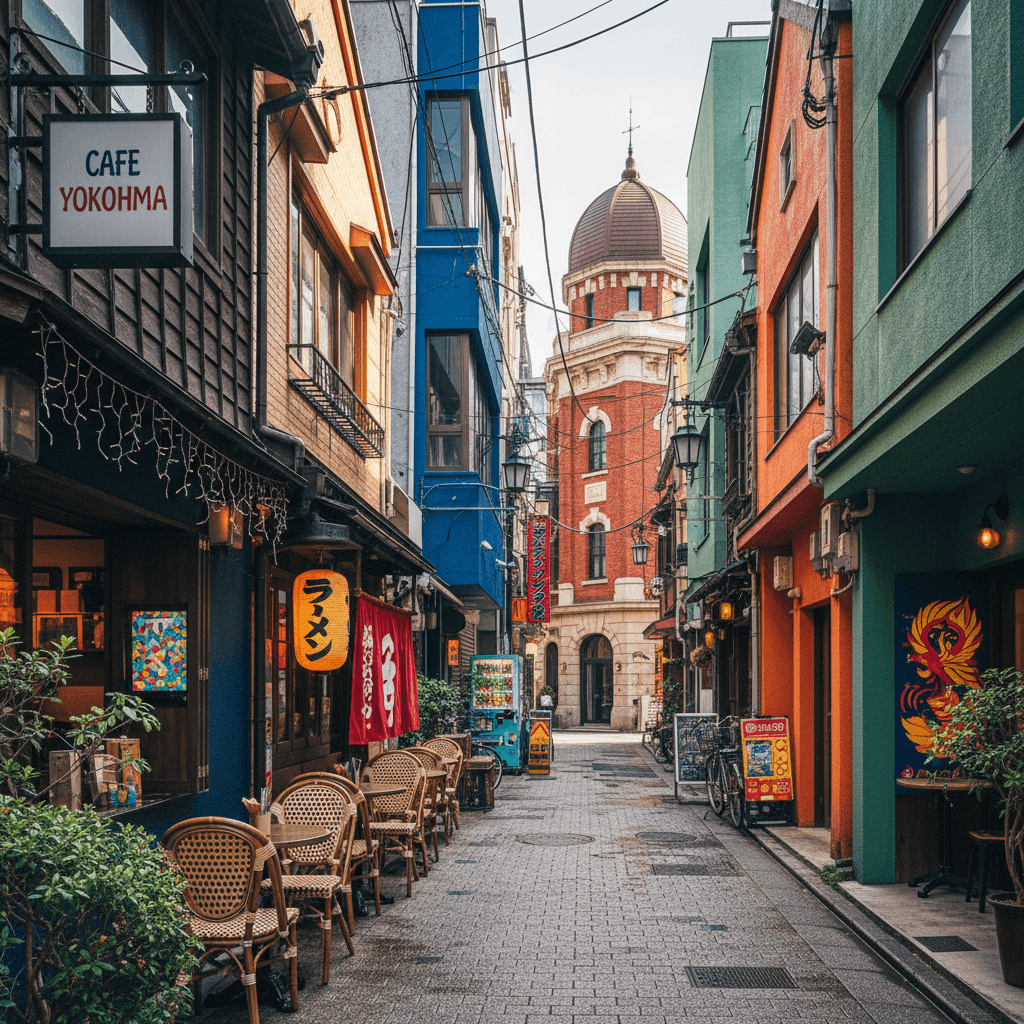
Yokohama
🇯🇵 Japan
The Coastal Alternative to Tokyo's Grind
If Tokyo is a high speed chase, Yokohama is a Sunday morning stroll that lasts all week. It has the infrastructure of a world class metropolis but trades the claustrophobia of Shinjuku for sea breezes and wide open promenades. Most nomads find that while Tokyo demands your constant attention, Yokohama actually lets you breathe. It is a city designed for walking, where elevated walkways and harbor side paths connect your apartment to your office without the need for a cramped subway commute.
The vibe here is distinctly retro modern. You can spend your morning on a Zoom call in a sleek, glass fronted skyscraper in Minato Mirai and your afternoon eating 500 JPY gyoza in the winding alleys of the world's largest Chinatown. It is this balance of maritime history and futuristic urban planning that keeps expats here long term. You get the efficiency of Japan without the frantic "salaryman" energy that defines its neighbor 30 minutes to the north.
Living the Waterfront Lifestyle
Life here centers around the water. Travelers often say the emotional peak of the day is the sunset walk through Yamashita Park or across the Osanbashi Pier. The city feels intentional; the moving walkways and bridges make the "one main hub" layout feel cohesive rather than limiting. However, the trade off for this serenity is a bit less neighborhood variety. Unlike Tokyo's endless districts, Yokohama's nomad life is concentrated in a few key zones.
- Minato Mirai: The "Harbor of the Future." It is flashy, modern, and home to the best high rise Airbnbs. Expect to pay 120,000 JPY or more for a studio, but you're paying for the convenience of being steps away from everything.
- Kannai: The creative heart. This is where you'll find G Innovation Hub, a favorite coworking space for the remote crowd. It feels more lived in and authentic, with retro buildings and slightly more affordable shared houses starting around 40,000 to 60,000 JPY.
- Sakuragicho: The gateway between the old and new. It is excellent for solo travelers who want quick access to gyms, nightlife, and the JR lines for those inevitable Tokyo day trips.
The Practical Realities
Budgeting for Yokohama is a relief compared to the capital. A mid range nomad lifestyle usually lands between 250,000 and 350,000 JPY per month. This covers a comfortable studio, a monthly transit pass for about 10,000 JPY, and plenty of meals at local izakayas where dinner runs about 2,000 JPY. While the city is incredibly safe and easy to navigate at 2:00 AM, the language barrier is real. English proficiency is moderate in coworking spots like G Innovation Hub, but you will definitely want Google Translate and an eSIM with plenty of data to navigate local menus and government services.
One thing nomads often mention is the social ease of the city. Because the community is smaller than Tokyo's, it is harder to get lost in the crowd. Shared housing is a massive trend here; many expats recommend them as a way to bypass the isolation of solo remote work. You get a built in social circle and often a dedicated desk space included in your rent. Just keep an eye on the calendar. While the 20 degree autumns are perfect, the June and July rainy season can turn those beautiful harbor walks into a humid slog.
Ultimately, Yokohama is for the nomad who wants to be productive without being stressed. It is a city that rewards those who prefer a Docomo Bike Share ride over a crowded train and a quiet harbor view over a neon skyscraper. You're close enough to Tokyo to tap into its energy whenever you want, but you'll likely find yourself staying put, enjoying a city that actually feels like home.
The Price of Balance
Living in Yokohama feels like a financial exhale after spending time in Tokyo. While it's certainly not a budget destination compared to Southeast Asia or rural Japan, your yen stretches further here. You get more square footage, wider streets, and a slower pace without sacrificing the high speed infrastructure Japan is famous for. Most nomads find they can live comfortably on about 250,000 to 350,000 JPY per month, which covers a modern studio, daily cafe visits, and plenty of izakaya dinners.
Monthly Budget Tiers
Your lifestyle determines the damage to your bank account. Here is how the monthly costs typically break down for different nomad styles:
- The Budget Hacker (150,000 to 200,000 JPY): This relies on snagging a room in a shared house for 40,000 to 60,000 JPY. You'll eat mostly 500 JPY ramen or gyoza in Chinatown, use local cafe WiFi instead of dedicated coworking, and stick to a 10,000 JPY monthly transit pass.
- The Mid-Range Nomad (250,000 to 350,000 JPY): This is the sweet spot. It covers a private studio/1BR in Minato Mirai from ¥100,000 JPY, a full membership at G Innovation Hub for 24,000 JPY, and regular dinners out costing 1,500 to 2,000 JPY.
- The High-End Expat (400,000+ JPY): For those wanting harbor views near Yamashita Park, expect rent to start at 150,000 JPY. This tier includes upscale dining at waterfront spots where meals top 5,000 JPY, plus private gym memberships and unlimited data pocket WiFi.
Housing and Neighborhood Costs
Rent is your biggest variable. While Airbnb is the easiest route for those on a standard tourist visa, it carries a premium. Many nomads opt for shared houses like those found via Oakhouse, which often include social events and coworking spaces in the monthly fee. This helps combat the isolation that sometimes hits in Japanese cities.
Minato Mirai
- Monthly Rent: 120,000 JPY and up.
- Vibe: Ultra modern, high rise living with direct access to harbor promenades and malls.
- Pros: High walkability and stunning views.
Kannai
- Monthly Rent: 70,000 to 100,000 JPY.
- Vibe: Retro-modern with an industrial edge.
- Pros: Home to the best coworking spots and more affordable local eateries.
Daily Expenses and Lifestyle
Food is where you can really control your spending. Yokohama's Chinatown is a godsend for cheap, high quality street food, with steamed buns and gyoza starting around 300 to 500 JPY. If you're cooking at home, local supermarkets are reasonably priced, though fruit remains a luxury item in Japan. Expect to pay about 200 JPY for a decent apple or 800 JPY for a small pack of strawberries.
Transportation in the city core is often free if you're willing to walk. The city is designed with moving walkways and pedestrian bridges that make cars unnecessary. For longer trips, a local train ride is usually under 300 JPY, and a quick 30 minute dash into Tokyo costs about 500 JPY. Most expats recommend using the GO app for the occasional taxi, though the base fare starts around 500 JPY and climbs quickly.
Connectivity is rarely an issue. While public WiFi can be spotty for heavy uploads, a local eSIM or a Pocket WiFi rental is a standard expense. Unlimited data plans are the way to go, especially if you plan on working from the harbor parks. For banking, stick to Wise or Revolut for the best exchange rates, and use 7-Eleven ATMs for fee-free cash withdrawals when you arrive.
For Digital Nomads: Kannai
If you're in Yokohama to get work done while staying connected to a community, Kannai is your base. It has a slightly gritier, retro-modern feel compared to the shiny waterfront, but that's where the character lies. Most nomads gravitate here for the G Innovation Hub, a standout coworking space with industrial aesthetics and a kitchen that serves as the neighborhood's social anchor.
Living here is practical. You'll find plenty of shared houses that keep costs down to around 40,000 to 60,000 JPY per month. These setups are a lifesaver for avoiding the isolation that sometimes hits in Japanese cities. It isn't as scenic as the harbor, but the proximity to local events and the ease of meeting other remote workers makes it the most productive pocket of the city.
For Travelers and Short-Termers: Minato Mirai
Minato Mirai is the Yokohama you see on postcards. It's built for convenience with wide promenades, moving walkways, and massive shopping malls. If you're only staying for a few weeks, this is where you'll find the best Airbnbs and modern apartments, though you'll pay a premium for the view. Expect rents to start around 120,000 JPY and go up quickly.
The vibe is polished and futuristic. You're steps away from the Cup Noodles Museum and the Landmark Tower. While it gets crowded with tourists on weekends, the ease of walking everywhere is hard to beat. It's the best spot for those who want to wake up, grab a coffee at a waterfront cafe, and feel like they're living in a high-tech maritime dream.
For Families and Slow-Paced Solos: Yamashita Park
For a more residential, breezy atmosphere, look toward the streets bordering Yamashita Park. This area feels more like a traditional neighborhood than a business district. It's incredibly walkable and puts you right next to the city's green lung and the historic waterfront. Parents appreciate the wide paths for strollers and the proximity to Chinatown for easy, affordable family dinners.
The pace here is slower. You're far enough from the train station hubs to avoid the "salaryman rush" but close enough to walk to the Motomachi shopping street. Expats often settle here because it balances Japanese city life with a bit of breathing room. A comfortable one-bedroom in this area typically runs about 150,000 JPY per month.
For Solo Expats and Social Butterflies: Sakuragicho
Sakuragicho is the Gateway to Yokohama's nightlife and social scene. It sits right on the edge of the Noge district, which is packed with tiny izakayas and standing bars. If you're moving here alone and want to build a social life quickly, this is the place. It's also a major transit hub, making it the best choice for anyone who needs to commute into Tokyo frequently, as the train ride is only about 30 minutes.
The area stays active late into the night. You'll find plenty of modern gyms and 24-hour convenience stores, catering to a younger, more mobile crowd. It lacks the quiet, family-oriented feel of Yamashita Park, but it makes up for it with energy and convenience. Most solo expats find that the accessibility to both work and play here justifies the slightly higher density of the neighborhood.
- Minato Mirai: Best for harbor views and modern infrastructure.
- Kannai: Best for coworking, community, and budget-friendly shared houses.
- Yamashita Park: Best for parks, families, and a relaxed coastal lifestyle.
- Sakuragicho: Best for nightlife, solo social scenes, and Tokyo commuters.
Connectivity and Speed
You won't have to worry about the internet in Yokohama. Japan’s infrastructure is incredibly reliable, and this port city is no exception. Most Airbnbs and shared houses come equipped with fiber optic lines pushing speeds well over 200 Mbps. If you’re planning to take Zoom calls from your living room, the latency is low enough that you'll forget you're on the other side of the world.
Public WiFi exists but it's often spotty or requires a clunky login process. For consistent work on the move, skip the free city networks. Most nomads here rely on a local eSIM or a Pocket WiFi rental. It’s the standard move for anyone who needs a stable connection while riding the JR lines or sitting by the water. If you're staying for more than a week, an unlimited data plan is the way to go to avoid those ¥2,000 per day roaming charges.
Top Coworking Spaces
Yokohama’s coworking scene is concentrated but high quality. It feels less corporate than Tokyo, often blending industrial aesthetics with a more community focused vibe. The G Innovation Hub Yokohama in the Kannai neighborhood is the undisputed favorite. It’s an industrial style space that hosts regular events, which is a lifesaver if you're trying to meet people. Expect to pay monthly from ¥18,700 or a ¥1,650 day pass.
- G Innovation Hub (Kannai): Best for networking and long term stays. It has a full kitchen and a very active nomad community.
- WeWork (Minato Mirai): Located in the Ocean Gate building, this is the pick if you want high end facilities and harbor views while you grind.
- Shared Houses: Many nomads choose places like Oakhouse because they often include dedicated coworking zones in the building, which helps fight the isolation of solo travel.
The Cafe Office Culture
If you prefer a change of scenery, Yokohama has a very permissive cafe culture. Unlike some European cities where you might get side eyed for staying too long, Japanese chains like Starbucks and Doutor are perfectly fine with you camping out for a few hours. Just follow the local etiquette: buy a coffee every two hours and keep your calls to a minimum.
For a more local experience, head to the cafes around Sakuragicho or the Minato Mirai malls. These spots are usually packed with students and other remote workers, making it feel like a massive, informal office. Just keep in mind that while the WiFi is usually free, it might time out every 60 minutes, so keep your VPN handy.
Practical Tech Tips
- Power Outlets: Japan uses Type A and B plugs (same as the US). Most coworking spaces have plenty of outlets, but older cafes might be stingy with them. Carry a power bank for your phone just in case.
- Apps to Download: Get Google Translate with the offline Japanese pack for reading menus, and GO or JapanTaxi for those nights when the trains stop running.
- Data: Pick up your eSIM at Haneda Airport or order it online before you land. It’s much cheaper than trying to find a physical SIM card in the city center.
Overall, Yokohama is a productivity powerhouse. You get the world class speeds of a global tech hub but with enough breathing room and waterfront views to keep your stress levels down. Most expats find that the balance here is much easier to maintain than in the frantic districts of central Tokyo.
A Safe Haven in the Harbor
Yokohama consistently ranks as one of the safest urban environments in the world. For nomads accustomed to the hyper-vigilance required in many Western metros, the city offers a massive mental relief. You can comfortably walk through Minato Mirai or Kannai at 2:00 AM without a second thought. While there aren't any "no-go" zones, standard urban common sense applies in the nightlife pockets around Sakuragicho where things can get a bit rowdy on Friday nights.
The city's design actually contributes to its safety. The harbor area is exceptionally walkable, featuring elevated promenades and moving walkways that keep pedestrians separated from heavy traffic. Expats often mention that the biggest "danger" is simply losing a wallet or phone, though in Japan, these items usually find their way back to you via the local Koban (police box).
World-Class Healthcare Infrastructure
Healthcare in Yokohama is efficient and high-tech. Most residents and long-term nomads use the My Number Card system to manage their health records and insurance. If you're on the Digital Nomad Visa (requires ¥10M annual income, up to 6 months non-renewable) or a mid-term stay, you'll find that quality hospitals and clinics are densely packed near the city center.
- Emergency Services: Dial 119 for an ambulance or fire, and 110 for the police. Both lines provide English support, though it helps to have your location ready.
- Pharmacies: Major chains like Matsumoto Kiyoshi or Welcia are everywhere. Most stock over-the-counter medications with English labeling or QR codes you can scan for translations.
- English-Speaking Doctors: While Japanese is the primary language, many specialists in the Yamashita Park and Minato Mirai districts have international training and speak functional English.
Practical Medical Tips for Nomads
Most nomads find that while the quality of care is top-tier, the system can feel bureaucratic. Travelers recommend carrying a physical copy of your insurance policy, as hospitals may ask for proof of coverage before treatment. If you need a specific prescription, bring a Yakkan Shoumei (import certificate) if the volume exceeds a one-month supply.
For minor ailments, the local clinic system is your best bet. These are specialized (e.g., internal medicine, dermatology) and usually don't require an appointment, though you might wait 30 to 60 minutes. Costs for a standard consultation without Japanese National Insurance typically range from 5,000 to 10,000 JPY, which is quite reasonable compared to US private healthcare rates.
Safety and Health Checklist
- Travel Insurance: Ensure your policy covers "repatriation" and high-cost private hospitals in Japan.
- Translation Apps: Keep Google Translate with the offline Japanese pack downloaded. It's a lifesaver for explaining symptoms or reading pharmacy labels.
- Water Safety: Tap water is 100% drinkable and tastes great. No need to waste money on bottled water.
- Disaster Readiness: Yokohama is a coastal city. Familiarize yourself with the evacuation signs (green running man icon) in your apartment building for earthquake or tsunami protocols.
The Art of the Waterfront Stroll
Yokohama is a rare beast in the Japanese urban landscape. While Tokyo demands a relentless pace, Yokohama invites you to slow down. The city’s core is remarkably compact and designed for pedestrians. You can comfortably walk from the futuristic skyline of Minato Mirai to the historic bricks of the Red Brick Warehouse and into the narrow alleys of Chinatown without ever needing a ticket. Moving walkways and harbor-side promenades make these transitions seamless, and the salt air provides a refreshing break from the typical city exhaust.
Mastering the Rail Lines
When you do need to cover more ground, the train system is your best friend. Yokohama is a major transit hub, and the efficiency is exactly what you’d expect from Japan. For daily life, the JR Negishi Line and the Minatomirai Line are the two routes you'll use most. They connect the main residential and coworking pockets like Sakuragicho and Kannai.
- Monthly Passes: Most expats and long-term nomads pick up a commuter pass for around 10,000 JPY. It’s a massive money-saver if you’re heading to a coworking space daily.
- Tokyo Access: You can be in Shibuya or Shinagawa in about 30 minutes. The JR Tokaido Line and Shonan-Shinjuku Line are the fastest ways to hit the capital for a night out or a meeting.
- Airport Connections: Haneda is a breeze. It takes about 30 to 45 minutes by train and costs roughly 500 JPY. Narita is further out; expect a 90-minute journey via the Narita Express or a limousine bus.
Digital Tools and Payments
Forget fumbling for coins at the ticket machine. Most travelers use Suica or Pasmo cards, which you can now easily add to your Apple or Google Wallet. These cards aren't just for trains; you can use them at vending machines, convenience stores like Lawson, and even some local cafes. For those arriving in 2026, the Visit Japan Web QR code is the standard for speeding through immigration and customs, so have it ready on your phone before you land.
Two Wheels and Ride-Hailing
While the city is walkable, bikes are a popular "last mile" solution. The Docomo Bike Share is ubiquitous. You’ll see the red electric bikes parked at docks near most major stations. It costs about 150 JPY for 30 minutes, which is perfect for a quick ride along the Yamashita Park waterfront.
Taxis are plentiful but pricey. If you need a car, don't stand on the street waving your arms; use apps like GO or JapanTaxi. They work similarly to Uber and are much more reliable for getting a ride during a rainy evening in Kannai. Unlike many other global hubs, ride-sharing apps like Uber or Lyft don't operate with private drivers here; they simply summon licensed taxis.
Practical Transit Tips
- The 119 and 110 Rule: Keep these numbers in your head. 119 is for ambulances or fire, and 110 is for the police. Both services have English support available if you're in a pinch.
- Google Maps is King: It’s incredibly accurate for Japanese train schedules, even telling you which platform to stand on and which car is closest to your exit.
- Pace Yourself: Travelers often say the best way to see Yokohama is to skip the bus and follow the harbor. The city was built to be seen from the water’s edge.
The Language Landscape
You'll find that Yokohama strikes a unique balance compared to the overwhelming English signage of Tokyo or the more traditional, Japanese only pockets of the countryside. Because of its history as a major international port, the city has a slightly more cosmopolitan DNA. In high traffic areas like Minato Mirai or the Sakuragicho station hub, English proficiency is moderate. Staff at hotels, major malls, and international coworking spaces like G Innovation Hub usually speak enough English to help you settle in without much friction.
Once you step into the local izakayas of Kannai or the smaller ramen shops near Yamashita Park, the language barrier becomes more real. Most nomads find that while English isn't the default, the hospitality culture means people will try their best to understand you through gestures, smiles, and the occasional translation app. It's a city where you can get by with the basics, but learning a few phrases will drastically change how locals interact with you.
Digital Tools for Daily Life
Don't even think about landing without Google Translate installed. Specifically, download the offline Japanese pack so you aren't stuck if your signal drops in a basement shop. The camera feature is a lifesaver for reading menus in Chinatown or deciphering specific ingredients at the supermarket. Expats also swear by VoiceTra, a high precision translation app developed by a Japanese research institute that often handles the nuances of the language better than its competitors.
For getting around, Google Maps is surprisingly accurate for train platform numbers and exit names, which are often labeled in English. If you're looking for community, Jasumo is a great resource for finding events where the crowd is more likely to be bilingual. Most nomads also recommend getting a Suica or Pasmo card on your phone immediately; it removes the need to talk to ticket agents and works for payments at most vending machines and convenience stores.
Key Phrases to Know
While you don't need to be fluent, dropping a few Japanese words shows respect and usually results in better service. It's the difference between being a tourist and a temporary local. Start with these:
- Sumimasen: This is your Swiss Army Knife word. It means "Excuse me," "I'm sorry," or "Thank you" depending on the context. Use it to catch a waiter's attention or when you accidentally bump into someone on the train.
- Eigo ga hanasemasu ka?: "Do you speak English?" It's much more polite than just launching into English and hoping for the best.
- Kore o onegaishimasu: "This one, please." Perfect for pointing at a specific bowl of gyoza or a SIM card in a shop.
- Arigato gozaimasu: "Thank you." Use the full version rather than just "Arigato" to be more polite to staff and strangers.
- Okaikei onegaishimasu: "Check, please." Essential for when you're ready to wrap up your work session at a cafe.
Social Integration
If you're staying for a few months, consider joining a local language exchange. Shared houses in Yokohama are famous for being social hubs where Japanese residents and international nomads live together. This is often the best way to pick up "survival Japanese" naturally. Many expats recommend the Oakhouse network because they often host mixers where you can practice your Nihongo in a low pressure environment. Even if your Japanese is limited to five words, the effort is almost always met with patience and appreciation from the locals.
The Seasonal Rhythm
Yokohama possesses a temperate coastal climate that dictates the city's energy. Because it sits right on the water, you'll get a refreshing sea breeze that Tokyo often lacks, though that same proximity means humidity is a constant companion during the warmer months. Most nomads find that timing their stay around the shoulder seasons makes the difference between a productive residency and one spent hiding in air-conditioned coworking spaces.
When to Touch Down
The sweet spot for a Yokohama stint falls between October and November. The air turns crisp, the skies clear up, and the humidity finally breaks. It is the most reliable window for those harbor walks along Yamashita Park or outdoor deep-work sessions at the Red Brick Warehouse. You'll avoid the massive crowds of the spring cherry blossom season while still enjoying mild highs around 20°C.
Spring, specifically late March through April, is the other heavy hitter. The city turns pink with blossoms, and the temperature sits comfortably around 12°C to 16°C. It is visually stunning, but be prepared for higher "Sakura prices" on Airbnbs in Minato Mirai and more foot traffic on the promenades. If you're looking for that iconic Japanese aesthetic, this is your window.
The Low Points
If you have a choice, many expats suggest skipping the stretch from June to August. June marks the start of tsuyu, the rainy season. It isn't just a light drizzle; it's a persistent, grey dampness that can make commuting to G Innovation Hub a bit of a chore. By August, the heat kicks in with highs often exceeding 30°C. Combined with high humidity and the occasional typhoon risk, your laptop fan will be working as hard as you are.
Winter, from December to February, is cold but manageable. Lows hover around 5°C, but the sun usually stays out. It’s actually a great time for focused deep work since the tourist crowds thin out significantly and the city’s famous illumination displays make evening walks through the harbor feel pretty special.
Monthly Weather Breakdown
- January: Cold and dry. Highs of 10°C. Great for clear views of Mt. Fuji from the Landmark Tower.
- February to March: Often cited as the worst for rain. Chilly, wet, and unpredictable with averages around 12°C.
- April to May: Golden window. Pleasant temperatures and the city is in full bloom.
- June to July: The rainy season. Expect humidity to spike and daily highs around 25°C.
- August: Peak summer. Hottest month with 30°C+ days. High typhoon potential.
- September: Transition month. Still warm, but the intense heat begins to fade by the end of the month.
- October to November: Peak nomad season. Clear skies, cool breezes, and perfect 15°C to 20°C weather.
- December: Crisp and festive. Cold but usually sunny.
Practical Packing Tips
Because Yokohama is a walking city, your footwear matters more than your wardrobe. Most locals dress in "urban professional" styles, even in creative coworking spots like Kannai. If you're visiting in the summer, breathable Uniqlo Airism gear is a lifesaver. For the rainy season, don't bother bringing a high-end umbrella from home; just grab a sturdy 500 JPY clear one from the nearest 7-Eleven like everyone else. If you're here in winter, a medium-weight coat is plenty, as the trains and malls are notoriously over-heated.
Getting Connected and Staying Productive
You won't have to hunt for a signal here. Japan's 5G network covers 99% of the city, and speeds typically clock in over 200 Mbps. While public Wi-Fi can be hit or miss for heavy uploads, most nomads skip the frustration by grabbing an eSIM or a Pocket Wi-Fi device at the airport. It's the most reliable way to stay on Slack while you're riding the moving walkways in Minato Mirai.
For a dedicated desk, G Innovation Hub in Kannai is the gold standard. It has an industrial, creative vibe and costs about 24,000 JPY per month or 2,200 JPY for a day pass. If you prefer the cafe route, chains like Starbucks and Doutor are work friendly. Most locals won't mind if you stay for a few hours on a single latte, but it's polite to buy a second drink if you're settling in for a full afternoon.
Budgeting for the Port Life
Yokohama is cheaper than Tokyo, but it isn't a budget destination like Southeast Asia. You'll want a clear idea of your monthly burn before you land. Most mid range nomads find 250,000 to 350,000 JPY provides a very comfortable lifestyle including a private studio and frequent meals out.
- Budget Lifestyle (150,000 to 200,000 JPY): This usually involves a shared house for 40,000 to 60,000 JPY, eating 500 JPY gyoza in Chinatown, and working from cafes.
- Mid Range (250,000 to 350,000 JPY): Covers a private studio in Kannai for 80,000 to 120,000 JPY, a full coworking membership, and dinners at local izakayas.
- Comfortable (400,000+ JPY): High end apartments near Yamashita Park for 150,000 JPY or more, plus upscale harbor view dining and gym memberships.
Navigating the City
The city is remarkably flat and walkable, especially the stretch from Sakuragicho to the waterfront. For longer distances, the JR lines will get you to Tokyo in 30 minutes. A monthly transit pass runs about 10,000 JPY, which is worth it if you're commuting to different coworking spots.
Download the GO or JapanTaxi app for those rare times you need a car. Ride hailing isn't as prevalent as in the US or Europe, but these apps bridge the gap. For short hops, look for Docomo Bike Share stations. It costs about 150 JPY for 30 minutes and is often faster than waiting for a bus.
Health, Safety, and Language
Yokohama is exceptionally safe. You can walk home alone at 2:00 AM without a second thought, though you should still use common sense in the nightlife districts near Kannai. If you have a medical issue, the healthcare system is world class. Expats and long term nomads often use the My Number Card for digital health services, and pharmacies in central areas usually have staff who can help in English.
English proficiency is moderate in tourist hubs but drops off quickly in residential areas. You'll want Google Translate with the offline Japanese pack downloaded. Learning a few phrases like Sumimasen (Excuse me) goes a long way. Most nomads find that locals are patient and helpful, especially if you try to use a little Nihongo first.
The Best Times to Visit
Timing your stay is everything. The humidity in August can be brutal, often hitting 30°C with high moisture that makes walking uncomfortable. June and July bring the rainy season, which can put a damper on those famous harbor strolls.
- Spring (March to May): Cherry blossom season. It's beautiful but expect crowds and higher accommodation prices.
- Autumn (October to November): The sweet spot. Mild temperatures around 20°C and clear skies make this the best time for outdoor work.
- Winter (December to February): Chilly and dry. It rarely snows, but you'll need a heavy coat for the harbor wind.
Money and Housing
Japan is still surprisingly cash heavy, though this is changing. Use Wise or Revolut to pull cash from 7-Eleven ATMs, which generally offer the best exchange rates. For housing, Airbnb is the easiest route for those on tourist visas. If you're staying longer on the Digital Nomad Visa (requires ¥10M annual income, up to 6 months non-renewable), look into shared house providers like Oakhouse. They offer a built in social circle, which many nomads say is the best way to beat the isolation of moving to a new country.
Need visa and immigration info for Japan?
🇯🇵 View Japan Country GuideNomad Haven
Your home away from home