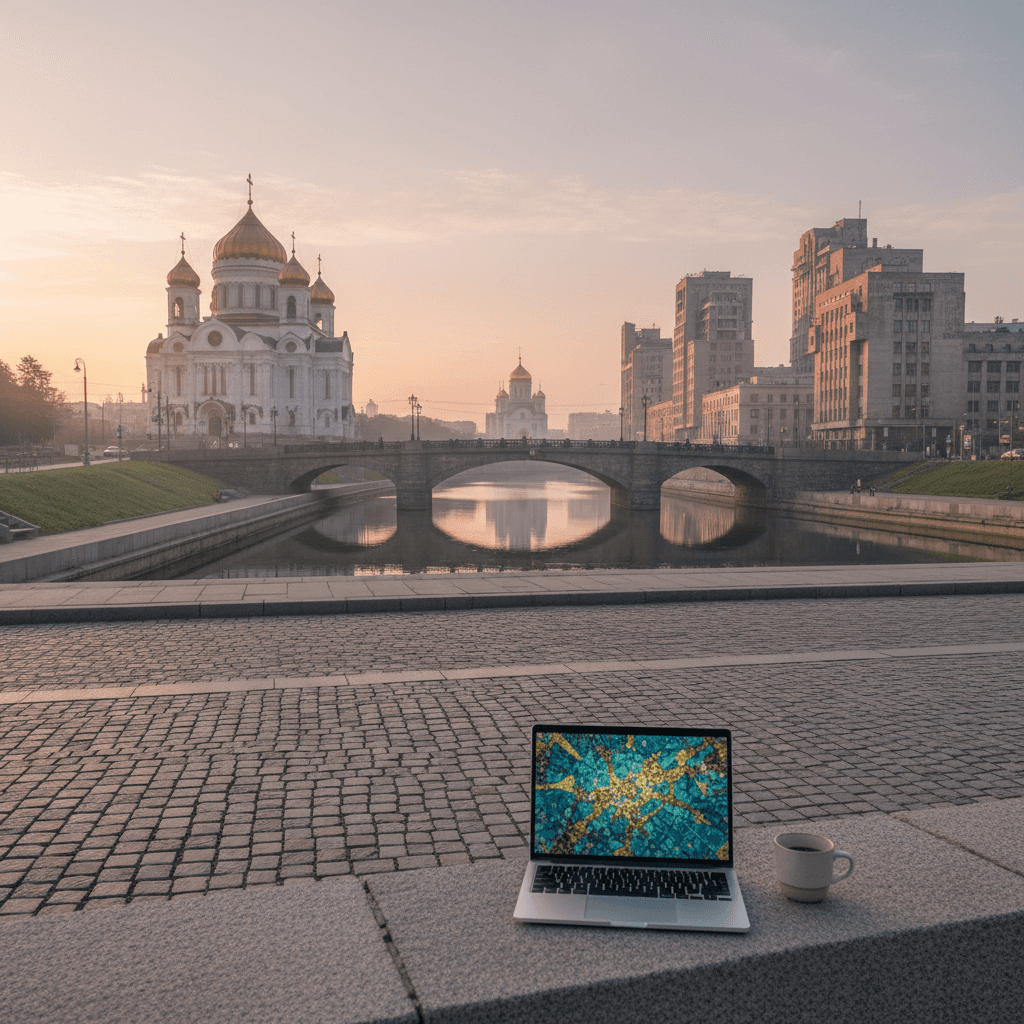
Yekaterinburg
🇷🇺 Russia
The Crossroads of Grit and Sophistication
Yekaterinburg is the kind of place that catches you off guard. Sitting right on the invisible border between Europe and Asia in the Ural Mountains, it doesn't try to mimic the imperial grandeur of St. Petersburg or the frantic pace of Moscow. Instead, you get a city defined by industrial resilience and a surprisingly sharp modern edge. It feels rugged yet intellectual, a place where Soviet-era factories sit next to gleaming glass skyscrapers and gold-domed Orthodox churches.
For nomads, the vibe is mid-tempo. It's a city that asks you to slow down and stay a while, especially when the long winters move the social scene indoors to cozy, high-design cafes. There’s a distinct "Ural spirit" here; locals might seem reserved at first, but once you break the ice, they're fiercely loyal and welcoming. You’re coming here for the low cost of living and the proximity to the wild Urals, but you’re staying for a tech-savvy urban culture that feels like a well-kept secret.
The Cost of Living Breakdown
Your money goes significantly further here than in Russia’s capital cities, often costing 30 to 50% less than Moscow. Most expats find they can live a very high-quality life for a fraction of what they’d spend in Western Europe.
- Budget Monthly ($500 / 50,000 RUB): You're likely sharing a flat in the center or living solo in a studio further out. You'll stick to public transport and enjoy plenty of street food like pirozhki for 100 to 200 RUB.
- Mid-range Monthly ($800 / 80,000 RUB): This gets you a solid one-bedroom apartment on the outskirts, regular meals at local pelmeni spots for 500 RUB, and a day pass at a coworking space when you need to focus.
- Comfortable Monthly ($1,200 / 120,000 RUB): You'll be living in a modern 1BR in the VIZ neighborhood, dining at upscale spots where a meal is 1,500 RUB, and keeping an unlimited coworking membership.
Where to Plant Your Flag
Choosing a neighborhood depends on whether you want the historic pulse of the city or a quiet escape near the pines.
- VIZ (Historic Center): This is the heartbeat of the city and the top choice for nomads. It's walkable, packed with cafes, and near the iconic Church on the Blood. You'll pay more for rent, but you save on transport.
- Yekaterinburg-City: If you want to feel like you're in a mini-Manhattan, this business district has the modern towers and the fastest internet. It's a bit sterile, but the coworking options are top-tier.
- Akademgorodok: A quieter, greener area popular with university types. It's very affordable and safe, though you’ll be relying on the bus or Yandex Go to get into the center for nightlife.
- Shartash: Best for those who want nature at their doorstep. It’s right by the lake, perfect for summer swims or winter hikes, though the infrastructure is a bit more basic.
The Digital Nomad Reality Check
The infrastructure is surprisingly robust, but there are hoops to jump through. Urban internet speeds hit 50 to 100 Mbps, making video calls a breeze. However, you absolutely need a reliable VPN to access many Western sites. For a dedicated desk, several coworking spaces in the center and the business district offer professional environments for remote work.
The biggest hurdle right now is the financial "fortress" around Russia. Western bank cards won't work. You’ll need to set up a local MIR card or use Tinkoff Bank, which is generally expat-friendly. Most nomads use crypto or local fintech workarounds to move funds. For daily life, the Yandex Go app is your best friend for everything from food delivery to cheap rides that usually cost around 200 RUB across town.
Survival Tips: Language and Weather
Don't expect much English once you leave the trendy coffee shops. Proficiency is around 20% in the center and drops fast. Download Yandex Translate; it handles Russian nuances much better than Google. Learning the Cyrillic alphabet and a few basics like "Spasibo" (thanks) will earn you massive respect from the locals.
Timing is everything. Summer (June to August) is glorious, with long days and temperatures around 24°C (75°F). Winter is a different beast entirely. From December to February, it often hits -20°C (-4°F). If you aren't a fan of heavy coats and frozen eyelashes, plan your stay for the warmer months. But if you do brave the cold, the sight of a snow-covered Plotinka park at night is something you won't forget.
The Cost of Living Reality
Living in the Urals offers a massive financial breather compared to the eye watering prices of Moscow. Most nomads find that their money goes about 30% to 50% further here, allowing for a lifestyle that feels surprisingly upscale on a modest budget. It is a city where you can live comfortably for under $1,200 a month without really trying to save.
The biggest hurdle right now is the banking situation. Since Western cards are blocked, you will need to get comfortable with MIR cards or Tinkoff accounts. Many expats use Yandex Pay for daily transactions or rely on crypto to move funds into the local economy. Once you have your local payment method sorted, the low cost of digital services and transport makes daily life incredibly smooth.
Monthly Budget Tiers
- Budget ($500 / 50,000 RUB): This covers a shared apartment or a modest studio in the outskirts, plenty of street food like pirozhki, and a monthly metro pass. You are living like a local student, but you will still have enough for a few beers in the VIZ district.
- Mid-range ($800 / 80,000 RUB): The sweet spot for most remote workers. You can afford a decent one bedroom apartment near the center, regular meals at spots like U Palycha, and a day pass at a coworking space a few times a week.
- Comfortable ($1,200 / 120,000 RUB): This buys a high end apartment in Yekaterinburg-City, unlimited coworking memberships, and frequent weekend trips into the mountains.
Housing and Neighborhoods
Rent is your biggest variable. Most travelers recommend using Avito.ru or Cian.ru to find deals, though you might need a Russian speaking friend to help with the initial outreach. Prices fluctuate based on how close you are to the metro line.
VIZ (Historic Center)
- Vibe: Walkable, historic, and packed with the city's best cafes.
- Rent: 25,000 to 40,000 RUB ($250 to $400) for a modern studio.
- Pros: You are near the Church on the Blood and the best nightlife.
Akademgorodok
- Vibe: Academic, green, and very quiet.
- Rent: 15,000 to 25,000 RUB ($150 to $250).
- Pros: Safe and affordable, though the commute to the center can be a drag.
Yekaterinburg-City
- Vibe: High rise, glass towers, and corporate energy.
- Rent: 45,000+ RUB ($450+).
- Pros: Best internet speeds and proximity to Workki or Regus Ural coworking spaces.
Daily Expenses
Food is where the city really shines for the budget conscious. A quick lunch of pelmeni will set you back about 500 to 800 RUB ($5 to $8), while a coffee in a nomad friendly cafe costs around 200 RUB ($2). If you are cooking at home, local markets are incredibly cheap for fresh produce and dairy.
Transport is almost a negligible expense. A monthly metro pass is only 1,500 RUB ($15), and Yandex Go rides across the city rarely exceed 300 RUB ($3). Even a trip from the SVX airport into town is a bargain at roughly 800 RUB ($8). For those working remotely, a high speed SIM card from MTS or Beeline with plenty of data costs about 300 RUB ($3) per month.
Health and Practicalities
Private healthcare is accessible and efficient; many expats recommend using a local clinic like SMT-Clinic for professional medical services. Just remember that a VPN is a non negotiable expense here if you want to access your usual social media or work tools, so factor that small monthly cost into your tech budget.
The Nomads: VIZ (Historic Center)
If you want to be where the action is, VIZ is the undisputed heavyweight. It is the city's historic heart, where the 18th-century industrial roots meet modern glass towers. Most nomads gravitate here because you can walk to almost everything. You are never more than a few minutes from a high-end coffee shop or the Church on the Blood, a major local landmark.
The vibe is a mix of European street life and Ural grit. You will find plenty of other remote workers at local coworking spaces in the center. Rent is higher here than elsewhere, usually between 25,000 and 40,000 RUB for a solid studio, but you save that money back by rarely needing a taxi.
- Rent: 25,000 to 40,000 RUB ($250 to $400)
- Best for: Walkability, cafe culture, and networking.
- The Downside: It gets loud on weekends and apartments move fast.
The Professionals: Yekaterinburg-City
This is the shiny, vertical version of the city. Located just northwest of the center, this business district is defined by sleek skyscrapers and the Yeltsin Center. It is the place to be if you need ultra-reliable fiber optic internet and a corporate environment.
Expats working in tech or finance often land here because the buildings are brand new and many have gyms and grocery stores built right into the ground floor. It feels more like a modern European capital than the rest of the Urals. Just keep in mind that the prices for a meal at local upscale spots will run you 1,500 RUB or more, which is double the local average.
- Rent: 40,000 to 60,000 RUB ($400 to $600)
- Best for: High-speed internet, modern amenities, and business proximity.
- The Downside: Can feel a bit sterile and pricey compared to local neighborhoods.
The Families and Long-Termers: Akademgorodok
For those staying a while or traveling with a crew, Akademgorodok offers a breath of fresh air. It was originally built for researchers and academics, so the neighborhood is remarkably green and quiet. The streets are wider, the parks are cleaner, and it lacks the frantic energy of the central districts.
Prices here are a bargain. You can snag a spacious two-bedroom apartment for the same price as a cramped studio in VIZ. While it is farther from the nightlife, the Yandex Go app makes the 20-minute trip to the center affordable, usually costing about 300 RUB. It is a safe, residential bubble that feels very "local."
- Rent: 20,000 to 30,000 RUB ($200 to $300)
- Best for: Quiet nights, safety, and budget-friendly long stays.
- The Downside: You will need to commute for coworking spaces and bars.
The Solo Adventurers: Shartash (Lakeside)
If you are the type of traveler who works all morning and wants to be on a hiking trail by 2:00 PM, look toward the Shartash area. It is situated right on the edge of a massive lake and forest park. It is essentially the city's backyard. You will find runners, cyclists, and people grilling shashlik here year-round.
Living here is cheap, but the infrastructure is more basic. You won't find many fancy coworking spaces, so you will be relying on your home WiFi or a mobile hotspot from MTS. It is perfect for solo travelers who prioritize nature over the "big city" feel but still want to be within a 15-minute tram ride of a grocery store.
- Rent: 15,000 to 25,000 RUB ($150 to $250)
- Best for: Nature access, hiking, and very low cost of living.
- The Downside: Limited English speakers and fewer modern cafes.
Staying Connected in the Urals
Internet in Yekaterinburg is surprisingly snappy. You can expect urban speeds to hover between 50 and 100 Mbps, and most cafes or public spaces offer free, reliable connections. However, the elephant in the room is the digital wall. Because of ongoing sanctions, you will need a solid VPN to access common Western sites like Instagram, Facebook, or LinkedIn. Most nomads here set up their VPN before arrival to avoid any setup headaches on the ground.
For mobile data, grab a SIM card as soon as you land at Koltsovo (SVX) or head to a shop in the center. MTS and Beeline are the heavy hitters here. You can get 20GB of data for about 300 RUB ($3). Since foreign credit cards are generally blocked, you will likely need to top up your balance using cash at a terminal or via Yandex Pay if you have managed to set up a local account.
Top Coworking Spaces
If your apartment WiFi feels a bit isolating during those long Ural winters, the city has professional hubs that feel very modern. These spaces are often located in the high rise business districts where the internet is most stable.
- Names: A popular local chain that offers a community focused vibe. It is a good place to meet local tech entrepreneurs and designers who are active in the city's emerging startup scene.
The Cafe Office Culture
Yekaterinburg has a robust coffee culture, and many locals spend hours working from laptops in the VIZ neighborhood. Unlike some European cities where you might get the side eye for staying too long, many cafes here are happy to let you linger over a single drink. Just look for the "free WiFi" stickers in the window.
Expats often recommend places like Engels Coffee for their breakfast and work friendly tables. If you need to be productive while eating, the local pelmeni spots are great for a quick lunch, but for a full afternoon of deep work, stick to the dedicated specialty coffee shops or the modern libraries in the Yeltsin Center.
Fintech and Payments
Managing your money is the biggest hurdle for nomads in 2026. Since Visa and Mastercard issued outside Russia won't work, you'll need to adapt. Many travelers use crypto or local MIR cards to handle their daily expenses. Tinkoff Bank has historically been the most expat friendly option, often allowing you to open an account with just a foreign passport. Once you have a local card, apps like Yandex Go for rides and Yandex Food for deliveries become seamless, making the digital nomad lifestyle here much more comfortable.
Coworking Cost Breakdown
- Day Pass: 500 to 800 RUB ($5 to $8)
- Monthly Hot Desk: 10,000 to 15,000 RUB ($100 to $150)
- Specialty Coffee: 200 to 350 RUB ($2 to $3.50)
- Mobile Data (20GB): 300 RUB ($3)
Keeping Your Cool in the Urals
Yekaterinburg is generally a safe place for digital nomads, often feeling more relaxed than the frantic pace of Moscow. Violent crime is rare in the center, and you can walk through the VIZ district or along the Plotinka late at night without looking over your shoulder. That said, the northern industrial outskirts can get a bit sketchy after dark; petty theft happens there occasionally, so it's better to stick to the well lit central streets or use Yandex Go for a cheap ride home.
The biggest safety hurdle isn't crime, it's the environment. Winters are brutal, with temperatures regularly hitting -20°C (-4°F). Locals are resilient, but if you aren't dressed in proper layers, the cold becomes a genuine health risk. Most travelers also recommend watching your step on the sidewalks during the spring thaw, as ice patches and falling icicles from older buildings are common hazards.
Healthcare and Hospitals
If you need medical attention, the quality of care is high, but the language barrier is a real thing. Public facilities like Oblast Clinical Hospital #1 have excellent doctors for emergencies, though you'll likely need a translation app or a Russian speaking friend to get through the paperwork. For anything non-urgent, most expats head straight to private clinics like Meditsina. These centers usually have English speaking staff and offer a much smoother experience for about 3,000 to 5,000 RUB per consultation.
Pharmacies are on almost every corner and are easy to spot by the green glowing crosses. You can use the Apteka.ru app to check stock or prices before you go. While many basic medications are available over the counter, it's smart to bring a supply of your specific prescriptions, as brand names often differ in Russia.
Insurance and Emergencies
Having health insurance isn't just a suggestion; it's a mandatory requirement for your visa. Make sure your policy specifically covers the current sanctions era environment to avoid any payment headaches at the hospital. If things go sideways, the number to dial is 112. This works for fire, police, and medical emergencies, and they usually have operators who can handle basic English requests.
- Emergency Services: Dial 112
- Private Consultation: 3,000 to 5,000 RUB
- Top Private Clinic: Meditsina
- Best Public Hospital: Oblast Clinical Hospital #1
Practical Wellbeing Tips
Digital nomads here often mention that "Siberian ruggedness" is a lifestyle. To stay healthy, locals swear by the banya (steam sauna) to boost the immune system during the long winters. It's a huge part of the social fabric and a great way to beat the seasonal blues. Also, while tap water is technically treated, most people use filtered or bottled water for drinking to avoid the heavy mineral content common in Ural pipes.
Banking is the final piece of the safety puzzle. Since Western cards are blocked, you'll need to set up a Tinkoff or MIR card once you arrive. Staying "safe" financially means carrying some cash in RUB as a backup and using Yandex Pay for your daily digital transactions. Most nomads find that once these logistics are settled, the city feels incredibly stable and predictable.
Getting Around the City
Yekaterinburg is surprisingly compact for a city of nearly 1.5 million people. If you're staying in the VIZ district or the historic center, you'll find that your own two feet are often the best way to get from a morning coffee at a local bakery to an afternoon session at Workki. The city center is built around the Plotinka dam, and the grid-like streets make it hard to get truly lost.
When the weather turns or you need to cross the Iset River, the public transport system is a reliable, no-frills workhorse. The metro is the pride of the city; even though it only has one line, it’s spotlessly clean, efficient, and features some impressive Soviet-era architecture. A single ride or a monthly pass for about 1,500 RUB will get you across the north-south axis of the city in minutes. Most stations offer free WiFi, which is a lifesaver if you haven't sorted your local SIM card yet.
Trams and buses fill the gaps where the metro doesn't reach. They're frequent but can get packed during the 6:00 PM rush. If you're heading out to Akademgorodok or the Shartash lake area, look for the orange trams. They're a bit slower, but they give you a great view of the changing architecture as you move from the imperial center to the industrial outskirts.
Ride-Hailing and Apps
You won't find Uber here in its Western form. Instead, download Yandex Go before you arrive. It’s the undisputed king of local transport. A typical ten-minute ride across the center usually costs around 200 RUB. During the brutal winter months when temperatures hit -20°C, these cars become your mobile sanctuary. You can toggle between "Economy" for a quick lift or "Comfort+" if you want a newer car and a driver who might speak a few words of English.
For those visiting during the mild summer months between June and August, electric scooters are everywhere. Apps like Whoosh or Urent allow you to unlock a scooter for about 10 RUB per minute. It’s a fantastic way to zip along the river embankment, though you should keep an eye out for uneven pavement once you leave the main pedestrian zones.
Arrival and Regional Travel
Getting into the city from Koltsovo Airport (SVX) is straightforward. While there is an Aeroexpress train, most nomads opt for a Yandex Go car. It’s a 20-minute drive that will set you back between 500 and 800 RUB, depending on the time of day. It’s much more convenient than lugging bags through the train station, especially if you’re arriving on a late-night flight.
If you’re planning to explore the Ural Mountains for a weekend hike or a visit to the Ganina Yama monastery, the bus system is your best bet. The Northern and Southern bus stations connect Yekaterinburg to smaller mountain towns. For domestic flights to Moscow or beyond, use Aviasales to book tickets, as it often finds local deals that Western aggregators miss.
Transport Quick Facts
- Metro/Tram Monthly Pass: 1,500 RUB
- Average Yandex Go Ride: 200 to 300 RUB
- Airport Transfer: 500 to 800 RUB
- Scooter Rental: ~10 RUB per minute
- Top App: Yandex Go (essential for cars and routes)
The Language Gap
In Yekaterinburg, Russian is the undisputed king. While you might find English speakers in Moscow or St. Petersburg, the Urals are a bit different. About 20% to 30% of people in the city center have a basic grasp of English, but that number drops fast once you head into the residential neighborhoods. You'll find the younger crowd in specialty coffee shops or tech hubs like Yekaterinburg-City are usually your best bet for a conversation in English.
Most nomads find that learning the Cyrillic alphabet is a weekend project that pays off immediately. Being able to read signs for the Metro or identify pelmeni on a menu makes life much smoother. Locals are generally resilient and direct; they might not smile at you on the street, but they're often incredibly helpful once you break the ice with a few words of Russian. Travelers often say that even a butchered "Privet" (hello) or "Spasibo" (thanks) goes a long way in opening doors.
Essential Digital Tools
Don't rely on the apps you use back home. Yandex Translate is the gold standard here. It handles the nuances of Russian much better than Google and has a solid offline mode for when you're exploring the Ural mountains. The camera translation feature is a lifesaver for reading labels at the grocery store or deciphering official documents.
- Yandex Translate: Better for local slang and technical terms.
- Telegram: This is where all the local communication happens. Join "Expats Yekaterinburg" groups to find meetups or apartment leads.
- VK (Vkontakte): Useful for finding local events and smaller business pages that don't have websites.
Communication Survival Kit
If you're staying for more than a few days, grab a local SIM card immediately. You can find MTS or Beeline kiosks at Koltsovo Airport (SVX) or in any mall. A plan with 20GB of data usually costs around 400-600 RUB. Since Western credit cards are currently blocked, you'll want to set up Yandex Pay or use a local MIR card to top up your balance. Most expats recommend Tinkoff Bank if you can get a local account, as their English app interface is excellent.
Key Phrases for the Urals
You don't need to be fluent, but having these phrases in your back pocket will save you a lot of gesturing at the market:
- Zdravstvuyte: A formal "hello" that works everywhere.
- Skolko stoit?: "How much does it cost?" Boldly use this at the Shartash lakeside stalls.
- Ya ne govoryu po-russki: "I don't speak Russian." A polite way to signal you need a translation app.
- Gde tualet?: "Where is the bathroom?" Always practical.
- Karta ili nalichnye?: "Card or cash?" Essential for small shops in VIZ.
Social Nuances
Communication isn't just about words. In the Urals, people value "dusha" or soul. Conversations over tea or vodka can go deep very quickly. When you're invited into a home, remember to remove your shoes at the door; it's a strict rule in Russian households. If you're working from a coworking space, don't be afraid to ask someone for help with a Russian website. Most locals are proud of their city and are happy to share recommendations for a 10% tip at local spots.
The Seasonal Shift
Yekaterinburg is a city of extremes, and your experience here will be entirely dictated by the thermometer. Because it sits right on the edge of the Ural Mountains, the weather is classic continental: bone-chilling, snowy winters and surprisingly lush, mild summers. Most nomads find that the city transforms into two completely different places depending on the month.
If you aren't a fan of the cold, aim for the window between June and August. This is when the city truly wakes up. Temperatures hover around a comfortable 20°C to 25°C (68°F to 77°F), making it perfect for working from a cafe terrace in the VIZ district or taking a laptop to Plotinka Park. The days are incredibly long, giving you plenty of light for post-work hikes in the Urals or a quick trip to Lake Shartash.
Surviving the Ural Winter
From November through March, the city is draped in snow. It's beautiful, but it's a test of resilience. Travelers often say the dry cold is easier to handle than the damp winters of St. Petersburg, but you're still looking at averages between -10°C and -20°C (14°F to -4°F). In January, it's not uncommon for the mercury to dip even lower.
Expats recommend leaning into the indoor culture during these months. This is the time to hunker down at local coworking hubs and modern office centers, where the heating is aggressive and the coffee is hot. Social life moves to the banyas (traditional saunas) and underground bars. If you can handle the dark, the costs are even lower, and the city feels cozy in a rugged, Siberian way.
Peak Times and Shoulder Seasons
The shoulder seasons are short and unpredictable. May and September can be pleasant, but you might get a random snowstorm one day and a heatwave the next. July is the rainiest month, seeing about 60mm of rainfall, so pack a light waterproof jacket if you're visiting during the peak of summer.
- Best for Outdoor Lovers: July. It's the warmest month with an average high of 24°C (75°F).
- Best for Budget Travelers: February. While it's the coldest, flight and accommodation prices often hit their lowest point.
- What to Avoid: Late March and early April. This is "rasputitsa" season, where the melting snow turns the city into a slushy, muddy mess that makes walking a chore.
At a Glance: Monthly Averages
To help you pack, here is what you can expect from the two main seasonal peaks in the Urals:
Winter (January)
- Average High: -10°C (14°F)
- Average Low: -18°C (0°F)
- Atmosphere: Heavy snow, frozen lakes, and short days.
Summer (July)
- Average High: 24°C (75°F)
- Average Low: 14°C (57°F)
- Atmosphere: Green parks, active street life, and frequent light rain.
Most digital nomads agree that August is the sweet spot. The humidity of July has faded, the "white nights" effect still lingers slightly, and the surrounding mountains are at their most accessible for weekend trips before the first frost hits in September.
The Local Vibe and Infrastructure
Yekaterinburg is where the industrial heart of the Urals meets a surprisingly polished tech scene. It feels more grounded than Moscow, with a pace that lets you actually breathe between Zoom calls. For nomads, the real draw is the cost to quality ratio. You are getting a major metropolitan experience with high speed internet and a deep cafe culture at a fraction of the price of Western Europe.
The city operates on a mid tempo rhythm. Winters are undeniably brutal, often hitting -20°C, which shifts the entire social scene indoors to cozy coffee shops and banya complexes. When summer hits in June through August, the city transforms. Everyone heads to the Plotinka area or escapes to the nearby Ural mountains for weekend hikes. It is a resilient, gritty place that rewards those who stay long enough to scratch the surface.
Cost of Living Breakdown
Your money goes significantly further here than in Russia's capital cities. Most expats find they can live a very comfortable lifestyle for about $1,200 a month, while those on a tighter budget can get by on $500 if they share housing and stick to local markets.
- Budget ($500/month): Living in a shared apartment or a studio in the outskirts, eating street food like 100 RUB blinis, and using the metro exclusively.
- Mid-range ($800/month): A private 1BR outside the immediate center, frequenting mid range spots like U Palycha for 600 RUB meals, and using coworking day passes.
- Comfortable ($1,200/month): A modern 1BR in the VIZ district, dining at upscale spots like Laeda, daily Yandex Go rides, and a full time coworking membership.
Where to Set Up Base
Choosing the right neighborhood defines your experience. Most remote workers gravitate toward the center, but there are specialized pockets depending on what you need.
VIZ (Historic Center)
- Rent: 25,000 to 40,000 RUB ($250 to $400)
- Vibe: Walkable, packed with historical landmarks like the Church on the Blood, and home to the best third wave coffee shops. It is the most expensive area but worth it for the convenience.
Yekaterinburg-City
- Rent: 45,000+ RUB ($450+)
- Vibe: The gleaming business district. It is full of glass towers and feels a bit sterile, but it puts you right next to premium coworking spaces and high end gyms.
Akademgorodok
- Rent: 15,000 to 25,000 RUB ($150 to $250)
- Vibe: A quiet, green academic hub. It is great for families or solo travelers who want peace and lower rent, though you will spend more time on the bus getting to the nightlife.
Connectivity and Workspace
Internet is rarely an issue here. You can expect speeds between 50 and 100 Mbps in most apartments and cafes. However, you must have a reliable VPN set up before you arrive to access many international sites and social media platforms. For a dedicated desk, Workki in the city center is the top choice for nomads, charging about 10,000 RUB per month. Regus Ural is another solid, more corporate option in the business district for around 12,000 RUB.
For mobile data, grab an MTS or Beeline SIM at Koltsovo Airport (SVX). It costs roughly 300 RUB for a 20GB plan. You can top these up easily using the Yandex Pay app, which often works where foreign banking apps fail.
Navigation and Logistics
The public transport system is excellent. The metro and trams are clean and efficient, with a monthly pass costing only 1,500 RUB. For everything else, download Yandex Go. It is the local equivalent of Uber and a ride across town rarely tops 200 RUB. If you are feeling brave in the summer, Whoosh and Urent offer electric scooters for about 10 RUB per minute.
Banking is the biggest hurdle due to current sanctions. Western credit and debit cards generally do not work. You will need to use MIR, a local card, or deal in cash and crypto. Many expats find success opening an account with Tinkoff Bank, which is usually friendly to foreigners with a valid passport and registration.
Health and Language
While English proficiency is low, hovering around 20 to 30 percent in the city center, locals are generally helpful if you use Yandex Translate. It handles Russian nuances much better than Google. For healthcare, Oblast Clinical Hospital #1 is the standard for emergencies, but the private Meditsina clinic is a better bet for expats as you are more likely to find English speaking staff.
A few quick tips for social etiquette: always remove your shoes when entering someone's home, and try to learn the Cyrillic alphabet before you land. It makes navigating the metro signs significantly less stressful. When dining out, a 10 percent tip is the standard for good service.
Need visa and immigration info for Russia?
🇷🇺 View Russia Country GuideEasy Landing
Settle in, no stress