Weligama
🇱🇰 Sri Lanka
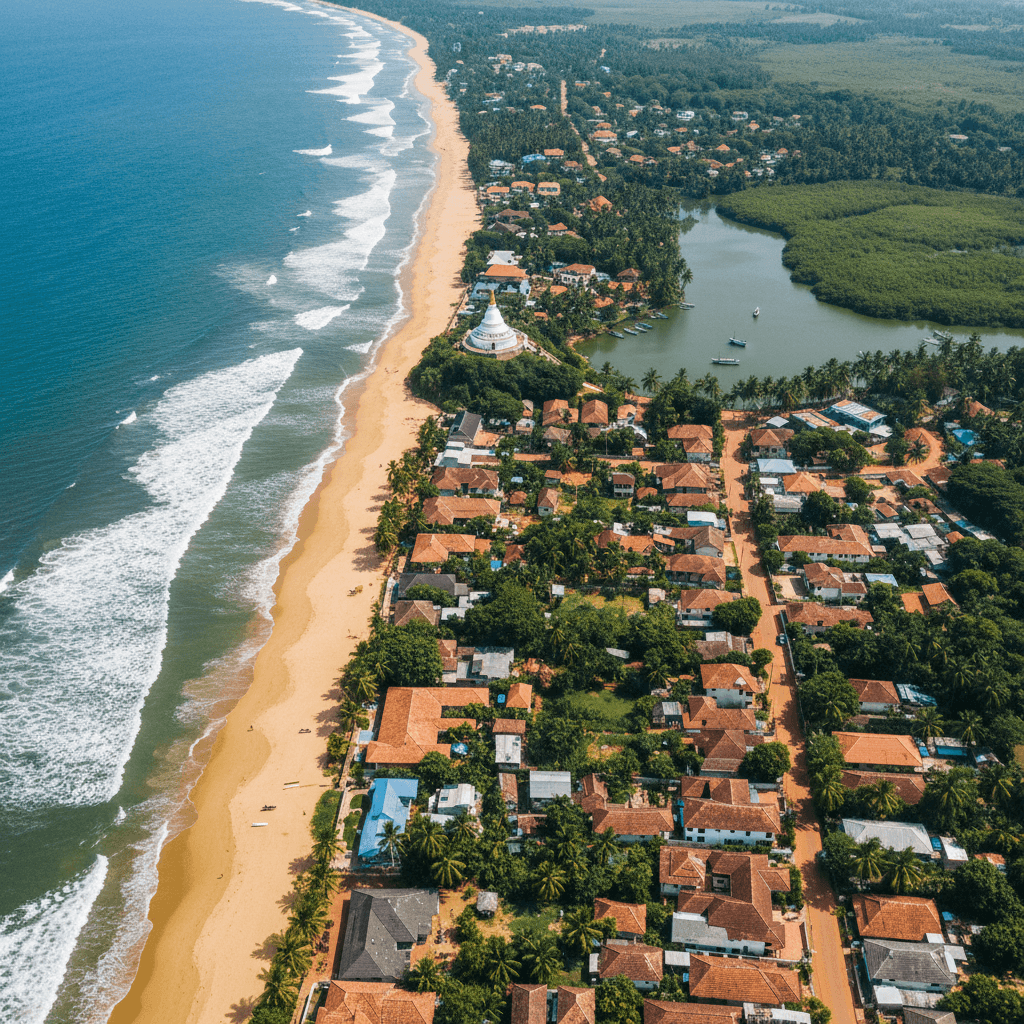
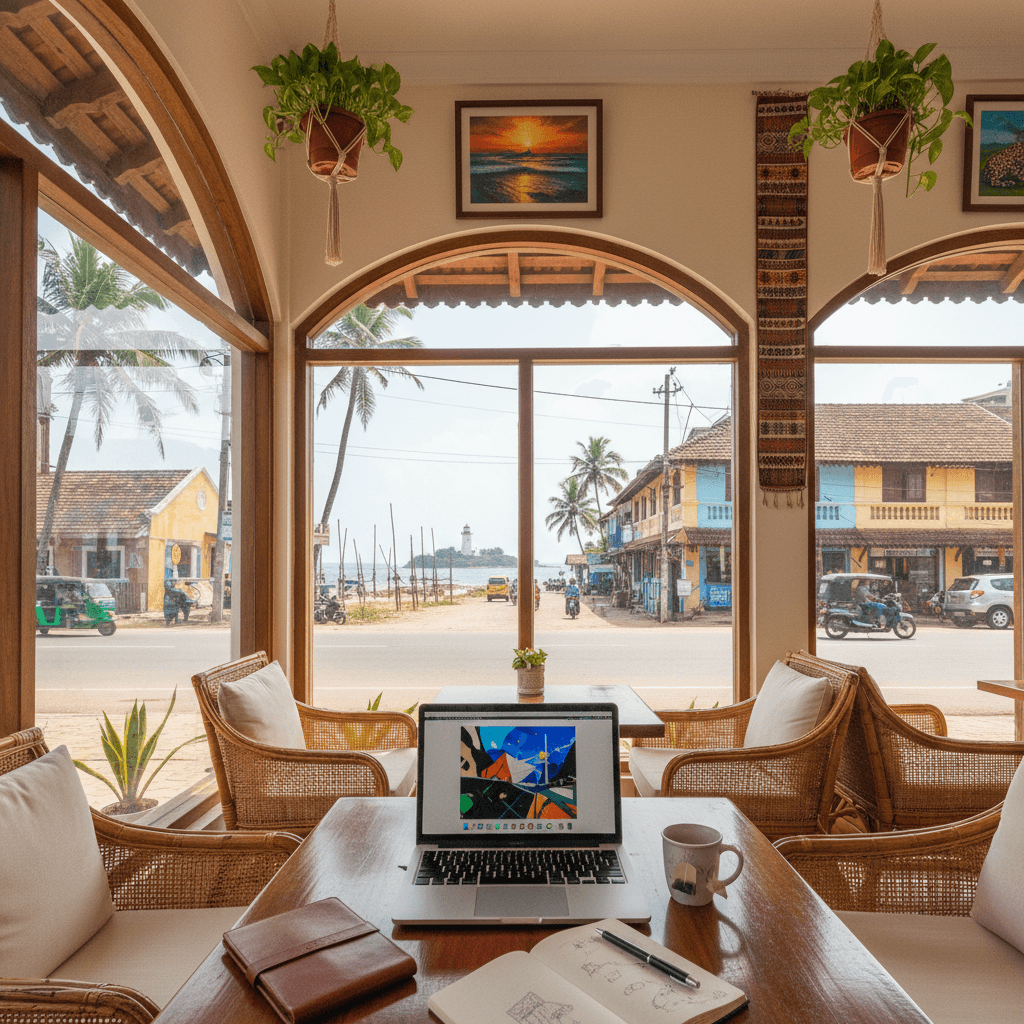
Weligama feels like a surf town that accidentally became a nomad hub and that mix is the whole appeal. You get fishing boats, salt air, scooter noise, and, honestly, a lot of laptop bags on the same strip, especially around Weligama Bay where the waves are forgiving and the cafés know what a flat white is.
The vibe is relaxed but social. Days usually slide between surf, work, then another coffee and there’s enough international traffic, Australians, Europeans, Brazilians, to keep conversations easy without turning the place into a sterile expat bubble. High season gets crowded fast, though and the beach road can feel cramped, loud and a bit messy when the tuk-tuks start beeping and the humidity sticks to your skin.
Who likes it: solo nomads, beginner surfers and people who want beach life without paying Mirissa prices.
Who gets annoyed: anyone who needs perfect WiFi everywhere, quiet nights or a polished town center.
Where it fits best
- Weligama Bay: Best all-round base, with surf schools, beach cafés and the biggest nomad crowd.
- Ahangama: Quieter and more settled, with a stronger long-stay expat feel, honestly better if you don’t want the main strip chaos.
- Mirissa: Prettier in parts and more polished, but pricier and more touristy.
The work setup is decent if you stick to the right places, because the reliable options, like Plan B and Outpost, have proper fiber, backup power and a steady crowd of people who actually work. Outside those spots, WiFi can be patchy, power cuts still happen and weirdly, the cheapest guesthouses sometimes promise “fast internet” and deliver a spinning wheel.
Money goes further here than in a lot of beach towns. A single nomad can live around $600 to $1,000 a month, depending on rent, how often you eat seafood curries on the strip and whether you’re paying for coworking or just parking yourself in cafés all day. That’s the draw, cheap enough to stay a while, social enough that you won’t feel stranded.
What it feels like day to day
- Morning: Surf, scooters, roosters and the smell of strong tea and frying roti.
- Afternoon: Hot, bright, sometimes dead calm, with ceiling fans barely moving the air.
- Evening: Beach bars, live music and a slower, slightly sandy social scene.
It’s not a nightlife town and that’s the point. If you want club energy, go somewhere else, because Weligama’s real rhythm is work, wave, eat, repeat, with whale trips, Galle runs and long beach walks filling the gaps.
Weligama isn’t cheap in the way a local town is cheap, but it’s still one of the easier south coast bases for nomads who want beach life without torching their budget. A decent month here usually lands between $600 and $1,000+ and that spread mostly comes down to rent, how often you eat out and whether you pay for proper coworking or just hope the cafe WiFi behaves.
Budget living works if you keep things simple, honestly. Think guesthouse rooms near Ahangama or the quieter edges of Weligama, street kottu for 500 rupees, groceries from small shops and tuk-tuks only when the heat is beating down and your legs are done.
What Monthly Life Usually Costs
- Rent: Around $300 for a basic room or guesthouse bed, $400 to $500 for a better one-bedroom near Weligama Bay.
- Food: Street meals can be about $1.50, while a nicer dinner for two can run around $18, which, surprisingly, still feels manageable if you’re not eating seafood every night.
- Transport: PickMe tuk-tuks and short hops usually stay near $40 a month if you walk a lot, scooters push that higher and fuel isn’t the bargain people imagine once you start riding daily.
- Coworking: Cafe day passes start around $5 to $8, Plan B is about $80 a month and Outpost around $90 to $150 depending on plan.
The cheap end is fine if you’re flexible, the mid-range is where most nomads settle and the comfortable tier means you’re paying for cleaner aircon, better WiFi and fewer daily annoyances. Weligama Bay is usually the sweet spot, though December through February gets noisy, crowded and a bit annoying when scooters honk outside and the beach strip fills up.
Where the Money Goes
- Weligama Bay: Best for surf and social life, but peak-season prices climb fast.
- Ahangama: Quieter, often cheaper, with a stronger long-stay crowd.
- Mirissa: Lovely for whale trips and sunset drinks, but you’ll pay more for the convenience.
WiFi is the real wildcard and frankly, it’s where people get grumpy. Plan B and Outpost are worth paying for if your work matters, because random cafe internet can dip when the power blips, the rain starts hammering the tin roof or the place fills with laptop people and Bluetooth headphones.
So yes, Weligama can be done on a tight budget, but the sweet spot for most long-stayers is around $800 a month. That buys a livable room, decent meals, scooter days when you need them and enough reliability to work without constantly muttering at the router.
Nomads
For most remote workers, Weligama Bay is the move. You can roll out of bed, grab a flat white at Plan B, hear scooters whining past the main road, then be in the water before the heat turns the whole strip sticky and annoying.
It’s social without trying too hard, which, surprisingly, matters here. Expect beach cafes, guesthouses and a lot of other laptop people, but also noise, packed sidewalks in high season and WiFi that can be excellent one hour and frustrating the next if you’re outside the coworking spots.
- Rent: about $400 to $500 for a decent 1BR or studio
- Work setup: Plan B, Outpost, Nomad Cafe
- Best for: people who want surf before Slack
Expats
Ahangama is where a lot of long-stay expats end up and honestly, it makes sense. It’s calmer than the main Weligama strip, the community’s more established and you’re close enough to surf, coworking and beach bars without living in the middle of the tourist churn.
The trade-off is that it feels a bit more spread out, so you’ll likely want a scooter and the beach access isn’t as immediate as Weligama Bay. Still, if you hate constant honking, sunburned day-trippers and the feeling of being on display, Ahangama is the saner pick.
- Rent: around $300 to $600 depending on season and location
- Vibe: quieter, more settled, less chaotic
- Downside: you’ll rely on transport more often
Families
Mirissa works better for families than the surf-heavy parts of Weligama, because the crescent bay feels a bit softer and the accommodation skews more resort-like. You’ll still get tuk-tuks buzzing, fruit sellers calling out and the smell of grilled seafood drifting in from the road, but the pace is gentler.
It’s pricier, no surprise there and peak season can get annoyingly touristy, yet families usually prefer that trade for easier beach days and whale-watching trips out of town. If you want quiet mornings, reliable meals and less chaos than the Weligama main strip, this is the safer bet.
- Rent: often $500 to $600+ for nicer stays
- Best for: beach time, relaxed meals, day trips
- Watch out: higher prices in Dec to Feb
Solo Travelers
Hiriketiya is the pick for solo travelers who want a smaller, tighter scene. It’s farther out, so you won’t have the same easy access to Weligama’s coworking density, but the cove is lovely, the cafes are growing and the whole place has that barefoot, late-breakfast energy.
It’s not for everyone. Nightlife is limited, transport takes a bit more planning and if you want a busy social circuit with constant meetups, Weligama Bay still wins, but Hiriketiya feels easier if you like quiet mornings, warm rain on tin roofs and a neighborhood that doesn’t try so hard.
- Rent: usually $300 to $500 for simple stays
- Best for: solo surf, slow days, smaller community
- Downside: more remote, less coworking choice
Weligama’s internet is decent, then maddeningly patchy the minute you leave a proper coworking space. In the surf cafes along the main bay, you might get lucky with fiber, but plenty of guesthouses still wobble along on weak routers and a power cut can kill your afternoon in one lazy blink, fans dying, espresso machines hissing out, phones hunting for signal.
If you need to work like a grown-up, skip the guesswork. The best spots have backup power, stable fiber and enough air-con to stop your laptop from sweating through the table.
Best Coworking Spots
- Plan B Weligama: Around 600 Mbps fiber, generator backup and the most reliable all-day setup in town, with day passes around $8 to $12 and monthly access roughly $80 to $120.
- Outpost Weligama: About 300 Mbps, a coliving pool and a strong social scene, though it leans pricier at roughly $15 per day or $150 a month.
- Nomad Café: Cheaper, relaxed and usually fine for lighter work, plus it stays open 24/7 for guests, which, surprisingly, matters when deadlines run late.
- Pasijou: Good budget pick with garden vibes and day passes around $5 or monthly plans in the $60 to $90 range. Focus Hub in nearby Ahangama offers similar.
Plan B is the safest bet, honestly. Outpost is better if you want built-in community and don’t mind paying more for the pool, events and the sort of networking that happens barefoot over coffee, surf wax and loud WhatsApp chatter.
Internet Setup
- Best backup: A local SIM from Dialog or Mobitel, with simple data bundles around 1,300 rupees a month for basic backup.
- Useful app: PickMe, because you can book tuk-tuks and top up data without standing around in the heat.
- Reality check: If your work depends on flawless connectivity, get a coworking membership. Cafes alone can be flaky, especially outside the main strip.
The air around Weligama Bay smells like salt, frying oil and scooter exhaust and the WiFi often feels as unreliable as the traffic noise outside. Still, if you pick the right place, the setup works and most nomads do fine with one serious coworking pass plus a local SIM.
Don’t wing it. That’s the real cost.
Safety & Healthcare
Weligama feels pretty safe, honestly, especially around the main beach strip and the busy cafe road. Petty theft happens, though, so don’t leave a phone on a scooter seat or a bag dangling off a beach chair while you swim, because opportunists do watch the crowds.
Nighttime is different. Stay off isolated stretches of beach after dark, take a tuk-tuk if the lanes feel empty and trust your gut when a road goes quiet except for the hiss of waves and the odd moped cutting through the humidity.
HealthAid Hospital in Weligama (Pelena) offers 24/7 emergency and outpatient care for the stuff that can’t wait. For anything serious, people usually get sent on to Colombo, which, surprisingly, means a three-hour slog if traffic behaves.
Pharmacies are easy to find on the main strip, so basic meds, bandages and diarrhea fixes aren’t hard to sort out. Still, bring your own travel insurance and don’t assume every clinic will speak perfect English when you’re tired, sweaty and trying to explain a fever.
What to do if you get sick
- Water: Drink bottled water, not tap water, because stomach bugs are a miserable way to spend a surf week.
- Dengue: Use repellent in monsoon season, especially after rain, when the mosquitoes come out fast and mean.
- Clinic: For fevers, cuts or infections, head to HealthAid first, then escalate if they tell you to.
- Emergency: For serious trauma, expect transfer to Colombo and frankly, don’t wait around hoping it’ll pass.
The health routine here is simple, but it isn’t glamorous. You’ll hear tuk-tuks rattling past, smell frying oil from a roadside kottu cart, then feel the cold shock of clinic tile under bare feet while the AC fights the heat outside.
Most nomads get by fine with a sensible routine, bottled water and a decent first-aid kit. If you’re the type who ignores mosquito bites and keeps surfing through a fever, Weligama will punish you for it, weirdly fast.
Getting Around
Weligama’s main strip is easy to cover on foot, especially if you’re staying near the beach road, Plan B or the cafe clusters around the bypass. The heat hits fast, though and the scooter noise, tuk-tuk horns and salt air can get tiring by midday, so most nomads end up mixing walking with short rides.
Walk: Best for the bay and main beach road, but sidewalks are patchy and puddles linger after rain. It’s cheap. PickMe: The app is the easiest way to grab a tuk-tuk for short hops and a quick ride often runs about $1 to $3, which, surprisingly, feels fair once you’re standing in the humidity waiting roadside.
Scooters and bikes
- Scooter rental: $5 to $8 a day and that’s the move if you’re hopping between Weligama, Ahangama and Mirissa.
- Bikes: Available less often, better for very short trips, but the hills, traffic and heat make them a sweaty choice.
- Fuel: Cheap enough for local use, though traffic around peak surf hours can turn a 10-minute run into a slow crawl.
If you’re staying a month or more, a scooter usually makes life easier, honestly. You can grab groceries, surf checks, coworking days and sunset drinks without waiting around for a driver and you won’t be stuck when the rain starts hammering the tin roofs.
Public transport
Buses run along the coast and between Colombo, Galle and Weligama, but they’re crowded, noisy and not built for luggage or laptop bags. Trains are a nicer option for longer hauls, though you’ll usually need a tuk-tuk on either end, because the station isn’t always where you want it to be.
- Colombo bus: Roughly 3 to 4 hours, depending on traffic and how many roadside stops the driver decides to make.
- Train via Galle: Slower, but more comfortable if you’re not in a rush.
- Airport transfer: A taxi from CMB usually costs $60 to $80, while shared shuttles can land closer to $20 to $30.
Local realities
For most daily movement, PickMe and scooters win, full stop. Evening rides can be trickier after beach bars spill out and some drivers won’t want to go far for a tiny fare, so it helps to keep small cash on hand and expect a bit of haggling if the app’s dead.
Weligama isn’t a place where you need a car and frankly, that’s part of the appeal. Keep your trips short, avoid night rides on empty roads and treat the main coast road like what it's, a loud, dusty ribbon of surf towns stitched together by tuk-tuks and impatience.
Weligama runs on Sinhala and Tamil, but English gets you pretty far in the places nomads actually use, cafes, surf schools, guesthouses, scooter shops. Staff in the main strip usually switch without fuss, though outside that bubble you’ll hear more local language, plus the clipped, fast back-and-forth that comes with Sri Lankan service culture.
Don’t expect every conversation to be smooth. In busy spots there’s honking, scooter engines, plastic chairs scraping concrete and that humid beach smell of salt, sunscreen, fried snacks and diesel, so if someone doesn’t catch your question the first time, they probably just didn’t hear you.
What works well
- English: Strong in Weligama Bay, Plan B, Outpost, surf schools and most tourist-facing businesses.
- Written communication: Many places message on WhatsApp, Instagram or Facebook and that’s often faster than calling.
- Google Translate: Handy for menus, pharmacy labels and tuk-tuk conversations when the driver’s English is thin.
- Apps: PickMe helps with transport and, weirdly, some drivers use it as a chat workaround too.
Learn a few local words and people warm up fast. Ayubowan works as hello, Kohomada? means how are you and Istuti gets you thank you without sounding like a clueless tourist, which, surprisingly, still matters in a place where regulars remember faces.
Speak clearly, keep your sentences short and don’t ramble. The usual problem isn’t attitude, it’s noise, speed and accents, so if you need WiFi details, rent terms or a scooter price, ask once, then repeat the number back to make sure you’ve got it right.
How people actually communicate
- Airbnb and guesthouses: Chat before arrival, confirm check-in, power backup and WiFi speed.
- Coworking spaces: Plans, day passes and events are usually shared in person or through community chats.
- Tuk-tuks: Agree on the fare before you get in, because meters aren’t the norm.
- Shops and pharmacies: Basic English is common, but names and quantities matter more than polished grammar.
Honestly, the biggest language issue in Weligama isn’t conversation, it’s ambiguity. A landlord may say “soon” and mean tomorrow, next week or after a cousin fixes the lock, so if timing matters, pin it down with a specific day and hour. That saves a lot of backtracking.
Locals are used to visitors, so patience goes a long way, but so does being direct. Keep the tone friendly, smile and don’t act annoyed when someone asks you to repeat yourself, because in Weligama that’s just part of daily life, right alongside rain on tin roofs and the constant chatter from the road.
Weligama is pleasant most of the year, but the weather has a personality. Dry season runs roughly October to April, with hot, sunny days, shoulder-season evenings that cool off a bit and surf that stays friendly for beginners in the bay. The air gets heavy, though and by midday you’ll feel sweat on your neck the second you step out of a cafe.
Best months: December to March if you want the cleanest beach days and the most social scene. The water stays warm, the sky usually behaves and you can move between Plan B, Outpost and the beach without getting drenched. It’s also the busiest stretch, so expect more tuk-tuks, more noise and higher room prices.
May to September is the messy season. Rain comes hard, the southwest monsoon can pound tin roofs for hours and some days the sea looks angry and flat at the same time, which is weirdly common here. Still, this isn’t a total write-off, you’ll get lower prices, fewer crowds and quieter mornings if you don’t mind working around the weather.
Month-by-month feel
- Dec to Feb: Peak season, dry, lively, crowded, book ahead.
- Mar to Apr: Still good, hotter, less packed than peak.
- May to Sep: Wet, humid, slower, better for bargain stays.
- Oct to Nov: Transition month, mixed rain, surf and weather both shift.
If you’re here to work remotely, October, November and early April are my favorite windows. You dodge the worst of the crowds, prices haven’t fully spiked and the town still feels social without being shoulder-to-shoulder on the main strip, honestly that balance matters more than perfect sunshine.
What to pack: light clothes, a rain jacket, reef-safe sunscreen, mosquito repellent and a backup power bank. Power cuts still happen, especially outside the best coworking spots and mobile data from Dialog or Mobitel saves the day when WiFi gets flaky after a storm.
Hot, wet and a little chaotic. That’s Weligama in a bad week. On a good one, you get warm water, fruit-sweet air after rain, the clatter of scooters on the bypass and enough sunset hours to make the whole place feel easy.
Weligama works best if you keep things simple. The bay is busy, the scooters are loud and the humidity sticks to your skin like a wet T-shirt, so most nomads settle into a routine fast and stop fighting it.
SIM cards are easy to sort out on the bypass and Dialog or Mobitel usually makes the least painful combo of price and coverage. Expect about $4 to $6 a month for data if you’re buying local packages and keep a backup hotspot, because cafe WiFi, honestly, can fall over right when you’ve got a call.
Cash is still king in plenty of places. ATMs are spread around town, Wise and Revolut help with transfers and if you’re staying longer, a local bank card through Commercial Bank makes life less annoying, especially when card machines suddenly decide they’re offline.
Where to stay
- Weligama Bay: Best for surf, cafes and easy social life, but it gets noisy and crowded in peak season.
- Ahangama: Quieter, a bit more expat-heavy and often better for longer stays if you want less foot traffic.
- Mirissa: Good if you want beach bars and whale trips, though prices jump when the tourists roll in.
For apartments, Facebook groups like Digital Nomads Sri Lanka still turn up the best deals and Airbnb is fine if you don’t mind paying extra for convenience. A seasonal 1BR usually runs around $300 to $600, though the nicer places near the beach can climb fast, especially when the sea breeze sounds lovely but the nightly crowds don’t.
Getting around
- Short trips: PickMe tuk-tuks are cheap, usually $1 to $3.
- Coast hopping: Scooters are the move, about $5 to $8 a day.
- Day trips: Go to Galle Fort, Mirissa for whales or Hikkaduwa for snorkelling.
Don’t overthink the local rules, just remember traffic moves on the left, temples want modest dress and shoes come off indoors. The road noise, the smell of fried kottu and the occasional power cut are part of the deal, so pack a charger, a torch and a bit of patience. That's the real cost.
Need visa and immigration info for Sri Lanka?
🇱🇰 View Sri Lanka Country GuideEasy Landing
Settle in, no stress
Monthly Budget Estimates
More cities in Sri Lanka
Negombo
🇱🇰 Sri Lanka
Hikkaduwa
🇱🇰 Sri Lanka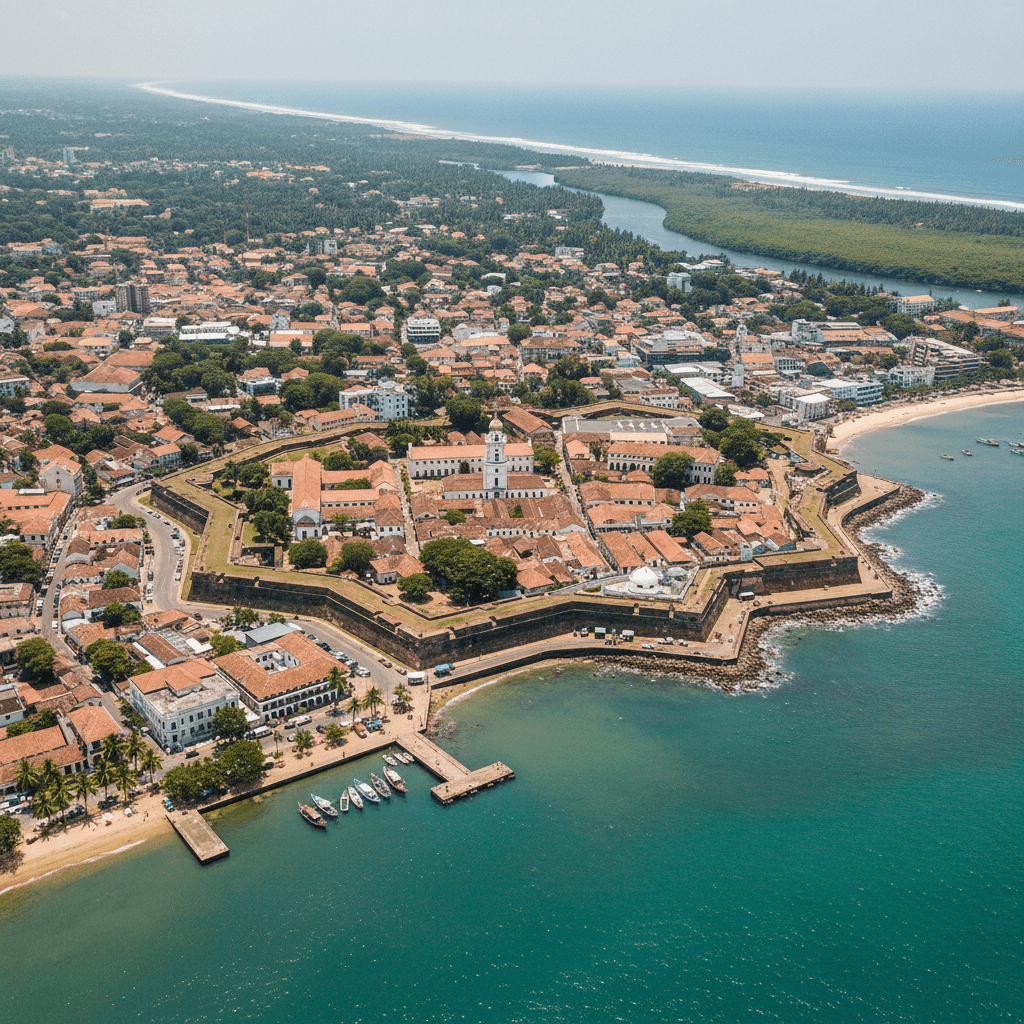
Galle
🇱🇰 Sri Lanka