Wanaka
🇳🇿 New Zealand
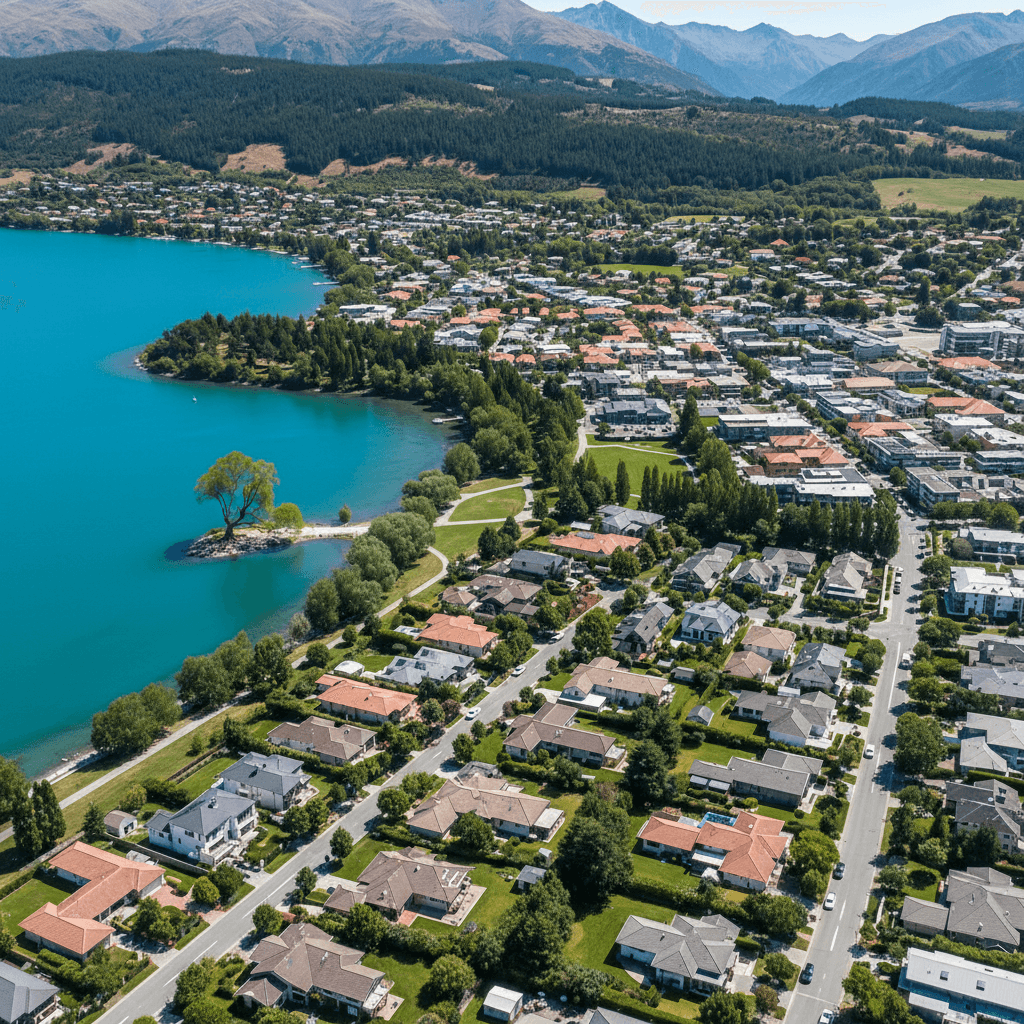
Wanaka feels like a town that chose scenery over spectacle. The lake sits right at the center of daily life, the mountains close in fast and most people seem to be here because they actually want that quiet, outdoor rhythm, not because they got stuck here. It’s relaxed, a little smug about its views and honestly, that mood makes sense.
The pace is slow. Mornings start with coffee, dog walkers and the low hum of rental cars heading toward trails or ski fields, then the day settles into cafe work, lake laps or a last-minute mountain plan when the weather shifts. You’ll hear birds, boat motors and the wind coming off the water and you’ll also notice how clean and intentionally spaced-out everything feels, which, surprisingly, is part of the charm.
Not cheap. Wanaka is one of those places where the lifestyle tax is real and locals know it. A one-bedroom in the center can run around NZ$3,500-4,500 a month based on current listings, outside the center closer to NZ$1,417 and if you want comfort, privacy and a decent view, expect to pay for it, because the town’s popularity has pushed rents up and kept short-term options tight.
- Budget: NZ$2,000 to 3,000 a month, usually shared housing and very careful spending.
- Mid-range: NZ$3,500 to 5,000, enough for a one-bed outside town, cafes and a bike rental.
- Comfortable: NZ$6,000+, for central living, more eating out and coworking at The Cell.
Central Wanaka is the sweet spot for most nomads, because you can walk to the lake, cafes and the main social spots without thinking about transport. Beacon Point Road is quieter and better for families, Mount Iron Drive has newer homes but usually needs a car and Wanaka North feels more residential, with less of the holiday hum but fewer conveniences close by.
The social scene is small and a bit intimate. There’s no big-city anonymity, so people tend to notice each other and that can be lovely or mildly annoying depending on your mood, still it does create a real community feel. You won’t find much nightlife beyond pubs and cocktail bars, but the trade-off is easy access to hikes, ski days and those absurdly good lakefront sunsets.
Best fit: people who want nature first, work second. If you need cheap rent, endless restaurant choice or a proper urban buzz, Wanaka’ll irritate you fast, but if you’re happy biking home past alpine light and cold mountain air, it can feel hard to leave.
Wanaka isn’t cheap and people who move here for the lake views usually find that out fast. A basic one-bedroom in town averages about NZ$4,000 a month and even outside the centre you’re still looking at roughly NZ$1,417, with the nicer places near the water pushing higher because, frankly, everyone wants the same postcard view.
The town has a soft, outdoorsy rhythm, but your budget won’t feel soft. Cafes smell like flat whites and toasted sourdough, rental vans rattle past in the morning and the grocery bill can sting after a week of eating out, where a cheap meal starts around NZ$20 and a mid-range dinner for two lands near NZ$100. That’s the trade-off, you get mountain air and quiet streets, then you pay for the privilege.
- Budget tier: NZ$2,000 to NZ$3,000 a month, usually shared housing, simple cooking and buses or walking.
- Mid-range: NZ$3,500 to NZ$5,000, which covers a one-bedroom outside the centre, more cafe lunches and a bike or occasional taxi.
- Comfortable: NZ$6,000+, for a central apartment, regular dining out and coworking without watching every dollar.
If you want short stays, studios often run about NZ$90 a night and weekly rentals on local property sites can sit around NZ$700 to NZ$900, though the good ones disappear fast. Honestly, that shortage is the biggest headache here, because Wanaka’s size means fewer choices and less wiggle room when you need a last-minute place.
Neighborhood choice matters more than in bigger cities. Lakefront and central Wanaka are the easiest for walking to cafes and work spots, but they’re also the priciest, while Beacon Point Road stays quieter and Mount Iron Drive gives you newer townhouses, if you don’t mind driving for basics. Weirdly, the calmest streets often feel the most expensive.
- Lakefront/Central Wanaka: Best for nomads, views and walkability, but noisy and expensive.
- Beacon Point Road: Better for families and expats, with older homes and a short walk into town.
- Mount Iron Drive: Good for newer housing, though you’ll probably want a car.
Day-to-day transport stays manageable because the centre is easy on foot, taxis start around NZ$10 and buses connect to Queenstown and Dunedin, though there’s no Uber to bail you out. Internet is decent, The Cell is the main coworking option and mobile plans from Spark, One NZ or 2degrees usually start around NZ$30 to NZ$65, which, surprisingly, feels fair once you’ve spent a week in a lakeside rental with patchy WiFi.
Wanaka is tiny, so “best neighborhoods” really means best pockets of a small town. The lakefront and central streets are where most nomads end up, because you can roll out of bed, grab a flat white and be at a cafe or the lake in minutes. Not cheap.
For Nomads
Lakefront and Central Wanaka are the obvious pick if you want walkability, views and easy access to work spots like The Cell. The tradeoff is noise, tourist traffic and high rent, so if you’re sensitive to crowds or hate paying top dollar, look farther out, honestly.
- Best for: Solo workers, digital nomads, anyone who wants to live car-free
- Rent: NZ$3,500+ per month for a 1BR in the center
- Vibe: Cafes, lake views, early-morning runners, clinking coffee cups
- Downside: Pricey and the summer foot traffic can get annoying
For Expats
Beacon Point Road makes sense if you want a quieter setup without feeling stranded, because you can still walk into town in roughly 10 minutes and the houses are often a bit more livable than the flash central apartments. Expats like the older Kiwi homes here, the mountain views and the fact that you’re not hearing pub music through the wall at midnight, which, surprisingly, matters a lot after a few weeks.
- Best for: Couples, longer stays, people who want a calmer base
- Vibe: Quiet streets, chilly mornings, less foot traffic
- Downside: Older stock, less central, still expensive for what you get
For Families
Mount Iron Drive is the practical family choice, with modern townhouses, a more sheltered feel and enough space that you’re not stacked on top of your neighbors. You’ll probably want a car and that’s the catch, but the trade is sanity, some extra room and fewer strangers drifting past your windows.
- Best for: Families, remote workers with kids, anyone wanting more space
- Vibe: Residential, quieter, less exposed to the lakefront crush
- Downside: Less walkable, car dependency creeps in fast
For Solo Travelers
Wanaka North is worth a look if safety is high on your list and you don’t mind being a little removed from the center. It feels steady and low-key, though the town’s small size means you’ll still hear the same wind, the same gulls and the same rental-market complaints over coffee.
- Best for: Short stays, budget-minded solo travelers, quieter routines
- Vibe: Safe, residential, simple
- Downside: Less character than the lakefront, not the best if you want nightlife
If you want the easy answer, stay near the lake. If you want better value, look just outside the center, because Wanaka’s charm is real, but the prices bite. Hard.
Wanaka’s internet is decent by New Zealand standards and that’s the good news. The annoying bit is that the town still feels small, so your options for proper coworking are thin and if you’re used to a big-city setup with multiple spaces and endless laptop spots, you’ll feel the pinch pretty fast.
The Cell is the main dedicated coworking space in town and honestly, it’s the one most remote workers end up using. The setup suits people who need a quiet desk, fast WiFi and a place where nobody minds a video call at 8 a.m.
What to expect
- WiFi: National average speeds are strong and in Wanaka you’ll usually get solid broadband in town, though rural spots can be patchy and weirdly slow.
- Cafes: Plenty of nomads work from cafes near the lake and around the centre, but don’t expect all-day laptop culture, some places get fussy at lunch and the espresso machine noise can get relentless.
- SIM cards: Spark is the safest bet for coverage, One NZ tends to be quick and 2degrees is usually the value pick, with monthly plans around NZ$30 to NZ$65 for 10GB plus.
If you’re staying a while, get a local SIM early, because it saves you from chasing public WiFi and lets you work from a park bench when the weather’s good, which, surprisingly, happens a lot more often than people expect between rain squalls and bright alpine sun.
Most nomads split time between The Cell and cafes, then head home once the mountain views stop being a cute distraction and start eating the afternoon. That works here, since Wanaka’s centre is walkable, the lakefront is pleasant and the whole place runs on a slower, quieter rhythm than Queenstown, though the silence can feel a bit too quiet if you’re used to city buzz.
Bottom line: Wanaka’s internet won’t ruin your day, but the coworking scene is basic. If you want options, bring a good data plan, pick your cafe carefully and don’t expect anything remotely close to a big urban nomad hub.
Wanaka feels calm on the surface, but the outdoors here can bite back fast. The town center is generally safe, with low crime and a strong small-town feel, still, people do get careless around unlocked bikes, dark parking lots and late-night booze-fuelled wandering after a pub crawl.
There’s no real part of town locals tell you to avoid, which is refreshing. Honestly, the bigger risk is usually weather, road conditions or a dumb mountain decision, because the mountains, lake and winter roads can turn from postcard pretty to genuinely unforgiving in minutes.
What to watch for
- Night safety: Central Wanaka is fine for walking, but keep your wits about you after dark, especially near quiet side streets and car parks.
- Outdoor accidents: Hiking, skiing, MTB and lake activities are the main source of trouble and the cold water around Lake Wanaka can shock you hard.
- Weather: Winters are chilly and wet, roads can ice up and summer sun is sharper than people expect at altitude.
- Theft: Petty theft isn’t a big issue, though it still happens if you leave gear visible in a car or bike unlocked outside a cafe.
Healthcare is straightforward for a town this size. Wanaka Lakes Health Centre and Aspiring Medical handle urgent care, there are pharmacies nearby and for anything serious you’ll likely be sent on to Queenstown or Dunedin, which means a longer wait and a bit of a headache if you need specialist treatment.
Dial 111 for emergencies. Keep your insurance details handy, because private care and evacuation can get expensive fast and the bill won’t feel cute after a ski mishap or a twisted ankle on a wet trail.
Practical health tips
- Bring insurance: Don’t wing it here, even a minor injury can become a costly transfer.
- Use sunscreen: The UV is intense and you’ll burn faster than you think, especially on the lake.
- Pack meds: Pharmacies are available, but small-town stock can be limited, weirdly enough.
- Know the numbers: Save 111 and keep the clinic numbers in your phone before you actually need them.
If you’re the kind of person who hits the trails, skis hard or swims in cold water before breakfast, Wanaka’s healthcare setup is good enough for a town of this size. If you want big-city medical convenience, though, this place will frustrate you and frankly that’s part of the tradeoff for living somewhere this quiet and beautiful.
Wanaka’s center is easy to read and that’s the main advantage. You can walk from the lakefront to cafes, grocery shops and most places people actually use, then back again without thinking too hard, which, surprisingly, is part of the appeal here.
Not cheap. A short taxi starts around NZ$10, Uber isn’t really a thing and local rides cost about NZ$3.22 a mile, so if you’re staying out of town, transport can bite into your budget fast. Buses are more useful for getting in and out of Wanaka from Queenstown or Dunedin than for daily city-style commuting.
For most nomads, biking makes the most sense, honestly, because the town is compact and the roads are flat enough in the center, though you’ll want to pay attention around busy tourist weekends when rental cars creep along and drivers get distracted by the lake views.
Walking and biking
- Best for: Lakefront stays, errands, short commutes
- Good to know: Central Wanaka is very walkable, with cafes, shops and the waterfront close together
- Watch out for: Limited sidewalks once you push farther out and winter mornings can feel raw and cold underfoot
Bike rentals are popular for regular riding and mountain biking and that’s where Wanaka starts making sense for people who don’t want a car. The air smells like pine after rain, then you get a bit of road grit and exhaust when traffic builds near town, so it’s a mixed bag depending on the hour.
Public transport and regional trips
- Queenstown and Dunedin buses: Alpine Connexions runs regional services, useful for airport runs and bigger shopping trips
- Airport transfers: From Queenstown Airport, expect about a 1 hour drive by shuttle or taxi
- Train note: There isn’t a useful local rail network for everyday life, so don’t plan around trains
There’s no broad urban transit system here, so if you’re staying a month or more, think in terms of walking, biking and the occasional shuttle. That’s the standard setup and arguing with it won’t get you very far.
Cash reality: getting around isn’t expensive in tiny bursts, but it adds up if you rely on rides and car rentals. Travel around Wanaka works best when you keep your days clustered, because once you start living on the edge of town, the convenience drops quickly and the weather can turn a quick walk into a chilly slog.
Wanaka’s first language is English and people speak it clearly enough that you won’t feel lost, but the town still has its own rhythm, a bit slower, a bit more clipped, with plenty of Kiwi shorthand at the cafe counter and in the supermarket aisle. “Kia ora” gets used a lot as hello or thanks and you’ll hear Māori place names and words around town, which, surprisingly, most visitors pick up fast.
Communication here is pretty easy, honestly, if you’ve got basic English and a map app. Locals are friendly but not overly chatty, they’ll answer your question, point you to the trailhead, then get back to work and that suits Wanaka just fine. If you’re used to bigger cities, the lack of constant noise is a relief, no honking, no subway roar, just lake wind, gravel under bike tyres and the occasional dog barking outside a cafe.
What to expect day to day
- English: Standard across shops, rentals, medical clinics and coworking spaces.
- Māori phrases: “Kia ora” for hello or thanks, “kaumātua” for elder, plus local place names that sound beautiful once you’ve heard them twice.
- Google Translate: Handy for the rare moment you’re reading a sign too fast or helping a new arrival sort something out.
The real communication challenge in Wanaka isn’t language, it’s the pace of life. Things can move slowly, emails get answered after a ski run and rental replies can feel maddening when the town is busy, so be direct, polite and ready to follow up. Honestly, that works better than any slick wording.
For remote workers, the office chat is easy enough, but practical details matter more than small talk. Spark usually gives the best coverage, One NZ is strong too and 2degrees can be a solid cheaper pick, though signal can wobble a bit when you’re farther out toward the hills or driving between valleys. WiFi is generally decent in town and at The Cell you’ll find the most reliable coworking setup, which matters when the weather turns grey and your laptop battery starts beeping.
Communication tips
- Be direct: Ask about rent, internet speed and move-in dates clearly, because vague messages get vague replies.
- Use apps: Google Translate helps with a few Māori terms and quick checks.
- Mind the tone: Friendly, plain English works better than polished sales language.
If you need help, ask locally, people usually respond well to a simple question and a bit of patience. That’s the Wanaka style, straightforward, calm and a little understated, with the sound of chairs scraping on wooden floors and espresso machines hissing in the background while everyone plans the next hike.
Wanaka’s weather is friendly on paper and a bit rude in real life. Summer sits around 17°C in the day, winter drops to about 9°C and rain shows up all year, so you’ll want layers, a waterproof shell and shoes that can handle muddy lakeside paths. The wind off the mountains can feel sharp enough to make your coffee go cold in minutes, honestly, even when the sun looks kind.
January is the sweet spot for most visitors. Days are comfortable, the lake’s warm enough for a swim if you’re brave and the town has that easy holiday hum, with bikes clicking past, café grinders buzzing and a faint smell of sunscreen and wet grass near the waterfront.
Best Time to Visit
- January to February: Best overall weather, fewer wet days, good for swimming, hiking and long lake walks.
- March to May: Quieter, still decent for outdoor time and the air starts to sharpen up at night.
- June to August: Cold, pricey and ski-focused, great if you’re heading to the slopes, annoying if you hate carrying wet boots everywhere.
- September to November: Shoulder season with clearer trails, spring snow on the peaks and fewer crowds, though the weather can flip fast.
Winter isn’t for everyone. The town gets quieter, the mornings feel frosty underfoot and if you’re not skiing, you’ll probably spend more time indoors than you expected, but the mountain views are brutally good when the air clears after rain.
What Nomads Actually Need to Know
- Rain: Pack for it year-round, because a sunny forecast can change by lunch.
- Clothing: Bring a proper jacket, warm layers and something for cold evenings near the lake.
- Budget: High season pushes up prices and Wanaka isn't cheap, so book early if you want decent rent or a central stay.
- Work rhythm: Summer days are longer and better for early hikes, but the town gets busier and parking gets annoying, which, surprisingly, is one of the bigger local headaches.
If you want the cleanest mix of weather, outdoor access and less crowding, aim for late spring or early autumn. The trails are usually calmer, the light on the hills is gorgeous and you won’t be fighting quite as many day-trippers for a table at lunch.
Skip deep winter unless skiing is the point and book fast for January if you’re set on lake life, because the good places go first and the cheap ones disappear fast. That’s Wanaka, frankly, beautiful but priced like it knows it.
Wanaka looks easygoing and it's, but don’t mistake that for cheap. The town runs on lake views, ski season, hiking boots and a pretty serious amount of money, so most nomads either lean into the lifestyle or decide the bills are annoying and leave fast. Honestly, there isn’t much middle ground.
Budget: NZ$2,000 to NZ$3,000 a month if you’re sharing housing, cooking at home and keeping transport simple. Mid-range: NZ$3,500 to NZ$5,000 gets you a one-bedroom outside the centre, cafe work sessions and the odd bike rental, though groceries still sting a bit. Comfortable living starts around NZ$6,000, especially if you want a central place, regular meals out and coworking.
Rent is the killer. A one-bedroom in central Wanaka sits around NZ$1,733 a month, while places outside the centre average closer to NZ$1,417 and short-term furnished rentals through Trade Me or myRent can run NZ$700 to NZ$900 a week, which, surprisingly, still gets snapped up quickly in peak seasons.
Where to stay
- Lakefront/Central Wanaka: Best if you want to walk everywhere, hear café chatter and live near the water, but it’s loud and pricey.
- Beacon Point Road: Quieter, with family homes and a 10-minute walk into town, though the houses can feel a bit dated.
- Mount Iron Drive: Better for newer townhouses and shelter from the wind, but you’ll probably need a car.
Getting online is easier than housing. Spark usually has the best coverage, One NZ is solid for speed and 2degrees is the value pick; buy a SIM at the supermarket or airport and expect to pay roughly NZ$30 to NZ$65 a month for a decent data plan. The Cell is basically the main coworking spot, with hot desks at NZ$35 a day or NZ$155 a week and cafe work is common if you can handle clattering cups and the smell of coffee drifting past your laptop.
Wanaka is walkable in the centre, then suddenly not. There’s no Uber, so you’ll use taxis, shuttles, buses from Queenstown or Dunedin or a bike and taxi fares start at about NZ$10 before the meter keeps climbing. For day-to-day life, that means planning ahead, especially when the wind picks up and your hands go numb on the way home.
Practical bits: ATMs are easy to find, Wise and Payoneer are common among nomads and English is the main language, though a simple “kia ora” goes a long way. No shoes indoors is normal, which saves your floors but means you’ll be stepping onto cold tile more often than you expect. For housing, stick to Trade Me and myRent, for trips, Queenstown and the Clay Cliffs are the easy wins.
Need visa and immigration info for New Zealand?
🇳🇿 View New Zealand Country GuideEasy Landing
Settle in, no stress
Monthly Budget Estimates
More cities in New Zealand
Tauranga
🇳🇿 New Zealand
Christchurch
🇳🇿 New Zealand
Hamilton
🇳🇿 New Zealand