Vitória
🇧🇷 Brazil
The Island City Vibe
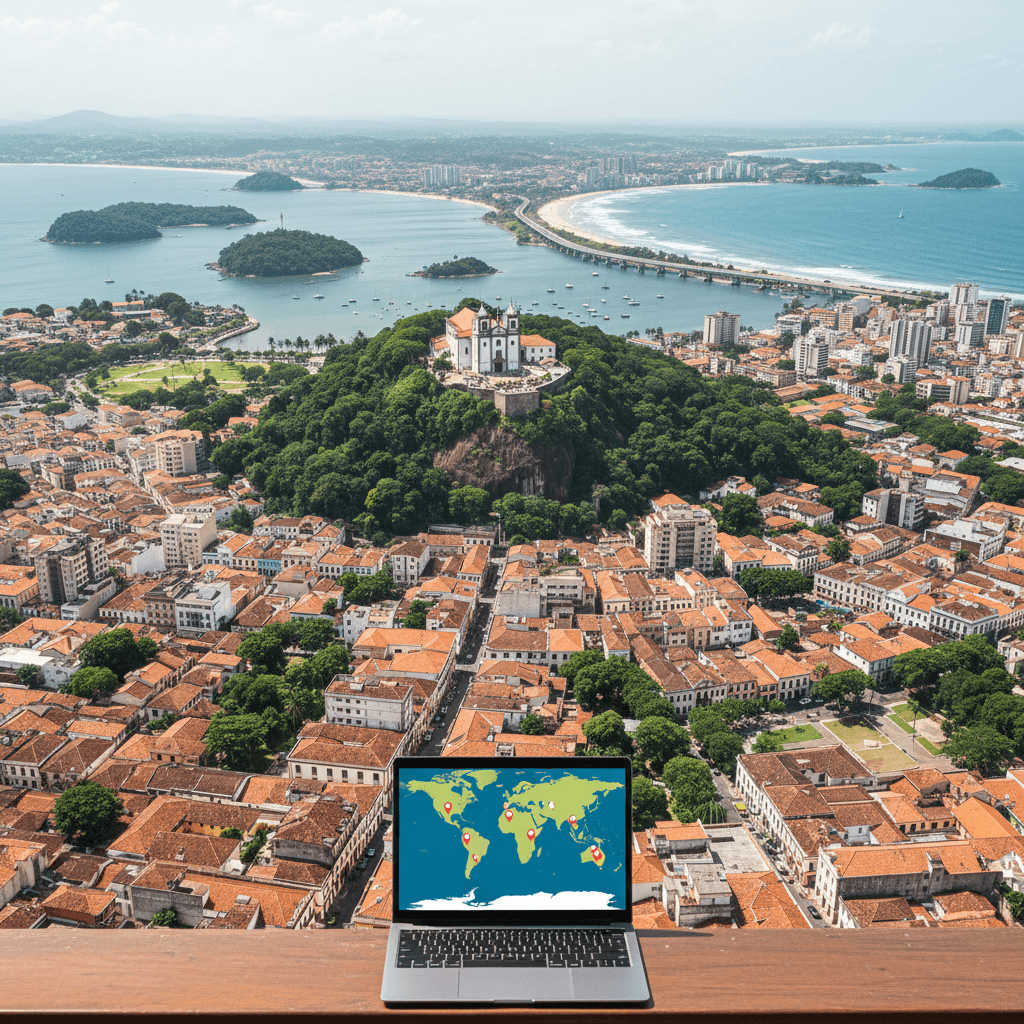
If Rio de Janeiro is a high-octane samba performance, Vitória is the relaxed acoustic set that follows. As the capital of Espírito Santo, it sits mostly on an island, connected to the mainland by massive bridges that define its skyline. You won't find the overwhelming crowds of São Paulo here. Instead, you get a city that feels like a well kept secret among Brazilians, blending a coastal lifestyle with a surprisingly organized urban core.
The energy here is distinctly local. Because the international tourism scene is still developing, you aren't treated like a walking wallet. You'll hear mostly Portuguese on the streets and see families gathering for fresh seafood moqueca on the weekends. It is a place where the pace of life slows down, making it a refreshing pit stop for nomads who are burnt out on the frantic pace of Brazil's larger hubs.
The Nomad Reality Check
Let's be honest about the infrastructure. While Vitória is beautiful and affordable, it isn't a "plug and play" nomad destination like Florianópolis. You won't find a coworking space on every corner, and English isn't widely spoken. Most travelers find it perfect for a two to four week stint rather than a long term base. It is the kind of city where you work from a breezy cafe in Praia do Canto in the morning and spend your afternoon hiking Morro do Moreno for a view of the bay.
The service quality can be hit or miss because there isn't much competition for foreign dollars yet. However, the trade off is a significantly lower cost of living than Rio's south zone. You can live a very comfortable life here for $2,000 to $3,000 USD a month, which buys you a high end apartment and daily dinners at the city's best churrascarias.
Where to Plant Your Laptop
- Praia do Canto: This is the undisputed heart of nomad life. It is upscale, walkable, and packed with the city's best bars and boutiques. If you want to be near other expats and young professionals, this is the spot.
- Vila Velha: Technically a separate city just across the bridge, but it functions as Vitória's backyard. It is better for beach purists and families. The sand at Praia da Costa is superior to the city beaches, though you'll deal with a commute if you want the urban amenities of the capital.
- Jardim da Penha: A more academic, youthful vibe near the university. It is great for finding cheaper eats and a more "student budget" social scene.
Cost of Living Breakdown
Mid-Range Nomad Budget
- Monthly Rent (Airbnb/Short-term): $800 to $1,100 USD for a nice 1BR in Praia do Canto.
- Mid-range Dinner: $10 to $15 USD per person.
- Upscale Dining: $25 to $30 USD for a high end meal.
- Transport: $1 USD for a bus fare; Ubers are cheap and plentiful.
- Total Estimated: $2,200 USD per month for a comfortable, social lifestyle.
Connectivity and Practicalities
Internet speeds are generally reliable in modern apartments, often hitting 100 Mbps or more. Since dedicated coworking spaces are scarce, you'll likely be "cafe hopping." Look for spots in Praia do Canto that have AC and outlets, as the humidity can be intense. For mobile data, grab a SIM card from Vivo or TIM at the airport or a local mall. You'll need your passport and potentially a CPF (Brazilian tax ID) to get fully set up with local services.
Getting around is straightforward. The city is surprisingly walkable in the upscale neighborhoods, but you'll want the Uber or 99 apps for anything further than a ten minute stroll. If you're feeling adventurous, the Vale Passenger Train (Trem de Passageiros da EFVM) offers a scenic route into the mountains of Minas Gerais, which is a legendary weekend trip for anyone staying in the region.
Ultimately, Vitória is for the nomad who wants to experience the "real" coastal Brazil without the tourist gloss. It's affordable, scenic, and just "undiscovered" enough to feel like an adventure.
The Bottom Line on Budgets
Vitória sits in a sweet spot for nomads who find Rio too chaotic and Florianópolis a bit played out. It is more expensive than the rural south but remains significantly cheaper than São Paulo. You can live well here on a mid-range budget, especially if you prioritize local markets over imported goods. Most travelers find that $2,000 to $3,000 USD per month buys a very comfortable lifestyle with a private apartment and plenty of nights out in the better neighborhoods.
Monthly Budget Tiers
- The Budget Nomad ($1,500 to $2,000 USD): This covers a shared living arrangement or a basic studio further from the water, relying on the 4.7 BRL ($1 USD) bus system and eating mostly at local "kilo" restaurants or street stalls like those at the Feira de Artesanato da Praça dos Namorados.
- The Mid-Range Professional ($2,000 to $3,000 USD): This is the standard for most remote workers. It covers a private 1BR in a good area, frequent Ubers, and dining out at mid-range spots where a solid meal costs $10 to $15 USD.
- The High-End Resident ($3,000+ USD): This tier gets you into the best high rises in Praia do Canto, daily dinners at upscale seafood spots costing $20 to $30 USD per plate, and weekend trips or private tours.
Housing and Neighborhood Costs
Rent is your biggest variable. Short term stays usually rely on Airbnb, while those staying several months should look at local platforms like Zap Imóveis to find better deals. Expect to pay a premium for anything within walking distance of the beach.
Praia do Canto
- Average Rent: $800 to $1,100 USD per month for a 1BR or studio.
- Daily Rate: $40 to $55 USD for short term rentals.
- Vibe: This is the nomad hub. It is walkable, packed with bars, and has the most reliable infrastructure for working.
Vila Velha
- Average Rent: $600 to $900 USD per month.
- Daily Rate: $30 to $45 USD.
- Vibe: Just across the Terceira Ponte bridge. It is quieter and better for beach lovers, though you will spend more on transport if you want to hang out in Vitória proper.
Food, Connectivity, and Logistics
Groceries for two people generally run around R$1,200 ($240 USD) a month if you shop at local supermarkets. If you are working from home, a decent fiber internet connection costs about R$120 ($24 USD) monthly. Since dedicated coworking spaces are still rare here, you will likely spend $3 to $5 USD a day on coffee and snacks while camping out in the emerging cafe scene.
For mobile data, grab a SIM card from Vivo or TIM at the airport or a local mall. A solid monthly data plan will cost between R$50 and R$100 ($10 to $20 USD). Remember to carry a bit of cash specifically for your Transcol bus card, as top ups usually require physical currency. For everything else, cards are king, but apps like Wise or Nubank make managing the BRL exchange rate much smoother.
Visa Requirements
If you are planning to stay long term, the Brazil Digital Nomad Visa (VITEM XIV) is the way to go. You will need to prove a monthly income of at least $1,500 USD or have $18,000 USD in savings. It typically grants a 1 to 2 year stay, giving you plenty of time to settle into the local rhythm without rushing your departure.
For Nomads and Social Butterflies: Praia do Canto
If you're coming to Vitória to work and want to be where the action is, Praia do Canto is your best bet. It's the most upscale part of the city and serves as the local hub for nightlife, dining, and boutique shopping. Most nomads find this the only neighborhood where you can truly get by on foot, as the streets are lined with cafes and bars that stay lively well into the evening.
The neighborhood has a budding cafe culture that makes up for the lack of dedicated coworking spaces. You'll find plenty of laptop friendly spots with air conditioning and decent WiFi, though the service culture is still catching up to places like São Paulo. Expect to pay a premium for the convenience of being in the center of it all.
- Rent: High for the city, typically $40 to $55 USD per night for a quality Airbnb or $1,100 USD monthly.
- Vibe: Urban, social, and safe for nighttime walks between bars.
- Best for: Networking, evening drinks, and those who don't want to rely on Ubers.
For Families and Nature Lovers: Vila Velha (Praia da Costa)
Technically a separate city just across the Terceira Ponte bridge, Vila Velha is where you'll find the superior beaches. Families and travelers who prioritize a slower pace often settle in Praia da Costa. It feels more like a traditional vacation spot than a metro center, with wider stretches of sand and plenty of outdoor space for kids.
Living here means trading urban convenience for better air quality and weekend adventures. You're right next to Morro do Moreno for morning hikes and the historic Convento da Penha. The downside is the commute; if you need to head into Vitória proper, you'll be crossing the bridge via bus or Uber, which can get backed up during peak hours.
- Rent: Slightly more affordable than Praia do Canto, with more spacious multi bedroom options.
- Vibe: Relaxed, beach focused, and family friendly.
- Best for: Surfers, hikers, and those staying for more than a few weeks.
For Solo Travelers and Budget Explorers: Praça dos Namorados Area
The area surrounding Praça dos Namorados is a strategic middle ground. It's close enough to the nightlife of Praia do Canto but offers much easier access to local markets like the Feira de Artesanato. Solo travelers often appreciate this spot because it's easy to find cheap, authentic street food and local crafts without the "upscale" price tag found further inland.
While it's busier and can feel a bit more chaotic than the residential pockets of Vila Velha, it puts you right at the heart of the city's coastal transit. You can easily hop on a bus for 4.7 BRL to explore the harbor or head to the airport. It's a practical choice for a short stay where you want to see the city's highlights without overspending on a luxury apartment.
- Food: Very affordable, with local market plates starting around $5 to $8 USD.
- Vibe: Energetic, central, and very "local."
- Best for: Short stays, market lovers, and budget conscious solo travelers.
The Practical Reality
Vitória isn't quite a "digital nomad hub" in the way Florianópolis is. Most travelers find it's a great spot for a two week stint rather than a six month residency. You'll want to use apps like Uber or 99 to get around after dark, and having a Wise card or Nubank account will make your life much easier at the local registers. Since English isn't widely spoken, keep Google Translate handy for your trips to the pharmacy or the bus terminal.
Connectivity Expectations
While Vitória hasn't reached the digital nomad density of Florianópolis or Rio, it's catching up quickly. You'll find that residential fiber optic internet is standard in most modern Airbnb rentals in Praia do Canto and Vila Velha. Typical speeds for urban plans in Brazil hover around 100 Mbps to 500 Mbps, and you can expect to pay about R$120 ($24 USD) per month if you're setting up a longer term lease.
Mobile data is your best friend here. Local providers like Vivo and TIM offer the most reliable coverage across the island. You can pick up a SIM card at the airport or local shopping malls for roughly R$50 to R$100 per month depending on your data needs. It's a smart move to have a backup hotspot, especially if you plan on working from the beach kiosks in Vila Velha where public Wi-Fi is nonexistent.
Coworking and Laptop-Friendly Cafes
Vitória is currently in an "emerging" phase, meaning dedicated coworking spaces aren't as prominent as they are in Brazil's larger hubs. Most nomads here adopt a hybrid approach, using their apartments for deep work and heading to the budding cafe scene for a change of scenery. The culture of working from cafes is growing, but it isn't yet the norm, so always check for an outlet before you get comfortable.
- Praia do Canto: This is the heart of the "work from anywhere" scene. Because it's an upscale neighborhood, the cafes here are more accustomed to patrons staying for an hour or two with a laptop. Look for spots near Praça dos Namorados for a mix of good coffee and decent seating.
- Shopping Vitória: It sounds unconventional, but the mall offers reliable AC, strong cell signals, and several quiet corners with coffee shops that are perfect for knocking out a few hours of admin work.
- Vila Velha: If you're staying across the bridge, the cafes near Praia da Costa are your best bet. The vibe is much more relaxed, so it's better for light tasks rather than high-stakes Zoom calls.
Digital Nomad Logistics
If you're planning to stay for the long haul, you'll want to look into the Brazil Digital Nomad Visa (VITEM XIV). It requires a monthly income of at least $1,500 USD and allows you to stay for 1 to 2 years. One of the first things you should do after arriving is get your CPF (tax ID). It's a bit of a bureaucratic hoop, but you'll need it for everything from registering a local SIM card to opening a Nubank or Wise account.
For payments, most cafes and vendors in Vitória are tech-savvy and accept cards or Pix (the local instant payment system). However, keep some cash on hand for your bus card top-ups, which usually cost about 4.7 BRL ($1 USD) per ride. If you're moving between neighborhoods, Uber and 99 are the go-to apps for reliable transport when you don't want to hunt for a bus stop.
The Verdict for Remote Work
Most travelers agree that Vitória is "okay for a short stay" but might feel limiting for a long term nomad residency. The lack of a centralized nomad community means you'll have to be proactive about meeting people. If you thrive in a DIY environment and don't mind scouting your own "offices," the affordable beach access and $40 to $55 nightly rental rates make it a tempting alternative to the more expensive coastal cities.
Keeping Your Wits About You
Vitória feels more like a relaxed coastal town than the frantic urban sprawls of Rio or São Paulo. While it doesn't have the same high profile for street crime as the bigger hubs, you still need to keep your guard up. Most nomads feel perfectly comfortable walking around Praia do Canto during the day, but once the sun goes down, it's smarter to call an Uber or 99 rather than wandering through dimly lit side streets. The city hasn't been "over-touristed" yet, which means you won't stand out as much as a target, but you should still follow the standard Brazil rule: don't have your phone out while walking on the sidewalk.
If you're heading across the bridge to Vila Velha for a beach day at Praia da Costa, the vibe is generally family-friendly and safe. However, avoid isolated stretches of sand or hiking trails like Morro do Moreno completely alone late in the afternoon. Travelers often say the biggest "danger" here is simply getting lost in neighborhoods that lack English signage. If you get into a pinch, the emergency number for the police is 190.
Healthcare and Wellness
Brazil has a dual healthcare system. The public system, SUS, is free even for foreigners in emergencies, but it's often crowded with long wait times. Most expats and nomads in Vitória opt for private care. You'll find that private clinics and hospitals in the city are modern and well-equipped, though you'll likely need to pay out of pocket or have a solid international insurance plan. If you're staying long-term on a Digital Nomad Visa, you might eventually want to look into local private plans like Unimed, which has a strong presence in the region.
For minor issues, farmácias (pharmacies) are on almost every corner in Praia do Canto. They're incredibly helpful and can often provide basic medical advice or over-the-counter meds for common travel ailments. If you need an ambulance, the number is 192. Just keep in mind that English-speaking doctors aren't the norm here. Having Google Translate or DeepL ready on your phone is a lifesaver during a consultation.
The Digital Nomad Safety Net
If you're planning to stay for the long haul, you'll need to handle some paperwork to make your life easier. Registering with the Federal Police is a standard move for those on the VITEM XIV visa. This helps with your residency status and makes things like opening a local bank account or getting a CPF (tax ID) much smoother. Having a CPF is essential for everything from buying a SIM card to ordering delivery on apps like iFood.
Regarding your physical gear, most nomads find that working from cafes in Vitória is relatively safe, but never leave your laptop unattended to go to the bathroom. While the "laptop culture" is growing, it's not as established as in Florianópolis. Stick to busier spots with AC and WiFi where other people are also working to blend in. It's all about being sensible without being paranoid.
Emergency Contacts at a Glance
- Police: 190
- Ambulance (SAMU): 192
- Fire Department: 193
- Federal Police (for visa/residency): Located near the airport and main port areas
Getting Around the Island
Vitória is a unique capital because it's largely an island, which dictates how you'll move through the city. While it doesn't have the sprawling metro systems of São Paulo, its manageable size makes it relatively easy to navigate once you understand the bridge system and the local bus culture.
Public Transit and the Cartão GV
The backbone of local transport is the bus system. It's efficient enough for daily commutes between the main hubs, costing roughly 5.10 BRL (about $0.90 USD) per ride. You'll need to get a reloadable transit card, as most buses are moving away from cash payments. Keep in mind that you can only top these cards up with cash at specific points, so it's smart to keep some small bills on you for emergencies.
- The Transcol System: These are the larger buses connecting Vitória to Vila Velha and Serra.
- The Green Buses: These stay within the city limits of Vitória proper.
- The Terceira Ponte: This is the massive bridge you'll cross to get to the beaches in Vila Velha. Traffic can get heavy during rush hour, so plan your beach trips accordingly.
Ride-Hailing and Apps
For most nomads, Uber is the go-to. It's affordable, safe, and saves you the headache of figuring out bus routes in Portuguese. The 99 app is the local competitor and often has better rates or more available drivers during peak times. A typical ride from the airport to Praia do Canto usually runs between $5 and $10 USD depending on the time of day.
Walkability and Biking
If you base yourself in Praia do Canto, you'll rarely need a car. This neighborhood is highly walkable with flat streets, plenty of shade, and a high density of cafes and shops. The boardwalk along Camburi Beach is also perfect for long walks or morning runs. While there isn't a massive city-wide bike share program like you'd find in Rio, the waterfront paths are very cyclist-friendly if you manage to rent a bike through a local shop.
Regional Travel
Vitória is a great jumping-off point for exploring the rest of Espírito Santo or heading further afield. Eurico de Aguiar Salles Airport is modern and just a short drive from the city center, offering quick flights to Rio and São Paulo. For a more scenic route, the Trem da Vale is a rare treat in Brazil. It's a passenger train that runs all the way to Belo Horizonte in Minas Gerais. Tickets range from $15 to $30 USD depending on the class, and the views of the countryside are fantastic.
- Overnight Buses: Comfortable sleepers run to Rio or Belo Horizonte, taking about 8 to 10 hours.
- Boat Tours: You can find harbor tours at the Vitória Pier for 50 to 100 BRL, which give you a different perspective of the city skyline and the Convento da Penha.
- Airport Transfers: Use Uber or 99 rather than the airport taxis to save about 30 percent on the fare.
Practical Navigation Tips
The city is generally safe during the day, but like any Brazilian capital, you should stick to ride-hailing apps after dark rather than walking between neighborhoods. If you're heading to the beaches of Vila Velha, remember that the bridge is the only way across; if there's an accident or heavy rain, your 15-minute trip can easily turn into an hour. Most nomads find that staying on the Vitória side for work and heading to Vila Velha for weekend relaxation is the best way to balance the commute.
The Language Barrier is Real
In Vitória, Portuguese is the only game in town. Unlike the high-traffic tourist corridors of Rio or the corporate hubs of São Paulo, English proficiency here is quite low. You might find a few English speakers in the upscale cafes of Praia do Canto, but for the most part, you will be relying on translation apps and hand gestures to get by.
Most nomads recommend downloading the Portuguese pack for Google Translate or DeepL before you arrive. You will need it for everything from ordering a Moqueca Capixaba to negotiating a ride. If you plan on staying more than a week, learning a few basics like "Quanto custa?" (How much?) and "Obrigado" (Thank you) will go a long way with the locals, who are generally friendly but unaccustomed to many foreign visitors.
Communication Tools and Connectivity
To stay connected, you should pick up a local SIM card immediately. The major providers are Vivo and TIM. You can find their kiosks at the Eurico de Aguiar Salles Airport or in larger shopping malls. Expect to pay between R$20 and R$100 per month for a decent data package.
You will also need to get familiar with WhatsApp. In Brazil, it is the primary way people communicate with businesses, doctors, and landlords. Most restaurants in Vitória use it for reservations, and even the local bus card top-up points might require a quick message to check hours. If you are applying for the Digital Nomad Visa, which requires a monthly income of $1,500, you will eventually need to get a CPF (tax ID) to access more permanent communication services and banking apps like Nubank or Wise.
Digital Nomad Infrastructure
Vitória is still developing its nomad scene, so do not expect a massive list of dedicated coworking spaces. Most remote workers set up shop in the emerging cafe culture. There are several laptop friendly spots in Praia do Canto where you can find reliable WiFi and air conditioning, though it is always polite to buy a coffee every hour or two. A standard high speed home internet plan in Brazil typically costs around R$120 per month, but in short term rentals, you will want to verify the speed with your host beforehand.
Practical Interactions
When it comes to paying for things, cards are widely accepted in almost every shop and restaurant. However, communication for certain logistics still requires cash. For example, the reloadable public transport cards, which cost about 4.7 BRL per ride, usually require cash top-ups at specific kiosks. If you are taking the Trem da Vale train to Minas Gerais or booking a boat tour around the harbor for 50 to 100 BRL, having some Reais on hand simplifies the interaction when your Portuguese fails you.
- Primary Language: Portuguese (English is rare).
- Essential Apps: WhatsApp, Google Translate, Uber, 99.
- Connectivity: Vivo or TIM SIM cards (R$20 to R$100).
- Internet Cost: Roughly $24 USD per month for home fiber.
Travelers often say that while the language gap is a challenge, the slower pace of life in Vitória makes people more patient with foreigners. It is a city where you can practice your Portuguese in a low pressure environment compared to the frantic energy of the bigger metros.
The Sweet Spot for Your Stay
Timing your trip to Vitória is all about balancing the tropical heat with the coastal breeze. Most nomads agree that the best window to visit is from May to September. During these months, the weather is mild and dry, making it much more comfortable to walk around neighborhoods like Praia do Canto without breaking a sweat every five minutes.
The winter months here don't feel like winter at all to most foreigners. Expect temperatures to hover between 20°C and 26°C (68°F to 79°F). It is the perfect climate for hiking up Morro do Moreno or spending an afternoon at the beach in Vila Velha. You will avoid the heavy humidity that plagues the region during the height of summer, and the skies stay clear for those famous bay views.
When to Expect the Rain
If you are planning to arrive between December and March, pack a solid raincoat. This is the peak of the rainy season. While it is still warm, with temperatures frequently hitting 30°C (86°F) or higher, the downpours can be sudden and intense. The humidity levels spike during this time, which can make working from a cafe without strong AC a bit of a challenge.
Summer is also the busiest time for local tourism. While Vitória isn't as crowded as Rio, you will still see prices for short term Airbnbs climb toward $55 USD per night. If you prefer a quieter vibe and lower costs, sticking to the shoulder seasons is a smarter move for your budget.
Seasonal Highlights for Nomads
- Summer (December to February): High energy, hot temperatures, and frequent rain. Great for beach lovers who don't mind the humidity.
- Autumn (March to May): The rain starts to taper off. It is a transition period where you can find some of the best rental deals.
- Winter (June to August): The peak season for remote work. The air is crisp and dry, perfect for exploring the emerging cafe culture.
- Spring (September to November): Warm and pleasant before the heavy summer rains begin. A great time for outdoor markets like the Feira de Artesanato da Praça dos Namorados.
Practical Climate Tips
Because Vitória is an island city, the wind can pick up quickly near the water. Even in the warmer months, locals suggest keeping a light sweater handy for the evenings, especially if you are grabbing dinner in the upscale Praia do Canto district. The sea breeze makes the nights feel cooler than the thermometer suggests.
If you are planning to take the Trem da Vale train into Minas Gerais for a weekend trip, keep in mind that the weather inland can be much more volatile. The coast remains relatively stable, but the mountain regions nearby can drop several degrees lower than the city center during the July and August nights.
Getting Settled
Living in Vitória feels like a more relaxed, manageable alternative to the chaos of Rio. Most nomads find that the city works best for a short stay of a few weeks rather than a long term home base. You'll want to aim for Praia do Canto if you want to be where the action is. It's the most walkable part of town, packed with the best bars and restaurants, though you'll pay a premium for the convenience. Expect to spend between $40 and $55 per night for a decent Airbnb studio here.
If you're after a slower pace or better beach access, Vila Velha is just across the Terceira Ponte bridge. It's popular with families and hikers who want to tackle Morro do Moreno. Just keep in mind that crossing the bridge can be a bottleneck during peak hours, and the urban amenities aren't quite as concentrated as they are in the city center.
The Nomad Budget
Vitória is affordable compared to North American or European standards, though it sits a bit higher on the price scale than southern Brazilian cities. Here is how the monthly math usually breaks down:
- Budget Tier ($1,500 to $2,000): This covers a shared living space, frequenting street food stalls like those at Praça dos Namorados, and using the bus system.
- Mid-Range ($2,000 to $3,000): This allows for a private one bedroom apartment, dining out at mid range spots for $10 to $15 a plate, and using Ubers.
- Comfortable ($3,000+): You'll be living in an upscale Praia do Canto high rise, eating at top tier restaurants for $30 a meal, and taking weekend tours.
Connectivity and Workspace
The coworking scene here is still in its infancy compared to nomad hubs like Florianópolis. You won't find a massive list of dedicated spaces, so you'll likely be working from your apartment or local cafes. High speed home internet typically costs around R$120 ($24 USD) per month for a 100 Mbps+ plan. While laptop friendly cafes are popping up in Praia do Canto, they aren't always equipped with backup power or silent zones, so always check the Wi-Fi speed before ordering your first coffee.
For mobile data, grab a SIM card from Vivo or TIM at the airport or a local shop. A month of solid data will run you between R$50 and R$100. You'll need a CPF (a Brazilian tax ID) for many local services, including some banking apps and long term rentals. It's worth getting this sorted early if you plan on staying for more than a month.
Getting Around
The local bus system is efficient and costs about 4.7 BRL ($1 USD) per ride. You'll need a reloadable card, and heads up: you can only top these up with cash. For everything else, Uber and 99 are the go to apps. They're cheap, reliable, and safer than wandering through unfamiliar neighborhoods late at night. If you want a change of scenery, the Trem da Vale train offers a scenic route into Minas Gerais, or you can hop on a harbor boat tour for about $10 to $20.
Health and Logistics
Portuguese is the name of the game here. English proficiency is low, even in nicer neighborhoods, so keep Google Translate or DeepL handy. Most vendors and restaurants are happy to take cards, but you'll want cash for bus card top ups and small market purchases. For any emergencies, dial 190 for police or 192 for an ambulance. While the city is generally relaxed, stay vigilant in less touristy areas and keep your phone tucked away while walking on the street.
If you're looking to stay legally for the long haul, the Brazil Digital Nomad Visa is a great option. You'll need to prove a monthly income of at least $1,500. Once you're here, the best weather hits between May and September, avoiding the heavy summer rains that roll in from December through March.
Need visa and immigration info for Brazil?
🇧🇷 View Brazil Country GuideHidden Gem
Worth the effort