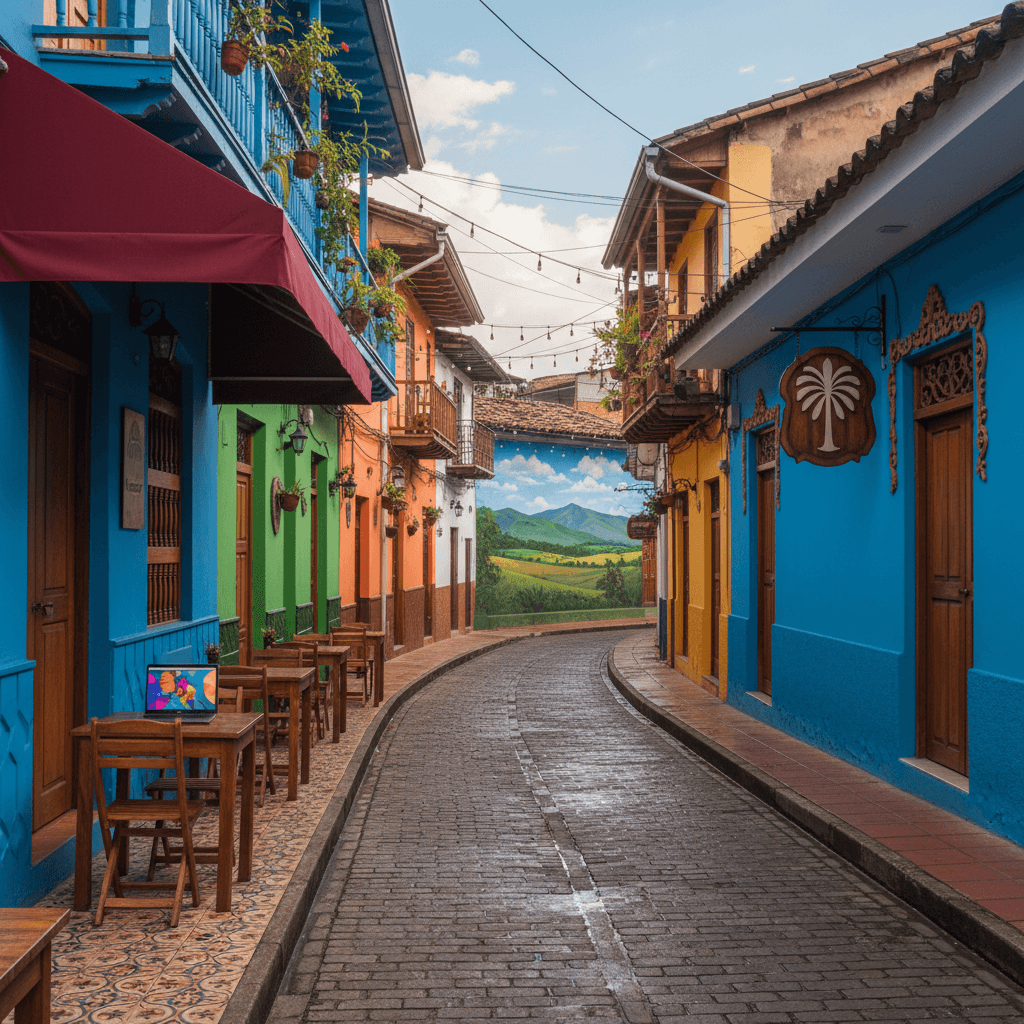
Villavicencio
🇨🇴 Colombia
The Gateway to the Wild East
If you're looking for the high-octane energy of Medellin or the polished expat bubbles of Cartagena, Villavicencio will come as a shock to the system. Known simply as "Villavo" by locals, this is the capital of Meta and the definitive gateway to the Llanos Orientales. It's a place where the Andes mountains finally give up and flatten into an endless sea of grass and cattle ranches. The vibe here isn't about rooftop bars and networking events; it's about cowboy culture, grilled meat, and a pace of life that respects the midday heat.
Living here feels like stepping into a Colombian Western. You'll see men in wide-brimmed hats and boots walking past modern shopping malls, a constant reminder that the city's heart is still rooted in the ranchero lifestyle. For a nomad, the emotional experience is one of total immersion. You aren't just another remote worker in a sea of laptops; you're a guest in a city that's still authentically itself. It's the perfect spot for a "reset stay" when the noise of the bigger hubs becomes too much.
The Nomad Reality Check
Let's be real about the setup. Villavicencio is not a plug-and-play nomad destination. You won't find a Selina or a dedicated coworking community here. Most travelers find that work happens in high-end hotel lobbies or at a Juan Valdez in the city center. Internet speeds generally hover between 50 and 100 Mbps in the urban core, which is plenty for Zoom calls, but the reliability can dip during the heavy tropical storms that roll through during the rainy season.
The trade-off for the lack of infrastructure is the incredible cost of living. Your dollar goes significantly further here than in the "Gringo Trail" cities. You can live a comfortable life for around $1,200 to $1,800 a month, enjoying high-end steak dinners at La 52 Parrilla for a fraction of what you'd pay in Bogota. It's a budget traveler's dream, provided you have a decent grasp of Spanish, as English proficiency is quite low outside of high-end service staff.
Living Like a Local
Social life in Villavo revolves around food and the outdoors. The city is famous for mamona, slow-roasted veal that's a staple of any weekend gathering. Expats who stick around usually find their rhythm by heading to the local plazas in the evenings or taking weekend trips into the plains to visit working fincas. It’s a humid, tropical environment with temperatures often hitting 90°F (32°C), so your daily schedule will likely revolve around staying cool.
- The Cowboy Spirit: The llanero culture is the city's soul. Expect to hear joropo music, a fast-paced harp-heavy genre, blasting from local shops.
- Nature on Your Doorstep: You're minutes away from incredible biodiversity. Places like Tinigua National Natural Park offer an escape into the wild that most city-dwellers only see on TV.
- Authentic Connection: Because there are so few foreigners, locals are often genuinely curious and welcoming. You'll make friends here much faster than in the transient neighborhoods of the bigger cities.
Safety is a common question. While the surrounding plains have a complex history, the city itself is generally stable. Most nomads feel safe during the day, though petty crime exists. The golden rule here is "no dar papaya" (don't give anyone an easy opportunity). Stick to well-lit areas at night and use ride-hailing apps like inDrive or Uber rather than hailing taxis on the street. If you can handle the heat and the occasional WiFi hiccup, Villavicencio offers a slice of the "real" Colombia that most digital nomads completely miss.
The Bottom Line
Villavicencio is where your dollar goes the furthest in Colombia. While popular hubs like Medellín have seen prices skyrocket, the "Gateway to the Plains" remains refreshingly affordable. You can live a comfortable, middle-class lifestyle here for about $1,200 to $1,800 a month. If you're on a strict budget, it's entirely possible to get by on $800 if you stick to local neighborhoods and cook most of your meals.
Most nomads find the cost of living here is roughly 30% to 50% lower than in the major tourist cities. You aren't paying a "gringo tax" in the Llanos; you're paying what the locals pay. It's the perfect spot for a "reset stay" where you can stack savings while enjoying some of the best barbecue in South America.
Monthly Budget Breakdown
To give you a realistic idea of what to expect for 2025 and 2026, here is how the monthly costs typically shake out across three different tiers.
Budget Nomad
- Total Monthly: $800 to $1,200
- Rent: $200 to $350 for a basic studio or room in the city center or outskirts.
- Food: $150 to $250. This means hitting the street stalls for $3 arepas and eating $5 "corrientazo" (daily special) lunches.
- Transport: $30. Sticking to the local bus system.
- Other: $50. Using free cafe WiFi and sticking to public parks for entertainment.
Mid-Range Professional
- Total Monthly: $1,200 to $1,800
- Rent: $350 to $500 for a modern 1-bedroom apartment in central areas like Centro or Barrio Las Macarenas.
- Food: $350 to $500. A mix of grocery shopping and dining at mid-range spots like La 52 Parrilla, where a solid meal runs about $10 to $15.
- Transport: $50 to $70. Frequent use of ride-hailing apps like inDrive or Uber for convenience and safety.
- Other: $150. This covers a gym membership, occasional weekend trips to nearby fincas, and a few nights out.
High-End Comfort
- Total Monthly: $1,800+
- Rent: $500 to $800. You'll get a top-tier apartment near the Universidad Cooperativa or a larger house in a gated community.
- Food: $600+. Regular dinners at upscale restaurants like El Portón, where you'll spend $25 or more per person.
- Transport: $100+. Relying exclusively on private drivers or renting a car for regional exploration.
- Other: $300+. This includes high-speed fiber internet setups, premium health insurance, and frequent guided excursions into the Llanos.
Daily Expenses and Local Prices
Small costs add up, but in Villavicencio, they stay small. Travelers often say the local markets are a highlight for keeping the pantry full without breaking the bank. Here is a quick look at what common items will cost you on the ground:
- Street Food (Arepas/Carne Asada): $2 to $5
- Local Beer (Club Colombia/Poker): $1.50 to $2.50
- Cappuccino in a nice cafe: $2 to $3
- Short Taxi/Uber ride: $2 to $4
- Bus fare: $0.50
- Monthly SIM Card (Claro/Movistar): $15 for a generous data package
Expats recommend keeping an eye on your utility bills if they aren't included in your rent. While water is cheap, heavy air conditioning use in the tropical heat can spike your electricity costs. If you're working from home, ensure your lease includes "Estrato 3 or 4" pricing, as higher-tier neighborhoods pay more for the same services under Colombia's social stratification system.
For the Solo Nomad: Near Universidad Cooperativa & 20 de Julio
If you're landing in Villavicencio to work, you'll want to stay near the Universidad Cooperativa or the 20 de Julio neighborhood. These areas have a younger, student-driven energy that makes it easier to find a decent caffeine fix or a spot to open your laptop. It isn't Medellín, but you'll find the most reliable fiber optic connections here, often reaching 50 to 100 Mbps in modern apartment rentals.
- Rent: Expect to pay between $250 and $400 for a studio or a one bedroom apartment.
- Vibe: High energy, plenty of cheap eats, and a bit of a party atmosphere on the weekends.
- Pros: Most affordable area with the best access to local life and student priced menus.
- Cons: Street noise can be an issue during midterms or local festivals.
For the Long-Term Expat: Barrio Las Macarenas & Samanes
Expats who've settled in the "Gateway to the Plains" usually gravitate toward Barrio Las Macarenas or Samanes. These are established, residential zones that feel a world away from the chaotic city center. You'll find wider streets, more greenery, and a sense of security that allows for evening strolls. It's the kind of place where neighbors actually know each other, which helps when you're trying to polish your Spanish.
- Rent: Prices for comfortable, multi bedroom homes range from $300 to $450.
- Vibe: Quiet, suburban, and leafy. It feels like a genuine Colombian neighborhood rather than a transit hub.
- Pros: Close to local parks and away from the heavy exhaust of the main bus routes.
- Cons: You'll definitely need to use inDrive or Uber to get anywhere interesting, as it's not very walkable for errands.
For Families: The Northern Residential Corridors
Families looking for space and safety should look toward the newer developments on the northern edge of the city. These areas offer gated complexes (conjuntos) that often include playgrounds and small pools, which are lifesavers in the 90 degree heat. You're closer to the big malls like Primavera Urbana, which has modern amenities and air conditioning when the humidity gets too intense.
- Rent: Modern three bedroom apartments in gated communities start around $500.
- Vibe: Secure, family oriented, and very quiet.
- Pros: Best security in the city and easy access to high end grocery stores and pharmacies.
- Cons: It can feel a bit sterile and lacks the "cowboy culture" charm found in the city center.
For the Short-Term Solo Traveler: Centro (Downtown)
If you're only in town for a week to see the Llanos or go on a safari, staying in the Centro is your best bet. You'll be within walking distance of the main plazas, government buildings, and the most famous local BBQ spots like El Portón. It's the pulse of the city, though it's strictly a daytime affair. Once the sun goes down, most travelers recommend heading back to your hotel or apartment.
- Rent: Short term stays in local hotels or basic Airbnbs run $20 to $35 per night.
- Vibe: Chaotic, traditional, and very busy. You'll see plenty of wide brimmed hats and local vendors.
- Pros: No transport needed for daily errands; everything is right outside your door.
- Cons: Safety can be hit or miss after dark, and the noise from traffic is constant.
Most nomads find that while Villavicencio doesn't have a "digital nomad neighborhood" in the traditional sense, the city's small size means you're never more than a $3 ride from where you need to be. Just make sure to confirm the Claro or Movistar signal strength before signing any month long lease, as some of the older brick buildings in the center can be notorious for dead zones.
Connectivity and the Remote Work Reality
If you're coming from Medellin or Bogota, adjust your expectations. Villavicencio isn't a tech hub, it's a cattle town finding its digital legs. You won't find a Selina or a WeWork here. Instead, working remotely in "Villavo" requires a bit of strategy and a good pair of noise-canceling headphones to drown out the vallenato music and the roar of motorbikes.
Most central hotels and modern apartment rentals offer fiber optic connections through Claro or Movistar. You can expect speeds between 50 and 100 Mbps in the city center. However, the farther you drift toward the rural outskirts or the "fincas" in the Llanos, the more the signal degrades. Power outages aren't daily occurrences, but they happen more frequently here than in the capital, so keep your devices charged.
Best Spots to Log In
Since dedicated coworking spaces are scarce, most nomads treat the city's cafe culture as their office. It's a "bring your own hotspot" kind of town just in case the house WiFi decides to take a siesta.
- Hilton Garden Inn: This is the gold standard for reliable work sessions. They offer a day pass for roughly $15 that grants you access to high-speed internet and a professional environment. It's the best bet for important client calls.
- Juan Valdez (Centro): Located in the heart of the action, it's consistent and familiar. It gets crowded and noisy in the afternoons, but the coffee is reliable and the staff won't shoo you away if you linger over your laptop for a few hours.
- Primavera Urbana: This is a modern shopping mall with several open-air cafes and seating areas. It's surprisingly pleasant for a few hours of deep work, especially if you snag a table near a power outlet in one of the quieter coffee shops.
- Local cafes or university coworking spaces: Small, local initiatives are starting to pop up near the Universidad Cooperativa. These are usually basic setups with a desk and a plug for about $5 to $10 a day, catering mostly to local students and the occasional traveler.
Mobile Data and Backup Plans
Don't rely solely on your Airbnb's WiFi. Local SIM cards are cheap and the 4G/5G coverage within the city limits is actually quite strong. Most expats recommend Claro for the best overall coverage in the Meta department, though Tigo and Movistar are competitive in the urban core.
- Prepaid Packages: You can pick up a SIM at the airport or any street corner "tienda." A 30-day unlimited data plan usually runs between $10 and $20.
- Tethering: If your home internet dips, a 4G hotspot is usually enough to handle Zoom calls or Slack messages without much lag.
- eSIMs: Apps like Airalo work here, but you'll pay a premium. It's much cheaper to get a physical local SIM if your phone allows it.
The Nomad Verdict on Infrastructure
Villavicencio is better suited for a "work-lite" retreat rather than a high-intensity product launch. Travelers often say the city works best as a base for exploring the plains on weekends while maintaining a basic 9-to-5 during the week. If your job involves heavy video rendering or constant high-bandwidth uploads, stick to the Hilton or a high-end rental in Barrio Las Macarenas. For everyone else, the local cafes and a reliable data plan will get the job done while you enjoy the slower pace of the Llanos.
Staying Safe in the Llanero Capital
Villavicencio feels significantly different from the high energy chaos of Bogota. Most travelers describe the vibe as relaxed and grounded, but you still need to keep your wits about you. Petty crime like phone snatching or pickpocketing happens, particularly in the Centro district after the shops close. The general rule here is "no dar papaya," a Colombian classic meaning don't give anyone an easy opportunity to take your stuff.
While the surrounding Meta department has a complex history involving guerrilla groups, the city itself and the main tourist corridors are stable. You'll want to avoid the southern fringes of the city and stick to well lit areas at night. Most nomads find that taking an inDrive or Uber after dark is a cheap way to stay safe, costing only $2 to $5 per trip. Daytime walks in residential neighborhoods like Las Macarenas are generally peaceful and hassle free.
- Emergency Number: Dial 123 for police, fire, or medical emergencies.
- Solo Travel: It is quite safe during the day, but avoid walking alone on deserted streets in the downtown core once the sun sets.
- Scams: Be wary of "official" looking individuals asking to check your currency or documents; keep your passport locked in your rental and carry a digital copy instead.
Healthcare and Medical Services
If you get sick, you are in decent hands. Villavicencio serves as the medical hub for the entire eastern plains, so the facilities are better than you might expect for a city of its size. For modern equipment and professional care, travelers often look toward local clinics like those in Primavera Urbana. Just keep in mind that English proficiency is low among medical staff, so having a translation app ready is a smart move.
Pharmacies are everywhere and act as the first line of defense for minor ailments. Chains like Farmatodo or Droguerías Cafam are often open 24/7 and can provide over the counter meds for everything from altitude headaches to stomach bugs. For anything serious, private clinics will expect upfront payment or proof of insurance before treatment begins.
Insurance Requirements
If you are applying for the Colombia Digital Nomad Visa (Type V), you cannot skip the "all risk" health insurance. The government is strict about this; your policy must cover accidents, maternity, disability, and repatriation of remains. Expect to pay between $50 and $100 per month for a policy that meets these specific requirements. Even if you are just visiting on a tourist permit, the local healthcare system can get expensive for foreigners without coverage, so a plan from providers like Genki or SafetyWing is highly recommended by the nomad community.
Health Tips for the Tropics
The heat and humidity in the Llanos are no joke. Temperatures regularly hit 90°F (32°C), making dehydration a real risk if you are out exploring cattle ranches or hiking nearby trails. Stick to bottled or filtered water, as the tap water quality can be inconsistent for sensitive stomachs. Also, if you plan on heading further into the rural plains or national parks like Tinigua, ensure your Yellow Fever vaccination is up to date, as some park rangers or domestic flight carriers may ask for your "carnet" or yellow card.
Getting from A to B
Navigating Villavicencio is a bit different than the high tech transit systems you find in Bogota or Medellin. Here, the pace is slower and the infrastructure is more basic. Most nomads find that while the city center is walkable, you will need a mix of apps and local buses to see the rest of the region. Expect to spend about $30 to $80 per month on transportation depending on how often you head out to the fincas or nearby nature reserves.
Public Buses and Colectivos
The city relies on a network of small buses and colorful vans known as colectivos. They are incredibly frequent and will get you almost anywhere within the city limits for about $0.50 to $1.00 per ride.
- Payment: You pay in cash (pesos) directly to the driver or assistant. Small bills are a must.
- Routes: There isn't a central app for bus routes here. Most locals just look for the destination signs in the windshield. If you see your neighborhood name, wave it down.
- Vibe: It can get crowded and humid during peak hours, so keep your bag in front of you.
Ride-Hailing and Taxis
For safety at night or when you need to get to a Zoom call on time, ride-hailing is the way to go. While traditional taxis are everywhere, nomads generally prefer apps for the transparent pricing.
- InDrive: This is the dominant player in Villavicencio. You bid what you want to pay for a ride, and a driver accepts it. Most short trips across town cost between $2 and $4.
- Uber: It works here but often has fewer drivers than InDrive. It is a solid backup if you want the familiarity of the interface.
- Yellow Taxis: You can hail them on the street, but always confirm the price before getting in. A trip from the city center to the upscale residential areas usually stays under $5.
Walking and Biking
If you stay in Centro, you can reach most markets, banks, and cafes on foot. However, the llanero heat is no joke. By midday, the humidity makes long walks pretty draining.
Biking is popular for sport on the weekends, but the city lacks dedicated lanes for daily commuting. You can find limited rentals through local shops or apps like Muvo for about $5 a day, but be cautious with traffic. Drivers here aren't always used to sharing the road with cyclists.
Arriving and Departing
Getting into the city usually happens via La Vanguardia Airport (VVC). It is a small, efficient terminal about 20 minutes from the center. A taxi from the airport to your Airbnb should cost around $10.
If you are coming from Bogota, you will likely take a bus from the Terminal de Salitre. The ride takes about 3 to 4 hours and costs roughly $15. The road is famous for its incredible views as you descend from the Andes into the plains, but it is also prone to closures during the heaviest rains in Oct-Nov. Always check the highway status before you book your ticket.
Pro Tips for Nomads
Since there is no metro or light rail, your best bet is to live near your preferred workspace. If you are staying near the Universidad Cooperativa, you will have plenty of transport options at your doorstep. For those living in Samanes or more residential pockets, having the InDrive app downloaded and a local SIM card from Claro or Tigo is mandatory to ensure you aren't stranded when the afternoon tropical rains start.
The Spanish Reality
If you're planning to set up shop in Villavicencio, leave your expectations of English fluency at the airport. Unlike the tourist bubbles of Medellín or Cartagena, this is the heart of Colombia's plains culture. Spanish isn't just the primary language; it's practically the only one spoken in daily life. Most locals have about 10% to 20% English proficiency, usually limited to staff at high-end hotels like the Hilton Garden Inn or younger university students near the Universidad Cooperativa.
You'll quickly notice the local llanero accent. It’s distinct, rhythmic, and can be quite thick, often dropping the 's' at the ends of words. Don't let that intimidate you. People here are famously hospitable and will usually go out of their way to understand your broken Spanish if you're making an effort. Expect to use translation apps like DeepL or Google Translate frequently, especially when negotiating rent or ordering mamona at a local grill.
Digital Communication and Connectivity
Staying connected is relatively straightforward as long as you stick to the major players. For your phone, skip the international roaming and grab a local SIM card immediately. Most nomads recommend Claro for the best overall coverage in the Meta department, though Movistar and Tigo are solid alternatives. You can get a prepaid plan with generous data for roughly $10 to $20 per month.
WhatsApp is the undisputed king of communication here. You'll use it for everything: booking a table at El Portón, messaging your landlord, or even ordering delivery from local shops. If a business doesn't have a WhatsApp number, they practically don't exist. Make sure your account is set up and ready to go before you arrive.
Navigating the Paperwork
If you're applying for the Type V Digital Nomad Visa, keep in mind that the Colombian government requires all official documents to be translated into Spanish. This includes your proof of remote income (minimum of 3x Colombian minimum wage, approx. $1,400 USD per month) and your health insurance policy. The online application through the Ministry of Foreign Affairs website is in Spanish, so having a translator or a Spanish-speaking friend nearby will save you a massive headache.
Survival Phrases for the Nomad Life
While you don't need to be fluent to survive a month in "Villavo," knowing a few specific phrases will make your work life much easier. Beyond the standard greetings, keep these in your back pocket:
- ¿Cuál es la clave del Wi-Fi? (What is the Wi-Fi password?)
- ¿Tienen una mesa con enchufe? (Do you have a table with an outlet?)
- La factura, por favor. (The bill, please.)
- ¿Aceptan transferencia o solo efectivo? (Do you take transfer or only cash?)
- ¿Dónde está el coworking más cercano? (Where is the nearest coworking?)
Travelers often find that even a basic "muchas gracias" or "buen día" goes a long way in building rapport with the locals. Since the expat community is small, your social life will likely involve more locals than fellow foreigners, making Spanish your biggest asset for a successful stay.
The Tropical Rhythm of the Llanos
Villavicencio doesn't do mild. Sitting right where the Andes mountains crash into the vast eastern plains, the city experiences a tropical savanna climate that stays hot and humid year round. You can expect average daytime temperatures to hover between 75°F and 90°F (24°C to 32°C). It is the kind of heat that dictates the pace of life; locals tend to get things done early in the morning or late in the evening when the breeze picks up.
The humidity is a constant companion here. While the air feels thick, it keeps the surrounding landscape incredibly lush. If you are coming from the high altitude chill of Bogotá, the immediate warmth of "Villavo" feels like a heavy, tropical embrace the moment you step off the bus or plane.
Decoding the Seasons
In this part of Colombia, the seasons aren't about temperature shifts but rather how much water is falling from the sky. Understanding these cycles is the difference between a productive stay and being stuck indoors watching the streets turn into rivers.
- The Dry Season (December to March): This is widely considered the peak window for visiting. The sun is out, the plains are accessible, and the humidity feels slightly more manageable. January and February are the driest months, making them perfect for exploring nearby nature reserves like Tinigua.
- The Rainy Season (April to November): This is a long stretch of frequent downpours. October and November usually see the heaviest rainfall, often leading to localized flooding and making the 3 hour drive to Bogotá unpredictable due to potential landslides on the mountain road.
- The "Mini-Dry" Spell (August and September): There is often a brief break in the rains during these months. It is a great time for nomads who want lower prices than the December peak but still want enough sunshine to enjoy a weekend at a local finca.
When to Plan Your Trip
For most remote workers, the sweet spot is December through May. During this window, you get the best of the llanero lifestyle. The skies are clear enough for reliable satellite internet if you are staying further out, and the dirt roads leading to the best swimming holes and ranch tours are actually passable.
If you enjoy cultural immersion, try to align your visit with the International Joropo Contest, held in October. While it falls during the rainier months, the city transforms with traditional music, cowboy parades, and dance competitions. Just keep in mind that accommodation prices in central neighborhoods like Barrio Las Macarenas will spike, and you will need to book your stay well in advance.
What to Pack for the Plains
Packing for Villavicencio requires a bit of strategy. The heat is intense, but the rain is aggressive. Travelers who have spent time here recommend a "layers for moisture" approach rather than layers for warmth.
- Breathable fabrics: Stick to linen or high quality moisture wicking synthetics. Cotton can get heavy and stay damp in the 80% humidity.
- Rain protection: A lightweight, packable rain shell is better than an umbrella, which often fails against the wind during a tropical storm.
- Insect defense: The mosquitoes in the Meta department are no joke, especially near the river. Bring a high DEET repellent for sunset hours.
- Formal-ish light wear: If you plan on visiting upscale spots like El Portón or meeting local business owners, a light button down or a sundress is standard. Despite the heat, Colombians in the city tend to dress sharply.
Expect to spend about $10 to $20 on a decent fan or small portable AC unit if your Airbnb doesn't include one. Most modern apartments near the Universidad Cooperativa will have built in cooling, but it is always worth double checking before you sign a monthly lease.
Making the Move
Villavicencio isn't your typical digital nomad hotspot like Medellin or Bogota. It's a place where the pace slows down, the air smells like grilled meat and rain, and the cowboy culture of the Llanos Orientales takes center stage. You'll find it far more affordable than the major hubs, but you have to be prepared for a more rugged, authentic Colombian experience.
Cost of Living Breakdown
Your budget goes a long way here. Expect to spend 30% to 50% less than you would in the popular mountain cities. Here is what a typical monthly budget looks like for a solo traveler in 2025:
- Budget Tier ($800 to $1,200): You'll stay in a modest studio in the city center for about $200 to $350. Meals consist of street food like arepas and carne asada for $2 to $4, and you'll mostly work from local coffee shops.
- Mid-range Tier ($1,200 to $1,800): This gets you a nicer apartment in a residential area like Las Macarenas for $350 to $500. You can afford more frequent meals at spots like La 52 Parrilla and occasional rideshare trips.
- Comfortable Tier ($1,800+): You'll live in modern apartments near the Universidad Cooperativa for $500+, eat at upscale restaurants like El Porton, and likely maintain a dedicated office setup or use higher end hotel workspaces.
Connectivity and Workspace
Internet is the biggest hurdle for remote workers. While the city center and major hotels offer fiber speeds between 50 and 100 Mbps, it gets spotty as you move toward the outskirts. Most nomads rely on a Claro or Movistar SIM card as a backup; a plan with unlimited data usually runs about $10 to $20.
You won't find a WeWork here. Instead, head to the Hilton Garden Inn for a professional environment, or grab a table at a Juan Valdez in the Centro. Just bring noise-canceling headphones, because the local cafe culture is lively and loud.
Navigating the City
Getting around is straightforward but requires some local savvy. Public buses are the cheapest way to travel at about $0.50 per ride, though they can be confusing for newcomers. Most expats and nomads prefer ride-hailing apps like inDrive or Uber, which typically cost between $2 and $5 for a cross-town trip.
If you're coming from Bogota, the bus ride from El Dorado or the Terminal del Salitre takes about 3 to 4 hours and costs around $15. The local airport, La Vanguardia, is just 20 minutes from the center by taxi.
Safety and Health
Villavicencio is generally safe during the day, especially in the central and residential neighborhoods. Like any Colombian city, petty crime exists, so keep your phone tucked away in crowded markets. Travelers suggest avoiding the southern fringes of the city and staying off the streets in the Centro after dark.
For medical needs, Clinica Premier is the most modern facility in town. Pharmacies like Farmatodo are everywhere and often open 24/7. If you're applying for the Type V Digital Nomad Visa, remember that you'll need all-risk health insurance and proof of remote income to satisfy the total fees approx. $225 USD requirements.
Local Language and Weather
Don't expect much English here. Proficiency is low, hovering around 10% to 20% even in professional settings. You'll want to have Google Translate or DeepL ready on your phone. The local "llanero" accent is thick and soulful, so it's a great place to immerse yourself if you're serious about learning Spanish.
The weather is tropical and humid, with temperatures averaging between 75°F and 90°F. The best time to visit is the dry season from December to May. If you come between October and March, pack a serious raincoat; the downpours are legendary and can occasionally cause transit delays on the highway to Bogota.
Need visa and immigration info for Colombia?
🇨🇴 View Colombia Country GuideHidden Gem
Worth the effort