Villarrica
🇵🇾 Paraguay
The Cultured Heart of the Guairá Hills
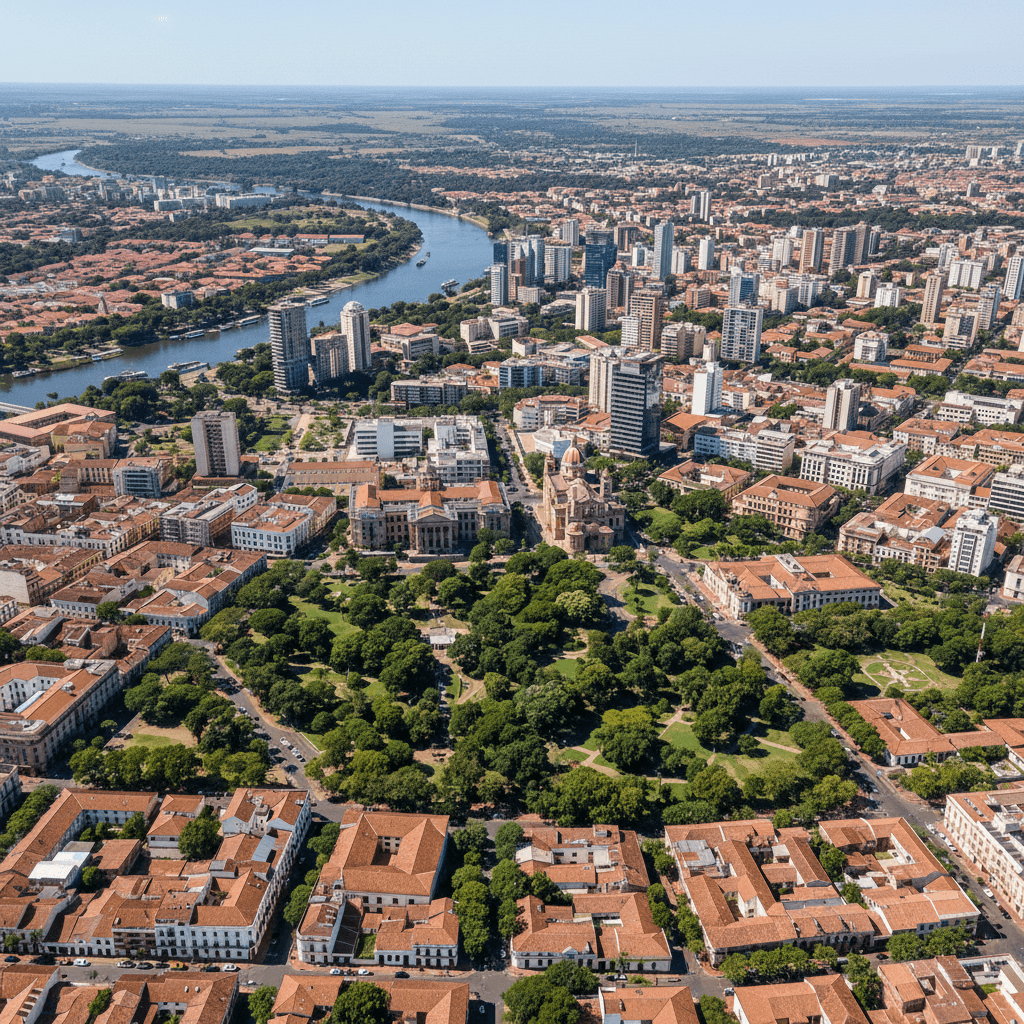
While Asunción grabs the headlines for its rapid development, Villarrica remains the intellectual and artistic soul of Paraguay. It is a place where the air smells of orange blossoms and the pace of life is dictated by the shade of the plaza trees rather than a frantic work schedule. For nomads who find the capital too chaotic, this hilltop town offers a rare blend of colonial elegance and a scholarly, quiet atmosphere that feels like stepping back into a more intentional era.
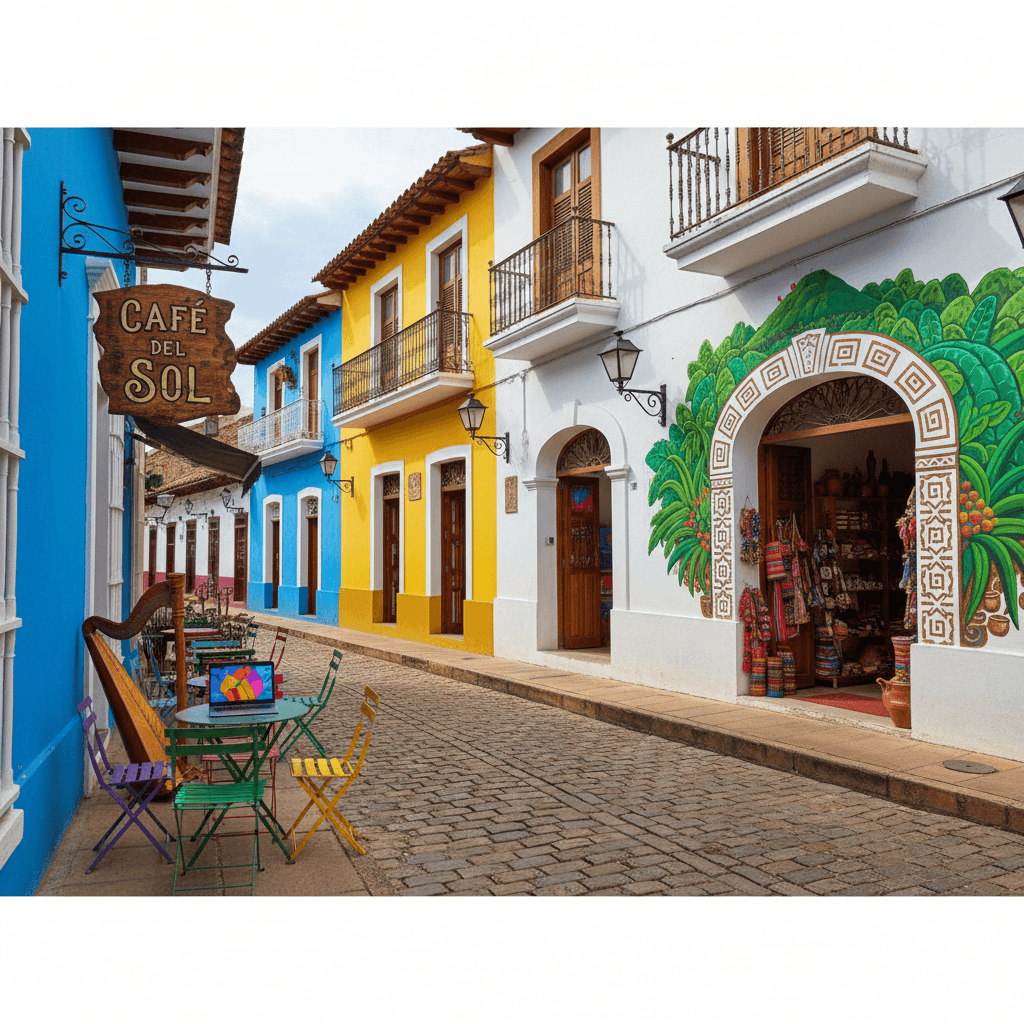
The vibe here is decidedly "slow travel." You won't find a high-octane startup scene or rows of sleek coworking spaces. Instead, you'll find cobbled streets lined with columned houses and the striking Ybaroty Church, a neo-Gothic brick masterpiece that anchors the town’s identity. It is a city of students and artists, giving it a refined energy that’s unique in rural Paraguay. If you’re looking to disappear into a creative project or simply want a high standard of living without the city noise, Villarrica hits a sweet spot of affordability and charm.
What to Expect as a Nomad
Living here requires a bit of self-sufficiency. Most nomads find that while the town is incredibly safe and welcoming, the infrastructure for remote work is still catching up. You’ll likely be working from a sun-drenched patio at a boutique spot like Doña Emilia Hotel or setting up a Starlink terminal in a rented villa. It’s the kind of place where you’ll be the only person on a laptop in the cafe, which can be a refreshing change from the crowded "nomad bubbles" of Medellin or Buenos Aires.
- The Pros: Extremely low cost of living, beautiful historic architecture, and a genuine, non-touristy local culture. It’s safe, walkable, and the surrounding green hills offer a great escape for hikers.
- The Cons: English is rarely spoken, the internet can be temperamental in the outskirts, and there is almost no established expat "scene" to plug into.
Cost of Living Breakdown
The financial appeal of Villarrica is hard to beat. You can live a very comfortable life here for around $1,000 to $1,200 per month, and those on a tighter budget can easily get by on $700. Prices are generally 20% to 40% lower than in Asunción.
Budget Living
- Monthly Total: $600 to $800
- Rent: $250 to $400 for a modest studio on the edge of the center.
- Food: $2 to $4 for street food like chipa or empanadas from local vendors.
- Connectivity: $10 for a 20GB local SIM card from Tigo.
Mid-Range Comfort
- Monthly Total: $900 to $1,200
- Rent: $400 to $600 for a well-maintained 1-bedroom apartment near Plaza de la Libertad.
- Food: $5 to $10 for a sit-down meal at a local cafe or bistro.
- Transport: $3 to $5 for occasional private rides or short trips out of town.
Premium Experience
- Monthly Total: $1,500+
- Rent: $700+ for a large colonial-style house or a high-end apartment with modern amenities.
- Dining: $20 for a premium Paraguayan beef dinner with wine.
- Infrastructure: $50 per month for a Starlink subscription to ensure 100Mbps+ speeds.
Navigating the Neighborhoods
Villarrica is compact, so choosing a location is more about the specific street than a distinct district. Most of the action, and the best connectivity, is concentrated in the center.
Downtown (Plaza de la Libertad & Plaza de los Héroes)
- Best For: First-timers and short-term nomads.
- The Draw: You are within walking distance of everything. The architecture is beautiful, and the festive atmosphere during December is unmatched.
- The Trade-off: It can get a bit noisy during local festivals or weekend evenings.
Ybaroty District
- Best For: History buffs and photographers.
- The Draw: Centered around the iconic Ybaroty Church, this area is incredibly picturesque and feels very traditional.
- The Trade-off: Fewer long-term rental options; most properties here are family-owned or tourist-focused.
The Outskirts & Hills
- Best For: Expats and families looking for space.
- The Draw: Quiet, green, and private. You get more house for your money and a higher standard of peace.
- The Trade-off: You will absolutely need a car or a reliable bike, and you’ll likely need to invest in your own high-speed satellite internet.
The Price of Tranquility
Villarrica is a breath of fresh air for your wallet, especially if you're coming from the high rises of Asunción or the expensive hubs of neighboring Brazil. You can live a high quality life here for about 20% to 40% less than you'd spend in the capital. Most mid range nomads find that $900 to $1,200 a month covers a comfortable lifestyle including a private apartment, frequent dining out, and weekend explorations into the Guairá hills.
Because it's a university town and a regional hub, prices aren't inflated for tourists. You're paying local rates for almost everything. While you won't find high end luxury malls, the trade off is a remarkably low cost of entry for a very peaceful, safe environment.
Monthly Budget Tiers
- Budget ($600 to $800): Perfect for the slow traveler. You'll likely stay in a studio on the edges of downtown for $250 to $400. You'll eat primarily like a local, grabbing $3 chipa or empanadas from street vendors and using the local buses for $0.50 a ride.
- Mid-Range ($900 to $1,200): This is the sweet spot. You can snag a nice one bedroom apartment near Plaza de la Libertad for $400 to $600. This budget allows for daily cafe visits, mid range meals at spots like those near the Ybaroty Church for $8 to $10, and a reliable 4G data plan.
- Comfortable ($1,500+): At this level, you're living like royalty. You can rent a large colonial style house or a premium apartment for $700 or more. You'll have enough left over for $20 steak dinners, private drivers for trips to nearby waterfalls, and a dedicated Starlink setup for the best possible internet.
Housing and Neighborhoods
Villarrica doesn't have the "expat bubbles" you see in other cities. Most nomads gravitate toward the Downtown area near Plaza de los Héroes. It's the most walkable part of town and keeps you close to the few cafes that have reliable WiFi. If you prefer a more boutique experience, look for rentals near the Doña Emilia Hotel Boutique, which is the gold standard for local hospitality.
The Ybaroty district is the most picturesque area. Living near the neo Gothic church gives you a front row seat to the city's best architecture and festive events, though long term rentals here are harder to find and often require local networking. If you're looking for peace and quiet, the Hills/Outskirts offer green views and cooler air, but you'll definitely need a car or a reliable taxi contact to get into town.
Everyday Expenses
Food is one of the biggest wins here. Paraguay is famous for its beef, and in Villarrica, a high quality steak dinner rarely tops $15 to $20. Utilities are generally low, averaging around $50 a month, though your electricity bill will jump in the summer if you're running the AC 24/7.
- Local SIM Card (Tigo or Claro): $10 to $25 for 20GB to 50GB of data.
- Starlink Subscription: $50 a month (plus the initial equipment cost), which many remote workers consider a necessary investment here.
- Grocery Run: $40 to $60 per week for a single person shopping at local markets.
- Coffee: $2 to $3 for a solid latte in a central cafe.
Transport is almost a non issue if you stay central. The town is highly walkable, and when you do need to move further afield, the local "collectivo" buses are incredibly cheap. Most nomads find that between walking and the occasional $3 to $5 taxi ride, they don't need their own wheels.
For Digital Nomads and Solo Travelers
If you're landing in Villarrica for a month or two of remote work, you'll want to stay in the Downtown core, specifically the area surrounding Plaza de la Libertad and Plaza de los Héroes. This is the only part of town where you can realistically live without a car. You can walk to the local boutiques, grab a coffee near the plazas, and reach the iconic Ybaroty Church in under 15 minutes.
Most nomads aim for short term rentals or boutique setups like the Doña Emilia Hotel Boutique. Expect to pay between $400 and $600 for a decent one bedroom apartment in this central grid. While there aren't dedicated coworking spaces yet, the cafes around the main plazas are your best bet for a work session. Just keep in mind that the local vibe is slow; the "hustle" here is more about orange trees and afternoon tereré than tech meetups.
- Rent: $300 to $600 for central apartments.
- Connectivity: Best fiber optic coverage is found in this central radius.
- Vibe: Historic, walkable, and social in a low key way.
For Long Term Expats
Expats looking for a permanent base often gravitate toward the Central Historic District near the Ybaroty Church. This neighborhood is famous for its 1950s neo-Gothic architecture and stone facades. It feels more like a settled community than a transit zone. You'll find beautiful columned houses and cobbled streets that capture the city's "City of the Arts" reputation.
Living here means being part of the local fabric. You'll see neighbors chatting on porches and vendors selling traditional goods during the December festivities. Prices for long term leases are significantly lower than in Asunción, often dropping 20% to 40% below capital rates. A comfortable lifestyle here is achievable on $1,200 a month, especially if you enjoy cooking with fresh local produce and eating at traditional parrilladas.
- Atmosphere: Culturally rich with a high standard of living.
- Housing: Larger colonial style homes and renovated apartments.
- Pros: Very safe and quiet compared to the main commercial streets.
For Families
Families usually head for the Hills and Outskirts. These residential zones offer more space, larger yards, and a much greener environment. It’s the best choice if you want to experience the rolling landscape that gives Villarrica its charm. The air is fresher, and the noise of the city center disappears entirely.
The trade off is that you'll definitely need a vehicle. Public transport out here is limited to occasional local buses and trucks. Internet can also be a bit more temperamental in the hills, so many expat families install Starlink to ensure they stay connected for school or work. It’s a peaceful trade off for those who prioritize a backyard and a view over being steps away from a cafe.
- Living Costs: Larger family homes can range from $600 to $900 per month.
- Safety: Extremely high; these are tight knit residential pockets.
- Essentials: You'll need to drive 10 minutes into the center for major grocery runs.
For Short Term Visitors
If you're only in town for a week to soak up the history, stay as close to the Ybaroty Church as possible. This area is the most picturesque part of the city, especially in the afternoon light when the brickwork glows. You're within walking distance of the main landmarks and the best photo ops.
Since the town is small, staying central allows you to experience the "slow travel" pace Villarrica is known for. You can spend your mornings wandering the plazas and your evenings trying local beef at a mid range restaurant for about $10. It’s a refreshing break from the humidity and traffic of the larger cities.
- Best for: Photographers, history buffs, and slow travelers.
- Top Tip: Visit in December to see the streets decorated for the holidays.
- Daily Budget: You can live very well on $30 to $50 a day including meals and a nice room.
If you are coming from the high speed hubs of Asunción or Ciudad del Este, Villarrica will feel like a deliberate downshift. This is a town of orange trees and cobblestones, where the "digital" part of digital nomadism requires a bit more intentionality. You won't find sleek, glass-walled coworking spaces here yet. Instead, work life revolves around your home setup or a few quiet corners in the historic center.
The Connectivity Reality
In the downtown core, especially near Plaza de la Libertad, fiber optic internet is becoming the standard. You can generally expect speeds between 10Mbps and 50Mbps. While that is plenty for standard Zoom calls and Slack, it can get spotty if you move toward the outskirts or the surrounding hills. If your work involves heavy video rendering or massive data transfers, you will want to verify the specific connection at your accommodation before signing a long term lease.
Most nomads in Villarrica treat their apartments as their primary office. If you are planning a stay longer than a month, many expats recommend investing in a Starlink kit. It changed the game for remote work in rural Paraguay. The hardware costs around $350 with a monthly service fee of roughly $50, providing reliable speeds of 50 to 200Mbps even when the local grid flickers.
Mobile Data and Backup Plans
Never rely on a single source of internet here. Local SIM cards are cheap and the 4G coverage from Tigo and Claro is surprisingly robust within the city limits. You can pick up a 20GB to 50GB data package for anywhere between $10 and $25. It is a smart move to keep a loaded SIM as a hotspot backup for those moments when the local Wi-Fi decides to take a siesta.
- Tigo: Generally offers the best overall coverage in the Guairá department.
- Claro: Often has competitive data pricing and solid speeds in the city center.
- Personal: A reliable third option if the others have weak signals in your specific neighborhood.
Where to Work: Cafes and Quiet Spots
Since dedicated coworking spaces are non-existent in Villarrica, you will need to get creative. The cafe culture is growing but still modest compared to the capital. Most spots are designed for socializing over chipa and coffee rather than eight hour laptop sessions, so be mindful of the "laptop lingering" etiquette.
Doña Emilia Hotel Boutique is a favorite for many travelers. Its central location and reliable Wi-Fi make the common areas a decent place to knock out a few emails. For a more local vibe, look for cafes surrounding Plaza de los Héroes. While they might not advertise themselves as workspaces, the staff are usually friendly if you buy a few rounds of coffee and stay out of the way during the lunch rush.
Digital Nomad Infrastructure at a Glance
- Average Fiber Speed: 25Mbps (Downtown)
- Starlink Monthly Cost: $50
- Prepaid SIM (20GB): $10
- Coworking Daily Rate: N/A (Plan to work from home or cafes)
- Reliability: 7/10 (Occasional power dips in summer months)
If you find yourself desperate for a professional office environment or a networking event, you will need to head back to Asunción for a few days. The capital is about 4 to 5 hours away by bus, making it a feasible trip for a mid-week sprint if your local connection fails. For most nomads choosing Villarrica, the trade-off of a slower pace and lower costs is well worth the DIY office approach.
Personal Safety and Street Smarts
Villarrica is widely considered one of the safest urban pockets in Paraguay. Unlike the gritty edges of Asunción or the frantic energy of Ciudad del Este, this town moves at a glacial, respectful pace. Most digital nomads and expats find they can walk the central streets near Plaza de la Libertad or Plaza de los Héroes well into the evening without feeling on edge. The community is tight knit, and the presence of the university keeps the center lively but academic rather than rowdy.
That said, common sense remains your best tool. While violent crime is rare, petty theft can happen if you leave a laptop unattended at a cafe or flash a high end smartphone in unlit areas. Residents suggest sticking to the well lit main thoroughfares after dark. If you are staying on the outskirts or near the hills, it's smarter to use a local taxi or a pre-arranged ride rather than walking long distances on unlit roads at 2:00 AM. Solo female travelers generally report a hassle free experience, though you might get some curious stares simply because foreigners are still a bit of a novelty here.
Emergency services can be reached by dialing 911. English speakers are scarce in the local police force, so having a translation app with a downloaded Spanish pack is a lifesaver. Most locals are incredibly helpful if you're in a bind, often going out of their way to assist a confused traveler.
Healthcare Facilities and Pharmacies
For minor ailments and routine checkups, Villarrica is well equipped. The city serves as a regional hub, meaning it has better facilities than the surrounding rural villages. You'll find several farmacias (pharmacies) scattered around the downtown core, many of which are open 24/7. Most standard medications are available over the counter and are significantly cheaper than in North America or Europe.
- Regional Hospital of Villarrica: This is the main public facility. It's fine for basic emergencies, but for anything complex, expats usually head to the private clinics.
- Private Sanatoriums: Facilities like Sanatorio Espíritu Santo offer a higher standard of care, shorter wait times, and more modern equipment. Expect to pay out of pocket or use international insurance; a standard consultation usually runs between $30 and $50.
- Specialized Care: For major surgeries or specialized oncology and cardiology, most people make the 4 to 5 hour trip to Asunción, where the top tier hospitals like La Costa or Migone are located.
Health Prep and Environmental Factors
The biggest health nuisance in Villarrica isn't a rare disease, it's the mosquitoes. Being a green, hilly region, dengue fever is a periodic concern during the wetter months. Invest in a good repellent containing DEET and keep your window screens shut. Travelers often find the tap water in the city center is technically treated, but most expats stick to bottled or filtered water to avoid "traveler's tummy" during their first few weeks.
Before you arrive, make sure your routine vaccinations are up to date. While no specific shots are legally required for entry from most countries, health consultants often recommend Typhoid and Hepatitis A coverage due to the local food and water standards. If you plan on trekking into the nearby Ybytyruzú hills, a Yellow Fever vaccination is a wise precaution, though the risk in the city itself is negligible.
Insurance and Costs
Most digital nomads use providers like SafetyWing or World Nomads while staying here. Because Villarrica is so affordable, you might be tempted to skip insurance, but a medical evacuation to the capital can get pricey. Local private insurance plans are also an option if you're staying long term; these can cost as little as $60 to $100 per month and provide access to a network of private doctors across the country.
Villarrica is a city that moves at its own pace. While Asunción feels like a frantic construction site, Villarrica feels like a long Sunday afternoon. This isn't a place where you'll find a sleek metro system or a fleet of Ubers waiting around every corner. Instead, getting around here is a lesson in slow travel and local immersion.
On Foot: The Downtown Default
If you're staying anywhere near the Plaza de la Libertad or the Plaza de los Héroes, your own two feet are your best asset. The city center is impressively compact and highly walkable. You can easily trek from the historic colonial houses downtown to the Ybaroty Church in about 15 to 20 minutes.
The streets are a mix of asphalt and traditional cobbles, often shaded by orange trees. It's pleasant during the morning, but remember that the midday sun in central Paraguay is no joke. Most nomads find that a morning walk to a cafe followed by a late afternoon stroll is the best way to handle the heat. Just keep an eye on the sidewalks; they can be uneven, so leave the fancy footwear for the capital.
Public Transit: Buses and Trucks
For longer distances or to reach the outskirts where the larger quinta houses are located, you'll rely on the local bus system. These aren't the high tech buses you might see in Europe. They are often older, colorful vehicles that locals sometimes refer to as trucks. There isn't a centralized app to track them, so you'll need to do things the old fashioned way: ask a local or look for people congregating at corners.
- Cost: A single ride usually costs around $0.50 (roughly 3,500-4,000 PYG).
- Payment: Cash is king. Keep small bills or coins handy as drivers rarely have change for large denominations.
- Frequency: Buses run frequently during daylight hours but become scarce after dark.
Taxis and Ride-Hailing
This is where Villarrica differs most from Asunción. While apps like Uber and Muv dominate the capital, they haven't really taken root here yet. You won't find a car-on-demand within two minutes. Instead, you'll find taxi stands near the main plazas and the bus terminal. It's a good idea to grab the WhatsApp number of the first friendly taxi driver you meet; most expats here keep a "trusted driver" list for late night trips or grocery hauls.
Expect to pay between $3 and $5 for most trips within the city limits. Always agree on the price before you get in, as meters are rarely used or may not exist in older cabs.
Regional Travel: Getting to Villarrica
Most travelers arrive via Silvio Pettirossi International Airport in Asunción. From there, you have two main choices to get to Villarrica:
- Long-distance Bus: High quality, air conditioned buses depart regularly from the Asunción Terminal de Ómnibus. The trip takes about 4 to 5 hours and costs roughly $15 to $20. Companies like La Villarriqueña are reliable staples for this route.
- Private Transfer: If you're hauling a lot of gear or just want comfort, a private driver from the capital will run you $100 to $150.
Cycling and Scooters
The terrain around the city is relatively flat with some rolling hills, making it decent for cycling. While there aren't dedicated bike lanes, the traffic is significantly calmer than in the capital. Some boutique hotels, like Doña Emilia, can help arrange bike rentals for the day. If you're planning on staying long term, buying a cheap used scooter is a popular move for expats who want to explore the surrounding green hills without relying on the bus schedule.
The Bilingual Reality
In Villarrica, you'll quickly realize that language isn't just a way to talk; it's a window into the town's soul. While Spanish is the official language of business and government, Guaraní is the language of the heart. Most locals are bilingual, often blending the two into a unique dialect known as Jopará. Unlike the more international vibe of Asunción, English speakers are rare here. You might find a few students or hotel staff at spots like Doña Emilia Hotel Boutique who can navigate a basic English conversation, but don't count on it for your daily errands.
Expats who settle in the central hills find that a little effort goes a long way. If you can manage a few phrases in Guaraní, like "Mba'éichapa" (How are you?), you'll instantly melt the ice with vendors at the local markets. It shows you're not just passing through, but actually respecting the local heritage.
Practical Communication for Nomads
Since English proficiency is low to moderate at best, your smartphone will be your most important tool. Local nomads recommend downloading the Spanish and Guaraní offline packs on Google Translate before you arrive. Data can be spotty once you head toward the outskirts of town, so having those files ready is a lifesaver when you're trying to explain a specific grocery item or a repair need at your apartment.
- WhatsApp is King: Just like the rest of Paraguay, every business interaction in Villarrica happens on WhatsApp. Whether you're booking a room, ordering food, or asking a landlord about fiber optic internet, don't bother calling. Send a text.
- Voice Notes: Locals love voice notes. If your Spanish is shaky, sending a short audio clip can often be clearer than a mistranslated text.
- The "Tranquilo" Factor: Communication is slower here. People take the time to greet each other properly. Rushing into a business question without a polite "Buenos días" is considered rude.
Essential Phrases to Know
You'll want to keep these tucked away for your walks around Plaza de la Libertad or when visiting the Ybaroty Church. Most signs are in Spanish, but the spoken word often leans into Guaraní slang.
- ¿Cuánto cuesta?: How much does it cost? (Essential for the $2 to $4 street food meals).
- Aguyje: Thank you in Guaraní. Use this instead of "Gracias" to see a local's face light up.
- ¿Hay WiFi?: Do you have WiFi? (A necessary question at downtown cafes).
- Permiso: Excuse me. Use this when navigating crowded market stalls or entering a small shop.
Digital Connectivity
For remote work, your communication strategy needs to include a solid data plan. Most nomads pick up a SIM card from Tigo or Claro immediately. A 20GB to 50GB monthly plan usually runs between $10 and $25. You'll need your passport to register the card at a local shop. If you're planning a long term stay in the quieter hills, expats often suggest investing in Starlink. It costs about $50 a month after the initial hardware purchase and bypasses the frustration of local outages, ensuring your Zoom calls don't drop mid sentence.
Socially, the lack of English can feel isolating if you aren't proactive. There aren't established nomad meetups in Villarrica yet, so most travelers connect through Facebook groups centered in Asunción or by hanging out in the central plazas during festive events in December. It's a DIY social scene, but the locals are famously patient with learners.
The Seasonal Cycle
Villarrica sits in the heart of the Guairá department, where the weather is defined by a subtropical climate that swings between humid heat and surprisingly crisp winters. Because it's nestled among rolling hills, you'll often find a slightly fresher breeze here than in the concrete heat trap of Asunción, but you still need to time your visit carefully to avoid the peak summer swelter.
The most comfortable window for a stay is from April to September. During these months, the intense humidity of the Paraguayan summer breaks, replaced by mild afternoons and cool nights. It's the ideal time to explore the cobblestone streets around Plaza de la Libertad without breaking a sweat. If you're planning on doing deep-focus work from a patio or a cafe, this is when the environment is most cooperative.
Summer: The Heat and the Holidays
From December through February, temperatures frequently climb above 35°C (95°F). The air gets heavy, and the afternoon sun is punishing. Most locals retreat indoors for a long siesta during the hottest part of the day, and you'll likely want to do the same. If you're here during this time, air conditioning isn't just a luxury; it's a requirement for staying productive.
Despite the heat, December is a standout month for travelers. The city transforms with festive spirit, and the streets around the Ybaroty Church come alive with nativity scenes and local vendors. It’s a peak cultural moment, though you'll have to contend with the occasional tropical downpour that can turn the dirt roads on the outskirts into a muddy mess.
Winter: The Quiet Season
Winter in Villarrica, spanning June to August, is short and unpredictable. While many days are sunny and hover around 18°C to 22°C (64°F to 72°F), cold fronts from the south can occasionally drop temperatures toward 5°C (41°F). Since many older colonial buildings lack central heating, expats recommend packing a solid fleece or a light jacket for indoor wear.
Best Time for Nomads and Expats
If you're looking for the sweet spot of great weather and local activity, aim for these periods:
- Best Weather: May to August. The skies are often clear, and the air is dry enough to enjoy long walks through the historic center.
- Best for Culture: December. The heat is intense, but the religious festivals and holiday markets offer the best insight into the town's artistic soul.
- Avoid: January and February. These are the peak of the heatwave season, and the humidity can make even simple tasks feel draining.
For those planning a long-term move, arriving in March or April is a smart play. You'll miss the worst of the summer heat and have several months of perfect weather to get your apartment set up, negotiate your Starlink installation, and find your favorite local haunts before the winter chill or the next summer cycle begins.
Connectivity and the Remote Work Reality
While Villarrica is famous for its orange trees and colonial charm, its digital infrastructure is still catching up to the capital. You won't find dedicated coworking spaces here yet. Most nomads work from their rentals or settle into quiet corners of downtown cafes near Plaza de la Libertad. If your job involves heavy video rendering or constant Zoom calls, you'll want to verify that your accommodation has a fiber optic connection.
For a reliable backup, pick up a local SIM card from Tigo or Claro. A 20GB to 50GB data package usually costs between $10 and $25. If you are planning a long term stay in the hills outside the city center, Starlink is the game changer here. The hardware kit costs roughly $350 with a monthly service fee around $50, providing speeds up to 200Mbps in areas where local cables don't reach.
Budgeting for the Guairá Region
Your money goes significantly further in Villarrica than in Asunción. A solo nomad can live comfortably on $900 to $1,200 per month without trying too hard to save. If you're on a tight budget, you can get by on $600 to $800 by sticking to local markets and modest studios on the edge of town.
- Housing: Expect to pay $300 to $500 for a decent one bedroom apartment near the historic center. Boutique options like Doña Emilia set the bar for local quality.
- Dining: A mid range meal at a local restaurant costs between $5 and $10. Street food, like chipa or empanadas, is incredibly cheap at $2 to $4.
- Transportation: Local buses and trucks charge around $0.50 per ride. Since there is no Uber, you'll rely on local taxis or your own two feet.
Navigation and Language
Villarrica is a walkable city, especially the stretch between Ybaroty Church and the main plazas. The streets are often cobbled and lined with historic columns, so bring sturdy shoes. For longer trips or exploring the nearby hills, you'll need to coordinate with local drivers or use the bus terminal for regional travel. A bus ride from Asunción’s main terminal takes about 4 to 5 hours and costs roughly $20.
Don't expect much English here. This is a deep dive into Paraguayan culture where Spanish and Guaraní are the primary languages. You'll need at least basic Spanish to negotiate rent or order at a family run comedor. Download an offline Spanish pack on Google Translate and keep a few Guaraní phrases like "Aguyje" (thank you) in your back pocket to win over the locals.
Safety and Health
The town is generally very safe, and travelers often remark on the relaxed, friendly atmosphere. Like any city, it's smart to stay in well lit areas like the Plaza de los Héroes after dark. There aren't specific "no go" zones, but the outskirts can feel quite isolated at night.
For medical needs, there are several pharmacies downtown and a regional hospital for basic care. For anything serious or specialized, most expats head back to Asunción. Make sure your health insurance covers international providers, as you'll likely be paying out of pocket and seeking reimbursement later for local visits.
Need visa and immigration info for Paraguay?
🇵🇾 View Paraguay Country GuideHidden Gem
Worth the effort
Monthly Budget Estimates
More cities in Paraguay
Ciudad del Este
🇵🇾 Paraguay
San Bernardino
🇵🇾 Paraguay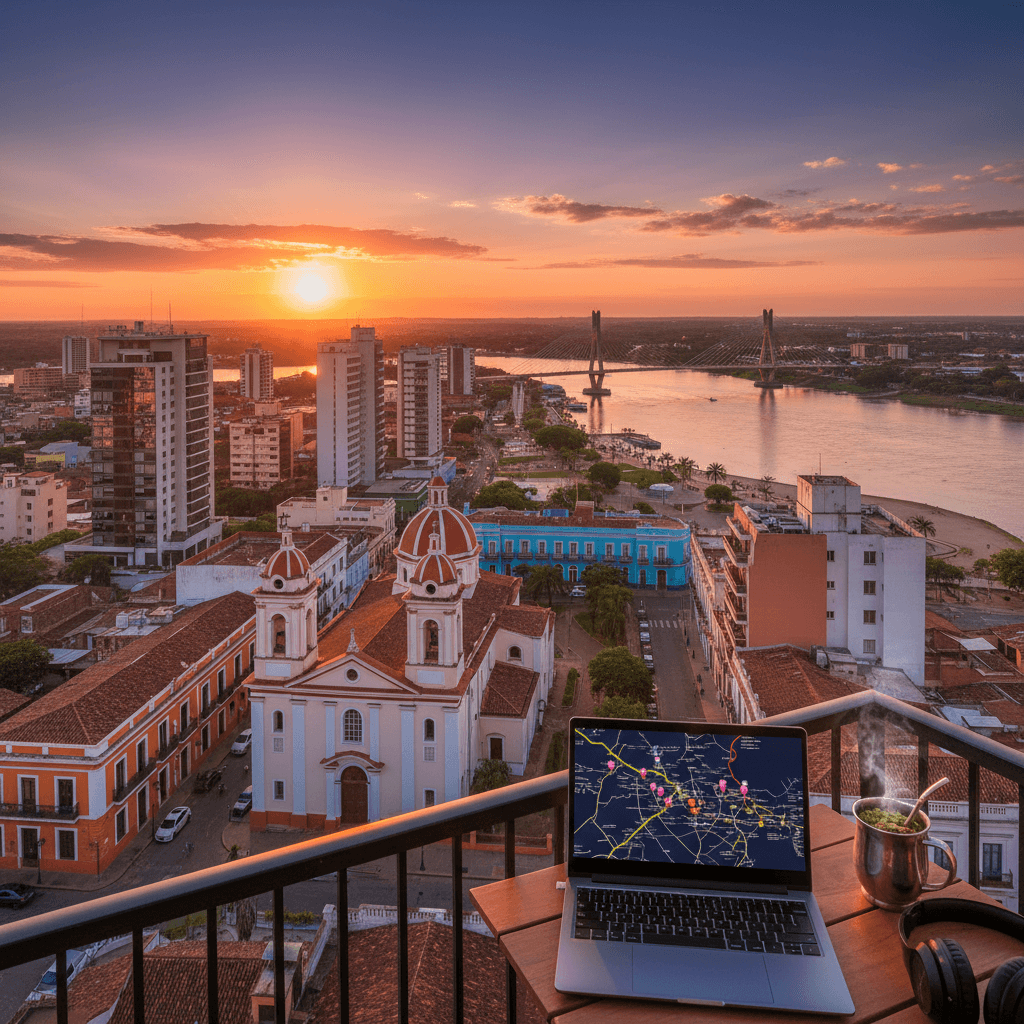
Encarnación
🇵🇾 Paraguay