Vientiane
🇱🇦 Laos
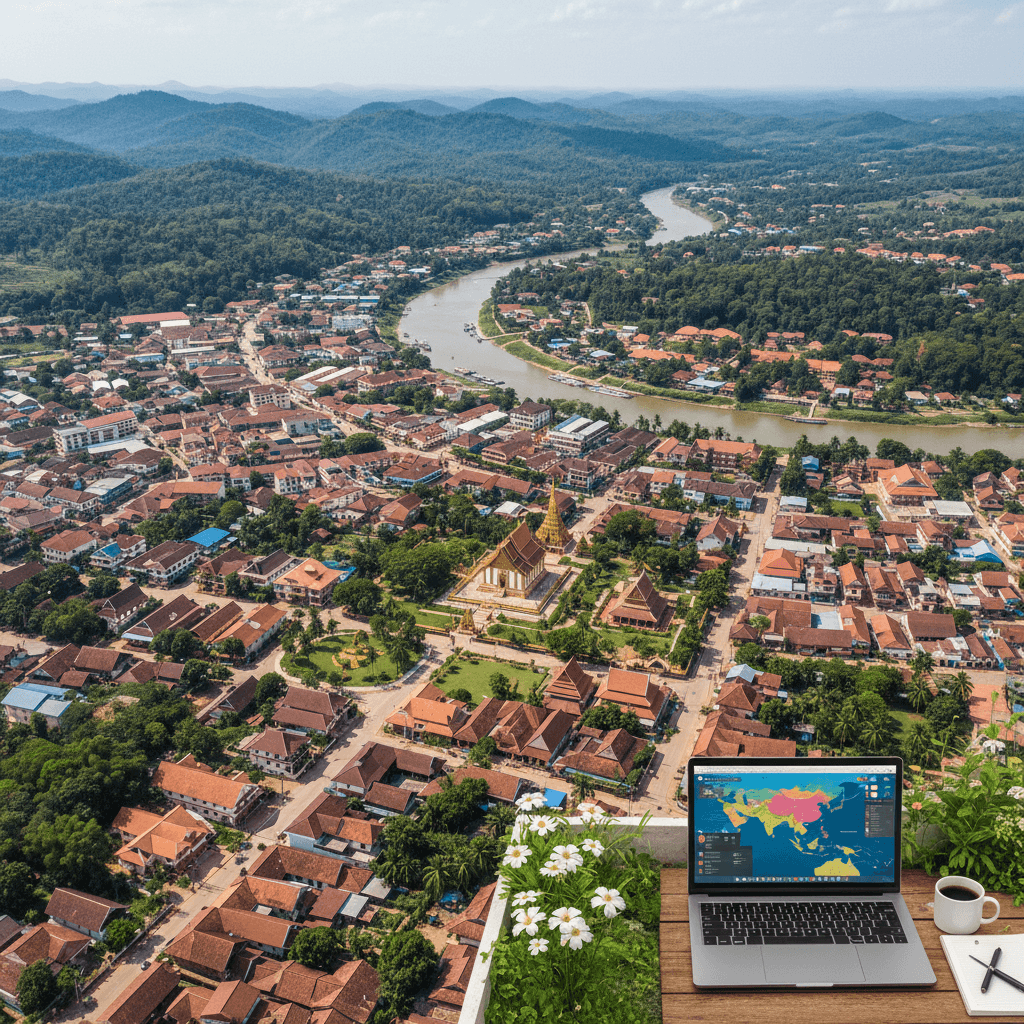
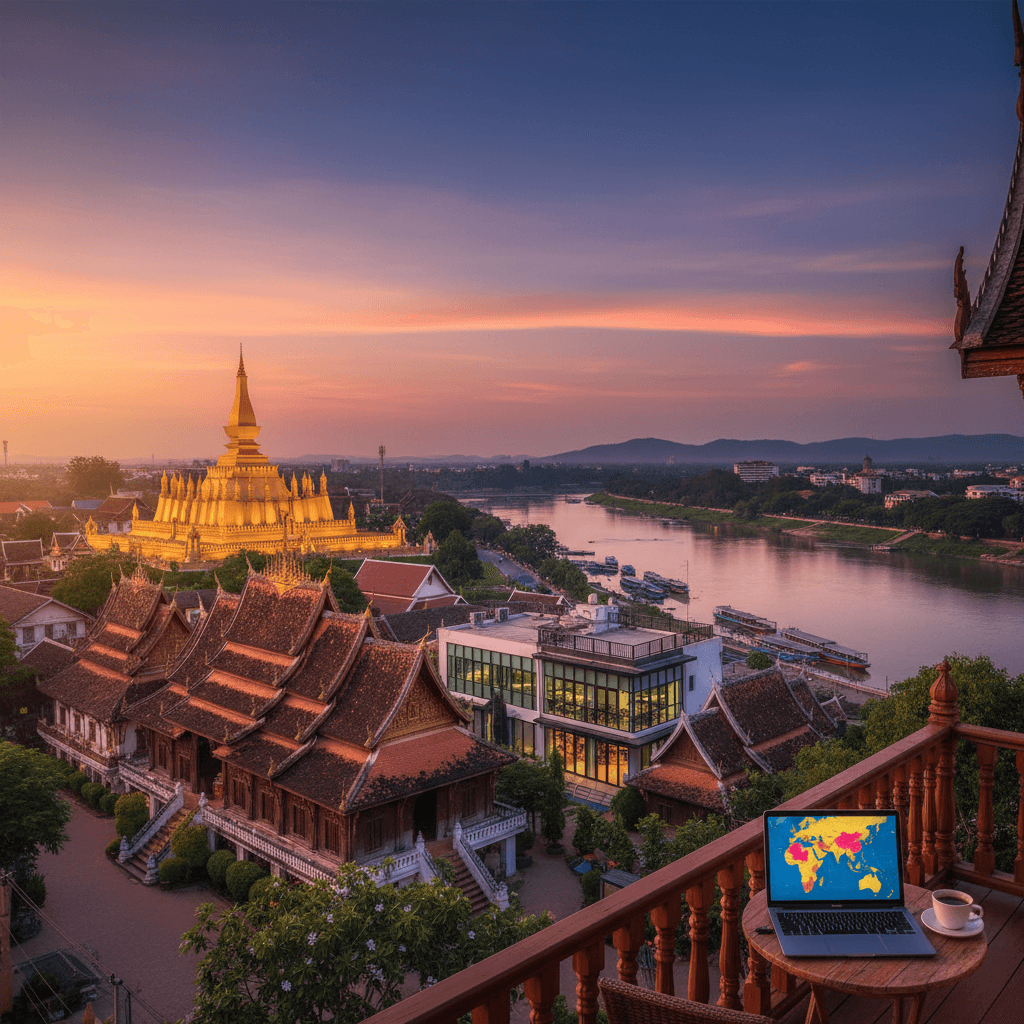
Vientiane is the antidote to the frantic energy of Bangkok or Ho Chi Minh City. While other Southeast Asian capitals race toward the future with glass skyscrapers and neon lights, Vientiane remains stubbornly, charmingly slow. It feels less like a seat of government and more like a collection of sleepy villages stitched together by French colonial boulevards and golden Buddhist temples. For digital nomads, the appeal isn't in high-speed infrastructure; it's in the quiet rhythm of life along the Mekong River and a cost of living that remains one of the lowest in the region.
The Vibe: Low Gear and Lotus Flowers
The city operates at a different speed. You'll notice it when you see monks in saffron robes walking past a French bakery, or when your afternoon coffee stretches into a two-hour conversation because nobody is in a rush. It's a place where you can actually focus on deep work without the constant "fear of missing out" that plagues busier hubs. Most nomads find the serenity addictive, though the heat can be punishing. Between March and May, temperatures often soar to 41°C (106°F), making air conditioning a survival tool rather than a luxury.
Cost of Living Breakdown
Your dollar goes incredibly far here, but the quality of your experience depends on your budget tier. A single nomad can live comfortably on $800 to $1,000 USD per month, while those on a shoestring can get by on $600 if they stick to local markets and shared housing.
- Budget Tier ($600): Basic studio in Sangthong or Ban Phonthan, street food meals for $2.50, and local transport.
- Mid-Range ($800): A nice 1BR in Sisattanak, regular cafe visits, and occasional dinners at mid-range Lao spots for $10.
- Comfortable ($1,000+): A central apartment in Chanthaburi with a pool, high-end dining, and a dedicated desk at a coworking space.
Where to Plant Your Flag
Choosing a neighborhood is a trade-off between convenience and quiet. Chanthaburi is the heart of the action, filled with the best restaurants, bars, and the riverside night market. It's walkable and social, but you'll pay a premium for rent, usually between $300 and $600 for a decent apartment.
Expats and long-term nomads often migrate to Sisattanak. It's leafy, quiet, and home to many embassies. Rent here averages $180 to $360 for modest setups. It's the best spot for focus, though you'll need the LOCA app to hail rides into the center. For a truly local experience, Ban Phonthan offers authentic markets and a slower pace, while Sangthong to the north is the go-to for nature lovers seeking rents as low as $120.
The Connectivity Reality Check
If your job requires constant high-definition video calls, Vientiane will test your patience. Internet speeds average between 3 and 50 Mbps and can be unstable during heavy tropical downpours. Most nomads rely on a Unitel SIM card, which offers 95 percent coverage for about $6 a month.
For reliable work sessions, skip the hotel Wi-Fi and head to TOH LAO in the city center; a hot desk runs about $60 to $74 a month. The Seed in Chanthaburi is another favorite for its high-speed backups and meeting rooms. If you prefer the cafe vibe, Joma Bakery Cafe and Cafe France are the unofficial offices for the city's remote workforce.
Safety and Practicalities
Vientiane is remarkably safe, with a low violent crime rate that makes it comfortable for solo travelers. Petty theft and occasional scams occur, so keep your wits about you at the night markets. A unique safety note for Laos: never wander off marked trails on the outskirts of the city or in rural provinces like Xaisomboun due to the risk of unexploded ordnance (UXO) from historical conflicts.
Healthcare is basic. For anything serious, the standard move for expats is to cross the border into Thailand. For daily needs, pharmacies are everywhere, and the new University of Health Sciences hospital handles emergencies. To get around, download LOCA or Kokkok Move. Public buses are cheap at $0.75, but they aren't always reliable. Most nomads find that a mix of walking the center and using ride-hailing apps is the best way to beat the humidity.
Social Life and Integration
The social scene is intimate. You won't find mega-clubs here; instead, you'll find people sharing Beerlao at riverside spots or meeting up at Bor Pen Nyang. To find your tribe, join the Vientiane Digital Nomads or Laos Expats Facebook groups. Learning a few phrases like Sabaidee (hello) and Khob chai (thank you) goes a long way with the locals, who are generally reserved but incredibly welcoming once the ice is broken.
The Bottom Line
Vientiane is one of the most affordable capitals in Southeast Asia. It is a place where your dollar stretches significantly further than in Bangkok or Hanoi, making it a sanctuary for those who want to trade frantic city energy for a slower, more deliberate pace. Most single nomads find they can live comfortably on $800 to $1,000 per month, though minimalist budgeters often get by on as little as $600.
The city operates primarily on cash, so you will want to keep a stash of Lao Kip handy. While the cost of living is low, the trade-off is often found in the infrastructure. You are paying less because the internet can be temperamental and the "nightlife" usually wraps up before midnight. It is a fair bargain if you prioritize focus and deep work over constant stimulation.
Monthly Budget Breakdowns
- The Budget Tier ($600): This covers a basic studio or shared apartment in areas like Sangthong, mostly street food meals, and using a bicycle or local buses to get around.
- Mid-Range Comfort ($800 to $900): The sweet spot for most expats. This includes a private one bedroom apartment in Sisattanak, regular visits to coworking spaces like TOH LAO, and dining at a mix of local spots and expat cafes.
- The "High Life" ($1,200+): At this level, you are looking at a modern serviced apartment in Chanthaburi, daily meals at upscale French or Lao fusion restaurants, and frequent weekend trips to Vang Vieng.
Housing and Neighborhoods
Rent is your biggest variable. Prices fluctuate based on how close you are to the Mekong riverside. Most nomads prefer Chanthaburi for its walkability and proximity to the best cafes, though you will pay a premium for the convenience.
Chanthaburi (City Center)
- Monthly Rent: $300 to $600 for a modern studio.
- Vibe: The heart of the action. You will find the most expats, bars like Bor Pen Nyang, and the evening markets here.
- Pros: Everything is walkable; best access to high speed internet at The Seed.
Sisattanak (The Leafy Suburb)
- Monthly Rent: $180 to $360.
- Vibe: Quiet, green, and residential. It is home to many embassies and international schools.
- Pros: Excellent for focused work; home to the popular Joma Bakery Cafe.
Sangthong (The Quiet North)
- Monthly Rent: $120 to $240.
- Vibe: Very local and peaceful with nature views.
- Pros: Extremely cheap, but you will definitely need a scooter or the LOCA app to get into town.
Food and Daily Expenses
Eating is where Vientiane shines. You can grab a massive bowl of noodles or a plate of grilled fish and sai oua sausages at the Vangthong Evening Market for about $2.50 to $5. If you prefer a sit down meal at a mid-range restaurant, expect to pay $5 to $10 per person. A large Beerlao, the local staple, usually costs less than $2 at most riverside spots.
Transportation is similarly affordable. While there is no Uber, the LOCA app is the gold standard for reliable rides and clear pricing. A typical trip across town costs just a few dollars. If you are staying long term, a monthly bus pass is roughly $18, though most nomads find the heat makes walking or ride-hailing a better choice.
Coworking and Connectivity
Reliable internet is the one "cost" that is hard to pin down. While a Unitel SIM card with 95 percent coverage costs about $6 a month, speeds rarely exceed 50 Mbps and can dip during heavy rain. Many nomads factor the cost of a coworking membership into their budget to ensure they have a stable connection for video calls.
- TOH LAO: $60 to $74 for a monthly hot desk.
- Toong Samsenthai: A more premium option at roughly $300 per month.
- The Seed: Popular in Chanthaburi for its meeting rooms and consistent speeds.
Choosing where to plant your flag in Vientiane depends entirely on how much of the local chaos you want to invite into your morning coffee routine. While the city is famously sleepy compared to Bangkok or Hanoi, the vibe shifts significantly from the riverfront to the leafy residential backstreets. Most people find that staying central is the way to go if you don't have your own wheels, but those sticking around for a few months usually migrate toward the quieter districts for better value.
For the Digital Nomad: Chanthaburi
If you need to be within walking distance of a decent flat white and a reliable coworking space, Chanthaburi is the default choice. It is the city's heartbeat, sitting right along the Mekong River. You will find the highest concentration of cafes like Joma and Cafe France here, which serve as unofficial offices for the laptop crowd. When the sun dips, the night market and riverside bars like Bor Pen Nyang are right there for a Beerlao.
- Monthly Rent: Expect to pay between $300 and $600 for a decent apartment.
- Coworking: You are close to The Seed, which offers the high speed internet and meeting rooms you will need for client calls.
- Vibe: Social, walkable, and slightly more expensive than the rest of the city.
For the Long-Term Expat: Sisattanak
Expats who have been in Vientiane for a year or more often drift south to Sisattanak. It is a leafy, diplomatic area that feels more like a neighborhood and less like a tourist hub. It is quiet enough to actually get work done from a home office, and the local markets offer better prices on produce than the mini marts in the center. It is the best balance of local life and modern comfort.
- Monthly Rent: Very affordable at $180 to $360 for a studio or small house.
- Connectivity: You will want a solid Unitel SIM here, as home Wi-Fi can be spotty. Unitel typically offers 25 to 50 Mbps for about $6 a month.
- Vibe: Residential, peaceful, and green. You will likely want the LOCA app on your phone to get into the center, as it is a bit of a trek.
For Families: Sisattanak and the Outskirts
Families usually gravitate toward Sisattanak as well, primarily for the space and the proximity to international schools. The houses here often come with small yards, which is a rarity in the dense city center. Safety is a non issue in these residential pockets, though you should always stick to established paths and avoid the far outskirts of the province due to leftover unexploded ordnance (UXO) risks in rural areas.
- Monthly Rent: Larger family homes can run $700 to $1,000 depending on the level of western amenities.
- Transport: Most families rent a car or use Kokkok Move for daily errands.
- Vibe: Secure, spacious, and community oriented.
For the Solo Traveler: Ban Phonthan
If you want an authentic experience without the "expat bubble" feel of the riverfront, Ban Phonthan is a solid bet. It is located east of the center and feels like a genuine Lao neighborhood. You will find plenty of street food stalls selling grilled fish and sai oua sausages for $2 to $5. It is a bit quieter, but the LOCA rides into the nightlife areas are cheap and quick.
- Monthly Rent: Very budget friendly, often under $300 for a simple setup.
- Social: You will need to be proactive. Join the Vientiane Digital Nomads or Laos Expats Facebook groups to find meetups, usually held at spots like Cafe Z Lounge.
- Vibe: Local, budget friendly, and unpretentious.
For the Nature Seeker: Sangthong
Sangthong is for the person who wants to wake up to a view of the hills rather than a construction site. It is located further north and offers a much slower pace of life. It is not ideal if you have a lot of Zoom calls, but for writers or those on a "deep work" retreat, the cheap rent and lack of distractions are a major draw.
- Monthly Rent: The lowest in the region, ranging from $120 to $240.
- Essentials: You will absolutely need your own scooter or car rental, which usually costs about $10 a day.
- Vibe: Rural, isolated, and incredibly relaxed.
Vientiane is the ultimate "slow travel" hub. It is a city where the pace of life matches the lazy flow of the Mekong, making it a fantastic spot for deep work if you do not mind some technical hurdles. While you will find plenty of charm in the French colonial streets, the digital infrastructure is still catching up to its neighbors in Thailand or Vietnam.
The Connectivity Reality
Internet speeds in Vientiane are a mixed bag. On average, you can expect anywhere from 3 Mbps to 50 Mbps. While this is plenty for sending emails or updating a CMS, it can become a headache during high stakes video calls or when uploading large video files. Stability is the main issue; dropouts happen, especially during the heavy downpours of the rainy season from May to October.
Most nomads rely on a "belt and braces" approach. Use the hotel or cafe Wi-Fi for general tasks, but keep a local SIM card ready for tethering when things get shaky. Unitel is the gold standard here, offering about 95% coverage across the country. You can pick up a SIM for about $6 a month, which usually gets you speeds in the 25 to 50 Mbps range. Other reliable providers include LTC and TPlus.
Top Coworking Spaces
If your guest house Wi-Fi is not cutting it, Vientiane has a small but dedicated coworking scene. These spots offer the most stable connections in the city and a chance to meet the local creative community.
- TOH LAO: Located right in the center of town, this is the most established hub. It is social, reliable, and costs between $60 and $74 a month for a hot desk. It is the go-to for long term nomads.
- Toong Samsenthai: This is a more premium, corporate style option. It is significantly pricier at around $300 a month, but the amenities and professional environment are top tier.
Cafe Culture and Work Spots
Vientiane excels in its cafe culture. Because of the French influence, the coffee is excellent and the atmosphere is usually quiet enough to get some work done. Many expats treat these cafes as their secondary offices.
- Joma Bakery Cafe: A staple for the nomad community. There are a few locations, but they all offer reliable Wi-Fi, plenty of power outlets, and North American style coffee and snacks.
- Cafe France: A great spot if you want a quiet corner and a decent croissant while you clear your inbox.
- Common Grounds: This cafe is popular with the NGO crowd and solo travelers. It has a community feel and the staff are used to people staying for a few hours with a laptop.
Digital Nomad Community
The community here is smaller than in Chiang Mai, but it is very welcoming. Most networking happens organically in cafes or through Facebook groups like Vientiane Digital Nomads or Nomad Coffee. If you are looking for a more formal expat network, InterNations Vientiane often hosts mixers at Cafe Z Lounge, which is a great way to meet people outside of the tech bubble.
To get around between these spots, most nomads use LOCA. It is the local answer to Uber and is incredibly reliable for getting across town in the heat. A ride usually only costs a few dollars, and you can pay via QR code, which saves the hassle of carrying around stacks of Kip for every short trip.
Safety in the City
Vientiane carries a safety scale of around 65, which reflects a generally peaceful environment where violent crime is rare. Most nomads feel comfortable walking the central streets of Chanthaburi during the day, though it's smart to keep your wits about you after dark.
Petty theft like bag snatching or phone grabbing occasionally happens, particularly in tourist-heavy areas near the Mekong riverfront. Expats usually recommend wearing a cross-body bag or a money belt and keeping your phone tucked away while walking. If you’re out late, stick to well-lit areas or use the LOCA app to grab a ride instead of walking alone through quiet side streets.
The most unique safety concern in Laos is Unexploded Ordnance (UXO). While the city center is perfectly safe, you need to be cautious if you’re exploring the outskirts or rural provinces like Xaisomboun. Stick to marked paths and avoid wandering into overgrown fields or forests near Routes 7, 9, or 20. It’s a sobering reality of the region’s history, but one that’s easily managed by staying on established trails.
Healthcare Standards
Medical facilities in Vientiane are functional for basic needs but might feel underwhelming if you’re used to Western or Thai standards. For minor ailments or routine check-ups, Mittaphab Hospital is the primary public option. There is also the newer 400-bed University of Health Sciences hospital which handles outpatient services and emergencies.
Local pharmacies are everywhere and usually well-stocked with common medications. However, for anything serious, the standard advice among the expat community is to cross the border into Thailand. Udon Thani is just a short trip away and offers international-grade hospitals that most nomads prefer for surgeries or complex diagnostics.
- Police Emergency: Dial 191
- Medical Emergency: Dial 195
- Water Safety: Never drink tap water; stick to bottled water which is cheap and available at every M-Point or local shop.
Staying Healthy on the Ground
The heat is often the biggest health hurdle. During the scorching months from March to May, temperatures can hit 41°C (106°F). Heat exhaustion is common for newcomers who try to walk too much during midday. Pace yourself, stay hydrated, and plan your outdoor activities for the early morning or after the sun dips.
If you do run into trouble, having a solid travel insurance policy that includes medical evacuation to Thailand is a must. Most nomads find that while local clinics can patch up a scrape or treat a stomach bug, the peace of mind that comes with being able to reach a Thai hospital is worth the insurance premium.
Common Scams and Nuisances
Scams in Vientiane aren't as aggressive as in other regional hubs, but they exist. You might encounter overcharged tuk-tuk fares if you don't negotiate upfront; using LOCA or Kokkok Move avoids this entirely as prices are fixed in the app. Occasionally, "guides" near temples like Pha That Luang might offer unsolicited tours then demand a high fee. A polite but firm "no thank you" usually does the trick.
Overall, the vibe is low-stress. If you respect the local customs, keep your belongings secure, and have a backup plan for serious medical issues, you'll find Vientiane to be a very hospitable home base.
The Lowdown on Getting Around
Vientiane is a city that moves at its own pace, which is to say, slowly. You won't find a sprawling metro system or a fleet of high tech buses here. Instead, you'll rely on a mix of local apps, the occasional tuk tuk, and your own two feet if the heat allows it. While the city center is relatively compact, the humidity often makes a ten minute walk feel like a marathon, so having a transport strategy is key to staying productive.
Ride-Hailing Apps
Forget about Uber or Grab. In Vientiane, LOCA is the undisputed king. It is the most reliable way to get a car, and it's surprisingly affordable. You can link your credit card or use QR payments, which saves you the headache of carrying stacks of Lao Kip. Most nomads find LOCA drivers to be professional and the cars much more comfortable than a dusty tuk tuk ride.
- LOCA: The top choice for reliability and safety. Expect to pay $7 to $15 for a ride from Wattay International Airport to the city center.
- Kokkok Move: A solid alternative that often features electric vehicles.
- InDrive: Useful if you want to negotiate your fare upfront, though it's less polished than LOCA.
Tuk Tuks and Jumbos
You'll see these three wheeled vehicles on almost every corner. They are great for short hops or when you want that classic Southeast Asian experience, but they come with a "tourist tax." Always negotiate the price before you get in. A short trip should cost a few dollars, but drivers will often start much higher. If you're staying in Chanthaburi, you might use these for quick trips to the riverside, but for longer hauls to Sisattanak, an app-based car is usually better value.
Public Buses
The green and white public buses are the cheapest way to move, though they aren't exactly frequent. A single ride is only $0.75, and you can buy a monthly pass for around $18 if you're on a strict budget. The central bus station near the Morning Market is the main hub. It’s a viable option for getting to the Thai-Lao Friendship Bridge, but most expats find the lack of a fixed, easy to read schedule frustrating for daily coworking commutes.
Two Wheeled Options
Many long term residents choose to rent a scooter or a bicycle. The terrain is flat, which makes cycling easy, but you have to contend with the sun. If you're living in a quieter area like Sangthong or Ban Phonthan, a scooter is almost a necessity. Rental shops are easy to find in the tourist district near the Mekong.
- Bicycle Rentals: Around $2 to $5 per day. Great for exploring temples in the early morning.
- Scooter Rentals: Expect to pay about $10 per day. Monthly rates are much better if you negotiate.
- Safety Note: Traffic is generally calmer than in Hanoi or Bangkok, but still stay alert. Avoid riding late at night on the outskirts where lighting is poor.
Walking and Accessibility
The city center, particularly around Rue Setthathilath and the riverside, is quite walkable. This is where you'll find Joma Bakery Cafe and Toong Samsenthai. However, sidewalks can be uneven or blocked by parked cars. If you are heading out between 11:00 AM and 3:00 PM, the 33°C to 41°C heat makes walking nearly impossible for more than a few blocks. Most nomads stick to air conditioned cars during the day and save the strolls for the sunset hours at the night market.
The Linguistic Landscape
Lao is the heart of communication here. It is a tonal language closely related to Thai, meaning if you have spent time in Bangkok or Chiang Mai, you might recognize some phonetic patterns. In Vientiane, the pace of life is slow, and that reflects in how people speak. Don't expect the rapid-fire English you find in more commercialized hubs like Ho Chi Minh City or Kuala Lumpur. Outside of upscale hotels and specific expat hangouts, English proficiency remains fairly low.
You will find a unique linguistic quirk in the city's older generation and within the diplomatic circles: French. As a former protectorate, Laos still maintains traces of French influence. You will see it on street signs (Rue Setthathilath, for example) and hear it occasionally in bakeries like Cafe France or Joma Bakery Cafe. While it is not a primary tool for daily survival, it adds a layer of colonial charm to the city's identity.
Getting by Day-to-Day
Most nomads find that a "smile and point" strategy works for basic transactions at the Vangthong Evening Market or when grabbing a $2.50 street meal. However, learning a few courtesy phrases goes a long way with the locals, who are famously friendly but often shy about their English skills. You should master these basics:
- Sabaidee: Hello (the universal greeting)
- Khob chai: Thank you
- Tao dai?: How much?
- Bo pen nyang: No problem / It's okay (you will hear this constantly; it defines the national mood)
For more complex interactions, Google Translate is your best friend. The app’s camera feature is particularly helpful for translating menus at local spots in Ban Phonthan or reading signs in Sisattanak. Since the Lao script is beautiful but notoriously difficult for Westerners to read, having an offline translation pack downloaded is a smart move.
Digital Communication and Connectivity
While the spoken language might be a hurdle, the digital language is more familiar. Most expats and nomads coordinate via Facebook Groups. If you need to find a flat or a used motorbike, join Laos Expats or Vientiane Digital Nomads. For business and booking transport, LOCA is the local equivalent of Uber and is indispensable. It uses a clear English interface and allows for QR code payments, which saves you from struggling with currency numbers in a foreign tongue.
Staying connected requires a local SIM, as roaming is prohibitively expensive. Unitel is the gold standard for coverage, reaching about 95% of the country. You can pick up a SIM at Wattay International Airport or any small shop in Chanthaburi for around $6. While speeds fluctuate between 3 Mbps and 50 Mbps, having a steady data plan ensures you can use translation apps on the fly when you are out exploring the temples or riverside bars.
Cultural Etiquette in Conversation
Communication in Vientiane is as much about body language as it is about words. The Wai, a gesture where you place your palms together in a prayer-like position and bow slightly, is the standard way to greet people or show respect. It is often accompanied by a soft "Sabaidee."
Keep your tone quiet and avoid raising your voice, even if there is a misunderstanding. The Lao culture prizes "saving face," and aggressive communication will usually result in the other person shutting down rather than helping you. If you are working out of spaces like TOH LAO or The Seed, you will notice the environment is much quieter than Western coworking hubs. Adapt to this "low volume" lifestyle, and you will find the locals much more willing to engage with you.
The Sweet Spot: November to February
If you want to experience Vientiane at its best, aim for the window between November and February. This is the cool, dry season, though "cool" is a relative term in Laos. You can expect daytime temperatures to hover comfortably between 27°C and 29°C (81°F to 84°F). The humidity drops significantly during these months, making it the only time of year when walking between cafes in Chanthaburi or exploring the riverside on foot doesn't result in immediate heat exhaustion.
Expats generally agree this is the peak social season. The evening air by the Mekong is crisp, and the night markets are at their liveliest. Because the weather is reliable, it is also the best time to plan weekend trips to Vang Vieng since you won't have to worry about mudslides or washed out roads. The downside is that prices for short term rentals can tick up slightly, and popular spots like Joma Bakery Cafe might be a bit more crowded with travelers.
The Heat: March to May
Most nomads try to avoid Vientiane from March through May. This is the "burning season" across mainland Southeast Asia, and the heat in Vientiane becomes oppressive. Temperatures frequently spike between 33°C and 41°C (91°F to 106°F). If you are here during this time, a high quality AC unit in your apartment isn't a luxury, it is a requirement. Expect your electricity bill to jump if you are staying in a mid range place in Sisattanak.
The air quality can also dip during these months due to agricultural burning in the region. If you have respiratory issues, this is a good time to head to the coast in a neighboring country. However, if you do stay, you will get to experience Pi Mai (Lao New Year) in mid-April. It is a massive, city wide water fight that is effectively the only way to stay cool during the hottest month of the year.
The Monsoon: June to October
The rainy season kicks off in May or June and lasts through October. You will see temperatures settle between 30°C and 34°C (86°F to 93°F), but the humidity returns with a vengeance. Rain usually comes in short, heavy bursts in the afternoon rather than a constant drizzle. It clears the dust and turns the surrounding greenery in Sangthong incredibly lush, which many long term residents actually prefer.
For digital nomads, the main challenge during the monsoon is infrastructure. Heavy downpours can occasionally cause power flickers or slow down already temperamental internet speeds. If you are working from a coworking space like TOH LAO or The Seed, they usually have better backups, but it is something to keep in mind if you have important video calls scheduled.
Seasonal Planning at a Glance
- Peak Season (Nov to Feb): Best weather, 27 to 29°C, dry and sunny. Ideal for outdoor meetings and exploring.
- Shoulder Season (June to Oct): Rainy but lush. Lower prices on accommodation and fewer crowds in the city center.
- Off-Peak (March to May): Brutally hot, up to 41°C. Air conditioning is mandatory and outdoor activity is limited to early mornings.
Regardless of when you arrive, the pace of life remains slow. Most nomads find that the weather dictates their schedule; you do your deep work in an air conditioned cafe during the heat of the afternoon and save your socializing for the breezy riverside bars once the sun goes down.
Making the Move
Vientiane is the ultimate slow burn. It doesn't have the frantic energy of Bangkok or the polished charm of Luang Prabang, but it's one of the few capitals left where you can actually hear yourself think. Most nomads land here for the $800 to $1,000 monthly price tag and stay for the sunset Beerlaos by the Mekong. It's affordable, safe, and unapologetically quiet.
The best time to arrive is between November and February. The air is dry, and temperatures hover around 28°C (82°F). If you show up in April, be ready for the "burning season" and heat that can spike to 41°C (106°F). It’s the kind of humidity that makes even a short walk to a cafe feel like a marathon.
Where to Set Up Base
Your neighborhood choice dictates your social life. If you want to be within walking distance of the best wine bars and French bakeries, Chanthaburi is the spot. It’s the central hub where most expats congregate, though you’ll pay a premium for the convenience. For a quieter, leafier vibe, look at Sisattanak. It’s popular with long term nomads who prefer a local market over a tourist bar.
- Chanthaburi: Expect to pay $300 to $600 for a decent apartment. It's walkable and packed with amenities.
- Sisattanak: Rents are lower, usually $180 to $360. It’s great for focus, but you’ll want a bike or the LOCA app to get around.
- Ban Phonthan: This is the choice for a truly authentic feel. It’s affordable and residential, though you’re a short drive from the city center.
Connectivity and Coworking
Let’s be honest: the internet in Laos can be a test of patience. Speeds usually range from 3 to 50 Mbps, and stability is never a guarantee. If your job depends on seamless 4K video calls, you’ll need a backup plan. Most nomads grab a Unitel SIM card for about $6 a month as it offers the most reliable 4G coverage.
For a dedicated desk, TOH LAO in the city center is the classic choice, with hot desks running around $60 to $74 a month. If you need something more modern with better meeting rooms, check out The Seed in Chanthaburi. When you just need a caffeine fix and a laptop friendly table, Joma Bakery Cafe and Cafe France are the local staples where the AC is cold and the Wi-Fi is decent.
Getting Around
Don't bother looking for Uber or Grab; they don't exist here. Download LOCA instead. It’s the local gold standard for ride hailing. It’s reliable, cheap, and allows for QR payments so you don't have to fumble with cash. For short hops, a colorful tuk tuk is easy to find, but always negotiate the price before you hop in.
If you're staying for more than a month, renting a scooter for about $10 a day (cheaper for monthly) gives you the most freedom. Just be careful on the outskirts; local experts warn to stay on well traveled paths and avoid remote areas like Xaisomboun due to unexploded ordnance (UXO) risks from the war era.
Money and Daily Life
Laos is a cash heavy society. While more places in Vientiane are starting to accept digital payments via BCEL One, you’ll still want a stack of Kip for street food and markets. A meal at the Vangthong Evening Market will only set you back about $3 to $5 for grilled fish or spicy sausages. A mid range dinner for two is usually under $20.
For healthcare, Mittaphab Hospital handles the basics, and the new University of Health Sciences is good for emergencies. However, the standard advice among the expat community is simple: for anything serious, cross the border to Thailand. It’s a short trip and the medical facilities in Udon Thani are world class.
Social Scene
The nomad community here is smaller than in Chiang Mai, which makes it easier to actually meet people. Join the Vientiane Digital Nomads or Laos Expats groups on Facebook to find the latest meetups. Bor Pen Nyang is the go to rooftop bar for a sunset drink, while Cafe Z Lounge often hosts InterNations events. It’s a friendly, tight knit group where a "Sabaidee" and a smile go a long way.
Need visa and immigration info for Laos?
🇱🇦 View Laos Country GuideHidden Gem
Worth the effort
Monthly Budget Estimates
More cities in Laos
Muang Xay
🇱🇦 Laos
Vang Vieng
🇱🇦 Laos
Paksong
🇱🇦 Laos