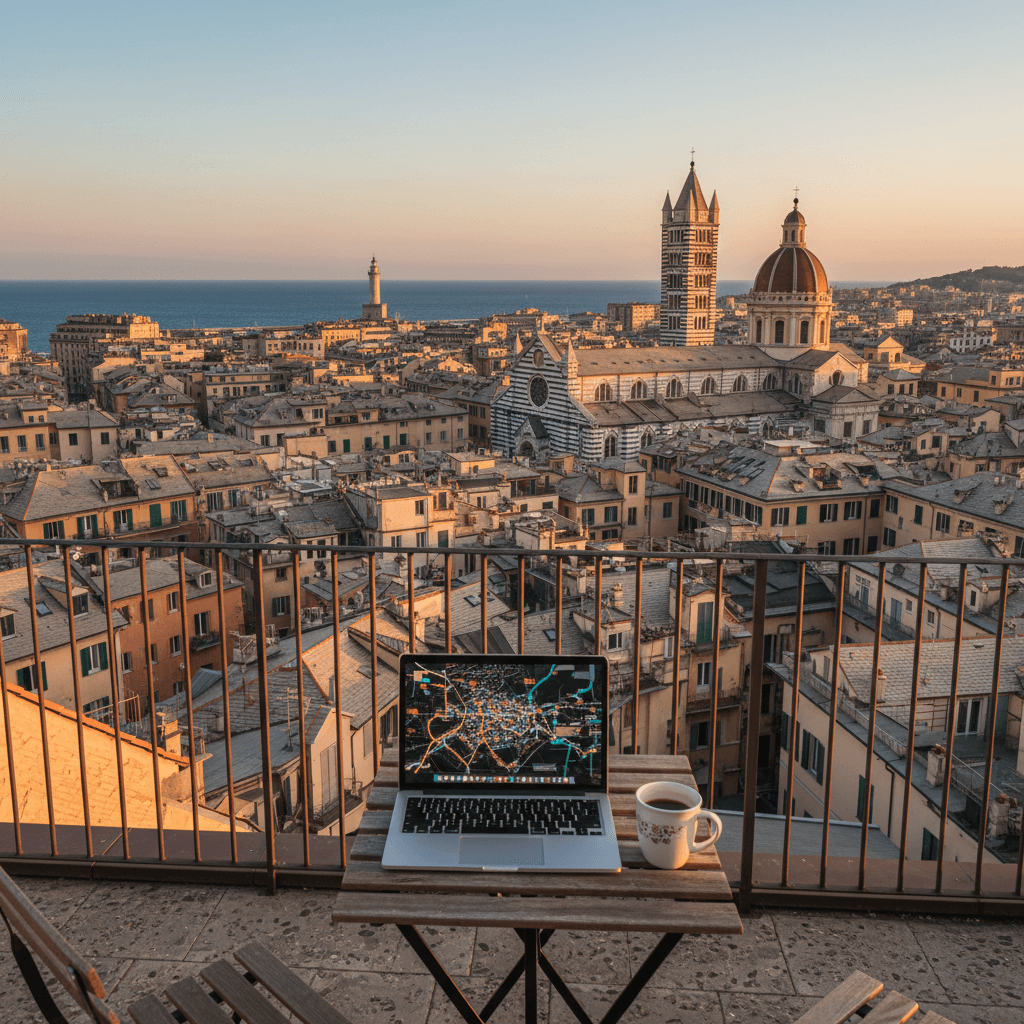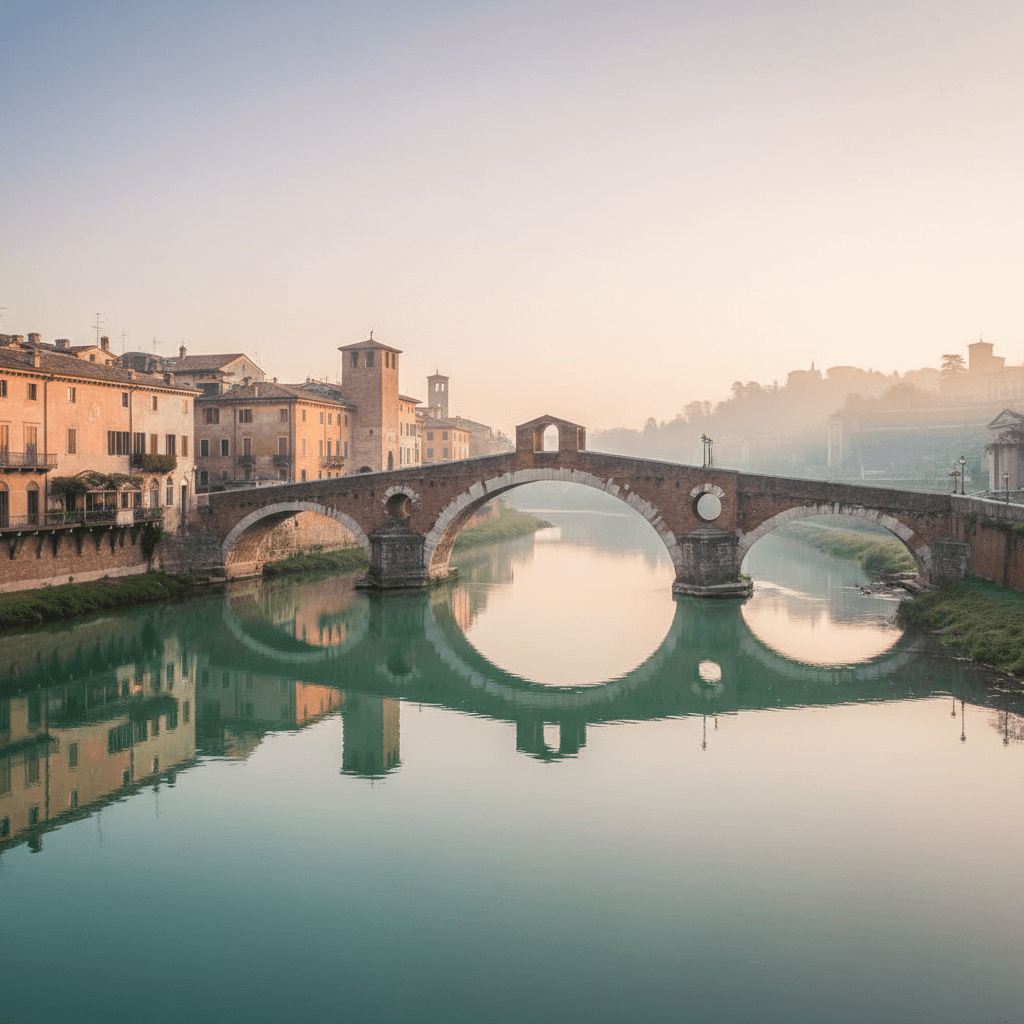
Verona
🇮🇹 Italy
Verona feels slower than Milan and sharper than a sleepy hill town. The center is compact, the streets are paved in stone and you’ll hear church bells, scooters and café chatter folding into each other all day. Honestly, that rhythm is the appeal.
It’s a romantic city, sure, but not in a sugary way. Romeo and Juliet tourism pulls people in, then the Arena, the wine bars and the Roman ruins keep them there and the whole place has this lived-in mix of history and regular life that works well for remote workers. Wifi is decent, cafes are used to laptops and the city, weirdly, still feels human.
Don’t expect a wild party scene. Nightlife is mostly bars, aperitivo spots and the occasional event at the Arena, so if you want late-night chaos, Verona’ll bore you fast, but if you want a long dinner, a walk by the Adige and a quiet apartment without Milan prices, it makes sense.
What nomads like and what gets on their nerves
- Walkability: The historic center is easy to live in and you can cross it on foot without much fuss.
- Internet: Speeds around 47 to 101 Mbps are common, which is enough for calls, uploads and normal remote work.
- Costs: Cheaper than Milan, though not cheap, with monthly living costs often landing around €1,500 to €2,500 for one person.
- Downside: Summer crowds get intense, especially around the Arena and Piazza Bra, so lunch can feel like a slow queue under hot stone and noise.
- Nightlife: Fine for wine and aperitivo, thin on variety if you’re staying out late.
Centro Storico is the obvious base if you want to be near everything, but rents are higher and the tourist flow can be annoying. Veronetta is where a lot of nomads and younger expats land because it’s cheaper, full of cafes and a bit scruffier in a good way, though evenings can be noisier. Borgo Trento feels calmer and more polished, with tree-lined streets and higher rents.
Food and daily life are a big part of the mood here. You’ll smell espresso, fried street food and damp river air after rain, then later it’s Amarone on a terrace and plates of bigoli or risotto all’Amarone, which, surprisingly, still feels normal rather than staged. Verona isn’t trying to impress you every minute, that’s the point.
Verona isn’t cheap, but it’s still saner than Milan. Most solo nomads land somewhere around €1,500 to €2,500 a month, depending on how central you want to live and how often you eat out and honestly the difference between “fine” and “ouch” is usually rent. A basic studio in the center starts around €700, while Borgo Trento pushes higher and Veronetta gives you a bit more breathing room.
Food prices are pretty manageable if you mix supermarket runs with casual meals, though touristy corners near the Arena can sting. Street food and quick lunches usually run €5 to €10, a mid-range dinner sits around €15 to €16 and a proper splurge at places like Ristorante Torcolo can hit €45 to €60 per person, which sounds steep until you smell the butter, wine and slow-cooked meat drifting out of the kitchen.
Here’s the rough monthly picture most nomads use.
- Budget: €1,500, shared housing, public transport, cheap eats.
- Mid-range: €2,000, 1BR studio, coworking, regular restaurant meals.
- Comfortable: €2,500+, central apartment, taxis, nicer dinners.
Transport doesn’t wreck your budget, which, surprisingly, is one of Verona’s nicer surprises. A monthly transport spend around €95 is realistic if you use ATV buses and walk a lot and the compact center means you’ll hear more bicycle bells and church bells than traffic, unless you’re crossing the bridge at rush hour when scooters start buzzing everywhere. Aerobus from the airport costs about €6 and taxis into town usually land around €20 to €35.
Coworking isn’t free, but it’s not brutal either. Expect around $200 a month for places like Talent Garden or a decent hot desk, while Regus in Via Francia and Viale del Lavoro can run higher depending on the setup and Cafe culture is strong enough that plenty of people just sit in Tuvalu Coffeehouse with a laptop and a cappuccino for a while, listening to cups clink and espresso machines hiss.
Neighborhood choice changes everything. Centro Storico is the priciest, Veronetta is the better value if you can handle a bit of evening noise, San Zeno feels calmer and more local and Borgo Trento is polished but expensive, so pick carefully because rent jumps fast once you start chasing quiet streets and elevator buildings.
Nomads
Veronetta is the one most nomads end up liking, because it’s cheaper than the center, full of students and still close enough to walk over the bridge for dinner or a coworking day. Rent for a 1BR usually sits around €600 to €700 and the streets have that mixed sound of scooters, laughter from bars and old buildings creaking in the heat.
It’s lively, sometimes too lively. If you need quiet mornings, pick your apartment carefully, because evenings can get noisy and frankly, the pavement chatter doesn’t stop early.
Solo Travelers
Centro Storico is the easiest place to land if you’re here alone and want Verona on your doorstep, but it’s pricey and the tourist crowds can get old fast, especially around the Arena. You’ll pay more, often €800 or higher for a 1BR, though you get cafés, museums, buses and that postcard center smell of espresso, exhaust and warm stone.
Safety is good, the streets are walkable and late-night wandering doesn’t feel stressful in the core. Still, it’s not cheap.
Expats
Borgo Trento is where a lot of expats settle when they want calm, tree-lined streets, better parking and a more residential feel without leaving the city behind. Rents start around €900 and climb, but the area feels polished, organized and quieter at night, which, surprisingly, matters more than people expect after a few months here.
If you’re working full-time and want less chaos, this is the smart pick. You’ll have easy access to hospitals, shops and decent services, then you can still be in the center in a short bus ride or a 20-minute walk.
Families
Borgo Trento is also the safest bet for families, because it’s settled, clean and has the kind of everyday convenience that makes school runs and grocery trips less annoying. The sidewalks are wider, the streets feel calmer and you won’t be dodging tourist groups dragging suitcases over cobblestones at 9 a.m.
San Zeno is a strong second choice if you want more character and a bit less polish. It’s got the basilica, good local restaurants and a real neighborhood feel, though it’s a touch less central and weekends can get busy around events.
Best pick by vibe
- Best for affordability: Veronetta
- Best for first-time visitors: Centro Storico
- Best for quiet, polished living: Borgo Trento
- Best for culture and local life: San Zeno
If you want cafés, cheap rent and a younger crowd, go east of the river. If you want comfort and less noise, head north. Verona’s compact size makes this easy, honestly, so you can live in one area and still spend most of your days somewhere else.
Verona’s internet is decent, not magical. In the center and in newer buildings, you’ll usually get 47 to 101 Mbps and fiber can push past 100 Mbps, which is enough for video calls, uploads and a normal workday without much drama. The annoying part is that a pretty apartment can still have flaky WiFi, so ask for a speed test before you sign anything.
The coworking scene, turns out, is smaller than Milan’s but more relaxed and that suits a lot of nomads just fine. You won’t find endless options, though the ones that are there, like Regus, Geekville, Talent Garden, AREA 34 and 311 Verona, cover most needs if you want a desk, meeting room and fewer espresso machine distractions.
- Regus Via Francia: about €375 a month for a hot desk
- Regus Viale del Lavoro: about €215 a month
- Talent Garden: around $200 a month for hot desk access
- Best for quiet work: regus-style offices and structured spaces
- Best for flexibility: cafe hopping in Centro Storico or Veronetta
Cafes work surprisingly well for a few hours, especially Ammazzacaffè, where the WiFi tends to hold up and the vibe is calm enough to answer emails without feeling like you're camping at someone else's table. That said, Italian cafe culture still expects you to buy something and move along, so don't treat a single cappuccino like a day pass.
SIM cards are easy to get, but you’ll need your passport and tourist plans from TIM, Vodafone, WindTre or Iliad usually land around €10 to €30. For longer stays, local data plans like €22 for 10GB are common, honestly a little stingy if you’re uploading files all day or living on cloud storage.
Most nomads work best in Centro Storico, Veronetta or San Zeno, because you can walk to coffee, groceries and lunch without wasting time on buses. Veronetta feels more casual and creative, with a bit of street noise and students spilling out of bars at night, while Centro Storico is prettier but pricier and packed with tourists, especially in summer.
- Centro Storico: best for easy access, but crowded
- Veronetta: best for affordable cafes and younger energy
- San Zeno: quieter, good if you want less foot traffic
If you need steady internet and don’t want to gamble, rent first, test the connection, then commit to a coworking desk if the apartment WiFi makes your laptop wheeze. That’s the Verona move, practical, a little old-school and usually cheaper than trying to live in a fancy place with bad signal.
Verona feels calm, even at night and that’s a real relief if you’re used to bigger Italian cities. Crime is low, the center and Borgo Trento feel the safest and most nomads, honestly, say they’re comfortable walking around after dinner, though the poorly lit edges of town can feel a bit empty and weirdly quiet once the shops shut and the last bus rolls past.
Pick your area with some care. Centro Storico is busy but well watched, Veronetta gets livelier and a little rougher around the edges after dark and Borgo Trento is the place people mention when they want cleaner streets, tree-lined blocks and fewer headaches, though it isn’t exactly cheap.
Safety basics: keep an eye on your phone near tourist-heavy spots, skip dim side streets late at night and don’t leave bags hanging off café chairs while you’re distracted by espresso and church bells. The city isn’t paranoid, but petty theft can still happen, especially where crowds, scooters and summer heat make everyone a little less alert.
Healthcare
Healthcare is solid. Hospitals like CEMS have a good reputation, pharmacies are everywhere and if you wake up with a fever, a nasty cough or a twisted ankle from bad cobblestones, you won’t be hunting for help for long, because there’s usually a pharmacy within a few minutes’ walk and staff can point you in the right direction.
If you need urgent help, call 112, which works across the EU. For anything less dramatic, the pharmacy counter is your first stop and in many cases it’s quicker than trying to book a doctor same day, especially if you only need cold medicine, a bandage or advice on what clinic to visit next.
What nomads usually do:
- Register your insurance: carry private coverage or your EU health card if you have one.
- Use pharmacies first: they’re fast, practical and often the easiest place to start.
- Know your area: stay closer to Centro Storico or Borgo Trento if you want the quietest setup.
- Save local numbers: 112 for emergencies, plus your insurer and apartment host.
One small annoyance, frankly, is that you can feel perfectly safe and still end up dealing with slow paperwork or a crowded waiting room, so keep copies of your documents handy. If you’re here long term, a local clinic plus a decent insurer makes life easier and it beats standing in a cold corridor under fluorescent lights while rain taps on the windows outside.
Getting Around
Verona is easy to live in, mostly because the center is compact and walkable, so you’ll end up on foot a lot. The cobblestones, the church bells, the smell of coffee drifting out of a bar at 8 a.m., that’s the daily rhythm and honestly it suits a slower pace better than a car does.
Walk: This is the best default, especially in Centro Storico, Veronetta and around Piazza Bra. You can cross the old core in 15 to 25 minutes, though summer crowds around the Arena can make a simple walk feel annoyingly slow and the heat sticks to the stone like a wet towel.
Bus: ATV runs the city network and it works well enough for short hops or rainy days. A daily pass is about €5 through the Ticket Bus Verona app, so if you’re staying far from the center, that’s the cheapest way to avoid sweaty uphill walks and random taxi pricing.
Ride-hailing exists, but don’t expect big-city convenience. appTaxi and SIXT ride are the names people actually use, Uber is limited and a short 3 km ride often lands around €5, which sounds fine until you’re trying to get home after aperitivo and every driver seems to vanish at once.
- Bike: Verona Bike rentals start around €2 a day, practical if you’re crossing the city often, though the cobbles can rattle your teeth a bit.
- Scooter: Handy for quick trips, but less comfortable on older streets and bus lanes.
- Taxi: Better late at night, expect roughly €20 to €35 from the airport to the center.
Airport: VRN is close enough to be painless. The Aerobus takes about 20 minutes to town for €6 and that’s the move if you’ve got a backpack, a carry-on and no patience for curbside taxi haggling.
For nomads, the real question is where you’re staying. Veronetta works well if you want cheap rent and quick access to everything by foot or bike, while Borgo Trento is calmer and more residential, so you’ll rely a little more on buses or taxis after dinner.
Skip driving unless you really need it. Parking can be annoying, narrow streets get tight and the center isn’t built for lazy car errands, so most people just walk, hop on the bus or grab a bike and move on.
Italian is the default here and in the center you’ll get by with basic English more often than not, especially in hotels, cafés, coworking spaces and anywhere used to tourists. Outside that bubble, people switch fast back to Italian and honestly, that’s where Verona feels most real, with clipped greetings, scooter engines, café cups clinking and a pace that assumes you’ll slow down and try.
Learn a few words and doors open. Buongiorno and grazie go a long way, “Parla inglese?” helps when you’re stuck and even a rough attempt at Italian usually gets a warmer answer than leading with English only. Locals don’t expect perfection, they do appreciate effort and weirdly, the smallest phrases can make a checkout line or a restaurant bill go much smoother.
For day-to-day life, Google Translate is your safest fallback, especially for rental chats, utility messages and anything bureaucratic, which in Italy can get messy fast. The paperwork side isn’t glamorous and the language barrier shows up most when someone sends a voice note instead of a text or when a landlord starts firing off terms about deposit, canone and condominio without slowing down.
Where English works best
- Centro Storico: Best for English at hotels, museums, restaurants and ticket desks, though menus can still be oddly confusing.
- Veronetta: Younger crowd, more students, a bit more English in cafés and casual bars, but don’t expect everyone to switch.
- Coworking spaces: Regus, Talent Garden, Geekville, AREA 34 and 311 Verona are your best bets for smooth work chats and someone who gets remote-worker needs.
If you’re staying a while, pick up the local rhythm. Shops open, lunch runs long and people often talk with their hands as much as their mouths, so you’ll get more from watching than from forcing a phrasebook conversation. Frankly, that’s part of the charm, though it can be annoying when you just need a quick yes or no.
One more thing, don’t assume tourist-zone English carries into everyday Verona. The city’s friendly, but not performative about it and if you can handle basic greetings, simple directions and a polite apology for your bad grammar, you’ll fit in faster than you’d expect.
Weather & Best Time to Visit
Verona has a proper northern Italian rhythm. Spring and early autumn are the sweet spot, with daytime highs around 18 to 28°C, enough for long walks by the Adige without melting into your shirt and without the summer crush that turns the center into a slow-moving queue of sunscreen, tour groups and scooter exhaust.
May through September works best for most nomads, especially if you want café work, open-air dinners and Arena events. The light feels softer in May and September, jasmine hangs in the warm air and evenings are made for aperitivo in San Zeno or Veronetta, though July can feel sticky and a bit brutal when the humidity clings and the stone streets hold the heat long after sunset.
Winter is a different story. Cold, damp and a little grey. November through February brings rain, fog and plenty of 5 to 13°C days, so you’ll be dodging puddles, hearing rain tick against tram stops and café awnings and doing more indoor time than you probably planned.
- Best months: May, June, September and early October
- Least pleasant: November to February, cold and rainy
- Watch out for: Peak summer crowds in the historic center, frankly they can make simple errands annoying
- Rain pattern: May and November tend to be wetter than people expect
If you’re trying to time a stay around work and comfort, pick shoulder season and skip the hottest stretch unless you really love packed piazzas and sticky nights. The city still works in summer, but it feels slower, louder and more expensive, with the good apartments gone first and the quiet cafés harder to find.
What the Year Feels Like
- Spring: Mild, walkable and full of outdoor life
- Summer: Sunny but humid, with crowds and higher prices
- Autumn: Comfortable, calmer and better for day trips
- Winter: Cheap-ish and quiet, but grey and damp
My take, skip deep winter unless you want a slow, local feel and lower rents. Otherwise, aim for late spring or early autumn, when the city looks its best and you can actually enjoy a late dinner without sweating through your chair.
Verona is easy to live in, but it’s not cheap in the center. Most solo nomads land somewhere around €1,500 to €2,500 a month, depending on whether you’re renting a room in Veronetta or paying for a polished flat near Piazza Bra and honestly the gap shows up fast when you start buying coffee, lunches and tram tickets.
Budget carefully. A street-food lunch runs €5 to €10, a mid-range dinner is about €15 and a nicer night out at places like Ristorante Torcolo can jump to €45 or €60, so if you’re sipping espresso at the counter, eating casually and skipping taxis, you’ll keep things sane.
- Budget: About €1,500, shared housing, bus pass, simple meals.
- Mid-range: Around €2,000, 1BR or studio, coworking, regular restaurant meals.
- Comfortable: €2,500+, central apartment, more rideshares, better dinners.
Veronetta is the best bet for most remote workers, because rents are lower, the cafes have more life and the student energy keeps things moving after dark, though the evenings can get noisy. Centro Storico is prettier and brutally convenient, but tourists clog the lanes in summer, trams hum past and you’ll pay for the view.
Borgo Trento feels calmer and more polished, with tree-lined streets and good services, though rents climb quickly. San Zeno has more local character, church bells and a slower pace, which some nomads love and others find a bit too quiet after a week.
Internet is, honestly, better than people expect. Average speeds sit around 47 to 101 Mbps, fiber can go well above 100 and cafes like Elk Bakery are solid for laptop work, while coworking spots such as Regus, Geekville, Talent Garden, AREA 34 and 311 Verona give you a proper desk when the apartment chair starts wrecking your back.
- SIMs: TIM, Vodafone, WindTre and Iliad all sell tourist plans, usually €10 to €30.
- Money: Wise and N26 are the easy fintech picks, with EU IBANs.
- Transit: ATV buses are handy, the daily pass is about €5 and the center’s walkable anyway.
For daily life, keep a few basics in mind, because the little stuff matters here. Say “buongiorno,” dress smart-casual if you’re going out at night and don’t be surprised when aperitivo starts around 6 and drifts past 8, with clinking glasses, the smell of spritz and fried snacks and a lot of sidewalk people-watching.
Day trips are easy. Lake Garda is close, Sirmione is about 20 minutes by train and Venice or Padua are straightforward when you need a change of scene, which, surprisingly, helps Verona feel less small without having to live somewhere bigger and louder.
Frequently asked questions
How much does it cost to live in Verona as a digital nomad?
What internet speed can I expect in Verona?
Which neighborhood is best for digital nomads in Verona?
Is Verona walkable for remote workers?
How expensive are coworking spaces in Verona?
How safe is Verona for solo travelers and nomads?
How good is healthcare in Verona?
Need visa and immigration info for Italy?
🇮🇹 View Italy Country GuideEasy Landing
Settle in, no stress
Monthly Budget Estimates
More cities in Italy
Salerno
🇮🇹 Italy
Padua
🇮🇹 Italy
Lecce
🇮🇹 Italy