Varanasi
🇮🇳 India
The Spiritual Pulse of India
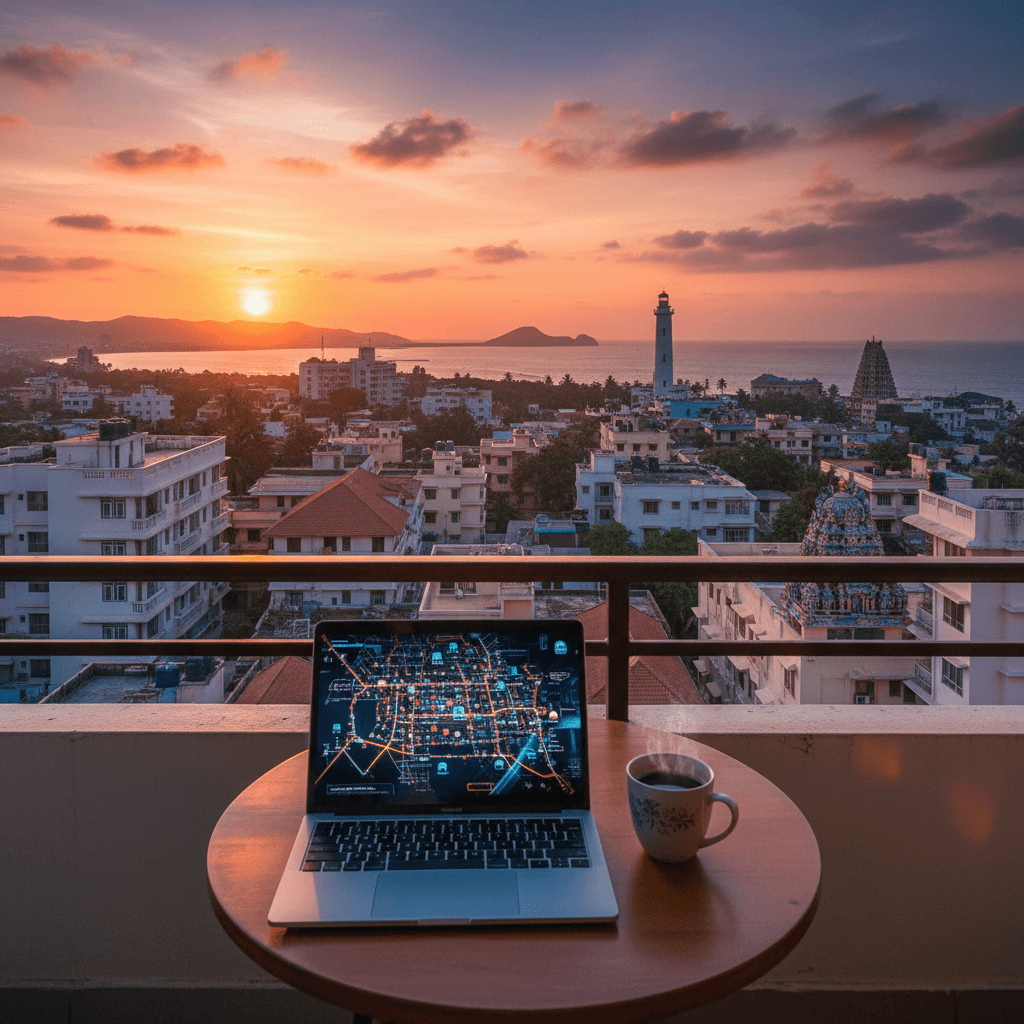
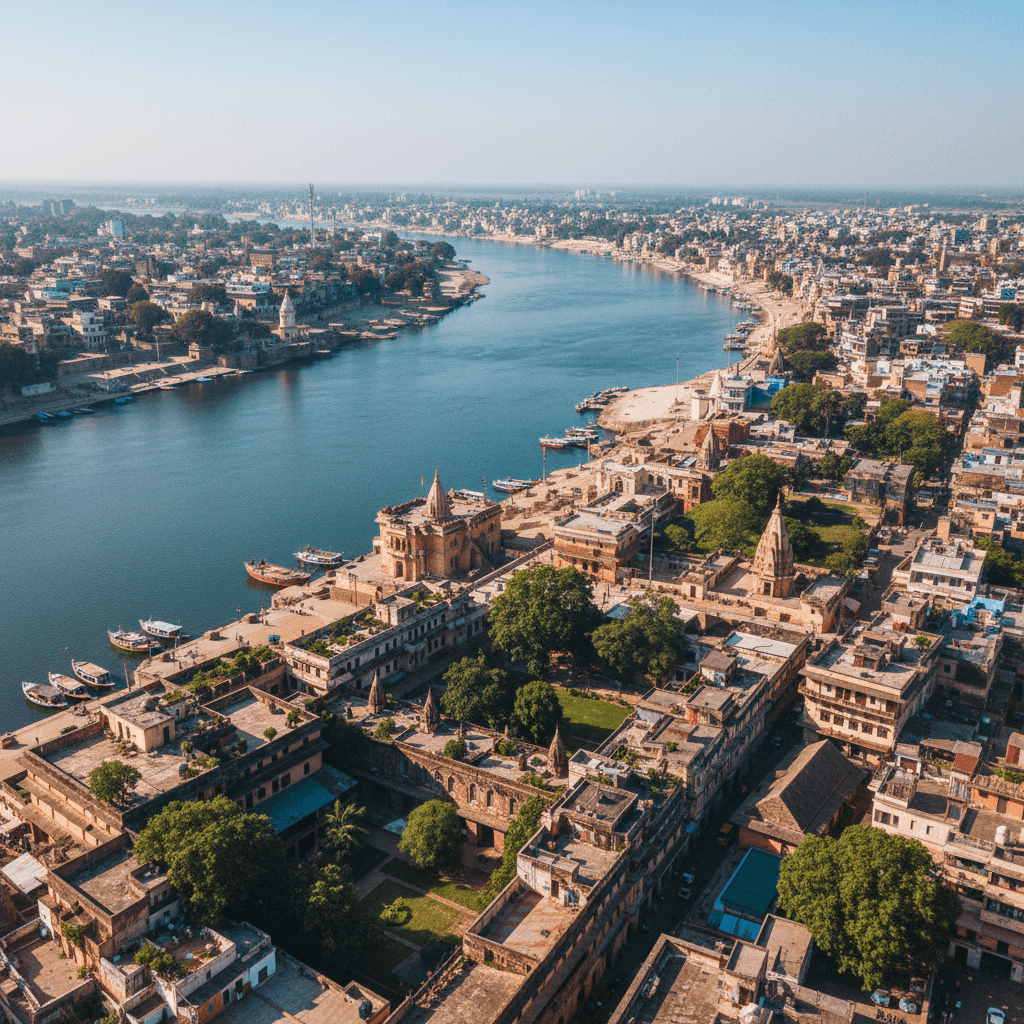
Varanasi isn't just a city; it's a sensory assault that shifts your perspective on life and death. Known as the spiritual capital of India, it sits on the banks of the sacred Ganges River where ancient rituals play out in real time against a backdrop of crumbling palaces and narrow, labyrinthine alleys. It's one of the oldest continuously inhabited cities on earth, and you feel that weight of history the moment you step onto the ghats. For digital nomads, it's a place of extremes. You'll find yourself responding to emails in a chic cafe while a funeral procession passes by outside, or watching the sunrise Aarti ceremony before a morning Zoom call.
The vibe here is intense, chaotic, and deeply mystical. You'll share the streets with wandering cows, saffron-clad sadhus, and pilgrims from across the globe. While the old city is a frantic maze of sensory overload, the riverfront offers moments of profound stillness, especially at dawn. It’s an affordable, culturally immersive hub that rewards those who can handle a bit of grit and a lot of noise. If you're looking for a polished, sterile environment, this isn't it. But if you want a base that feels truly alive, Varanasi is unparalleled.
The Cost of Living
Living here is incredibly easy on the wallet, even by Indian standards. Most nomads find they can live comfortably on $600 to $900 per month without trying very hard to save. While prices are rising, the sheer abundance of street food and guesthouses keeps costs low.
- Budget Tier: Around ₹30,000 ($360) per month. This covers a basic guesthouse in the old city and plenty of street food.
- Mid-Range Tier: Around ₹50,000 ($600) per month. Includes a private apartment or nicer hotel, frequent cafe visits, and occasional coworking passes.
- Comfortable Tier: Around ₹80,000 ($960) per month. This buys a high-end stay in the Cantt area, private transport, and dining at the city's best restaurants.
Where to Plant Your Flag
Choosing a neighborhood determines your entire experience. The city is divided between the ancient, crowded riverfront and the more modern, spacious outskirts.
Assi Ghat
- The Vibe: The preferred hub for expats, long-term nomads, and students. It's greener, slightly quieter, and has the best concentration of "work-friendly" cafes.
- Rent: Expect to pay ₹15,000 to ₹25,000 for a decent setup.
- Pros: Better air quality, less aggressive touts, and easy access to yoga studios.
Dashashwamedh Ghat & Old City
- The Vibe: Pure, unadulterated Varanasi. It's the heart of the action near the main Aarti ceremonies.
- Rent: Budget rooms start as low as ₹10,000, but quality varies wildly.
- Pros: You are steps away from the Ganges and the most iconic sights.
- Cons: Constant noise, difficult to navigate with luggage, and very crowded.
Cantt (Civil Lines)
- The Vibe: Modern, suburban, and organized. This is where you'll find luxury hotels and shopping malls.
- Rent: ₹20,000 to ₹35,000 for modern apartments.
- Pros: Quiet nights and reliable infrastructure.
- Cons: It’s a 20-30 minute rickshaw ride to the river, so you lose that ancient city magic.
Connectivity and Workspace
Internet reliability has improved significantly, but it's still India; you need a backup. Most cafes and guesthouses offer speeds between 20 and 50 Mbps. For serious deep work, Workafella is the premier coworking space, offering a professional environment for ₹500 to ₹1,000 per day. Mobile data is your best friend here. Grab an Airtel or Jio eSIM at the airport or a local shop for about ₹500 a month, which usually gives you more data than you'll know what to do with. Use this as a hotspot when the cafe WiFi inevitably blips during a monsoon shower.
Getting Around and Staying Safe
The old city is best explored on foot, though the narrow lanes are a workout for your senses. For longer distances, Uber and Ola are reliable and save you the hassle of haggling with rickshaw drivers. A typical ride across town costs ₹100 to ₹200. If you're feeling brave, you can rent a scooter for about ₹400 a day, but the traffic is not for the faint of heart.
Safety is generally a non-issue if you stay alert. Pickpockets operate in crowded markets, and touts near the main ghats can be persistent. Travelers often recommend avoiding the Manikarnika Ghat (the main cremation site) after dark unless you're with a group. For healthcare, BHU Hospital near Assi Ghat is the most reliable facility for emergencies, while private clinics in the Cantt area are better for routine issues.
The Social Scene
Socializing in Varanasi revolves around the river. Most nomads meet during sunset boat rides or while grabbing a lassi at the world-famous Blue Lassi shop in the old market. Evening Aarti ceremonies are the daily social anchor for the entire city. While the nightlife is low-key compared to Goa or Mumbai, the rooftop cafe culture is thriving. You'll find plenty of like-minded travelers at spots like Terra Kototta or the various vegan-friendly cafes near Assi Ghat. If you need a break from the intensity, a day trip to Sarnath, where Buddha gave his first sermon, offers a peaceful change of pace just a short drive away.
The Cost of Living in Varanasi
Varanasi is one of the most affordable hubs in India for remote workers, especially compared to the rising prices in Goa or Bangalore. Your budget here stretches remarkably far, though the trade off is a higher degree of sensory intensity. Most nomads find they can live comfortably on a fraction of what they would spend in Southeast Asia or Europe.
Monthly Budget Tiers
- The Budget Backpacker: ₹30,000 ($360 USD). This covers a basic guesthouse room near the Old City, plenty of street food like kachori and lassi, and getting around primarily on foot or by local shared autos.
- The Mid-Range Nomad: ₹50,000 ($600 USD). This is the sweet spot. You can afford a private apartment or a high end boutique stay in Assi Ghat, regular meals at air conditioned cafes, and a dedicated desk at a coworking space.
- The Comfortable Expat: ₹80,000 ($960 USD). At this level, you are living in a modern flat in the Cantt area or a premium heritage property. You'll likely use Uber for most trips and dine at the city's top hotel restaurants.
Housing and Neighborhoods
Rent varies wildly depending on how close you are to the Ganges. In the heart of the action near Dashashwamedh Ghat, a decent studio or 1BR usually runs between ₹10,000 and ₹20,000 ($120 to $240 USD). It is loud and crowded, but you are steps away from the evening aarti ceremonies.
Expats and long term nomads usually gravitate toward Assi Ghat. It is significantly quieter, greener, and has a more relaxed community vibe. Prices here are similar to the Old City, but the quality of life is higher if you need to focus on work. If you prefer modern infrastructure and want to escape the chaos entirely, look at Cantt (Civil Lines), though you will be a 20 to 30 minute commute from the river.
Food and Dining
You can eat like a king on a pauper's budget here. Street food is a way of life; a plate of Banarasi chaat or a famous lassi at Blue Lassi will only set you back ₹50 to ₹150 ($0.60 to $1.80). It is delicious, though your stomach might need a few days to adjust.
Mid range cafes near the ghats, which often cater to travelers with international menus and reliable WiFi, typically charge ₹300 to ₹500 ($3.60 to $6) for a full meal. If you are looking for an upscale experience in a heritage hotel or a luxury spot in Cantt, expect to pay ₹800 ($9.60) or more per person.
Connectivity and Coworking
For serious work, don't rely solely on guesthouse WiFi. Workafella is the premier choice for nomads, offering a professional environment for ₹500 to ₹1,000 ($6 to $12) per day. Most cafes have speeds between 20 and 50 Mbps, which is fine for emails but shaky for heavy video calls.
Pick up a local SIM card immediately. An Airtel or Jio eSIM costs roughly ₹500 ($6) for a month of nearly unlimited data. Having a mobile hotspot as a backup is a smart move for those afternoon power cuts or peak usage times.
Transportation
Walking is the only way to see the narrow alleys of the Old City, but for longer distances, use Uber or Ola. A typical ride across town costs ₹100 to ₹200 ($1.20 to $2.40). Auto-rickshaws are everywhere; a short hop should cost ₹50 to ₹100, though you will need to haggle if you don't use an app. If you want more freedom, you can rent a scooter for about ₹300 to ₹500 ($3.60 to $6) a day.
Practical Essentials
- Groceries: Local markets are incredibly cheap for fresh produce, while imported goods in Cantt supermarkets carry a premium.
- Healthcare: BHU Hospital near Assi Ghat is the standard for emergencies. Private clinics in the Cantt area are also reliable and affordable for minor issues.
- Cash: While Paytm and UPI are used everywhere, the small shops in the alleys still prefer cash. Keep a few thousand rupees on hand for daily expenses.
The Digital Nomad: Assi Ghat
If you're looking to balance deep cultural immersion with a stable work routine, Assi Ghat is where you'll want to drop your bags. It's the southern end of the riverfront and serves as the primary hub for long term travelers and remote workers. Compared to the center of town, the streets are wider and the pace is noticeably more relaxed.
- Rent: Expect to pay between ₹12,000 and ₹22,000 for a decent studio or guesthouse room.
- Connectivity: This area has the highest concentration of cafes with reliable WiFi. You'll find speeds around 20 to 50 Mbps, though most nomads keep an Airtel or Jio eSIM as a backup for peak hours.
- Work and Play: Workafella provides a professional coworking environment for about ₹500 to ₹1,000 a day when you need to escape the cafe noise. For lunch, grab a creamy drink at the legendary Blue Lassi or stick to the local cafes where a solid mid range meal costs about ₹400.
The Solo Traveler: Dashashwamedh Ghat & The Old City
Solo travelers who want to be in the thick of the action usually gravitate toward the Old City. This is the Varanasi you see in photos; narrow, winding alleys filled with wandering cows, incense smoke, and ancient shrines. You're steps away from the nightly Ganga Aarti ceremony, which is the city's most famous spectacle.
- Rent: Budget rooms and hostel beds go for ₹8,000 to ₹15,000 a month.
- The Vibe: It's intense and loud. You'll deal with persistent touts and a sensory overload of sights and smells. It's not the easiest place to focus on a laptop, but it's unbeatable for photography and sheer energy.
- Getting Around: Forget cars or rickshaws in the heart of the Old City. The alleys are too narrow, so you'll be doing a lot of walking. Most travelers use Uber or Ola to get to the edge of the zone and then navigate on foot.
The Expat and Long-Termer: Cantt (Civil Lines)
Expats who plan on staying for six months or more often choose Cantt, also known as the Cantonment or Civil Lines. This area was designed during the British era and feels like a different world compared to the riverside. It's organized, quiet, and much greener.
- Rent: Modern apartments or larger houses typically cost ₹25,000 to ₹40,000.
- Modern Comforts: This is where you'll find the higher end hotels, malls, and better private clinics. It's the most "normal" neighborhood for someone who needs a break from the spiritual intensity of the Ganges.
- The Trade off: You're a 20 to 30 minute rickshaw ride away from the ghats. You'll trade the river views for peace, quiet, and better air quality.
The Spiritual Seeker: Manikarnika Ghat
For those coming to Varanasi specifically for its religious significance and the study of Hindu philosophy, the area around Manikarnika is the epicenter. This is the primary cremation ghat where funeral pyres burn 24 hours a day. It's a place of profound reflection on life and death.
- Living Conditions: Infrastructure here is basic. It's not a place for "digital nomad lifestyle" amenities. Most accommodation consists of simple ashrams or old traditional houses.
- Safety: While generally safe, the atmosphere is somber. It's best to avoid wandering these specific alleys late at night, and always be respectful with your camera; photography is strictly forbidden at the cremation sites.
- Daily Costs: Living here is very affordable, with street food like kachori and sabzi costing as little as ₹60.
The Family Traveler: Near BHU (Banaras Hindu University)
Families often find the area near the Banaras Hindu University campus to be the most manageable. The campus itself is a massive green lung in a crowded city, offering space to walk and breathe. It's close enough to Assi Ghat for dining but far enough to avoid the most chaotic crowds.
- Healthcare: Being near BHU Hospital provides peace of mind, as it's one of the most reliable medical facilities in the region.
- Lifestyle: The area is more residential and less "touristy." You can find larger house rentals here that accommodate kids better than the cramped guesthouses in the Old City.
- Budget: A comfortable monthly budget for a family here, including a private driver and frequent dining out, sits around ₹80,000 ($960 USD).
Working from the world's oldest living city requires a bit of a mindset shift. You aren't here for high-speed fiber at every corner; you're here for the atmosphere. While the old city's narrow alleys are great for getting lost, they're notorious for spotty signals. Most nomads find that setting up a base near Assi Ghat or the Cantt area provides the best balance between spiritual immersion and actual productivity.
Connectivity and SIM Cards
You shouldn't rely solely on guesthouse WiFi. While many spots claim to have high-speed internet, the reality is often a shared connection that struggles during peak evening hours. Most digital nomads recommend getting a local SIM immediately. Airtel and Jio are the two heavy hitters here. You can pick up a SIM at the airport or at various shops in the city for around ₹500, which usually nets you unlimited data for 30 days.
If your laptop supports it, an eSIM is even easier to set up. Most cafes and guesthouses offer speeds between 50 and 100 Mbps, with average broadband speeds around 67-90 Mbps, which is plenty for Zoom calls or uploading content. Just keep a mobile hotspot ready as a backup for those occasional power flickers or signal drops in the deeper stone buildings of the old city.
Coworking Spaces
Varanasi's professional remote work scene is growing but still concentrated. While dedicated corporate-grade coworking hubs are limited, several local startups and business centers in the Cantt and Sigra areas offer desk rentals and reliable backup power. These spaces provide a quieter alternative to the bustling ghats for those who have a heavy day of meetings and can't risk a drop in connection.
Cafe Culture and Remote Work Spots
For a more relaxed vibe, the cafe scene around Assi Ghat is where most expats and long-term travelers congregate. These spots are used to people sitting with laptops for a few hours, provided you keep the coffee and snacks flowing.
- Assi Ghat Cafes: This area is much quieter and greener than the main Dashashwamedh area. You'll find several rooftop spots with views of the Ganges that offer free WiFi and a more "nomad-friendly" pace.
- The Old City: While charming, working here is a challenge. The stone walls are thick, and the noise from the streets can be distracting. Save the old city for your off-hours exploration.
- Blue Lassi: While it's an iconic spot for a quick break in the old market, it's definitely not a place to work. Go there for the history and the creamy lassi, then head back to a quieter cafe to finish your tasks.
Practical Workflow Tips
The rhythm of the city dictates your workday. Many nomads find it best to wake up early for the sunrise aarti or a boat ride, work during the heat of the afternoon when the streets are a bit slower, and then head back out in the evening.
Digital payments are becoming the norm. Use apps like Paytm or Google Pay (linked to an Indian bank or via certain international setups) for almost everything, from auto-rickshaws to cafe bills. However, always keep some cash on you for the smaller shops in the alleys where the signal might not reach the payment terminal. For larger transfers or managing your budget, Wise is the go-to for most international travelers in India.
If you're planning a longer stay, look for apartments via MagicBricks or NoBroker. A decent studio in a central area like Dashashwamedh can run you ₹10,000 to ₹20,000 per month, but you'll get more peace and quiet for your money if you look toward the outskirts or the residential parts of the Cantt district.
Street Smarts and Personal Security
Varanasi is generally safe for nomads who keep their wits about them, but the old city is a different beast entirely. The narrow, winding alleys near Dashashwamedh Ghat are prime territory for pickpockets and overly persistent touts. Most travelers find that while the attention is annoying, it rarely turns aggressive. Still, you should avoid isolated alleys after dark, especially around Manikarnika Ghat, where the atmosphere becomes heavy and unpredictable once the sun goes down.
The biggest safety hurdle isn't crime; it's the sheer chaos of the environment. You'll be sharing paths with wandering cows, motorbikes, and funeral processions. Keep your phone tucked away while walking to avoid "snatch and grab" incidents, and always watch your step to avoid uneven stones or animal waste. If you're heading out late, stick to the main roads of Cantt or use ride-hailing apps like Uber or Ola rather than wandering the ghats alone.
Healthcare Facilities
Healthcare quality in Varanasi is a mixed bag. For anything serious or emergency-related, expats and locals alike recommend BHU Hospital (Sir Sunderlal Hospital) near Assi Ghat. It's the most reliable facility in the region, though it can be incredibly crowded. If you prefer a more Westernized, private experience, look toward the clinics in the Cantt (Civil Lines) area, which tend to be quieter and more modern.
- Emergency Contacts: Dial 100 for Police and 102 or 108 for an Ambulance.
- Pharmacies: You'll find "Medical Stores" every few blocks in the main markets. They are well-stocked with basics, but always check the expiry dates on packaging.
- Payment: Most private clinics expect upfront cash or UPI/Paytm payments. Keep your insurance details and some physical cash (around ₹5,000) handy for emergencies.
Staying Healthy in the Heat
The "Delhi Belly" is a real risk here, and Varanasi's street food can be a gamble for unadjusted stomachs. While the lassis at Blue Lassi are iconic, stick to bottled or filtered water for everything, including brushing your teeth. If you're visiting between April and June, the heat can regularly top 40°C (104°F). Dehydration happens fast in this humidity, so carry electrolyte powders, which you can buy for a few rupees at any local pharmacy.
Air quality is another factor to consider. During the dry season and peak festival times, the smoke from the cremation pyres and heavy traffic can make the air quite thick. If you have asthma or respiratory sensitivities, staying in the greener, quieter Assi Ghat area or Cantt is a much better move than living in the heart of the old city.
Practical Safety Tips
- Dress Code: You'll avoid a lot of unwanted attention by dressing modestly. Cover your shoulders and knees, especially near temples and the ghats.
- Digital Security: Public WiFi is common in cafes, but it's rarely secure. Most nomads use a Jio or Airtel eSIM as a primary hotspot to keep their data private.
- Scams: Be wary of "holy men" offering unsolicited blessings or boatmen who suddenly double the price mid-river. Agree on a price (usually ₹300 to ₹500 for a boat ride) before you step off the stone steps.
The Art of the Alchemist: Moving Through Varanasi
Navigating Varanasi is an exercise in patience and sensory management. It is a city of two halves: the ancient, labyrinthine alleys of the Old City where your own two feet are the only viable transport, and the wider, modern roads where motorized chaos reigns supreme. Most nomads find that once they settle into a neighborhood like Assi Ghat or Dashashwamedh, their daily radius stays surprisingly small.
Walking the Alleys and Ghats
In the Old City, the "Galis" (narrow lanes) are too tight for anything larger than a sleek motorcycle or a very determined cow. Walking is the default mode here. You will share these paths with pilgrims, funeral processions heading toward Manikarnika Ghat, and local vendors. It is intense, but it is the only way to reach the best hidden cafes and ancient temples.
- The River Walk: You can walk nearly the entire length of the Ganges riverfront via the stone ghats. It is the most scenic way to get from the southern Assi Ghat to the central Dashashwamedh Ghat, taking about 30 to 45 minutes depending on your pace and how many ceremonies you stop to watch.
- Footwear: Wear closed-toe shoes that you don't mind getting dusty. The stone steps can be slippery near the water, and the alleys often have "surprises" left by the local cattle.
Rickshaws and Ride-Hailing
For longer distances, like heading from the riverfront to the Varanasi Cantt train station or the Civil Lines district, you will want wheels. Auto-rickshaws are the lifeblood of the city. They are small, three-wheeled vehicles that can squeeze through gaps in traffic that would stop a car cold.
- Apps: Download Uber and Ola. These are reliable in Varanasi and save you the headache of haggling over prices. A typical 3-to-4 kilometer ride usually costs between ₹100 and ₹200 ($1.20 to $2.40).
- Shared Rickshaws: If you are on a tight budget, look for "shared" autos running along main roads. You'll hop in with five other people and pay a flat fee of about ₹10 to ₹20 ($0.12 to $0.24) for a set route.
- Electric Rickshaws: These "e-rickshaws" are becoming more common. They are quieter and slower than the gas-powered versions, perfect for short hops within the Assi Ghat area for around ₹50.
Two-Wheeler Rentals
If you are comfortable with aggressive Indian traffic, renting a scooter gives you total freedom. Many guesthouses near Assi Ghat can arrange a rental for you. Expect to pay between ₹300 and ₹500 ($3.60 to $6.00) per day. Just be aware that parking near the main ghats is a nightmare, and you will still have to park on the periphery and walk into the interior alleys.
Airport Transfers
Lal Bahadur Shastri Airport is about 25 kilometers from the city center. Don't try to wing this one when you land. The drive can take anywhere from 45 to 90 minutes depending on the notorious traffic jams near the city entrance.
- Prepaid Taxi: There is a booth inside the arrivals hall. A ride to the ghats will cost roughly ₹800 ($10).
- App-Based: Uber and Ola work at the airport, but drivers might ask for an extra "parking fee" or try to negotiate a higher price off-app. Stick to the prepaid stand if you want zero drama.
- The "Last Mile" Problem: Most taxis cannot drive directly to your guesthouse if it is located deep in the Old City. They will drop you at the nearest "Godowlia" or "Sonarpura" crossing, and you may need to hire a local porter or walk the last 500 meters.
Practical Transit Tips
Traffic in Varanasi doesn't follow a predictable flow. It is a living thing. Expats recommend avoiding travel across town between 5:00 PM and 8:00 PM, as the roads near the main temples become completely gridlocked with pilgrims arriving for the evening Aarti. If you have a flight to catch or a meeting at a coworking space like Workafella, always buffer an extra 30 minutes into your commute. Carry small bills; while Paytm and UPI digital payments are common in shops, many rickshaw drivers still prefer cash for small fares.
The Local Linguistic Landscape
In Varanasi, you are stepping into a world where Hindi and the local dialect, Bhojpuri, dominate the airwaves. While the city is a major international spiritual hub, the level of English you'll encounter varies wildly depending on where you're standing. In the winding alleys of the Old City or near Dashashwamedh Ghat, most shopkeepers, boatmen, and guesthouse owners speak enough English to negotiate prices and explain basic rituals. However, once you step away from the tourist track, communication becomes a game of gestures and smiles.
Expats and nomads usually find that English proficiency is highest in the Assi Ghat area and the modern Cantt district. If you are working out of a space like Workafella or grabbing a lassi at a popular spot like Blue Lassi, you won't have any trouble being understood. Outside of these bubbles, the language gap widens. Most locals will appreciate even a clumsy attempt at a greeting; it breaks the ice and often leads to better service or a more genuine interaction.
Essential Phrases for the Ghats
You don't need to be fluent to get by, but having a few Hindi basics in your back pocket is helpful for daily life. It changes the dynamic from being a tourist to being a resident. Here are the phrases most nomads find themselves using daily:
- Namaste: The universal greeting for hello and goodbye.
- Dhanyavaad: Thank you. It’s polite and goes a long way.
- Kitna? or Kitna hua?: How much? Use this before hopping into any auto-rickshaw.
- Sahi hai: It is correct or it is good. Useful for confirming a price or a food order.
- Nahi chahiye: I don't want it. Say this firmly but kindly to the persistent touts in the main markets.
- Theek hai: Okay/Alright. The Swiss Army knife of Indian phrases.
Tech-Assisted Communication
Don't rely on a constant 5G connection when you're deep in the stone corridors of the old town. Most travelers recommend downloading the Google Translate offline Hindi pack before you arrive. The "Conversation Mode" is surprisingly effective for explaining dietary restrictions or navigating more complex logistics with landlords. For written signs or menus that aren't translated, the camera feature is a lifesaver.
For everything else, WhatsApp is the undisputed king of communication in Varanasi. Whether you are booking a boat for a sunrise tour, ordering water delivery to your apartment, or chatting with a new contact from a nomad meetup, it all happens here. Make sure you have a local SIM from Airtel or Jio, which you can pick up for about ₹500. Having a local number makes you look less like a transient visitor and more like someone who knows the ropes.
Etiquette and Non-Verbal Cues
In a city as traditional as Varanasi, how you communicate with your body is just as important as what you say. It is a deeply conservative place. Travelers often suggest dressing modestly, covering shoulders and knees, especially when entering temples or walking through the cremation areas at Manikarnika Ghat. This is a form of silent communication that shows respect for the local culture.
Be mindful of your feet; pointing them at people or religious icons is considered rude. Similarly, always use your right hand for eating or handing over money. If you are ever unsure about the "Indian head waggle," just know it usually means "yes," "okay," or "I understand." It’s rarely a "no." If you get a waggle in response to a question, you're usually on the right track.
Negotiation and Touts
Communication in the markets is often a spirited haggle. Whether you're buying a silk scarf or hiring a rickshaw for a ₹100 ride, it’s expected. Most nomads find that staying calm and smiling while negotiating yields better results than getting frustrated by the chaotic energy. If a tout is being overly aggressive near the main ghats, a simple "Nahi chahiye" followed by walking away is the most effective way to communicate your lack of interest.
The Seasonal Sweet Spot
Timing your stay in Varanasi isn't just about comfort; it's about whether you'll actually be able to work. The city is at its best from October through March. During these months, the weather is dry and the temperatures hover between a pleasant 15°C and 25°C (59°F to 77°F). You'll find the mornings crisp enough for a light jacket while you watch the sunrise over the Ganges, and the afternoons are perfect for setting up your laptop at a rooftop cafe in Assi Ghat.
Expats and long-term nomads usually aim to arrive by late October. This window avoids the brutal humidity and keeps you clear of the seasonal fog that can sometimes ground flights in the dead of winter. If you're here in January, be prepared for nights that dip down to 10°C (50°F). Most guesthouses in the Old City don't have central heating, so packing a solid hoodie is a smart move.
Surviving the Heat and Monsoon
If you can avoid it, don't book your stay between April and June. This is the pre-monsoon heat peak where temperatures regularly soar to 40°C (104°F). The air feels heavy, and the narrow stone alleys of the Old City act like an oven, trapping the heat. Digital nomads who stay through this period often find themselves confined to air-conditioned spaces just to stay productive, as the outdoor cafe culture effectively shuts down during the day.
The monsoon arrives in July and lasts through September. While the rain brings a drop in temperature to around 30°C to 35°C (86°F to 95°F), it introduces a new set of challenges. Heavy downpours can cause the Ganges to rise significantly, often submerged the lower steps of the ghats. This makes the iconic river walks impossible and can lead to power flickers. If you're working on a deadline, you'll definitely want a backup power bank and a reliable Airtel or Jio eSIM to bridge any WiFi gaps during storms.
Month-by-Month Temperature Guide
- October to November: 20°C to 30°C. Ideal for exploring and outdoor work.
- December to February: 10°C to 20°C. Cool and clear; peak tourist season.
- March: 20°C to 30°C. The last of the comfortable weather before the heat spikes.
- April to June: 25°C to 40°C+. Intense heat; stay near high-quality AC.
- July to September: 30°C to 35°C. High humidity and heavy monsoon rains.
Planning Around Festivals
Varanasi's calendar is dictated by the lunar cycle, and certain events can make the city feel twice as crowded. Dev Deepawali, which usually falls in November, is a bucket-list experience where every ghat is lit with thousands of diyas. However, it also means prices for short-term rentals can triple and the crowds become overwhelming. Most nomads recommend booking your accommodation at least two months in advance if your stay overlaps with major Hindu festivals or the winter peak.
For those looking for a balance of lower costs and decent weather, the "shoulder" months of late September or early March are excellent choices. You'll miss the worst of the crowds but still enjoy enough sunshine to make those evening boat rides worthwhile. Just keep an eye on the humidity levels as the seasons shift; a good dehumidifier in your apartment can be a lifesaver if you're staying through the tail end of the rains.
Cost of Living
Varanasi is one of the most affordable hubs in India for remote workers. While your budget can fluctuate depending on how much you value air conditioning and western comforts, most nomads find they can live well here for a fraction of what they spend in Southeast Asia or Europe.
- The Budget Tier: Around $360 (₹30,000) per month. This covers a basic guesthouse near the ghats, street food meals, and getting around on foot.
- The Mid-Range Tier: Around $600 (₹50,000) per month. This allows for a private studio, frequent cafe visits, and regular Uber rides.
- The Comfortable Tier: Around $960 (₹80,000) per month. This buys you a high-end apartment in the Cantt area, coworking memberships, and upscale dining.
For housing, a 1BR apartment near Dashashwamedh Ghat typically runs between $120 and $240 (₹10,000 to ₹20,000). Food is remarkably cheap; a lassi at the famous Blue Lassi or a plate of kachori will cost you less than $2 (₹150). Even a nice dinner at a mid-range restaurant rarely crosses the $6 (₹500) mark.
Where to Set Up Base
Choosing a neighborhood in Varanasi is a trade-off between immersion and sanity. The city is divided into distinct zones that cater to different energy levels.
Assi Ghat
- The Vibe: The preferred hangout for expats and long-term nomads. It's quieter, greener, and has the best concentration of laptop-friendly cafes.
- Pros: Yoga studios, international food options, and a slightly slower pace of life.
- Cons: It is a bit of a trek from the main evening ceremonies at the central ghats.
Dashashwamedh Ghat & Old City
- The Vibe: Pure, unadulterated chaos. This is the spiritual heart of the city where the narrow alleys are shared by pilgrims, cows, and motorbikes.
- Pros: You are steps away from the Ganges and the most iconic aarti ceremonies.
- Cons: The noise and crowds are constant. Walkability is high but stressful due to the sensory overload.
Cantonment (Cantt)
- The Vibe: Modern, suburban, and quiet. This is where you'll find the luxury hotels and wider roads.
- Pros: Best for families or those who need a total escape from the old city's intensity.
- Cons: It takes 20 to 30 minutes to reach the river, and it lacks the ancient charm people come for.
Internet and Productivity
Connectivity is surprisingly solid for such an ancient city. Most cafes and guesthouses offer speeds between 20 and 50 Mbps. However, power cuts can happen, so expats recommend keeping a local SIM as a backup. Airtel and Jio are the most reliable; you can grab an eSIM at the airport for about $6 (₹500) which usually includes unlimited data for a month.
For a professional environment, Workafella is the go-to coworking space. It is modern and chic, with daily desks ranging from $6 to $12 (₹500 to ₹1,000). If you prefer the cafe route, the spots around Assi Ghat are very welcoming to people working on laptops for a few hours.
Navigating the City
The old city is best explored on foot, but for longer distances, Uber and Ola are reliable and save you the hassle of haggling with rickshaw drivers. A typical ride across town costs between $1 and $2 (₹100 to ₹200). If you are arriving by air, the Lal Bahadur Shastri Airport is about 25km away. A prepaid taxi to the ghats will cost around $10 (₹800).
Health and Safety
Varanasi is generally safe, but the environment is intense. Pickpockets operate in crowded markets, and touts can be aggressive near the cremation ghats. It is best to avoid the Manikarnika Ghat area after dark unless you are with a group. For medical needs, the BHU Hospital near Assi Ghat is the most reliable facility for emergencies.
Respecting local customs is the best way to avoid trouble. Dress modestly by covering your shoulders and knees, and always remove your shoes before entering temples or shops. If you want to take photos of a funeral procession or a cremation ceremony, always ask permission first; many locals find it deeply disrespectful.
Best Time to Visit
Timing is everything here. The most comfortable window is from October to March, when the weather is dry and temperatures hover between 15°C and 25°C (59°F to 77°F). Avoid the monsoon season from June to September. The heat can be punishing, often hitting 40°C (104°F), and the humidity makes the narrow alleys of the old city feel quite claustrophobic.
Need visa and immigration info for India?
🇮🇳 View India Country GuideEasy Landing
Settle in, no stress
Monthly Budget Estimates
More cities in India
Dehradun
🇮🇳 India
Thiruvananthapuram
🇮🇳 India
Rishikesh
🇮🇳 India