Vancouver
🇨🇦 Canada
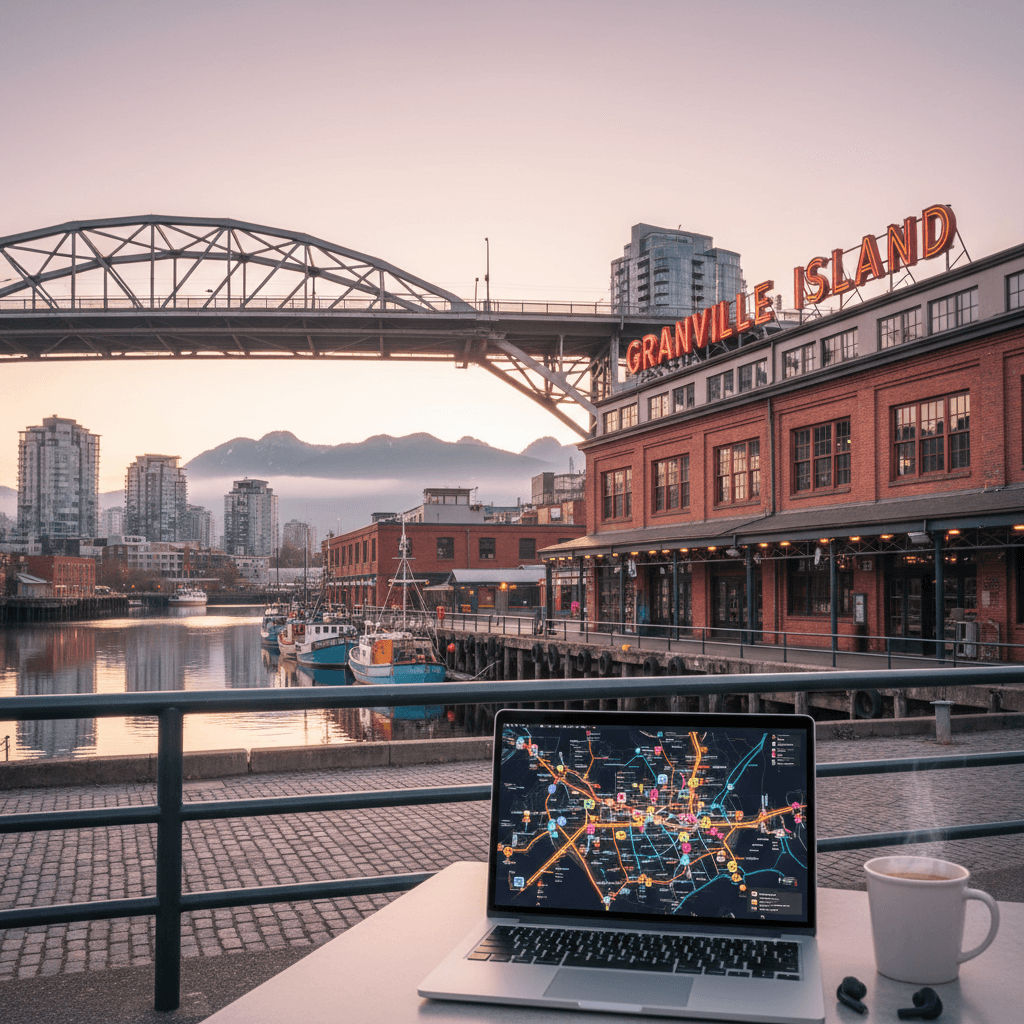
Vancouver feels like a city that keeps one boot in the forest and the other on a downtown sidewalk. You get sea air, wet pavement, espresso and mountain views in the same hour and honestly, that mix is why nomads keep coming back even after complaining about the price tag and the drizzle.
Not cheap. A studio averages around $2,055 and a one-bedroom around $2,300 citywide and nicer pockets like Downtown, the West End or Kitsilano don’t give you much relief. Rent in Vancouver can sting, then groceries add another $400 to $600 and if you eat out often, the bill climbs fast, especially once you start doing the whole coffee-shop-lunch-dinner routine.
The vibe changes fast by neighborhood, which, surprisingly, is part of the appeal. The West End is the easiest base for solo nomads and first-timers, Kitsilano is softer and beachier, Gastown is better for food and nightlife and Yaletown is polished but pricey, with that glass-and-brass feel that makes some people love it and others roll their eyes.
Good fits by area
- West End: Walkable, close to Stanley Park and the seawall, with enough cafes and transit to keep daily life simple.
- Kitsilano: Best if you want beach runs, park hangs and a more relaxed, health-conscious crowd.
- Gastown: Good for restaurants and late nights, though the noise and visible rough edges can be a drag.
- North Vancouver: Greener and often cheaper, but the commute back into the center gets old.
Work life is decent here. WiFi usually holds up, coworking spaces like L'Atelier, HiVE and WeWork Marine Gateway are popular and cafes are full of laptops, tapping keys and people nursing one flat white for an hour longer than they should. Still, buy something every hour or two, because Vancouver spots expect that and they’re not shy about it.
Rain is the deal. Winters are damp, gray and a little exhausting, with wet coats drying in hallways and that cold, leafy smell rising off the sidewalks, while summer is the sweet spot, dry, warm and good enough for beaches, bikes and long walks home after sunset. Safety is solid in the core during the day, but the edges of the Downtown Eastside can feel rough at night and that’s not paranoia, that’s just the street reality.
What makes Vancouver different is how quickly you can leave the city without really leaving it. In one afternoon, you can be on a beach, on a trail or on a ferry or SkyTrain and that easy access to nature is what softens the high rent, the wet months and the occasional feeling that everything costs just a bit too much.
What You’ll Pay
Vancouver isn’t cheap. A studio averages around $2,055 and a one-bedroom around $2,300 citywide as of April 2026 and the nicer central spots, especially Downtown and the West End, can push past $2,500 without much drama, so budget pressure shows up fast when the rain’s tapping on the windows and your coffee habit creeps up.
Shared housing keeps things saner and honestly that’s how a lot of nomads do it here, because the leap from a room in East Van to a solo place in Kitsilano can be brutal. If you want a cheaper base, Killarney often lands around $1,931 and Surrey suburbs can dip under $2,000, though the commute can get old real fast.
Typical Monthly Budget
- Budget: Around $2,500, with shared housing and home cooking.
- Mid-range: $3,100 to $3,500, usually a 1BR and a few meals out.
- Comfortable: $4,500+, for a nicer apartment and regular dining.
Everyday Costs
- Street food: $10 to $15, Tacofino trucks are a good reference point.
- Mid-range meal: $20 to $45 per person.
- Upscale dinner: $65+ for two and drinks can sting.
- Groceries: $400 to $600 a month, depending on how much you cook.
The food scene’s good, but it adds up, especially if you’re grabbing lunch in Gastown or Yaletown where the espresso machines hiss all day and your receipt somehow grows legs. Cook more, eat out less or both, because a few $20 lunches a week will chew through your budget quietly.
Getting Around and Working
- Transit: $3.50 per ride on TransLink or $117 for a monthly pass.
- Uber: Usually $10 to $15 for short hops.
- Coworking: About $250 to $330 a month.
- Fast options: WeWork Marine Gateway, L'Atelier and HiVE all have solid setups.
Transit works well in the core and the Canada Line to YVR is fast enough that you won’t dread airport runs, though buses can feel slow in wet weather when everyone’s packed into steaming coats. WiFi is generally adequate for video calls and cafes are workable if you buy something every hour or two, just test the connection first because not every charming little spot can handle a video call.
Where the Money Goes Farthest
West End is the sweet spot for solo nomads who want walkability, beach access and easy transit, while Kitsilano suits people who’d rather hear seagulls than sirens. Mount Pleasant and other parts of East Van have more creative energy and often feel less polished, but they can make more sense if you want community without paying downtown rent.
Vancouver’s neighborhood choice comes down to this, do you want walkability, beach time, nightlife or a quieter home base near the mountains? It’s pricey, frankly and the wrong area can make you feel boxed in fast, especially when rain taps on the window for days.
Nomads
- West End: Best all-around pick, with Stanley Park, English Bay, cafes and easy transit all within a short stroll.
- Yaletown: Good if you want polished condos, waterfront runs and late dinners, though it can feel a bit glossy and expensive.
- Mount Pleasant: The creative crowd likes it here, weirdly it feels more lived-in than downtown, with independent coffee shops and a better local rhythm.
West End is the safe bet for most remote workers, because you can walk to the seawall, grab coffee on Denman, then get back online without much fuss. The downside is obvious, rent bites hard and the area gets busy with tourists once the weather turns nice.
Solo Travelers
- Gastown: Great for food, bars and a historic look, but the noise and visible social problems can be a lot at night.
- West End: Safer-feeling and easier for first-timers, with quick access to beaches and transit.
- Downtown core: Convenient for short stays, though it can feel cold and corporate after dark.
Gastown’s cobblestones, restaurant smells and bar chatter make it fun for a few nights, but I wouldn’t base myself there if you’re sensitive to noise or rough edges. Stick to the better-lit streets and don’t wander too far east late at night, because the mood changes quickly.
Families
- Kitsilano: Best for beach access, parks and a calmer pace, with plenty of families and outdoor space.
- North Vancouver: Better for space and greenery, honestly and often feels easier on the budget than central Vancouver.
- Killarney: Quieter and cheaper, with more room than downtown and a more residential feel.
Kits is the classic family choice, with sandy afternoons at Kits Beach, stroller-friendly streets and enough cafes that you won’t lose your mind on rainy weeks. Transit’s weaker than downtown though, so if you’re commuting daily, North Vancouver or a place closer to the SkyTrain can save a lot of friction.
Expats
- North Vancouver, Lynn Valley: Best for long stays, outdoor access and a calmer suburban routine.
- Kitsilano: Good if you want a mix of neighborhood life, healthy restaurants and easy beach days.
- Mount Pleasant: Better if you want a creative, local-feeling base without living in the middle of downtown noise.
Expats often end up in North Vancouver because it feels practical, the air smells like cedar after rain and you’re close to hiking without paying West End prices. If you need city energy every day, Mount Pleasant gives you more character than Yaletown and less of that sterile condo feeling.
Vancouver’s internet is, honestly, very decent for a North American city, with average speeds around 113 Mbps, so video calls usually hold up fine if you’re not trying to upload a giant file during a rainstorm. The pain point isn’t the connection, it’s the price of existing here, because even a mediocre desk can come with a brutal rent bill attached.
The coworking scene, turns out, is one of the city’s better workday lifelines. WeWork Marine Gateway is the fastest pick in the mix, while L’Atelier and HiVE Vancouver feel more community-driven, with hot desks around $250 to $330 a month and speeds around 150 Mbps, which is plenty unless you’re constantly on giant file transfers or livestreams.
Best Coworking Options
- WeWork Marine Gateway: about $320/month, 300 Mbps, best if you want fewer headaches and stronger uptime.
- L’Atelier: about $250/month, 150 Mbps, calmer vibe, good for people who like a quieter room and a more local feel.
- HiVE Vancouver: about $330/month, 150 Mbps, community-heavy, better if you want events and a social desk crowd.
- 333 Seymour: about $320/month, central and polished, though it’s pricier than the value it gives back.
Cafes work in a pinch, but you need to behave like a regular, not a squatter. Buy something every hour or two, keep your voice down and test the WiFi first because, weirdly, one Starbucks can be fine and the next one crawls along like it’s on dial-up.
If you want mobile data, Telus and Freedom Mobile are the usual bets and you can grab SIMs at YVR or in town without much drama. eSIMs are handy too, especially if you land late, though frankly you’ll still want a proper local plan if you’re staying more than a week.
Where To Work
- Downtown and West End: easiest for walkability, transit and quick cafe hops, but noisy and expensive.
- Kitsilano: slower pace, beach air, good coffee shops, though you’ll spend more time on transit.
- Mount Pleasant: creative, laptop-friendly and a little scruffier in a good way.
Stormy days are the real test. Rain taps on windows, wet jackets hang near the door and the whole city smells like damp wool and espresso, so having a backup desk matters more than people admit.
If you’re staying a month or longer, don’t wing it, because Vancouver gets expensive fast and a good coworking membership can save your sanity. For most nomads, the sweet spot is a central desk, decent café backups and a data plan that doesn’t die when the clouds roll in.
Vancouver feels relaxed on the surface, but safety gets a little messy once you move past the postcard parts. Downtown, Yaletown and Gastown are generally fine in daylight, with café chatter, delivery bikes and transit noise keeping things active, though the edges of the Downtown Eastside can feel rough after dark, especially when the sidewalks thin out and the mood shifts fast.
Nomad safety score: 81/100. That’s decent. Don’t get complacent, though, because the city’s main issues are visible homelessness, open drug use in some blocks and the usual petty theft stuff around transit hubs, bars and busy shopping streets.
Where to stay
- West End / Downtown: Best for first-timers, walkable, close to Stanley Park and the seawall, though rent’s high and you’ll hear late-night sirens, bus brakes and the occasional drunk argument outside.
- Kitsilano: Quieter, beachy, full of cafés and runners in rain jackets and honestly one of the easier areas for a calm month, just expect longer transit rides.
- Gastown: Great for food and nightlife, but it can feel gritty after dark, with more visible street disorder and a few blocks you’ll want to skip late.
If you’re solo and new in town, stick to West End or Yaletown first. Frankly, that’s the low-drama move. Mount Pleasant and parts of East Van are good too if you want a more local, creative feel without being stuck in tourist mode.
Healthcare
Vancouver General Hospital handles serious care well, pharmacies are easy to find and Shoppers Drug Mart is everywhere, which makes basic meds and walk-in advice painless. Non-residents pay out of pocket, so travel insurance isn’t optional, it’s the difference between a manageable bill and a brutal one.
For coverage, many nomads use SafetyWing or Genki, then keep a credit card handy for fronting costs if needed. If something goes wrong, call 911, then head to the nearest ER or urgent clinic, because waiting around while things worsen is a bad plan.
Practical habits
- Night moves: Don’t drift around the Downtown Eastside edges alone late at night.
- Transit: Keep your phone zipped away on SkyTrain platforms and buses, pickpocketing isn’t rampant, but it happens.
- Weather: Rain makes sidewalks slick and cold, so carry a proper jacket, not a flimsy shell that soaks through in ten minutes.
- Daytime: Most central areas feel normal and easy, with coffee smells, wet pavement and steady foot traffic.
Medical care is solid, the city center is mostly safe and common sense goes a long way. Still, don’t treat Vancouver like a sleepy suburb, because it isn’t and the rougher blocks can turn uncomfortable fast if you’re distracted.
Vancouver’s getting around game is pretty simple and still annoying in the usual West Coast way. The core is walkable, TransLink works well enough and the Canada Line can get you from YVR to downtown in about 25 minutes. Note: As of July 2026, YVR AddFare is $6.50 plus zone fare (total typically $11-$12 for downtown).
Transit costs $3.50 per ride on a standard fare or about $117 for a monthly pass and most nomads just stick to SkyTrain, buses and the SeaBus rather than bother with a car. Traffic can get ugly, parking’s expensive and rain on the bus windows makes the whole commute feel longer than it's. Not glamorous.
Best ways to move around
- TransLink: Best all-around option, especially if you’re based in Downtown, the West End or Yaletown, where you can walk to stops fast and skip the headache of parking.
- Walking: Very doable in the core, with seawall stretches, cafe runs and grocery trips all lining up, though you’ll want decent shoes because drizzle and slick sidewalks are part of daily life.
- Bikes and scooters: Mobi bikes and Lime scooters are handy for short hops and Vancouver’s bike lanes make more sense than people expect, though wet pavement and impatient drivers can still be a pain.
- Uber and Lyft: Good for late nights, airport runs or when you’re hauling bags, with short rides often landing around $10 to $15.
If you’re staying in Kitsilano, expect a slower rhythm and more reliance on buses or bikes, because it’s a bit farther from the downtown core, though the beach access makes the tradeoff feel fair. North Vancouver and Lynn Valley are greener and calmer, but the commute back into the center can be a drag, especially when the sky turns gray and the mountain air feels damp and cold.
For airport transfers, the Canada Line is the move for most travelers and Uber usually makes sense only if you’ve got a lot of luggage or a late arrival. Ride-hailing pick-up at YVR is straightforward, but prices jump fast when demand spikes, so don’t assume a cheap trip just because the distance looks short on a map.
A few practical tips help. Download the Compass app, keep a card topped up and check bus times before you leave, because Vancouver delays can be weirdly random. If you’re in the city center, skip renting a car unless you’re heading out to Whistler, the Fraser Valley or somewhere beyond the transit grid, because downtown driving is mostly just stress, honking and circling for parking.
English is the everyday language in Vancouver, so you won't struggle in cafés, on SkyTrain platforms or at a rental viewing, but the city sounds more multilingual than most places in Canada. Punjabi, Mandarin and Cantonese turn up constantly in shops, food courts and family neighborhoods and honestly, that's part of the appeal, because you hear half a dozen accents before lunch.
People are polite here, sometimes almost awkwardly so. "Sorry" gets used for tiny collisions, for interrupting, for just existing in someone's way and if someone says it while stepping around you in the rain, they mean it, not because they're weak, because that's just the local social glue.
How people speak
- English: Primary language in daily life, work and housing.
- Punjabi: Very common in parts of Surrey and South Vancouver.
- Mandarin and Cantonese: Widely heard in retail, restaurants and family-run businesses.
- Slang: "Loonie" for $1, "toonie" for $2, useful at markets and transit kiosks.
Most nomads get by with plain English, but a few local habits help. Say "sorry" a little more than feels natural, queue properly and don't barrel into conversations the way people do in louder cities, because Vancouverites can be friendly, just not always instantly chatty.
For translation, Google Translate gets the job done and that's usually enough for menus, signs or the occasional apartment note written in a hurry. Weirdly, the harder part isn't language, it's hearing people clearly when rain is hammering on a patio roof and traffic on Burrard is hissing past in the background.
Communication tips
- Best approach: Clear, direct English works fine almost everywhere.
- Useful apps: Google Translate for quick checks and sign reading.
- Local tone: Polite, calm, slightly reserved, especially with strangers.
- Practical habit: Ask twice if you miss something, nobody minds.
If you're dealing with landlords, coworking staff or delivery drivers, keep messages short and specific, because people here tend to respond better to that than to long explanations. In day-to-day life, the communication style is straightforward, which, surprisingly, makes the city easier for nomads than it first looks, even if the rain, the mute winter light and the occasional mumbled bus announcement can test your patience.
Vancouver’s weather is mild, but it’s also a rain machine for half the year. November through April gets old fast, with wet sidewalks, grey skies and that damp chill that sneaks through a light jacket, so if you hate drying your socks by a heater, avoid those months.
Best months: June through August. July and August are the sweet spot, with highs around 22°C and the least rain and you can actually sit at Kits Beach, ride the Seawall or work from a cafe without the sky threatening you every ten minutes.
Spring and early fall are a solid compromise, honestly, because May, September and even early October can feel calm, bright and more affordable than peak summer. You still get crisp air, mountain views and long enough daylight for a post-work hike, though the rain can flip back on quickly, which, surprisingly, catches people out every year.
Winter
- Weather: Mild, wet and dark early.
- Temps: Around 7°C in January.
- Downside: Slush, soaked shoes, gloomy mornings.
- Upside: Rare snow in the city.
Winter here isn’t brutal, it’s just relentlessly damp and that gets annoying in a different way. The air smells like wet pavement and coffee, buses hiss through puddles and your umbrella becomes part of your identity.
Summer
- Weather: Dry, sunny and cooler than you’d expect.
- Temps: Roughly 22°C in July.
- Best for: Beaches, biking, day trips, patios.
- Watch out: Peak demand and higher prices.
If you’re coming for a short stay, June to August is the obvious pick, but book early because hotels, rentals and even decent coworking desks get snapped up. The city feels more open then, with sea air on the waterfront and the mountains looking almost fake in the evening light, though the bill will definitely sting.
Best overall window: late May to September. If you want the cleanest mix of weather, outdoor access and tolerable rain, that’s your lane and anything outside it's mostly for people who don’t mind spending a lot of time under an umbrella.
Vancouver looks relaxed, then your bank app reminds you it isn’t cheap. Rent bites hardest, with a studio averaging around $2,055 and a 1BR around $2,300 citywide and downtown, the West End and Kitsilano all sitting in that same painful zone.
If you want to keep costs sane, look at Killarney, Surrey or shared housing, because a decent solo setup downtown can chew through your budget fast, especially once you add groceries, transit and the odd rain-soaked Uber after a late night in Gastown.
Where to Stay
- West End: Best for first-timers, walkable, close to Stanley Park and the beach, but pricey and busy.
- Kitsilano: Good if you want cafes, parks and a beach routine, though the transit isn’t great.
- Gastown: Great food and nightlife, though it can be noisy and a little rough around the edges.
- North Vancouver: Greener and calmer, with better value, but you’ll feel the commute.
Internet’s solid, honestly, with citywide WiFi averaging around 186 Mbps and coworking spots are decent if you need a proper desk. L'Atelier runs about $250 a month, HiVE is around $330 and WeWork Marine Gateway is pricier but faster, so pick based on whether you care more about speed, community or just having somewhere quiet that doesn’t smell like burnt espresso.
Cafes are usable for work, but don’t camp all day without buying something every hour or two, that’s the local deal. For SIMs, grab one at YVR or in town from Telus or Bell and if you just need data for a short stay, eSIMs save you the airport hassle, which, surprisingly, still matters after a long flight.
Getting Around
- Transit: TransLink rides cost about $3.50, monthly passes are around $117.
- Airport: Canada Line to downtown takes about 25 minutes and costs roughly $9 to $10.
- Ride-hailing: Uber and Lyft are handy for short hops, often $10 to $15.
- Bike share: Mobi bikes and Lime scooters work well in the core.
Day-to-day life is easy if you keep it polite, queue normally and tip 15 to 20 percent without making a speech about it. People do take off their shoes indoors, recycling rules can be fussy and that wet Vancouver smell, cedar, pavement, coffee, hangs in the air for months.
For money stuff, use RentMoola or Zego for rent payments, Wise for transfers and apartment hunting apps like Zumper and liv.rent. If you need a breather, take a day trip to Whistler or the Fraser Valley wineries, because staring at the rain on your window all week gets old fast.
Need visa and immigration info for Canada?
🇨🇦 View Canada Country GuideNomad Haven
Your home away from home
Monthly Budget Estimates
More cities in Canada
Kitchener-Waterloo
🇨🇦 Canada
Toronto
🇨🇦 Canada
Canmore
🇨🇦 Canada