Valparaíso
🇨🇱 Chile
The Bohemian Soul of Chile
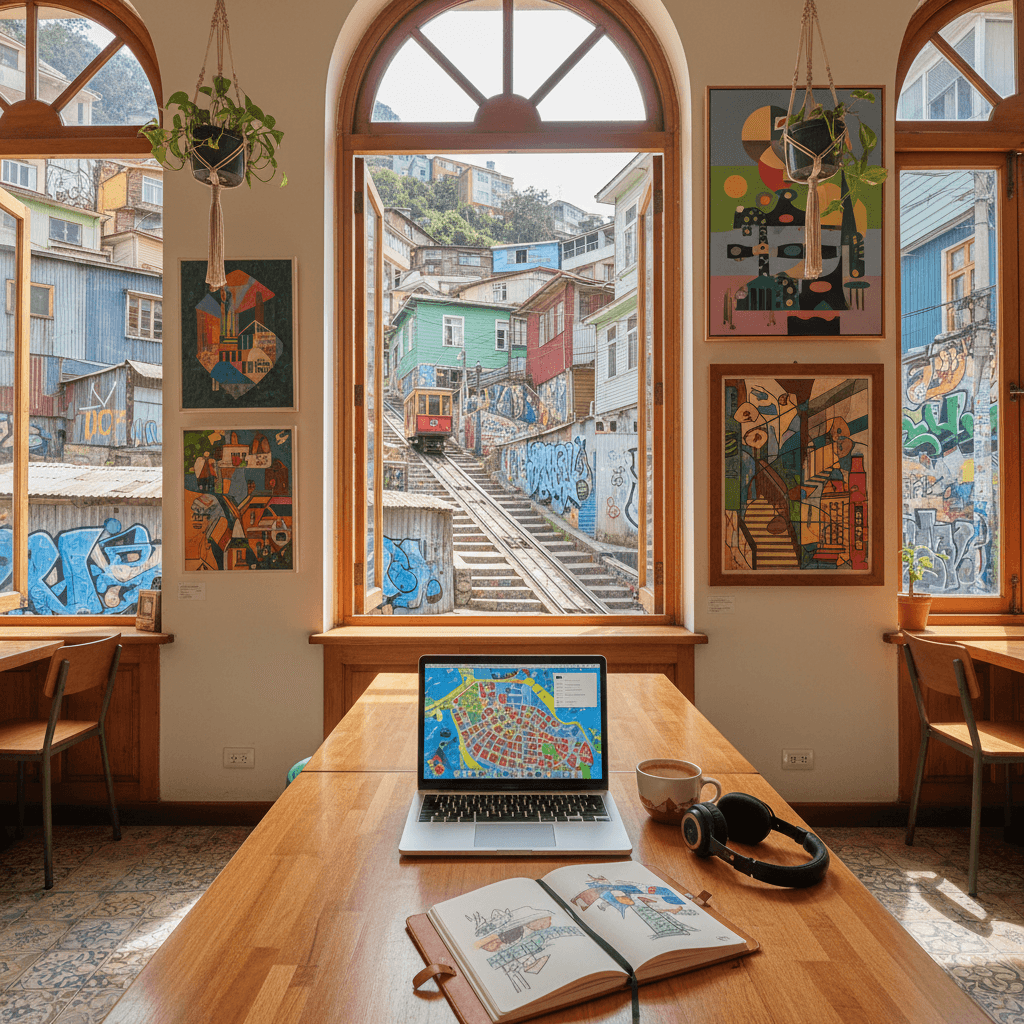
Valparaíso doesn't care if you like it. It's a gritty, crumbling, Technicolor masterpiece that feels more like an open air art gallery than a typical coastal city. While Santiago is all glass towers and corporate efficiency, Valpo is a tangle of steep hills and winding alleys where the smell of sea salt meets fresh paint. It's a place for nomads who prefer character over polish and don't mind a little sweat in exchange for a world class view.
The city is famous for its UNESCO listed cerros (hills), which rise sharply from the Pacific. Living here means your daily commute involves ancient funiculars or staircases that double as canvas for local muralists. It's a slower, more intentional pace of life. You'll spend your mornings nursing a coffee while watching the container ships move in the harbor and your evenings chasing live music through the cobblestone streets of Cerro Alegre.
The Living Cost Reality
One of the biggest draws for the remote work crowd is the price tag. You can live a very comfortable life here for $1,447 a month, which is a steal compared to most South American capitals. If you're on a tighter budget, $800 covers the basics if you're savvy with housing and stick to local markets. Most nomads find that even with a mid range lifestyle, they're spending far less than they would in Santiago or Buenos Aires.
- Rent: Expect to pay $400 to $700 for a private apartment in the trendy hills. Downtown is cheaper, usually $300 to $500, but you lose the charm and the views.
- Food: A quick street snack like an empanada will run you $3 to $5. A nice dinner with a glass of Chilean Carmenere usually lands between $15 and $25.
- Transport: Local buses, or "micros," are about $0.50 per ride. Uber is active and reliable for getting home after dark.
Where to Plant Your Laptop
Most nomads gravitate toward two specific hills. Cerro Alegre and Cerro Concepción are the heart of the expat and creative scene. They're packed with boutique hotels, tiny galleries, and some of the best coffee shops in the country. The downside? Your calves will be screaming for the first two weeks, and the hills aren't particularly bike friendly.
If you need a dedicated office environment, Paralelo Coworking in the downtown area (the "Plano") is the go to spot. It costs about $95 a month and offers the most stable community events. Working from cafes in the hills is popular, but keep an eye on your gear and be aware that internet speeds can fluctuate. While you might see claims of 200 Mbps, the reality is often closer to 12 to 48 Mbps, especially during peak evening hours.
Safety and Practicalities
The vibe is generally relaxed, but Valparaíso requires a bit of street smarts. It's a port city with a rough edge. Expats generally recommend avoiding unlit hills and quiet alleyways after the sun goes down. For health needs, pharmacies are everywhere, but if you have a serious medical issue, you'll likely want to make the 90 minute trip to Santiago for better facilities.
The best time to arrive is between November and March. The Mediterranean climate is at its peak then, with temperatures hovering around 20 to 25°C. Winters from June to August can be grey, rainy, and surprisingly chilly in those old, unheated hilltop houses. If you're coming for the long haul, look into the Temporary Residence visa, though many nomads simply use the 90 day tourist entry and head to the border for a refresh.
You'll find the locals are warm and welcoming, though a bit of Spanish goes a long way. English is common in the tourist hubs of Cerro Alegre, but once you head down to the markets or into the less polished neighborhoods, you'll need the basics to get by. It's an authentic, raw experience that rewards those who are willing to trade a bit of convenience for a lot of inspiration.
The Bottom Line
Valparaíso is one of the most affordable coastal escapes in South America, especially compared to the steep prices in nearby Santiago. Most nomads find they can live comfortably here for $1,447 per month, though budget travelers sticking to shared rooms and street food can squeeze by on roughly $800. If you want a renovated loft with Pacific views and frequent dinners out, plan for $2,000 or more.
The local economy runs on a much lower scale, with many residents earning around $400 monthly. This means your dollars or euros go a long way in local markets and neighborhood spots, though you'll pay a premium for "nomad-friendly" amenities like high speed internet and specialty coffee in the tourist hills.
Housing and Neighborhoods
Your biggest expense will be rent, and prices fluctuate based on how many stairs you're willing to climb. Expats usually gravitate toward the hills for the views and the atmosphere, while those on a strict budget stick to the flat parts of town.
- Cerro Alegre & Cerro Concepción: These are the artistic hubs where you'll find the most nomads. A private studio or one bedroom apartment here typically costs between $400 and $700. You're paying for the cobblestone charm and proximity to the best cafes, but keep in mind that "walkable" here means a serious leg workout.
- Downtown (El Plano): If you want to be close to the Paralelo coworking space and avoid the funicular lines, the downtown area is more practical. Rents drop to $300 to $500, though it lacks the scenic magic of the hills.
- Viña del Mar: Just a short train ride away, this sister city is more polished and modern. It's popular with families but comes with higher price tags and a more corporate, crowded feel.
Food and Drink
Eating out is a highlight here, especially if you're a fan of seafood and Chilean wine. You can grab a quick lunch or street food like an empanada for $3 to $5. A mid range dinner at a trendy spot in Cerro Alegre usually lands between $10 and $15 per person.
If you're looking for a high end experience with local wine pairings, expect to pay $20 to $30. Groceries are affordable if you shop at local ferias (markets) rather than sticking exclusively to the big supermarkets. Most travelers say the quality of fresh produce is excellent, though it's wise to be cautious with street food hygiene in some of the busier port areas.
Connectivity and Working
Internet is the one area where Valparaíso can be temperamental. While you'll see speeds advertised up to 219 Mbps, the reality on the ground is often 12 to 48 Mbps. Speeds tend to dip during peak evening hours, so having a backup plan is a must.
- Coworking: Paralelo Coworking in the downtown area is the main hub for remote workers. A monthly desk starts around $95. It's a reliable spot to escape the inconsistent home Wi-Fi and meet the local nomad community.
- Mobile Data: Pick up a local SIM from Entel or Movistar, or grab a Holafly eSIM before you land. Coverage is generally strong throughout the city.
- Cafes: Many cafes in the hills are work friendly, but always check the signal before you order your latte.
Transport and Practicalities
Getting around is cheap but physically demanding. The iconic micros (colorful buses) cost about $0.50 to $1 per ride. Uber is widely available and reliable for getting home after dark or reaching the higher parts of the hills without breaking a sweat.
For healthcare, pharmacies are on almost every corner, but the local hospitals are best for minor issues. Most expats recommend heading to Santiago for anything serious. Regarding safety, the city is generally welcoming, but locals advise against walking alone on unlit hill paths at night. Stick to the main tourist arteries and keep your phone tucked away while walking.
The Creative Hub: Cerro Alegre
If you are a digital nomad or a solo traveler looking for that postcard version of Valparaíso, this is where you belong. It is the heart of the city's artistic soul, famous for its steep, winding alleys and walls covered in world class street art. You will find yourself surrounded by boutique cafes and small galleries, making it easy to find a spot to open your laptop for an hour or two.
- Rent: Expect to pay between $400 and $700 for a decent one bedroom apartment or studio.
- Atmosphere: Bohemian, artistic, and very social. It is the primary spot for meeting other remote workers.
- The Trade-off: Those views come at a price. You will be climbing a lot of stairs, and the narrow streets aren't great for cars or bikes.
The Classic Choice: Cerro Concepción
Right next door to Alegre, Cerro Concepción is the go-to for expats who want a bit of vintage charm without sacrificing proximity to the action. It feels a bit more established and slightly quieter than its neighbor but keeps the same colorful, historic architecture. It is a favorite for those who want to be near the funiculars to save their knees on the way down to the flat part of the city.
- Rent: Similar to Alegre, ranging from $400 to $700 depending on the view.
- Connectivity: You are close to the bus lines that head down to Paralelo Coworking in the downtown area.
- The Vibe: Historic and scenic. It is perfect for evening walks to catch the sunset over the Pacific.
The Strategic Base: Downtown (El Plano)
For nomads on a tighter budget or those who value convenience over aesthetics, the "Plano" or downtown area is the most practical choice. You won't get the sweeping ocean views, but you will be steps away from the main markets, banks, and the best coworking infrastructure in the city. Most nomads find this area much easier to navigate on a daily basis since everything is flat.
- Rent: Significantly cheaper, usually between $300 and $500 for a private space.
- Best for: Budget travelers and anyone who hates climbing hills after a long workday.
- Work Life: You'll be within walking distance of Paralelo, where a monthly desk starts around $95.
- Safety Tip: It gets a bit gritty at night. Stick to well lit main streets and use Uber if you are heading back late.
The Coastal Alternative: Viña del Mar
If you are traveling with a family or simply prefer a more modern, polished environment, look just up the coast to Viña del Mar. It is technically a separate city but functions as an extension of Valparaíso. It offers better hospitals, modern supermarkets, and actual beaches, which are a rarity in the port-heavy center of Valpo. It feels much more like a traditional resort town than a gritty art colony.
- Rent: Prices are higher here, often starting at $800 for family sized apartments.
- Pros: Better infrastructure, wider streets, and more green spaces for kids.
- Cons: It lacks the "cool factor" and grit of the hills. It can also get incredibly crowded during the summer months of December through February.
Practical Living Tips
Regardless of which hill you pick, keep a few things in mind. Internet speeds usually hover between 12 and 48 Mbps, which is fine for Zoom calls but might struggle with heavy 4K video uploads during peak evening hours. Most expats recommend getting a local SIM card from Entel or Movistar as a backup. While the city is generally safe, locals always advise avoiding unlit hillsides after dark; stick to the main tourist paths or grab a ride share. For any major medical needs, most people take the 90 minute trip to Santiago, as local facilities are somewhat limited.
The Connectivity Reality
Valparaíso isn't the place you come for hyper-fast, symmetrical fiber optics at every corner. While Chile generally leads South America in internet speeds, Valparaiso's rugged geography and historic infrastructure mean your experience will vary depending on which hill you call home. Most nomads find average speeds hover between 12 and 48 Mbps. It is enough for Zoom calls and standard workflows, but you might notice some lag during peak evening hours when the city settles in to stream movies.
If you are staying in the hills like Cerro Alegre or Concepción, older buildings with thick walls can sometimes eat your WiFi signal. It is a good idea to ask your host for a speed test screenshot before booking. For a reliable backup, pick up a local SIM from Entel or Movistar. If you want to hit the ground running, an Holafly eSIM works well, though local physical SIMs are usually cheaper for long term stays. Mobile coverage is surprisingly resilient, even when you are riding the funiculars.
Coworking Spaces
The coworking scene here is intimate rather than corporate. It reflects the city's gritty, artistic soul. You won't find dozens of massive chains, but the spots that do exist offer a strong sense of community.
- Paralelo Coworking: This is the anchor for the digital nomad community. Located downtown in the "Plano" area, it is a professional breath of fresh air. Monthly hot desks start around $95 (approx. 90,000 CLP). It is a bit of a trek from the popular hills, so most people hop on a "micro" bus to get down there. It is the best spot to meet other remote workers and find out about local meetups.
Laptop-Friendly Cafés
Many nomads skip the dedicated offices and work from the hills. The cafés in Cerro Alegre and Cerro Concepción are used to the laptop crowd, provided you keep the coffee flowing and avoid the lunch rush. The views from these spots are often better than any office you've ever sat in.
- Cerro Alegre: Look for small bakeries and specialty coffee shops along the cobbled streets. Many have small patios where the WiFi reaches just far enough.
- Café Vinilo: While more of a restaurant, it has that classic Valparaíso atmosphere that is perfect for an hour or two of light admin work.
- Pure Coffee: A favorite for those who take their beans seriously. The internet is usually stable enough for emails and Slack.
Practical Tips for Remote Work
Power outages aren't a daily occurrence, but they happen more often here than in Santiago, especially during the rainy season from May to August. Always keep your laptop charged. If you are a heavy data user, try to find an apartment in the downtown "Plano" area rather than high up the hills. The infrastructure there is more modern and easier to service.
Most expats recommend using Wise for transfers to keep fees low when paying for monthly coworking memberships or rent. If you find the hill life too isolating for work, the nearby city of Viña del Mar is only a short train or bus ride away. It offers a more modern, "resort" style infrastructure with faster internet and more traditional office spaces if you have a deadline that requires zero distractions.
Keeping Your Wits and Your Health
Valparaíso is a city that rewards the bold, but it asks for a bit of street smarts in return. Most nomads find the city generally safe, especially in the creative hubs of Cerro Alegre and Cerro Concepción. That said, the port city grit is real. The golden rule here is simple: stay on the beaten path once the sun goes down. Those charming, winding staircases that look great on Instagram during the day can become isolated and risky at night. If you're heading back to your hilltop apartment after a few glasses of Chilean Syrah, skip the walk and call an Uber.
Pickpocketing is the most common headache for travelers, particularly in crowded spots like Plano (downtown) or near the Prat pier. Keep your phone tucked away while walking and don't hang your bag on the back of your chair at sidewalk cafes. Locals are warm and helpful, but they'll be the first to tell you to keep your valuables out of sight. It's not about being paranoid; it's just about being sensible.
Healthcare and Medical Emergencies
If you catch a standard bug or need a prescription filled, you'll find plenty of Farmacias Ahumada or Cruz Verde locations scattered throughout the city. Most pharmacists can help with minor ailments, and many common medications are available over the counter. For more serious issues, the local hospital infrastructure is functional but can feel a bit limited compared to Western standards. Public facilities often have long wait times, so private clinics are the way to go for anything that isn't a life-threatening emergency.
- Ambulance: Dial 131
- Police (Carabineros): Dial 133
- Fire Department: Dial 132
Expats frequently recommend heading to Santiago for specialized care or major procedures. Since the capital is only about 90 minutes away, it's a manageable trip for better facilities and more English-speaking specialists. Always make sure your travel insurance is active before you land; even a small clinic visit can get pricey without it.
Environmental and Food Safety
The air quality in Valparaíso is excellent thanks to the constant sea breeze, which is a massive upgrade if you're coming from the smoggy basin of Santiago. However, the hilly terrain means you'll be doing a lot of climbing. If you have knee issues or respiratory concerns, the ascensores (funiculars) are your best friends, though they occasionally go out of service for maintenance.
When it comes to food and water, most nomads drink the tap water without any issues, though the high mineral content might taste a bit off if you aren't used to it. Bottled water is cheap and available everywhere if you prefer it. Food safety is generally high in established restaurants, but use your best judgment with street food stalls. Stick to the vendors that have a high turnover and a line of locals waiting. If the seafood looks like it's been sitting in the sun at the Muelle Prat for too long, walk away.
Practical Safety Tips
- Stay Lit: Avoid unlit hills and alleys after dark. Stick to the main tourist corridors in the Cerros.
- Atmosphere Awareness: Be cautious around the port area and the Mercado Cardonal late in the day when crowds thin out.
- Tech Security: Use a VPN when working from cafes in Cerro Alegre to keep your data secure on public networks.
- Emergency Cash: Keep a small amount of Chilean Pesos (CLP) in a separate pocket for small purchases or emergencies, as smaller shops won't always take cards.
The Vertical Reality
Valparaíso isn't a city you walk; it is a city you climb. Built across dozens of steep hills overlooking the Pacific, the geography here dictates how you move. While the flat downtown area, known as the El Plan, is easy enough to navigate on foot, the real soul of the city sits up in the cerros. You will quickly realize that a five minute walk on a map can easily turn into a twenty minute vertical hike up concrete staircases.
Most nomads base themselves in Cerro Alegre or Cerro Concepción. These areas are beautiful but can be exhausting if you are carrying groceries or a laptop. You will find yourself relying on a mix of vintage tech and modern apps to keep your legs from giving out.
The Iconic Ascensores
The city's funiculars, or ascensores, are more than just tourist attractions; they are the backbone of the local commute. These wooden elevators date back over a century and save you from the "Valpo workout" for about $0.10 to $0.15 per ride. They connect the flat commercial streets of the El Plan to the residential heights of the hills.
- Ascensor Reina Victoria: Perfect for getting from the bottom to the heart of Cerro Alegre.
- Ascensor El Peral: Drops you right by the Paseo Yugoslavo and the Fine Arts Museum.
- Ascensor Concepcion: The oldest; check status as it may be under renovation.
Micros and Collectivos
If you need to go further than the funiculars allow, look for the micros. These are brightly colored, privately owned buses that fly through the narrow, winding streets with surprising speed. A ride usually costs between $0.35 and $2.00. You pay the driver in cash as you board, so keep small coins or 1,000 peso notes handy.
For a more direct route, keep an eye out for Colectivos. These look like standard black sedans with signs on the roof indicating their route. They function like a shared taxi with a fixed price. They are faster than buses and will often drop you closer to your specific door in the hills for a slightly higher fare than the micro.
The Metro Valparaíso (Merval)
When you need to escape the grit of Valparaíso for the manicured beaches of Viña del Mar, the Merval is your best bet. This clean, modern train runs along the coast and is the most efficient way to travel between the two cities. You will need to buy a Metroval card at any station to ride. The fare depends on the distance and time of day, but it is generally very affordable for daily trips.
Ride-Hailing and Safety
Uber is widely available and generally reliable here. It is the preferred choice for nomads heading home late at night, as some of the staircases and alleys in the cerros can be poorly lit and risky after dark. Expect to pay $3 to $7 for most trips within the city limits. While Didi is also an option in Chile, Uber tends to have more active drivers in the Valparaíso hills.
Getting to and from Santiago
Since Valparaíso doesn't have its own international airport, you will likely arrive via Santiago. The journey takes about 90 minutes to two hours. You have two main options:
- Public Bus: Turbus and Pullman run every 15 to 30 minutes from Santiago's Pajaritos or Estación Central stations. It costs roughly $5 to $10 and is very comfortable.
- Private Shuttles: If you have a lot of luggage, a private transfer from Arturo Merino Benítez International Airport (SCL) costs between $50 and $100.
Biking is almost non-existent in the hills due to the sheer incline and cobblestones, though you will see some cyclists along the flat coastal road toward Viña del Mar. For daily life, your best tools are a sturdy pair of walking shoes and a topped-up Uber account.
The Chilean Twist
You'll quickly find that Spanish in Valparaíso isn't exactly what you learned in high school. Chileans speak fast, drop the "s" at the ends of words, and use a heavy dose of local slang called chilenismos. While it sounds intimidating, the locals are incredibly warm and patient with foreigners trying to find their way up a steep staircase in Cerro Alegre.
Most nomads find that English proficiency is moderate to high in the tourist hubs and creative circles. If you're hanging out in Cerro Concepción or grabbing a coffee at a nomad-friendly cafe, you can usually get by with English. However, once you head down to the "Plano" (the flat downtown area) or deal with local landlords, having some Spanish under your belt is a game changer.
Survival Phrases and Local Slang
To really blend in with the porteno crowd, you need to know a few basics. While "Hola" and "Gracias" work fine, you'll hear "Cachái?" (You get it?) at the end of almost every sentence. Here are a few essentials to keep in your pocket:
- ¿Cuánto cuesta?: How much does it cost? Use this at the local markets where prices aren't always marked.
- ¿Dónde está el baño?: Where is the bathroom?
- Po: This doesn't really mean anything, but Chileans add it to the end of "Sí" or "No" for emphasis. "Sí, po" is the standard way to say yes.
- Bacán: Use this when you see some particularly impressive street art; it means "cool" or "awesome."
Digital Communication and Apps
Don't expect to rely on your home SIM card unless you want a massive bill. Expats recommend grabbing a local SIM from Entel or Movistar as soon as you arrive for the best coverage among the hills. If you prefer to have everything ready before you land, Holafly eSIMs are a popular choice for nomads who need data the second they hop off the bus from Santiago.
For day-to-day interactions, WhatsApp is the undisputed king. You'll use it for everything from booking a table at a bistro to messaging a landlord about a studio apartment. For those moments when the Chilean accent wins, Google Translate is your best friend. The "Conversation" feature is particularly helpful when you're trying to explain a specific internet issue to a technician or negotiating a price at a feria.
The Social Connection
Communication isn't just about the words; it's about where you meet. The nomad community here is growing and tends to congregate at Paralelo Coworking downtown. It's the primary hub for networking and finding English-speaking events. If you're looking for a more relaxed vibe, the cafes in Cerro Alegre act as unofficial offices where you'll often hear a mix of English, German, and French floating through the air.
While the language barrier exists, it's rarely a wall. Valparaíso is a city of artists and sailors; they are used to people from all over the world. A little effort goes a long way here, and even a "buenos días" to your neighbors on the funicular will earn you a lot of respect in the community.
The Mediterranean Sweet Spot
Valparaíso enjoys a Mediterranean climate that stays relatively mild throughout the year. Because it sits right on the coast, the Pacific Ocean acts like a giant air conditioner, keeping the city from getting as sweltering as Santiago in the summer or as freezing as the Andes in the winter. Most days feel like they are hovering between 18°C and 25°C (64°F to 77°F), which is perfect for tackling those steep hills without breaking a massive sweat.
The seasons here are flipped for those coming from the Northern Hemisphere. Summer peaks from December through February, while winter settles in from June to August. Even in the height of summer, you'll rarely deal with oppressive humidity. It's a dry, crisp heat that makes the colorful murals in Cerro Alegre pop under the bright sun.
When to Book Your Stay
If you want the absolute best weather for working from a balcony with a view, aim for November through March. This window offers the most sunshine and the lowest chance of rain. It's the prime time for nomads who want to balance their deep work sessions with afternoon trips to the beaches in nearby Viña del Mar.
- Peak Season (December to February): Everything is open, the nightlife is at its loudest, and the streets are full of energy. Expect temperatures around 22°C to 25°C. This is also when prices for short term rentals might tick upward due to local tourism.
- Shoulder Season (October to November and March to April): Many long term nomads prefer these months. The weather is still gorgeous, usually staying above 20°C, but the crowds thin out and the city feels a bit more authentic and less like a tourist hub.
- Low Season (June to August): This is the rainy season. It doesn't rain every day, but when it does, those cobblestone stairs in Cerro Concepción can get slippery. Temperatures sit between 10°C and 18°C, so you'll definitely need a solid jacket and perhaps a space heater for your apartment, as many older buildings lack central heating.
Seasonal Survival Tips
The coastal breeze is a real factor here. Even on a warm January day, the temperature can drop quickly once the sun dips behind the hills. Locals and expats alike swear by the "layering" method. You might start your morning in a t-shirt at Paralelo Coworking, but you'll want a hoodie or a light jacket by the time you're walking home for dinner.
If you're planning to visit during the winter months of June or July, check with your Airbnb host about heating. Since Valparaíso is an old port city, the historic houses are beautiful but can get damp and drafty during the wet season. A good pair of waterproof shoes is also a must if you're staying on the hills during the rainier months.
Major Events to Track
While the weather is the main driver for most travelers, a few dates on the calendar might influence your timing. New Year's Eve in Valparaíso is legendary. The harbor hosts one of the biggest fireworks displays in South America, and the city turns into one giant party. If you want to be here for December 31st, you need to book your accommodation months in advance, and expect to pay a significant premium.
For a more cultural experience without the massive crowds, the spring months of September and October are fantastic. You'll catch the Fiestas Patrias in mid-September, where the city celebrates with traditional food, dancing, and plenty of Chilean wine, all while the weather starts to warm up for the summer season.
Survival Essentials
Valparaíso isn't your typical polished digital nomad hub. It's gritty, artistic, and physically demanding. Most nomads find that while the city is cheaper than Santiago, you pay for those savings with a bit of legwork. Expect to spend between $800 and $1,450 per month depending on how much you prioritize a view of the Pacific versus a short walk to your desk.
- Rent: A private studio in the trendy hills will run you $400 to $700. If you head down to the flat part of the city, known as El Plano, you can find spots for $300 to $500.
- Food: Street empanadas or choripán cost about $3 to $5. A nice dinner with a glass of local Carmenere usually hits the $15 to $25 range.
- Coworking: A monthly hot desk at Paralelo costs roughly $95.
The Neighborhood Breakdown
Where you plant your flag matters because the geography of Valparaíso is vertical. The hills, or cerros, are where the soul of the city lives, but they aren't always the most convenient for a 9 to 5 schedule.
Cerro Alegre and Cerro Concepción
- Best for: Aesthetics, cafes, and the classic nomad experience.
- Pros: You're surrounded by world class street art, tucked away galleries, and the best coffee shops in the city. Most expats recommend these hills for the safety and the community vibe.
- Cons: Your calves will burn. The stairs are steep, and while the funiculars are charming, they aren't always running when you're in a rush.
El Plano (Downtown)
- Best for: Practicality and budget travelers.
- Pros: This is where you'll find Paralelo Coworking and the main transit lines. It's flat, making it the only part of the city that's truly walkable.
- Cons: It lacks the romantic charm of the hills and can feel a bit chaotic and loud during the workday.
Staying Connected
Internet reliability is the main gripe for remote workers here. Speeds usually hover between 12 and 48 Mbps. It's enough for Zoom calls, but you might see lag during peak evening hours. Many travelers use a Holafly eSIM or pick up a local Entel or Movistar SIM card to ensure they have a backup hotspot.
For a dedicated workspace, Paralelo in the downtown area is the go to spot. It's the primary hub for the growing nomad community and hosts regular meetups. If you prefer working from cafes, stick to the spots in Cerro Alegre, though you should always check the WiFi speed before ordering your second latte.
Logistics and Safety
Getting around involves a mix of micros (local buses), collectivos (shared taxis), and the historic funiculars. A single ride on a micro is usually under $1. For longer trips or late nights, Uber is reliable and widely used. If you're coming from the airport in Santiago, expect a 90 minute drive that costs between $50 and $100 for a private shuttle.
Safety requires a bit of common sense. The tourist areas are generally fine, but travelers often warn against wandering into unlit alleys on the hills after dark. Keep your phone tucked away while walking, and if you need to check a map, step into a shop or cafe first. For health needs, local pharmacies are everywhere, but for anything serious, most expats suggest making the trip to Santiago for better hospital facilities.
Climate and Timing
The weather is Mediterranean and fairly predictable. The best time to visit is from November to March, when the days are sunny and temperatures sit comfortably between 20°C and 25°C. The winter months of June through August are the least ideal, as the city gets chilly and the rain can make the steep hills quite slippery.
Visa Realities
Most enter on 90-day tourist visa, renewable once for another 90 days via formal prórroga (USD100 fee). If you're looking to stay long term, you'll need to look into the Temporary Residence options, which require proof of consistent remote income.
Need visa and immigration info for Chile?
🇨🇱 View Chile Country GuideHidden Gem
Worth the effort