Valladolid
🇪🇸 Spain
The Castilian Heartbeat
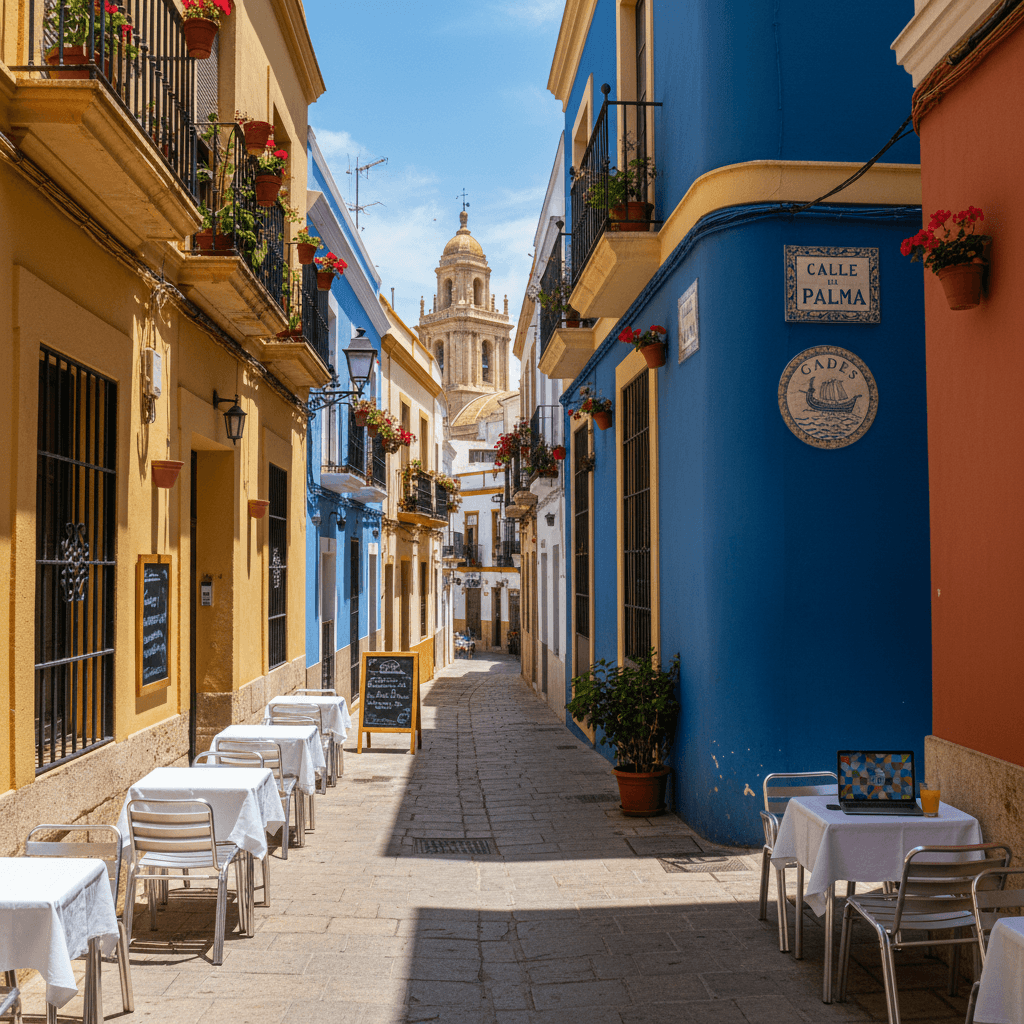
If you are looking for the neon lights of Madrid or the beach clubs of Barcelona, you will not find them here. Valladolid is remarkably different. It is a city that feels like a well kept secret, where the air is crisp and the pace of life slows down to a comfortable stroll. It is the kind of place where locals still outnumber tourists by a wide margin, giving it an authenticity that many Spanish hubs have lost to the crowds.
The vibe is refined but grounded. You will notice it in the way people dress for a walk through Campo Grande or how the terraces at Plaza Mayor fill up on a Sunday afternoon. There is a quiet confidence here. It is safe, walkable, and unapologetically Spanish. For a nomad, this means you will actually have to use your Spanish; it is not a bubble where everyone speaks English, and that is exactly why people love it.
Being here feels like living in the "real" Spain. You are surrounded by massive Gothic cathedrals and Renaissance history, yet you have all the modern comforts of a mid sized European city. It is a place where you can find your rhythm, focus on your work during the day, and disappear into a world of tapas and local Ribera del Duero wine by sunset.
What Nomads and Expats Love
- Affordability: Your Euro goes much further here than in the coastal cities or the capital. You can live a high quality life on a modest budget.
- Authenticity: Without the mass tourism, you get a genuine look at Spanish culture. It is the perfect environment for language immersion.
- Safety and Walkability: You can cross the city center in 20 minutes on foot. It is consistently ranked as one of the safest cities in the country.
- Green Space: The parks are stunning. Campo Grande is the city's lungs, complete with resident peacocks and winding paths that feel miles away from the urban grid.
The Trade Offs
It is not all sunshine and sangria. The winters in the Meseta are legendary for being cold and gray. If you are a sun seeker, the months between November and March might test your patience. The expat community is also smaller than what you would find in Valencia or Malaga. If you do not put in the effort to meet locals, it can feel a bit isolating. You won't find a dozen nomad meetups every week, so you have to be proactive about building your social circle.
Cost of Living Breakdown
While specific prices for every single item fluctuate, Valladolid remains one of the most budget friendly provincial capitals in Spain. A family of four typically spends between €2,600 and €3,400 per month to live very comfortably. For a solo nomad, that figure drops significantly.
Housing and Neighborhoods
- Centro: This is where the action is. You are steps away from the best bars and shops. A furnished apartment here usually runs between €850 and €1,300 depending on the size and "renovation" level.
- La Circular: A bit more residential and slightly cheaper, but still very close to the center. It has a great local feel with plenty of fruit stands and neighborhood bakeries.
- Parquesol: Located on a hill overlooking the city, this is a favorite for families. It is modern and has great views, but you will likely want a bike or to use the bus system to get into the heart of town.
The Daily Grind
Most nomads find the lack of "hustle culture" refreshing. You won't see people staring at laptops in every cafe. Instead, you will find a handful of dedicated coworking spaces where the internet is fast and the atmosphere is professional. When you close your laptop, the city rewards you with some of the best food in the country. Valladolid is famous for its "pinchos," and the competition among bars to produce the best bite sized snack is fierce. It is a city that invites you to work hard so you can enjoy the evening properly.
The Price of Authenticity
Valladolid is where your Euro actually behaves like a Euro. Unlike the eye watering prices you'll find in Madrid or Barcelona, this city remains one of Spain's best kept secrets for the budget conscious. Most nomads find they can live a high quality life here for about 30% to 40% less than in the major hubs. It is the kind of place where you can grab a cafe con leche and a pastry for under €3 and still have plenty left over for a nightly tapas run.
For a single nomad living comfortably, a monthly budget of €1,400 to €1,800 covers a nice apartment, plenty of dining out, and all your utilities. If you are moving with a family of four, you should plan for €2,600 to €3,400 per month. This covers a large, three bedroom furnished flat in a reputable area, groceries, and weekend trips to the surrounding wine country.
Housing and Neighborhoods
The rental market is refreshing. You aren't competing with thousands of tourists for short term rentals, which keeps prices stable. Local apartment hunting platforms like Idealista or Fotocasa are your best bets, though you might need a bit of Spanish to negotiate the finer points of a contract.
- Centro: This is for the nomad who wants to walk out their door and be steps away from Plaza Mayor. A furnished one bedroom here typically runs between €600 and €750. It is lively, walkable, and puts you right in the heart of the social scene.
- La Circular: A favorite for those who want a more residential, local feel while staying within a ten minute walk of the center. Prices are slightly lower, often ranging from €550 to €700 for a solid apartment.
- Parquesol: Located on a hill overlooking the city, this area is the go to for families. It is full of parks and modern builds. A spacious three bedroom apartment here usually costs between €850 and €1,300.
Daily Expenses and Dining
Groceries are remarkably affordable, especially if you shop at local markets like Mercado del Val. You can easily stock your fridge for €250 to €350 a month. If you prefer eating out, you're in luck. Valladolid is the capital of the tapas world, specifically known for its "pinchos."
- Menu del Dia: Expect to pay €12 to €15 for a massive three course lunch including wine and bread.
- Dinner for two: A nice meal at a mid range restaurant will set you back about €40 to €50.
- Beer or Wine: A glass of local Ribera del Duero wine or a caña of beer is usually €2 to €3.
- Transportation: The city is incredibly walkable, but a monthly bus pass is around €35. Most locals just use their feet.
Connectivity and Work
While the expat community is smaller than in the coastal cities, the infrastructure for remote work is solid. High speed fiber internet is standard in almost every apartment. If you need a professional environment to escape the house, coworking spaces are starting to pop up to cater to the growing digital crowd.
Expect to pay around €150 to €200 per month for a dedicated desk at a local spot. These spaces are often the best way to meet local entrepreneurs and other remote workers, as the social scene can be a bit insular if you don't speak the language. The lack of an overwhelming international crowd means you'll get more "deep work" done here than in a distracting party city, while your bank account gets a much needed breather.
For Digital Nomads: Centro and La Circular
If you want to be where the action is, the Centro is your best bet. It is the heart of the city, dominated by the massive Plaza Mayor and surrounded by narrow streets filled with tapas bars. Most nomads choose this area because you can walk everywhere. You are never more than five minutes from a coffee shop or a grocery store. It is the most social part of town, which helps if you are trying to overcome the initial isolation of the smaller expat scene here.
Just a short walk east of the main square is La Circular. This neighborhood feels a bit more lived-in and local but stays very close to the center. It is a smart choice for remote workers who want to save a few hundred euros on rent while staying within walking distance of the main train station. Living here makes those weekend trips to Madrid on the high speed train much easier to manage.
- Typical Rent: Expect to pay between €700 and €900 for a decent one-bedroom apartment in these central zones.
- The Vibe: Social, historic, and very walkable. You will spend your afternoons working from cafes near the Cathedral or the University district.
- Best for: People who do not want to rely on buses and those who prioritize being near the best bars and restaurants.
For Expat Professionals: Parquesol
Parquesol is the neighborhood for people who want modern amenities and a bit of breathing room. It sits on a hill overlooking the city and feels distinct from the historic center. While the architecture is mostly high-rise apartment blocks, the area is packed with gyms, modern supermarkets, and wide avenues. It is a self-contained bubble where many young professionals live because the apartments are generally newer, larger, and better insulated against the biting Castilian winters.
The trade-off is the distance. You will likely need to use the local bus system or a bike to get down to the Centro. However, many expats find the trade-off worth it for the quieter nights and the ease of parking if they plan to rent a car for exploring the nearby wine regions like Ribera del Duero.
- Typical Rent: Modern two-bedroom flats usually go for €850 to €1,100.
- The Vibe: Suburban, quiet, and contemporary. It feels like a standard European professional hub rather than a medieval Spanish town.
- Best for: Remote workers who need a dedicated home office and prefer a quiet environment for deep work.
For Families: Paseo de Zorrilla and Campo Grande
Families usually gravitate toward the area surrounding Paseo de Zorrilla, especially the sections closer to Campo Grande. This massive park is the city's lungs, famous for the peacocks that roam freely and the large playgrounds. Living near here gives you the perfect balance: you have the park for the kids and the city's main shopping artery right at your doorstep.
The apartments here are often older and more spacious than the tiny studios in the historic core. It is a safe, prestigious area where you will see locals taking their evening paseo. Safety is a non-issue here, and the proximity to several highly-rated public schools makes it the go-to for relocated families.
- Typical Rent: Large three-bedroom family apartments range from €1,000 to €1,300.
- The Vibe: Safe, green, and established. It is the most prestigious part of the city for long-term residents.
- Best for: Those traveling with children who need proximity to parks and easy access to the main shopping districts.
For Solo Travelers and Students: Universidad
The area around the University of Valladolid is where you will find the most budget-friendly housing and a younger crowd. It is located just north of the Centro. Because of the student population, the bars here serve cheaper drinks and larger portions of food. It is the best place to find a room in a shared apartment if you are looking to keep costs low and meet people quickly.
While it can be a bit noisier on Thursday nights when students head out, it has an energy that the sleepier residential neighborhoods lack. It is also home to some of the city's most interesting architecture, like the Colegio de Santa Cruz. If you want to practice your Spanish, this is the place to do it, as the local students are usually eager to chat.
- Typical Rent: Rooms in shared flats can be found for €300 to €450, while small studios might cost €600.
- The Vibe: Energetic, youthful, and unpretentious.
- Best for: Solo travelers on a budget and anyone looking for a more active social life.
Connectivity in the Heart of Castile
Valladolid might not have the flashy tech reputation of Madrid or Barcelona, but it's a sleeper hit for remote work. The city is wired with high speed fiber optic internet, and you can expect standard home speeds between 300 Mbps and 600 Mbps. Even in older apartments in the city center, the infrastructure is solid. If you're working from a rental, always ask for a speed test, but generally, the connection is more reliable than what you'll find in coastal tourist towns.
Mobile data is equally impressive. 5G coverage is widespread throughout the urban core. Most nomads pick up a local SIM from Orange, Movistar, or Vodafone. If you want something cheaper without a contract, Digi Mobil is a local favorite for its low prices and high data caps. Expect to pay around €15 to €20 for a generous monthly prepaid plan.
Coworking Spaces and Community
The coworking scene here is intimate and professional. It's less about "digital nomad networking mixers" and more about getting actual work done. Because the expat community is small, these spaces are your best bet for meeting local entrepreneurs and creative professionals.
- Agencia de Innovación y Desarrollo Económico: This is a public initiative that offers a modern workspace. It's often free or very low cost for freelancers and startups, though you might need to handle some paperwork in Spanish to get a spot.
The Laptop Culture
Valladolid is a traditional Spanish city, which means not every cafe is thrilled to see a laptop. During the morning café con leche rush or the afternoon caña hour, table space is for socializing. However, the city has a growing number of "work-friendly" spots if you're respectful and keep the ordering consistent.
Pannus and Granier near Plaza Mayor are reliable backups with decent Wi-Fi and plenty of seating, though they can get loud. For a more "nomad" vibe, head toward the university district. The various spots around Plaza de la Universidad are used to students lingering with books and laptops. Just remember that many places close for siesta between 2:00 PM and 5:00 PM, so plan your deep work blocks accordingly.
Public Options and Libraries
If you're on a budget, the Biblioteca de Castilla y León is a fantastic resource. Located in the stunning Palacio de Santa Cruz, it offers a quiet atmosphere and free internet. You'll need to be silent here, so it's not the place for Zoom calls, but for focused writing or coding, the historic setting is hard to beat. Most public plazas also offer "Valladolid Wi-Fi," a free municipal service. It's fine for checking emails or maps, but the speeds won't support heavy video conferencing.
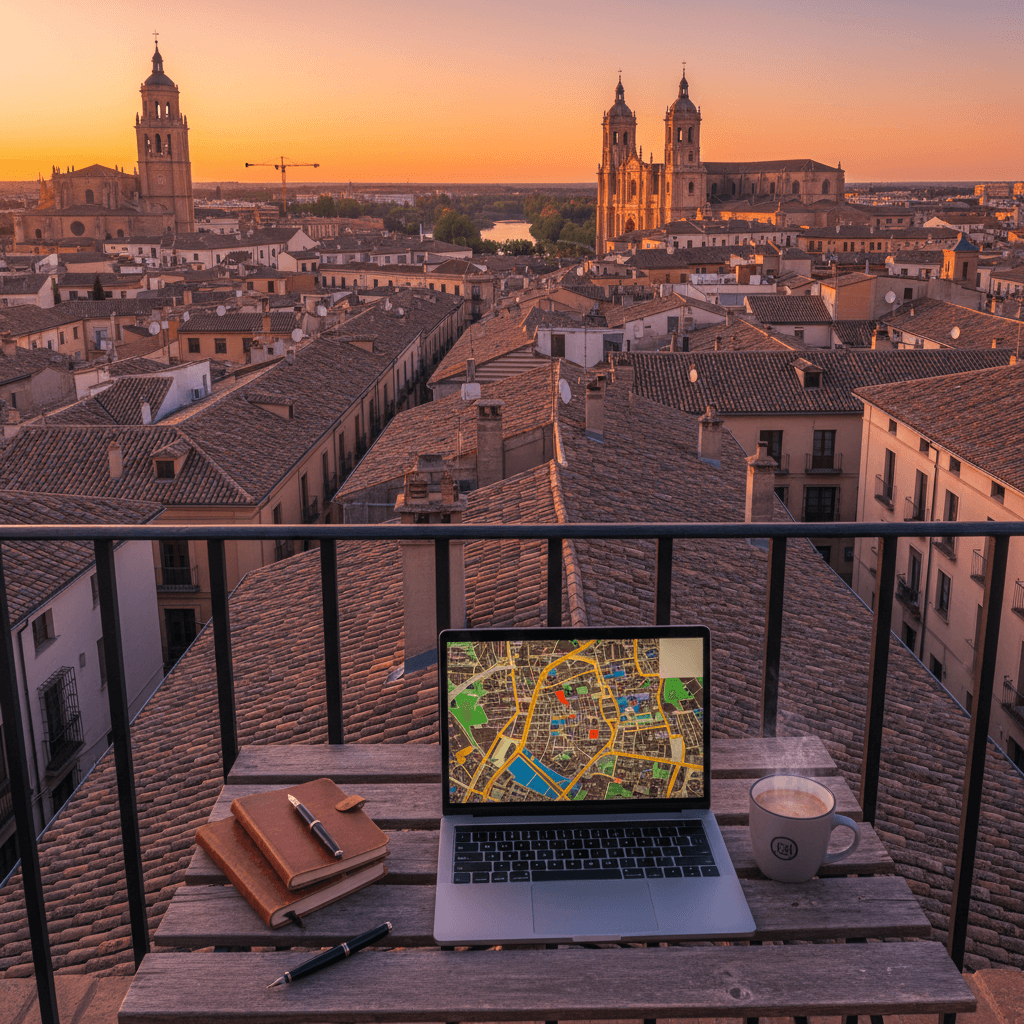
Overall, working from Valladolid requires a bit more intentionality than in a nomad hub like Lisbon. You won't find a coworking cafe on every corner, but the low cost of a private apartment means many nomads simply set up a high quality home office and head to the plazas when the laptop shuts for the day.
A Safe Haven in Old Castile
One of the first things you'll notice about Valladolid is how the locals use the streets. Unlike Madrid or Barcelona, where you might keep a tighter grip on your bag in a crowd, this city feels remarkably secure. It is widely considered one of the safest urban centers in Spain. You can walk through the Centro or Campo Grande late at night without the low level anxiety that usually accompanies city living. Because it isn't a massive tourist hub, you aren't a target for the professional pickpockets that plague other Spanish destinations.
The city has a calm, family oriented rhythm. Most nomads find that the biggest "danger" is simply the lack of English speakers. If you run into a minor issue, you'll likely need some basic Spanish to explain it to the local police or a passerby. Expats recommend keeping the number for the local police (092) or the national emergency line (112) saved, though you'll rarely need them for anything more than reporting a lost wallet.
Navigating the Healthcare System
Healthcare in Valladolid is excellent, reflecting Spain's high national standards. If you are here on a Digital Nomad Visa, you'll likely have private insurance, which gives you access to faster appointments and English speaking doctors. For those on the public system via social security, the quality of care is top tier, though wait times for specialists can be long.
The city is home to several major facilities that handle everything from routine checkups to emergencies:
- Hospital Clínico Universitario: Located near the university area, this is a major teaching hospital known for high quality emergency services.
- Hospital Universitario Río Hortega: A more modern facility on the outskirts of the city, often praised by expats for its updated technology and efficient layout.
- Centro de Salud: These are local primary care clinics found in every neighborhood like Parquesol or La Circular. This is where you go for a common cold or a basic prescription.
Pharmacies and Practicalities
You won't have to look far for a pharmacy. They are marked by bright green neon crosses and are scattered every few blocks. In Spain, pharmacists are highly trained and can often give medical advice or suggest over the counter treatments for minor ailments, saving you a trip to the doctor. If you need medicine in the middle of the night, look for the Farmacia de Guardia. Each pharmacy posts a schedule on its door showing which location in the city is open 24 hours that day.
For nomads, it's worth getting a Convenio Especial if you plan to stay long term without a traditional job. This allows you to pay a monthly fee (usually around €60 to €157 depending on your age) to access the public healthcare system. Most travelers find that private premiums are comparable in price and offer more peace of mind regarding language barriers. Expect to pay about €50 to €80 per month for a solid private policy with a company like Sanitas or Adeslas.
Staying Healthy and Active
The air quality is generally good, and the city is incredibly walkable, which helps keep your activity levels up. The Campo Grande park is the city's green lung, perfect for a morning run or a mental health break between deep work sessions. If you're visiting in winter, the air gets very dry and cold. Locals suggest investing in a good moisturizer and staying hydrated, as the Castilian climate can be harsh on your skin if you're used to more humid coastal environments.
The Pedestrian's Dream
Valladolid is one of those rare Spanish cities where you can truly leave the car keys at the bottom of your bag. The city center is impressively compact and mostly flat, making it a dream for anyone who prefers to get their steps in. Most nomads find that if they live in Centro or La Circular, they rarely need to use anything other than their own two feet to get to a morning coworking session or an evening tapas run.
The city has invested heavily in pedestrianized zones, especially around Plaza Mayor and the surrounding shopping streets. It creates a calm atmosphere where you aren't constantly dodging traffic. If you're staying in Parquesol, which sits on a hill, you might want to look into other options for the commute back up, but for the most part, walking is the default mode of transport here.
Buses and the AUVASA Network
When the weather turns cold or you're heading further out, the local bus system, AUVASA, is your best friend. It's reliable, clean, and covers almost every corner of the metropolitan area. You'll see the distinct blue and white buses running frequently from 7:00 AM until about 11:00 PM, with special "Búho" (owl) night buses taking over on weekends to keep the nightlife accessible.
- Single tickets: These cost €1.50 and you can pay the driver directly, though having exact change is always appreciated.
- The BonoBus Card: If you're staying for more than a week, grab a rechargeable BonoBus card at a local "estanco" (tobacco shop). It drops the price to around €0.45 per journey and allows for free transfers between lines within an hour.
- Real-time info: Download the AUVASA Pay app. It’s the most accurate way to check arrival times and manage your balance without hunting for a kiosk.
Cycling and Biki
Valladolid is surprisingly bike-friendly for a city of its size. The Biki public bike-sharing program is the go-to for locals and long-term visitors alike. You'll spot the stations everywhere, featuring both mechanical and electric bikes. The e-bikes are a lifesaver if you're heading toward the university districts or up the inclines of the newer neighborhoods.
The city has been expanding its "carril bici" (bike lanes) significantly, and many of them are physically separated from car traffic. An annual subscription for the bike share is very affordable, usually under €50, but you can also opt for occasional use rates if you're just passing through for a month.
Taxis and Ride-Hailing
Don't expect to see a lot of Ubers or Cabifys here. While they exist in larger hubs like Madrid, Valladolid remains a stronghold for traditional taxis. You can easily hail one on the street or find them at designated ranks near the Campo Grande park or the Plaza España.
The PideTaxi app is the most reliable way to book a ride digitally. It gives you a clear estimate and works much like the apps you're used to back home. A typical cross-town jump rarely exceeds €10 to €15, making it a solid backup for rainy days or late-night returns from the train station.
Regional Connections
One of the biggest perks of living in Valladolid is the AVE (high-speed train). The Campo Grande Station is a major hub that connects you to Madrid in just 55 to 65 minutes. Many nomads actually live in Valladolid for the lower rent and take the train into the capital for meetings or weekend trips. Tickets vary wildly based on how far in advance you book, but you can often find Avant (regional high-speed) tickets for around €20 to €30.
For getting to the airport, there is a dedicated shuttle bus that runs from the central bus station to Valladolid Airport (VLL). It takes about 30 minutes and costs roughly €3. Just keep in mind that the local airport has limited international flights, so you'll likely be using the train to reach Madrid-Barajas for your long-haul travels.
If you are looking for a place to practice your Spanish, you have hit the jackpot. Valladolid is famously known as the cradle of the purest Spanish, or Castellano. Unlike Barcelona, San Sebastian, or Valencia, there is no regional language here to compete with. Everyone speaks the same clear, standard Spanish you would find in a textbook, making it the ultimate destination for nomads who actually want to reach fluency.
The Language Gap
Because Valladolid stays off the main tourist trail, English proficiency is significantly lower than in Madrid or the coastal hubs. You will find that younger people and staff in high end hotels speak some English, but your local grocer, landlord, or taxi driver likely won't. This can be a bit of a shock if you are used to the expat bubbles of the south, but it is the fastest way to learn. Most nomads find that they need at least a B1 level of Spanish to handle daily logistics like signing a rental contract or setting up utilities.
Local Social Dynamics
The locals, known as Pucelanos, have a reputation for being slightly reserved at first, but they are incredibly helpful once the ice is broken. Since the expat community is small, you won't find many English language meetups. Instead, look for Intercambios (language exchanges). Bars around Plaza Universidad often host informal gatherings where locals want to trade their Spanish for your English over a beer. It is a low pressure way to meet people and get used to the local accent, which is quite fast but very crisp.
Staying Connected
While the language might feel old school, the infrastructure is anything but. Fiber optic internet is standard across the city center and neighborhoods like Parquesol. You can expect speeds of 300Mbps to 600Mbps in most modern apartments. If you need a dedicated workspace to escape your flat, there are professional environments available throughout the city where you can find a quiet atmosphere for deep work.
Practical Communication Tips
For getting around and handling the basics, you will want a few things ready on your phone. WhatsApp is the lifeblood of communication here; don't expect people to check their email or answer a cold call for a room rental. If you are struggling with a menu or a document, the Google Translate camera tool is a lifesaver. Most expats recommend getting a local SIM card from providers like Digi or Orange as soon as you arrive. You can get a solid prepaid plan with 50GB or more for about €15 to €20, which is much cheaper than roaming with an international provider.
If you are planning a long stay, consider enrolling in a course at the University of Valladolid Language Center. It is world renowned for its Spanish for Foreigners program. Not only will it help you navigate the city, but it is also a great way to meet other long term travelers in a city where the "nomad scene" is still very much in its infancy.
The Continental Climate Reality
If you are coming from the coastal Mediterranean or the mild south of Spain, Valladolid will give you a bit of a reality check. It sits on the high plateau of the Meseta, which means it follows the old Spanish proverb: nine months of winter, three months of hell. While that is a bit of an exaggeration, you should prepare for a climate of extremes. The air is dry, the sky is often a piercing blue, and the seasons don't really do "subtle."
Winter: Cold and Quiet (November to March)
Winters here are legitimate. Temperatures frequently drop to 0°C (32°F) or lower at night, and daytime highs often hover around 8°C to 10°C (46°F to 50°F). You will see thick morning fogs rolling off the Pisuerga River, which can make the city feel atmospheric but biting. Most nomads find this the toughest time to be in town because the social scene moves entirely indoors. If you enjoy crisp walks in Campo Grande followed by a heavy Castilian stew and a glass of Ribera del Duero, you will be fine. Just make sure your apartment has modern heating; many older buildings in the city center rely on dated systems that can get pricey in January.
Spring: The Sweet Spot (April to June)
This is arguably the best time to arrive. By late April, the city wakes up. The parks turn lush, and the outdoor terraces (terrazas) start filling up again. Temperatures are comfortable, usually between 18°C and 24°C (64°F to 75°F). This is also when you can experience Semana Santa (Holy Week). Even if you aren't religious, the processions in Valladolid are world famous for their silence and incredible Renaissance sculptures. It is a peak cultural moment, though be warned that accommodation prices spike and the city gets crowded for this one week in April.
Summer: The Dry Heat (July and August)
July and August are hot, but it is a "dry" heat that many find more manageable than the humidity of Barcelona or Valencia. Highs regularly hit 30°C to 35°C (86°F to 95°F). The city slows down significantly in August as locals head to the coast or their family villages. You will find some smaller shops and family run restaurants close for the entire month. If you stay, do what the locals do: stay inside during the afternoon siesta hours and don't head out for dinner until 9:30 PM or 10:00 PM when the air finally cools down.
Autumn: Golden Castile (September and October)
September is a fantastic month for nomads. The heat breaks, but the evenings remain warm enough for outdoor socializing. The Fiestas de la Virgen de San Lorenzo happen in early September, bringing street concerts and food stalls to the city. By October, the landscape turns a beautiful burnt orange. Temperatures stay mild, usually around 20°C (68°F), making it the perfect time for day trips to nearby wineries or the castles in Simancas and Peñafiel.
The Verdict: When to Go
- The Best Overall: May, June, and September. You get the best patio weather without the scorching mid summer sun.
- For Budget Seekers: January and February. It is cold and grey, but you can find the best deals on mid term rentals and the city is at its most authentic.
- For Culture Vultures: April (for Holy Week) or October (for SEMINCI, the city's prestigious international film festival).
Regardless of when you visit, remember that the high altitude means the sun is stronger than it feels. Even on a cool spring day, you will want sunscreen if you are working from a terrace at Plaza Mayor.
Getting Around and Staying Connected
Valladolid is a compact city where your own two feet are usually the best way to get from A to B. Most nomads choose to live in the center so they can walk everywhere. If you need to go further out, the Auvasa bus system is reliable. A single ride costs €1.50, but you should grab a rechargeable BonoBus card at any tobacco shop (estanco) to bring that price down to about €0.75 per trip. For quick trips, the Biki bike-sharing service has stations all over town and is incredibly cheap for short hops.
Internet speeds are excellent across the city, with fiber optic being the standard in most apartments. You can expect speeds between 300 Mbps and 1 Gbps. If you need a professional desk, check out CENTERESPAÑA or Sion Coworking. A hot desk usually runs around €15 to €20 per day, while monthly memberships hover around €150 to €200.
Budgeting for the Local Life
Your money goes much further here than in Madrid or Barcelona. While a family might spend upwards of €3,000, a solo traveler or couple can live very comfortably on €1,500 to €1,800 per month. A one-bedroom apartment in a nice area costs between €550 and €750. If you are looking for a room in a shared flat, you can find options for as low as €300.
- Daily Menu (Menú del Día): €12 to €15 for a three-course meal with wine.
- Small Beer (Caña) and a Tapa: €2.50 to €3.50.
- Monthly Grocery Bill: €200 to €300 for one person.
- Gym Membership: €30 to €50 per month.
Safety and Health
Valladolid is widely considered one of the safest cities in Spain. You can walk home alone at 3:00 AM without a second thought. Just use common sense in crowded areas like the Plaza Mayor to avoid pickpockets. If you get sick, the Hospital Clínico Universitario is the main public facility. For those with private insurance like Sanitas or Mapfre, the Hospital Campo Grande is the go-to. Pharmacies are everywhere and marked by a glowing green cross; there is always at least one open 24/7 on a rotating schedule known as the Farmacia de Guardia.
Language and Socializing
Don't expect everyone to speak English. This is the heart of Castile, where the Spanish is famously pure but English proficiency is lower than on the coast. You will need at least basic Spanish to handle things like setting up a bank account or signing a lease. Locals are friendly but can be reserved at first. To meet people, look for language exchanges (intercambios) or digital nomad meetups. The community is small, so checking Facebook groups or Meetup.com for "Expats in Valladolid" is your best bet for finding fellow internationals.
Climate Realities
Be prepared for the weather. Locals say Valladolid has two seasons: three months of winter and nine months of hell, though that is a bit of an exaggeration. Winters are cold and foggy, with temperatures frequently dropping to 0°C (32°F). Summers are hot and dry, often hitting 35°C (95°F). Most older apartments don't have air conditioning, so look for a place with thick stone walls or a modern unit if you are visiting in July or August.
Need visa and immigration info for Spain?
🇪🇸 View Spain Country GuideEasy Landing
Settle in, no stress
Monthly Budget Estimates
More cities in Spain
A Coruña
🇪🇸 Spain
Valencia
🇪🇸 Spain
Segovia
🇪🇸 Spain