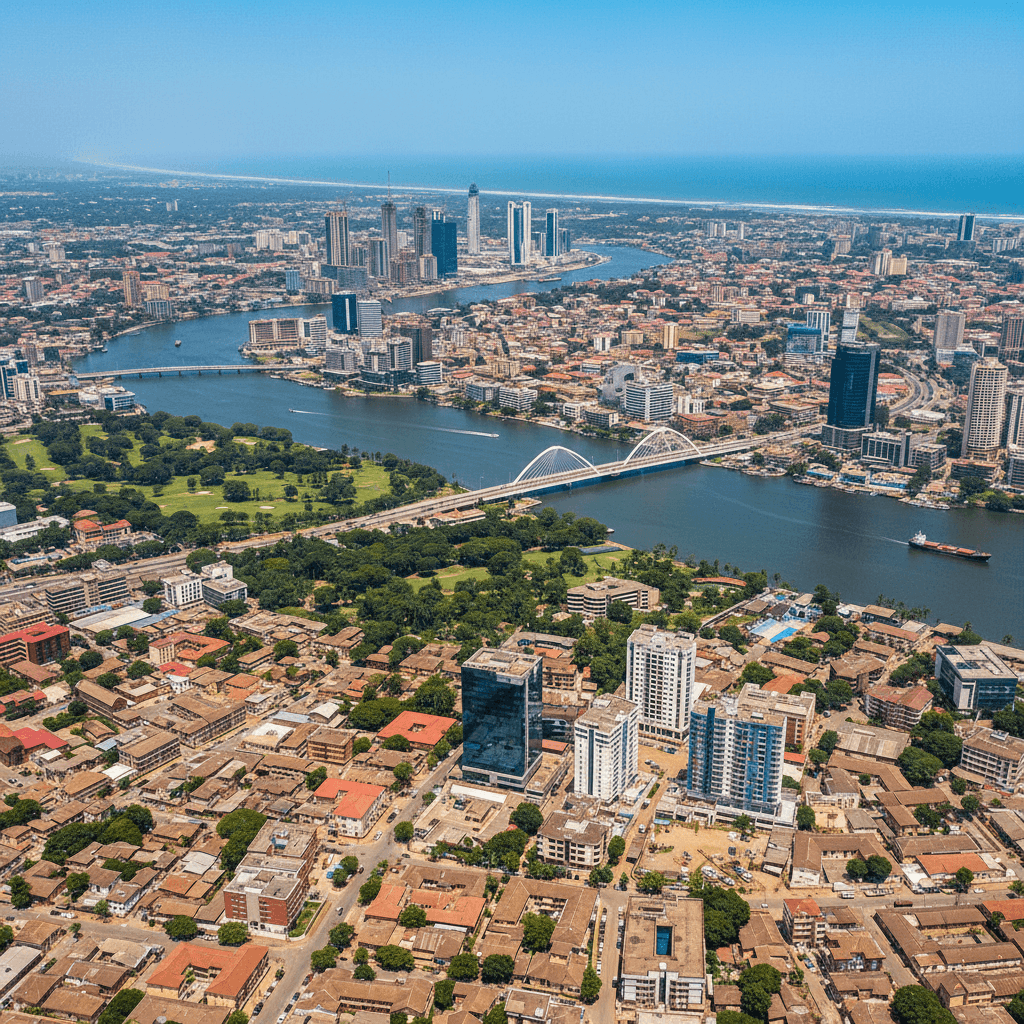
Uyo
🇳🇬 Nigeria
The Land of Promise
Uyo moves at its own pace. After time in Lagos or Abuja, that alone feels like a relief. Known as the Land of Promise, this southeastern capital is clean, organized, and genuinely quiet, set to a rhythm defined by government workers and students rather than aggressive commerce.
The appeal for remote workers is concrete: affordable costs, low stress, and modern infrastructure that coexists with real tranquility. Smooth, well-paved roads lead out to coastal drives. Mornings in a quiet cafe, afternoons at the water. It is one of the most affordable low-stress urban centers in West Africa, and it does not announce itself.
Community and Daily Life
There is no massive nomad scene here yet. What exists instead is something more useful: genuine local hospitality. Locals are famously warm, and most expats find their footing through Facebook groups like Uyo Expats or by becoming regulars at spots like Kilimanjaro Restaurant and the upscale lounges along Abak Road.
The catch most nomads miss is transport. Ride-hailing apps do not operate here. You will use a keke (tricycle) for every trip, at ₦100 to ₦300 per ride. It works, but if you are coming from a city where you tap an app for a private car, the adjustment takes a week or two. The tradeoff is a city that feels safe and manageable. More on getting around is in the Getting Around section.
What It Costs to Live Here
Your money goes further here than in Nigeria's larger metros. A solo nomad lives comfortably on $1,200 per month; a $2,000 budget buys private security and high-end dining. Full cost breakdowns are in the Cost of Living section, but the headline numbers for housing and food are worth knowing upfront.
- A studio or one-bedroom on Abak Road or Oron Road runs ₦300,000 to ₦600,000 ($180 to $360) per month.
- Gated estates on Nwaniba Road start around ₦800,000 ($480) and up.
- A meal at a local eatery costs about ₦2,000. Street snacks like akara or roasted yam run ₦200 to ₦500. Dinner at Acacia Hotel starts at ₦5,000 ($3).
- An MTN or Airtel SIM with a 50GB monthly data plan costs roughly ₦20,000 ($12).
Picking a Neighborhood
Three areas cover most nomad needs, and the right one depends on how much isolation you can tolerate.
Abak Road is the central option: walkable, close to markets, highest concentration of shops. Rent averages ₦400,000 for a one-bedroom. The downside is periodic traffic and street noise.
Nwaniba Road is quieter and more secure, popular with families and senior expats in gated estates. Expect to pay around ₦700,000 for a quality apartment. Without a dedicated driver, though, you will feel cut off.
Oron Road is the coastal choice. Rents hover around ₦350,000, and the sea breeze is real. The honest limitation: it floods during the heavy rains of July and August, and it lacks some amenities found closer to the city center.
Working and Unwinding
Dedicated coworking spaces are still rare. Most nomads set up at cafes inside hotels like De Silva Hotel, which offer reliable enough seating and wifi. Power outages are a regular occurrence, so a high-capacity power bank is not optional. It is standard kit.
When the work is done, Uyo does not try to compete with Lagos nightlife. It offers live music at local bars and weekend trips to Ibeno Beach. That is the move here: work in peace, then step into the Akwa Ibom coastline. If that trade sounds right, the practical next step is sorting connectivity before you arrive, covered in the Internet and Coworking section.
What It Actually Costs to Live in Uyo
You can live comfortably in Uyo for around $1,200 a month, or closer to $800 if you eat local and share a flat. For context, Nigeria's national average for nomads sits at $1,249, so Uyo comes in at or below that even at the mid-range tier.
The local economy runs on government activity, which keeps prices steady and predictable. Anything grown or produced locally is cheap. Imported goods, specific electronics, international spirits, that kind of thing, carry a premium. The catch most nomads miss is that low-cost services like laundry and private drivers offset a lot of the friction from not having a structured ride-hailing network.
Monthly Budget Tiers
- Budget ($800/month): A modest studio on Ikot Ekpene Road, street food like akara and roasted yam, and keke for all your transport.
- Mid-range ($1,200/month): A one-bedroom near Abak Road, a mix of local eateries and the occasional dinner at Kilimanjaro, plus a healthy mobile data budget.
- Comfortable ($2,000/month): A modern apartment in a gated estate like Nwaniba, frequent meals at Acacia Hotel, and enough left over for weekend trips to Ibeno Beach.
Rent by Neighborhood
Rent is almost always paid annually, though local agents on Jiji or Facebook groups can sometimes negotiate shorter terms. A solid one-bedroom in the city center runs between ₦300,000 and ₦600,000 per month ($180 to $360). Neighborhood choice matters more here than in most Nigerian cities because transport is slower.
Abak Road is the most walkable option, packed with shops and markets. Average rent sits around ₦400,000 per month. It is central with easy keke access, though daytime noise is a real factor. For a fuller picture of what daily life looks like there, see the Neighborhoods section.
Nwaniba Road and its gated estates are where most expat families land. Rent averages ₦700,000 per month. You get security and quiet. The downside is genuine isolation from the city's rhythm, which wears on solo nomads faster than they expect.
Oron Road offers a slower pace and sea breezes at around ₦350,000 per month. One honest limitation: it floods during the heavy rains in July and August. If your stay overlaps with that window, factor that in before signing anything.
Food Costs
Street snacks like puff-puff or yam run ₦200 to ₦500 ($0.12 to $0.30). A sit-down meal at a local buka, typically edikaikong soup, costs ₦1,500 to ₦3,000 ($0.90 to $1.80). At a place like Acacia Hotel, expect to pay ₦5,000 ($3) or more per entree.
Uyo's food scene is genuinely one of its strongest draws, covered in depth in the Food and Social section.
Nightlife and Meeting People
Evening energy is low-key. Small bars along Abak Road and hotel lounges carry most of it. There is no dedicated nomad scene, so the Uyo Expats Facebook group and local markets are your best entry points for building a social circle.
Transport and Connectivity
Keke tricycles handle most in-city movement, with rides costing ₦100 to ₦300 ($0.06 to $0.18). Airport runs to Akwa Ibom International (QUO) via private taxi run ₦2,000 to ₦5,000 ($1.20 to $3). Full transport details are in the Getting Around section.
Internet averages 15 Mbps, which is workable for most remote setups. Dedicated coworking spaces are rare. Most nomads post up in cafes like De Fiva Hotel, where a day pass with reliable power costs ₦2,000 to ₦5,000 ($1.20 to $3). Pick up an MTN or Airtel SIM for around ₦1,000 and budget roughly ₦20,000 ($12) per month for a 50GB data plan. Carry a power bank. That is not optional here.
Abak Road: Best for Nomads Who Want to Walk Everywhere
Abak Road is the closest thing Uyo has to a central hub. Markets, shops, and the few reliable spots to open a laptop are all within walking distance, which cuts down on tricycle trips and makes daily logistics genuinely easier. The catch most nomads miss: peak-hour noise is real, and some stretches get congested enough to make concentration difficult if your window faces the street.
There are no dedicated coworking spaces here yet. Remote workers tend to set up at De Fiva Hotel or run on mobile hotspots. The social scene is small but active, with local professionals and a growing expat crowd gathering at spots like Kilimanjaro Restaurant.
- Average 1BR Rent: ₦400,000 ($240) per month
- Pros: High walkability, easy grocery access, better social options than other neighborhoods
- Cons: Traffic congestion and noise during peak hours
Nwaniba Road: Quiet Estates, Higher Budget
This is where Uyo's upscale side lives. Gated estates, modern infrastructure, and genuine quiet make Nwaniba Road the go-to for families or anyone who prioritizes security over convenience. You can go for a morning jog without much hassle. The housing quality is noticeably better than the city center.
The distance is the real cost. Since there is no Uber or Bolt in Uyo (covered in the Getting Around section), you will need a reliable driver or your own vehicle for almost every errand. The Acacia Hotel draws the local expat crowd on weekends and is worth knowing about when you first arrive.
- Average 1BR Rent: ₦700,000+ ($420+) per month
- Pros: Gated security, modern infrastructure, low noise
- Cons: Higher price point; transport is required for nearly everything, which adds up fast
Oron Road: Slower Pace, One Serious Caveat
Oron Road is the gateway to the Atlantic side of Akwa Ibom state. The atmosphere runs slower and more relaxed than Abak Road, and if you are planning regular weekend trips to Ibeno Beach, living here makes that easy. Solo travelers tend to like it.
The downside is flooding. The area is prone to it during the peak rainy season in July and August, and this is not a minor inconvenience. Before signing any lease on Oron Road, physically check the drainage around the building. On paper the lower rent looks appealing; a flooded apartment in August will change that calculation quickly. Fewer shops and cafes than Abak Road, but the lower density and sea breezes compensate for some of that.
- Average 1BR Rent: ₦350,000 ($210) per month
- Pros: Close to nature, relaxed atmosphere, less crowded
- Cons: Flooding risk in July and August; fewer amenities overall
Ikot Ekpene Road: Lowest Cost, Most Local
If keeping monthly spend as low as possible is the priority, Ikot Ekpene Road is the entry point. Rent starts at ₦300,000 ($180) per month for a one-bedroom. You will be buying ₦200 akara from street vendors and navigating the city the way long-term residents do. It is a good place to practice Ibibio with neighbors.
Infrastructure is basic. Power outages are more frequent here than in the Nwaniba estates, so a high-capacity power bank is not optional. A solid data plan from MTN or Airtel is equally important for keeping remote work running. This is not the most polished experience in Uyo.
It is, however, the most affordable.
- Average 1BR Rent: ₦300,000 ($180) per month
- Pros: Lowest cost in the city, fully immersive local experience
- Cons: Basic infrastructure, inconsistent power supply
Connectivity: What to Actually Expect
Uyo averages 15 Mbps on mobile data, which surprises most people arriving from Lagos. Fixed-line fiber is rare. MTN and Airtel give the most consistent coverage; pick up a starter SIM for around ₦1,000 and budget ₦5,000 to ₦20,000 per month for a 10GB to 50GB data bundle.
Power cuts are frequent. A high-capacity power bank is not optional here, it is the first thing to pack. Most remote workers tether through their phones when the grid drops. If you need something more stable for calls or large uploads, a Starlink kit or dedicated MiFi device is what long-term expats reach for to get around local network congestion.
Where to Actually Work
Dedicated coworking spaces are thin on the ground. De Fiva Hotel is the go-to for most nomads passing through: decent seating, staff who tolerate lingerers, and enough quiet to get something done. Order a coffee and you can usually stay as long as you need.
For a more structured setup, a handful of government-backed tech hubs and small private centers offer daily desk rentals. Day passes run ₦5,000 to ₦10,000 ($3 to $6). The catch most nomads miss is that these spots matter less for the desk and more for what comes with it: a generator, air conditioning, and a connection that holds up better than a cafe hotspot.
Three Things Worth Knowing Before You Set Up
- Download Opay or Palmpay on arrival. When local bank cards fail during transfers, and they will, these apps keep you moving.
- Skip the hunt for free public Wi-Fi. It is rare and unreliable. Spending ₦10,000 on a large data bundle keeps you in control of your own connection.
- Noise-canceling headphones earn their keep fast. Hotel lobbies and multi-use buildings get loud, especially midday.
Choosing a Base for Longer Stays
The Abak Road area keeps you central and within walking distance of most things you need day to day, though daytime noise is a real trade-off. If quiet matters more than convenience, the gated estates along Nwaniba Road are the better call. Rent there runs ₦800,000 or more per month, so the premium is real, but the security and calm are what keep long-term expats from leaving.
There is no large nomad scene here yet. The honest way to find people is through Uyo Expats groups on Facebook or InterNations. Most of the informal networking happens in the evenings at Kilimanjaro Restaurant or Acacia Hotel, where local tech workers and government contractors tend to gather.
If you are still weighing neighborhoods, the breakdown in the Neighborhoods section covers the Abak Road and Nwaniba Road trade-offs in more detail.
Safety in Uyo: What Nomads Actually Need to Know
Uyo is one of the safest state capitals in Nigeria. The pace is slower than Lagos, and that difference is real when it comes to street-level crime.
Most nomads walk central areas like Abak Road without issue during the day. The catch is after dark: avoid isolated stretches of Oron Road and the outskirts of Ikot Ekpene Road late at night. Petty theft, phone snatching and pickpocketing, does happen in crowded markets, especially if you are carrying visible gear. The move here is to pre-arrange a taxi through your hotel or a trusted local contact rather than flagging down a tricycle at midnight.
There are no specific no-go zones, but staying within gated estates on Nwaniba Road adds a layer of security that most long-term expats appreciate.
- Emergency Police Line: 0802 123 4567
- General Emergencies: 112
- Keep a small amount of cash accessible, but store your main funds and cards in a secure inner pocket.
Healthcare: Private vs. Public
Healthcare in Uyo works, but the gap between public and private is significant. For anything beyond a minor checkup, expats use private clinics. Faster service, more modern equipment, and shorter waits make the difference.
St. Luke's Hospital is the most commonly recommended private facility for general consultations and diagnostics. For specialized or intensive care, the University of Uyo Teaching Hospital has the most qualified specialists in the region, though wait times are long and infrastructure is basic. LifeCare Clinic is a solid private alternative for routine checkups.
Malaria is the most common health issue you will face here. Most long-term travelers eventually catch it. The key is catching it early: if you develop flu-like symptoms or a sudden fever, get a blood test at a local lab. Tests run ₦2,000 to ₦5,000 and results are fast. Keep repellent on hand and confirm your accommodation has intact mosquito nets or reliable air conditioning.
Insurance and Evacuation
Local medical costs are low, but serious emergencies can require evacuation to Lagos or abroad. Get a policy that explicitly covers international medical evacuation, and keep digital copies of your records accessible before you arrive.
The Keke: Uyo's Default Transport
Forget Uber. Forget Bolt. Uyo runs on the tricycle, locally called a keke, and once you accept that, getting around becomes genuinely simple. Short hops within the central districts cost between ₦100 and ₦300 ($0.06 to $0.18). The rides are open-air, which matters more than you'd think when the humidity climbs past midday.
For longer distances or when you want privacy, informal taxis fill the gap. You'll find them at designated parks or by flagging down a sedan on major roads. Prices aren't metered, so agree on a fare before you get in. If you're staying a few months, the move is to get the number of one reliable driver and use them for scheduled pickups. Most nomads who do this stop thinking about transport entirely.
Getting In and Out of the City
Akwa Ibom International Airport (QUO) sits about 20 to 30 minutes from the town center. Ride-hailing apps won't help you here, so you'll use the airport taxi union on arrival. Budget between ₦2,000 and ₦5,000 ($1.20 to $3.00) for a transfer into town. Hotels like the Acacia Hotel or De Fiva can arrange a shuttle if you book ahead, which is worth doing on your first arrival before you know the ropes.
How Walkable Is Uyo, Really?
More walkable than most Nigerian cities. Base yourself near Abak Road and markets, pharmacies, and local eateries sit within a 15-minute stroll. Sidewalks are in better shape than in neighboring states, though uneven pavement shows up without warning, so watch your footing.
For evening movement, stick to Oron Road and Nwaniba Road. Both are well-lit with steady foot traffic. The catch most nomads miss: unlit residential side streets feel fine until they don't. After dark, take a keke or call your driver. It's a ₦200 decision that removes all ambiguity.
Four Things Worth Knowing Before You Move
- Carry ₦100 and ₦200 notes. Keke drivers rarely break large bills, and attempting a digital transfer for a 20-cent ride creates more friction than it solves.
- Install Opay or Palmpay for everything else. Shops and restaurants use these constantly, and they're your backup when an ATM is out of service.
- If you're heading toward the coastal edges near Oron, you may end up on a boat. These are informal, safety gear is rarely present, and they're better suited to a day trip than any kind of regular commute.
- Traffic builds around 8:00 AM and 5:00 PM near the government secretariats. Schedule cafe time for mid-morning and you'll dodge both the crowd and the worst of the heat.
The practical side of Uyo transport is covered in the Neighborhoods section if you want to match your base to your commute patterns.
Language in Uyo: What Actually Matters
English is the official language and the primary medium for business, government, and education. Most people you'll meet in shops, cafes, and government offices speak it fluently. If you're arriving from North America or Europe, give yourself a day or two to tune your ear to the local cadence. The communication barrier is low.
The catch most nomads miss: the indigenous languages, Ibibio and Efik, are where the real social currency lives. You'll hear them in open-air markets and at local bars. Learning even a handful of words gets you better prices at the market and marks you as a resident rather than a tourist passing through.
Phrases Worth Memorizing
- Edi owo? (How much?): Use this at the market or when negotiating a keke ride.
- Sank you: A localized, friendly version of "Thank you."
- Moyo: A general greeting similar to "Hello."
- Idem mfo?: How are you?
- Aba ke nti: I am fine.
WhatsApp Runs This City
WhatsApp is the primary communication channel for almost everything. Landlords on PropertyPro.ng, local food kitchens, expat groups: all of it happens in the app. If a business has a phone number listed, skip the SMS and message them directly there instead.
Google Translate works reasonably well for basic English to Ibibio, but it misses nuance regularly. For anything involving formal greetings or complex social etiquette, ask a local friend rather than relying on the app.
Etiquette That Builds Trust Fast
Uyo is a conservative, respectful city. A firm handshake and a warm smile are standard when meeting someone. When speaking to someone significantly older, add "Sir" or "Ma" as a title. This matters more than you'd expect, especially with shopkeepers or security guards in areas like Nwaniba Road.
Communication here is often indirect. "I'm coming" rarely means imminent arrival; it usually means "eventually." If you're coordinating a meeting at a spot like De Silva Hotel or Kilimanjaro Restaurant, confirm the time about an hour beforehand. That one habit will save you a lot of waiting.
Getting a SIM on Arrival
Pick up a local SIM card as soon as you land. MTN and Airtel are the most reliable providers in Akwa Ibom. A starter pack costs around ₦1,000, and a month of heavy remote work with video calls runs between ₦5,000 and ₦20,000 for data plans ranging from 10GB to 50GB. A local number also unlocks fintech apps like Opay and Palmpay, which are the practical way to handle transfers and payments when ATMs are unreliable.
Two Seasons, One Decision
Uyo sits in southeastern Nigeria's tropical rain belt. Temperatures stay between 22°C and 32°C (72-90°F) year-round, but humidity and rainfall swing hard enough to reshape your entire routine. The question isn't whether it's hot. It's whether you can move around.
The city runs on two seasons: dry and rainy. Because Uyo sits close to the coast, the rainy season hits harder here than in most Nigerian cities further inland.
November to February: The Window That Actually Works
Late November through February is when Uyo makes sense for nomads. Clear skies, manageable humidity, and the kind of mornings where a ₦200 keke ride feels like a reasonable way to start the day. This is also the only stretch of the year when working from a patio or a breezy spot like De Fiva is genuinely comfortable, not just aspirational.
- December and January bring the Harmattan, a dry wind off the Sahara. Temperatures settle around 25-30°C, but the dust is real. Keep your laptop sleeve zipped and your ports covered.
- The social scene picks up during this period. Local celebrations make it easier to meet people at spots like Acacia Hotel or the bars along Abak Road.
- Beach access opens up. Ibeno Beach is reachable and worth it when the roads aren't waterlogged.
March to October: What You're Actually Dealing With
Light showers start in March. By July and August, you're looking at heavy daily downpours and peak humidity. Parts of Oron Road flood regularly during this stretch, and since most transport is open-air tricycles, getting across town in a storm is genuinely unpleasant.
During peak rains in July, average highs drop slightly to 28°C. That sounds like relief, but the tradeoff is being stuck indoors, dependent on indoor spaces with reliable power. The catch most nomads miss: Nwaniba Road handles the water better than older neighborhoods. If you're here during the wet months, that's where to base yourself.
The downside is honest: June through October is a hard stretch for anyone who needs mobility.
What to Pack, by Season
- Dry season: lightweight cotton clothing, a high-quality power bank (heat strains the local grid), and a dust cover for your gear.
- Rainy season: a heavy-duty umbrella, waterproof bags for your tech, and waterproof footwear if you're staying near Ikot Ekpene Road, where side streets turn muddy fast.
- Year-round: mosquitoes spike during seasonal transitions. Intact window screens and repellent matter, especially near the greener outskirts of the city.
Quick Reference: Uyo by Month
- Peak season, November to February: best for outdoor work, beach trips, and street-level exploration. Expect 30°C+ days and dry air.
- Shoulder months, March to May: humidity climbs and afternoon storms become regular. Still workable for most remote setups.
- Wet season, June to October: frequent heavy rain and high humidity. Plan to work indoors with a solid MTN or Airtel data plan as your backup.
If you're deciding when to book, November is the move. You get the dry season without the peak-December crowds, and the city is easier to read before the Harmattan haze sets in.
Transport: What Actually Works in Uyo
There is no Uber or Bolt here. Uyo runs on the keke, a tricycle that covers short hops for ₦100 to ₦300. For airport transfers from Akwa Ibom International, budget ₦2,000 to ₦5,000 for an informal taxi. The catch most nomads miss is negotiating the fare before you get in; drivers rarely volunteer the standard rate to a new face.
Full details on routes and keke etiquette are in the Getting Around section.
Staying Connected
Mobile data averages 15 Mbps, which is better than most people expect. Grab an MTN or Airtel SIM on arrival. A 50GB plan runs about ₦20,000 a month. Power cuts are frequent enough that carrying a heavy-duty power bank is not optional; it is standard practice. De Fiva Hotel and several cafes along Abak Road work as backup spots when your accommodation loses power.
More on fixed-line fiber availability and coworking options is in the Internet and Coworking section.
Neighborhoods at a Glance
Three areas account for most nomad and expat rentals. Each suits a different working style.
- Abak Road: Walkable, central, and close to shops. A 1BR averages ₦400,000 a month. Noise is the trade-off for convenience.
- Nwaniba Road: Gated estates, modern finishes, and a quieter pace. Popular with families and expats willing to pay ₦700,000 or more.
- Oron Road: Closer to the water, with rents around ₦350,000. Check drainage before signing anything; some spots flood badly in the heavy rains.
Budget figures for each area sit inside the full Cost of Living breakdown.
Food Worth Knowing About
A solid meal at a mama put or mid-range eatery costs ₦1,500 to ₦3,000. Kilimanjaro Restaurant handles the mid-range sit-down crowd well; Acacia Hotel covers the upscale end. Order the Edikaikong soup at least once. Most expats who try it once end up ordering it regularly.
Social life is low-key. Bars along Abak Road pick up on weekends, but there are no large nightclubs. Formal nomad meetups are rare; the Facebook group "Uyo Expats" and conversations at local markets are where most connections actually happen. A respectful greeting goes further here than in most Nigerian cities.
The full food guide, including specific dishes and where to find them, is in the Food and Social section.
Safety and Health Basics
Uyo is one of the safer state capitals in Nigeria. Petty theft is the main concern. Keep your phone out of sight and avoid unlit side streets after dark. For healthcare, St. Luke's Hospital covers private care; the University of Uyo Teaching Hospital handles emergencies. Opay and Palmpay work for most daily transactions, but keep cash available for keke fares and market stalls, where card readers are not common.
More context on street-level safety patterns is in the Safety and Healthcare section.
When to Arrive
December through February is the window most nomads target. Temperatures sit around 25 to 30°C and rainfall is minimal. July and August are the months to avoid if you have flexibility; the humidity alone makes working without air conditioning genuinely difficult, and the rainfall is intense enough to disrupt daily logistics.
Full seasonal planning, including how rain affects transport and accommodation costs, is in the Weather section.
Need visa and immigration info for Nigeria?
🇳🇬 View Nigeria Country GuideEasy Landing
Settle in, no stress
Monthly Budget Estimates
More cities in Nigeria
Akure
🇳🇬 Nigeria
Port Harcourt
🇳🇬 Nigeria
Ibadan
🇳🇬 Nigeria