Turin
🇮🇹 Italy
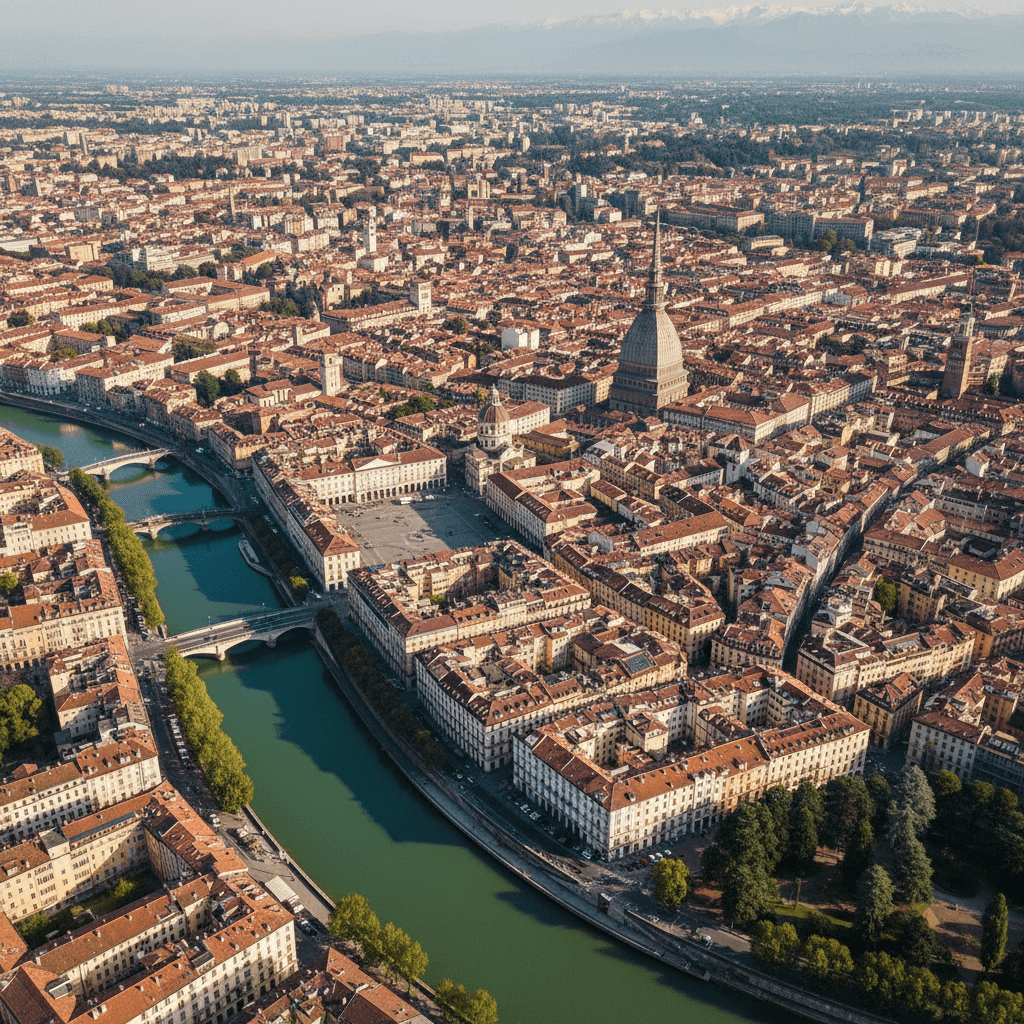
Turin feels calm in a way Milan never quite does. The city has Baroque facades, long arcades, mountain views when the sky clears and a pace that makes you slow down without trying, which, surprisingly, is part of the appeal for people working online.
It’s a good place if you like structure but don’t want pressure. Cafes smell like espresso and toasted bread, trams rattle past and evenings drift into aperitivo instead of late-night chaos, though the bureaucracy can be maddening and the English level drops fast once you leave the tourist core.
What nomads like: it’s affordable by northern Italy standards, socially easy if you show up to the right bars or meetups and close enough to the Alps that weekend escapes feel normal rather than special. What gets annoying: winter is cold and gray and some errands still take more patience than they should.
Cost of Living
- Budget: About €1,200 a month, with shared housing around €400 and street food or cheap lunches doing most of the heavy lifting.
- Mid-range: Around €1,700 a month, with a decent 1BR in San Salvario or Vanchiglia near €600, mixed dining and a coworking desk.
- Comfortable: Roughly €2,500 a month, especially if you want a central apartment, more taxis and better restaurants.
Food is one of the better parts of daily life here. A pizza al taglio or quick lunch can be €5 to €10, a normal sit-down meal lands around €15 to €25 and a proper splurge goes past €40, so it’s easy to keep things reasonable unless you get lazy and eat out every night.
Neighborhood Feel
- San Salvario: Best for solo nomads and foodies, with nightlife, transit access and a gritty edge that feels lively, not polished.
- Vanchiglia: Best for creatives, with cafes, bars and a bohemian mood, though parking is a pain and weekends get noisy.
- Cit Turin: Best for couples or longer stays, quieter and elegant, with Art Nouveau buildings and easy metro access.
- Centro Storico: Best for first-timers, walkable and beautiful, but pricier and packed with visitors.
The social scene is, honestly, one of Turin’s strongest cards. Torino International meetups, aperitivo at places like Bar Carlo Alberto and coworking spots such as Copernico Torino or Impact Hub Torino make it easy to meet people, then the city does the rest with late light on the river and the low hum of conversation under the arcades.
Internet is decent, usually 180+ Mbps and that’s enough for remote work without drama. Still, buy a coffee if you’re planting yourself in a cafe and if you want a more stable setup, grab a SIM from TIM, Vodafone or Windtre and stop thinking about it.
Turin feels cheaper than Milan and frankly, that’s a big part of the draw. A single person usually spends €1,500 to €2,000 a month for a comfortable setup, rent included and you can trim that down if you’re happy sharing an apartment and eating more street food than sit-down dinners.
Not cheap. But manageable.
For housing, San Salvario and Vanchiglia are the sweet spots for most nomads, with studio or one-bedroom rents usually around €500 to €700, while Centro Storico climbs to €800 and up, especially if you want polished finishes and a quieter building. The trade-off is real, because the center saves you time and tram fares, but it also means more tourists, more street noise, and, weirdly, more temptation to overspend on café lunches.
Typical Monthly Spend
- Budget: Around €1,200, with shared housing near €400, street food and cheap lunches around €300 and public transport about €40.
- Mid-range: Around €1,700, which usually means a one-bedroom near €600, mixed dining around €400 and coworking around €200.
- Comfortable: Around €2,500, with a central flat near €900, nicer meals around €600 and taxis or ride-hailing adding roughly €150.
Food can stay very reasonable if you eat like a local. A slice of pizza al taglio or a quick street-food lunch runs about €5 to €10, a decent mid-range meal is usually €15 to €25 and a fancier dinner can jump past €40 without trying too hard, especially once aperitivo turns into a second round and the bill starts swelling with wine.
Transport won’t wreck your budget either. The monthly GTT pass is about €38, trams and buses cover most of the city well and the center is walkable enough that you’ll hear church bells, scooter engines and the occasional angry driver long before you need a cab. For airport runs, the Arriva bus is far cheaper than a taxi and that matters when you’re landing with a backpack and a tired brain.
What Drives Costs Up
- Centro Storico: Convenient, pretty and pricey.
- Coworking: Expect €150 to €250 a month, with day passes usually €15 to €25.
- Nightlife: Aperitivo, cocktails and late trams add up faster than you’d think.
If you want the best balance, San Salvario is the move, because it keeps rent lower, food cheaper and transport simple, while still giving you enough bars, cafés and late-night energy to meet people without feeling trapped in a tourist bubble. Cit Turin is calmer and more elegant, though it’s better if you care more about sleep than nightlife.
Turin feels calmer than Milan and a lot less showy than Rome, which is exactly why people who stay longer tend to like it. The city has Baroque façades, mountain air on clear days and a pace that doesn’t chew through your energy before lunch. Not cheap. But not punishing, either.
Nomads
San Salvario is the easy pick if you want late drinks, cheap eats and quick access to Porta Nuova and honestly it’s where a lot of remote workers end up first. Rent for a studio or 1BR usually sits around €500 to €700, the streets can get noisy after dark and you’ll hear tram bells, scooter engines and restaurant chatter until late.
- Best for: Solo nomads, foodies, networking
- Vibe: Multicultural, lively, slightly gritty
- Watch for: Noise, rougher-looking side streets
If you want something more artsy, Vanchiglia is a good fit. The cafes are easy to work from, the area feels creative without trying too hard and you’re close to the river, though parking is a pain and weekends can get loud with bar spillover.
Expats
Cit Turin is the neighborhood expats tend to keep for themselves, because it’s quieter, polished and full of Art Nouveau buildings that make even a grocery run feel a bit nicer. You’ll get metro access, solid residential streets and fewer drunk-night surprises, but there’s less nightlife, so don’t move here if you want your bar downstairs.
- Best for: Couples, professionals, long stays
- Vibe: Elegant, calm, residential
- Watch for: Limited late-night options
Centro Storico works if you want everything on your doorstep, museums, shops, aperitivo spots and the polished old-city look. It’s convenient, sure, but it’s also pricier, often crowded and a bit touristy, so don’t expect much local quiet unless you’re tucked away on a side street.
Families
Families usually do best in Cit Turin or the quieter edges of the city center, because the streets are cleaner-feeling, transport is straightforward and you’re not battling San Salvario’s nighttime noise. Monthly life for two or three people climbs fast if you want a proper 1BR or 2BR, especially once you add taxis, cafes and the odd weekend dinner out.
- Rent: Around €800+ in Centro, less in outer residential areas
- Transport: €38 monthly pass
- Good for: Parks, schools, calmer evenings
The city’s center is walkable, the trams are decent and the cold winter tile floors, weirdly, are the thing people complain about most after the bureaucracy. Turin’s not flashy, but that slower rhythm makes daily life easier once you settle in.
Solo Travelers
If you’re traveling alone, start with San Salvario or Vanchiglia. You’ll meet people faster there, especially over aperitivo at spots like Bar Carlo Alberto or in the river-adjacent bars and the city’s meetup scene, turns out, is better than most newcomers expect.
- San Salvario: Best for nightlife and food
- Vanchiglia: Best for cafes and culture
- Centro Storico: Best for first-time convenience
Avoid Barriera di Milano at night unless you’ve got a reason to be there, the issue isn’t drama, it’s just awkward commutes and not much payoff. Turin is generally safe, though crowded trams, markets and museum days are where pickpockets do their thing, so keep your bag zipped and your wallet where you can feel it.
Turin’s internet is good enough for real work and sometimes better than people expect. Citywide speeds usually around 180+ Mbps, which means calls, uploads and normal Slack chaos are fine, though a rainy afternoon can still make your home WiFi act weirdly stubborn. The scene is calmer than Milan and that helps, honestly, because you’re not fighting for a chair every five minutes.
Cafes work well if you buy something every hour or two. That’s the rule. Go in, order an espresso or a bicerin, then settle in for a few emails while the room hums with cups clinking, milk steam and low conversation in Italian, just don’t overstay and expect anyone to smile about it.
Coworking spots worth a look
- Copernico Torino: Good if you want a polished setup and steady concentration.
- Impact Hub Torino: Popular with startup people and freelancers who like a community feel.
The coworking scene, turns out, is decent for a city this size and the pricing usually lands around €15 to €25 for a day pass or €150 to €250 a month. Not cheap. Still, if your apartment’s heating is weak in winter and your kitchen table is basically a stone slab, paying for a proper desk starts to make sense fast.
Mobile data and backup plans
- TIM: About €15 for a SIM, easy to find at airports and tobacconists.
- Windtre: Often the cheapest at around €12, useful if you just need data.
- Vodafone: Roughly €30, usually the pricier but dependable option.
- eSIM: Handy if you want to skip the kiosk circus and land connected.
Get a SIM with your passport, then test the connection with Speedtest before you commit to a long workday. Cafes in San Salvario and Vanchiglia are usually the easiest places to work from, because they’ve got younger crowds, decent WiFi and enough background noise to keep the room alive without drowning your laptop speakers.
If you need a straight answer, Turin isn’t a bad remote-work city at all. It’s quieter than Milan, cheaper too and the network holds up, but you’ll want a backup hotspot for the occasional dead afternoon, because nobody here is going to rush to fix your problem for you.
Turin feels calm on the surface, but don’t mistake that for sleepy. The center is pretty safe, honestly and most problems are the annoying kind, pickpockets on packed trams, distracted theft around the Egyptian Museum or a bag left dangling while everyone’s jostling through Porta Nuova. Keep your phone zipped away, carry a slim money belt if you’re hopping between sights and stay a little sharper on crowded routes.
The rougher reputation belongs to Barriera di Milano and even there it’s more about poor housing stock, tired streets and a less convenient commute than some dramatic crime wave. Recent nomads often say even the “questionable” areas feel fine by Western city standards, which, surprisingly, is true if you’re used to big-city caution and not looking for trouble at 2 a.m. near an empty stop.
What to watch for
- Trams and markets: Watch bags and jacket pockets, especially in busy hours.
- Tourist spots: The Egyptian Museum and central squares draw opportunistic thieves.
- Late nights: Barriera di Milano is the place people usually skip after dark.
Healthcare is solid. Molinette and the city’s hospital network are well regarded, pharmacies are everywhere and you won’t be hunting half the city for basic meds or bandages. 112 is the number to save for police or ambulance and if you need help fast, that call goes through without drama. That part works.
Healthcare basics
- Hospitals: Molinette is one of the main reference points.
- Pharmacies: Easy to find, with decent opening hours across central neighborhoods.
- Emergency: Dial 112 for police or ambulance.
For day-to-day life, Turin’s pace helps. Streets in San Salvario and Vanchiglia can feel noisy and a bit gritty at night, with scooter engines, tram bells and groups spilling out of bars, but that’s different from unsafe. Use common sense, avoid empty streets late and you’ll probably feel fine. The city’s safety sweet spot is simple, stay alert in crowds, don’t flash valuables and keep moving.
Turin is easy to move around, mostly because the center stays compact and the transit network actually works. You can walk a lot of it, then hop on a tram or bus when your legs start complaining and honestly that’s the nicest part of daily life here, no scramble, no chaos.
The GTT network runs buses and trams from about 5am to midnight, with a €2 one way ticket and a €38 monthly pass. Night Buster services run on Fridays and Saturdays, which helps after aperitivo, because the bars along San Salvario and the river don’t empty out early and the streets can feel noisy, smoky and a little sticky with spilled beer.
- Best for walking: Centro Storico, San Salvario, Vanchiglia
- Best for metro access: Cit Turin, especially if you want quieter streets
- Best for nightlife plus transit: San Salvario, though the late noise can be annoying
Ride-hailing exists through inTaxi, but most locals still lean on trams, buses or their own feet. Bike and scooter rentals are around if you want them and the center is flat enough for easy riding, though tram tracks, uneven paving and cars pulling too close can make it tense if you’re not paying attention.
Airport to City
- Arriva bus: about €7.50
- Travel time: roughly 15 to 30 minutes to Porta Nuova
- Taxi: often over €30
- Better deal: car sharing, if you’re carrying luggage and don’t want the taxi sting
For most arrivals, the bus is the sane choice. It’s cheaper, straightforward and you won’t be staring at a meter while the driver threads through traffic with that Turin mix of honking, scooter buzz and diesel exhaust hanging in the air.
If you’re staying a month or longer, buy the transit pass and stop thinking about it. The system isn’t glamorous and ticket machines can be fussy, but it gets you across town without much drama, which, surprisingly, is more useful than glossy new infrastructure that barely connects anything.
My take, skip taxis unless it’s late, raining hard or you’ve got heavy bags. Turin rewards people who walk, use trams and keep things simple and that slower rhythm fits the city better than rushing around in a car ever will.
Turin is easy enough to live in, but don’t expect everyone to switch into English the second you open your mouth. In Centro Storico, around Politecnico and in a few cafes near the universities, staff usually manage fine, though outside those pockets you’ll hear Italian almost everywhere, plus the local Piedmontese accent that can feel clipped and fast. Honestly, that first week can be awkward, especially when you’re trying to ask for a tram stop and the station tannoy is blasting through the echoey hall.
Start with a few basics and you’ll get a better reception. Say “Buongiorno” when you walk in, “Grazie” when someone helps you and “Parla inglese?” if you need to check whether they speak English, because people here appreciate the effort even when your grammar’s messy. “Dov’è...?” is the one you’ll use constantly, for stations, pharmacies and the right tram platform and weirdly, that one phrase can save you a lot of wandering along wet cobblestones while scooters hiss past.
For anything practical, Google Translate is your friend, especially in apartments, pharmacies or with utility paperwork, where the bureaucracy can be maddening and the wording gets strangely formal. Most nomads keep a translation app open when dealing with landlords, technicians or post office staff, because the conversation can jump from polite small talk to invoice jargon in about ten seconds.
Language by area
- Centro Storico: More English, especially with hotels, museums and tourist-facing restaurants, though service can feel brisk and a bit impatient when the lunch rush hits.
- San Salvario: Good odds of getting by in English near bars, cafes and international spots and you’ll hear a lot of student and expat chatter.
- Vanchiglia: Fine for daily life, but English drops off once you leave the more creative cafes, so a few Italian phrases help a lot.
- Cit Turin: Calmer, more local and frankly less English-heavy, which means longer gestures at the bakery and more pointing at the pastry case.
Internet conversations are usually straightforward, though the sim-card counters at TIM, Vodafone and Windtre can be annoyingly procedural, so bring your passport and don’t be shy about asking them to repeat the plan prices. For coworking and cafe talk, you’ll hear a mixed crowd at places like Copernico Torino, Impact Hub and Zoran Hub and the language switches depending on who’s at the next table, which, surprisingly, makes networking easier than in more polished cities.
If you’re staying a while, pick up the rhythm of daily Italian. Turin moves a little slower, the social code is polite but not warm at first and once you can order lunch, ask for directions and handle a tram delay without panic, the city stops feeling distant. Then it starts feeling normal.
Turin feels best when the weather’s behaving. Spring and fall are the sweet spot, with mild days, clear mountain views and a pace that lets you actually sit on a terrace without freezing or melting, though May can get annoyingly wet and the city has a habit of going gray and damp just when you planned a long walk.
April, September and October are the picks I’d make. April brings fresh air and blossoming trees, September has warm afternoons after the summer rush and October gives you that crisp, linen-jacket kind of city life, with the smell of espresso drifting out of bars and the first proper chill in the evening.
Summer is usable, but don’t expect bliss. July highs hit about 29°C, humidity clings and the center can feel hot and a little sticky by late afternoon, especially around the Po and the busier piazzas, so you’ll be ducking into shaded courtyards, museums or coworking spaces more than you’d think.
Winter is the real test. It’s cold, foggy and often just plain gloomy, with January lows around 0°C and that damp chill that gets into your bones on tiled floors and in unheated apartments, so if you hate short days and gray skies, skip it.
Best Months
- April: Pleasant temperatures, decent walking weather and fewer tourist crowds than summer.
- September: Warm but manageable, good for aperitivo, patios and day trips toward the Alps.
- October: Cool, clear and very liveable, though rain can still show up without warning.
Months to Think Twice About
- May: The wettest month, so bring a real umbrella, not a flimsy travel one that flips inside out.
- July and August: Hot, humid and a bit sluggish, with some locals heading out of town.
- December to February: Cold, fog-prone and darker than most travelers expect.
For digital nomads, spring and early fall are the most comfortable for both exploring and working. Cafes are easier to enjoy, trams feel less stuffy and you’re not fighting either sweaty afternoons or icy mornings, which, surprisingly, makes the whole city feel more open and easygoing.
If you want the shortest answer, come in April, September or October. That’s the real sweet spot.
Turin is easier on the wallet than Milan, but it’s still a proper city, so don’t show up expecting bargain-basement Europe. A comfortable solo budget sits around €1,500 to €2,000 a month with rent, though you can trim that down if you’re happy in a shared flat and living on pizza al taglio and market fruit. Not cheap. Still manageable.
For rent, San Salvario and Vanchiglia usually make the most sense for nomads, with studios and one-bedrooms often landing around €500 to €700, while Centro Storico climbs to €800 and up and comes with more noise, more tourists and more espresso cups clinking before breakfast. Apartments are easiest to find on Idealista and HousingAnywhere and frankly you should move fast when a decent place appears because the good ones disappear quickly.
Good Neighborhood Bets
- San Salvario: Best for nightlife, food and easy transit, but the late-night noise can be brutal if your bedroom faces the street.
- Vanchiglia: Creative, walkable, packed with cafes and bars, though parking is a headache and weekends get loud.
- Cit Turin: Quieter, elegant and well connected by metro, so it works well if you’d rather sleep than bar-hop.
- Centro Storico: Handy for first-timers, expensive and crowded around the main sights.
Food is one of the city’s better deals if you keep it local. A quick lunch can run €5 to €10, a normal sit-down meal is usually €15 to €25 and aperitivo around Bar Carlo Alberto or along the Po can cover dinner if you don’t mind grazing on buffet plates and hearing the clatter of glasses under the evening buzz. Weirdly, that’s often the social life too.
Internet is, honestly, solid enough for remote work, with citywide speeds often sitting in the 47 to 101 Mbps range and coworking spaces like Copernico Torino, Impact Hub Torino and Zoran Hub give you a quieter desk when cafe noise gets old. Day passes tend to run €15 to €25, monthly memberships about €150 to €250 and cafes usually expect you to buy something every hour or two, which, surprisingly, feels pretty fair in Turin.
Practical Stuff
- SIM cards: TIM, Vodafone and Windtre are easy to buy at the airport or tobacconists, just bring your passport.
- Banking: Wise, Revolut and N26 work well for everyday spending and ATM withdrawals.
- Transport: GTT buses and trams are reliable, a monthly pass costs about €38 and the center is very walkable.
- Day trips: Take the train to Asti for wine country or head for the Alps when the city heat or winter fog starts to drag on you.
A few habits help. Greet people with “Buongiorno”, keep Sundays quiet and don’t expect much English outside tourist areas or the university zone, because outside those pockets you’ll get more hand gestures, less small talk and the occasional blank stare. The bureaucracy can be maddening, but the upside is simple, Turin feels lived-in, calm and very easy to settle into if you don’t mind a little friction.
Need visa and immigration info for Italy?
🇮🇹 View Italy Country GuideEasy Landing
Settle in, no stress
Monthly Budget Estimates
More cities in Italy
Salerno
🇮🇹 Italy
Padua
🇮🇹 Italy
Lecce
🇮🇹 Italy