Tunja
🇨🇴 Colombia
The Andean Sanctuary
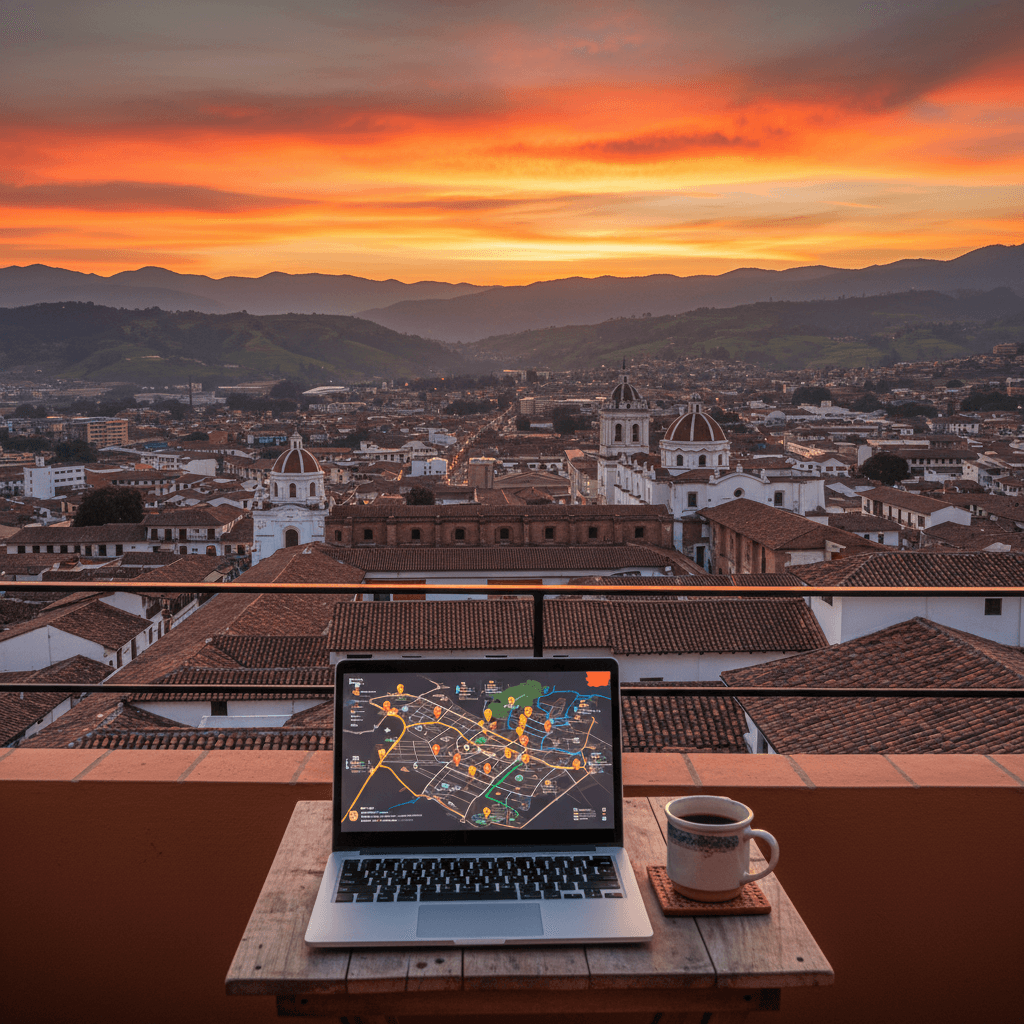
If you're tired of the humidity in Medellín or the relentless traffic of Bogotá, Tunja is the high altitude reset button you didn't know you needed. Sitting at nearly 2,800 meters, this isn't a place for tropical shirts and iced lattes. It's a city of wool ponchos, colonial stone walls, and a crisp, biting mountain air that keeps you sharp during your deep work sessions. Tunja doesn't try to impress you with neon lights; it wins you over with its quiet, scholarly atmosphere and a pace of life that actually lets you breathe.
The vibe here is deeply academic and proudly historic. Known as "The Mother City," it feels like a giant open air museum where 16th century churches sit right next to growing tech startups. You'll find yourself walking through the Plaza de Bolívar, surrounded by some of the best preserved Spanish colonial architecture in South America, feeling more like a local resident than a transient tourist. It’s authentic in a way that many nomad hubs have lost, mostly because it hasn't been "discovered" by the masses yet.
The Nomad Experience
Living here feels like a well kept secret, especially when you check your bank balance. Most nomads find the cost of living almost laughably low compared to the coast. You can snag a decent one bedroom apartment for $150 to $250 USD a month, leaving you plenty of room to splurge on high quality local coffee and weekend trips into the Boyacá countryside. It’s the kind of place where you can live a comfortable, middle class lifestyle on a $1,200 USD monthly budget without even trying.
- The Weather: Expect a "perpetual spring" that leans heavily into autumn. Daytime temperatures hover between 10°C and 20°C (50-68°F). It’s fresh, cold, and perfect if you love wearing sweaters and hoodies while you work.
- The Tech Scene: While it looks old, the "Tunja Tech" movement is real. There’s a growing community of developers and remote workers, meaning you’ll find plenty of cozy cafes with reliable Wi-Fi and people who understand why you’re staring at a laptop for eight hours.
- The Downsides: The altitude is no joke. You'll likely feel winded walking up a flight of stairs for the first week. Also, if you’re looking for 3:00 AM reggaeton clubs and a wild party scene, you’re in the wrong city. The nightlife is more about craft beer and intimate conversations than strobe lights.
Settling In
Most expats and long term travelers stick to the historic center or the newer residential areas near the universities. The city is compact and walkable, which is lucky because the public transit system is fairly limited and can be a bit of a puzzle for newcomers. Most people rely on ride hailing apps like InDrive or Uber to get around when their legs give out from the hills. For groceries and essentials, you’ll be frequenting local markets where the produce is fresh from the surrounding Boyacá farms and costs a fraction of what you’d pay in a big city supermarket.
Connectivity is surprisingly solid. Most urban apartments offer fiber optic speeds ranging from 100 to 200 Mbps, and a local SIM card from Claro or Tigo will keep you connected even when you’re out exploring the nearby Boyacá Bridge. Just keep in mind that English isn't widely spoken here. You’ll want to have Google Translate ready, but the locals are famously polite and patient with learners. They aren't jaded by over tourism, so a little Spanish goes a very long way in making friends.
Budget Benchmarks
- Solo Nomad Budget: $800 to $1,200 USD per month for a basic studio, street food, and minimal coworking.
- Mid Range Living: $1,200 to $1,800 USD per month for a nice 1BR, frequent mid range dining, and a dedicated workspace.
- High End Comfort: $1,800+ USD per month for a premium apartment, private transport, and upscale dining.
Tunja is for the nomad who wants to actually get things done. It’s a place for focused work, brisk mountain hikes, and soaking in a culture that hasn't been commodified for Instagram. It might be chilly, but the warmth of the community and the slow, intentional lifestyle make it one of the most rewarding stops in the Colombian Andes.
The Price of High-Altitude Living
Tunja is one of those rare spots where your dollar stretches so far you might actually double-check the exchange rate. While cities like Medellin and Bogota have seen prices climb alongside their popularity, Tunja remains an outlier. It is a place where you can live a high-quality life on a fraction of a Western budget, provided you don't mind trading a wild nightlife for mountain air and colonial charm.
Most nomads find they can live comfortably here for $1,200 to $1,800 USD per month. If you are on a tighter budget, it is entirely possible to get by on $800 to $1,000 USD, especially if you lean into local markets and avoid the more upscale cafes. Because the city is a major student hub and a tech-forward regional capital, the infrastructure for remote work is surprisingly solid for the price point.
Monthly Budget Breakdowns
Budget Tier (Solo Nomad)
- Total: $800 to $1,200 USD
- Housing: A basic studio or small apartment in the city center for $150 to $200 USD.
- Food: Sticking to "corrientazo" (set lunch specials) for $3 to $5 USD and cooking at home.
- Transport: Mostly walking or local buses; occasional use of InDrive.
Mid-Range Tier (The Sweet Spot)
- Total: $1,200 to $1,800 USD
- Housing: A modern one-bedroom apartment with mountain views for $200 to $250 USD.
- Food: A mix of cafe hopping, mid-range dinners at $8 to $12 USD, and grocery shopping.
- Work: Monthly membership at a local coworking space and a solid home internet plan for about $30 USD.
Comfortable Tier
- Total: $1,800+ USD
- Housing: A larger, multi-bedroom home or a high-end apartment in the quieter outskirts.
- Food: Regular dining at the city's best restaurants, where a steak or fine meal rarely exceeds $20 USD.
- Lifestyle: Frequent weekend trips to nearby Boyaca villages and relying entirely on ride-hailing apps for transport.
Housing and Utilities
Rent is the biggest win for nomads in Tunja. You can snag a decent one-bedroom apartment for $150 to $250 USD, which is practically unheard of in other digital nomad hubs. Most rentals in the urban center have access to fiber-optic internet. A standard monthly bill for high-speed home internet (100 to 200 Mbps) usually runs between COP 96,300 and 137,500, or roughly $24 to $34 USD.
For mobile data, expats recommend grabbing a SIM card from Claro, Movistar, or Tigo. Coverage is reliable throughout the city, and you can top up data plans for just a few dollars a week. If you are staying long-term, you will eventually want to apply for the Digital Nomad Visa, which requires proof of income around $1,000 USD per month and health insurance that covers you within Colombia.
Food and Daily Expenses
Eating out in Tunja is an affordable affair. You can grab a quick street snack or a cappuccino for $1 to $2 USD. If you prefer working from cafes, you won't feel guilty staying for hours after buying a $3 USD latte. Grocery prices are also low, especially if you shop for fresh produce at local markets rather than imported goods at major supermarkets.
- Quick Lunch: $4 to $6 USD
- Dinner for two (mid-range): $15 to $25 USD
- Local Beer: $1.50 to $2.50 USD
- Monthly Gym Membership: $20 to $35 USD
Getting Around
Public transportation within Tunja is somewhat limited compared to Bogota, so you will likely find yourself walking or using apps. Uber and InDrive are the go-to choices for getting around safely and quickly. Since the city center is relatively compact and historic, walking is often the best way to soak in the architecture, though the high altitude might leave you winded for the first few days. For trips back to Bogota or El Dorado International Airport, expect a 2.5-hour bus ride or a private car hire.
The Historic Center (Centro Histórico)
For nomads who want to be in the middle of the action, the colonial heart of Tunja is the place to be. You'll find yourself surrounded by whitewashed buildings and ornate churches that date back centuries. It is the most walkable part of town, which is a big plus since the public transit system can be a bit of a headache to figure out.
Most remote workers gravitate here because it has the highest concentration of cozy cafes. While you won't find a massive WeWork, the local cafe culture is strong. You can grab a table, order a cheap coffee, and rely on surprisingly stable fiber optic speeds that usually hit between 100 and 200 Mbps. It feels authentic and lived-in, though the nightlife is pretty quiet compared to the chaos of Bogota.
- Rent: $150 to $200 USD for a basic studio or one bedroom apartment.
- Vibe: Historic, walkable, and very traditional Colombian.
- Best for: Short term stays and history buffs who want everything within reach.
North Tunja (The Modern Hub)
Expats looking for a more modern lifestyle usually head north. This area feels a bit more polished and is where you will find the newer apartment complexes and shopping centers. It is closer to the growing tech industry hubs, so you are more likely to run into other professionals here than in the old center.
The apartments here often come with better insulation, which matters because Tunja gets notoriously chilly at night. Since the city sits at a high altitude, those fresh mountain breezes can turn into a real cold snap once the sun goes down. Living here puts you closer to the better supermarkets and modern gyms, making it the preferred choice for anyone staying longer than a month.
- Rent: $200 to $250 USD for a modern one bedroom apartment.
- Vibe: Quiet, residential, and more contemporary.
- Best for: Long term expats and those who prioritize comfort over colonial charm.
The Outskirts and Rural Fringes
Families and travelers who want to wake up to mountain views often look toward the edges of the city. Tunja is known as a gateway to the countryside, and the outskirts offer a slower pace of life that feels worlds away from the urban center. You get more space for your money, which is great if you need a dedicated home office or a yard for kids to play in.
The trade off is the commute. Since public transport is restricted, you will likely need to rely on ride hailing apps like Uber or InDrive to get into town for groceries or social meetups. It is peaceful, but you have to be okay with a bit of isolation. It is also the best area to acclimatize if you are worried about altitude sickness, as the air feels a bit crisper and the environment is less cramped.
- Rent: $250+ USD for larger multi bedroom homes or quiet villas.
- Vibe: Peaceful, scenic, and very private.
- Best for: Families and solo travelers who want a nature focused retreat.
Practical Living Tips
While Tunja is incredibly affordable, it is a "cash is king" kind of place. You will want to keep a local SIM card from Claro or Tigo for reliable data while moving between neighborhoods. Most nomads find that a monthly budget of $1,200 USD allows for a very comfortable lifestyle, covering a nice apartment, frequent meals out at mid range spots for $5 to $10, and plenty of weekend trips to places like the Boyaca Bridge.
Don't expect everyone to speak English. Proficiency is low here, so keep Google Translate handy. If you are planning to stay long term on a Digital Nomad Visa, remember that you will need to show an income of at least 3x Colombia's minimum monthly wage (~COP 5,252,715 or ~$1,300 USD) and secure health insurance that covers you specifically within Colombia.
Connectivity in the High Andes
Tunja might feel like a step back in time with its colonial plazas and quiet mountain air, but the internet infrastructure is surprisingly modern. Most of the urban center is wired with fiber optic connections, and you can generally expect speeds between 100 and 200 Mbps. This makes it a solid choice for video calls or heavy uploads, even if the city lacks the flashy tech hubs you'd find in Medellín.
Mobile data is your best backup here. The big three providers, Claro, Movistar, and Tigo, all have strong 4G coverage throughout the city. Most nomads grab a Claro SIM card at the airport or a local shop because they tend to have the best reach in the surrounding Boyacá countryside. If you're planning on tethering while exploring the mountains, a prepaid data plan will only set you back about $10 to $15 USD for a generous monthly allowance.
One thing to keep in mind is the price of home internet if you're renting long term. A dedicated line usually costs between COP 96,300 and 137,500 ($23 to $34 USD) per month. Most Airbnb hosts already include this in the price, but it's always smart to ask for a Speedtest screenshot before you book, especially in the older colonial buildings where thick stone walls can sometimes mess with the Wi-Fi signal.
Coworking and Cafe Culture
You won't find a WeWork or a Selina in Tunja yet. The coworking scene is more local and understated, catering to the city's growing tech industry and university students. While specific dedicated coworking brands are still emerging, the city is packed with cozy, quiet cafes that are perfectly happy to let you work for a few hours if you're buying coffee.
- The Cafe Scene: Look for spots near the Plaza de Bolívar or the northern part of the city. These areas have the most reliable power grids and the fastest Wi-Fi.
- Vibe: It's much quieter than Bogotá. You won't be fighting for a plug socket or dealing with loud reggaeton in the background.
- Cost: A high quality cappuccino usually costs between $1 and $2 USD, making a "cafe office" day extremely affordable.
Because Tunja is a major university town, you'll find plenty of "salas de internet" and study spaces. While these aren't traditional coworking spots, they're great in a pinch if you need to print documents or need a very stable desktop connection for a few hours. The locals are generally very welcoming to remote workers as long as you're respectful of the quiet atmosphere.
Practical Remote Work Tips
Reliability is high, but the Andean weather can occasionally cause brief power flickers during heavy rain. It's a good idea to keep your laptop charged and have a local SIM with a hotspot plan ready just in case. Most nomads find that the northern neighborhoods are slightly better equipped with modern infrastructure than the historic center, though the center has much more character.
- Best Apps: Download Speedtest by Ookla to check cafe speeds and InDrive or Uber to get between your apartment and work spots, as public transport can be a bit of a puzzle.
- Power Plugs: Colombia uses Type A and B plugs (the same as the US and Canada), so you likely won't need an adapter if you're coming from North America.
- Digital Nomad Visa: Requires proof of income of at least 3x minimum wage (~COP 5,252,715 or ~$1,300 USD). Tunja is actually a popular spot for people to handle their Cédula de Extranjería appointments because the offices here are often less crowded than those in Bogotá.
Living here means trading the "digital nomad bubble" for a more authentic Colombian experience. You might have to use Google Translate to talk to the barista about the Wi-Fi password, but the low cost of living and the crisp mountain air make it a productive, distraction free environment for getting deep work done.
Keeping Healthy and Secure in the Highlands
Tunja doesn't carry the same "big city" reputation for crime as its larger neighbors. Most nomads find it feels more like a quiet university town than a sprawling metropolis. Because it sits away from the major tourist circuits, you won't deal with the same level of aggressive street solicitation or pickpocketing common in Medellín's El Poblado or Bogotá's Candelaria. However, the standard Colombian rule of no dar papaya (don't give an easy opportunity) still applies. Keep your phone tucked away on the street and stick to well lit areas when walking home from a late night work session at a cafe.
The real safety challenge here isn't the people; it's the altitude. Tunja sits at approximately 2,820 meters (9,252 feet) above sea level . If you're coming from the coast or a low altitude hub, expect to feel winded just climbing a flight of stairs during your first few days. Travelers often report headaches and fatigue, so drink plenty of water and take it easy on the local beer until your body adjusts. It's a cold, fresh climate that requires a solid jacket, especially once the sun goes down and temperatures dip toward 10°C (50°F).
Healthcare Infrastructure
While Tunja is the capital of the Boyacá department, its healthcare facilities are more modest than the world class hospitals found in Bogotá. For routine issues, you'll find plenty of local droguerías (pharmacies) that can handle minor ailments or provide over the counter medications. If you need a specialist or a major procedure, most expats recommend making the 2.5 hour trip to Bogotá for access to top tier private clinics like Fundación Santa Fe.
If you're applying for the Colombian Digital Nomad Visa, you are required to have health insurance with coverage inside the country. Most remote workers opt for international providers like Genki or SafetyWing, which satisfy the visa requirements and are accepted at private facilities. Expect to pay out of pocket for basic doctor visits, though prices are generally very affordable, often ranging from $30 to $50 USD for a private consultation.
Emergency Basics
- General Emergency Line: Dial 123 for police, fire, or ambulance services.
- Pharmacy Apps: Use Rappi to have medications delivered directly to your apartment if you're feeling under the weather.
- Private Clinics: Look for centers associated with major insurers like Sura or Colsanitas for the fastest service and highest standards of care.
- Transport to Hospitals: Use ride hailing apps like InDrive or Uber rather than waiting for an ambulance for non life threatening emergencies, as public transit and emergency response times can be slow.
One thing to keep in mind is the language barrier in medical settings. English proficiency is quite low in Tunja compared to Cartagena. You'll want to have Google Translate or a similar app ready to go, or better yet, bring a Spanish speaking friend along if your "médico" vocabulary isn't up to par. Most nomads find the local doctors to be thorough and patient, even if you're communicating through a screen.
Getting Around Tunja
Moving through Tunja requires a bit more planning than the seamless systems you might find in Medellín or Bogotá. Because the city is built into the high Andean slopes, the geography dictates the pace. While the historic center is relatively compact, the city's public transit options are somewhat restricted, making it a place where you'll likely rely on a mix of walking and ride-hailing apps.
On Foot and Local Transit
If you've managed to snag an apartment in the central colonial zone, walking is your best bet. The streets are steep and the air is thin at this altitude, so take it slow for the first few days while you acclimate. Most of the historic churches, government buildings, and central cafes are within a 15 to 20 minute walk of each other.
- Walking: Perfect for the historic center, though the hilly terrain can be a workout.
- Local Buses: Small buses (busetas) run various routes, but they can be confusing for newcomers as there isn't a centralized map. They're cheap, usually costing less than $1 USD, but they aren't the most comfortable for long hauls.
- Taxis: Plentiful and affordable. Always check the fare before you hop in, though many drivers are honest with the local rates.
Ride-Hailing and Apps
For most nomads, apps are the go-to for reliability and safety. While the legality of ride-sharing in Colombia can be a bit of a gray area, the services are widely used and generally preferred over flagging someone down on the street. Expect to pay around $2 to $5 USD for most trips within the city limits.
- InDrive: This is the heavy hitter in smaller Colombian cities. You bid what you're willing to pay for a ride, and a driver accepts it. It's often faster than other services here.
- Uber: Available, though you might wait a few minutes longer for a driver compared to the capital.
Arrival and Long-Distance Travel
Tunja doesn't have its own major commercial airport. Most travelers land at El Dorado International Airport in Bogotá and then make the 2.5 to 3 hour trip north. Since Tunja is a major stop for people heading toward the Venezuelan border or deeper into Boyacá, the bus connections are excellent.
The Terminal de Transportes de Tunja is the city's heartbeat for regional travel. From here, you can catch a "colectivo" (shared van) or a large bus to nearby spots. If you're heading back to Bogotá for a visa appointment or a weekend getaway, buses leave every 15 to 30 minutes and usually cost between $7 and $10 USD.
Practical Transport Tips
If you're planning on staying for a few months, don't bother trying to rent a car. The colonial streets are narrow, parking is a nightmare, and the local driving style is aggressive. Instead, invest in a good pair of walking shoes and keep your ride-hailing apps updated. Many nomads find that they rarely spend more than $50 to $70 USD a month on total transport costs, even if they're taking several app-based rides a week.
One final thing to keep in mind: the altitude. Tunja sits at over 2,800 meters. Even a short walk to a coworking space can leave you winded if you've just arrived from the coast. Give yourself a week to adjust before you plan any major hiking or long walking tours of the outskirts.
The Language Gap
Expect a steep learning curve if your Spanish is rusty. Unlike the tourist corridors of Cartagena or the international bubbles of Medellín, Tunja remains an authentically Colombian city where English is rarely spoken. Most locals, from shopkeepers to taxi drivers, will greet you exclusively in Spanish. While this might feel intimidating at first, it's actually one of the city's biggest draws for nomads who want to move beyond the gringo trail and actually learn the language.
You'll find that the "Tunjanos" are generally patient and polite, but you'll definitely need a translation app like Google Translate or DeepL tucked in your pocket for daily interactions. Don't expect menus or signage to be bilingual. If you're planning to stay for more than a week, learning the basics isn't just a suggestion; it's a requirement for a smooth life here.
Essential Phrases for Your Kit
While you can get by with smiles and gestures, having a few specific phrases ready will make your coworking and dining experiences much easier. Here are the ones you'll use most often:
- "¿Dónde está el coworking?" (Where is the coworking space?)
- "Factura, por favor." (The bill, please. Use this at cafes and restaurants.)
- "¿Tienen Wi-Fi?" (Do you have Wi-Fi?)
- "La clave del internet, por favor." (The internet password, please.)
- "¿Aceptan tarjeta?" (Do you accept cards? Many smaller spots in Tunja are cash only.)
Communication Tools and Connectivity
Since you'll likely be leaning on translation apps and maps to get around the restricted public transport system, a reliable data plan is your best friend. Colombia has excellent mobile coverage, even in high altitude cities like Tunja. Most nomads recommend picking up a SIM card immediately upon arrival. You can find kiosks in the city center or at the airport in Bogotá if you're transititng through.
The big three providers are Claro, Movistar, and Tigo. Claro generally offers the widest coverage if you plan on heading into the surrounding Boyacá countryside, but Tigo and Movistar often have competitive data packages for remote workers. Expect to pay around $10 to $15 USD for a monthly prepaid plan with plenty of data. If you end up staying long term on a digital nomad visa, you can eventually use your Cédula de Extranjería to get a post paid contract, but for most, the "prepago" chips work just fine.
The Social Context
Socializing in Tunja is a low key affair. Because the nightlife is limited, most communication happens over coffee in the afternoons or during local festivals like Boyaca Bridge Day. People here value politeness; a simple "Buenos días" when entering a cafe goes a long way. If you're looking for an expat community to speak English with, you'll find it's much smaller here than in the big hubs. Most nomads connect through the growing tech scene or by frequenting the same few laptop friendly cafes, where you might run into the occasional fellow traveler or bilingual university student.
One thing to keep in mind is the pace. Life in the mountains moves a bit slower. Conversations aren't rushed, and the local dialect is generally clearer and slower than the rapid fire Spanish you'll hear on the coast. It makes Tunja a fantastic, albeit challenging, classroom for anyone serious about immersion.
The Andean Chill
Tunja sits at approximately 2,820 meters (9,252 feet) above sea level, making it one of the highest cities in the world. If you are coming from Medellin or the coast, the first thing you will notice is the crisp, thin air. The climate here is consistently cool and fresh. You won't find the tropical heat of the lowlands; instead, expect daily temperatures to hover between 10°C and 20°C (50°F to 68°F).
The city doesn't really have seasons in the traditional sense, but the locals talk about the "summer" months of December, January, and February. During this window, the skies are usually clear and the sun is intense, though the nights remain chilly. This is the prime time for exploring the surrounding Boyaca countryside or walking the colonial center without dodging rain showers.
Rainy Cycles and Altitude
Like much of the Colombian highlands, Tunja sees two main rainy periods. Most nomads suggest avoiding long stays during April to June and October to November if you hate gray skies. The rain isn't usually a constant downpour, but it can make the steep streets slippery and the mountain air feel much colder than the thermometer suggests. If you visit during these months, a heavy jacket and waterproof boots are non-negotiable.
A major factor to consider is altitude sickness, or soroche. New arrivals often feel winded just walking to a cafe. It usually takes three to five days to acclimate. Locals recommend drinking coca tea and staying hydrated to help your body adjust to the elevation. Once you are settled, that same thin air makes for some of the most spectacular, high-contrast sunsets you'll see in South America.
Best Times to Visit
If you want to see Tunja at its most lively, aim for August. The city celebrates Boyaca Bridge Day on August 7th, commemorating a pivotal battle in Colombia's independence. The atmosphere is patriotic, with parades and festivals that bring a bit of energy to the usually quiet streets. It is a great time to see the city's colonial heritage in full swing.
For those looking for the best balance of weather and local flavor, December is a top choice. The "Aguinaldo Boyacense" festival takes place in late December, featuring live music, cultural events, and impressive light displays. The weather is generally dry, and the festive spirit helps offset the city's naturally slower pace of life.
- Peak Season (Dry): December to February. Clear skies, cold nights, and the best outdoor conditions.
- Shoulder Season: July to September. Windy but mostly pleasant, with major cultural festivals in August.
- Off-Peak (Wet): April to June and October to November. Expect frequent afternoon showers and misty mornings.
What to Pack
Forget your shorts and flip-flops. Tunja is a "layers" city. Most apartments do not have central heating, so you will want heavy sweaters and warm socks for working from your rental. During the day, the sun can be surprisingly strong because of the altitude, so a light jacket over a t-shirt usually works while you are out and about. By 6:00 PM, the temperature drops fast, and you will want a proper coat for heading out to dinner.
Snapshot of the Seasons
- Sunniest Months: January and February are generally the driest, perfect for hiking near the Boyaca Bridge.
- Coldest Feel: November, when the humidity from the rain makes the Andean breeze feel much sharper.
- Average Highs: 18°C to 20°C (64°F to 68°F) year-round.
- Average Lows: 7°C to 9°C (45°F to 48°F), though it can dip lower on clear nights.
Getting Settled and Staying Connected
Tunja isn't your typical nomad hotspot like Medellín. It's a high altitude Andean city where life moves at a slower pace. To hit the ground running, your first stop should be a local carrier shop. Claro, Movistar, and Tigo are the big three here. You can pick up a SIM card for a few dollars and load it with data for about $10 to $15 USD per month. Coverage is surprisingly solid in the urban center, though it gets spotty if you head out into the surrounding Boyacá countryside.
The internet situation is better than you might expect for a city of this size. Most modern apartments and cafes offer fiber optic connections with speeds ranging from 100 to 200 Mbps. This makes video calls and heavy uploads manageable. While dedicated coworking spaces are popping up, many nomads prefer the "cafe office" route. You'll find plenty of quiet spots near the historic center where a $2 USD cappuccino buys you a few hours of workspace and a reliable connection.
Cost of Living Breakdown
Your dollar goes incredibly far here. It's one of the most affordable cities in Colombia for remote workers who want an authentic experience without the "gringo tax" found in coastal cities. Most nomads find they can live comfortably on $1,200 to $1,800 USD per month, though budget travelers can easily get by on $800 if they stick to local markets and modest studios.
Typical Monthly Expenses
- One-Bedroom Apartment: $150 to $250 USD
- Mid-range Meals: $5 to $10 USD per person
- Street Food (Empanadas/Arepas): $1 to $2 USD
- Home Internet: $24 to $34 USD
- Monthly Grocery Bill: $150 to $200 USD
Navigating the City and Climate
Tunja sits at over 2,800 meters, so altitude sickness is a real thing. Take it easy your first few days. Drink plenty of water and avoid heavy meals or intense exercise until your lungs adjust. The weather is consistently brisk, usually hovering between 10°C and 20°C (50°F to 68°F). You'll want layers, a solid jacket, and perhaps a scarf for the evenings when the mountain air turns sharp.
Public transit is one of the city's few weak points. Local buses exist but aren't always intuitive for newcomers. Most expats rely on ride hailing apps like Uber or InDrive to get around safely and efficiently. If you're staying in the historic center, the city is quite walkable, though the hilly terrain will give your legs a workout. For trips further afield, like visiting the Boyacá Bridge or heading to Bogotá, the main bus terminal is your best bet; the ride to the capital takes about 2.5 hours.
Safety and Health
Generally, Tunja feels safer than the massive metropolitan hubs. It has a small town vibe where people look out for one another. Standard travel precautions apply: don't flash expensive tech in dark alleys and keep your phone tucked away while walking. For healthcare, the city has decent clinics, but for anything specialized, most expats head to Bogotá. If you're here on the Digital Nomad Visa, you will need to prove a monthly income of at least 3x Colombia's minimum monthly wage (~COP 5,252,715 or ~$1,300 USD).
Language and Social Life
Don't expect much English here. Outside of a few university students or tech workers, Spanish is the only game in town. Download Google Translate for offline use and try to learn the basics. A simple "Factura, por favor" when asking for the bill goes a long way. Nightlife is quiet, so social life usually revolves around coffee dates, hiking groups, or local festivals like Boyacá Bridge Day. It's a place for deep work and nature, not for those looking to party until dawn.
Need visa and immigration info for Colombia?
🇨🇴 View Colombia Country GuideHidden Gem
Worth the effort