Tulum
🇲🇽 Mexico
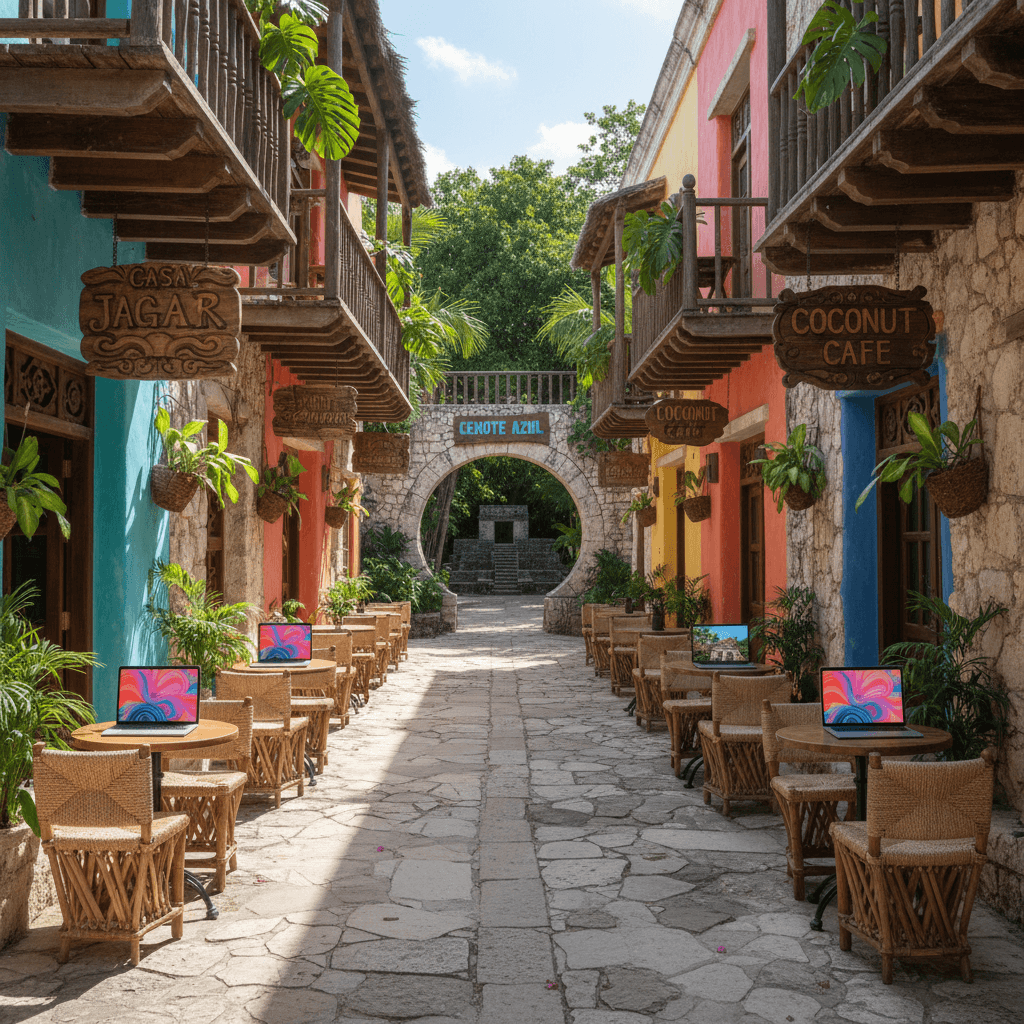
Tulum is a place of contradictions. It's where high-end fashion meets dusty jungle paths, and where ancient Maya ruins overlook some of the most exclusive beach clubs in the world. For digital nomads, it offers a specific brand of barefoot luxury combined with a deep, zen energy that's hard to find elsewhere. You'll spend your mornings on a yoga mat and your afternoons on a Zoom call from a cafe built into the trees.
The vibe here is undeniably bohemian, but it's grounded by a growing infrastructure for remote work. While the "Tulum aesthetic" of macramé and limestone is everywhere, the emotional experience of living here is about slowing down. Most nomads find themselves trading the frantic pace of city life for a rhythm dictated by the sun and the occasional Caribbean storm. It isn't perfect; the rapid growth has brought construction noise and rising prices, but the magic of diving into a cool cenote after a long work session keeps people coming back.
The Cost of Living
Living in Tulum isn't as cheap as it used to be, and your budget will largely depend on how close you want to be to the water. A solo nomad can get by on $1,500 to $2,000 a month by staying in the Pueblo, while a comfortable lifestyle in the newer developments usually starts around $3,500 to $4,000.
- Housing: Expect to pay $500 to $800 for a studio in the Pueblo. In trendy areas like La Veleta or Aldea Zama, 1BR apartments range from $800 to $1,200. Beachfront living is a different world, often exceeding $1,200 for even basic setups.
- Food: Street food like tacos in the center costs $3 to $5. Mid-range meals at nomad favorites usually run $10 to $15, while dinner at an upscale beach club can easily hit $40 or more.
- Transport: Colectivos are the cheapest way to move for $2 to $3. Most expats recommend renting a bike or scooter for $10 to $15 a day to avoid the high cost of taxis.
Where to Set Up Camp
Choosing the right neighborhood is the most important decision you'll make here. Each area feels like a different town entirely.
Tulum Pueblo (Centro)
This is the heart of the local culture. It's the most affordable area and feels the most authentic. You'll have easy access to the best street food and local markets, though you're about a 15 minute ride from the beach. It's the best spot for budget-conscious travelers who want to be near the action without the "resort" feel.
La Veleta
This is the current nomad headquarters. It's home to Digital Jungle, a top-tier coworking space, and Gypsea Market for organic groceries. It's still developing, so you'll likely hear some construction, but the density of cafes and yoga studios makes it the easiest place to meet people.
Aldea Zama
Located between the town and the beach, this is a modern, planned community. It's quieter and feels more polished than La Veleta. It's great for families or those who want a reliable, high-end apartment, though some find it a bit less social than the Pueblo.
The Beach Zone
This is where the famous Tulum parties happen. It's beautiful but expensive and loud. Most nomads visit for the day but find it too chaotic for long-term living. Internet can also be more temperamental here during storms.
Connectivity and Community
The days of struggling with 3G are mostly over. Fiber optic internet is now standard in dedicated coworking spaces and many modern apartments in La Veleta. Digital Jungle offers day passes for $20 (400 MXN) and includes amenities like private Zoom booths. Selina is another popular hub, with monthly coworking memberships around $250.
Socializing happens naturally at places like Gypsea Market or during weekend beach club sessions. If you're looking for a community, the "Tulum Digital Nomads" Facebook group is active, and networking events at coworking hubs are frequent. For backup data, get a Movistar or Telcel SIM card; a 3GB plan usually costs about $10 and is a lifesaver when the power dips during the rainy season from June to November.
Tulum is generally safe, but travelers often say you should stick to the main areas at night and keep an eye on your belongings at the beach. It's a place that rewards those who respect the local environment and embrace the slower, tropical pace of life.
The Price of Paradise
Living in Tulum isn't the bargain it used to be. While you can still find value, the town has transitioned from a sleepy backpacker outpost to a global destination with prices that often rival Southern Europe. To live comfortably here, you'll need to budget carefully based on which "version" of Tulum you want to inhabit.
Most solo nomads find that a monthly budget of $2,500 to $3,500 hits the sweet spot. This covers a modern apartment in a neighborhood like La Veleta, regular coworking access, and plenty of dinners out. If you're on a tighter tether, sticking to the Pueblo and eating at local stands can drop your costs to around $1,500 or $2,000. On the flip side, if you want the high-end beach lifestyle in Aldea Zama or the Hotel Zone, expect to spend north of $4,000 per month.
Breaking Down the Monthly Rent
Your biggest expense will be housing, and the price varies wildly depending on how close you are to the water. Most rentals are found on Airbnb for short stays, but you can snag better deals by joining local Facebook groups like Tulum Digital Nomads once you're on the ground.
- Tulum Pueblo (Centro): This is the most authentic and affordable area. You'll find studios and one-bedroom apartments ranging from $500 to $800. It's walkable and full of local markets, though you're a 15 minute colectivo ride from the beach.
- La Veleta: The current nomad favorite. It's a bit of a construction zone, but it's home to the best organic shops and coworking spots. Expect to pay $800 to $1,200 for a modern space.
- Aldea Zama: A polished, gated community halfway between the town and the beach. It's quiet and upscale, with rents typically falling between $1,200 and $2,000.
- The Beach Zone: Beautiful, but impractical for long-term stays. Small spaces here start at $1,200 and quickly climb into the thousands.
Daily Costs: Food and Transport
Eating out is one of Tulum's greatest perks, provided you know where to go. Street food like tacos or empanadas in the Pueblo will only set you back $3 to $5. Mid-range spots in La Veleta usually charge $10 to $15 for a solid meal, while a dinner at a trendy beach club can easily reach $40 before drinks.
Getting around requires some strategy. Taxis are notoriously expensive and often lack set meters, so most nomads rent a bike or scooter for $10 to $15 a day. For longer distances, use the colectivos. These shared vans cost about $2 to $3 and are the most efficient way to reach the ruins or nearby cenotes. If you're coming from Cancun airport, a private transfer costs $50 to $100, though buses are much cheaper.
The Digital Infrastructure
Internet reliability has improved significantly thanks to fiber optic expansions. You'll find solid speeds for Zoom calls at major coworking spaces, though it's smart to have a backup during heavy tropical storms. Digital Jungle in La Veleta is the gold standard for many, offering day passes for about $20 (400 MXN) and weekly rates around $75 (1,500 MXN). Selina is another popular hub, with monthly memberships costing roughly $250.
For mobile data, grab a Movistar or Telcel SIM card. A 3GB plan with unlimited social media data usually costs around $10 for three weeks. Many expats also use Holafly eSIMs for a seamless setup, especially if they need to stay connected the moment they land.
Practical Money Matters
Cash is still king in many local shops and taco stands. Use a fintech card like Wise or Revolut to withdraw pesos from bank-affiliated ATMs in the Pueblo to avoid high fees. When dining out, a tip of 10% to 15% is standard. While English is widely spoken in the nomad hubs, knowing basic Spanish phrases for "how much" and "the bill" will help you navigate the local markets without the "tourist tax" being applied.
The Digital Nomad: La Veleta
La Veleta is the current heartbeat of the remote work scene. It has transitioned from a dusty construction zone into a hub of organic markets and high speed fiber optic connections. Most nomads flock here for the community at Digital Jungle, where a day pass runs about $20 USD and includes networking events that make meeting people effortless.
- Rent: Expect to pay between $800 and $1,200 USD for a modern one bedroom apartment.
- Vibe: Jungle chic meets productivity. You'll find plenty of laptop friendly cafes and the famous Gypsea Market for your organic groceries.
- The Trade off: You might still hear the occasional hum of a drill or saw as the area continues to expand.
The Solo Traveler & Budget Seeker: Tulum Pueblo
If you want to save your pesos for cenote trips and mezcal, the Pueblo (Centro) is where you belong. It feels more like a real Mexican town than a curated resort. You are steps away from authentic street food stalls where tacos cost $3 to $5 USD, and the local markets keep your grocery bill manageable.
- Rent: Studios and shared spaces typically range from $500 to $800 USD monthly.
- Vibe: Gritty, lively, and walkable. It is the best place to practice your Spanish and escape the "Tulum Bubble."
- The Trade off: You are about 15 minutes away from the beach by colectivo or bike. It can get loud at night with local festivities and traffic.
The Family & Long Term Expat: Aldea Zama
Aldea Zama is the most manicured neighborhood in town, sitting strategically between the beach and the Pueblo. It is a master planned community with paved roads, which is a luxury in Tulum. Families and expats who prioritize quiet nights and security tend to settle here.
- Rent: Luxury apartments and larger units usually start at $1,200 USD and go up quickly.
- Vibe: Sophisticated and peaceful. It feels like a gated sanctuary surrounded by greenery, though it lacks the social "buzz" of La Veleta.
- The Trade off: It can feel a bit sterile compared to the rest of the city. You'll likely want a scooter or car rental for $10 to $15 USD a day to get around.
The Short Term Luxury Traveler: The Beach Zone
Staying on the beach road is about proximity, not productivity. You are paying for the ability to walk out of your room and onto the sand. It is perfect for a splurge or a short stint before moving inland to work. Most seasoned nomads avoid living here full time due to the price hikes and spotty infrastructure during storms.
- Rent: Prices start at $1,200 USD for very basic spots and can exceed $5,000 USD for high end villas.
- Vibe: High energy, fashion forward, and tourist heavy. It is the center of the nightlife circuit and world class beach clubs.
- The Trade off: Everything is expensive. A mid range meal will cost $20 to $40 USD, and the traffic on the single beach road can be a nightmare during peak season.
Practical Logistics
Getting between these neighborhoods is easiest on two wheels. While colectivos are the cheapest way to move for $2 or $3 USD, most residents prefer renting a bike or scooter for flexibility. For internet, always have a Telcel or Movistar SIM card as a backup. While fiber optic is now standard in spots like Selina, a heavy tropical storm can still knock out the grid for an hour or two.
Staying Connected in the Jungle
Tulum used to be the place you went to disappear, but the infrastructure has finally caught up with the demand. Fiber optic internet is now standard in the main neighborhoods of La Veleta and Aldea Zama, making Zoom calls and heavy uploads much less stressful than they were a few years ago. Most nomads find that speeds are reliable enough for a full workday, though a heavy tropical storm can still knock out the power or flicker the connection for an hour or two.
To stay safe, always have a backup. Local SIM cards are cheap and the 4G coverage is surprisingly robust in the Pueblo. Pick up a Movistar SIM for about 100 MXN (~$5 USD), which usually gets you 3GB of data plus unlimited social media. If you want a more seamless experience, many expats recommend Holafly for an unlimited eSIM, or keeping a Telcel eSIM as a secondary line since they often have the best coverage when you are out exploring cenotes.
Top Coworking Spaces
If you need more than just a cafe table, Tulum has some of the most aesthetic workspaces in Mexico. These spots aren't just about the WiFi; they are the primary social hubs for meeting other creators and entrepreneurs.
- Digital Jungle (La Veleta): This is the current favorite for most serious workers. It has a beautiful, airy design that feels like a high-end jungle villa. A day pass costs $400 MXN (around $20 USD) and includes coffee and fruit. If you have a sensitive meeting, you can rent a private Zoom booth starting at 100 MXN for 60 min, additional time at 150 MXN per hour.
- Selina (Beach Zone): Located right on the sand, this is the go-to if you want to work with a sea breeze. It is pricier and can get loud with the beach club energy, but it is great for networking. A day pass is $400 MXN, while a monthly membership runs about $5,000 MXN ($250 USD).
- CoWorking Tulum: A community providing access to partner hotels and restaurants for coworking across the city. It is a solid choice if you like to change your scenery every few days.
Work-Friendly Cafes
You don't always need a formal office. The cafe culture here is vibrant, though etiquette varies. In the Pueblo, you will find plenty of spots where nobody minds if you linger for two hours over a latte. In the Beach Zone, many places have a "no laptops" policy on weekends or after 2:00 PM to keep the vacation vibes alive, so always ask before you unpack your charger.
Gypsea Market in La Veleta is a local staple. It is an organic grocery store with a large cafe area upstairs that attracts a quiet, productive crowd. The food is great for a healthy lunch, and the WiFi is generally stable. In the Pueblo, look for smaller local spots where a coffee might only cost $3 to $5 USD, making it a much more affordable "office" than the beach clubs.
Practical Connectivity Tips
- Power Banks: Power surges happen. Keep your laptop and phone charged, and carry a portable power bank if you are heading to a cafe.
- VPNs: Some Mexican public networks can be finicky with security certificates. A reliable VPN helps you stay secure while using open WiFi at beach clubs.
- The "Early Bird" Rule: If you are looking for a prime spot with a plug at a popular cafe, get there before 9:00 AM. By noon, the best seats are usually taken by nomads or tourists hiding from the midday sun.
- Data Caps: While fiber is common in coworking spaces, many Airbnbs still use cellular routers. Always ask your host for a speed test screenshot before booking a long term stay.
Staying Safe in the Jungle
Tulum feels significantly different from the heavy urban grit of Mexico City or the high-rise energy of Cancun. Most nomads find it generally safe, provided you stick to the same common sense you would use in any global tourist hub. The vibe is laid back, but the combination of a high-end party scene and quiet jungle roads means you need to keep your wits about you after dark.
The biggest safety complaints usually involve petty theft or opportunistic scams. Keep a close eye on your bag at beach clubs, especially if you are heading into the water. Expats recommend avoiding solo walks on unlit roads in the Beach Zone or the deeper parts of La Veleta at night. If you are out late, use a taxi or a scooter rather than walking. Most of the "danger" nomads talk about isn't violent; it's more about overpriced taxi fares or "tourist taxes" at local shops.
- Emergency Services: Dial 911 for police, fire, or medical emergencies.
- Connectivity: Always have an offline map and a local SIM. Travelers often use Telcel or Holafly eSIMs as backups during storms when local WiFi might flicker.
- Scams: Double check your bills at bars and restaurants. It is common for an "extra" drink or a pre-calculated service charge to appear on the tab.
Healthcare and Medical Facilities
If you get sick, you are in decent hands for most routine issues. The Tulum Pueblo area has several reliable private clinics and pharmacies that can handle everything from "Tulum tummy" to minor injuries. For anything serious, most expats head to the larger, more advanced hospitals in Playa del Carmen, which is about an hour away.
Pharmacies are everywhere and are remarkably easy to use. You will find Farmacias Similares or Farmacias del Ahorro in the center of town. These are great for picking up basics like electrolytes, antibiotics, or high-strength bug spray. Many have a doctor on-site in a small side office who can give you a quick consultation for about $50 to $100 MXN.
- Water Safety: Never drink the tap water. Even locals use it only for showering. Always buy the big 20-liter "garrafon" jugs for your apartment.
- Mosquitoes: Dengue is a real factor in the jungle. Use repellent, especially during the rainy season from June to October.
- Insurance: Most nomads carry private travel insurance like SafetyWing or Genki. Local clinics usually expect payment upfront in cash or credit card, and you will claim it back later.
Practical Logistics
Security in the newer neighborhoods like Aldea Zama is generally high, with many apartment complexes employing private security guards. However, construction is constant. If you are moving into a new build, ensure your windows and doors lock securely. Opportunistic theft from ground-floor balconies is a known issue if valuables are left out in the open.
For those worried about solo travel, the nomad community is very active. Joining the Tulum Digital Nomads Facebook group or hanging out at Digital Jungle is the fastest way to find "safety buddies" for night outings. People here look out for one another, and sticking with a group is the best way to enjoy the nightlife without stress.
The Logistics of Getting Around
Moving between the jungle and the sea in Tulum requires a bit of strategy. The town is split into two main hubs: the Pueblo (downtown) and the Beach Zone. They are separated by a long stretch of road that can take anywhere from 10 to 20 minutes to traverse depending on your mode of transport. While the town is relatively flat, the heat and humidity mean you probably won't want to walk between these two main zones.
Colectivos: The Local Secret
If you want to live like a local and keep your budget intact, colectivos are your best friend. These white shared vans run constantly between the Pueblo, the ruins, and the beach. Expect to pay around $2 to $3 USD per ride. They don't have a strict schedule; you just flag one down on the main road and hop out when you reach your destination. It is the most economical way to navigate the area, though they can get cramped during peak hours.
Bikes and Scooters
For most digital nomads living in La Veleta or Aldea Zama, a set of wheels is a necessity. The freedom to zip between a morning yoga session and a late-afternoon coworking stint at Digital Jungle is worth the investment.
- Daily Rentals: Most shops charge between $10 and $15 USD per day.
- Monthly Deals: If you are staying for a month or longer, negotiate a long term rate. You can often get a bike for significantly less if you pay upfront.
- Parking: In the Beach Zone, parking a car is a nightmare and expensive. A bike or scooter allows you to bypass the gridlock and park for free right outside the beach clubs.
Taxis and Ridesharing
Standard ride-hailing apps like Uber don't really operate here in the way you might expect. Taxis are everywhere, but they are notoriously expensive compared to the rest of Mexico. A taxi from the Pueblo to the beach can cost $20-40 USD depending on negotiation. Always agree on the price before you get into the car. Many nomads use WhatsApp to stay in touch with a few trusted drivers they've met, which can sometimes lead to better rates and more reliable service.
Arriving from the Airport
Most travelers still fly into Cancun International Airport, which is about 2 hours north of Tulum. You have a few options to get to your rental:
- ADO Bus: The most comfortable and reliable option. These large coach buses run frequently and cost around $15 to $20 USD. They drop you off at the main station in the Pueblo.
- Private Transfers: If you're traveling with a group or have heavy gear, a private van costs between $50 and $100 USD.
- Shared Shuttles: These sit somewhere in the middle, offering door-to-door service for a fraction of a private car price.
Walking the Neighborhoods
Within the Pueblo itself, walking is perfectly fine. You can easily stroll between the markets, local taco stands, and your apartment if you are staying near the center. La Veleta and Aldea Zama are also walkable within their own bubbles, but the roads in La Veleta are often unpaved and can turn into muddy pools after a heavy tropical storm. Wear sturdy sandals and keep an eye on the weather before you decide to trek to Gypsea Market on foot.
The Linguistic Landscape
In the heart of the Riviera Maya, Spanish is the primary language you'll hear in the streets of the Pueblo and among the local workforce. However, Tulum is a global crossroads, and English is the unofficial second language of the digital nomad scene. You can easily order a flat white at Digital Jungle or book a yoga session in La Veleta without knowing a word of Spanish.
While the service industry in the Hotel Zone and Aldea Zama is highly proficient in English, the vibe changes once you step into the local markets or hop on a colectivo. Many locals also speak Mayan, adding a deep historical layer to the region's communication. Most nomads find that while they can survive on English alone, learning basic Spanish phrases opens doors to better prices and more authentic connections with the community.
Staying Connected
The days of relying on spotty jungle satellite connections are mostly over. Fiber optic internet has reached most of the major nomad hubs, but it hasn't quite mastered the tropical weather yet. Heavy Caribbean storms can still knock out the grid, so having a backup plan is a standard move for anyone with back to back Zoom calls.
- Digital Jungle (La Veleta): A favorite for its reliable speeds and networking events. Expect to pay $400 MXN for a day pass, which usually includes coffee and fruit.
- Selina (Beach Zone): Great for those who want to work with a view of the sand, though it's pricier at $400 MXN per day or around $5,000 MXN for a monthly membership.
- Gypsea Market: A popular spot for casual work sessions where the WiFi is generally strong enough for emails and light browsing.
Mobile Data and SIM Cards
Don't rely on your home country's roaming plan; it's expensive and often throttled. Local SIM cards are cheap and easy to find at any OXXO or small tech shop in the Pueblo. Telcel is widely considered the gold standard for coverage, especially if you plan on exploring nearby cenotes or ruins where other signals drop off.
- Movistar: A solid budget choice. Plans like 3GB with unlimited social media for around 100-200 MXN for 30 days.
- Telcel eSIM: Many expats recommend this as a secondary backup. It’s easy to top up via their app or at any convenience store.
- Holafly: If you want to hit the ground running without visiting a shop, an eSIM from Holafly offers unlimited data, though it usually costs more than local physical cards.
Practical Communication Tips
Download Google Translate for offline use. It’s a lifesaver when you’re trying to decipher a specific ingredient at the market or communicating with a taxi driver. For daily life, WhatsApp is the king of communication in Mexico. You’ll use it for everything from booking a message to messaging your landlord or ordering water delivery.
When it comes to the bill, remember that pesos are king. While many upscale spots in Aldea Zama take cards, they often charge a 3% to 5% fee. Keep a stash of cash for the smaller spots in the Pueblo. Most nomads use Wise or Revolut to withdraw pesos at local ATMs to avoid the predatory exchange rates offered by traditional banks.
A few phrases to keep in your back pocket: "¿Cuánto cuesta?" for asking prices, "La cuenta, por favor" for the bill, and "¿Cuál es la contraseña del WiFi?" for that all important internet access. Even a simple "Gracias" goes a long way in maintaining the relaxed, respectful rhythm of the town.
The Sweet Spot: November to May
If you want the quintessential Tulum experience, aim for the window between November and May. This is the dry season, where the humidity drops and the Caribbean breeze actually feels refreshing rather than stifling. Expect daily highs around 28°C to 30°C (82°F to 86°F). It is the most reliable time for remote work because the clear skies mean fewer power flickers and steady fiber optic speeds at spots like Digital Jungle.
The trade off for this perfect weather is the crowd. From December through February, the town is at its peak capacity. Prices for short term rentals in Aldea Zama or La Veleta can double, and you will need to book your coworking desks well in advance. If you prefer a quieter vibe, try the shoulder months of November or April. You get the sun without the crushing weight of the festival crowds.
The Low Season: June to October
The rainy season kicks off in June and peaks in September and October. This is also hurricane season. While you can find incredible deals on luxury villas in the Hotel Zone, there are practical hurdles for nomads. Heavy tropical downpours are common; they usually pass quickly but can knock out the internet for a few hours at a time. If you are here during these months, having a Telcel or Movistar eSIM as a backup hotspot is a non negotiable safety net.
Temperatures during the summer often climb to 32°C (90°F) or higher. The humidity is intense, making those 15 minute bike rides from the Pueblo to the beach feel like a marathon. However, many long term expats prefer this time because the town breathes again. The queues at Gypsea Market disappear, and the local cenotes are far less crowded.
Best Times for Specific Vibes
- For the Party Scene: Visit in January. This is when the "Zamna" festival and various beach club circuits are in full swing. It is loud, expensive, and high energy.
- For Budget Travelers: Target May or June. The weather is still decent, but the winter crowds have left, and landlords are much more willing to negotiate monthly rates on Airbnb.
- For Nature Lovers: May through August is turtle nesting season. If you are diving in cenotes, the water remains a constant, refreshing temperature year round, regardless of the air heat.
Monthly Climate Snapshot
- January to March: Perfect weather, 28°C (82°F), high prices, very crowded.
- April to May: Getting hotter, 30°C+ (86°F+), fewer crowds, great for beach days.
- June to August: Hot and humid, 32°C (90°F), afternoon rain showers, lower prices.
- September to October: Peak rain and hurricane risk, quietest time in town, most affordable rents.
- November to December: Weather cools down, 29°C (84°F), town starts buzzing again for the holidays.
Most nomads find that a three month stay starting in November offers the best balance. You beat the holiday price hikes but get the best of the Mexican sun before the spring heat becomes overwhelming. Just remember that whenever you visit, the tropical climate means things move slower; embrace the "Tulum time" and keep your laptop charged in case a sudden storm rolls through.
Tulum has transformed from a sleepy backpacker outpost into a premier global hub for remote work. While the "jungle aesthetic" is everywhere, living here requires a bit of strategy to balance the high costs with the laid-back Caribbean lifestyle. Most nomads find that success in Tulum depends entirely on which neighborhood they choose to call home.
The Neighborhood Breakdown
- La Veleta: This is the current heartbeat of the nomad scene. It’s packed with new builds, yoga studios, and organic markets like Gypsea Market. You’ll find the best coworking infrastructure here, though you should expect some construction noise as the area continues to expand.
- Tulum Pueblo (Centro): If you want to keep your budget under control, stay here. It feels like a real Mexican town with authentic taco stands and local markets. It’s a 15 minute colectivo ride to the beach, but your rent will be significantly lower.
- Aldea Zama: Situated between the town and the beach, this is a polished, modern development. It’s quiet and upscale, making it a favorite for families or those who need a more "suburban" feel, though it lacks the social buzz of La Veleta.
- The Beach Zone: Best left for short vacations. It’s expensive, loud, and the traffic on the single beach road can be a nightmare. Save your money and commute here for sunset instead.
Cost of Living
Tulum is no longer a "cheap" destination; prices have climbed to match its popularity. A solo nomad should budget between $2,500 and $3,500 USD per month for a comfortable mid-range lifestyle. If you’re sticking to the Pueblo and eating street food, you might get by on $1,500 to $2,000 USD.
- Rent: Expect to pay $800 to $1,200 USD for a decent 1BR in La Veleta or Aldea Zama. Studios in the Pueblo can be found for $500 to $800 USD.
- Food: Street tacos cost $3 to $5 USD, while a meal at a mid-range restaurant in town runs $10 to $15 USD. Dinner at a trendy beach club will easily top $40 USD.
- Coworking: A day pass at a top-tier spot like Digital Jungle is about $20 USD (400 MXN). Monthly memberships usually hover around $250 USD.
Connectivity and Coworking
Fiber optic internet is now standard in most dedicated coworking spaces and modern apartments in La Veleta. However, tropical storms can still knock out the grid. Expats recommend having a Telcel or Movistar SIM card as a backup. A 3GB data plan costs about $10 USD (200 MXN) and can be topped up at any OXXO convenience store.
Digital Jungle in La Veleta is the gold standard for many, featuring private Zoom booths for $150 MXN per hour and a strong community vibe. Selina is the go-to for those staying near the beach, offering a reliable monthly rate of $5,000 MXN.
Getting Around
The most economical way to move between the town and the beach is the colectivo (shared van), which costs about $2 to $3 USD. For daily flexibility, renting a scooter or bike for $10 to $15 USD is the preferred nomad method. Taxis are notoriously expensive and don't use meters, so always negotiate the price before getting in. There is no Uber here, so travelers often use WhatsApp to coordinate with trusted local drivers.
Weather and Timing
The best time to visit is from November to May when the weather is dry and manageable. The rainy season runs from June to November, with the highest risk of hurricanes and heavy downpours in September and October. Temperatures stay warm year-round, usually between 22°C and 32°C (72°F to 90°F), but the humidity can be intense during the summer months.
Practical Essentials
- Money: Cash is still king for local shops and street food. Use Wise or Revolut at bank ATMs in the Pueblo to get the best exchange rates. Avoid the standalone ATMs on the beach road.
- Safety: Tulum is generally safe, but petty theft happens. Don't leave valuables on your bike basket or unattended on the beach. Dial 911 for emergencies.
- Health: There are several decent clinics in the Pueblo for minor issues. Most pharmacies carry basic medications without a prescription, and many have a doctor on-site for quick consultations.
- Social: Join the Tulum Digital Nomads Facebook group to find meetups. Most networking happens organically at Gypsea Market or during events at the coworking hubs.
Need visa and immigration info for Mexico?
🇲🇽 View Mexico Country GuideHidden Gem
Worth the effort
Monthly Budget Estimates
More cities in Mexico
Ensenada
🇲🇽 Mexico
San Cristóbal de las Casas
🇲🇽 Mexico
Puerto Escondido
🇲🇽 Mexico