Tokyo
🇯🇵 Japan
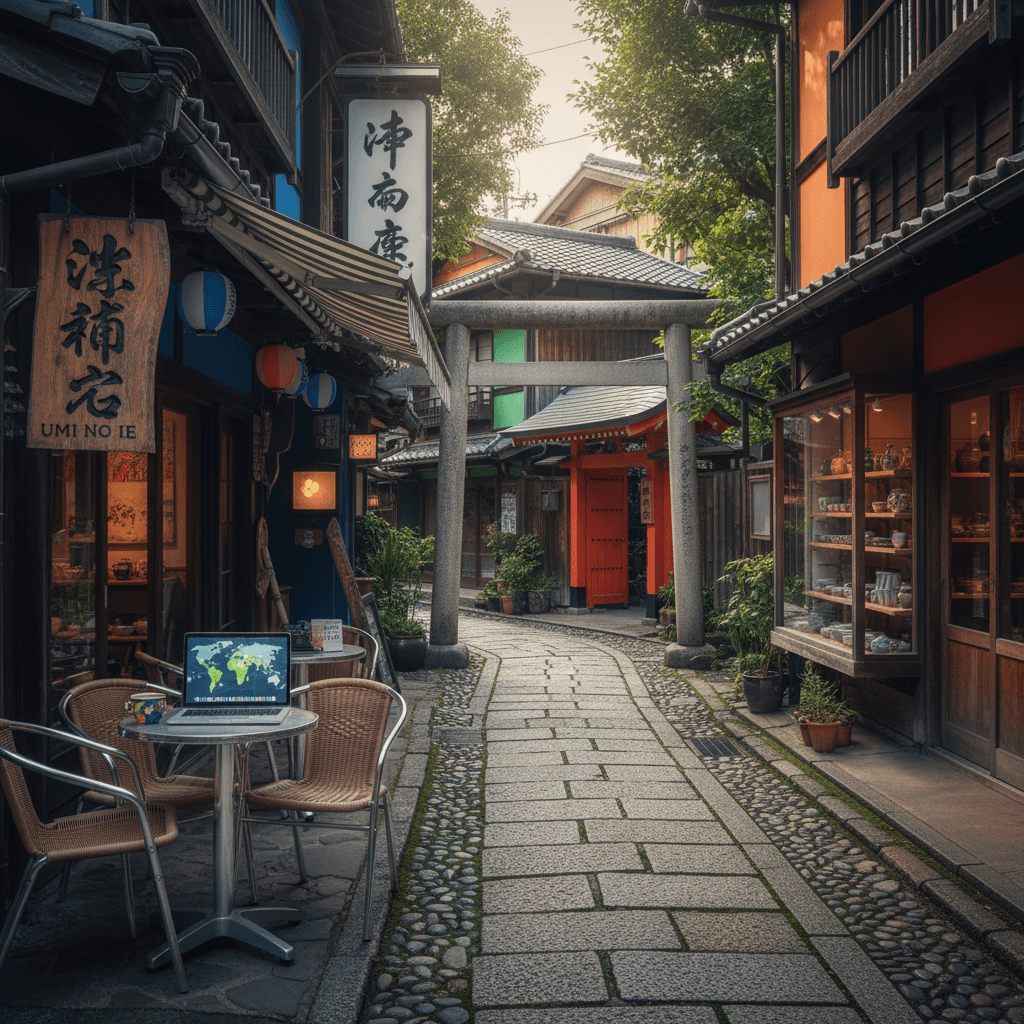
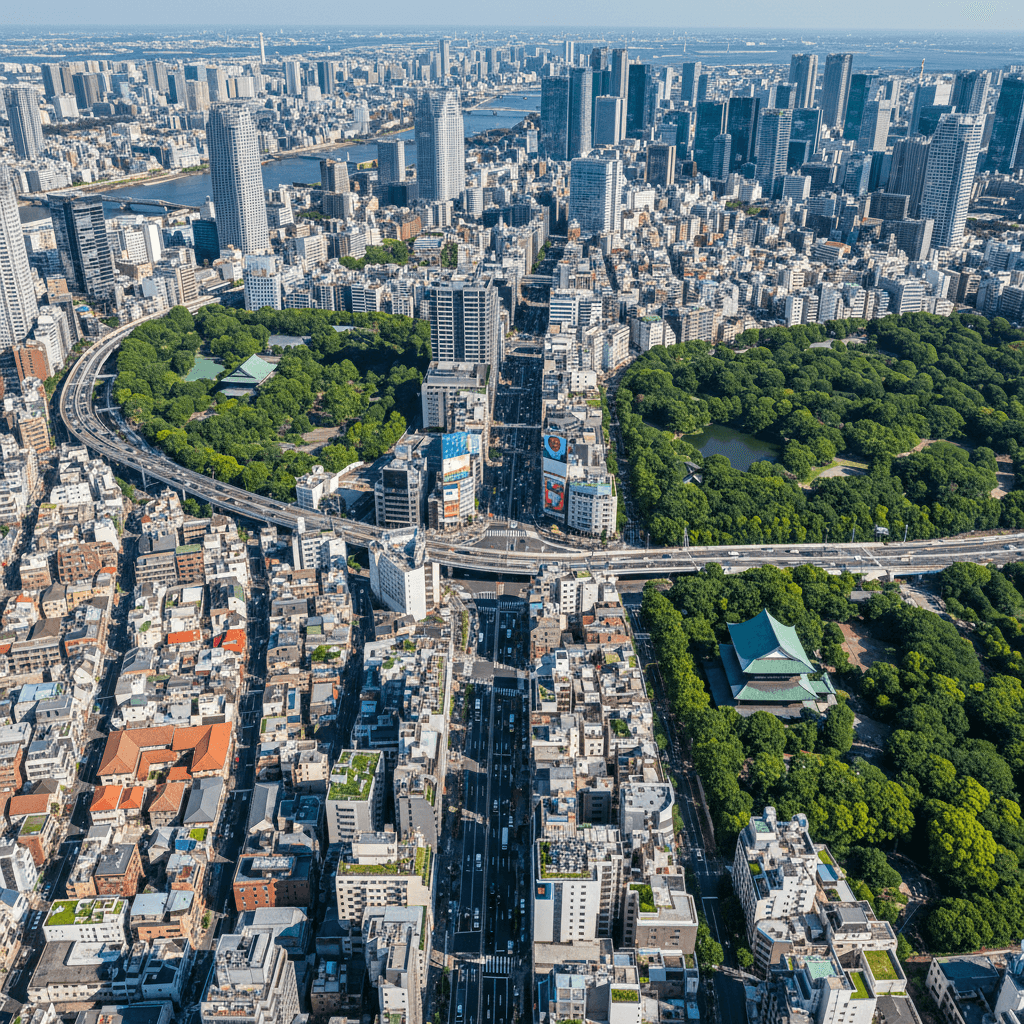
Tokyo is a fever dream of neon and quiet manners. It is the only place on earth where you can walk through a chaotic, multi-level gaming arcade in Shibuya and, three minutes later, find yourself in the pin-drop silence of an ancient shrine. For digital nomads, it is a city of extremes. It is remarkably efficient and safe, yet it can feel isolating if you do not know where to look for your community.
The Daily Flow
The vibe here is governed by wa, or social harmony. You will notice it in the way people queue for the subway and the hushed tones in shared workspaces. Life moves at 100 mph during the morning rush, but the side streets of neighborhoods like Hiroo or Nihonbashi feel like sleepy villages. It is a place that demands you be your most polite self while rewarding you with the best infrastructure in the world.
Most nomads find the city thrilling but expensive. You are looking at a monthly burn rate of around $3,235 for a mid-range lifestyle. If you are on a tighter budget of $2,000 to $2,500, you will likely be looking at shared housing and a lot of ¥500 convenience store meals. For those with $4,500 or more to spend, the city opens up into a world of high-end sushi and luxury apartments in Minato.
Where to Plant Your Laptop
Choosing a base in Tokyo is less about the room and more about the neighborhood personality. Each district functions like its own mini-city.
- Shibuya: This is the heart of the action. It is loud, crowded, and expensive, with studio rents often crossing ¥200,000. It is the best spot for networking at spots like andwork or BLINK Smart Workspace.
- Hiroo: Expats and families gravitate here for the international schools and quiet streets. It is home to Blue Bottle Coffee and has a polished, upscale feel, though rent reflects that at ¥150,000 to ¥250,000.
- Nihonbashi: A business-heavy district that is surprisingly good for work-focused nomads. It is slightly more affordable, with studios around ¥120,000, and home to the popular S-Tokyo coworking space.
Connectivity and Caffeine
While Japan is the land of high-tech, public WiFi can be hit or miss. Travelers often say that an eSIM is the first thing you should buy to avoid ¥2,000 daily roaming fees. Once you are set up, the coworking scene is world-class. WeWork has a massive presence here, typically costing around ¥25,000 to ¥30,000 per month. If you prefer a cafe vibe, Cafe Lapin and the various Blue Bottle locations are laptop-friendly, though you should always check for "no computer" signs during lunch hours.
The Reality Check
The language barrier is real. Outside of tourist hubs like Senso-ji or the main Shibuya crossing, English is rarely spoken fluently. You will rely heavily on Google Translate and the GO app for taxis. There is also the "nomad saturation" factor; unlike Bali or Lisbon, Tokyo does not feel overrun by remote workers. You have to be proactive to find your tribe. Expats recommend joining the Tokyo Expat Network on Facebook or hitting up Kizunaya coliving events to break the ice.
The best time to arrive is March to May for the cherry blossoms or September to November for the autumn colors. Avoid July and August if you can; the humidity is punishing and the rainy season can put a dampener on exploring the city's endless food stalls and temples.
The Monthly Reality
Tokyo has a reputation for being eye-wateringly expensive, but the reality for most nomads in 2025 is more nuanced. While it isn't a budget destination like Chiang Mai, it's often more affordable than New York or London if you know where to shop and sleep. You should plan for an average monthly spend of around $3,235 to live comfortably. If you're willing to stick to shared housing and convenience store meals, you can squeeze by on $2,000 to $2,500, while those wanting a high-end 1BR and frequent sushi dinners should budget $4,500 or more.
Breaking Down Rent
Your biggest hurdle is the "foreigner tax" of short-term rentals. Traditional leases often require massive deposits and "key money," so most nomads stick to serviced apartments or share houses. Prices fluctuate wildly based on your proximity to the Yamanote train line.
- Shibuya: Expect to pay ¥200,000 ($1,350+) for a tiny studio. You're paying for the neon lights and the ability to walk home from the bars.
- Hiroo: This is expat central. It's quiet and polished, but a decent 1BR will run you between ¥150,000 and ¥250,000.
- Nihonbashi: A smart alternative for those who want a business-hub feel without the Shibuya price tag. You can find spots for around ¥120,000.
Eating and Drinking
Food is where Tokyo actually surprises people. You can find a high-quality bowl of ramen or a beef bowl at Yoshinoya for ¥500 to ¥1,000. It's often cheaper to eat out at these "fast-food" spots than to buy individual ingredients at a high-end supermarket. For a mid-range sit-down dinner with a drink, budget between ¥2,000 and ¥4,000. If you're heading out for an upscale Omakase experience, expect to drop at least ¥10,000 per person.
Transportation and Tech
The public transit system is legendary for a reason. A monthly pass usually costs around ¥10,000, though many nomads just load up a digital Suica or Pasmo card on their phone and pay as they go. Each ride is typically around ¥200. Taxis are the budget killer here. Even a short hop via the GO app will cost you ¥1,000 to ¥3,000; avoid them after midnight when the trains stop and prices surge.
For your workspace, a hot desk at WeWork or BLINK Smart Workspace typically costs between ¥20,000 and ¥30,000 per month. If you prefer the cafe route, Blue Bottle Coffee in Hiroo is a favorite for the laptop crowd, though you'll be paying ¥600 to ¥800 per latte for the privilege of the WiFi.
Practical Savings
Expats recommend skipping the international roaming and grabbing a local eSIM immediately to avoid daily fees that can hit ¥2,000. For groceries, look for "Life" or "OK Store" supermarkets rather than the basement food halls of department stores. Travelers often note that hitting the grocery store after 8:00 PM is a pro move, as that's when they slash prices on fresh bento boxes and sushi by 30% to 50%.
For the Networking Nomad: Shibuya
If you want to be in the middle of the storm, Shibuya is your base. It is the pulse of the city, famous for the iconic scramble crossing and a density of neon that makes it feel like 2050. Most nomads gravitate here because the networking scene is unrivaled. You can spend your mornings at andwork, a popular coworking space integrated into a hotel, or grab a seat at one of the many laptop friendly cafes that actually understand English.
- The Vibe: High energy, loud, and incredibly central. You are never more than five minutes from a train, a bar, or a 24/7 convenience store.
- Work Centers: andwork Shibuya and BLINK Smart Workspace are the go to spots for meeting other founders and creatives.
- The Trade off: Rent is steep, often exceeding ¥200,000 for a small studio. It is also perpetually crowded, which can be draining if you need quiet to focus.
For the Career Expat: Nihonbashi
Nihonbashi offers a more grounded, professional atmosphere that appeals to those staying in Tokyo long term. It is a historic business district that has seen a massive influx of modern coworking spaces and sleek apartments. It feels less like a tourist playground and more like a functional city. Expats recommend this area because it is slightly more affordable than the western hubs while remaining perfectly connected to Tokyo Station.
- The Setup: S-Tokyo is a standout coworking hub here that fosters a genuine community feel rather than just providing a desk.
- Cost of Living: You can find decent apartments for around ¥120,000 a month, which is a steal compared to the prices in Shibuya or Minato.
- The Lifestyle: It is quieter at night, which might feel a bit corporate for some, but the proximity to high end department stores and traditional eateries makes for a sophisticated daily routine.
For Families and Upscale Living: Hiroo
Hiroo is the neighborhood where you will see the most strollers and international grocery stores. It has a distinct "global village" feel that makes it an easy transition for families moving from overseas. The streets are wider, the parks are cleaner, and the atmosphere is noticeably more relaxed than the rest of the city. It is the kind of place where the baristas at Blue Bottle Coffee likely speak fluent English.
- Daily Life: You will find specialized shops selling imported goods that you won't see elsewhere in Tokyo. It is home to many embassies, which keeps the area very safe and quiet.
- Housing: Expect to pay a premium. Rent typically ranges from ¥150,000 to ¥250,000 or more for family sized units.
- The Cons: It can feel a bit like a bubble. If you moved to Japan to "get lost" in the local culture, Hiroo might feel a little too much like home.
For the Solo Cultural Explorer: East Tokyo (Asakusa)
If your goal is to balance work with sightseeing, the area around Senso-ji Temple in East Tokyo is a great choice. It retains a "Low City" charm that feels older and more traditional. Solo travelers often choose this area because it is easier on the wallet and provides a beautiful backdrop for morning walks before the tourists arrive. You get a real sense of the juxtaposition between ancient shrines and modern life.
- Budgeting: This is one of the better areas for mid range travelers. You can find solid meals for ¥1,000 and guesthouses that won't break your monthly budget.
- Connectivity: While it is culturally rich, you are further away from the main tech hubs. You will spend more time on the subway if you have meetings in Shibuya or Shinjuku.
- Work Life: While there are fewer dedicated coworking spaces than in the west, the area is packed with charming, quiet cafes where you can get a few hours of deep work done.
Staying Connected in the Neon Jungle
Tokyo is a city where you can find a vending machine on every corner but might struggle to find a public trash can. Fortunately, finding a solid internet connection is much easier. While average broadband speeds clock in around 80-90 Mbps, the reliability is rock solid. You won't deal with the frequent dropouts common in other nomad hubs, making it a safe bet for those with back to back video calls.
Public WiFi exists in major stations and convenience stores, but it's often clunky to log into. Most nomads skip the hassle and grab a local eSIM immediately. It's the smartest move to avoid those ¥2,000 per day roaming fees. Having unlimited data on your phone is a lifesaver for using the GO app to hail taxis or translating menus in real time. If you're planning to tether your laptop for heavy work, check your data caps, as some "unlimited" plans throttle your speed after a few gigabytes.
Top Coworking Spaces
The coworking scene in Tokyo is sophisticated and growing fast. Expect to pay between ¥20,000 and ¥30,000 per month for a hot desk. The vibe is generally professional and quiet; even in communal areas, people tend to keep their voices down to maintain the local sense of harmony.
- andwork (Shibuya): Located inside a stylish hotel, this is the place to be if you want to network. It's popular with international travelers and has a fantastic social atmosphere.
- BLINK Smart Workspace (Roppongi): A favorite for the expat community. It feels very international and costs around $200 USD per month for a hot desk. It's great if you aren't fluent in Japanese yet.
- S-Tokyo (Nihonbashi): If you want a more local, business focused environment that's slightly more affordable than the Shibuya hubs, this is a top pick.
- WeWork: They have dozens of locations across the city. A monthly pass usually runs around ¥25,000 and gives you the flexibility to work from different neighborhoods like Ginza or Shinjuku depending on your afternoon plans.
- Impact Hub: Known for its community of social entrepreneurs, a desk here goes for roughly $260 USD per month.
Work Friendly Cafes and Alternatives
If you prefer a change of scenery, Tokyo has plenty of laptop friendly cafes, though you should always look for the "no computers" signs that some smaller boutiques post during lunch hours. Chain cafes like Starbucks and Tully's are reliable fallbacks, but for a better experience, head to Blue Bottle Coffee. They have over 10 spots, including a great one in Hiroo, where the WiFi is fast and the aesthetic is perfect for focusing.
For a uniquely Japanese experience, look into 24/7 internet cafes. These aren't just for gaming; they offer private booths, showers, and unlimited soft drinks. You can usually snag a spot for around ¥1,000 per day. They're a budget friendly lifesaver if you need to grind through a project in the middle of the night and don't want to wake up your roommates.
Practical Connectivity Tips
Before you settle in at a cafe, check for power outlets. While many modern spots like Cafe Lapin are accommodating, older "Kissaten" coffee shops rarely have plugs and might expect you to move along after an hour. If you're staying long term, many expats recommend getting a "Pocket WiFi" device. These small routers provide a dedicated encrypted connection for all your devices and are much more reliable than relying on hotel or Airbnb routers, which can be hit or miss in older buildings.
The city's infrastructure is built for efficiency. Once you have your eSIM and a few favorite coworking spots bookmarked, you'll find that working in Tokyo is incredibly seamless. Just remember to carry a portable power bank; between Google Maps and translation apps, your phone battery will drain faster than you expect while exploring the city.
Peace of Mind in the Metropolis
Tokyo is famously one of the safest cities on the planet. You can walk through most neighborhoods at 3:00 AM without a second thought, and it's common to see locals leaving their laptops unattended in cafes while they use the restroom. While the city feels like a sanctuary of order, don't let your guard down entirely. Petty theft like pickpocketing occasionally happens in high traffic tourist hubs like Shibuya or Shinjuku.
Expats and nomads generally report a seamless experience regarding personal safety. The culture of wa (harmony) means people are helpful and respectful. If you lose your wallet, there's a surprisingly high chance it will turn up at the local Koban (police box) with every yen still inside. These small police stations are scattered throughout every neighborhood and serve as the first point of contact for anything from directions to lost property.
Healthcare Standards and Access
The healthcare system here is world class, efficient, and surprisingly high tech. You'll find a mix of massive general hospitals and smaller specialized clinics. Most nomads find the quality of care exceptional, though the paperwork can be a bit daunting if you aren't prepared. Many facilities now accept the My Number Card for residents, which streamlines the process significantly.
- Pharmacies: You'll find drugstores like Matsumoto Kiyoshi or Welcia on almost every corner. They carry basic over the counter meds, but for anything stronger, you'll need a local prescription.
- English Support: While many doctors speak English, the administrative staff often don't. Expats recommend looking for clinics in international hubs like Hiroo or Roppongi if you aren't confident in your Japanese.
- Payment: While Japan is becoming more card friendly, some smaller clinics still prefer cash. Always keep a bit of yen on hand just in case.
Emergency Essentials
In a crisis, the numbers you need to know are straightforward. For an ambulance or fire, dial 119. For the police, it's 110. Most dispatchers in Tokyo have access to English translators, so don't panic if your Japanese is limited to a few basic phrases.
Medical costs can add up quickly without coverage. If you're on a digital nomad visa or a tourist stay, high quality travel insurance is a must. A standard consultation might run you ¥5,000 to ¥10,000 out of pocket, but specialized tests or emergency room visits will climb much higher. Travelers often say that having a digital copy of your insurance policy and a translation app like Google Translate ready on your phone makes hospital visits far less stressful.
Natural Disaster Readiness
Since Tokyo sits in a seismically active zone, earthquake preparedness is part of daily life. Most modern buildings are engineered to sway rather than break. You'll notice early warning alerts occasionally pop up on your phone; these are standard and usually nothing to worry about. Familiarize yourself with the evacuation maps posted in your apartment building or local train station. Most nomads keep a small "go bag" with water and batteries, just to be safe and follow the local lead.
The Pulse of the City: Trains and Subways
Tokyo's rail network is legendary for a reason. It is the most efficient way to cross the city, and honestly, it's the only way to stay on schedule. Most nomads find that the combination of the JR lines (like the circular Yamanote Line) and the intricate subway system covers every inch of the city you'll actually want to visit.
A single ride usually starts around ¥200. If you are staying for a month or more, expats recommend getting a monthly commuter pass for about ¥10,000. This can save you a fortune if you are commuting daily between a quiet neighborhood like Hiroo and a coworking hub in Shibuya. Just be prepared for the rush hour crush between 8:00 AM and 9:00 AM; it is an experience you only need to have once to know you should avoid it.
- Suica or Pasmo: These are the essential IC cards for tap and go travel. You can load them onto your phone's digital wallet for seamless entry at the gates.
- Google Maps: This is your lifeline. It tracks platform numbers, exit letters, and even tells you which train car puts you closest to your transfer.
- Last Train: The trains don't run 24/7. Most lines shut down between midnight and 1:00 AM, so keep an eye on the clock if you are out for drinks in Shinjuku.
Taxis and Ride-Hailing
Taxis in Tokyo are spotless, the doors open automatically, and the drivers often wear white gloves. They are also expensive. While you won't find Uber or Lyft operating in the way they do in the West, the GO app is the local gold standard for hailing cabs. It is the number one choice for travelers who need a reliable ride to the airport or a lift home after the subways close.
Expect a short ride to cost between ¥1,000 and ¥3,000. Most drivers don't speak much English, so having your destination pulled up in Japanese on the GO app or Google Maps is a lifesaver. If you are heading to the airport, the Narita Express is usually a better bet at ¥3,000, as taxis to Narita can easily cost more than your flight.
Walking and Micromobility
Tokyo is surprisingly walkable once you are inside a specific neighborhood. Cores like Shibuya and Nihonbashi are designed for pedestrians. You'll find that walking between meetings is often faster than descending into a deep subway station for just one stop. It is also the best way to stumble upon those tiny, three seat coffee shops that don't show up on maps.
For longer distances within a neighborhood, bike and scooter rentals are gaining traction. They are perfect for getting from a residential pocket of East Tokyo over to the Senso-ji area without breaking a sweat. Just keep in mind that parking rules for bikes are strict; always use designated racks to avoid having your rental impounded.
Navigating the Logistics
Language can be a hurdle at the ticket machines, but most have an English toggle. If you get stuck, look for the station staff near the gates. They are incredibly patient and used to helping foreigners find the right platform. Travelers often say that despite the complexity of the map, the system is so logical that you'll feel like a local within three days.
- Accessibility: Most major stations have elevators, though you might have to walk a bit further to find them.
- Payment: While Japan is still cash heavy in some areas, the transport system is almost entirely digital or card based now.
- Reliability: Punctuality is a matter of pride here. If the sign says the train arrives at 10:04, it will be there at 10:04.
The Reality of the Language Gap
Tokyo is a city where futuristic convenience meets a significant language barrier. While it's the most international city in Japan, English proficiency remains surprisingly low once you step outside the high-end hotels or the corporate hubs of Minato and Shibuya. Most nomads find that while signage in the metro system is excellent and bilingual, daily interactions at the local grocery store or a neighborhood izakaya will require some digital assistance.
Expats recommend viewing the language gap as part of the adventure rather than a hurdle. In business-centric areas like Nihonbashi or the international enclave of Hiroo, you'll find more English-speaking staff at cafes like Blue Bottle Coffee. However, if you're venturing into the smaller alleys of East Tokyo near Senso-ji, expect to rely heavily on non-verbal communication and polite gestures.
Must-Have Digital Tools
You shouldn't try to navigate Tokyo without a solid data plan and a few specific apps. Since many menus don't have English translations, the camera function on Google Translate is a lifesaver. It allows you to scan kanji in real-time to figure out if you're ordering pork or octopus. For getting around, Google Maps is the gold standard, providing precise platform numbers and exit codes for the complex subway stations.
- Google Translate: Use the conversation mode for basic interactions with landlords or technicians.
- DeepL: Often cited by long-term expats for more accurate, natural-sounding Japanese translations for emails or official documents.
- VoiceTra: A speech-to-speech translation app developed in Japan that handles local dialects quite well.
Key Phrases for Daily Life
Locals deeply appreciate even the smallest effort to speak Japanese. It signals respect for the local culture and usually results in much warmer service. You don't need to be fluent, but mastering a handful of "survival" phrases will change your experience entirely.
- Sumimasen: (Excuse me / I'm sorry). This is the most versatile word in your vocabulary. Use it to get a waiter's attention, apologize for bumping into someone on the train, or as a polite "thank you" when someone opens a door.
- Arigatou gozaimasu: (Thank you very much). Use the full version rather than just "Arigatou" to remain polite to strangers.
- Onegaishimasu: (Please). Use this when ordering food or asking for a service.
- Okaikei onegaishimasu: (Check, please). Essential for ending your meal at a restaurant.
- Wakarimasen: (I don't understand). Useful when someone starts a long explanation in Japanese.
Communication Etiquette and Nuance
Communication in Tokyo is as much about what isn't said as what is. The concept of wa (harmony) dictates that interactions should be smooth and non-confrontational. Travelers often notice that Japanese people may be hesitant to speak English not because they don't know the words, but because they're afraid of making a mistake and losing face.
Keep your voice low in public spaces, especially on the subway and in coworking spots like BLINK Smart Workspace or andwork. Loud phone calls are a major faux pas. When you're paying for items, look for the small tray at the register to place your cash or card; handing money directly to a cashier is less common. These small nods to local customs go a long way in making your stay in Tokyo feel seamless and respectful.
Socializing and Networking
If you're feeling isolated by the language barrier, the nomad community is very active. Most English-speaking networking happens through Meetup.com or Facebook groups like Digital Nomad Japan. For a more structured social environment, consider staying at a coliving space like Kizunaya, where communal dinners help bridge the gap between international travelers and local residents.
The Seasonal Sweet Spots
Tokyo experiences four distinct seasons, each bringing a completely different energy to the city streets. If you have the flexibility to choose your arrival date, aim for March to May or September to November. These windows offer the most comfortable temperatures for walking between coworking spaces and exploring neighborhoods like Shibuya or Hiroo without melting into the pavement or shivering on a train platform.
Spring is arguably the most famous time to visit, specifically late March and early April. This is cherry blossom season. While the parks are packed and accommodation prices spike, the atmosphere is unmatched. Expats often organize "hanami" (flower viewing) parties in Yoyogi Park, making it one of the best times for networking and meeting fellow nomads. Just be prepared for the crowds; Tokyo at its peak is a test of patience.
Autumn is the dark horse favorite for many long term residents. From late October through November, the humidity vanishes, replaced by crisp air and clear blue skies. The changing maple leaves provide a stunning backdrop for weekend trips to temples like Senso-ji. It is also significantly less crowded than the spring peak, making it easier to snag a seat at popular laptop friendly spots like Blue Bottle Coffee.
Surviving the Extremes
Summer in Tokyo, specifically July and August, is an endurance sport. Temperatures frequently hover between 25°C and 35°C, but the humidity makes it feel much hotter. This is also the rainy season, where sudden downpours are common. Most nomads find themselves retreating to air conditioned coworking hubs like WeWork or BLINK during the day to escape the "sauna" effect of the city streets.
Winter, from December to February, is cold but manageable. Temperatures stay around 5°C to 10°C. It is a very dry season, so you will see plenty of blue skies even if you need a heavy coat. The city illuminates with massive light displays in areas like Roppongi, and since it is the low season for tourism, you can often find better deals on monthly rentals in neighborhoods like Nihonbashi.
Best Time for Your Budget
If you are watching your wallet, avoid the "Golden Week" holiday in late April and early May. Domestic travel surges, prices for everything from hotels to shinkansen tickets triple, and many local businesses close down. Similarly, the New Year period can be tricky as the city goes quiet for several days.
- Spring (Mar-May): Best for cherry blossoms and social events. High prices and heavy crowds.
- Summer (Jun-Aug): Hot, humid, and rainy. Great for indoor productivity but tough for sightseeing.
- Autumn (Sep-Nov): Best overall weather. Ideal for walking and outdoor exploration.
- Winter (Dec-Feb): Cold and dry. Lowest accommodation prices and fewest tourists.
For those planning a stay of three months or more, starting in September is a smart move. You’ll catch the tail end of summer festivals, enjoy the perfect autumn weather, and settle in before the winter chill hits. By the time the expensive spring season rolls around, you will already have your local routines and "nomad hacks" dialed in.
Connectivity and Tech Setup
While Tokyo is the world's tech capital, public WiFi can be surprisingly spotty and often requires a frustrating login process. Most nomads skip the hassle and grab a local eSIM immediately. It is much cheaper than paying ¥2,000 a day in roaming fees and keeps your Google Maps running smoothly, which you will need for the labyrinthine subway stations.
For a dedicated workspace, BLINK Smart Workspace in Roppongi or andwork in Shibuya are the top recommendations. A hot desk usually runs around $200 to $260 USD per month. If you prefer a business vibe, S-Tokyo in Nihonbashi is a solid, quieter alternative. If you are on a budget, local internet cafes are open 24/7 and offer private booths and showers for about ¥1,000 a day.
Navigating the City
Public transport is the gold standard here. A monthly pass costs roughly ¥10,000, while single rides average ¥200. Download the GO app before you arrive; it is the primary way to hail taxis, which typically cost between ¥1,000 and ¥3,000 for short cross-town trips. The city is incredibly walkable, but the sheer scale of stations like Shinjuku can be overwhelming, so always allow an extra fifteen minutes to find your platform.
Cost of Living Breakdown
Tokyo is not cheap, but it is manageable if you choose your neighborhood wisely. Expect to spend an average of $3,235 per month for a comfortable lifestyle. Here is how the neighborhoods stack up for monthly rentals:
Shibuya
- Best for: Networking and nightlife
- Rent: ¥200,000+ for a studio
- Vibe: High energy, very crowded, and central to everything
Hiroo
- Best for: Families and a quieter expat community
- Rent: ¥150,000 to ¥250,000
- Vibe: International, polished, and home to great coffee like Blue Bottle
Nihonbashi
- Best for: Focused work and value
- Rent: ¥120,000
- Vibe: Corporate and professional, but more affordable than the neon districts
Social Etiquette and Language
English levels are generally low once you step out of the main tourist hubs or international coworking spaces. You will rely heavily on Google Translate for menus and signs. Learning basic phrases like Arigatou (thank you) and Sumimasen (excuse me) goes a long way. The culture values wa (harmony), so keep your voice down on trains and always remove your shoes when entering homes or certain traditional workspaces.
To meet people, skip the apps and head to Meetup.com or join the Tokyo Expat Network on Facebook. Travelers often find that joining a Kizunaya coliving space or attending a cherry blossom festival in March or April are the fastest ways to build a social circle.
Health and Safety
Tokyo is exceptionally safe, even late at night. You should still keep an eye on your belongings in high-traffic areas like Shibuya, but crime is rarely a concern for nomads. If you need medical help, world-class care is available, and many major hospitals now accept the My Number Card for residents. In an emergency, dial 119 for an ambulance or the police.
When to Visit
The best windows are March to May and September to November. You will get mild temperatures and beautiful scenery. Avoid July and August if you can; the humidity is intense, and the rainy season makes trekking between cafes a soggy experience.
Need visa and immigration info for Japan?
🇯🇵 View Japan Country GuideEasy Landing
Settle in, no stress
Monthly Budget Estimates
More cities in Japan
Kumamoto
🇯🇵 Japan
Sendai
🇯🇵 Japan
Takamatsu
🇯🇵 Japan