Tofino
🇨🇦 Canada
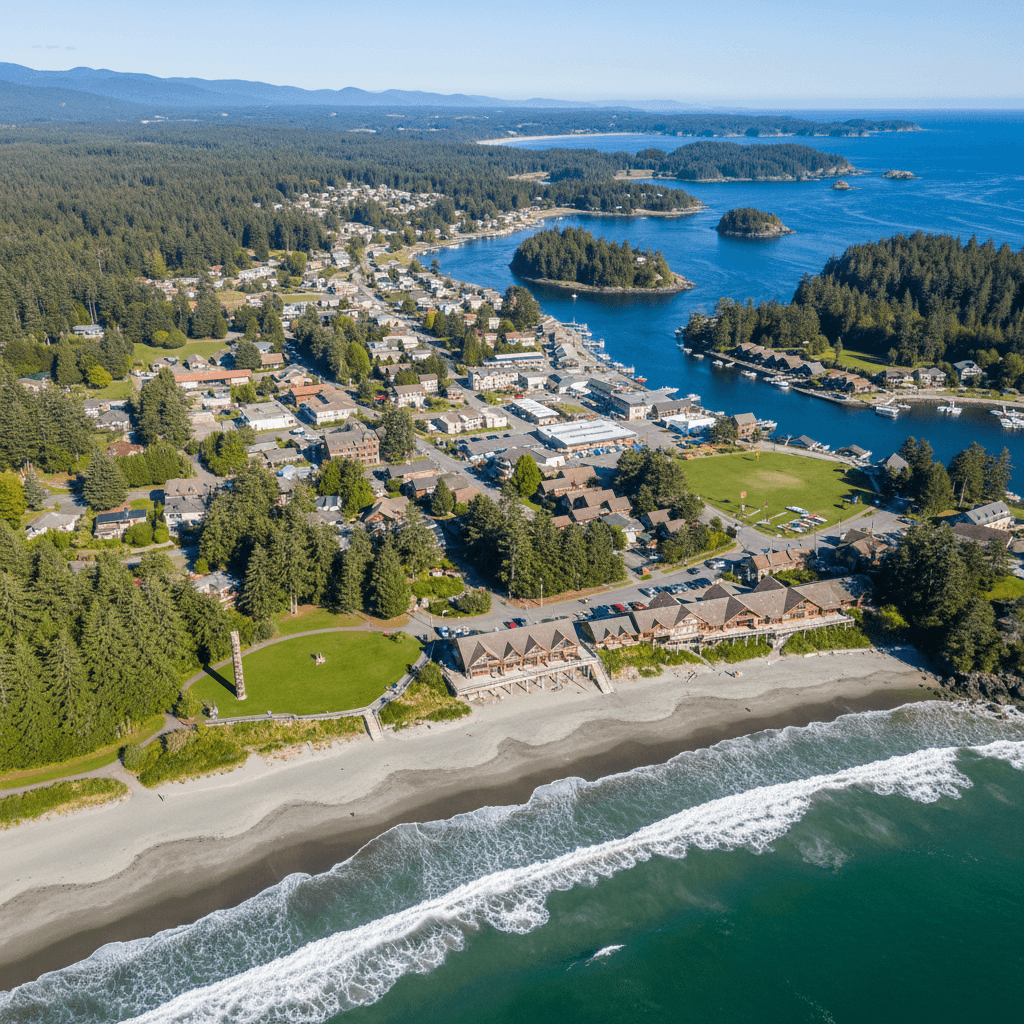
Tofino feels like the edge of things, because it basically is. You get surf shops, rain jackets, cedar-scented air and a town that still moves at beach time, not startup time. It’s lovely, honestly, but it can also feel inconvenient fast if you need nightlife, cheap rent or a proper coworking scene.
The place runs on saltwater, tide charts and weather apps. Most nomads come for the views, the long walks on Long Beach and the weirdly calm focus that hits when you’re working with rain drumming on the roof, sea mist in the air and surfers paddling out before breakfast. Turnout crowds spike in summer, then the town gets quieter and more local-feeling, though winter can be wet enough to wear you down.
What it feels like:
- Surf-first: Cox Bay and Long Beach shape the whole vibe.
- Slow pace: People linger, plans shift and nobody’s rushing you.
- Nature-heavy: Rainforest trails, beach walks and grey sky days are the default.
- Rough edges: High prices, limited workspace and spotty weather can get old.
Budget-wise, Tofino isn’t shy. A solo nomad can scrape by on roughly C$3,000 to C$4,000 a month with shared housing and simple meals, but a one-bedroom in town often lands around C$1,200 to C$1,500 and beachfront places climb much higher, so don’t arrive expecting a bargain. A basic lunch can still run C$25 and dinner for two at a decent place, frankly, can hit C$120 without much effort.
Where people base themselves:
- Tonquin: Best if you want the walkable core, cafes and easy access to shops.
- Cox Bay: Better for surfers and people who want waves outside the door, though it’s farther out.
- tinwis, Mackenzie Beach: Quieter, family-friendly and good if you like calmer water and resort-style stays.
Internet is workable, not glamorous. You’ll find decent home WiFi and cafe connections in the village core, but dedicated coworking is thin on the ground, so most remote workers end up bouncing between coffee shops, cabins and the occasional hotel lobby, which gets old if you need calls all day. Cell service is generally fine in town, then gets patchy once you head deep into the parks.
Tofino suits nomads who want weather, waves and a slower brain. It doesn’t suit people who need convenience, cheap housing or a lively social calendar. That’s the tradeoff and it’s a real one.
Tofino isn’t cheap. A solo nomad can scrape by on about C$3,000 to C$4,000 a month if you share housing and keep meals simple, but once you want your own place and a few dinners out, the number climbs fast and honestly, the weather won’t save you money because rainy days push you indoors and into cafes. The village has surf-town charm, sure, but the rent doesn’t care about your mood.
Housing is the killer. A central 1BR in Tonquin or near Cox Bay usually lands around C$1,767 to C$1,833 and beachfront or view-heavy places can jump well past C$2,500. Shared rooms and seasonal sublets are the only real brake on costs, though they disappear quickly, so you’ll want to book months ahead or watch local Facebook groups like a hawk.
Food hits hard too. A cheap meal runs about C$25, while a mid-range dinner for two can hit C$120 and seafood spots charge a premium because they can, which, surprisingly, people still pay. Coffee, a pastry and a laptop session can turn into a C$10 habit without much effort, especially in Tonquin where the village core gets crowded and the smell of espresso mixes with wet jackets and salty air.
- Budget: C$3,000 to C$4,000, shared housing around C$1,200, cheap eats near C$400 and bikes or local buses.
- Mid-range: C$4,500 to C$6,000, a 1BR around C$1,800, mixed dining around C$600 and the odd taxi when the rain’s sideways.
- Comfortable: C$7,000+, beachfront living, upscale meals and a car rental for beach runs and grocery trips.
Transport isn’t painful, but it’s clunky. Gas sits around C$2.00 to C$2.10 a liter, taxis start at C$3.88 plus C$1.96 per km and there’s no easy Uber fix, so most people bike, walk or take the BC Transit bus to Ucluelet and Long Beach. The village itself is compact, with cold pavement underfoot and rain ticking on roofs, but once you head out to the parks, cell service gets patchy and patience matters.
Coworking is, frankly, thin on the ground. There isn’t a strong dedicated scene, so most nomads end up at cafe tables with free WiFi, a C$5 to C$10 coffee and the low buzz of conversation around them or they pay roughly C$100 a month if they find a local setup that’s actually open. If you need steady internet, plan for about C$96 a month for home WiFi and don’t expect miracles during storms.
Tofino’s best areas are tiny, windswept and pretty split by vibe. You’re usually choosing between surf access, walkability or a quieter home base and honestly, the wrong pick means either hearing tourists clomp past your window at 7 a.m. or biking too far in drizzle that smells like cedar and salt.
Nomads
Tonquin is the easiest landing spot if you want cafes, groceries and a short walk to the village core. It’s the most practical area for remote work, though rents bite hard and summer noise can be annoying when vans idle and seagulls scream over the harbor.
- Rent: About C$1,767 to C$1,833 for a 1BR nearby.
- Best for: Walkable days, quick coffee runs and social nights.
- Downside: Tourist traffic, pricier short stays, less peace.
Cox Bay is for people who want surf first, laptop second. The beach is gorgeous and the air feels raw and cold in the morning, but you’ll need a bike or car and the undertow here isn’t a joke.
- Rent: Similar to central Tofino, sometimes higher for beach access.
- Best for: Surfers, longer stays, resort-style living.
- Downside: Farther from town, less spontaneous social life.
Expats
If you’re settling in for months, Tonquin still makes sense because daily life is simpler there and you’re close to pharmacies, banks and the handful of places with decent WiFi. The coworking scene is thin, weirdly thin, so most expats end up splitting time between home, cafes and a lot of rainy walks.
Mackenzie Beach or tinwis, suits expats who want a calmer stretch with family-friendly water and a less frantic feel. You’ll hear more wind in the trees than nightlife noise, which, surprisingly, is a relief after a few weeks.
- Rent: Often around C$1,800 to C$2,000 for a practical setup.
- Best for: Long stays, quieter routines, easy beach access.
- Downside: Parking headaches in peak season, fewer evening options.
Families
Mackenzie Beach is the safest bet for families because the water is calmer, the shoreline feels less exposed and Ocean Village Resort-style stays make life easier when you’ve got gear, kids and wet towels everywhere. It’s still Tofino, so expect rain on the windows and muddy boots by the door.
Tonquin works too if you want shorter walks to shops and food. Skip Cox Bay if your kids are small or you want a beach that doesn’t demand constant supervision.
Solo Travelers
Tonquin is the easiest choice if you’re alone and want people around without feeling stranded. You can grab a coffee, swap surf tips or meet other nomads at a cafe, then retreat before the evening fog rolls in and the village goes quiet.
Mackenzie Beach is better if you want solitude without feeling remote. It’s calm, safe and good for long walks, though it can feel sleepy fast, so don’t expect much nightlife or spontaneous action.
- Best all-around pick: Tonquin.
- Best for surf-first solo stays: Cox Bay.
- Best for quiet recovery time: Mackenzie Beach.
Tofino’s internet is decent for a place this remote, but don’t expect Vancouver-level convenience. The usual setup offers 50-300 Mbps or higher on cable/fiber and a lot of rentals include unlimited service for about C$96 a month, which is fine for Zoom calls, uploads and email, though a grey morning with heavy rain can make the whole place feel oddly cut off.
There isn’t a proper coworking scene here, honestly. A few ideas have come and gone and most nomads end up doing laptop time in cafes around the village core, where the WiFi is free, the coffee’s decent and the tables fill up fast once the surf crowd rolls in with wet hair and sandy hoodies.
Best setups for working:
- Cafe work: Good for short sessions, noisy by midday and you’ll want to buy coffee or lunch if you plan to stay.
- Rental WiFi: Best bet for long calls and steady work blocks, especially if you’re staying outside the village core.
- Mobile data: 10GB-plus plans run about C$63 a month, useful backup when the home connection acts up.
Cell service is usually reliable in town, which, surprisingly, helps a lot in a place this wild. Rogers, Telus and Bell are easy to pick up through local pharmacies or shops and eSIMs like Airalo work well for short stays, but once you head into remote beaches or forest roads, your bars can drop fast and your map turns into a blank screen.
Good neighborhoods for nomads:
- Tonquin: Best if you want to walk to cafes and shops, though it gets touristy and rentals cost more.
- Cox Bay: Better for surfers, with great views and beach access, but you’ll likely need a bike or car.
- tinwis, Mackenzie Beach: Quieter and calmer, with easy beach time, though it’s less handy for late-night work or socializing.
If you’re planning to work from Tofino for more than a week, book somewhere with confirmed WiFi and a real desk, not just a “laptop-friendly” kitchen table. The village is beautiful, weirdly serene and a little inconvenient, so the people who do best here are the ones who keep their expectations low and their hotspot charged.
Tofino feels safe, honestly, in the way a tiny coastal place should. You can walk the village core at night without much drama, but the ocean doesn’t care how calm the town feels and the real hazards are rip currents, cold water, wet rocks and weather that turns mean fast.
Beaches can look postcard-perfect and still bite. Long Beach, Cox Bay and parts of Mackenzie Beach get strong surf and sudden drop-offs, so check the signs, stay out of closed areas and don’t assume the water is friendly just because the sun’s out, which, surprisingly, fools plenty of people here.
Main risks: rough surf, hypothermia, slippery boardwalks, stormy roads and the occasional bear or cougar near trailheads. That sounds dramatic, but it’s mostly common sense, keep food sealed, stick to marked trails and don’t wander into dark forest shortcuts when the rain’s coming down hard.
Healthcare
Tofino General Hospital on Neill Street handles the basics well and for a place this remote, that matters more than fancy branding. It has a 24/7 ER, outpatient rehab and pharmacy access on site, so you can usually get stitched up, treated for an infection or sorted out for a minor injury without driving for hours.
The downside is obvious, serious problems get sent farther afield. If you need specialist care, expect referral delays and a trip off the peninsula, so travelers with prescription meds, asthma, allergies or anything chronic should bring backups and keep digital copies of prescriptions.
- Emergency: Dial 911 for immediate help.
- Hospital: Tofino General Hospital, 261 Neill St.
- Pharmacy access: On site for common prescriptions and basics.
- Best move: Carry travel insurance with evacuation coverage.
For day-to-day health stuff, pharmacies in town handle sunscreen, pain relief, first-aid kits and the usual cold-weather annoyances, plus the damp. Your shoes will stay wet, your jacket will smell like sea salt and rain and if you’re surfing, you’ll probably want earplugs and a decent rash guard because the water’s cold enough to sting.
Practical safety habits
- Check surf reports: don’t trust the shoreline alone.
- Watch the weather: storms roll in fast.
- Drive carefully: dark roads, rain and wildlife are a lousy mix.
- Save offline maps: cell service gets spotty in remote park areas.
Most nomads find Tofino calm and low-stress, but that calm can make people careless. Stay alert around the ocean, keep a small medical kit and don’t assume help is around the corner, because out here, it sometimes isn’t.
Getting around Tofino is simple once you accept the basics, which means walking a lot, planning around the bus and giving yourself extra time when the rain starts hammering the road. The village core is compact and flat, so most nomads can get to cafes, groceries and the waterfront on foot, honestly without much fuss.
Walkability: Excellent in Tonquin and the main village area, decent near Mackenzie Beach, weaker once you head toward Cox Bay. Vibe: Quiet, salty and slow, with gulls overhead, wet cedar in the air and puddles that seem to appear out of nowhere.
Best ways to move around
- Walk: Best for the village core and Tonquin, where you can skip parking headaches and just stroll between cafes, grocery stops and the waterfront.
- Bike or e-bike: Handy for short hops to Mackenzie Beach or toward Cox Bay, though the shoulder can feel narrow and the rain makes everything slick, so bring proper lights and a decent jacket.
- BC Transit: The local bus links Tofino, Ucluelet and Long Beach and it’s the cheapest way to cover longer stretches if you’re not renting a car.
- Shuttle: In summer, the free Tofino Shuttle helps with Pacific Rim access, which is great when parking fills fast and you’d rather not circle forever.
- Taxi: Available, but pricey, with airport runs often landing in the C$50 to C$100 range, so don’t count on them for daily use.
No Uber. No Lyft. That’s the reality, so if you want flexibility for surf checks, grocery runs or a wet late-night ride back from the pub, a car rental can make sense, though it’s an expensive habit here.
Neighborhood movement
- Tonquin: Easiest base for nomads, you can usually walk to most things and avoid spending much on transport.
- Cox Bay: Best if surf matters most, but you’ll likely need a bike, shuttle or car because it’s farther out.
- Mackenzie Beach, tinwis: Calm and family-friendly, with good access to the shoreline, though late-night options are thin and parking gets annoying in peak season.
Airport transfers from Tofino, Long Beach Airport are straightforward, but book ahead if you’re landing on a rainy afternoon when everyone’s bags are damp and the road feels slick. Weirdly, that’s when the village feels most remote, because the sound of tires on wet pavement and the hiss of rain can make even a short ride feel longer.
English carries you everywhere in Tofino, so you won’t need to wrestle with translations for basic errands, rentals or restaurant orders. The town feels easy in that way, honestly, though the pace is slower and people talk like they’ve got nowhere urgent to be, which is half the charm and half the delay.
What you’ll hear most is a mix of tourist chatter, surf talk and First Nations language references woven into signs, place names and local events. Nuu-chah-nulth is part of the area’s identity and learning even one word, like ʔiisaak for thank you, goes a long way with locals who care about respect, not performative enthusiasm.
Basic communication tips:
- English: Universal in shops, cafes and clinics.
- Nuu-chah-nulth: Present locally, especially in cultural and place-name references.
- Useful phrase: ʔiisaak means thank you.
- Greeting: ʔuʔačin is a local hello, though most people just say hi.
For digital nomads, the bigger issue isn’t language, it’s communication quality. Cell service is generally fine in town, then gets patchy fast once you head into remote beaches or park corridors, so download maps before you leave and don’t assume a text will send from a windy trailhead parking lot.
WiFi is workable in cafes and some lodges, but it’s often crowded, slow at peak hours and weirdly fragile when the lunch rush hits, so plan your heavier uploads early. A decent strategy is to keep a local SIM from Rogers, Telus or Bell, because backup data saves you when the cafe router starts coughing under a dozen laptops and steaming mugs.
What nomads usually do:
- Cafes: Use them for light work, not video calls.
- SIM cards: Buy one in town for backup data.
- Apps: Google Translate helps with pronunciation and signs.
- Planning: Download offline maps before beach or forest trips.
People here are friendly, but they’re also used to visitors arriving in rain jackets asking the same ten questions, so keep it short and polite. Say hello, ask before photographing someone’s board, truck or storefront and don’t talk over locals who know the tides, the weather and the roads better than any app does.
The language vibe is calm, practical and a little salty, like rain on a cedar deck and espresso grinding in the morning. If you’re respectful and patient, communication in Tofino stays easy and honestly, that’s usually enough.
Tofino runs on weather and the weather runs the mood. Winter brings long stretches of rain, gray skies and that damp cedar smell that seems to seep into everything, while summer feels mild, breezy and bright enough to make the beaches look unreal. If you hate wet socks and low ceilings of cloud, skip the colder months. Not subtle.
The sweet spot is July and August, when daytime highs usually sit around 15 to 20 C and the rain backs off enough that you can actually plan a surf lesson, a bike ride or a long walk on Long Beach without gambling on a downpour. That said, even summer mornings can feel chilly near the water, so bring a fleece, because the Pacific wind can bite harder than the thermometer suggests.
Shoulder seasons are a mixed bag, honestly. May, June, September and even early October can be lovely, with fewer crowds and lower rates, but you’ll still want rain gear close by and you should expect some days when the mist hangs so low over Cox Bay that the whole shoreline looks half erased.
Best times to visit
- July to August: Best overall weather, warmest, driest, busiest and most expensive.
- May to June: Good value, lighter crowds, cooler water and more rain than summer.
- September: Often a smart pick, still mild, a bit quieter and easier on your budget.
- October to March: Storm season, heavy rain, moody surf and the least forgiving time for outdoor plans.
Winter is for people who actually like rain or at least don’t mind hearing it hammer tin roofs all night. Temperatures stay relatively mild, around 7 C for January highs and 2 C at night, but the rainfall is the real story, with some months pushing past 300 mm and trails turning slick, muddy and honestly a little miserable.
If you’re working remotely, plan around the weather instead of fighting it. Use dry mornings for hikes, keep backup work blocks for stormy afternoons and don’t count on spotty service in remote park areas when the skies get ugly, because Tofino’s beauty comes with a price and weather is part of the bill.
My take? Aim for late summer or early fall, book early and pack like you’re moving into a rain forest. You’ll still get fog, driftwood beaches, salt spray and the sound of waves crashing through the night, but you’ll have a much better shot at seeing Tofino at its best. Cold water. Big skies. Worth it.
Tofino feels remote because it's and that changes how you plan your stay. Groceries cost more, rentals disappear fast and a rainy week can trap you indoors with the sound of water hammering the roof and wind rattling the windows. Not cheap. Still, if you want surf breaks, long beach walks and a slower rhythm, it delivers.
Book housing early, ideally 3 to 6 months out, because the best monthly places get snapped up on Facebook Marketplace, Craigslist Vancouver Island and the listings on Tourism Tofino. Most nomads stay near Tonquin if they want to walk to cafes and shops, though Cox Bay works if you’re there for surf and don’t mind biking or driving back into town, frankly the commute gets old in wet weather.
Money and basics
- Rent: A central 1 bedroom often runs around C$1,767 to C$1,833 and beachfront places climb fast.
- Food: Expect about C$25 for a cheap meal, while a nicer dinner for two can land near C$120.
- Transport: Gas is expensive, taxis start at C$3.88 plus C$1.96 per km, so renting a car only makes sense if you’ll actually use it.
- SIMs: Rogers and Telus starter packs usually sit around C$40 to C$60 and local stores sell them without drama.
Internet is fine for remote work, just don’t expect a polished coworking scene, because there really isn’t one to speak of. Cafes in the village core are the default office, the WiFi’s decent, but you’ll be sharing tables with sandy shoes, dripping jackets and people nursing one coffee for three hours, which, surprisingly, still works.
Getting money and staying connected
- Banking: Use RBC or TD ATMs in town and keep Wise handy for transfers.
- Data: Mobile plans with 10GB or more usually start around C$63 a month.
- Backup: Download offline maps before heading into parks, cell service gets patchy fast outside town.
For day trips, BC Transit gets you to Ucluelet and Long Beach and the summer shuttle helps if you’re heading into Pacific Rim parks. Skip the tourist shuffle when you can, then go early to Cathedral Grove or the beaches, because parking fills, the roads get noisy with RVs and the whole west coast can feel cramped by noon.
Respect the place. Leave no trace, stay off sensitive sites and learn the basics of local First Nations names and etiquette, because this town isn’t just a surf stop, it’s home to people who’ve been here a lot longer than you have.
Need visa and immigration info for Canada?
🇨🇦 View Canada Country GuideHidden Gem
Worth the effort