Todos Santos
🇲🇽 Mexico
The Pueblo Mágico Vibe
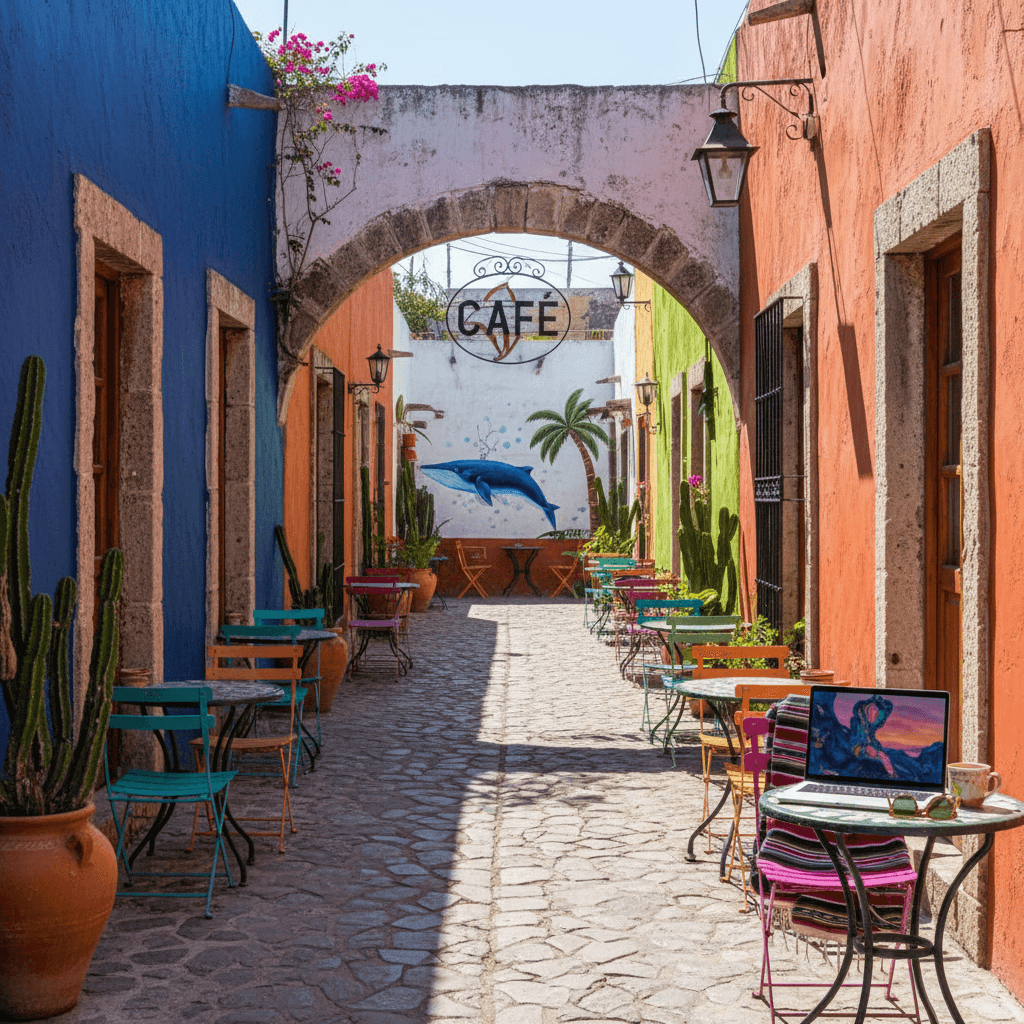
Todos Santos isn't your typical Mexican beach town. While nearby Cabo San Lucas leans into loud resorts and late nights, this Pueblo Mágico feels like a deliberate exhale. It’s a place where the desert meets the Pacific, defined by a slow, dusty elegance that attracts a specific crowd of artists, surfers, and remote workers who prioritize peace over parties.
The town’s personality is split between its historic Centro and the wilder coastal stretches. In the center, you’ll find cobblestone streets, brick buildings from the 19th-century sugar boom, and a high concentration of world-class art galleries like Galeria Todos Santos. The atmosphere is creative and quiet; you’re more likely to spend your afternoon browsing hand-woven textiles at Nomad Chic than looking for a happy hour deal.
Most nomads find the emotional experience of living here to be one of deep focus and reconnection. There’s a distinct "low-fi" feeling to the days, even as the infrastructure catches up. You’ll wake up to the sound of crashing waves or morning birds, spend a few hours on a laptop at a café, and end the day watching the sunset at Punta Lobos. It’s a lifestyle that rewards those who don't mind a little sand in their shoes and a slower pace of service.
What to Expect in 2025-2026
The secret is out, but the town hasn't lost its soul yet. While prices are rising, it remains significantly more affordable than the southern tip of the peninsula. Connectivity has seen a massive upgrade recently. The arrival of Starlink and expanded fiber-optic networks means you can now take Zoom calls from a boutique patio without the constant fear of a dropout.
- The Nomad Community: It’s a tight-knit, mature scene. You won't find many 21-year-old backpackers here. Instead, you'll meet seasoned travelers and expats who value the "outsite" lifestyle.
- Connectivity: Many rentals now offer speeds up to 100 Mbps. If your home setup fails, Perro Surfero and Outsite are the go-to hubs for reliable desks and networking.
- The Social Scene: It can be a bit insular if you’re staying solo in a private Airbnb. Most travelers recommend joining the Outsite WhatsApp group or hanging out at Cielito Lindo to break the ice with locals and other nomads.
Cost of Living Breakdown
Living here comfortably requires a mid-range budget. While you can find street tacos for $3 to $5, the "nomad staples" like specialty coffee and boutique gym sessions are closer to US prices. You should plan for a monthly spend between $2,000 and $3,500 depending on how close to the water you want to be.
- Housing: A studio in the walkable Centro area usually runs between $800 and $1,500 per month. If you want a view in Las Flores or San Ignacio, expect to pay $1,200 to $2,500.
- Transportation: This is the hidden cost. Public transit is nearly non-existent. A car rental is almost a requirement for exploring the surf breaks and will cost you $300 to $500 a month.
- Dining: A meal at a mid-range café like ULULA usually lands around $15, while a high-end dinner at Hotel California can easily top $40.
The Geography of Your Stay
Choosing where to plant your flag matters. Centro is the heart of the action; it’s where the best WiFi and the most "walkable" life exists. You’re steps away from C. Benito Juarez and the best coffee shops, but it can get noisy when the weekend tourists arrive.
The Beach Neighborhoods (Las Flores, San Ignacio, and Punta Lobos) offer the quintessential Baja dream. It’s quiet, the stars are incredible at night, and you're near the best hiking trails. However, the trade-off is isolation. The roads are unpaved and turn to mud after a rare rainstorm, so don't even think about staying out here without a vehicle or a sturdy mountain bike.
Ultimately, Todos Santos is for the nomad who wants to trade the "hustle" for a "hum." It’s a place for deep work, long walks on Playa Las Palmas, and a community that values privacy as much as a good conversation over a mezcal.
The Price of the Pueblo Mágico
Todos Santos isn't the bargain-basement Mexico of a decade ago, but it still offers a significant discount compared to the flashy resorts of Cabo San Lucas. As its reputation grows among remote workers, prices are creeping up, particularly for short-term rentals. Most nomads find they can live comfortably here on a budget of $2,500 to $3,500 USD per month, though you can certainly squeeze by on less if you stick to taco stands and shared housing.
The local economy runs on a mix of cash and card. While you'll use plastic at upscale spots like Hotel California or boutique shops like Nomad Chic, you'll want plenty of pesos for the farmers markets and local loncherías. Travelers recommend using Wise or Revolut to avoid hefty bank fees, but keep an eye out for ATMs in the Centro, as they can occasionally run dry during busy holiday weekends.
Monthly Budget Breakdown
- Housing: Expect to pay $800 to $1,500 for a studio or one-bedroom in the walkable Centro. If you want to be near the surf in Las Flores or San Ignacio, prices for boutique apartments like Avenida Baja often jump to $1,200 to $2,500.
- Groceries and Dining: A mix of home cooking and eating out usually runs about $500 to $800. Street tacos at Cielito Lindo are a steal at $3 to $5, while a nice dinner with drinks at a mid-range cafe will set you back about $25.
- Connectivity and Workspace: A daily pass at Outsite or Perro Surfero costs between $10 and $20. If your rental doesn't have Starlink, these spaces are a smart investment for the community alone.
- Transportation: This is the "hidden" cost of Todos Santos. Since there's no Uber and taxis are unreliable, a car rental is almost mandatory for exploring. Budget $300 to $500 per month for a set of wheels, or $50 to $100 if you're brave enough to rely solely on a bicycle.
Neighborhood Price Comparison
Centro (The Heart of Town)
- The Vibe: Walkable, social, and steps away from the best coffee.
- Rent: $800 to $1,500 for decent nomad-standard apartments.
- Best For: Solo travelers who don't want to drive every time they need a liter of milk.
The Beach Neighborhoods (Las Flores & San Ignacio)
- The Vibe: Quiet, dusty, and beautiful, with a heavy focus on surfing and sunsets.
- Rent: $1,200 to $2,500 for modern builds and villas.
- Best For: Couples or families who prioritize nature over nightlife and don't mind the 10 minute drive into town.
Practical Value Tips
To keep costs down, expats recommend shopping at the local markets for produce rather than relying on the smaller, pricier convenience stores in the tourist zone. If you're staying for more than a month, skip the international car rental agencies at the airport and look for local long-term leases in town; you can often negotiate a much better rate in person.
For your phone, don't bother with expensive roaming plans. Most nomads grab a Telcel SIM for reliable local coverage, or use a Holafly eSIM for instant data the second they land at SJD airport. It's a small expense that makes navigating the dirt roads toward Punta Lobos much less stressful.
The Remote Worker Hub: Centro
If you want to be within arm's reach of a reliable flat white and a strong WiFi signal, Centro is your best bet. This is the heart of the Pueblo Mágico, where the historic cobblestone streets meet modern nomad amenities. You'll find yourself walking between galleries like Galeria Todos Santos and boutique shops like Nomad Chic without ever needing a car.
Most nomads aim for the area around Calle Benito Juarez or Calle Centenario. It's the most walkable part of town, making it easy to hit up spots like Perro Surfero for a desk or grab a taco for $3 to $5 at Cielito Lindo. The energy here is social and creative, though it can get a bit loud on weekend nights when the tourists flock to the Hotel California area.
- Monthly Rent: $800 to $1,500 for a studio or one bedroom.
- Connectivity: Best in town; many rentals now offer Starlink or fiber optic up to 100 Mbps.
- Vibe: Artistic, social, and busy.
The Long-Term Resident: Las Flores and San Ignacio
Expats and those planning a stay of three months or more often migrate toward the coastal neighborhoods of Las Flores and San Ignacio. These areas sit just north and west of the town center, offering a much quieter, residential feel. You're trading the convenience of walking to the plaza for more space and proximity to the Pacific breeze.
Living here usually means you're renting a standalone villa or a unit in a smaller boutique complex like Avenida Baja. You will absolutely need a car or at least a sturdy mountain bike, as the roads can get muddy and difficult after a rare rain. It's the kind of place where you'll know your neighbors but still have enough privacy to focus on a deep work project.
- Monthly Rent: $1,200 to $2,500 for larger, modern spaces.
- Transport: Car rental is a must, costing roughly $300 to $500 per month.
- Pros: Peaceful nights, ocean views, and easy access to the Outsite community.
Nature Lovers and Families: Punta Lobos and Playa Las Palmas
For families or travelers who want to wake up and immediately hit a hiking trail, the southern outskirts near Punta Lobos are ideal. This area feels more rugged and connected to the Baja landscape. You have direct access to the trailheads for the Punta Lobos hike, which is a favorite for spotting local fishermen launching their boats or catching a sunset over the cliffs.
While it's further from the grocery stores and pharmacies in Centro, the trade-off is a massive backyard of desert and sea. Families appreciate the lower noise levels and the safety of the more secluded gated properties. Just keep in mind that internet can be spotty unless the property has a dedicated Starlink setup, so verify that before signing a lease.
- Best For: Surfers, hikers, and those with kids who need space to run.
- Daily Life: Expect to drive 10 to 15 minutes into town for supplies.
- Safety: Very high, though it feels isolated at night.
The Solo Traveler Solution: The Outsite Zone
If you're arriving alone and worried about the "harder to socialize" reputation of Todos Santos, look for housing between the town center and the beach, specifically near the Outsite Todos Santos coliving space. This pocket has become a de facto neighborhood for solo nomads. Even if you aren't staying at the coliving house, being nearby gives you access to their community events and WhatsApp groups.
It's a strategic middle ground. You're close enough to the beach for a morning surf session but still within a five minute drive of the coworking desks and cafes downtown. It's the easiest place to find your "tribe" without having to work too hard at it.
- Social Scene: High; easy to meet people through Outsite or the nearby surf schools.
- Food: A mix of mid-range cafes where lunch runs about $10 to $15.
- Commute: A bicycle works here, but a car is still better for exploring the East Cape.
Connectivity Overview
Internet in Todos Santos has undergone a massive transformation recently. While the town used to be a dead zone for anyone needing to hop on a Zoom call, the widespread adoption of Starlink and fiber-optic offering speeds up to 300 Mbps have changed the game. You'll find the most reliable connections in the Centro district, though even the more remote beach areas are catching up.
Most nomads rely on a combination of local fiber and a solid backup plan. Power outages can happen during the summer storm season, so having a battery pack for your router or a dedicated hotspot is smart. If you're staying for more than a week, pick up a local Telcel SIM card for the best coverage, or grab a Holafly eSIM if you want to hit the ground running with data the moment you arrive.
Top Coworking Spaces
The coworking scene here is intimate rather than corporate. You won't find massive open-plan offices with hundreds of desks, but the existing spots offer a tight-knit community vibe that makes networking easy.
- Outsite Todos Santos: Located between Las Flores and San Ignacio, this is the primary hub for remote workers. It functions as a coliving and coworking space with fast WiFi and a dedicated WhatsApp group that’s the lifeblood of the local nomad social scene. Day passes typically run between $20 and $50 depending on the season and availability.
- Perro Surfero: This spot leans into the Baja aesthetic with a relaxed, surf-focused atmosphere. It's a great place to park your laptop for a few hours if you prefer a less formal environment. They offer daily and weekly passes, usually around $10 to $20 per day, and the courtyard is a favorite for mid-day breaks.
Work-Friendly Cafes
If you prefer the "laptop and a latte" lifestyle, the historic center is your best bet. The cafe culture here is welcoming to remote workers, provided you aren't camping out for six hours on a single espresso during the lunch rush.
- Taller 17: Famous for their pastries, this spot is great for an hour of focused emails, though seating is limited.
- Doce Cuarenta: A branch of the popular La Paz cafe, this is a nomad favorite with plenty of tables, reliable power outlets, and excellent coffee.
- Avenida Baja: While technically a boutique apartment complex, their lounge areas are often used by guests and visitors looking for a quiet corner with decent bandwidth.
Data and Backup Options
Mobile data is generally strong in the Centro but can get spotty as you head toward Punta Lobos or Playa Las Palmas. Expats recommend keeping a Telcel account topped up via the Mi Telcel app as a fallback. For those staying in Airbnb rentals outside the town core, always ask for a screenshot of a recent speed test before booking. Most hosts are now advertising Starlink as a primary amenity, which is usually enough to handle heavy video conferencing and large file uploads without a hitch.
Costs at a Glance
- Daily Coworking Pass: $15 to $30
- Monthly Coworking Membership: $200 to $350
- Cup of Specialty Coffee: $4 to $6
- Unlimited eSIM (Holafly): Variable based on duration
Personal Safety and General Vibe
Todos Santos feels remarkably different from the high energy chaos of Cabo. It's a town where people still leave their front doors open and greet neighbors on the street. Most nomads and solo travelers find the Centro area extremely safe, even after the sun goes down. The artistic community here looks out for one another, and the general atmosphere is one of mutual respect and tranquility.
While the town is peaceful, you should still use the same common sense you'd apply anywhere else. Stick to well lit streets in the historic center at night. If you're staying out by the beaches like Las Flores or San Ignacio, keep in mind that these areas are much more isolated. The roads can get dark and muddy, especially after a rare rainstorm, so having a reliable car or a bike with good lights is a smart move. Petty theft isn't a major issue, but don't leave your laptop or expensive camera visible in your car while you're off hiking Punta Lobos.
Healthcare and Medical Services
For a small town, Todos Santos handles the basics well, but it's not the place for a major medical emergency. You'll find plenty of farmacias (pharmacies) scattered around the downtown area, particularly near Calle Benito Juarez. These are great for minor ailments, prescriptions, and basic first aid supplies. Most pharmacists speak enough English to help you find what you need.
There are a few small clinics in town for routine checkups or non life threatening issues. However, if anything serious happens, you'll need to head to the bigger cities. Local expats usually recommend the following for serious care:
- La Paz: About a 1-hour drive away. It has several modern hospitals with specialists and advanced diagnostic equipment.
- Cabo San Lucas/San Jose del Cabo: About 1-1.5 hours drive south. This is where you'll find high end private hospitals that often cater specifically to tourists and expats, though prices are significantly higher.
In the event of an emergency, dial 911. It's also a good idea to keep the contact info for a private ambulance service handy if you're living here long term, as response times for municipal services can vary depending on where you are on the coast.
Safety for Solo Travelers and Women
Solo travelers often report feeling very comfortable here. The community is tight knit, and places like Outsite or the Perro Surfero coworking space provide an immediate social safety net. If you're a woman traveling alone, you'll likely find the locals and the expat community very welcoming. The main "danger" here is usually the environment rather than the people. The Pacific waves at beaches like Playa Las Palmas can be incredibly powerful with strong undertows. Always check local conditions before swimming, as many beaches are better suited for surfing or sunbathing than casual wading.
Practical Health Tips
Like most of Mexico, you shouldn't drink the tap water. Most long term rentals provide large 20 liter garrafones (water jugs) for drinking and cooking. If yours doesn't, you can buy them at any local tienda for about $2 to $4 USD. When it comes to food, the hygiene standards in Todos Santos are generally high, from the street taco stalls to upscale spots like Hotel California. Just keep some Pepto-Bismol or Tecta in your kit for the first week while your system adjusts to the local spices and flora.
- Nearest Major Hospital: La Paz or Cabo (60 to 90 minutes)
- Emergency Number: 911
- Pharmacy Cost: Most basic meds are $5 to $15 USD
- Sun Protection: The Baja sun is intense; high SPF and hats are mandatory for those mid day hikes.
The Mobility Reality
If you're staying in the historic Centro, you can easily spend your mornings wandering between art galleries and cafes on foot. However, the magic of Todos Santos is spread out. Most of the best surf breaks, hiking trails, and secluded beaches are several miles from the town core. Public transportation is almost non-existent here; you won't find a reliable bus network or a fleet of Ubers waiting around the corner.
Most nomads quickly realize that some form of private wheels is necessary to enjoy the Baja lifestyle. While the town center is paved, many of the roads leading to the beach neighborhoods like Las Flores or San Ignacio are dirt. These can get messy or even impassable for small sedans after a rare rainstorm, so keep that in mind when choosing your vehicle.
Car Rentals and Driving
Renting a car is the most popular choice for long-term visitors who want to explore the East Cape or take day trips to La Paz and Cabo. Expect to pay between $300 and $500 per month for a basic rental. It's a significant expense, but it saves you from the frustration of waiting for the town's few taxis, which often have long wait times and no centralized dispatch app.
- Parking: Generally easy and free throughout town, though Centro can get tight during weekend events.
- Gas: There are a couple of Pemex stations on the main highway. Always keep your tank at least half full if you're planning to head into the desert.
- Safety: Avoid driving at night on the highway between Todos Santos and Cabo San Lucas due to wandering livestock and dark stretches of road.
Bicycles and Scooters
If you're living in a beach-side coliving space like Outsite and only need to get into town for groceries or a coworking session, a bike is a solid alternative. Bicycle rentals typically run between $50 and $100 per month. Just be prepared for the sun; the ride from the beach to Centro is often uphill and offers very little shade.
Scooters are also available for rent locally and provide a middle ground between a car and a bike. They're great for zipping through the narrow streets of the historic district, though they aren't ideal for the sandier paths near Punta Lobos.
Getting to Todos Santos
Most travelers arrive via Los Cabos International Airport (SJD), about a 1.5-hour drive away. Since there aren't direct shuttles, you have three main options for the initial trek:
- Airport Car Rental: Pick up your long-term rental immediately upon landing.
- Private Transfer: A pre-booked car service is the most comfortable but most expensive way to reach town.
- Taxi: Available at the airport, though you'll pay a premium compared to local rates.
Walking the Centro
Once you are actually in the heart of the Pueblo Mágico, your feet are your best friends. The area around Calle Benito Juarez and Calle Centenario is compact and charming. You can hit the shops at Nomad Chic, grab a coffee, and visit the Iglesia Mision Todos Santos all within a few blocks. Most expats recommend living in Centro if you want to minimize your dependence on a vehicle, but you'll still want a car for those 45 minute runs to Cabo for big-box shopping or beach days at Playa Las Palmas.
The Language Balance
Spanish is the heartbeat of Todos Santos. While the town has surged in popularity among remote workers, it retains its identity as a traditional Pueblo Mágico. You'll find that Spanish is the primary language for everything from government business to ordering at a local taco stand. Most locals appreciate it when you lead with a "Hola" or "Buenos días" before switching to English.
In the historic Centro, English proficiency is fairly high. Because of the dense concentration of art galleries like Galeria Todos Santos and boutique shops like Nomad Chic, many staff members speak English fluently. You won't have much trouble booking a surf lesson at Punta Lobos or ordering a cocktail at the Hotel California bar in English. However, once you head toward the more remote beach areas like Las Flores or Playa Las Palmas, the language gap widens. Having a few phrases ready for local construction crews or neighbors is a smart move if you're renting a villa outside the town core.
Digital Communication and Connectivity
Staying connected is less of a headache than it used to be. Most nomads find that a local Telcel SIM card is the most reliable way to stay online while moving between cafes. You can pick these up at small shops in town; just look for the blue and lime green signs. If you want to skip the physical SIM card hassle, Holafly or Airalo eSIMs work well here, providing instant data as soon as you cross the border.
The social scene for nomads largely runs on WhatsApp. It's the primary way to find out about pop-up dinners, yoga classes, or community meetups. If you stay at Outsite Todos Santos, you'll likely be added to a dedicated group that serves as a real-time bulletin board for the town's remote work community. It's often the best way to bypass the "solo traveler" barrier and find people for a sunset hike.
Practical Phrases for Daily Life
You don't need to be fluent to get by, but a handful of functional phrases will make your life significantly easier, especially when dealing with taxis or local markets where prices aren't always posted. Google Translate is a staple for most expats, but try to memorize these basics:
- ¿Cuánto cuesta? (How much does it cost?): Use this at the casual street markets like Cielito Lindo.
- ¿Dónde está el baño? (Where is the bathroom?): Self-explanatory, but vital in the winding streets of Centro.
- La cuenta, por favor (The check, please): Standard for wrapping up a meal at mid-range spots like ULULA.
- ¿Habla inglés? (Do you speak English?): A polite way to ask before launching into a complex question.
Communication Etiquette
The pace here is slow, and communication reflects that. Expect interactions to be more personal and less transactional than in the US or Europe. Rushing through an order or failing to greet a shopkeeper is often seen as rude. Travelers often say that a little patience goes a long way, especially when the internet dips during a storm or a taxi takes a few extra minutes to arrive. Most nomads recommend adopting the local "mañana" mindset, where things happen eventually, just maybe not on a strict 9-to-5 schedule.
The Sweet Spot: November to April
If you're looking for that postcard perfect Baja weather, aim for the window between November and April. This is when the desert air loses its bite and settles into a comfortable rhythm of 65°F to 80°F (18°C to 27°C). You can spend the morning working from a patio in the Centro and the afternoon hiking to Punta Lobos without melting. Most nomads find this the ideal time to settle in, as the humidity is non existent and the evenings are cool enough to actually enjoy a mezcal by a fire pit.
Winter also brings the best conditions for outdoor activities. If you're a surfer, the swells are consistent, and for everyone else, this is prime whale watching season. It's the busiest time for the town, so you'll see more faces at Outsite or Perro Surfero, but the "crowds" here are nothing compared to the chaos of Cabo.
Managing the Summer Heat
Things start heating up significantly by June. From then through September, temperatures often climb into the 80°F to 95°F (27°C to 35°C) range. The heat is dry, but the sun is intense. If you're staying during these months, you'll want to adopt the local schedule: get your hiking or grocery runs done by 8:00 AM, and stay near an AC unit or a pool during the mid afternoon slump.
While Todos Santos doesn't get the heavy monsoons seen in mainland Mexico, the late summer brings a slight uptick in humidity and the occasional tropical storm. Expats often mention that the dirt roads leading to beaches like Playa Las Palmas or San Ignacio can get muddy or washed out after a rare heavy rain, so having a vehicle with a bit of clearance is a smart move if you're visiting in August.
Best Time for Your Budget
If you want to dodge the peak season prices, consider the shoulder months of May and October. You'll still get plenty of sunshine, but the winter crowds have either left or haven't arrived yet. You might find better deals on long term rentals in neighborhoods like Las Flores during these windows.
Keep in mind that while the weather is sunny year round, the Pacific Ocean here stays surprisingly chilly. Even in the height of summer, the water is refreshing rather than tropical. If you plan on surfing at Los Cerritos or La Pastora during the winter months, you'll definitely want to pack a 3/2mm wetsuit.
Seasonal Checklist
- Peak Season (Dec to Mar): Best for whale watching, hiking, and socializing. Prices are highest, and Starlink equipped rentals book up fast.
- Surfing Season: Winter brings the big north swells, while summer offers smaller, more manageable waves for beginners at Cerritos.
- Rainy Window (Aug to Sep): Minimal rainfall, but enough to make unpaved beach roads tricky. Expect higher humidity and quieter streets.
- Clothing: Pack layers. Even in the heat of summer, the desert temperature can drop quickly once the sun goes behind the mountains.
Connectivity and Workspace
Internet reliability used to be the main hurdle here, but the arrival of Starlink and fiber optic expansion changed the game. You'll find speeds up to 100 Mbps in the Centro area, though it's still smart to have a backup. Most nomads grab a Holafly eSIM for instant data or head to the Telcel store for a local SIM if they're staying more than a month.
For a dedicated desk, Outsite Todos Santos is the go-to hub. It functions as the town's primary coliving and coworking space, offering daily passes around $20 to $50. It's also the best way to bypass the "solo nomad" struggle, as their WhatsApp group is where most social meetups are coordinated. If you prefer a more rugged, surf-focused environment, Perro Surfero offers desks and a community vibe that's popular with the creative crowd.
Getting Around
While the historic Centro is perfectly walkable, you're going to feel trapped without wheels. The best beaches and hiking trails, like Punta Lobos, require a trek down dusty, unpaved roads that get messy after a rare rainstorm. There's no Uber here, and waiting for a local taxi can be an exercise in patience.
- Car Rentals: Budget $300 to $500 per month. It's the biggest expense but non-negotiable for exploring the East Cape.
- Bicycles: Great for getting between Centro and the nearby Las Flores neighborhood. Rentals run about $50 to $100 monthly.
- Walking: Stick to the town center for galleries and cafes like ULULA or Nomad Chic, but don't expect to walk to the surf breaks.
Budgeting for the Baja Lifestyle
Todos Santos is significantly more affordable than Cabo, but prices are creeping up as its popularity grows. Cash is still king at taco stands and smaller shops, so keep a Wise or Revolut card handy for ATM withdrawals in the town square. Most travelers find they can live comfortably on $2,500 to $3,500 a month, depending on how often they're hitting the boutique cocktail bars.
- Housing: A studio in Centro typically costs $800 to $1,500. Beachfront spots in San Ignacio can easily hit $2,500.
- Dining: You can grab street tacos at Cielito Lindo for $3 to $5, while a high-end dinner at Hotel California will run you $20 to $40.
- Groceries: Local markets are affordable, but imported goods at specialty shops come with a premium.
Health and Safety
This is one of the safest pockets in Mexico for solo travelers. The community is tight-knit, and the "Pueblo Mágico" status means there's a collective effort to keep the vibe peaceful. Standard common sense applies; don't leave valuables in your rental car at remote trailheads and stick to well-lit streets in Centro after dark.
For medical needs, pharmacies downtown can handle basic ailments. However, for anything serious, you'll need to head to Cabo San Lucas or La Paz. Both are about an hour to 90 minutes away, so carrying comprehensive travel insurance is a must for any long-term stay.
When to Go
The sweet spot is December through March. The weather is mild, hovering between 65°F and 80°F, which is perfect for the Playa Las Palmas hike. Summer brings intense heat and humidity, sometimes topping 95°F. If you visit in August or September, be prepared for the occasional tropical storm that can turn the dirt roads into mud pits for a few days.
Need visa and immigration info for Mexico?
🇲🇽 View Mexico Country GuideHidden Gem
Worth the effort