Tirana
🇦🇱 Albania
What to Expect in the Albanian Capital
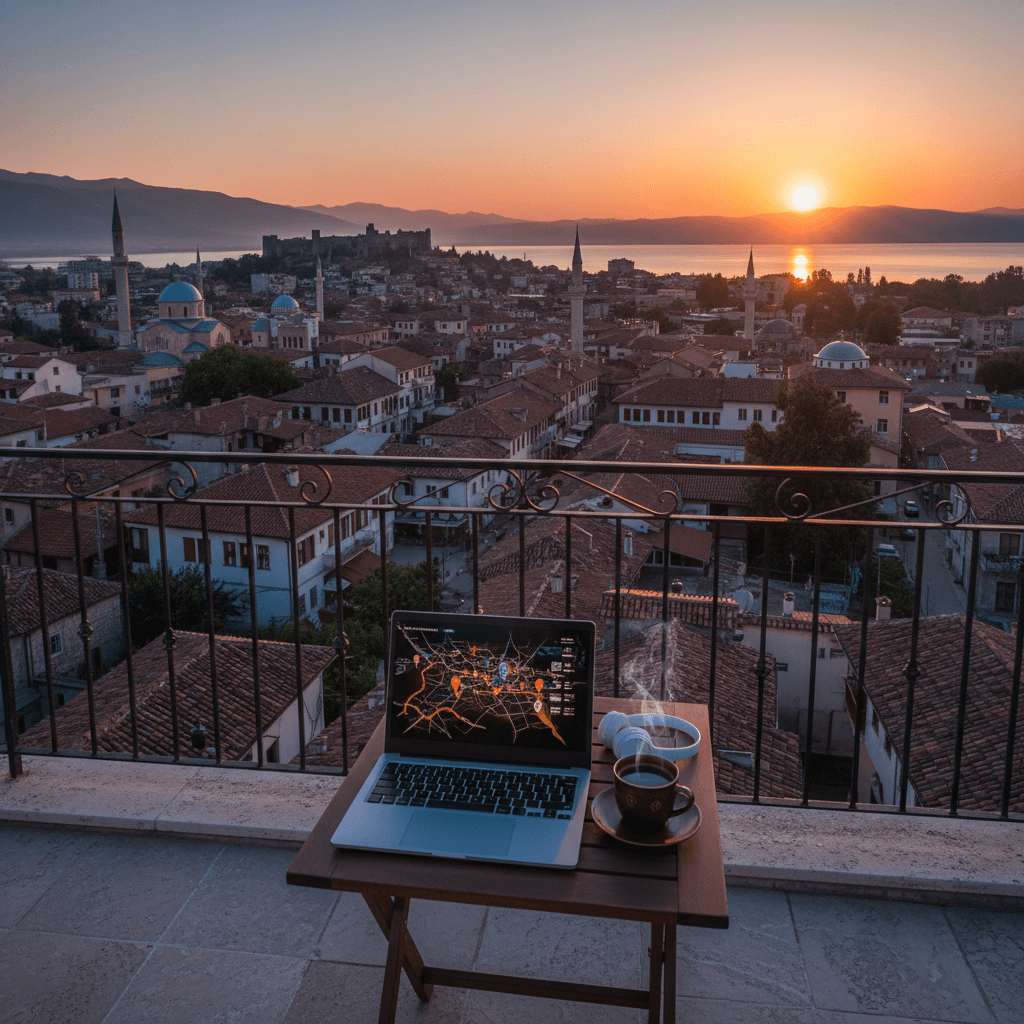
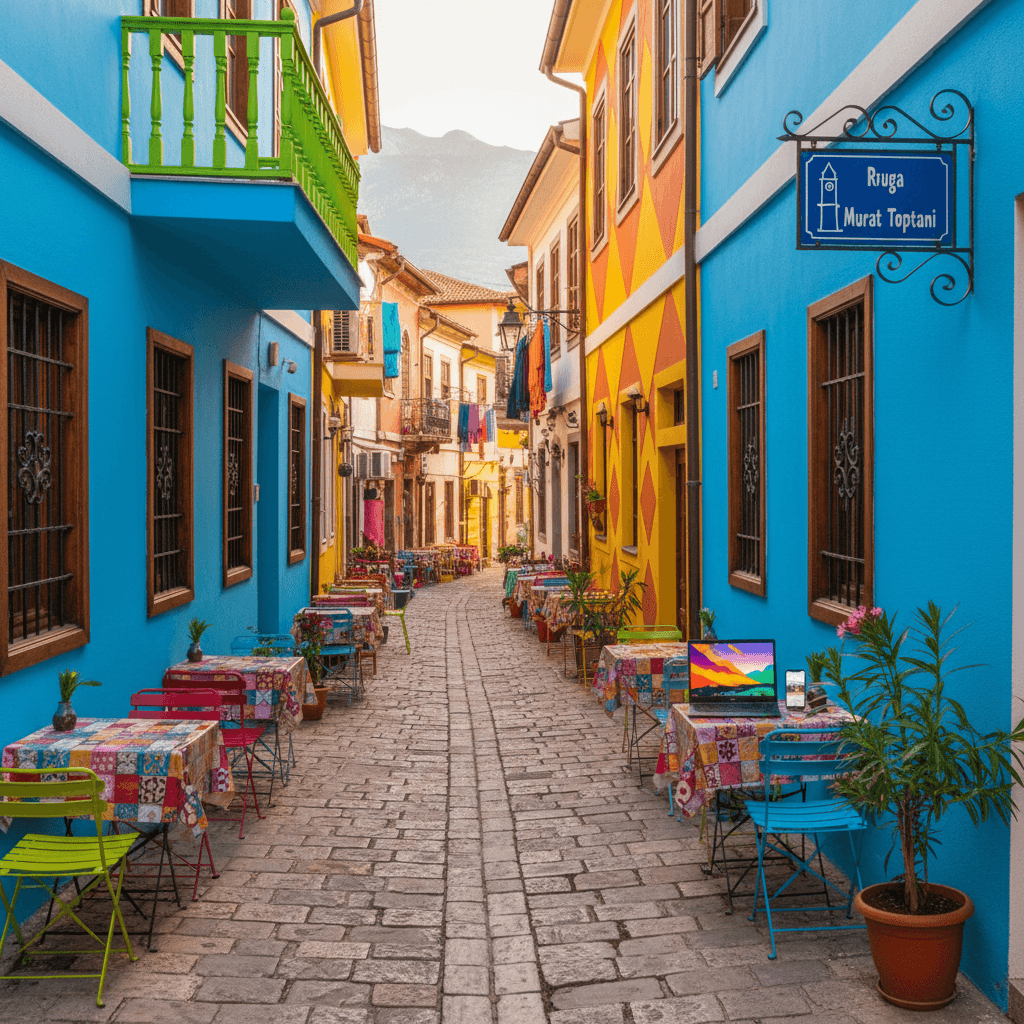
Tirana is a city that refuses to be ignored. It doesn't have the polished, museum-like feel of Vienna or the predictable rhythm of more established nomad hubs. Instead, you'll find a chaotic, colorful, and deeply charismatic energy that feels more like a startup than a capital city. It's a place where brutalist concrete meets neon-painted apartment blocks, and where the smell of espresso is never more than ten feet away.
The city has moved on from its isolated past with incredible speed. Today, it's defined by a young, tech-savvy population that's eager to connect with the world. For nomads, this means you aren't just another tourist; you're often welcomed as a guest. People here genuinely want to know what you think of their city, and that hospitality is the backbone of the local vibe.
The Daily Rhythm
Life in Tirana revolves around the cafe. You'll see locals sitting for hours over a single macchiato, discussing business or politics. This slow-paced social life creates a low-stress environment for remote workers. You won't feel rushed to finish your laptop session, and the transition from "work mode" to "social mode" happens naturally as the sun sets and the cafes turn into bars.
While the city is modernizing, it still keeps its quirks. You'll need to carry cash for almost everything, and the sidewalk infrastructure can be a bit of a gamble. But these minor inconveniences are easily outweighed by the sheer affordability and the sense that you're living in a place that's currently "having its moment."
Why Nomads are Moving Here
- Unbeatable Value: With a monthly budget between €800 and €1,500, you can live a lifestyle that would cost triple in Western Europe.
- The Mediterranean Connection: You're only a short bus ride from the stunning Albanian Riviera and surrounded by mountains like Dajti, which is accessible by a quick cable car trip from the city.
- A Growing Community: Organizations like the Albania Digital Nomad Association are actively making the city more accessible for remote workers, ensuring you'll find your tribe at spots like Social Hub or Destil.
- Safety and Warmth: It's one of the safest capitals in Europe. Most expats report feeling comfortable walking home at any hour, often being greeted by friendly neighbors along the way.
The Local Flavor
Socially, the city is split into distinct pockets. You might spend your mornings working from a quiet cafe near the Artificial Lake to get some fresh air, then head to Blloku for a high-energy dinner and drinks. Blloku was once restricted to the political elite during the communist era; now, it's the heart of the city's nightlife and its most walkable, upscale neighborhood.
If you prefer something more grounded, Pazari i Ri (the New Bazaar) offers a mix of traditional market life and modern coworking vibes. It's this contrast between the old world and the digital future that makes Tirana feel unique. It's not trying to be Paris or Berlin. It's unapologetically itself, and that's exactly why it sticks with you long after you've moved on to the next destination.
The Bottom Line
Living in Tirana feels like a cheat code for your bank account. While much of Europe has seen prices skyrocket, the Albanian capital remains one of the few places where you can live a high-quality lifestyle on a mid-range remote salary. On average, most nomads find that a monthly budget between €800 and €1,500 covers everything from a nice apartment to nightly dinners out.
The city is currently in a sweet spot. It has the infrastructure of a modern capital but hasn't yet adopted the "tourist tax" mentality found in neighboring Croatia or Greece. Just keep some cash on you, as many smaller spots still haven't made the jump to credit card readers.
Housing: Where to Hang Your Hat
Your biggest expense will be rent, and prices vary wildly depending on how close you want to be to the action. Most expats gravitate toward a few specific pockets of the city.
- Blloku: This is the heartbeat of the city. It's where you'll find the best bars, boutiques, and walkable streets. A modern one-bedroom here typically runs between €600 and €1,000 per month. It's the most expensive area, but you'll save on transport because everything is at your doorstep.
- Pazari i Ri: If you want something more "local" but still trendy, look around the New Bazaar. It's becoming a favorite for nomads who want lower rents, usually between €400 and €700, without sacrificing proximity to good coffee.
- Lake Artificial Park: Great for those who need a morning run to stay sane. It's a bit quieter and offers a better work-life balance, with prices similar to the mid-range central options.
- Outer Districts: If you're on a strict budget, heading just 15 minutes outside the center can land you a solid studio for €300 to €500.
Eating and Drinking
Food is where Tirana really shines. You can eat like a king for the price of a fast-food meal in London or New York. The café culture is massive here, and you'll rarely find a bad cup of coffee.
- Street Food: You can grab a byrek (savory pastry) or a local snack for €2 to €5. It's the ultimate fuel for a busy workday.
- Mid-range Dining: A sit-down dinner at a nice spot in Blloku usually costs between €8 and €15 per person, including a drink.
- Fine Dining: Even the upscale, "treat yourself" restaurants rarely cross the €30 mark for a full multi-course meal.
- Groceries: If you prefer to cook, local farmers markets are incredibly cheap. Imported goods at supermarkets will cost about the same as they do in Western Europe, so sticking to local produce is the pro move.
Connectivity and Workspace
The internet is surprisingly fast and reliable. Most nomads report speeds around 23 Mbps, though many apartments have fiber connections that go much higher. If you need a dedicated office vibe, Tirana's coworking scene is growing fast.
Spaces like Social Hub are great for community, while Destil serves as a creative nexus for the city's artists and techies. For a more corporate feel, Innospace or Dutch Hub are the go-to choices. If you prefer the "laptop and a latte" approach, the Mulliri i Vjeter chain is the local equivalent of Starbucks but with better coffee and plenty of power outlets.
Transport and Extras
Tirana is a very walkable city, especially if you stay central. When you do need to move faster, public transport is dirt cheap, though often crowded. Most people just walk or use the occasional taxi. For your phone, grab a local SIM from Vodafone or One at the airport. You can get a massive data package for a fraction of what you'd pay back home. Alternatively, an eSIM from Cellesim is a stress-free way to get online the second you land.
Blloku: For the Social Nomad and Nightlife Lover
If you want to be in the middle of everything, Blloku is where you'll end up. Once a restricted area for the communist elite, it's now the heart of Tirana's modern identity. It's packed with the city's best bars, high end restaurants, and trendy boutiques. It's the most walkable part of town, so you won't need to worry about public transport if you live here.
Most expats choose Blloku because it feels the most European. You'll find plenty of English speakers and a community that's easy to break into. The downside is the noise and the price tag. Expect to pay €600 to €1,000 for a mid range one bedroom apartment, which is steep by local standards but still a bargain compared to Western Europe.
- Vibe: High energy, fashionable, and loud.
- Workspace: You're close to Dutch Hub and Collab.
- Best for: Networking, late night drinks, and those who hate commuting.
Pazari i Ri: For Culturally Minded Remote Workers
Located around the New Bazaar, this neighborhood has a more authentic Tirana feel. It's undergone a massive renovation recently, making it a favorite for digital nomads who want a mix of traditional life and modern convenience. You've got the fresh food market right at your doorstep, where you can grab local produce for a few euros.
It's becoming a bit of a nomad hub because it's slightly more affordable than Blloku but still very central. You'll find several coworking spots nearby, and the café culture here is top tier. It's a great spot if you want to be near the action without the 2:00 AM bass thumping through your bedroom walls.
- Rent: Usually €400 to €700 for a decent studio or apartment.
- Workspace: Destil is a short walk away, offering a creative coliving and coworking environment.
- Best for: Foodies and nomads looking for a balance of work and local culture.
Lake Artificial Park: For Health Conscious Expats
If you need greenery to stay sane, look toward the streets bordering the Grand Park of Tirana. This area is a breath of fresh air, literally. It's where the city goes to run, bike, and escape the concrete. The apartments here are often newer and more spacious, making it a favorite for long term expats who plan to stay for a year or more.
The pace is slower here. You'll find plenty of cafés with outdoor seating and views of the water. It’s a bit further from the city center, but the walk is pleasant. Most nomads here appreciate the work life balance, taking a morning jog before settling into a lakeside café with their laptop.
- Rent: Prices vary, but expect €700+ for modern builds near the park.
- Vibe: Quiet, active, and family friendly.
- Best for: Outdoor enthusiasts and those who prefer a peaceful work environment.
- Rent: Mid range, typically €500 to €800 for central locations.
- Food: Endless options from €2 street food to €20 sit down dinners.
- Best for: Families needing amenities and travelers who want to see the sights.
Central Tirana: For First-Timers and Families
Staying near Skanderbeg Square puts you within walking distance of almost every major landmark, grocery store, and pharmacy in the city. For families or those arriving in Albania for the first time, this area takes the stress out of logistics. You have easy access to the National Library if you need a quiet place to focus, and the Mulliri i Vjeter coffee shops are everywhere for a quick WiFi fix.
While it can feel a bit more touristy, the convenience is hard to beat. You're never more than five minutes away from a market or a bus stop. It's a solid base while you get your bearings and decide which neighborhood fits your personality best.
Connectivity and Speeds
Internet in Tirana is a pleasant surprise for most remote workers. You can expect average speeds around 80 Mbps in most apartments and cafes, which is plenty for Zoom calls and standard workflows. While it isn't the fiber optic heaven of Bucharest, it's reliable enough that you won't be constantly hunting for a signal. If you need a backup, the 4G/5G coverage across the city is excellent.
For mobile data, you'll find Vodafone and One kiosks right in the arrivals lobby at Tirana International Airport. Most nomads grab a local SIM there to stay connected during the drive into the city. If you prefer to skip the line, Cellesim eSIMs are a popular choice because you can activate them before you even land.
Top Coworking Spaces
The coworking scene in Tirana is smaller than in Sofia or Belgrade, but it's growing fast. There are currently about 5 to 10 dedicated spaces that cater specifically to the digital nomad crowd. Here are the spots where you'll actually find a community:
- Social Hub: This is arguably the most popular spot for long termers. It’s a hybrid between a high end coffee shop and a professional workspace. They have excellent ergonomic desks and offer monthly memberships that make it feel like a home base.
- Destil: This is more than just an office; it's a creative hub. It combines coworking with coliving and even has an exhibition space. It’s the go to for artists, designers, and entrepreneurs who want a bit more soul in their workspace.
- Innospace: A solid, professional choice with a more traditional office feel. It’s reliable, quiet, and great for those days when you have back to back meetings.
- Dutch Hub: Another well regarded space that offers a modern environment and a steady community of international workers.
The Cafe Office Culture
Albanians take their coffee seriously, and the cafe culture here is massive. You'll see locals sitting for hours over a single espresso, so you won't feel rushed. However, keep in mind that many smaller cafes still operate on a cash only basis, so keep some Lek on you.
- Mulliri i Vjeter: This is the local version of Starbucks but with better coffee. With over 20 locations, it’s the most reliable "emergency office" when you need a quick caffeine fix and a power outlet.
- Mulliri Plus: Located near the city center, this is a full restaurant version of the chain that’s great if you want to work through lunch.
- Lake Artificial Park: If you need a change of scenery, the cafes lining the park offer outdoor seating with views of the water. It’s a refreshing spot for lighter tasks or clearing your inbox in the fresh air.
- National Library of Albania: For deep focus work near Skanderbeg Square, this is a great quiet zone. Just bring your own hotspot, as the internal WiFi can be hit or miss.
Practical Tips for Remote Work
While the infrastructure is solid, there are a few quirks to navigate. Free public WiFi exists in some areas, but it’s often too slow for anything beyond checking a map. Most nomads recommend sticking to dedicated coworking spaces or established cafe chains like Mulliri if you have a deadline. Also, while internet prices are generally low, always double check the router situation when booking an Airbnb, as some older buildings in areas like Pazari i Ri might have thicker walls that eat into your signal.
Street Smarts and Personal Safety
You'll find Tirana is surprisingly safe, often more so than many Western European capitals. Locals take pride in their hospitality, and it's common to see families and solo travelers out walking well past midnight. Violent crime is rare, especially towards foreigners. Most nomads say the biggest risk you'll face is a twisted ankle from an uneven sidewalk or a confusing encounter with local traffic.
While the vibe is relaxed, keep your wits about you in crowded spots like Skanderbeg Square or the Pazari i Ri market. Petty theft isn't a massive problem, but pickpockets occasionally operate in these high traffic areas. Stick to well lit streets in Blloku at night, and you'll likely feel perfectly comfortable. If you're a solo female traveler, you might get some curious stares in more traditional neighborhoods, but harassment is generally low.
Traffic is the one area where you need to be aggressive. Pedestrians don't always have the right of way, even at marked crosswalks. Drivers can be erratic, so wait for a clear gap before crossing. If you're driving yourself, be prepared for narrow lanes and limited parking near the city center.
Healthcare Infrastructure
Albania has a dual healthcare system, but as an expat or nomad, you'll almost certainly want to stick to private facilities. They offer much higher standards of care, shorter wait times, and a higher likelihood of finding English speaking staff. Most private consultations cost between €30 and €50, making it very affordable if you're paying out of pocket.
For general concerns or emergencies, American Hospital (Spitali Amerikan) and Hygeia Hospital are the top choices. They have multiple locations around Tirana and offer modern diagnostic equipment. Many nomads prefer American Hospital 3 for its specialized departments and international standards.
- American Hospital: Known for having the best specialists and 24/7 emergency rooms.
- Hygeia Hospital: A large, modern facility located slightly outside the center, often recommended for surgeries or complex tests.
Pharmacies and Medication
Pharmacies, or Farmaci, are everywhere in Tirana. You can't walk two blocks in Blloku or near Zogu i Zi without seeing a green neon cross. Many pharmacists speak decent English and can recommend over the counter fixes for minor ailments. Most pharmacies are open from 8:00 AM to 9:00 PM, but there's always a rotating 24 hour pharmacy (Farmaci Shërbimi) available in the city. You can usually find the night's schedule posted on the door of any closed pharmacy.
While many medications that require a prescription in the US or UK can be bought over the counter here, it's always better to bring your specific brands from home. If you need a specific chronic medication, check the generic name before you go, as brand names vary.
Emergency Contacts
It is smart to keep these numbers saved in your phone, though hopefully you won't need them. Local emergency operators may not always speak fluent English, so try to speak slowly or have a local friend help if possible.
- General Emergencies: 112
- Police: 129
- Ambulance: 127
- Fire Department: 128
Water and Environment
Most expats avoid drinking the tap water in Tirana. While it's fine for showering and brushing your teeth, the piping in older buildings can be questionable. It's best to buy bottled water or use a high quality filter. A large 5 liter jug at the grocery store usually costs less than €1.50. Air quality can also dip during the winter months due to traffic and heating, so if you have sensitive lungs, keep an eye on the local AQI levels.
Making Your Way Around Tirana
Tirana is a city that feels like it's constantly under construction, evolving from a grey post-communist relic into a colorful, chaotic, and surprisingly walkable Mediterranean hub. While the infrastructure is still catching up to the city's rapid growth, getting from your laptop to a late-night raki session is generally affordable and straightforward.
The Power of Walking
If you base yourself in central neighborhoods like Blloku or near Pazari i Ri, your own two feet will be your primary mode of transport. Most of the action, from the pyramid to the main square, is concentrated within a twenty-minute walking radius. Walking is the best way to stumble upon the city's famous painted buildings and quirky sidewalk cafes that don't always show up on Google Maps.
The Lake Artificial Park area is another pedestrian favorite. It provides a much-needed break from the city's noise, with dedicated paths that nomads often use for morning runs or outdoor meetings. Just keep your wits about you when crossing streets; local driving culture is assertive, and pedestrians don't always have the right of way, even at marked crossings.
Public Buses and Urban Lines
Tirana doesn't have a metro or tram system, so the public bus network—known as the Unaza—is the backbone of local transit. It's incredibly cheap, usually costing around 40 ALL (less than €0.50) per trip. You don't buy tickets from the driver; instead, a conductor will walk through the bus to collect your fare and give you a paper slip. It’s a cash-only system, so always keep small coins on hand.
- The Green Line: This is a circular route that hits most major points around the city center.
- Frequency: Buses generally run every 5 to 15 minutes, though traffic during rush hour can make schedules unpredictable.
- Peak Hours: Avoid the buses between 8:00 AM to 9:30 AM and 5:00 PM to 6:30 PM unless you enjoy being packed in like a sardine.
Taxis and Ride-Hailing
Since international apps like Uber or Lyft haven't launched here yet, you'll need to rely on local alternatives. Speed Taxi and MerrTaxi are the most reliable fleets in the city. They have their own apps which work similarly to Uber, allowing you to see the fare estimate and track your driver. Most rides within the city center will set you back between €4 and €7.
Always ensure the meter is running if you hail a cab on the street. While most drivers are honest, some might try to quote a flat "tourist price" that is significantly higher than the metered rate. Many drivers don't accept credit cards, so verify your payment method before the wheels start turning.
Airport Connections
Tirana International Airport (TIA) is about 18 kilometers from the city center. You have three main ways to get into town:
- LU-NA Airport Bus: This shuttle runs hourly and drops you off near the National Opera House for about 400 ALL (€4). It is the most cost-effective choice for solo travelers.
- Official Taxis: Licensed airport taxis are parked right outside arrivals. They have a fixed price to the city center, usually around €20 to €25.
- Rental Cars: Only recommended if you plan on immediate road trips to the Albanian Riviera or the mountains. Driving inside Tirana is notoriously stressful due to heavy traffic and limited parking.
Cycling and Micro-Mobility
The city has made a massive push to install bike lanes over the last few years, particularly on the main boulevards. Dockless bike-sharing apps like Mobike are available around town, which are great for quick hops. While the network is expanding, be prepared for bike lanes to occasionally end abruptly or be blocked by parked cars. It's a work in progress, but for a quick ride to a coworking space like Dutch Hub or Social Hub, it's often faster than sitting in a taxi.
The Language Landscape
In Tirana, you'll find a fascinatng linguistic divide that works heavily in favor of the modern traveler. Shqip, the Albanian language, is a standalone branch of the Indo-European family tree. It doesn't sound like Italian, Slavic languages, or Greek, which can make reading street signs a bit of a puzzle at first. However, the city's young, tech-forward population is exceptionally proficient in English. Most nomads find that anyone under the age of 35 speaks it fluently, often with a surprisingly neutral accent.
There is also a strong historical connection to Italy. Many older residents or those who grew up watching Italian television speak Italian as a second language. If you have a background in Romance languages, you might find that more helpful with the older generation than English. In the trendy cafes of Blloku or the coworking hubs like Dutch Hub, English is the unofficial second language of business and socializing.
Communication Etiquette
Albanians are famously hospitable, but their communication style is direct. Don't mistake a lack of flowery language for rudeness; it's just the local way of being efficient. One quirk that still trips up long term expats is the traditional gesture for "yes" and "no." Historically, some Albanians shake their head for "yes" and nod for "no," though this is fading in the capital. If you get a confusing physical response, just stick to the words "Po" (yes) or "Jo" (no) to be sure.
Socializing is the heartbeat of Tirana. Business deals and friendships are solidified over a coffee that lasts two hours. If a local invites you for a coffee, they aren't just being polite; they genuinely want to talk. It's common for people to be curious about why you chose Albania, and being open about your travels will earn you plenty of local recommendations that you won't find on a map.
Staying Connected
While you can get by with English in the city center, having a local data plan is a must for those moments when you're exploring the outskirts or trying to communicate with a landlord. The infrastructure is solid, and you won't have to hunt hard for a connection. Most nomads head straight to the Vodafone or One kiosks at Tirana International Airport (TIA) to grab a physical SIM. Expect to pay around €20 to €30 for generous tourist data packs (40GB+).
For those who prefer to hit the ground running, Cellesim eSIMs are a popular choice. You can activate them before your plane touches the tarmac, which saves you the hassle of finding a shop while lugging your bags. Once you're in the city, you'll notice that WiFi is ubiquitous. Every cafe from the local Mulliri i Vjeter chain to the smallest hole in the wall usually has a password posted or available upon request. Speeds generally hover around 23 Mbps, which is plenty for Zoom calls, though it's always smart to have your mobile hotspot as a backup for the occasional inconsistent cafe router.
Key Phrases for Your Pocket
While you don't need to be fluent to live a full life in Tirana, tossing out a few words in Shqip goes a long way in building rapport with vendors at Pazari i Ri or your favorite barista. Travelers often say that even a butchered "thank you" earns a wide smile and better service.
- Përshëndetje: Hello (Standard greeting)
- Mirëmengjes: Good morning
- Faleminderit: Thank you
- Ju lutem: Please
- Fishekzjarre: Cheers! (Often used when grabbing a drink in Blloku)
- Sa kushton?: How much does it cost?
- A flisni anglisht?: Do you speak English?
Most digital nomads find that within a week, they've mastered the basics of "coffee talk" and can navigate the city with ease. The combination of high English proficiency and a welcoming local attitude makes Tirana one of the least intimidating capitals in Europe for English speakers.
The Sweet Spot: May to June and September to October
If you want the best of Tirana without the sweat or the shivering, aim for the shoulder seasons. May and June are arguably the most beautiful months. The city parks like the Lake Artificial Park are lush, the outdoor café culture in Blloku is in full swing, and the temperatures usually hover between 20°C and 26°C. It is perfect for walking between coworking spaces like Social Hub or Destil without needing a change of clothes when you arrive.
September and October offer a similar vibe. The intense summer heat breaks, but the Adriatic coast is still warm enough for weekend trips. Many nomads use this time to base themselves in the city while taking bus trips to Durrës or the southern riviera. You will find the city feels more alive during these months as students return and the local tech scene ramps up its networking events.
Survival Guide: July and August
Tirana gets hot. Really hot. In July and August, temperatures regularly climb above 32°C, and the humidity can make the city center feel like a literal oven. You will notice the streets get quiet in the afternoons as locals retreat indoors for a siesta or head to the coast.
If you are visiting during the peak of summer, make sure your apartment rental has reliable air conditioning. Many older buildings in areas like Pazari i Ri might not have it in every room, so double check before booking. This is the best time to utilize the high altitude of Mount Dajti. You can take the cable car up to escape the heat and work from a mountain cafe where it is significantly cooler.
The Quiet Season: November to March
Winter in Tirana is mild compared to Berlin or London, but it is wet. January is typically the coldest month, with highs around 12°C. While it rarely snows in the city center, the rain can be persistent. This is the time of year when the "hidden" part of Tirana shines. Since you won't be sitting outside, you'll discover the cozy interior of places like Mulliri i Vjeter or the quiet corners of the National Library.
The upside to a winter stay is the price. While Tirana is already affordable, you can often negotiate better monthly rates on mid range apartments in Blloku during the off season. December is also surprisingly festive, with Skanderbeg Square transforming into a massive holiday market that keeps the spirits high despite the shorter days.
Packing and Practicalities
- Spring/Fall: Bring layers. A light jacket is necessary for the evenings, but you will want breathable cotton or linen for the sunny afternoons.
- Summer: High SPF sunscreen and a reusable water bottle. The sun is intense, and you will be doing a lot of walking.
- Winter: A sturdy umbrella and waterproof shoes. Tirana’s sidewalks can be uneven, and puddles are common after a downpour.
Most travelers find that April is the wild card month. You might get a week of perfect 22°C sunshine followed by three days of heavy rain. If your schedule is flexible, targeting the window between late May and early July gives you the highest "lifestyle ROI" for your stay.
Connectivity and SIM Cards
You'll want to get connected immediately upon landing at Tirana International Airport. Both Vodafone and One have kiosks right in the lobby. If you prefer skipping the physical SIM card hunt, Cellesim eSIMs are a popular choice among digital nomads because you can activate them before you even touch down.
Internet speeds in the city usually hover around 23 Mbps. While that is plenty for Zoom calls and uploading files, café WiFi can be hit or miss. If you are doing heavy lifting, head to a dedicated workspace rather than relying on a neighborhood coffee shop.
Money and Payments
Albania is still very much a cash heavy society. While modern spots in Blloku might take plastic, many smaller shops, traditional taverns, and even some coworking spaces require Lek. Keep a decent amount of cash on you at all times. You will find ATMs throughout the city center, but check your bank's international fees first as they can add up quickly.
Getting Around the City
Tirana is surprisingly walkable, especially if you base yourself in central neighborhoods. Blloku is particularly pedestrian friendly, and you can reach most major landmarks on foot from there. For longer distances, public transport is very cheap, though the bus routes can feel a bit chaotic if you are new to the city.
If you are heading to the Lake Artificial Park for a break from the concrete, it is a bit of a trek from the north side of town, so factor in extra time. Taxis are available, but always agree on the price before the wheels start turning if they aren't using a meter.
Coworking and Coffee Shop Work
The remote work scene is growing fast. If you need a consistent desk and a community, Social Hub is a top pick for its mix of coffee shop vibes and professional workstations. It offers monthly memberships that are quite affordable for those staying a while. For the creative crowd, Destil acts as a multi functional center with exhibition spaces and regular events.
If you prefer the "laptop and a latte" lifestyle, Mulliri i Vjeter is the local go to chain with over 20 locations. They have reliable seating and decent snacks. For a full meal while you work, Mulliri Plus near the center provides a more restaurant style environment with the same remote work friendly attitude.
Budgeting Your Stay
Your monthly burn rate will likely fall between €800 and €1,500. This depends heavily on your housing choices. A mid range one bedroom in a prime spot like Blloku will run you €600 to €1,000, while heading further out can drop that price to €300.
- Street food: Expect to pay €2 to €5 for a quick meal like byrek or a qofte sandwich.
- Mid range dining: A nice dinner out usually costs between €8 and €15.
- Upscale meals: Even at high end spots, you will rarely spend more than €30 per person.
Safety and Local Etiquette
Locals are famously welcoming and the city has a youthful, tech savvy energy. You will find that many younger Albanians speak excellent English and are happy to help with directions or recommendations. While the city feels safe and friendly, standard urban common sense applies. Stick to well lit areas at night and keep an eye on your belongings in crowded markets like Pazari i Ri.
Need visa and immigration info for Albania?
🇦🇱 View Albania Country GuideEasy Landing
Settle in, no stress
Monthly Budget Estimates
More cities in Albania
Sarandë
🇦🇱 Albania
Korçë
🇦🇱 Albania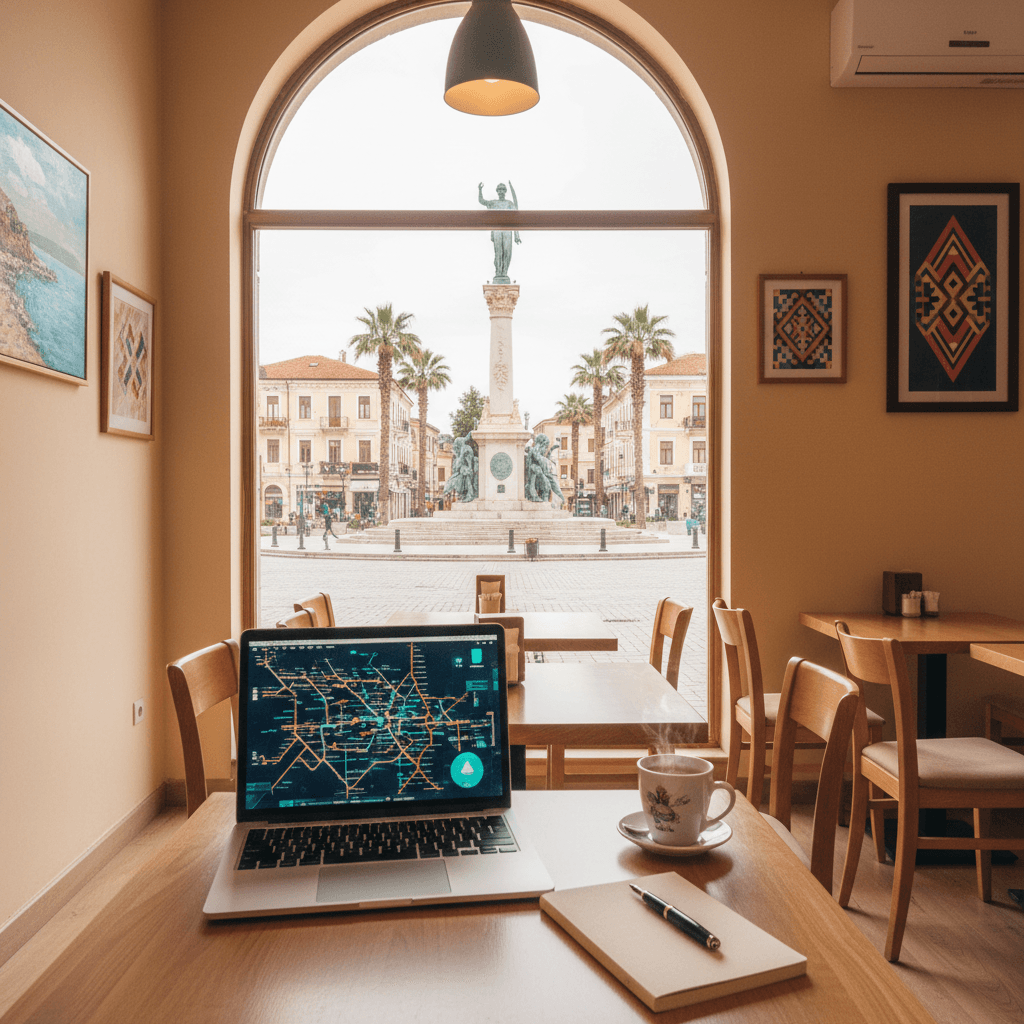
Vlorë
🇦🇱 Albania