Timișoara
🇷🇴 Romania
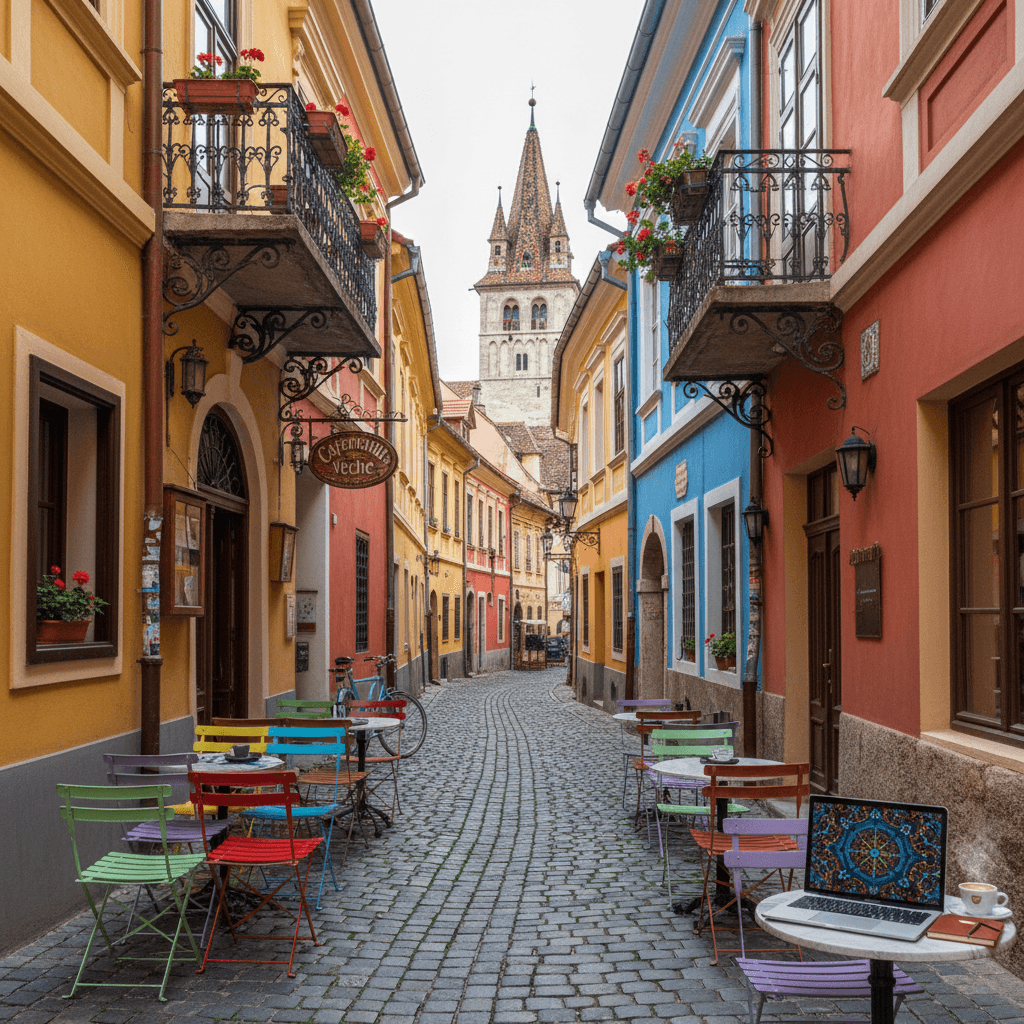
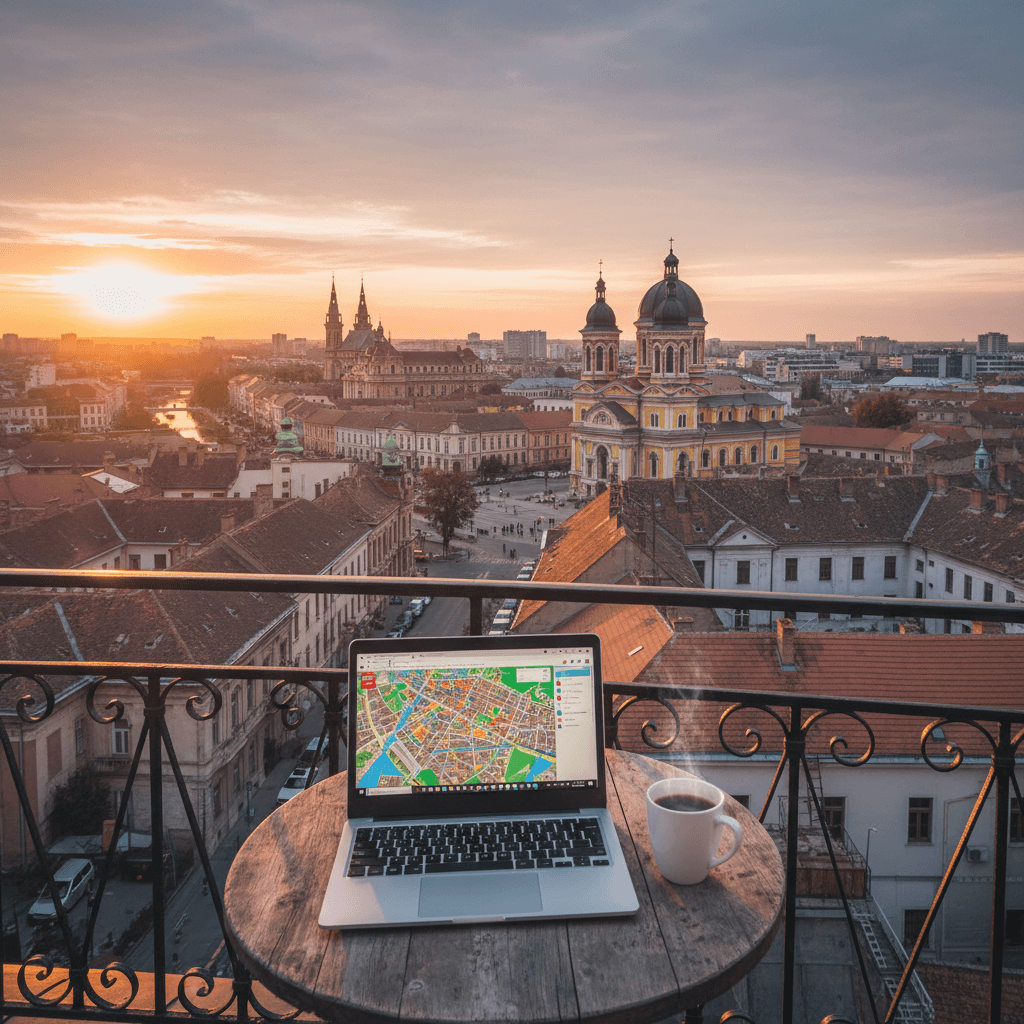
Timișoara feels like a city that got the memo early. It was the first place in Europe with electric streetlights and that forward-looking streak still shows up in the tram lines, the cafe culture and the easy way people move between old squares and newer neighborhoods. Little Vienna gets thrown around a lot, but here it mostly works, especially around Cetate, where the stone facades, church bells and cafe chatter give the center a polished, slightly old-world feel.
The pace is calm, not sleepy. You’ll hear trams grinding past, espresso machines hissing and the occasional burst of Hungarian, Serbian or German in the street, which makes the city feel more mixed than a lot of Romanian places its size. Honestly, that multicultural mix is part of the appeal, because it keeps Timișoara from feeling boxed in or overly polished.
Nomads usually like it for practical reasons too. Internet is solid, rent is still reasonable and people are generally easy to talk to, so the city doesn’t have that icy, transactional feel some places do. Winter can be grim, though, with damp cold that gets into your shoes and hangs around all day and nightlife is decent in the center but nowhere near Bucharest-level messy.
Where people settle
- Cetate: Best for walkability, cafes and being in the middle of everything, though rent’s higher and festival noise can get old fast.
- Fabric: Creative, a bit scruffier and cheaper than the center, with repurposed industrial spaces and a more experimental feel.
- Elisabetin: Quieter and more residential, good if you want fewer late-night noises and easier breathing room.
Day to day, the city is affordable in a way that still feels believable, not fantasy-cheap. A mid-range monthly budget lands around $1,200 to $1,800, with central studios often around €350 to €500, groceries near $150 to $250 and public transport costing so little it barely registers, honestly.
The work setup is decent too. Cowork Timișoara, especially The Garden, is the local favorite and cafes like Porto Arte and Quick Smile Coffee are good backup spots when you want coffee, plugs and a reason to leave the apartment. The city center is very walkable, Bolt and Uber are easy for airport runs and if you need healthcare, the private clinics are better than you might expect. Timișoara isn’t flashy, but it’s easy to live in and that’s the real trick.
Timișoara is cheap enough to make long stays easy, but it’s not bargain-basement anymore. A solo nomad usually lands somewhere around $1,300 to $2,100 a month, depending on how nice a place you want and how often you eat out. Not expensive. Not glamorous either.
Rent does most of the damage, though even that’s still sane by Western European standards. A studio or one-bedroom in Cetate usually runs about 1,500 to 2,200 lei or roughly $337 to $502 and if you’re willing to live a little farther out, the price drops fast. Utilities add around $100 a month and public transport is cheap enough that most people stop thinking about it after the first week.
Typical Monthly Costs
- Rent: $337 to $502 for a studio or 1-bedroom in the center
- Utilities: Around $102 for one person
- Public transport: About $10 to $15 for a monthly pass
- Groceries: Roughly $150 to $250
- Meals out: $2 to $5 for budget food, $5 to $12 for mid-range restaurants
Food is where Timișoara stays pleasantly livable. You can grab a filling lunch for a few euros, then sit in a cafe with the smell of espresso and warm bread drifting past while trams clatter outside and honestly that rhythm suits remote work better than the city’s more polished image suggests. Upscale spots exist, but you don’t need them unless you’re feeling showy.
For budget planning, most nomads fall into one of three buckets. A frugal setup, shared housing and lots of local food, can land around $800 to $1,200. A more comfortable life, with your own apartment and regular cafe or restaurant meals, usually sits around $1,200 to $1,800. If you want a nicer place in Cetate, frequent dinners out and some weekend spending, $1,800 to $2,500+ is more realistic.
Where you live changes the bill and the mood. Cetate is the obvious choice if you want to walk everywhere, but it’s pricier and can get noisy during festivals, with music spilling across the square late into the night. Fabric feels more creative and a bit rougher around the edges, while Elisabetin is quieter, cheaper and better if you’d rather not hear scooters and voices bouncing off stone façades at 11 p.m.
The city’s one real annoyance is winter, which, surprisingly, can make even affordable housing feel colder than you want when the heating kicks in and the tile floors stay icy. Still, for the money, Timișoara gives you solid internet, decent transport, good food and a day-to-day cost that won’t chew through your savings.
Timișoara’s neighborhood choice depends on how much noise you can tolerate and how much you want to walk. The center is the easiest answer, but it’s also the priciest and the tram bells, cafe chatter and late-night clinking glasses can get old fast.
Digital nomads
Cetate is the obvious pick if you want to roll out of bed and be in a cafe, coworking space or lunch spot in five minutes. The pedestrian core feels polished, with baroque facades, wide squares and enough WiFi-heavy places that you won’t be chained to one desk all week, though rents are higher and festival weekends can be loud.
- Best for: Walkability, cafes, coworking, easy social life
- Rent: Higher than most areas, around 1,500 to 2,200 lei for a studio or one-bedroom in the center
- Watch for: Noise, tourist traffic, fewer cheap apartments
Fabric is where a lot of younger nomads end up, honestly, because it feels less polished and more alive. Old industrial buildings, art spaces and hip cafes give it a rougher edge and the rent usually drops a bit compared with Cetate, which, surprisingly, makes a difference if you’re staying a few months.
Expats
Elisabetin is the quieter choice and that’s the point. Streets feel more residential, the pace is slower and you’re still close enough to get into the center without dealing with a long commute, so it works well if you want sleep, routine and fewer weekend interruptions.
- Best for: Quiet living, families, longer stays
- Rent: Usually lower than Cetate, with better value for bigger flats
- Watch for: Fewer restaurants, less nightlife, less of that after-work buzz
If you’re staying longer than a season, expats often split the difference and look just outside the center, where utilities and rent stay reasonable and the city still feels close. That said, if you love hearing trams rumble past at 8 a.m. and smelling fresh bread from the corner bakery, Cetate still wins on daily convenience.
Families
Families usually prefer Elisabetin first, then quieter edge-of-center streets near tram lines. You get calmer evenings, less foot traffic and easier routines for groceries, school runs and weekend parks, without the constant restaurant noise that hangs over Cetate after dark.
Solo travelers
If you’re on your own and want easy socializing, stay in Cetate. If you’d rather keep costs down and don’t mind a slightly scruffier feel, Fabric is the better move, especially if you like second-wave coffee, repurposed warehouses and a neighborhood that still feels in transition.
Overall, Cetate for convenience, Fabric for character, Elisabetin for calm. That’s the cleanest way to think about it and it’ll save you from picking a place that looks nice online but drives you mad after a week.
Timișoara’s internet is, honestly, one of the reasons nomads stay longer than planned. Speeds average over 100 Mbps, sufficient for most remote work, which is plenty for calls, cloud work and file uploads, though if your apartment WiFi is weak, you’ll hear that annoying router hum and start hunting for a cafe fast.
The coworking scene, turns out, is small but solid. Most people split their time between dedicated spaces and cafes, because the city center is easy to walk and the coffee culture is strong, with espresso smells drifting out of old buildings and laptops open beside the morning crowd.
- Cowork Timișoara, The Garden: Madgearu 5, this is the one most nomads mention first, with fast WiFi, a chill-out area, an outdoor terrace and free coffee and tea.
- Cowork Timișoara, The Office: Built for entrepreneurs and remote workers, so it’s a cleaner fit if you want a more work-focused setup than a social cafe.
- Reliable work cafes: Porto Arte, Quick Smile Coffee, Scârț, a Chill Place, Berăria 700 and Starbucks all get used for laptop sessions, usually because the connection holds and there are plugs near the walls.
Want a SIM card? Easy. Vodafone, Orange and Telekom Romania all sell prepaid plans cheaply, usually around €5 to €15 a month for generous data and you can grab one at phone shops or bigger supermarkets without much drama.
The practical move is simple, get a local SIM, then keep a backup cafe in your pocket for days when your apartment feels sluggish or the heating kicks in and dries the room out. Frankly, that’s just how remote work goes here and nobody makes a big fuss about it.
Best Areas for Workdays
- Cetate: Best if you want to walk everywhere and work between cafes, squares and lunch spots without dealing with traffic.
- Fabric: Better for a more creative, less polished vibe, with renovated industrial spaces and a younger crowd.
- Elisabetin: Quieter and easier on the nerves, especially if you’d rather sleep than hear nightlife noise outside your window.
If you’re bouncing between meetings, Bolt and Uber make life simpler and the airport ride usually lands in the €10 to €20 range. Public transport is cheap too, but for a late return, I’d take a ride-hail rather than wait for a tram in the cold, with the wind cutting through your coat and the platform lights buzzing overhead.
Wifi here isn’t perfect everywhere, though it’s good enough that most nomads don’t complain for long. The real annoyance is choosing where to work, because you’ll keep finding another cafe with decent coffee, a decent socket, and, weirdly, better chairs than your apartment.
Timișoara feels calm on the surface, then it sneaks up on you. The city center is generally safe at night and violent crime is rare, but I’d still keep the usual guard up around tram stops, late-empty streets and packed bars where phones vanish from back pockets, honestly faster than people expect.
Pickpocketing isn’t a big daily headache here. Still, don’t leave a laptop on a cafe chair while you grab another espresso, because that’s the kind of casual mistake that turns into an annoying police report and a dead workday.
Where to Feel Comfortable
- Cetate: Best for most nomads, walkable, busy and well watched.
- Fabric: Fine by day, a bit rougher at night in quieter corners.
- Elisabetin: Quieter and residential, good if you want less street noise.
Police presence is noticeable in tourist areas and that helps. The city center gets the most foot traffic, so it also feels the most predictable, while the outer edges can go weirdly silent after dark, with the hum of trams fading and the smell of exhaust hanging low in the air.
Healthcare Basics
- Victor Babeș Hospital: Major public hospital for more serious issues.
- Neuromed Diagnostic: Private clinic with a strong reputation.
- Clinicco: Private network, good for quicker appointments.
- Dr. Mandache Dental: A common pick with expats for dental care.
Healthcare is decent here, especially if you use private clinics for routine stuff and keep public hospitals for bigger problems, because that’s where the system starts to feel slow and bureaucratic. Private care is cleaner and faster, frankly, but public care is much cheaper, so many expats end up mixing both depending on the issue.
Pharmacies are everywhere, often on corners or tucked near busy intersections and pharmacists usually know what they’re doing. You can pick up plenty of over-the-counter meds without much drama and for prescriptions, they’re used to helping locals and foreigners sort things out.
Emergency number: 112 for ambulance, police and fire.
If you need urgent care, don’t waste time hunting around for the perfect clinic, just call 112 or head to the nearest hospital and ask for help directly. The city isn’t the kind of place where you need to panic about safety, but having travel insurance and knowing a private clinic nearby makes life easier, especially when you’re sick on a Sunday and everything smells like disinfectant and cold tile floors.
Timișoara is easy to move around, honestly, which is half the appeal. The center is flat and walkable, the trams rattle past old facades and you’ll hear the usual mix of engine noise, bike bells and people chatting outside cafes. Short trips? Walk. Longer ones? Public transport works fine.
Public transport is cheap and decent, with buses and trams covering most neighborhoods. A monthly pass runs roughly $10 to $15, so most expats don’t bother owning a car unless they’re heading out of town often and frankly parking in the center can be annoying anyway. If you’re staying in Cetate or nearby, you can get by with your feet and a transit card.
The ride-hailing scene is solid. Bolt and Uber both work in Timișoara and they’re useful for late nights, airport runs or days when the weather turns nasty and the sidewalks feel like wet concrete under your shoes.
- Bolt: Good for quick city rides and airport transfers.
- Uber: Usually available, with enough cars for normal daily use.
- Airport to center: Expect about €10 to €20, depending on traffic and time of day.
For bikes and scooters, the city’s still improving. There are rental options and more bike lanes than you’d expect, but it’s not Amsterdam, so don’t assume every route feels smooth or protected. The roads can get patchy, a bit gritty after rain and drivers don’t always give cyclists much love.
Best Areas for Getting Around
- Cetate: Best for walking, with pedestrian streets, squares, cafes and most daily errands close by.
- Fabric: Handy if you want a creative neighborhood vibe, though you’ll rely on transit a bit more.
- Elisabetin: Quieter and still accessible, good if you don’t mind a short tram ride into the center.
Most nomads stick to Cetate because it keeps life simple and that’s the real perk here. You can work in a cafe, grab lunch, then cross town without needing a car, a taxi or a complicated plan. Weirdly, the city feels bigger on a map than it does once you’re actually here.
If you’re landing at Timișoara Airport, don’t overthink it, just take Bolt or Uber into town. It’s usually the least annoying option and after a flight, that’s worth a few extra lei.
Timișoara is one of the easiest Romanian cities to live in if you speak only English and honestly, that catches a lot of nomads off guard. In Cetate, people in cafes and coworking spaces usually switch to English fast enough, though older shopkeepers may still prefer Romanian or a bit of German. You’ll also hear Hungarian and Serbian around town, which gives the place a slightly borderland feel, especially near the tram stops where the brakes squeal and people chat over the hum of traffic.
Basic service interactions are usually painless. Restaurant staff, hotel workers and most people in the international scene can handle English and if you stick to central neighborhoods, you probably won’t need much Romanian for day-to-day life. Still, the local language helps with apartment hunting, doctor visits and anything bureaucratic and that’s where things get annoying fast, because forms, stamps and office queues can turn a five minute errand into a full morning.
Useful Romanian basics: simple greetings, numbers and a few practical phrases go a long way, even if your accent is terrible.
- Hello: Bună ziua
- Thank you: Mulțumesc
- Yes / No: Da / Nu
- How much is it? Cât costă?
- Where is...? Unde este...?
If you’re staying longer, learn the phrases for rent, bills, pharmacy and taxi rides first, because those are the moments when language gaps actually cost time and money. Weirdly, people are often more patient when you try Romanian badly than when you just assume everyone should speak English and that matters in a city that still feels local at heart.
For mobile data and calls, Vodafone, Orange and Telekom are the main names you’ll see and prepaid SIMs are easy to buy in malls, kiosks and supermarkets. Data is cheap, coverage is solid and you won’t be stuck hunting for signal every time you leave the center, though basement cafes and some old buildings can be patchy.
Best communication habits: use WhatsApp for almost everything, confirm plans by message and keep some cash on hand for smaller places that still act like card payments are a personal insult.
Expat groups are active, especially on Facebook and they’re the fastest way to find English-speaking dentists, flatmates or someone who knows which landlord is a nightmare. The city’s international crowd is friendly but not overly loud about it, so conversations tend to happen over coffee, at meetups or while waiting for a tram that’s running three minutes late and ringing down the street.
Timișoara has proper seasons and they show. Winters get cold, grey and a bit raw, with damp winds that cut through the old streets and make the tram shelters feel like punishment, while summers can turn hot and sticky fast, especially when the sun bakes Cetate’s stone squares and the city smells faintly of asphalt and linden trees.
The sweet spot is spring and early autumn. April to June and September to mid October usually give you the best mix of walkable weather, outdoor cafes and fewer weather-related excuses to stay inside, though a sudden shower can still arrive with almost rude timing and leave you listening to rain on tin awnings while everyone runs for cover.
Summer has its perks, but don’t romanticize it. July and August can be bright and lively, with long evenings for terrace drinks and late walks, yet the heat can feel oppressive by midday, so if you’re working from cafes or bouncing between coworking spaces, plan your errands early and keep a bottle of water on you.
Best Times to Visit
- April to June: Best overall weather, green parks, comfortable walking and good terrace life without the worst heat.
- September to mid October: My top pick for most travelers, mild days, cooler nights and fewer crowds.
- July to August: Good for social energy, though the heat can be brutal and air conditioning isn’t always great.
- November to February: Cheapest and quietest, but cold, damp and frankly a bit gloomy for long stays.
If you’re staying longer, aim for shoulder season and thank yourself later. Accommodation can be a bit easier to find, outdoor cafes in Victory Square still feel alive and you’re less likely to spend half the day dodging either heat or slush, which, surprisingly, makes the city feel bigger and more pleasant.
Winter isn’t a dealbreaker, but it’s work. You’ll need a real coat, decent shoes and a tolerance for short days, cold tile floors and that sharp, metallic air that hangs over the center after dark; still, the Christmas market and the quieter pace can be nice if you like your cities with fewer distractions and lower prices.
For most nomads, the practical answer is simple, come in spring or early autumn, stay in Cetate if you want to walk everywhere and skip the deepest winter unless you actually enjoy grey skies and frozen mornings. Timișoara rewards good timing, honestly, more than most places.
Timișoara is easy to live in, but it won’t baby you. The center is walkable, trams are cheap and the city feels calm most days, yet winters bite hard, the bureaucracy can be maddening and some nights the streets go almost too quiet after the bars empty out.
Money goes further here than in most EU cities. A solo nomad can scrape by on $800 to $1,200 a month in a shared place, eat local and ride public transport, while a nicer 1-bedroom, regular restaurant meals and the odd coworking membership push you closer to $1,800 or more. Not expensive.
- Rent: City center studios or 1-bedrooms usually run about 1,500 to 2,200 lei, Cetate costs more, Fabric is a better bet if you want something cooler and cheaper.
- Food: Street food and simple lunches are often $2 to $5, mid-range dinners sit around $5 to $12 and groceries for one person land near $150 to $250 a month.
- Transport: A monthly pass is roughly $10 to $15, which is honestly one of the nicer surprises here.
- Utilities: Budget around $100 a month for a small flat, though winter heating can sting.
Where to stay
Cetate is the obvious base if you want cafés, bars and the pretty Habsburg core on your doorstep, though the weekend noise can get old fast. Fabric has more grit and personality, with old factory buildings, art spaces and a younger crowd, while Elisabetin is quieter and better if you’d rather hear birds and traffic hum than late-night shouting under your window.
Getting work done
The internet is good enough for real work, around 39 Mbps on average and the coworking scene, turns out, is better than you’d expect for a city this size. Cowork Timișoara, The Garden gets the best reviews from nomads, while The Office is a solid backup and plenty of people just camp out in cafés like Porto Arte, Quick Smile Coffee or Starbucks with a laptop and a long espresso.
Pick up a local SIM from Vodafone, Orange or Telekom and you’re sorted. Data plans are cheap, usually €5 to €15 and you can buy them without much drama.
Safety and getting around
Timișoara feels safe, especially in the center and pickpocketing isn’t a big city headache here. Still, don’t wander off alone into dark side streets late at night and keep an eye on your bag in crowded trams because, weirdly, that’s where carelessness gets expensive.
- Medical care: Victor Babeș Hospital handles public care, while Neuromed and Clinicco are the names expats mention most for private treatment.
- Pharmacies: They’re everywhere, well stocked and the staff are usually helpful.
- Emergency: Call 112 for ambulance, police or fire.
Bolt and Uber both work well, including airport rides from TSR and most trips into the center cost about €10 to €20. If you’re near Cetate, just walk, the square is full of cafe chatter, tram clatter and the smell of roasted coffee drifting out onto the pavement.
Need visa and immigration info for Romania?
🇷🇴 View Romania Country GuideEasy Landing
Settle in, no stress
Monthly Budget Estimates
More cities in Romania
Constanta
🇷🇴 Romania
Iași
🇷🇴 Romania
Bucharest
🇷🇴 Romania