Thiruvananthapuram
🇮🇳 India
The Coastal Capital of Slow Living
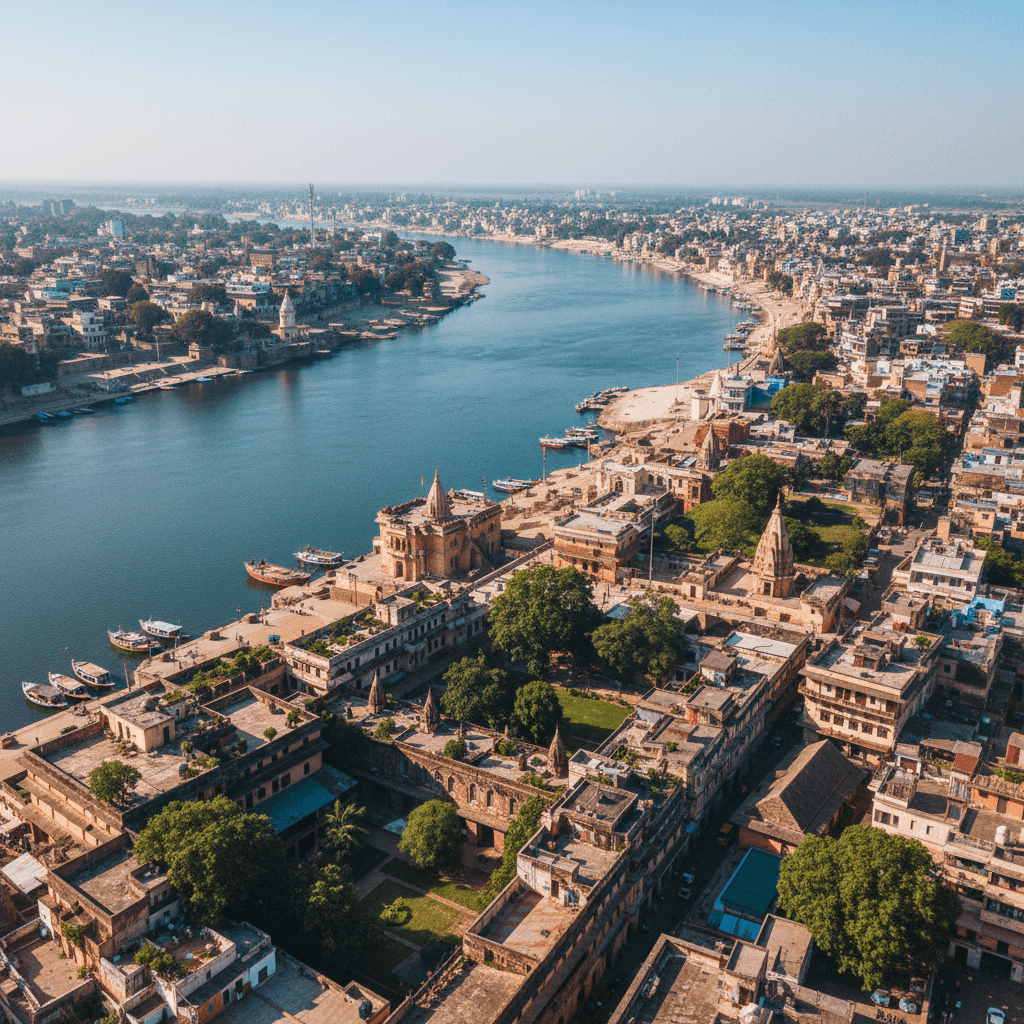
Thiruvananthapuram, or Trivandrum as most locals still call it, doesn't feel like your typical Indian state capital. While Bangalore is frantic and Mumbai is high-pressure, Trivandrum operates at a pace that actually respects your heart rate. It is a city built on rolling hills that lead down to the Arabian Sea, where the red-tiled roofs of colonial bungalows peek out from a dense canopy of coconut palms. For a nomad, the vibe is uniquely cerebral and laid-back; it's a place where people value a good book and a long conversation over a quick hustle.
The city has a distinct dual personality. On one side, you have the historic core centered around the massive Padmanabhaswamy Temple, where tradition dictates the rhythm of the day. On the other, you have Technopark, one of India's largest IT hubs, which has brought a wave of modern infrastructure and a growing community of remote workers to the northern suburbs. This mix means you can spend your morning working from a high-speed coworking space and your evening watching a Kathakali performance or walking the cliffs at Varkala, which is just a short train ride away.
A Budget That Breathes
One of the biggest draws here is the cost of living. You aren't fighting the inflated real estate bubbles of the bigger metros. Most nomads find they can live a very comfortable, upper-middle-class lifestyle for anywhere between $800 and $1,100 per month. This usually includes a modern apartment, daily meals out, and plenty of weekend trips. If you're on a tighter budget, it's entirely possible to get by on $550 if you're eating at local "hotels" (which are actually small restaurants) and staying in more residential areas like Pattom or Peroorkada.
- Private Studio/1BR: $250 to $450 per month
- Coworking Desk: $80 to $120 per month
- Local Meal (Sadhya): $2 to $4
- Craft Coffee: $2.50 to $3.50
Where the Community Gathers
The nomad scene is still in its "early adopter" phase, which is part of the charm. You won't find thousands of digital nomads clogging up every cafe, but you will find a tight-knit community of expats and Indian tech professionals. B-Hub is the go-to spot for many, offering a genuine community feel rather than just a desk and a chair. It's common to see people networking over tea or collaborating on side projects here.
When it comes to the "after-hours" vibe, don't expect a wild clubbing scene. Life here revolves around the beach and the cafe culture. Kovalam is the local hangout for sunset views and seafood, while the cafes in Vazhuthacaud serve as the unofficial offices for the city's creative crowd. Places like Eve's Coffee have become staples for those who need a reliable connection and a decent espresso. It is a city that rewards the curious; the more you explore the side streets, the more you'll find those quiet, leafy pockets that make you want to extend your visa for another six months.
The emotional experience of Trivandrum is one of relief. You'll likely find that the constant "noise" of digital life fades away here. Between the humid salt air, the scent of jasmine, and the remarkably polite locals, the city provides a grounding environment that's increasingly hard to find in the world's more famous nomad hotspots.
The Bottom Line
Thiruvananthapuram is one of the most affordable state capitals in India, especially when you compare it to the skyrocketing prices in Bangalore or Mumbai. Most digital nomads find they can live comfortably here on a budget between $800 and $1200 per month. If you're willing to live like a local, eating at small cafes and using public transport, you could even squeeze that down to $600. Since Kerala has a high quality of life index, your money tends to go further here in terms of hygiene and general infrastructure than in other low cost Indian hubs.
Housing and Neighborhoods
Rent will be your biggest variable. Most expats and remote workers gravitate toward two main areas: Kazhakkoottam, which is near the Technopark tech hub, or Vattiyoorkavu for a quieter, residential feel. If you prefer being near the ocean, the cliffside area of Varkala is about an hour away and very popular for longer stays, though prices spike during the winter tourist season.
- Kazhakkoottam (Tech District): A modern 1-bedroom apartment or a serviced studio usually runs between $250 and $400 per month. This area has the best proximity to coworking spaces and Western style supermarkets.
- Kawdiar: This is the upscale part of town. Expect to pay $450 to $700 for premium apartments. It's leafy, quiet, and home to many diplomats and high earners.
- Varkala (Coastal): For a beach bungalow or a guesthouse with decent WiFi, you're looking at $350 to $600 per month depending on how close you are to the North Cliff.
Food and Groceries
Eating out is a highlight here, and it's incredibly cheap. A traditional Kerala "Sadhya" lunch served on a banana leaf at a local spot like Mother’s Veg Plaza will cost you about $3 to $5. If you're heading to more upscale cafes in the city center like Eve's Coffee, expect to pay around $8 to $12 for a meal and a specialty drink.
Groceries are affordable if you stick to local produce. Markets are overflowing with fresh fruit and spices. A weekly grocery run for one person usually totals about $30 to $45. Imported goods like aged cheeses or specific Western snack brands are available at Saphalyam Complex, but they come with a heavy import tax that can double the price.
Connectivity and Workspace
While the city is still developing its nomad infrastructure, the coworking scene is growing. Most nomads use Dotspace or B-Hub. A dedicated desk for a month typically costs between $80 and $110. These spaces are reliable because they have power backup, which is vital since Kerala can have occasional power cuts during the monsoon season.
Mobile data is famously cheap in India. You can get a Jio or Airtel SIM card for $5 to $10 for 2GB/day plans. Most mid range apartments now offer fiber optic connections with speeds reaching 50 to 100 Mbps, though you should always ask for a speed test before signing a lease.
Transport and Lifestyle
Getting around is easy if you use the Uber or Ola apps. A 20 minute auto-rickshaw ride across town usually costs around $2 to $4. For those staying longer, renting a scooter is the most efficient move, costing roughly $80 to $120 per month plus fuel.
Gym memberships at decent facilities like Gold’s Gym cost about $40 per month. For weekend trips, a train ticket to the backwaters of Kollam or the hills of Ponmudi is negligible, often under $5, making it easy to explore the state without breaking your budget.
The Tech-Savvy Nomad: Kazhakoottam
If you want to be where the action is, Kazhakoottam is your best bet. It sits right next to Technopark, one of the largest IT hubs in India, which means the infrastructure is miles ahead of the rest of the city. You'll find reliable fiber internet, power backups, and a younger, career focused crowd that understands the remote work lifestyle.
The neighborhood feels modern and functional. You can grab a desk at Dotspace Coworking or Technopark Smart Business Centres for roughly $60 to $80 a month. After work, most nomads head to the Lulu Mall area for food or a movie. It's not the most traditional part of Kerala, but it's the most convenient for hitting deadlines.
- Rent: 1BHK apartments range from $180 to $250 per month.
- Vibe: Fast paced, modern, and very tech heavy.
- Best for: High speed internet and networking with local developers.
The Long Term Expat: Kowdiar
Kowdiar is the upscale, leafy heart of the city. It's where the old money lives, characterized by wide roads and the grand Kowdiar Palace. Expats usually choose this area because it's quiet, safe, and has the best cafes in town. It feels more like a residential sanctuary than a city center.
You'll spend your mornings at Eve's Coffee, which is a great spot to work for a few hours without being hassled. The grocery stores here carry more international brands than you'll find elsewhere. It's the kind of place where you can go for a jog without dodging heavy traffic.
- Rent: High end flats or independent houses average $300 to $450.
- Vibe: Sophisticated, quiet, and very green.
- Best for: People who want comfort and a high standard of living.
The Solo Traveler: Varkala (Cliff Area)
While technically a short train ride from the city center, many nomads treat Varkala as their primary base. It's the quintessential coastal escape. You can live on the North Cliff, work from a cafe overlooking the Arabian Sea, and surf during your lunch break. It's much easier to meet people here than in the city proper.
The community is a mix of backpackers and long term slow travelers. Places like God's Own Country Kitchen or Coffee Temple are unofficial hubs for the remote work crowd. Just be aware that power outages are more frequent here than in Kazhakoottam, so a good data roaming plan is a must.
- Rent: Guesthouses go for $250 to $400 a month depending on the season.
- Vibe: Laid back, social, and outdoorsy.
- Best for: Meeting other travelers and enjoying the beach.
The Family Professional: Vazhuthacaud and Sasthamangalam
Families usually settle in the Vazhuthacaud or Sasthamangalam corridor. These neighborhoods strike a balance between being central and remaining peaceful. You're close to the best hospitals, international schools, and the Museum Grounds, which is a massive park perfect for morning walks or letting kids run around.
It's a very walkable area by Indian standards. You've got Library Coffee House for a quick work session and plenty of traditional restaurants like Villa Maya for a nice dinner. It feels like a real community where neighbors actually know each other.
- Rent: Spacious 2BHK or 3BHK apartments cost between $250 and $400.
- Vibe: Established, family oriented, and culturally active.
- Best for: Access to amenities, parks, and healthcare.
Trivandrum is a bit of a sleeper hit for remote workers. While Bangalore and Kochi get more press, the Kerala capital is catching up fast. You aren't going to find lightning fast gigabit internet on every street corner just yet, but the infrastructure is reliable enough for most professional needs. Average speeds around 100 Mbps or higher on fiber connections are common, and many dedicated workspaces and higher end apartments now offer fiber lines reaching 100 to 1000+ Mbps.
Coworking Spaces and Where to Work
The coworking scene is concentrated around the Technopark area and the more central Kazhakkoottam district. If you want a professional vibe with reliable backup power, these are your best bets. Power outages can happen during the monsoon season, so having a space with a generator is a massive plus.
- DotSpace: This is a favorite for many expats and freelancers. It has a modern setup, ergonomic chairs, and a solid community vibe. A monthly hot desk will usually run you around $70 to $90 (₹6,000 to ₹7,500).
- Incubator: Located near the tech hub, this spot is great for networking with local startups. It is functional and straightforward, with daily passes often available for about $5 (₹400).
- B-Hub: Often cited as one of the more creative spaces in the city, it doubles as a learning center. It is a good place to meet locals and attend occasional workshops.
Cafes with WiFi
If you prefer the "laptop and a latte" lifestyle, Trivandrum has a growing number of cafes that won't kick you out for staying a few hours. Just keep in mind that cafe WiFi can be hit or miss; most nomads carry a local SIM card as a backup.
- Eve's Coffee: Located in Kowdiar, this spot has a relaxed atmosphere and decent speeds. It is popular with the younger crowd and remote workers.
- Turf Cafe: A solid choice if you want a bit of outdoor air with your espresso. The connection is generally stable for light tasks and emails.
- Starbucks: It is the predictable choice, but the branch at Lulu Mall or the one in Kowdiar offers the most consistent high speed internet in the city.
Connectivity and SIM Cards
Don't rely solely on public WiFi. It is often gated behind an Indian phone number for OTP verification, which can be a headache for new arrivals. Grab a local SIM as soon as you land. Airtel and Jio are the two main players here. Most nomads recommend Jio for its 5G coverage, which is surprisingly extensive across the city. You can get a monthly plan with 2GB of data per day for less than $5 (₹400).
For a home setup, ask your landlord about Asianet or Railwire. These are the local fiber providers. A 100 Mbps unlimited plan typically costs around $10 to $15 a month. Most expats find that a combination of a fiber home connection and a 5G mobile hotspot covers all their bases, even during heavy tropical storms.
Digital Nomad Community
The community is still in its early stages compared to places like Goa. You won't find massive nomad meetups every night, but the people who are here tend to be very welcoming. Most networking happens organically at DotSpace or through local WhatsApp groups. If you are looking for a community that is more about deep work and authentic Kerala culture than constant partying, you will fit right in.
Safety in the City
Thiruvananthapuram is consistently ranked as one of the safest urban centers in India. It lacks the aggressive hustle of Mumbai or the chaotic edge of Delhi. Most nomads find they can walk around comfortably during the day, though like any major city, it pays to stay alert after dark in less populated areas. Violent crime is rare, and the local police force is generally approachable and helpful toward foreigners.
For women traveling solo, the city is respectful but conservative. You won't face the same level of persistent catcalling found in other regions, but it is smart to dress modestly to blend in. Scams are also relatively low level here. You might deal with an occasional "broken meter" in an auto rickshaw, but using apps like Uber or Ola usually solves that headache. If you do use a street rickshaw, just insist on the meter or agree on a price before sitting down.
Road safety is actually your biggest concern. Traffic moves in a fluid, unpredictable way that can be jarring if you aren't used to it. Pedestrian infrastructure is hit or miss, so always look three times before crossing. If you decide to rent a scooter, wear a helmet and expect the unexpected from buses and trucks.
Healthcare Standards
The healthcare system in Kerala is the best in the country. Thiruvananthapuram is the hub for this, meaning you have access to high quality medical care that often rivals Western standards at a fraction of the cost. Most doctors speak fluent English, and many have trained or worked abroad.
For major issues or emergencies, KIMSHEALTH (formerly KIMS Hospital) and Cosmopolitan Hospital are the top choices for expats. They have modern equipment, specialist departments, and efficient international patient desks. A standard consultation with a specialist usually costs between $10 and $20, and you can often get an appointment on the same day or the next.
- KIMSHEALTH: Best for emergency care and high tech diagnostics.
- Cosmopolitan Hospital: Located in Pattom, it is a reliable choice for general ailments and routine checkups.
- Sree Chitra Tirunal Institute: World class for specialized cardiac and neurological issues, though it can be very crowded.
Pharmacies and Prescriptions
You will find a pharmacy, or "medical store," on almost every street corner. Large chains like Apollo Pharmacy and MedPlus are reliable and well stocked. Most basic medications are available over the counter, but you should bring a prescription for any controlled substances or specific psychiatric medications to avoid issues.
Prices for medicine are very low. A strip of standard antibiotics or painkillers will usually set you back less than $3. If you need something delivered, the Tata 1mg app is a lifesaver for getting meds sent straight to your apartment or hotel within a few hours.
Staying Healthy
The biggest health hurdles for nomads are usually stomach issues and the heat. Stick to bottled or filtered water; most apartments and cafes use AquaGuard or similar UV filtration systems which are safe. If you are eating street food, look for places with high turnover where the food is cooked fresh in front of you.
The humidity can be intense, especially from March to May. Dehydration and heat exhaustion can sneak up on you while you are out exploring. Keep a bottle of water with you and consider picking up Electral packets from any pharmacy to mix into your water if you feel drained. Mosquitoes are a reality here, so use repellent in the evenings to protect against Dengue, which occasionally pops up during the monsoon season.
The Auto-Rickshaw Hustle
In Thiruvananthapuram, the three wheeled auto rickshaw is the undisputed king of the road. You will find them clustered at "stands" near junctions or cruising every street. Most drivers in the city are surprisingly honest about using the meter compared to other Indian metros, but it is always smart to confirm "meter?" before you hop in. The minimum fare usually starts around $0.35 (₹30) for the first 1.5 kilometers.
If you prefer to avoid the price negotiations altogether, download Uber or Ola. These apps work reliably here and include an "Auto" option. It is often the best way to get a fair price during peak hours or when you are heading out from the Technopark area. Expect to pay about $1.50 to $3.00 for a cross-town trip from the city center to the beach or the IT corridor.
Buses and the KSRTC
The Kerala State Road Transport Corporation (KSRTC) runs a massive fleet of red and yellow buses that connect every corner of the city. While they are incredibly cheap, often costing less than $0.20 for a ride, they can be intimidating for a newcomer. The destination signs are frequently in Malayalam, though many conductors speak enough English to point you in the right direction.
For a more comfortable commute, look for the low floor AC buses. These are silver or blue and offer a much needed respite from the humidity. They primarily run the route between the East Fort central hub and Technopark or the airport. They are a favorite for nomads staying in the city who need to get to coworking spaces without arriving drenched in sweat.
Navigating by Two Wheels
The city's layout is a bit of a maze with narrow, winding roads and significant elevation changes. Many long term expats choose to rent a scooter to gain total independence. You can usually find a Honda Activa for around $100 to $130 per month. Just be prepared for aggressive driving styles and the occasional cow wandering into the lane.
Parking is generally easy to find, but traffic in areas like Thampanoor and Pattom can get gridlocked during the morning and evening rush. If you are staying in Varkala and just visiting the city, the train is a much better option than riding a scooter down the highway.
Trains for Regional Escapes
The Trivandrum Central station is the main artery for leaving the city. It is well organized and serves as a great jumping off point for weekend trips. Many nomads take the short 1 hour train ride north to Varkala for some beach time, which costs as little as $0.60 for a general ticket or $6.00 for a reserved AC seat. For local travel within the city limits, however, the train is rarely the most efficient choice.
Walking and Pedestrian Life
Thiruvananthapuram is not a particularly walkable city in the Western sense. Sidewalks are inconsistent and the heat can be punishing between 11 AM and 4 PM. However, certain pockets like the Museum Compound or the residential lanes in Kowdiar are perfect for an evening stroll. Most locals do their walking after sunset when the temperature drops and the street food stalls start buzzing.
- Uber/Ola Auto: Best for daily errands and transparent pricing.
- AC Low Floor Buses: Best for long hauls from East Fort to the IT hubs.
- Scooter Rentals: Best for those staying 1 month or longer.
- Walking: Best reserved for parks and quiet residential zones after dark.
The Linguistic Landscape
In Thiruvananthapuram, you are stepping into the heart of Kerala, where Malayalam is the local tongue. It is a rhythmic, complex language that sounds like rolling pebbles. While it might seem intimidating at first, you will find that the city is one of the most accessible in South India for English speakers. Because it is the state capital and an educational hub, most locals you interact with in cafes, tech parks, and government offices speak fluent English.
You will notice that signage is almost always bilingual, displaying both the curly Malayalam script and English. If you head to the IT corridors like Technopark or the upscale cafes in Vazhuthacaud, English is the default. However, in smaller local markets or when dealing with auto rickshaw drivers, a few words of the local language go a long way in building rapport and ensuring you do not get the tourist price.
Practical Communication for Nomads
Most nomads find that they can navigate 90 percent of their daily life here using only English. That said, the local culture places a high value on politeness and indirect communication. People here are generally helpful but can be shy. If you are asking for directions and someone wobbles their head, it usually means yes or I understand, not no. It is a subtle gesture you will pick up within your first week.
For digital nomads working from spaces like Dotspace or B-Hub, the professional language is entirely English. You will have no trouble collaborating with local freelancers or techies. When you venture into the more traditional residential areas like Fort or the coastal stretches of Vizhinjam, communication becomes more gestural, but the locals are patient and usually find someone nearby who speaks enough English to bridge the gap.
Essential Malayalam Phrases
Learning even five words in Malayalam will change how people treat you. It shows you are not just passing through but actually respect the local culture. Here are the basics you should keep in your back pocket:
- Namaskaram: This is the standard formal greeting. It is more common than Hello and works for everyone from your landlord to the person selling you coffee.
- Nanni: Thank you. You will use this constantly.
- Athe / Illa: Yes and No. Simple, but very effective when a vendor is offering you something you do not want.
- Etraya? How much? Use this at the vegetable markets or when getting into an auto rickshaw.
- Kurechu Kurechu: This translates to a little bit. When someone asks if you speak Malayalam, saying this usually gets a big smile.
Digital Communication and Apps
While verbal communication is easy, your digital life will run on a few specific platforms. WhatsApp is the undisputed king of communication here. You will use it to talk to your landlord, order water delivery, and even book local services. If a business has a phone number, they have WhatsApp.
For getting around, do not rely on verbal negotiations with drivers. Use Uber or Ola. Even if you do not book the ride through the app, checking the price on your screen gives you a baseline for what a fair fare should be. For food, Swiggy and Zomato are the standards. The interfaces are in English, and the delivery drivers usually follow the GPS closely, though they might call you for specific landmarks if your house is tucked away in one of the city's many winding lanes.
Connectivity and Data
Staying connected is rarely a struggle. You can pick up a local SIM from Airtel or Jio at the airport or at various shops in Palayam. You will need your passport and a passport sized photo. Most nomads recommend Jio for its consistent 5G coverage throughout the city. Data is incredibly cheap, often costing less than $10 for a month of heavy usage. Most cafes in Kowdiar provide decent WiFi, but having a local hotspot is a smart backup for those days when the monsoon rains might interfere with the fiber lines.
The Tropical Rhythm
Thiruvananthapuram sits in a tropical sweet spot where the humidity is a constant companion but the breeze from the Arabian Sea keeps things manageable. You aren't going to find four distinct seasons here. Instead, the year is divided by the arrival of the monsoon rains and the brief, glorious window of dry, cooler air that follows.
The best time to plant your workstation here is between October and February. During these months, the temperatures hover between 23°C and 30°C. It is the only time of year when you can comfortably walk from a cafe in Palayam to the Museum Grounds without needing a second shower. The air is crisp, the skies are clear, and the evening humidity drops enough to make rooftop dining at places like Villa Maya actually enjoyable.
Surviving the Heat
From March to May, the city turns into a bit of a pressure cooker. Temperatures frequently climb toward 35°C, but the real kicker is the humidity, which often sits above 75%. If you are staying in areas like Vazhuthacaud or Kowdiar during this time, an AC unit isn't a luxury, it is a requirement for productivity. Most nomads find that their energy levels dip in the afternoon, so it is best to front load your deep work for the early morning before the sun gets aggressive.
- March and April: The hottest months. Expect high electricity bills if you're running the AC all day.
- Midday Strategy: This is the time to utilize coworking spaces like B-Hub or Dotspace, which have reliable climate control and backup generators.
- Clothing: Stick to linen and light cotton. Synthetics are your enemy in the Kerala summer.
The Monsoon Experience
The monsoon usually hits in June and stays through September. This isn't just a light drizzle; it is a full scale atmospheric event. Kerala is the first state in India to receive the rains, and the city transforms into a lush, neon green landscape. While it is beautiful, it poses challenges for the remote worker. Power outages become more frequent during heavy storms, and the 50 to 100 Mbps internet speeds can get even patchier if your building relies on overhead cabling.
Expats who stay through the monsoon recommend having a solid data backup. Grab a local SIM with a heavy data plan because when the fiber line goes down during a thunderstorm, you'll need that hotspot to finish your Zoom calls. If you enjoy the moody, rainy aesthetic and don't mind the occasional damp shoes, the cost of short term rentals often drops during these months.
A Quick Seasonal Cheat Sheet
- Peak Season (October to February): Perfect weather, higher prices for Airbnbs, and more social events for the expat community.
- Shoulder Season (September and March): A bit unpredictable but you can find better deals on long term stays.
- The Wet Season (June to August): Intense rain, lower foot traffic, and the best time for Ayurvedic treatments if you're looking to decompress.
If you're planning a three month stint, aim for a November arrival. You'll catch the tail end of the rains, avoid the brutal summer heat, and be perfectly positioned for the various cultural festivals that take over the city streets in early spring.
Connectivity and Power
Internet speeds in Trivandrum are generally reliable for standard remote work, hovering around 10 to 15 Mbps on average. While fiber is becoming more common in residential areas like Kowdiar, you'll want a backup. Most nomads rely on a local SIM card from Airtel or Jio. You can pick one up at the airport or a local shop with your passport and a photo. Data is incredibly cheap, often less than $5 for a month of daily 2GB allowances.
Power cuts happen occasionally, especially during the monsoon months from June to August. Most modern apartments and coworking spaces have power backups, but it is smart to carry a high capacity power bank. If you are working from a cafe, always ask if they have a generator before you settle in for a long session.
Getting Around
The easiest way to move through the city is via Uber or Ola. These apps work well here and save you the hassle of haggling with auto-rickshaw drivers. A typical cross-town ride will cost you between $2 and $4. For a more local experience, the green and yellow electric buses are a cheap, eco-friendly way to reach the city center.
- Auto-rickshaws: Great for short distances. Ensure they use the meter or agree on a price before getting in.
- Rapido: This bike-taxi app is a lifesaver during peak traffic hours when cars get stuck near East Fort.
- Walking: Trivandrum is greener than most Indian cities, but the heat and lack of continuous sidewalks make long walks difficult during the day.
Daily Costs and Budgeting
Your monthly burn here will likely land between $600 and $1,100 depending on how much you lean into the expat lifestyle. While you can find a basic room for $250, a high end apartment in a neighborhood like Sasthamangalam will run closer to $500. Food is a bargain. A traditional Sadhya lunch on a banana leaf costs about $2, while a dinner for two at a trendy spot like Villa Maya will be around $25.
Coworking and Community
The nomad scene is centered around Technopark and the surrounding suburbs. While many tech workers are local, the community of freelancers is growing. You will find people congregating at spaces like Dotspace or B-Hub. These spots offer daily passes for roughly $5 to $10, providing a more stable environment than the local cafes.
For a more relaxed vibe, many nomads head to Varkala cliff, which is just an hour away by train. It is common to work from the city during the week and escape to the coast for the weekend. The Eve's Coffee shop in the city is a popular unofficial hub for people with laptops and a craving for decent espresso.
Health and Safety
Trivandrum is widely considered one of the safest cities in India. Violent crime is rare, though you should still keep an eye on your belongings in crowded markets. Healthcare is excellent and very affordable. Private hospitals like KIMSHEALTH provide international standard care for a fraction of Western prices. A standard consultation with a specialist usually costs less than $15.
Local Etiquette
Kerala is culturally conservative compared to Goa or Mumbai. Dress modestly when visiting temples or government buildings; covering your shoulders and knees is usually expected. People are incredibly friendly and often speak excellent English, so don't hesitate to ask for directions or recommendations. A simple "Namaskaram" goes a long way as a polite greeting.
Money and Banking
ATMs are everywhere, but they often have a withdrawal limit of 10,000 INR (about $120) per transaction. Stick to bank-affiliated ATMs like SBI or HDFC for the best success rates with international cards. While UPI (mobile payments) is the king of transactions here, it can be tricky for foreigners to set up without a local bank account, so keep a stash of cash for smaller vendors.
Need visa and immigration info for India?
🇮🇳 View India Country GuideEasy Landing
Settle in, no stress
Monthly Budget Estimates
More cities in India
Dehradun
🇮🇳 India
Rishikesh
🇮🇳 India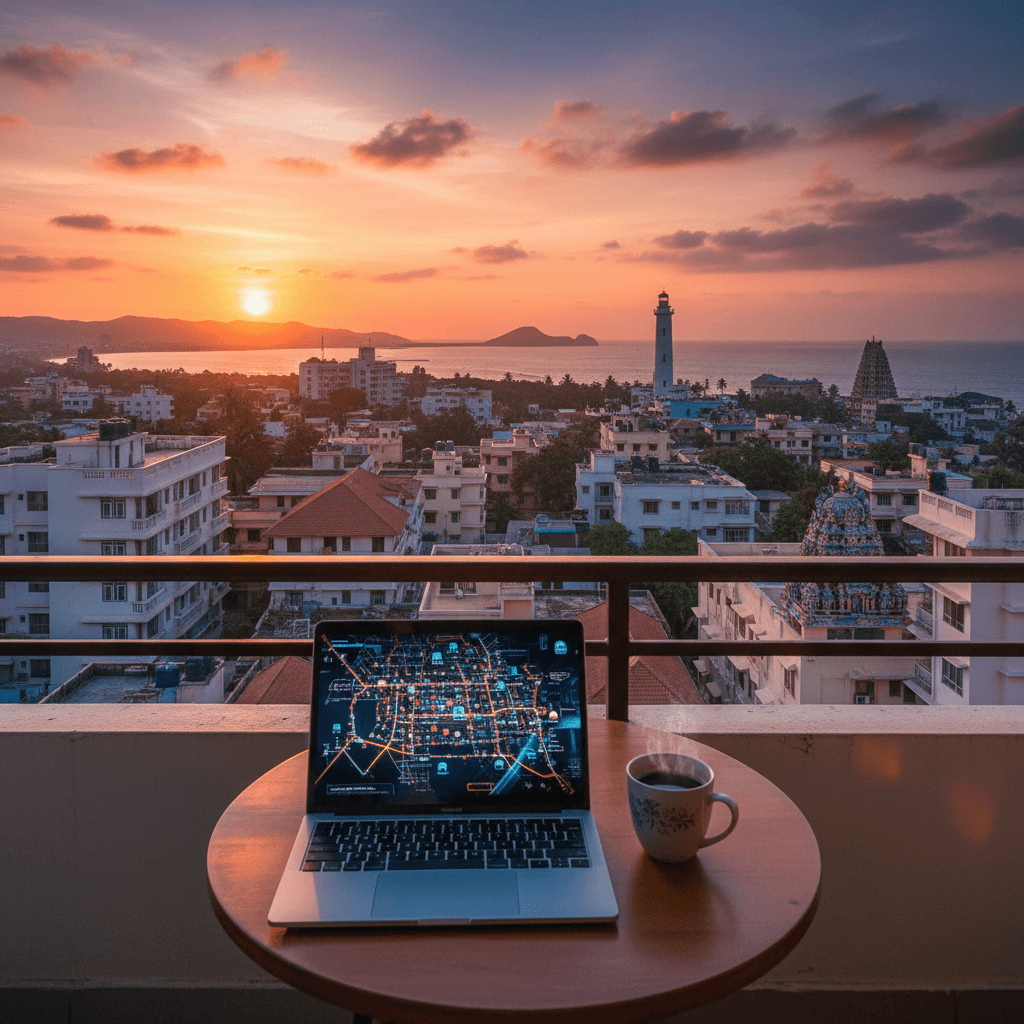
Visakhapatnam
🇮🇳 India