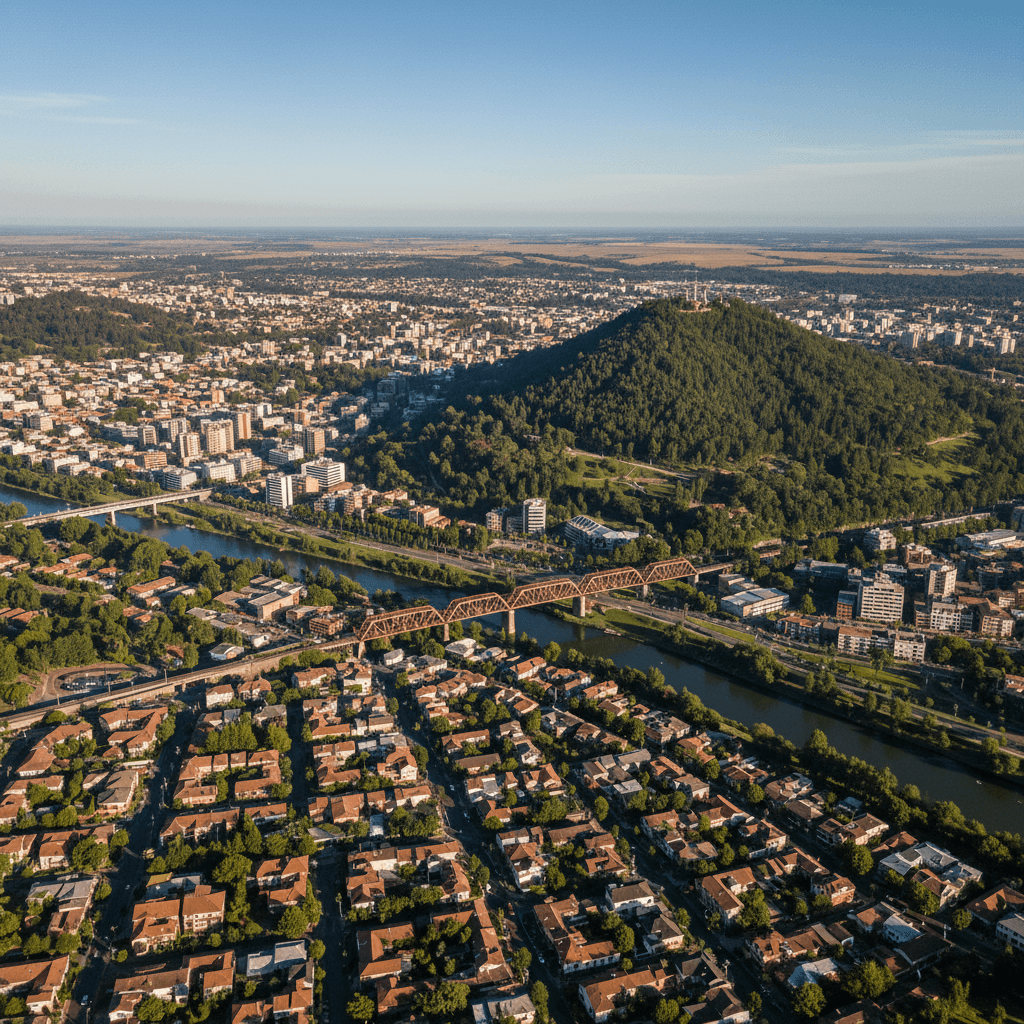
Temuco
🇨🇱 Chile
The Gateway to the Araucanía
Temuco doesn't try to be Santiago or Valparaíso, and that is exactly why it works. While the capital is frantic and the coast is crowded with tourists, Temuco feels like a real city where life moves at a human pace. It is a place of transition where the urban grid of central Chile begins to melt into the wild, volcanic landscapes of the south. You will feel the change in the air, it is crisper here, often smelling of woodsmoke and rain.
The vibe is defined by a deep, palpable connection to Mapuche culture. This isn't just something you see in a museum; it is woven into the daily rhythm. You will see it in the Mercado Municipal, hear it in the local Spanish dialects, and taste it in the merkén-spiced dishes at local cafes. For nomads, this offers a level of cultural immersion that is hard to find in more commercialized hubs.
The Nomad Experience
Living here feels like being part of a well kept secret. You won't find crowds of influencers posing in the streets. Instead, you will find a small, tight knit community of remote workers who congregate at Nomad Workspace or siphon the high speed Wi-Fi at Café de la P. Most nomads find that the city serves as the perfect "base camp." You work hard Tuesday through Thursday, then disappear into the mountains or toward the Llaima Volcano for a long weekend.
The emotional experience of Temuco is one of grounding. It is a city that encourages you to slow down, cook a real meal with ingredients from the feria, and actually talk to your neighbors. It is affordable, authentic, and serves as a functional launchpad for exploring Patagonia without the Patagonia price tag.
Daily Life and Costs
Your money goes significantly further here than in northern Chile. A comfortable lifestyle usually averages around $1,200 USD per month. Local expats often recommend sticking to the central districts for the best balance of walkability and internet stability.
- Monthly Rent: Expect to pay between $300 and $500 USD for a modern one bedroom apartment in the center.
- Dining: A quick lunch of street food or a traditional empanada costs about $5 USD, while a nice dinner at a mid range spot will run you $15 USD.
- Connectivity: 5G is reliable in the city core, and a local SIM from Entel or Movistar costs roughly $30 USD for a month of heavy data.
The Best Neighborhoods
While the city is growing, most nomads gravitate toward two specific areas depending on their priorities.
Downtown (Centro)
- The Draw: This is the heartbeat of the city. You are steps away from the best coffee shops, markets, and the Punta app meetup points.
- The Trade off: It can be noisy during the day, and like any urban center, you need to keep your wits about you regarding petty theft after dark.
- Rent: $350 to $450 USD for central studios.
Residential Outskirts
- The Draw: Quieter streets, more green space, and a family friendly atmosphere. It is ideal if you prioritize a backyard or a view of the surrounding hills.
- The Trade off: You will likely need to use Uber or the local bus system to get to coworking spots, and Wi-Fi speeds can be hit or miss compared to the fiber optics found downtown.
- Rent: $300 to $400 USD for larger spaces.
When to Visit
Timing is everything in the south of Chile. If you hate the rain, avoid July and August at all costs; the winter is cold, wet, and gray. The city truly comes alive from December to February. The weather sits at a perfect 20 to 25°C, the outdoor markets are overflowing, and the nearby lakes are warm enough for a swim. This is also the peak season for nomad meetups and cultural workshops, making it the easiest time to build a social circle quickly.
The Monthly Bottom Line
Temuco is one of those rare spots where your dollar stretches significantly further than in the capital. While Santiago might eat up your budget, Temuco operates on a more approachable scale. Most nomads find they can live a very high quality life here for around $1,200 a month. If you are keeping things lean, you can get away with $800 to $1,000, while a more "luxe" lifestyle with a modern apartment and frequent dinners out usually caps at $1,800.
Local salaries hover around $600 a month, so coming in with a foreign remote income puts you in a very comfortable position. You won't feel like you are priced out of the best experiences in the city, whether that is a weekend trip to the nearby volcanoes or a high end meal in the Centro.
Housing and Accommodation
Rent is your biggest variable. In the heart of the city, you can find a solid one bedroom apartment or a modern studio for anywhere between $300 and $500. If you look toward the residential outskirts, prices drop, but you might find the WiFi is less reliable for heavy Zoom schedules.
Expats often recommend using platforms like Rent Remote to find furnished spots that are already set up for work. If you are staying long term, local Facebook groups or walking the streets to look for "Arriendo" signs can land you even better deals, though you will need decent Spanish to negotiate those contracts.
Food and Dining
The food scene is a mix of traditional Mapuche flavors and standard Chilean fare. It is remarkably affordable if you eat like a local. Street food, like a hearty empanada or a quick snack, will cost you about $5. For a mid range sit down lunch at a spot like Café de la P, expect to pay between $10 and $15.
- Street Food Snack: $5
- Mid range Dinner: $15 to $20
- Upscale Dining: $25+
- Monthly Groceries: $200 to $300
Connectivity and Workspace
Budgeting for your "office" is straightforward. A dedicated desk at a professional spot like Nomad Workspace usually runs between $150 and $300 a month. If you prefer the cafe hopping route, a latte will set you back a few dollars, and most owners are happy to let you linger if it isn't peak lunch hour.
For your phone, don't rely on roaming. Grab a local SIM from Entel or Movistar, or set up a Holafly eSIM before you land. High speed mobile data for the month generally costs between $25 and $35, which is a small price to pay for 5G reliability when the cafe WiFi hangs.
Transport and Utilities
Temuco is surprisingly walkable if you stay in the Centro area. When you need to go further, the public buses are cheap and reliable. Uber is the go to for late nights or rainy days, with most rides across town costing under $10. A typical airport transfer to Maquehue will run you about $15 by taxi.
Lifestyle Tiers
- The Budget Nomad ($800 - $1,000): You are likely sharing a house or living in a simpler studio, cooking most meals at home, and using public transit.
- The Mid Range Nomad ($1,200): This is the sweet spot. You have your own 1BR apartment, work from cafes or a coworking space a few times a week, and eat out regularly.
- The Comfortable Expat ($1,800+): You are living in a premium building, dining at the best spots in town, and taking frequent weekend trips to the lakes and mountains.
For Solo Travelers and Active Nomads
If you want to be where the action is, Centro (Downtown) is your best bet. It is the city's heartbeat, where the Mapuche markets meet modern cafe culture. You will find yourself within walking distance of Café de la P, a favorite local haunt for those who need a caffeine fix and a reliable table to work from. Being central means you are close to the main bus terminals, making those weekend trips to nearby volcanoes or lakes a breeze.
Most nomads gravitate toward the areas near Avenida Alemania. This stretch feels like the city's modern spine, packed with shops, pharmacies, and the Nomad Workspace. It is the most reliable spot for high speed internet, with speeds often hitting 100 Mbps. You should expect to pay around $300 to $500 for a decent studio or one bedroom apartment here. While it is generally safe during the day, keep your wits about you at night; petty theft can happen in the busier parts of the core.
- Rent: $300 to $500 per month
- Vibe: Fast paced, social, and culturally immersive
- Best for: Networking, short term stays, and easy transport access
For Expats and Long Term Residents
Expats looking for a bit more breathing room usually head toward the residential pockets just outside the immediate city center. These neighborhoods offer a quieter pace of life and more modern housing options. You will find that your dollar goes much further here, with monthly expenses often averaging around $1,200 for a very comfortable lifestyle including private housing and frequent dining out.
Living slightly further out requires a bit more planning. While Uber and local buses are reliable, you might find the 5G signal gets a little spotty in the newer developments. Many long termers recommend grabbing a local SIM from Entel or Movistar for about $30 a month to use as a hotspot backup. It is a trade off; you lose the immediate walkability of Centro but gain a sense of community and much quieter nights.
- Rent: $400 to $600 for larger apartments
- Vibe: Peaceful, suburban, and secure
- Best for: Remote workers who prioritize focus and space
For Families
Families often prefer the greener, more spacious outskirts where safety and quiet are the top priorities. These areas feel less like a transit hub and more like a home. You will find larger houses with yards, which are a rarity in the cramped downtown core. The air is cleaner, and there is less noise from the local traffic and markets.
The main hurdle for families in these residential zones is the commute. If you are not driving, you will rely on the Punta app to find local meetups or coordinate school runs with other expats. Most families find that the extra space and safety are well worth the 15 to 20 minute trip into the city center for supplies or entertainment. It is the best way to experience the Mapuche heritage of the Araucanía Region without the grit of the urban center.
- Housing: $600+ for 3 bedroom homes
- Vibe: Family oriented and nature focused
- Best for: Safety, privacy, and those with their own transport
The Digital Nomad Perspective
Regardless of where you land, the local consensus is to stay flexible. Use platforms like Rent Remote to find furnished spots that specifically cater to the "work from home" crowd. If you are unsure, start with a week in a Centro guest house to get your bearings before committing to a longer lease in the quieter residential zones. Most people find that December through February is the sweet spot for scouting neighborhoods, as the weather is dry and the city is at its most welcoming.
Connectivity and Speed
Temuco might not have the global name recognition of Santiago, but its digital infrastructure is surprisingly robust. In the urban core, you can expect fiber optic speeds averaging between 50 and 100 Mbps. This is more than enough for seamless Zoom calls or uploading heavy design files. If you're staying in the city center, the connection is stable, though it's smart to have a backup if you're venturing into the more residential outskirts where the signals can occasionally dip.
For your mobile data, most expats lean toward local providers like Entel or Movistar. They offer the best 4G and 5G coverage in the region. A high speed monthly plan usually runs between $25 and $35. If you want to hit the ground running the moment you land, a Holafly eSIM is a solid temporary fix, but switching to a local SIM will save you money in the long run.
Top Coworking Spots
The coworking scene here is intimate and community focused. You won't find massive, anonymous office floors; instead, you'll find spaces where people actually know each other's names.
- Kowork or Smart Araucanía: Primary hubs for remote workers. These spaces are designed specifically for people who need a professional environment away from the distractions of a home office. Expect to pay between $150 and $300 per month for a dedicated desk, depending on your needs.
- Café de la P: While technically a cafe, this spot is a favorite for nomads who prefer a bit of background hum. It has a dedicated following of laptop users because of its reliable WiFi and great coffee. It's the perfect place to knock out a few hours of work before meeting up with other travelers.
The Laptop Cafe Culture
Temuco’s cafe culture is a big part of the social fabric for remote workers. Unlike some European cities where sitting with a laptop is frowned upon, many spots in the Centro district are welcoming. You'll often see people working over a late breakfast or a midday snack. It’s a great way to mingle with the local creative community and find out about under the radar events.
Most nomads use the Punta app to coordinate these casual work sessions. It’s the go to platform for finding meetups, workshops, or just seeing who else is online and looking for a coffee break. If you’re feeling isolated, checking the Punta hubs is the quickest way to find your tribe.
Remote Work Tips
If you're planning to stay for a while, look into apartments through platforms like Rent Remote. These listings are usually vetted for WiFi quality, which takes the guesswork out of your housing search. Most furnished 1BR apartments in central areas go for $300 to $500, and they almost always include a basic internet package.
Keep in mind that while the city is well connected, the rural areas of the Araucanía Region are a different story. If you’re planning a weekend getaway to the nearby volcanoes or lakes, don’t count on being able to join a meeting from the trail. Grab a portable WiFi hotspot if you absolutely must stay online while exploring the Mapuche heartland.
Staying Safe in the Araucanía
Temuco generally feels more grounded and secure than the frantic streets of Santiago. Most nomads find the city moderate in terms of safety, provided you stick to the basic rules of urban awareness. The city center is active and well lit during the day, but it’s best to avoid wandering through unlit or remote areas after dark. Crime is rarely violent here; the main thing to watch for is petty theft in crowded spots like the traditional markets or busy bus terminals.
Expats recommend keeping a low profile with expensive tech. While you'll see plenty of people working on laptops at Café de la P, it's smart to tuck your gear away before stepping out onto the street. If you're staying in the residential outskirts, the vibe is noticeably quieter and safer for families, though you'll rely more on ride-hailing apps to get around after sunset.
For peace of mind, keep these local emergency numbers saved in your phone:
- 133: Police (Carabineros)
- 131: Ambulance (SAMU)
- 132: Fire Department
Healthcare Infrastructure
Chilean healthcare is some of the best in South America, and Temuco serves as the medical hub for the southern region. You'll find modern hospitals and specialized clinics equipped for everything from routine checkups to emergencies. Most private clinics have high standards, and while English isn't guaranteed with every staff member, many specialists in the larger facilities speak it well.
Pharmacies are everywhere in the Centro district. Major chains like Cruz Verde or Ahumada are reliable for prescriptions and basic supplies. If you're heading out on a day trip to the volcanoes or lakes, travelers often suggest packing a basic first aid kit, as medical facilities get much sparser once you leave the city limits.
Practical Health Tips
The tap water in Temuco is technically safe to drink, but it has a high mineral content that might upset your stomach if you aren't used to it. Most long term nomads stick to filtered or bottled water for the first few weeks. If you're visiting during the winter months between May and October, be prepared for some air pollution; the city's reliance on wood fire heating can lead to smoggy days that might affect those with respiratory sensitivities.
- Health Insurance: Ensure your policy covers private clinics like Clínica Alemana for faster service.
- Digital Tools: Use the Punta app to connect with the local expat community for recommendations on English speaking doctors.
- Pharmacy Costs: Expect to pay $10 to $20 for standard over the counter cold or stomach medications.
Overall, the infrastructure here is reliable. As long as you maintain the same level of caution you would in any mid sized city, you'll find Temuco a comfortable and stress free base for your remote work stint.
Navigating the Streets
Temuco is a city where your feet are often your best asset. The Centro district is highly walkable, with most of the essential cafes and administrative buildings clustered together. Most nomads find they can handle 80% of their daily life on foot if they stay near the main plaza or the local markets.
When you need to cover more ground, the public bus system is the backbone of local transit. These buses are cheap, reliable, and run frequently through the downtown core. You'll also see colectivos, which are shared taxis that follow specific routes. They look like regular cars but have signs on the roof indicating their destination. They're a bit faster than the bus and usually cost just a couple of dollars.
Ride-Hailing and Taxis
Uber is the go-to app here, just like in the rest of Chile. It's widely available and generally considered the safest and most transparent way to get home after a late dinner or a session at Nomad Workspace. A typical ride within the city limits will set you back about $5 to $8.
For those living in the quieter residential outskirts, Uber is almost a necessity. While the center is a breeze to walk, the further you get from the cultural hub, the more spread out things become. If you're heading out to the suburbs for a house party or a cheaper Airbnb, don't count on a quick stroll back to your favorite cafe.
Airport Transfers
Getting from Maquehue Airport to your accommodation is straightforward. You have two main options depending on your budget and how much luggage you're hauling:
- Private Taxi: This is the fastest route, taking about 15 minutes to reach the city center. Expect to pay between $10 and $15 for a one-way trip.
- Airport Bus: A solid budget choice for solo travelers. These are much cheaper than a private car and run regularly to coincide with arriving flights.
Micromobility and Cycling
The city has started embracing bike and scooter rentals through various apps, which is a great way to zip between coworking spots during the warmer months. Travelers often say that cycling is the best way to soak in the local atmosphere, especially when the weather stays dry between December and February.
Just keep in mind that bike lanes aren't everywhere yet. You'll need to stay alert and stick to the quieter side streets when you can. If you're planning on staying for a few months, buying a second-hand bike might be your best bet for daily commuting.
Regional Connectivity
Temuco serves as a major gateway for the Araucanía Region, making it a perfect base for weekend escapes. The central bus terminal offers frequent departures to nearby volcanoes and lakes. These regional buses are surprisingly comfortable and affordable, allowing you to swap the city for a nature retreat in just a couple of hours.
- Local Bus Fare: Under $1 for a single trip.
- Monthly Transport Budget: Most nomads spend $50 to $100 total, including the occasional Uber.
- Active Apps: Uber and local bike-sharing platforms.
The Linguistic Landscape
While Santiago feels increasingly international, Temuco remains firmly rooted in its Chilean identity. Spanish is the undisputed king here. You'll find that the local accent has that classic Chilean speed and a tendency to drop the "s" at the end of words, which can be a bit of a hurdle if you're used to the clearer Spanish spoken in Colombia or Mexico. However, the locals are generally patient with learners, especially if you're making an effort to engage with the community.
The city's soul is deeply tied to the Mapuche people. You'll hear Mapudungun spoken in the traditional markets and rural areas surrounding the city. While you don't need to learn it to get by, picking up a few words shows immense respect for the local heritage. Most signage in public spaces and museums is bilingual, reflecting the city's role as a cultural bridge.
English Proficiency and the Nomad Scene
Don't expect your barista at a neighborhood spot to be fluent in English. In the general population, proficiency is relatively low. However, the "nomad bubble" is a different story. If you're hanging out at Nomad Workspace or other local hubs, you'll find plenty of English speakers. Younger professionals and the staff at high end hotels or international coworking spots usually have a moderate to high level of English.
Expats recommend having a translation app ready for administrative tasks or grocery shopping. For deep immersion, many nomads join local language exchanges or sports clubs. It's the fastest way to break the ice and move beyond basic "tourist Spanish."
Essential Phrases for Your Kit
- ¿Dónde está el coworking? (Where is the coworking space?)
- ¿Tienen Wi-Fi estable? (Do you have stable Wi-Fi?)
- La cuenta, por favor. (The bill, please.)
- ¿Cachai? (The most common Chilean slang for "Do you understand?" or "You know?")
- Po. (A filler word added to the end of almost everything: "Sí, po" or "No, po.")
Digital Tools and Communication
For navigating the nuances of the local dialect, DeepL is often more accurate than Google Translate for written text. For real time conversations, the Google Translate conversation mode is your best friend in the Feria Pinto market. To connect with the local nomad community, most people use the Punta app to find meetups or coffee gatherings. It's the primary hub for digital residents to share tips on everything from the best 5G coverage to weekend volcano treks.
When it comes to staying connected, don't rely on your home roaming plan. Pick up a local SIM from Entel or Movistar. You can get a high speed data package for about $25 to $35 per month. Alternatively, an eSIM from Holafly is a popular choice for those who want to be online the second they land at Maquehue Airport.
Communication Etiquette
Communication in Temuco is warmer than in the northern cities. A handshake is the standard greeting in professional settings, while a single kiss on the right cheek is common among friends and acquaintances. When visiting Mapuche sites or workshops, a respectful and observant approach is expected. It's always better to ask before taking photos, especially in the markets where artisans are at work. A simple "permiso" (pardon me/with your permission) goes a long way here.
The Seasonal Sweet Spot
Temuco doesn't follow the tropical rules of northern South America. Down here in the Araucanía, you're dealing with a temperate oceanic climate that actually has four distinct seasons. If you're planning your stay, the window between December and February is the undisputed gold standard for digital nomads. During these summer months, the thermometer usually hovers between 20°C and 25°C. It's dry, sunny, and perfect for those weekend trips to nearby volcanoes or the lakes in Villarrica.
Expats generally recommend arriving in late November to beat the peak summer crowds while still catching the start of the warm weather. You'll find the city feels more alive, with outdoor seating at Café de la P filling up and more community events happening at Nomad Workspace. It's the best time to experience the Mapuche artisan workshops without worrying about a sudden downpour ruining your commute.
The Rainy Reality
If you're a fan of cozy, "moody" productivity, the shoulder seasons of March to May and September to November offer a mixed bag. Autumn is particularly beautiful as the native trees change color, but the rain starts to pick up significantly by May. Most travelers find that the city gets much quieter during these months, which can be great for focusing on deep work, provided you have a solid raincoat and waterproof boots.
The winter months of June, July, and August are the most challenging for remote workers. Temperatures often drop to between 5°C and 10°C, and it rains frequently. While the city infrastructure handles it well, the damp cold can feel biting if your apartment doesn't have top tier heating. Many nomads choose to head further north to Santiago or the coast during this window to avoid the gray skies.
Year-Round Planning Guide
- High Season (December to February): The best weather for outdoor adventures. Expect dry days, 25°C highs, and plenty of cultural festivals. This is when the city is most social.
- Shoulder Seasons (March to May / September to November): Mild temperatures but unpredictable rain. Great for finding lower rent prices on Rent Remote before the summer rush.
- Low Season (June to August): Cold and wet. Best for those who enjoy winter sports in the nearby mountains, but less ideal for city walking.
What to Pack
Because the weather can shift quickly, locals live by the "layering" rule. Even in the height of summer, the evenings can get brisk once the sun goes down behind the mountains. You'll want a light jacket for those late night dinners and a sturdy umbrella if you're staying anytime past April. If you're planning on exploring the rural outskirts for a weekend, don't rely on the city's mild summer forecast; the weather near the volcanoes is always a few degrees cooler and much windier.
Most nomads find that a pair of comfortable walking shoes is a must for the Centro district, but you'll want something water resistant if you're visiting during the May to October rainy season. If you're coming in the winter, check that your accommodation specifically mentions heating, as older buildings can get quite chilly.
Connectivity and Tech Setup
Staying connected in Temuco is straightforward if you stick to the urban core. For reliable speeds, Entel and Movistar are the local favorites for 4G and 5G coverage. If you prefer to land with data already active, an eSIM from Holafly works well, though local SIMs usually cost around $25 to $35 per month for high speed plans.
Most nomads find the internet in the city center adequate for video calls, typically averaging 50 to 100 Mbps. However, if you venture into the more rural residential outskirts, the signal can drop off significantly. It is a smart move to keep a portable WiFi hotspot as a backup if you plan on staying outside the downtown area.
Money and Budgeting
Temuco is significantly more affordable than Santiago, making it a great spot for those looking to stretch their budget. A comfortable lifestyle here usually clocks in around $1,200 per month. If you are on a tighter budget, you can get by on $800 to $1,000 by sticking to shared housing and local markets. For those wanting a private studio and frequent dinners out, expect to spend closer to $1,800.
- Studio Rent: $300 to $500 per month in central areas.
- Street Food: $5 for a quick lunch.
- Mid-range Dinner: $10 to $15 per person.
- Coworking Desk: $150 to $300 per month.
Cards are accepted at most established shops and restaurants, but you will want cash for the traditional markets and smaller stalls. Expats recommend using Wise or Revolut to avoid high foreign transaction fees at ATMs.
Logistics and Getting Around
The city is highly walkable, especially in the Centro district where most of the action happens. For longer trips, public buses are cheap and reliable. While Uber operates here, many locals also use various ride hailing apps for quick hops across town. If you are arriving by air, the transfer from Maquehue Airport to the center takes about 15 minutes and usually costs between $10 and $15 by taxi.
Health and Safety
Temuco is generally stable, but like any mid sized city, petty theft can happen in crowded areas like the central markets. Travelers often suggest avoiding unlit streets at night, particularly in the busier downtown sections. If you need medical care, the city has modern hospitals and well stocked pharmacies. In an emergency, dial 131 for an ambulance or 133 for the police.
Visa Requirements
Chile has become much more nomad friendly recently. Use the Residencia Temporal permit for remote workers, up to 1-2 years depending on category. This visa is renewable, which is a great perk if you decide the Araucanía lifestyle suits you long term. Most travelers find the application process manageable, provided they can show proof of income from outside Chile.
Local Etiquette
People here are warm but appreciate formality. A handshake is the standard greeting. Since Temuco is the heart of Mapuche culture, it is important to be respectful when visiting indigenous sites or markets. Learning a few Spanish phrases goes a long way, as English is mostly spoken in nomad hubs like Nomad Workspace or Café de la P. Most people use Google Translate or DeepL to help with more complex interactions.
Need visa and immigration info for Chile?
🇨🇱 View Chile Country GuideHidden Gem
Worth the effort